Meats
90
The meats category in our catalog covers fresh, cooked, and processed cuts from beef, pork, lamb, veal, game, and other red and white meats, including offal like liver and tongue. Nutritionally, meats are protein-dense (typically 18–30 g per 100 g), contain essentially zero carbohydrates, and vary widely in fat content from lean cuts like tenderloin to fatty options like belly or ribs. They are major sources of heme iron, zinc, vitamin B12, selenium, niacin, and vitamin B6, with liver adding substantial vitamin A and folate. Because carbs are near zero, glycemic index is not applicable. Meats fit naturally into keto, low-carb, paleo, carnivore, and gluten-free patterns, while leaner cuts suit Mediterranean and high-protein approaches.
Which meats are highest in protein?
Lean cuts deliver the most protein per calorie: skinless chicken breast and turkey breast reach about 30–31 g per 100 g cooked, while lean beef like top round or eye of round provides around 28–30 g. Game meats such as venison and bison are similarly protein-dense at 26–30 g per 100 g with less fat than most beef cuts.
Is red meat a good source of iron?
Yes, red meat is one of the richest dietary sources of heme iron, which the body absorbs more efficiently than the non-heme iron in plants. Beef provides roughly 2–3 mg of iron per 100 g, lamb around 1.5–2 mg, and liver is exceptional at 5–9 mg per 100 g depending on the animal. Red meat also supplies vitamin B12 and zinc, which plant foods cannot match in the same form.
What is the difference between red meat and white meat nutritionally?
Red meat (beef, pork, lamb, game) generally contains more myoglobin, iron, zinc, and B12 than white meat, along with higher saturated fat in most cuts. White meat such as chicken breast and turkey breast tends to be leaner and lower in calories, with similar protein content but less iron and B12. Both provide complete protein with all essential amino acids.
Can you eat meat on a keto or low-carb diet?
Meat is a cornerstone of keto and low-carb eating because nearly all unprocessed meats contain zero carbohydrates. Beef, pork, lamb, poultry, and game fit without restriction, and fattier cuts help meet keto fat targets. The main exceptions to check are processed products like sausages, meatballs, or breaded items, which may include sugar, starch, or breadcrumbs.
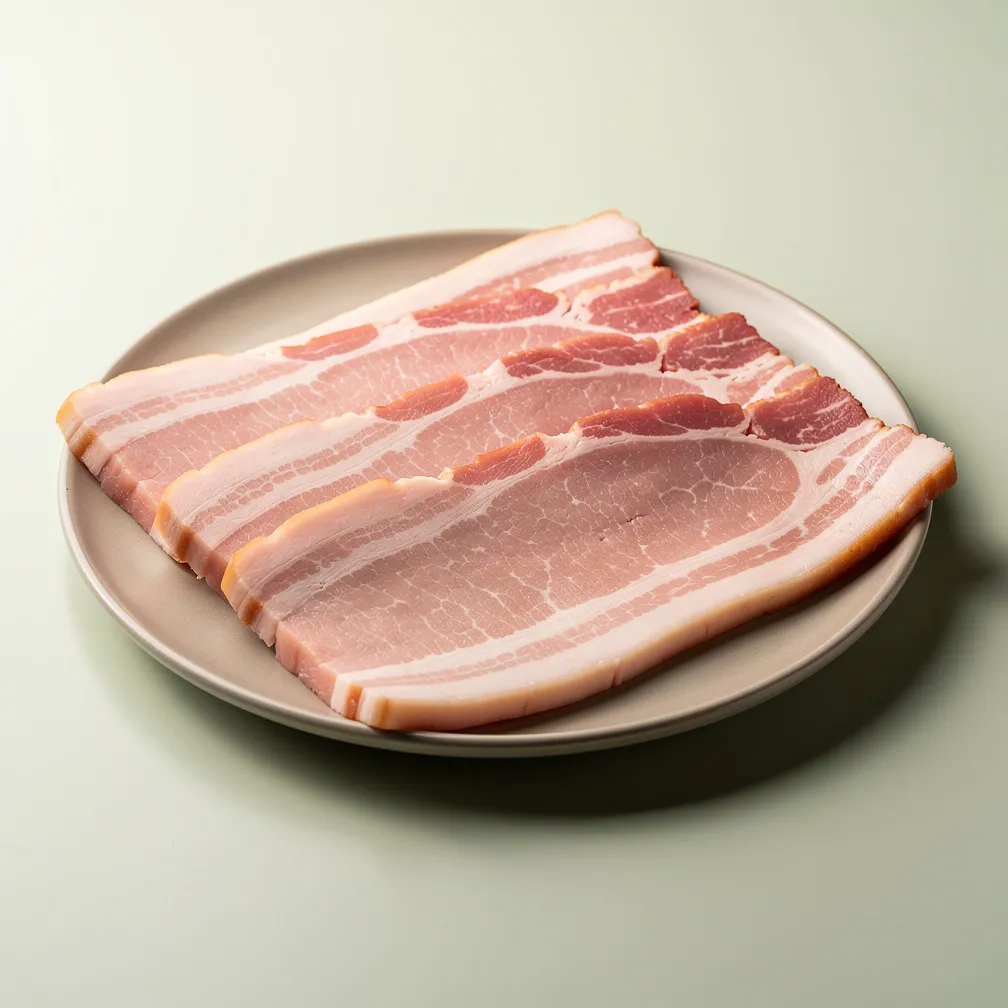
Back bacon
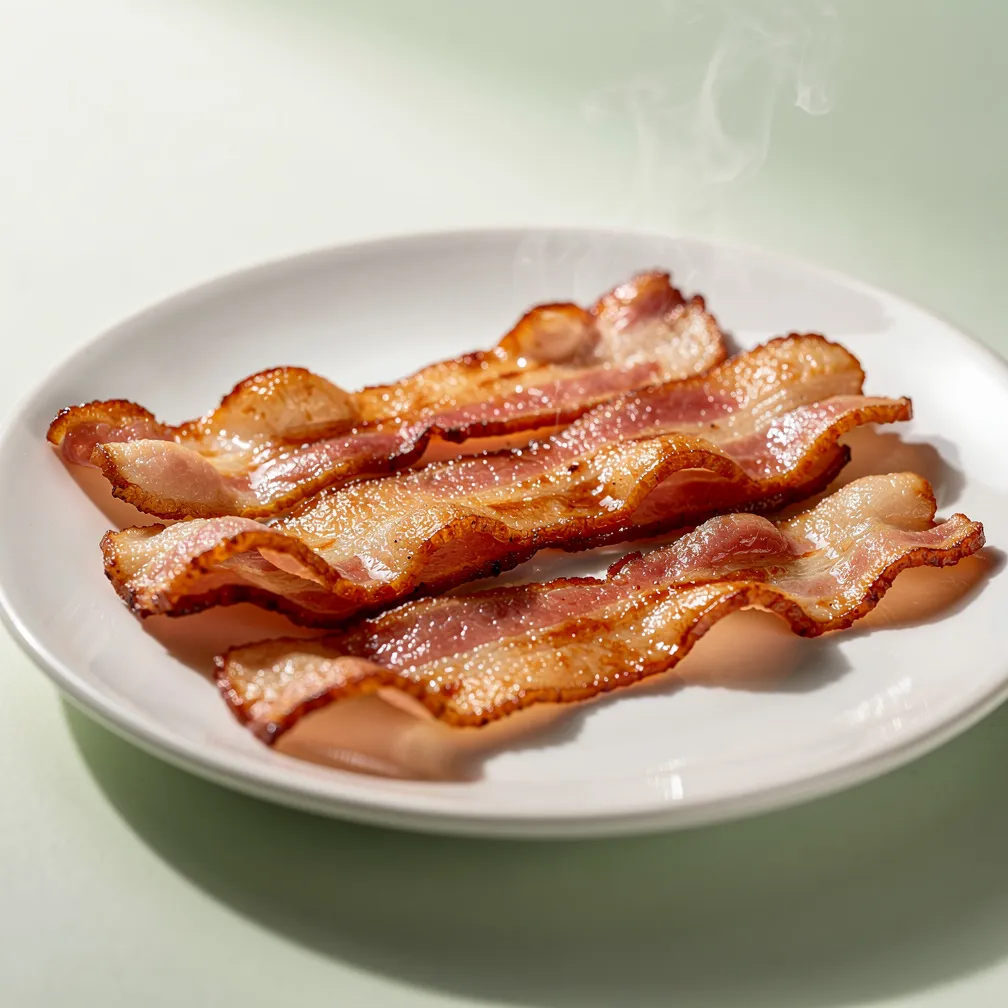
Back bacon rashers
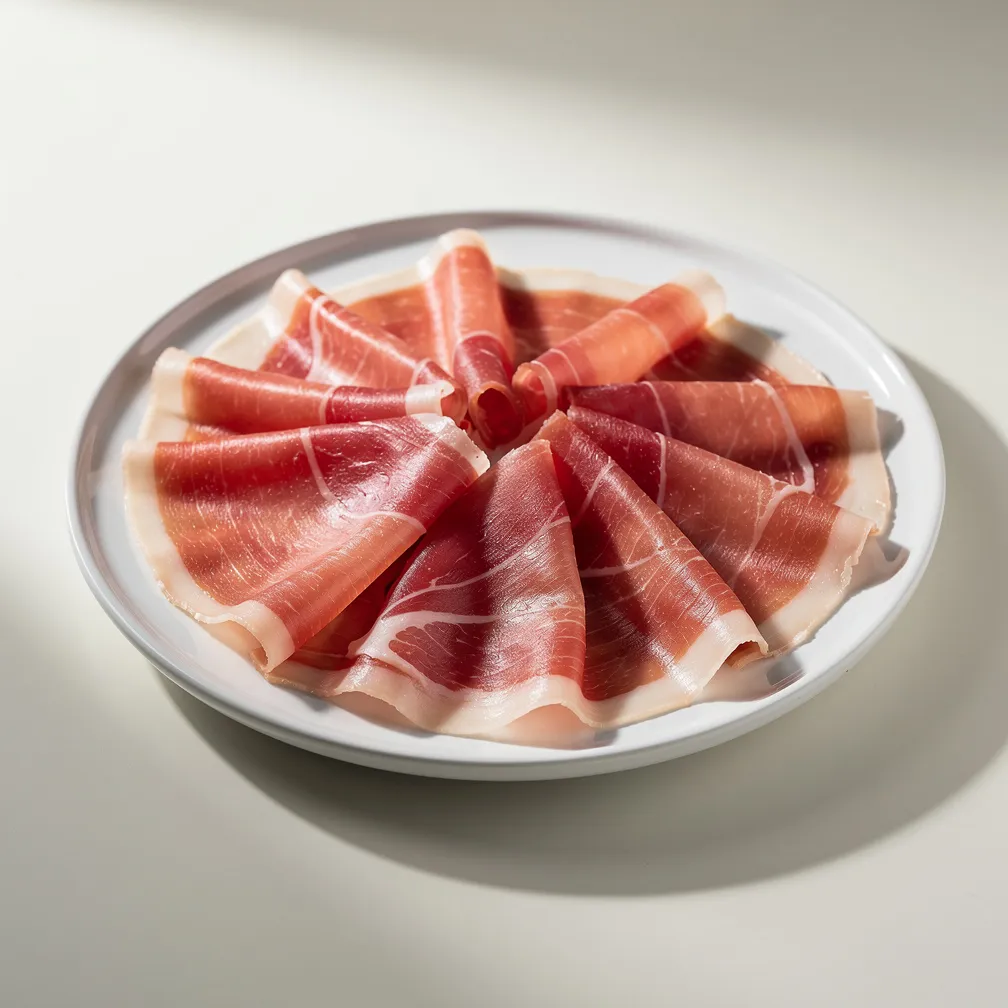
Bayonne cured ham
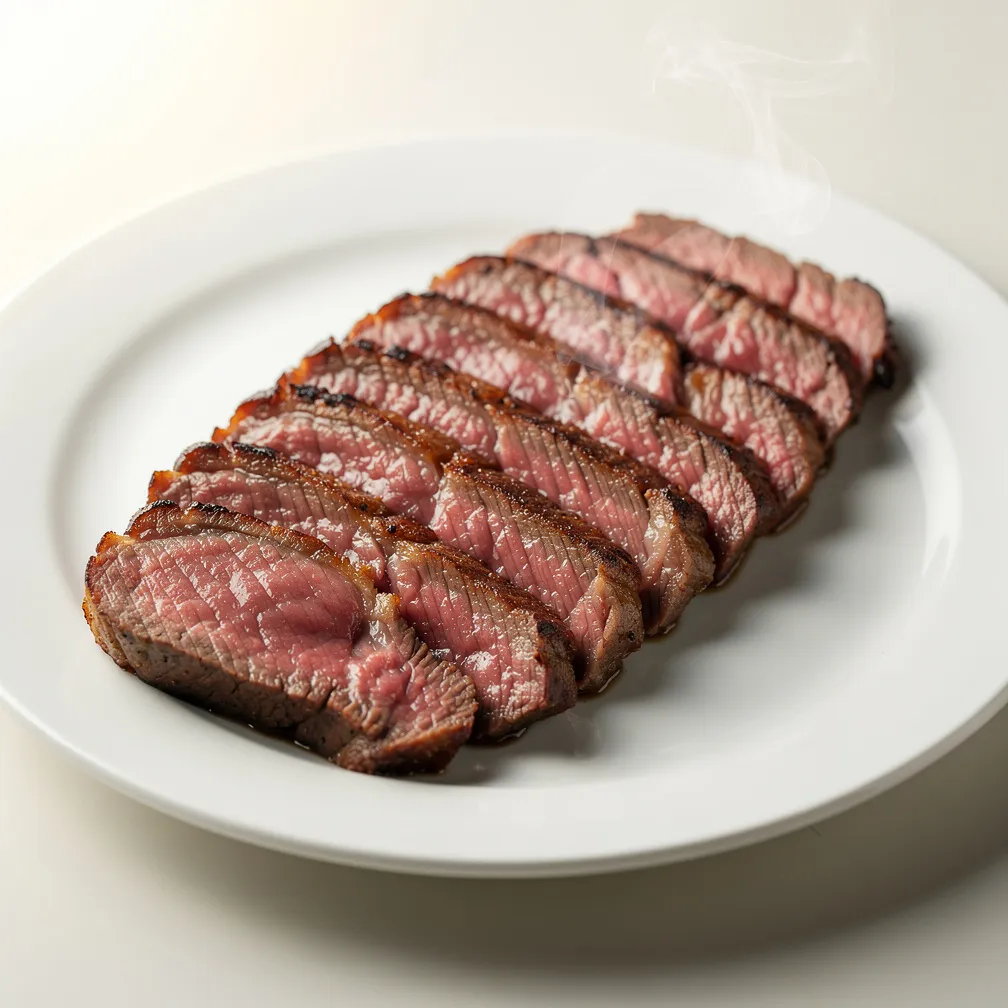
Beef
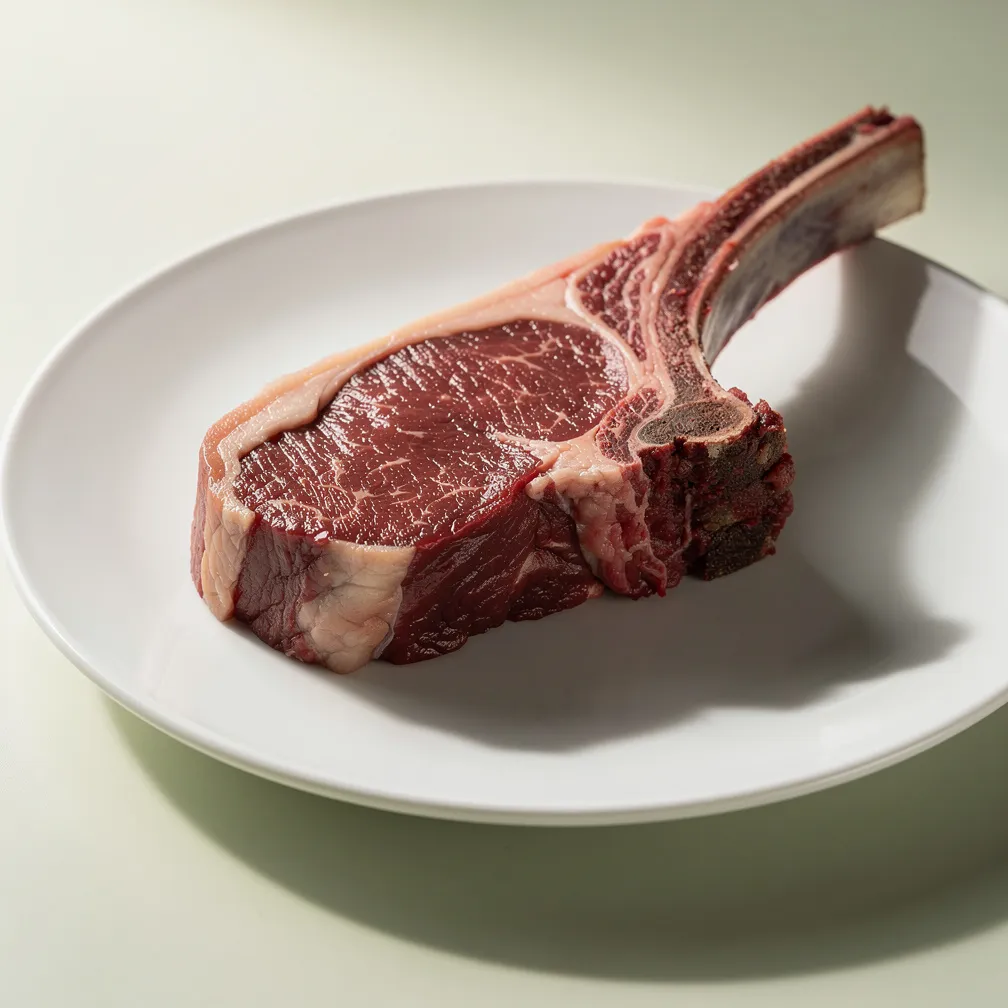
Beef rib
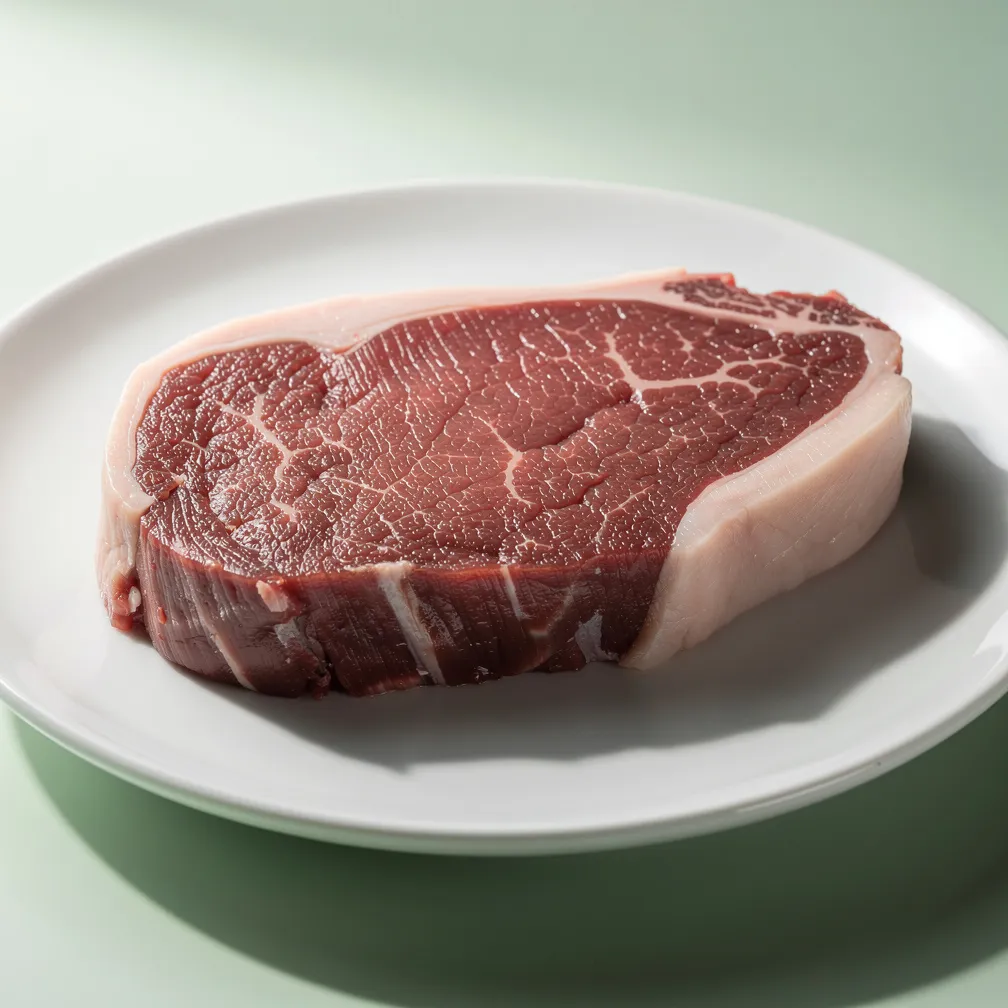
Beef steak
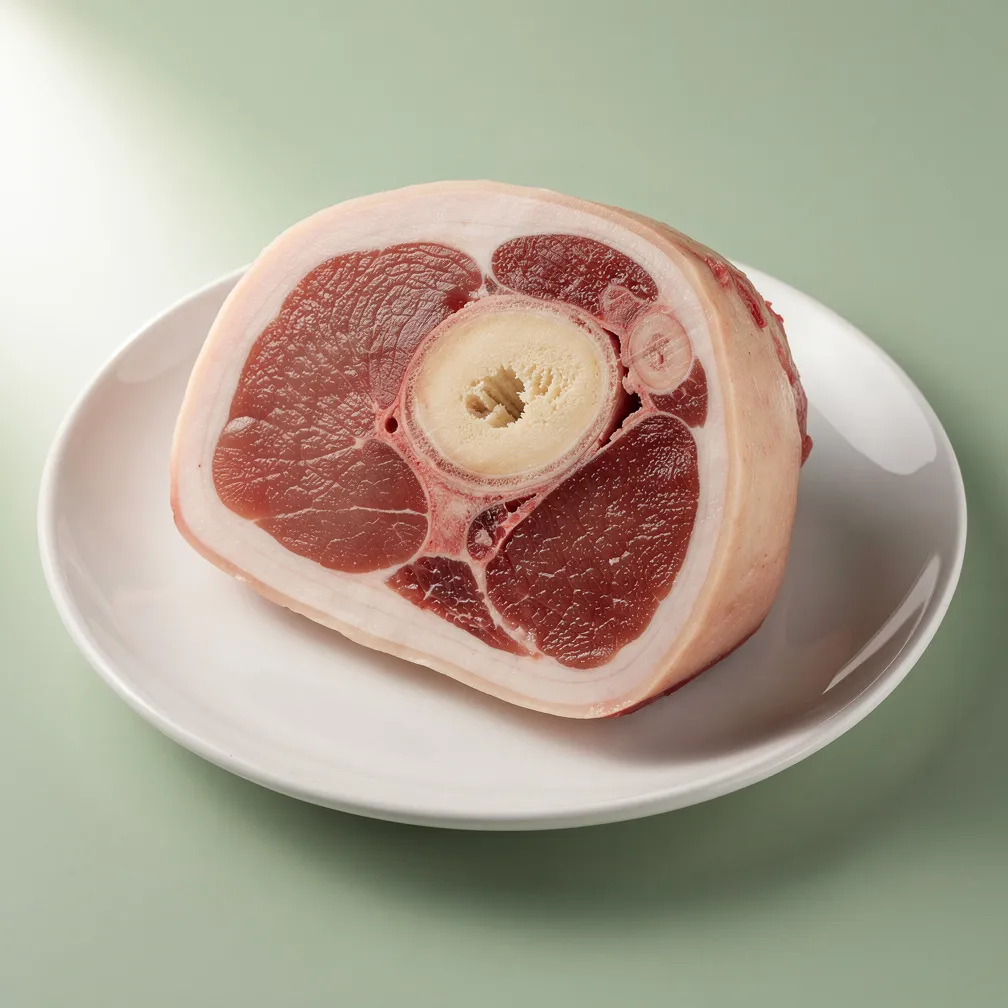
Calf foot
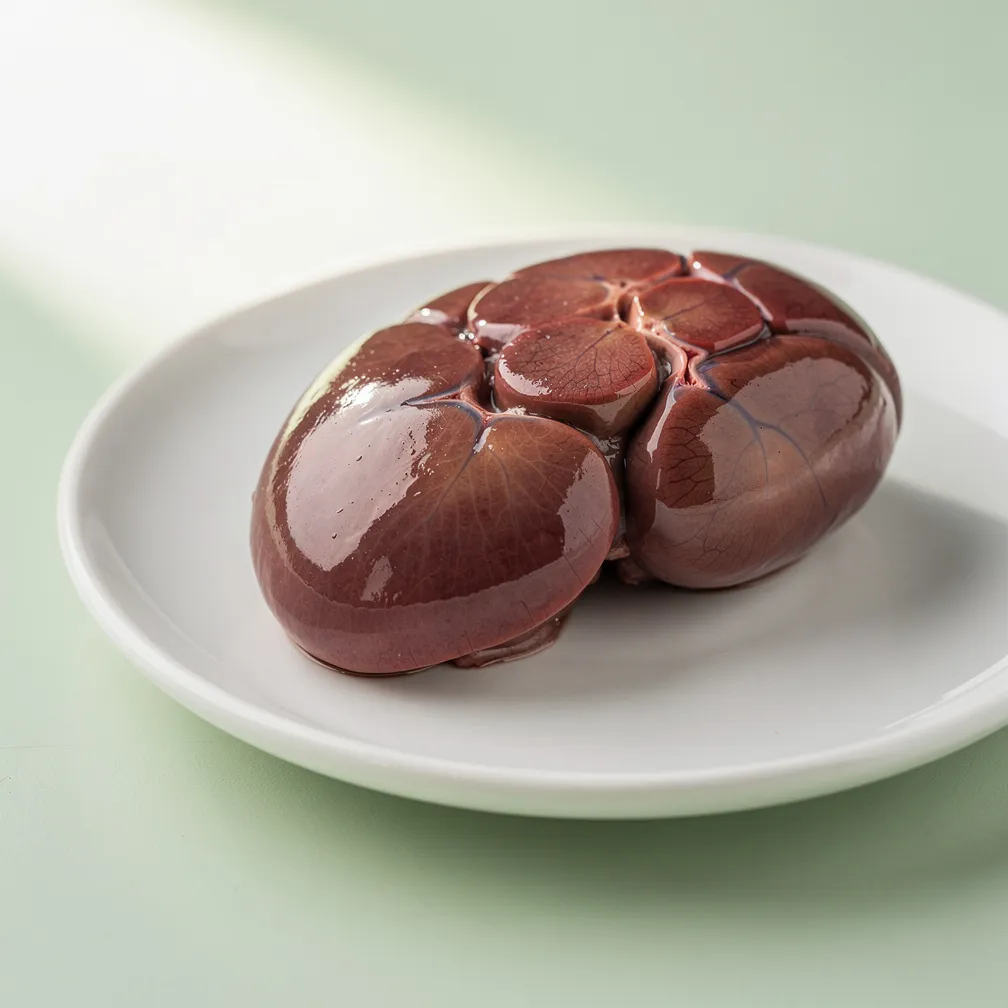
Calf kidney
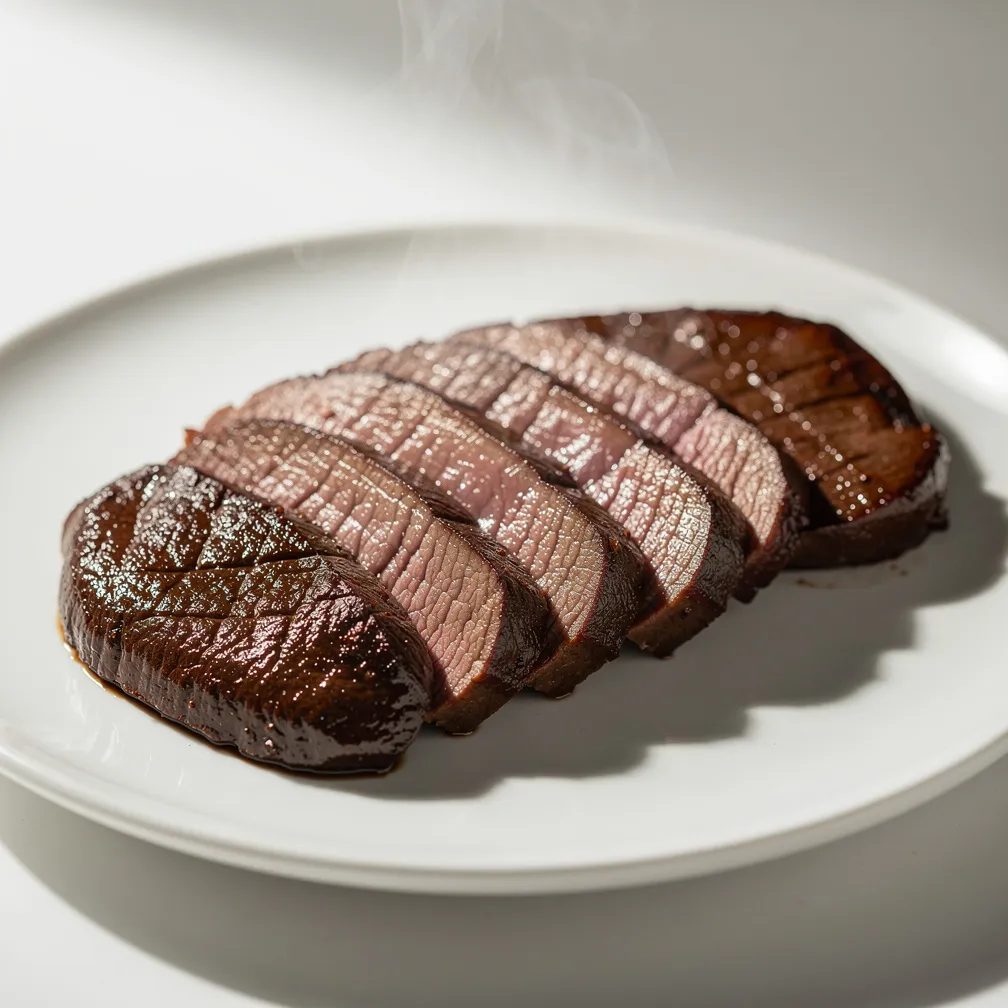
Calf liver
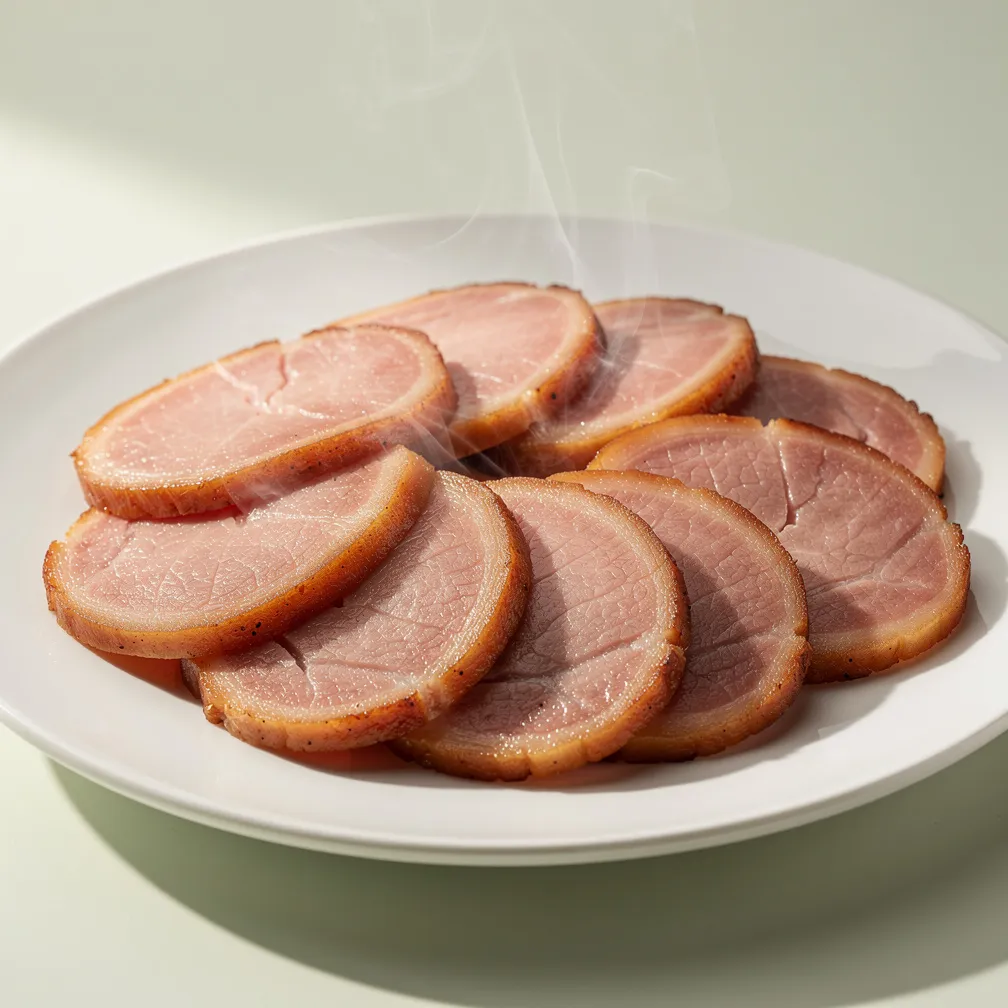
Canadian bacon
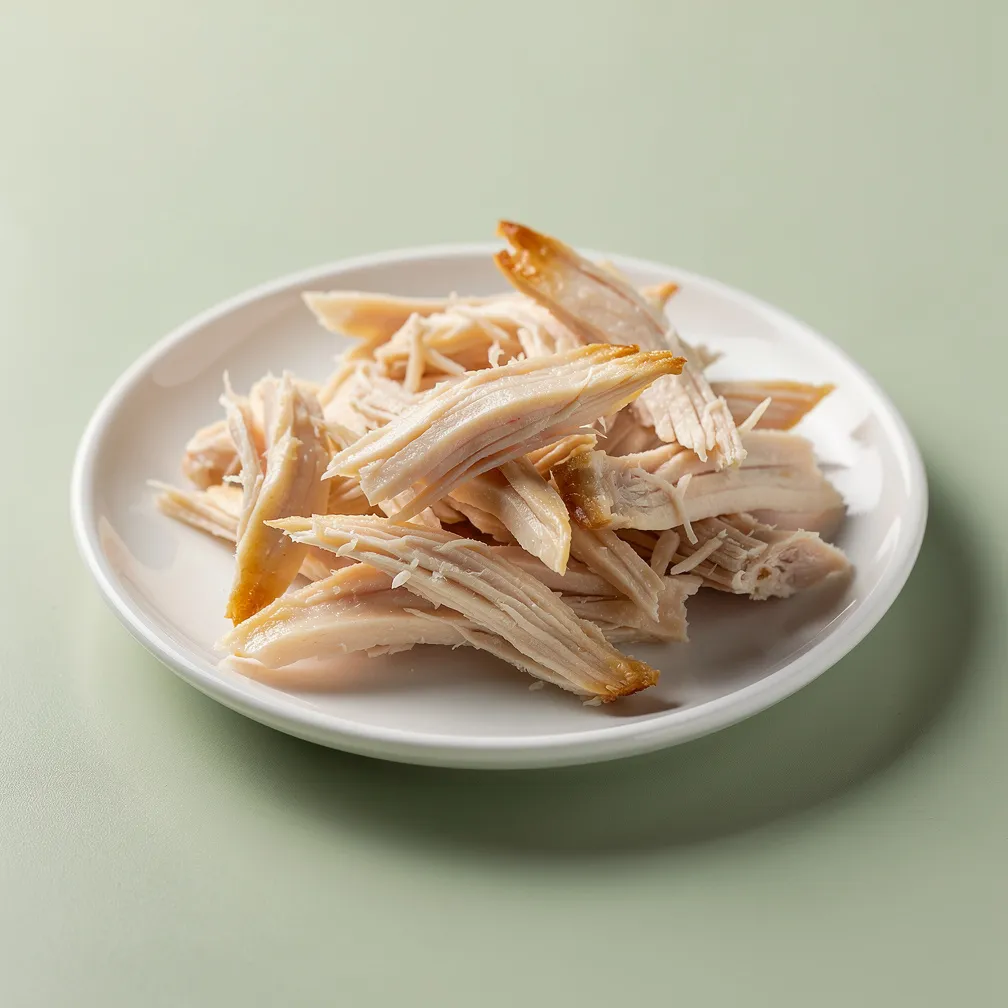
Canned chicken no broth
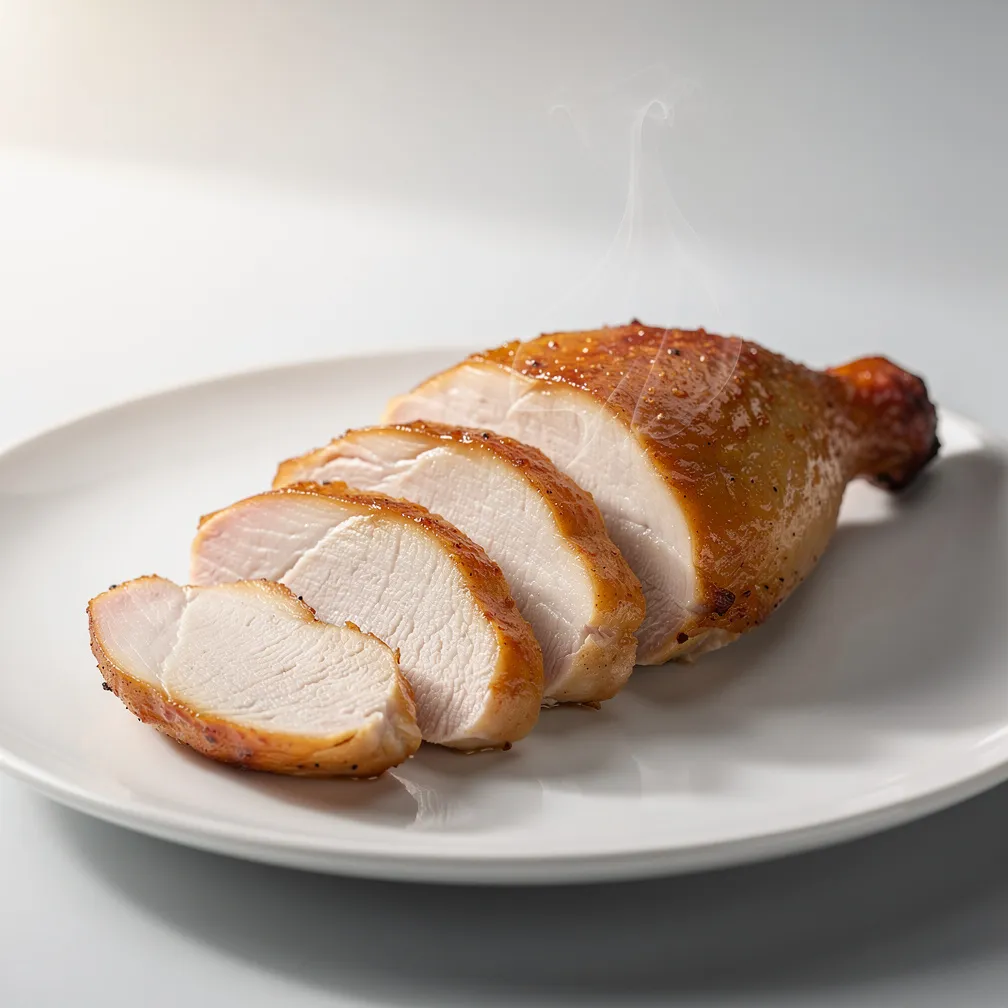
Chicken
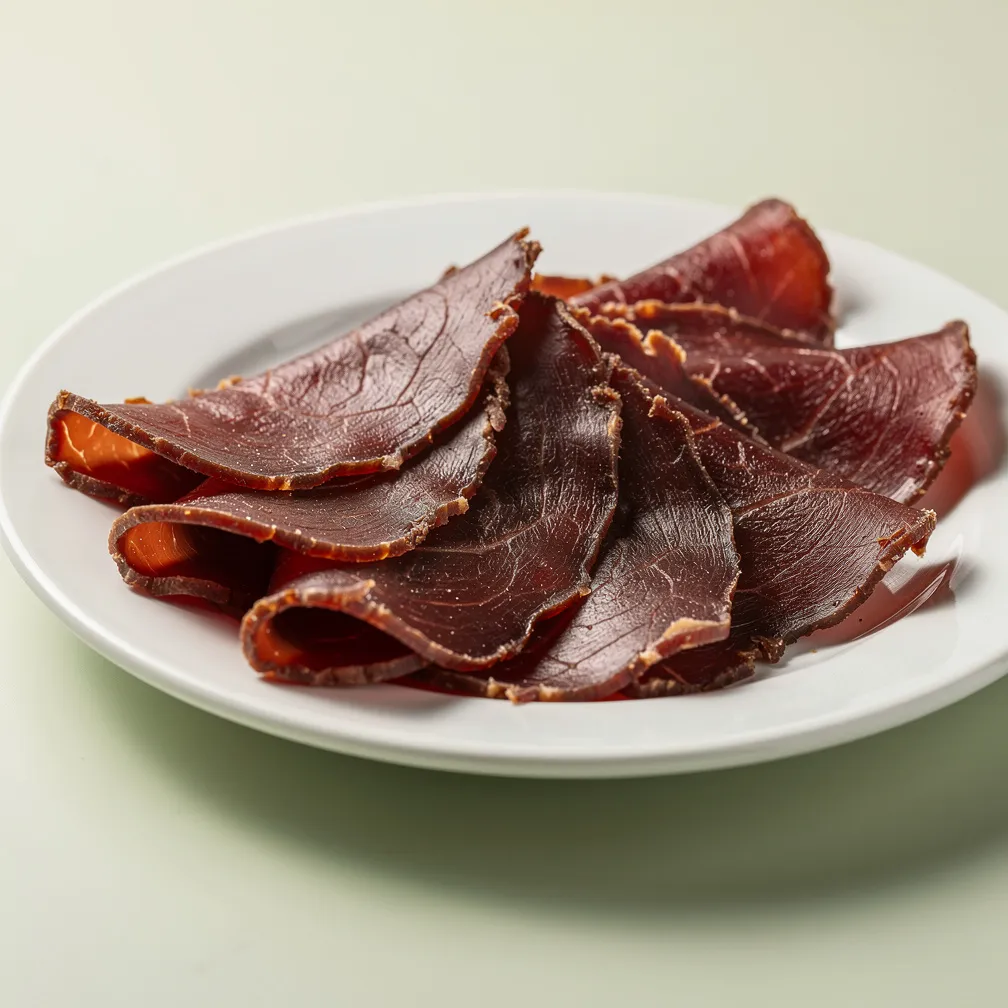
Cured beef, dried
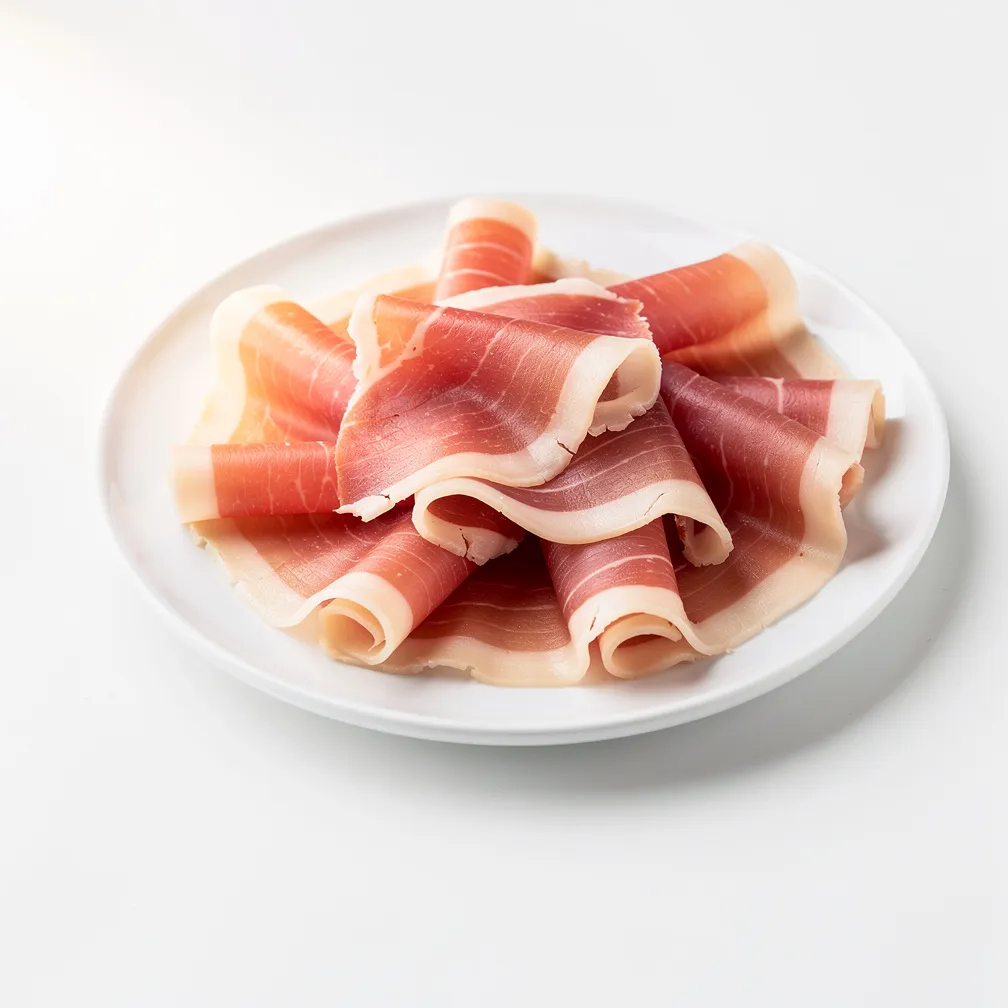
Cured ham
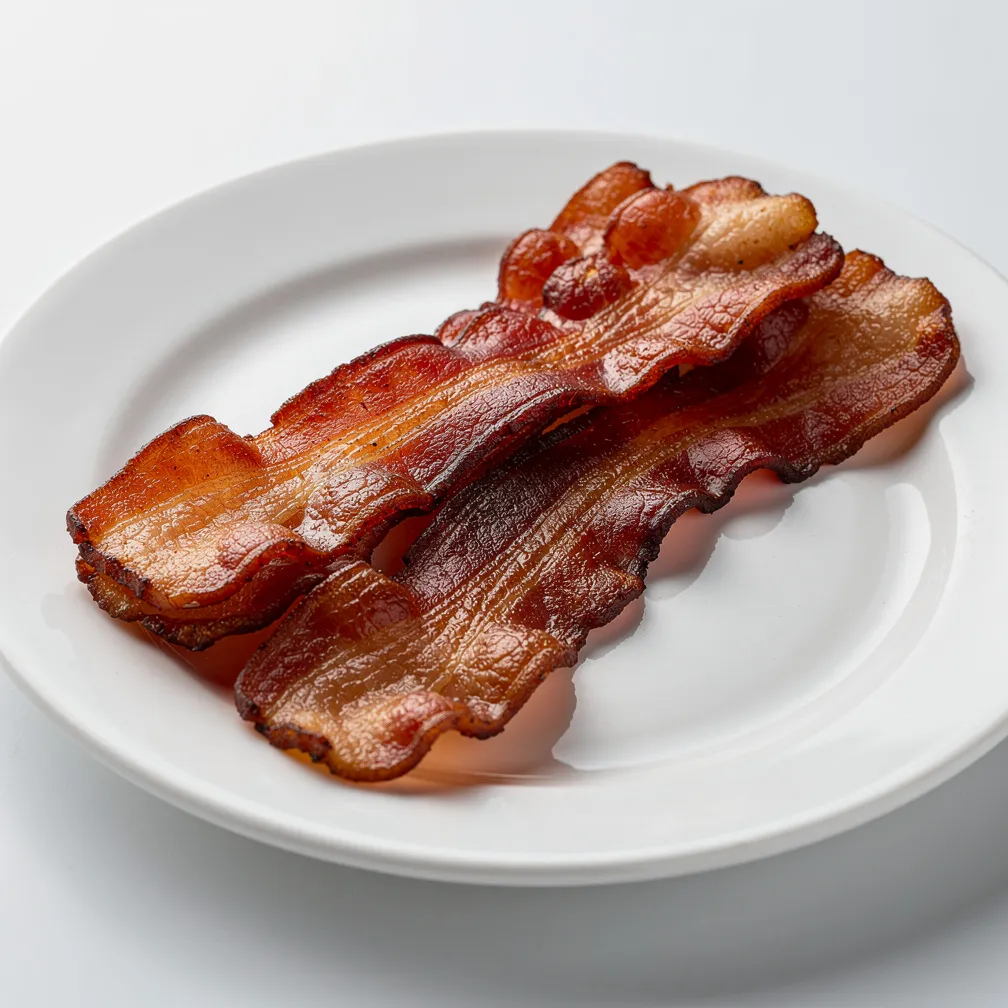
Cured pork bacon
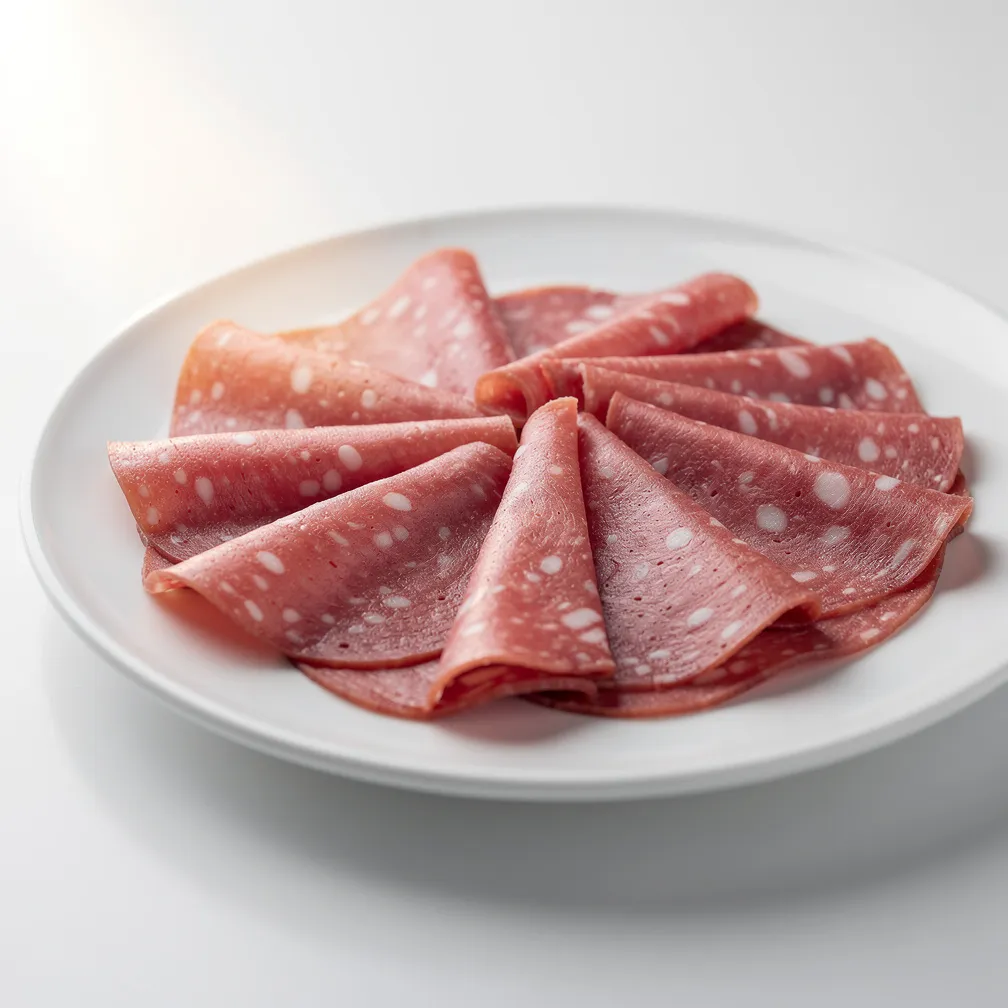
Danish salami
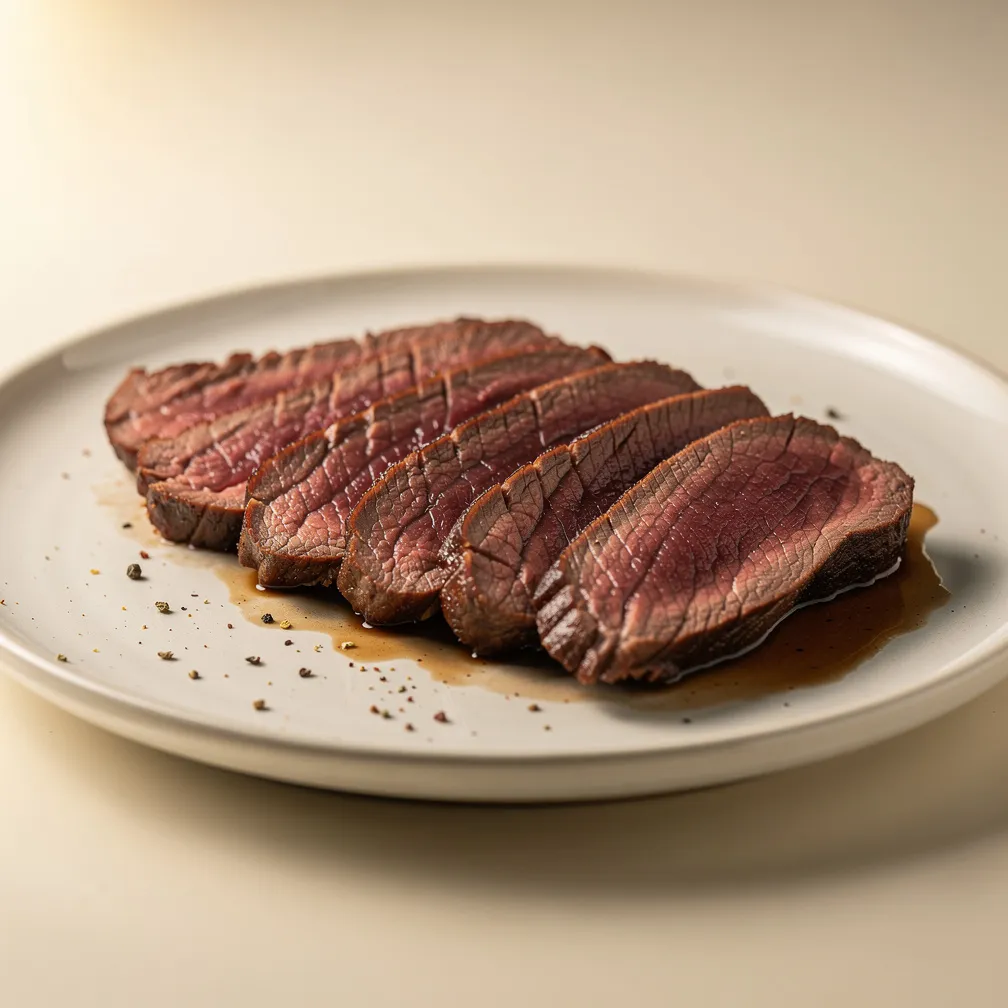
Deer
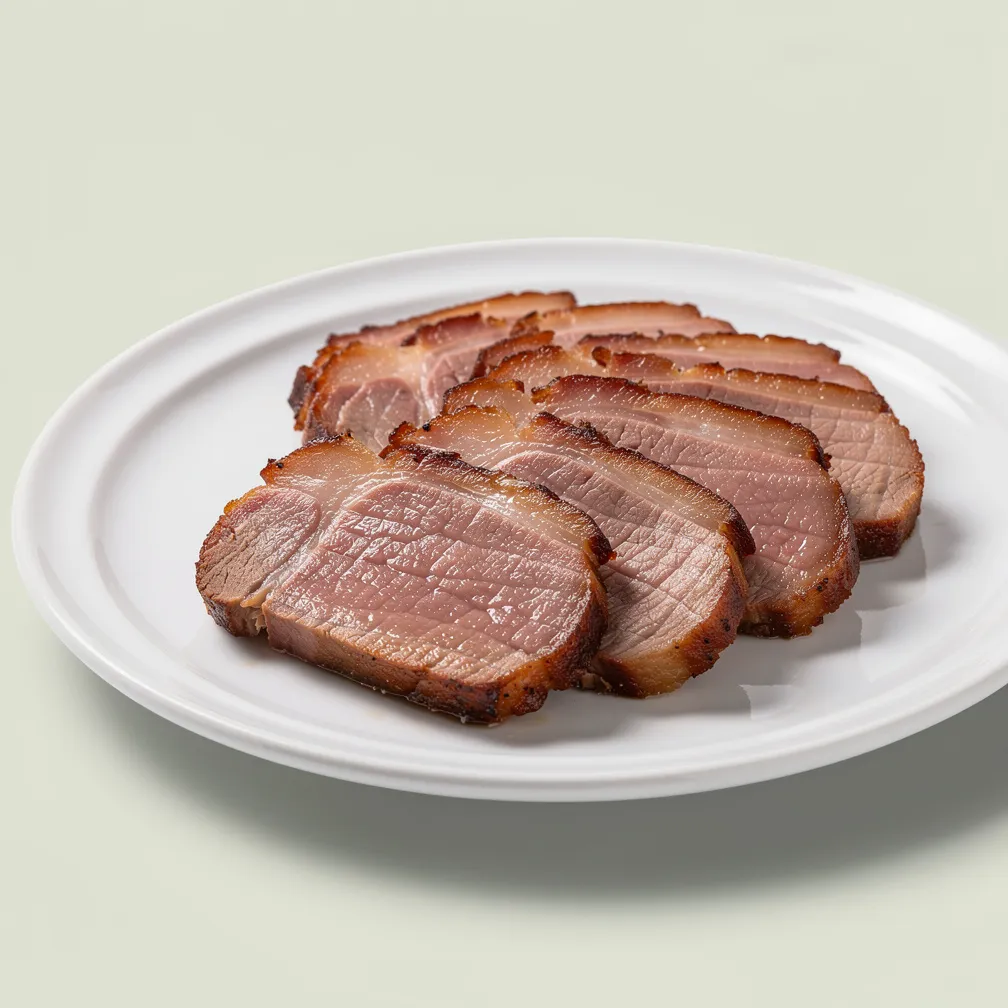
Drum
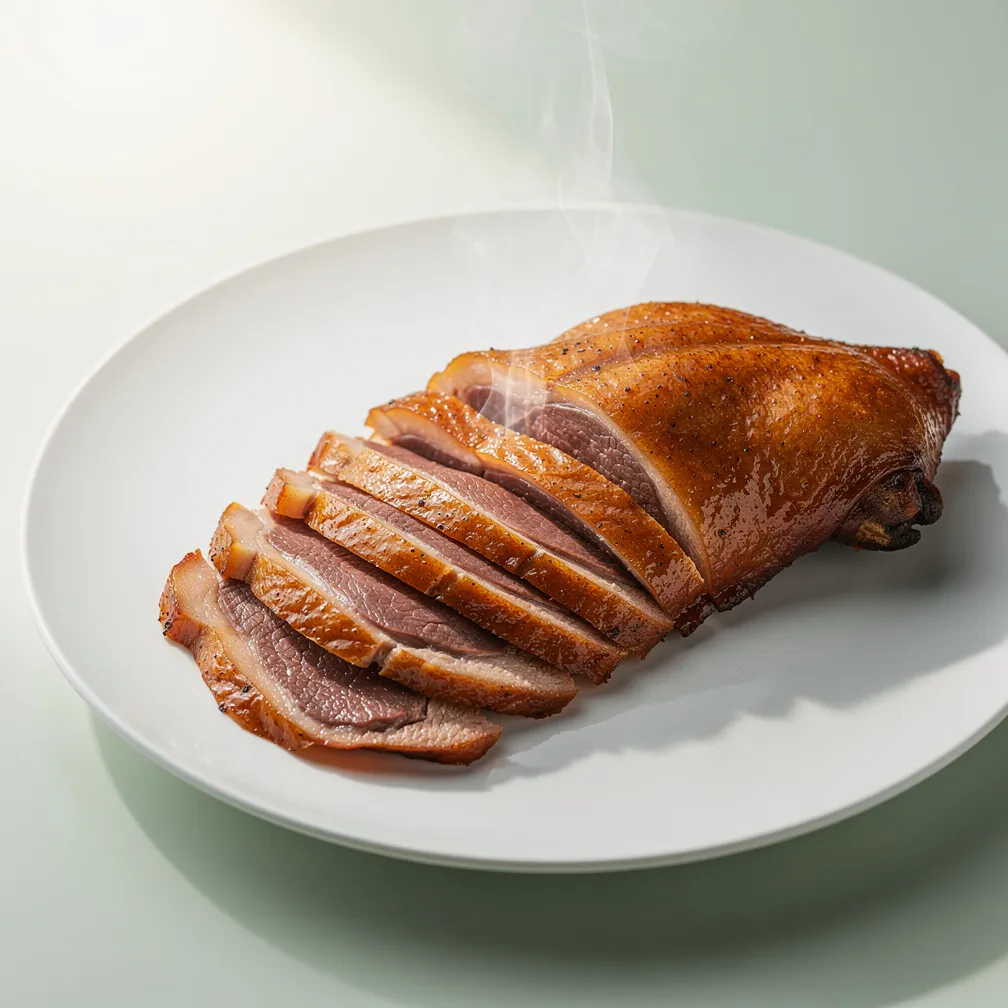
Duck
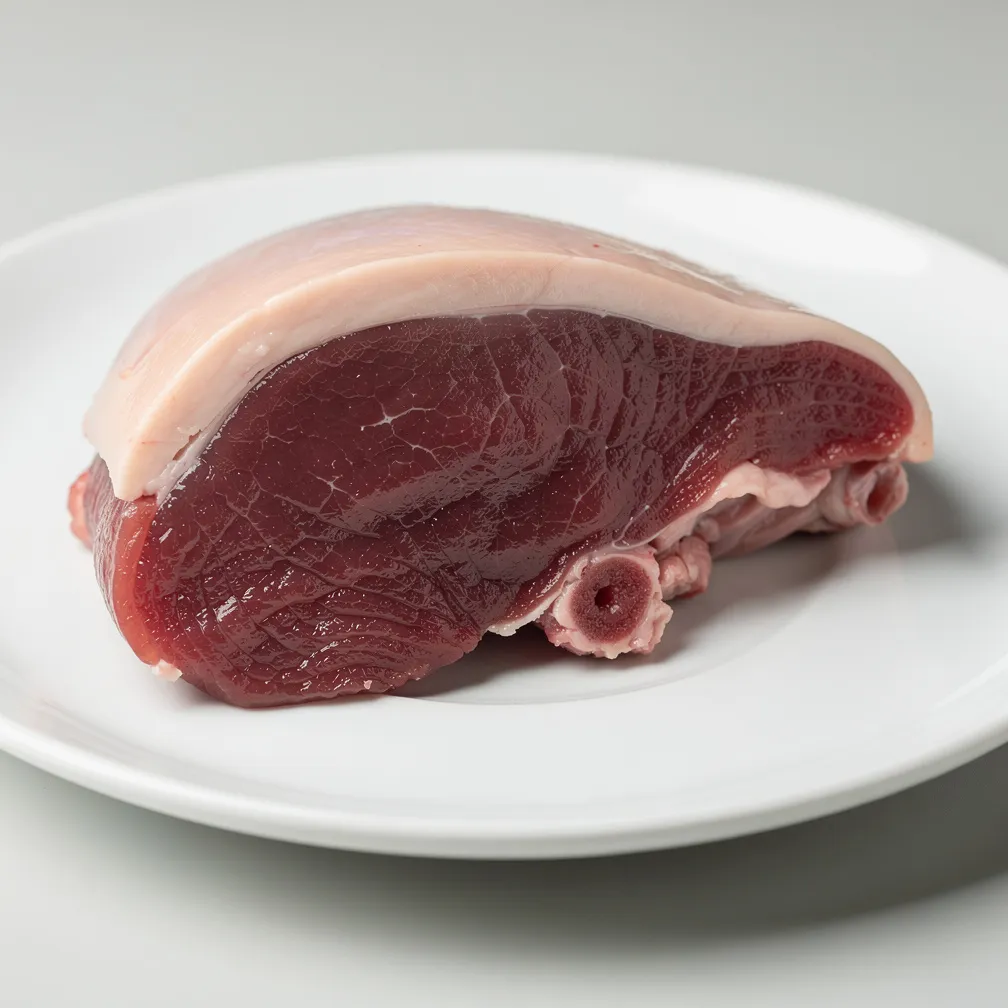
Duck breast
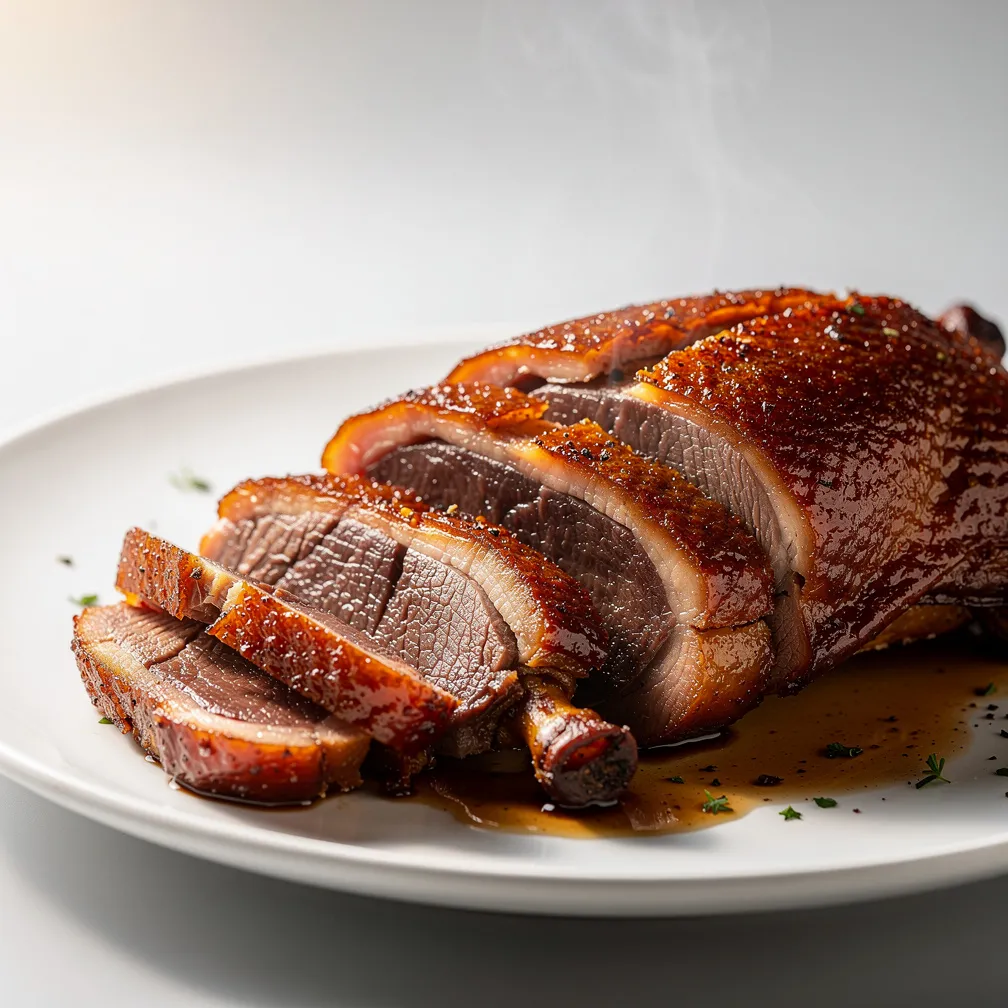
Goose
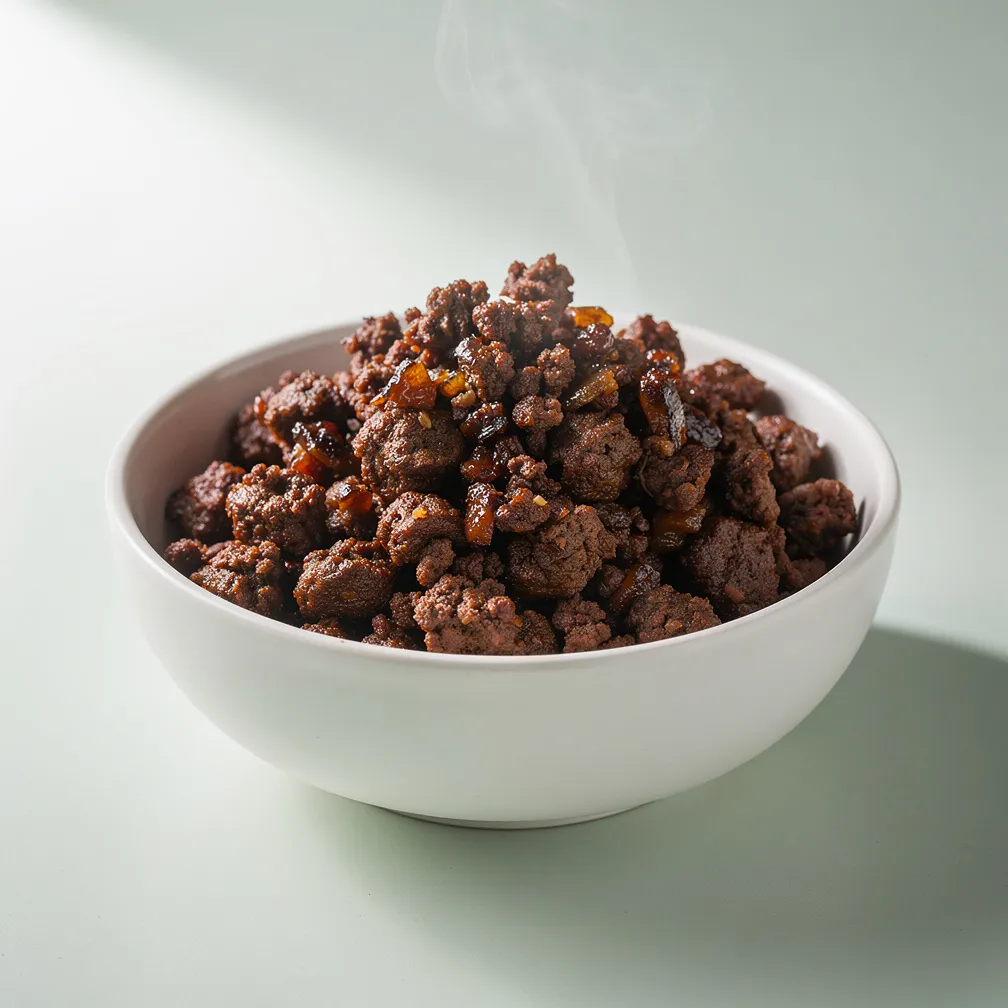
Ground bison
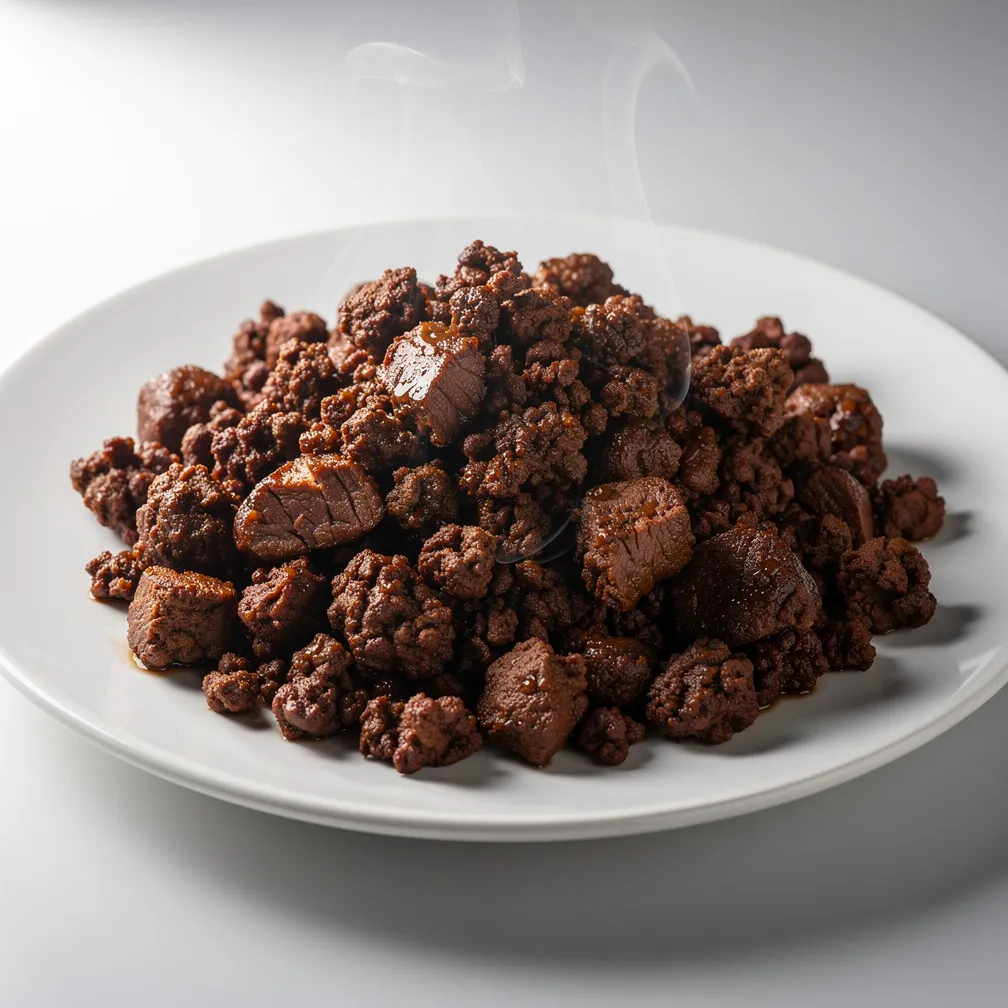
Ground grass-fed bison
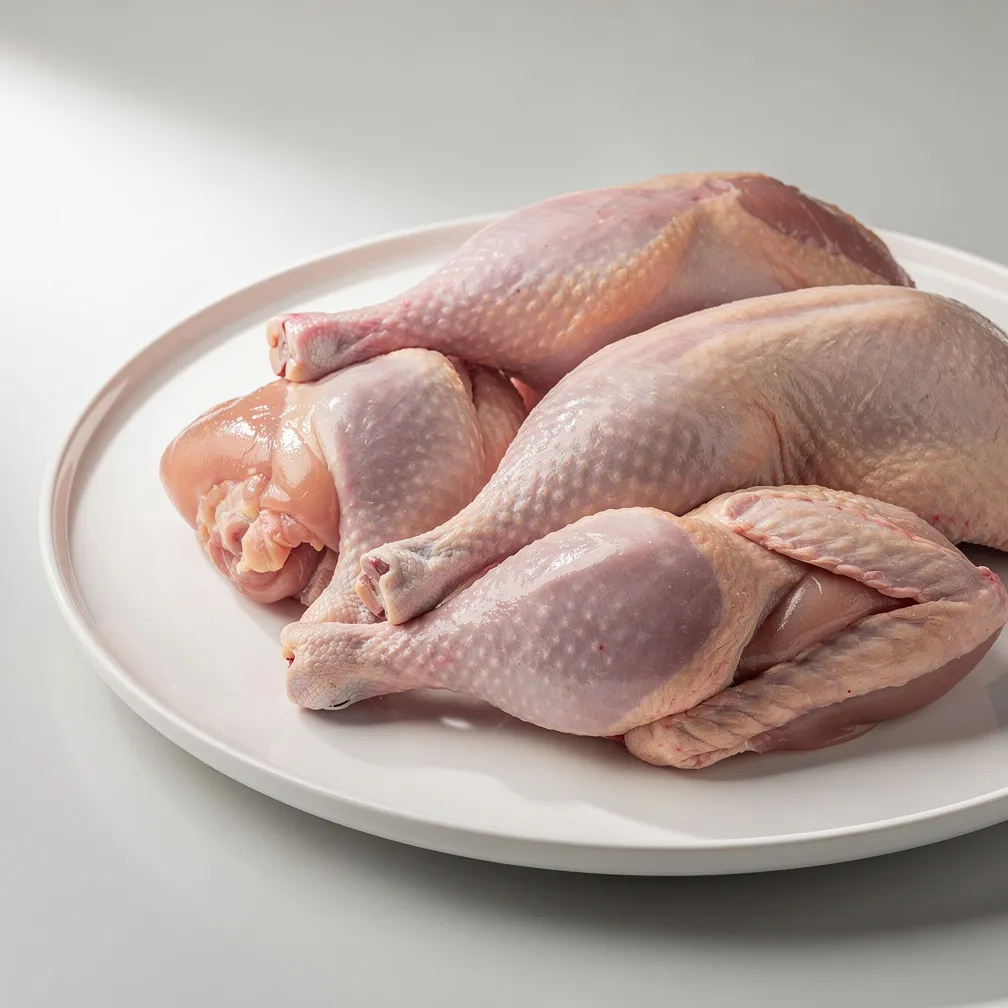
Guinea fowl meat
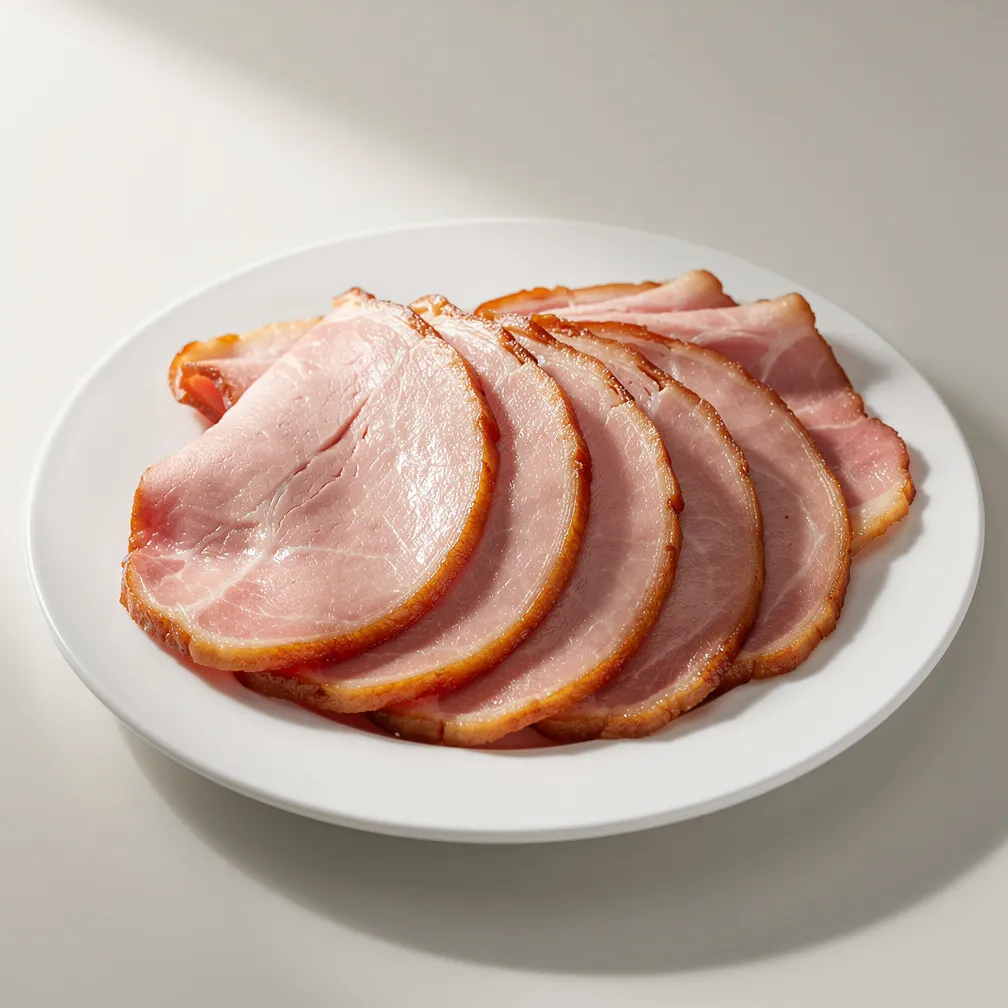
Ham
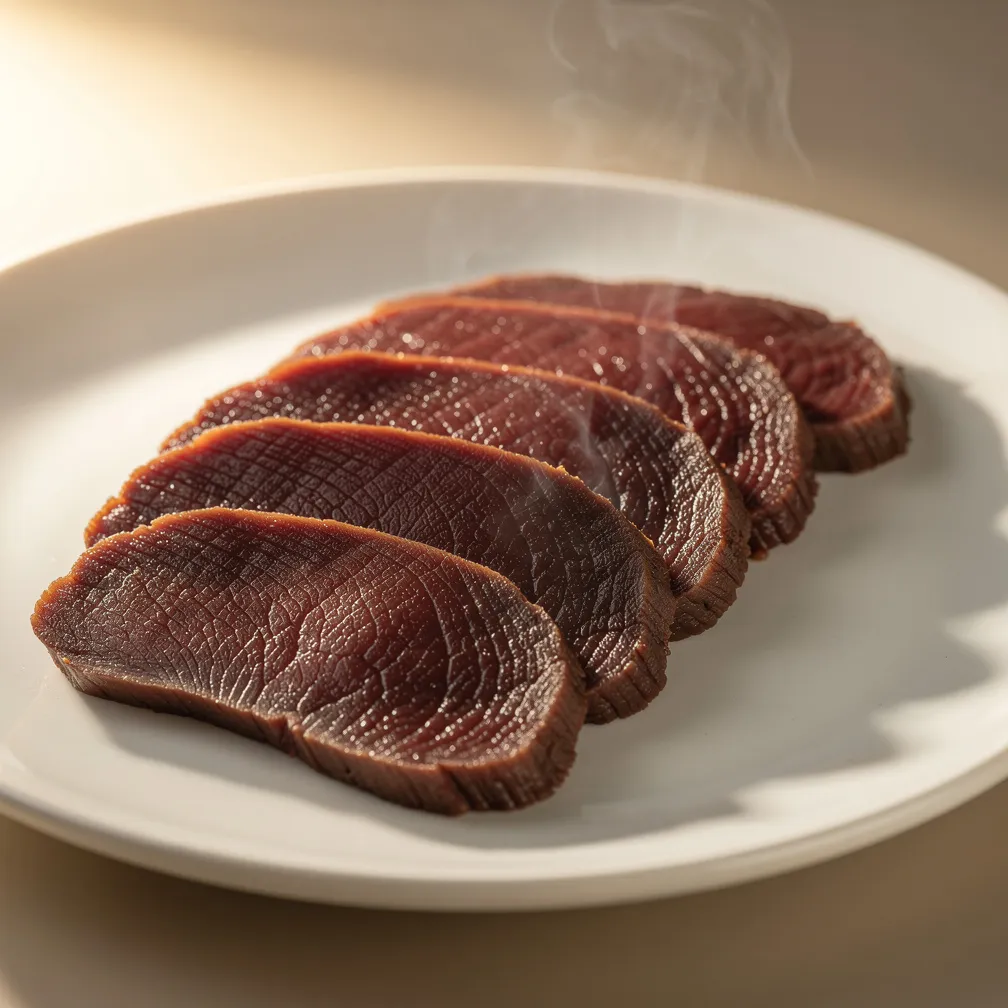
Horse
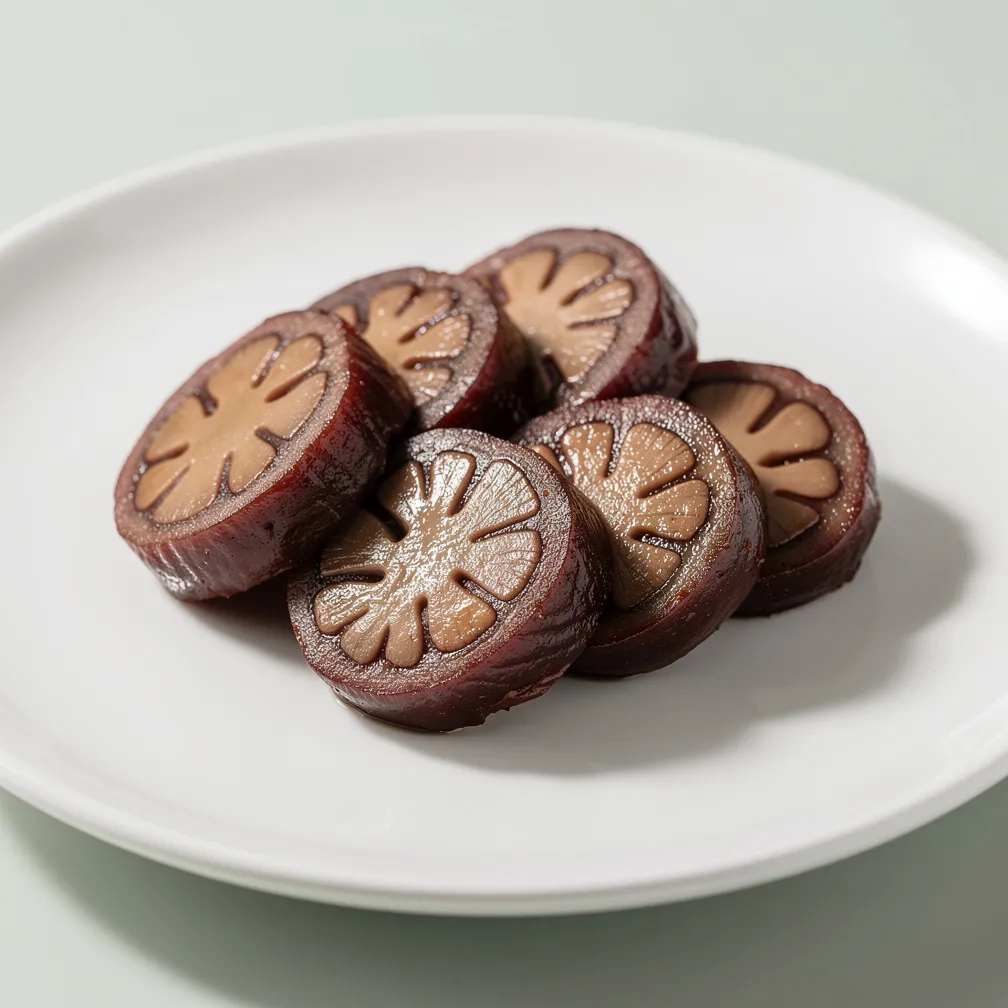
Kidney
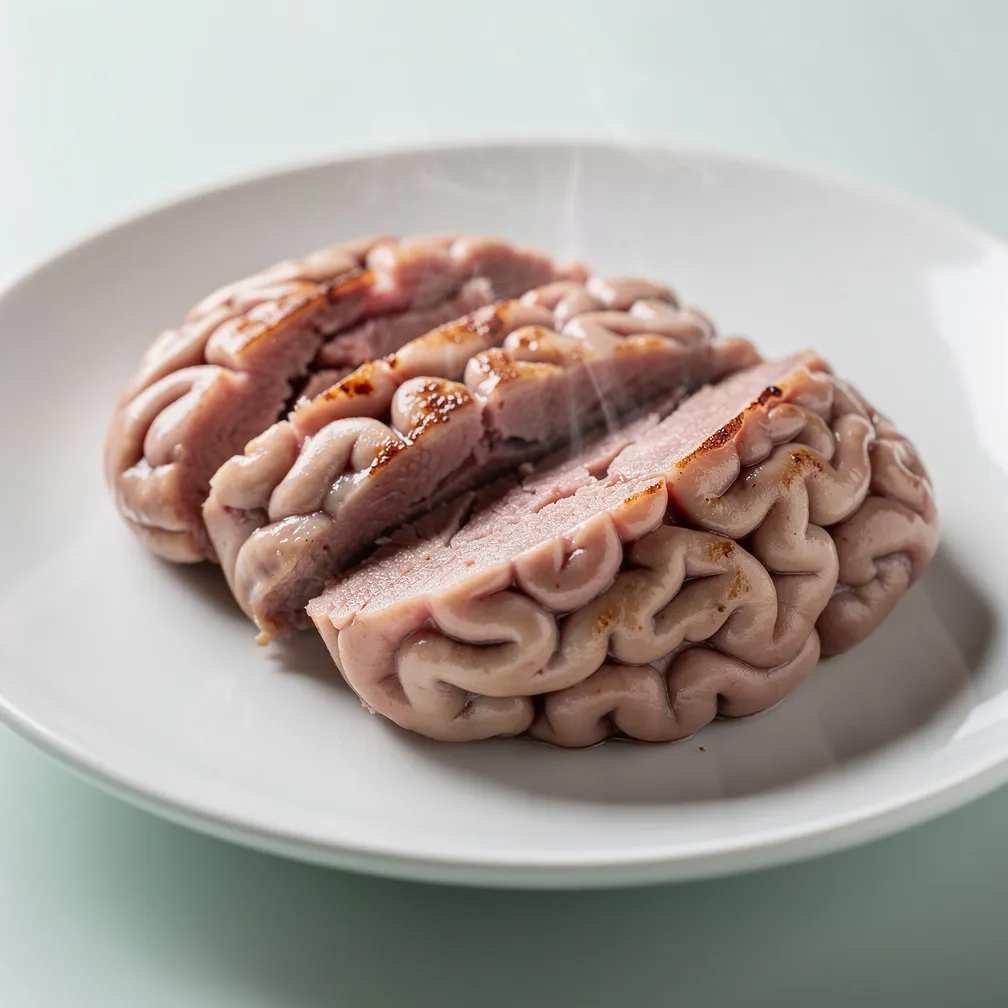
Lamb brain
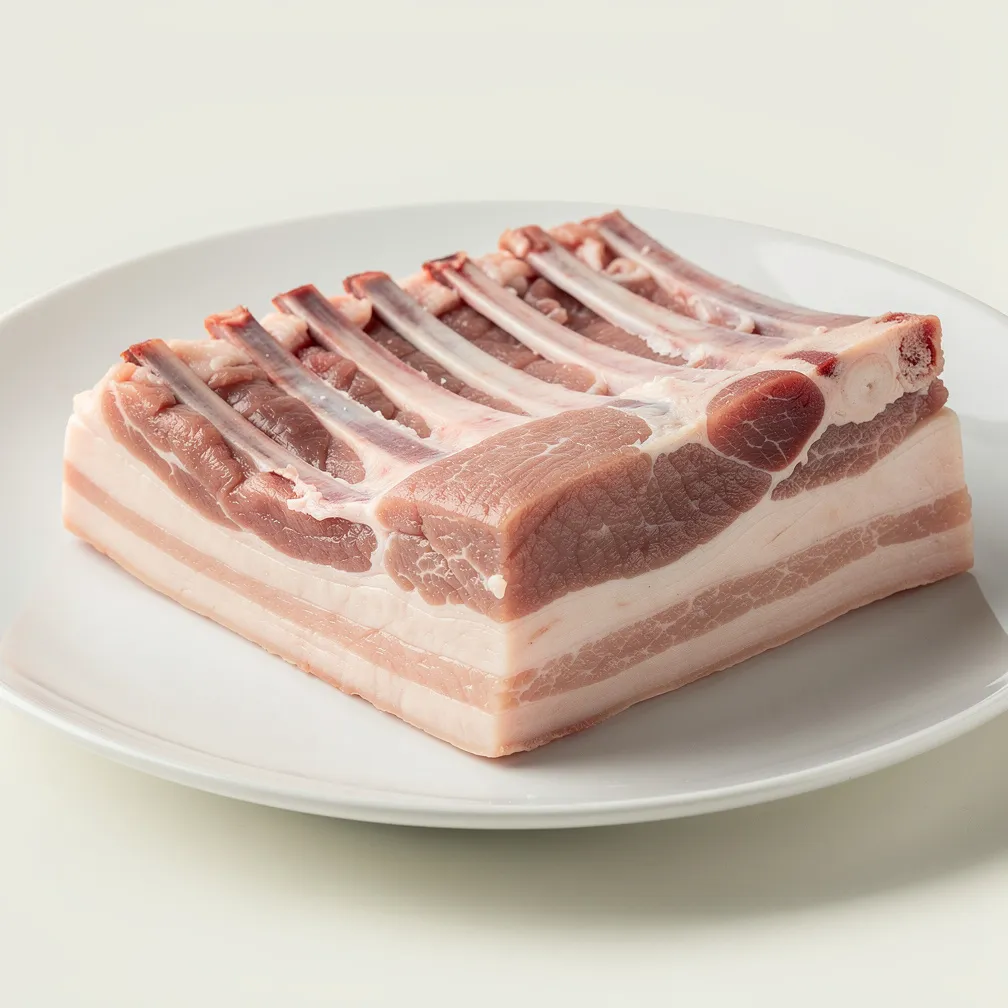
Lamb breast
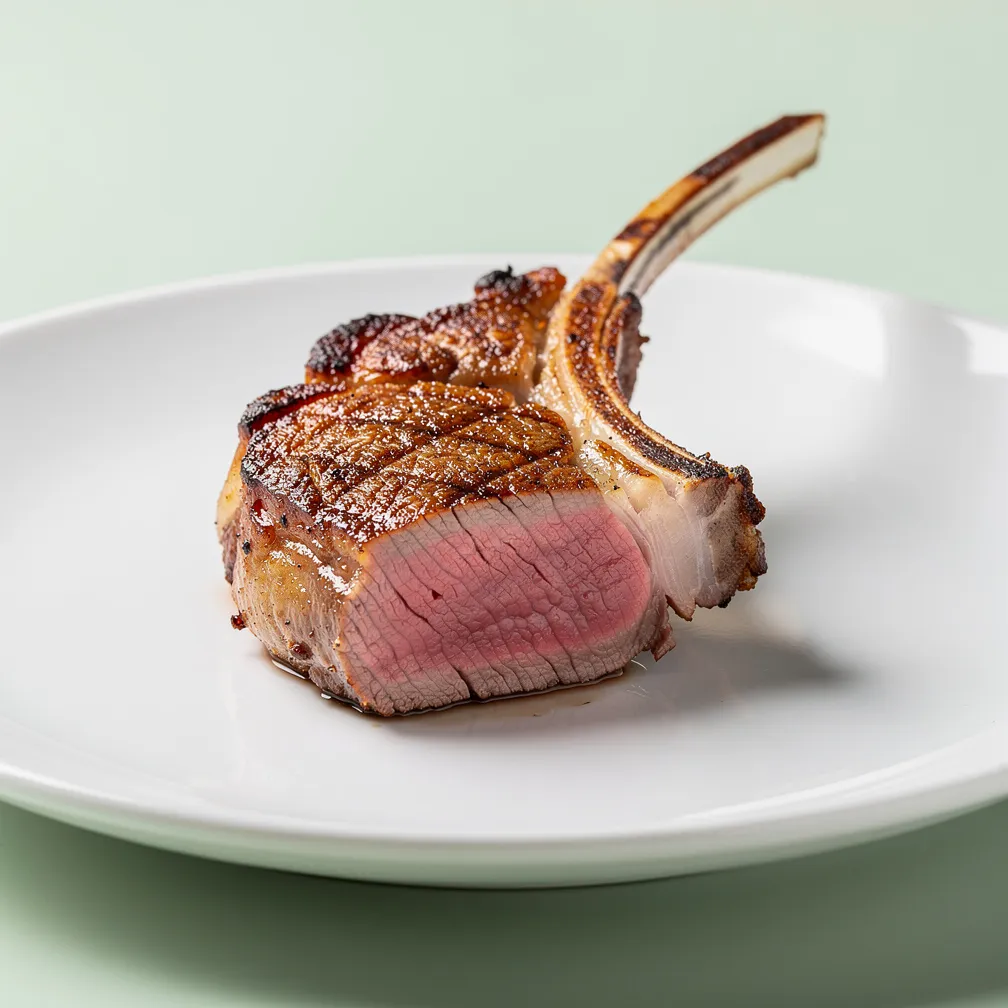
Lamb chop
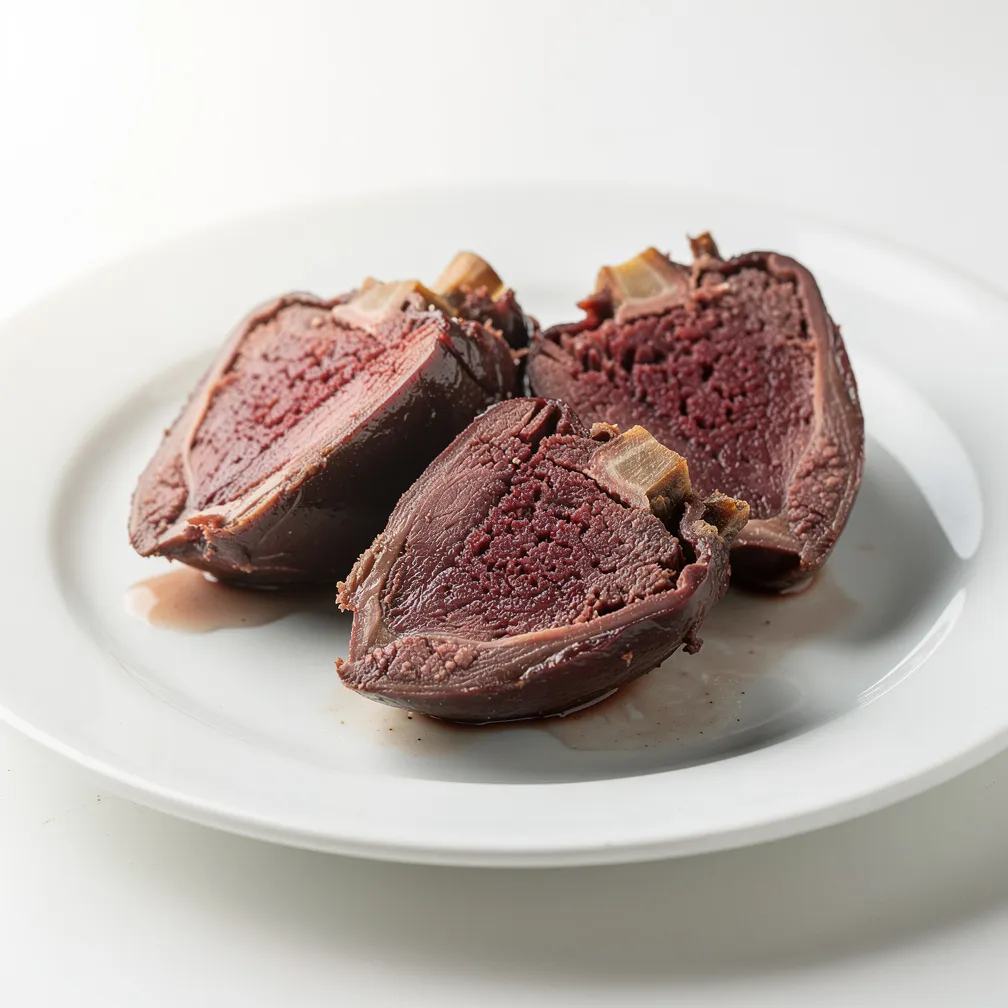
Lamb heart
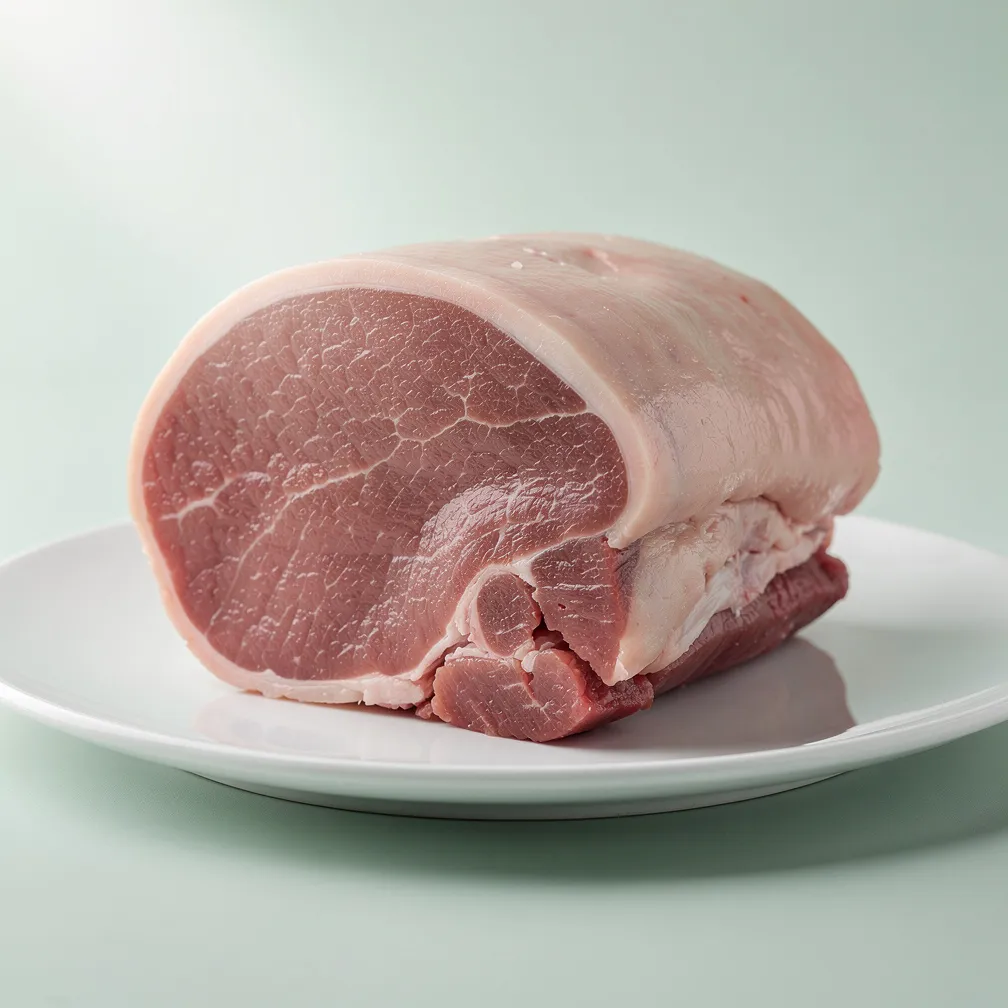
Lamb inside round
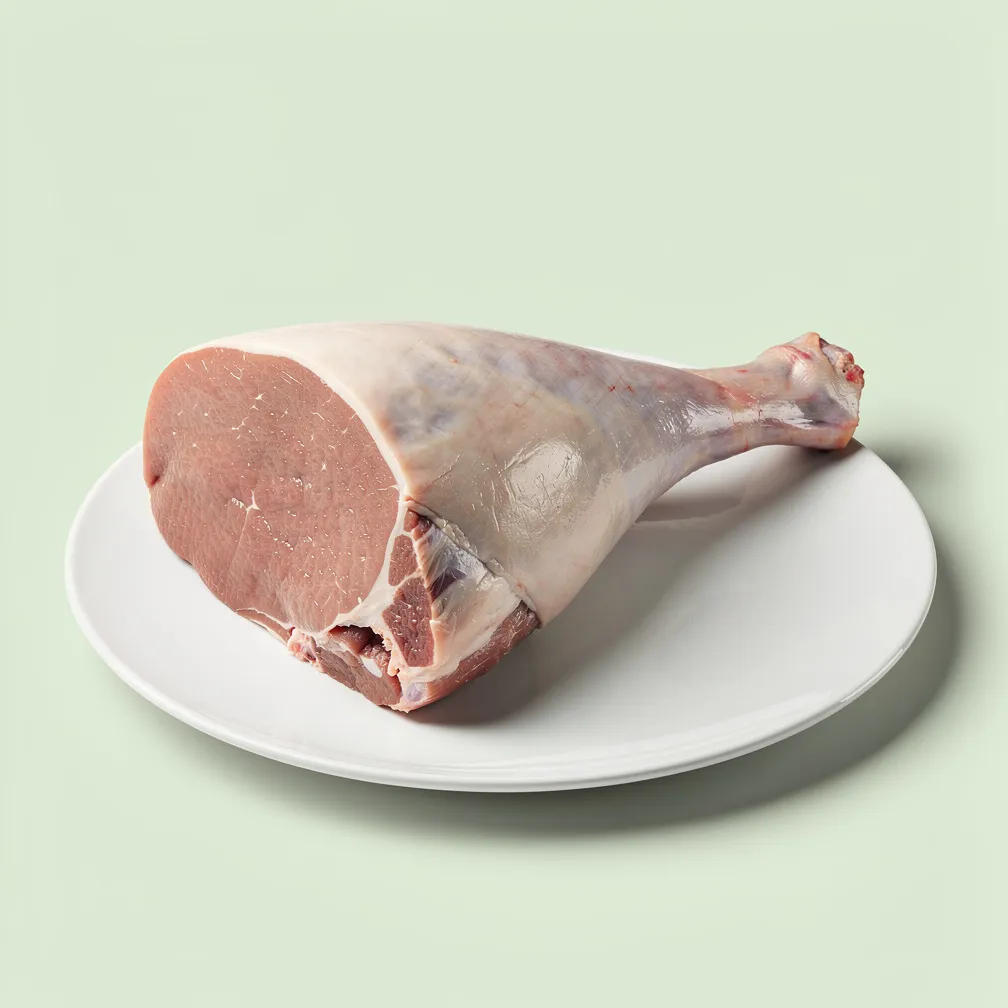
Lamb leg
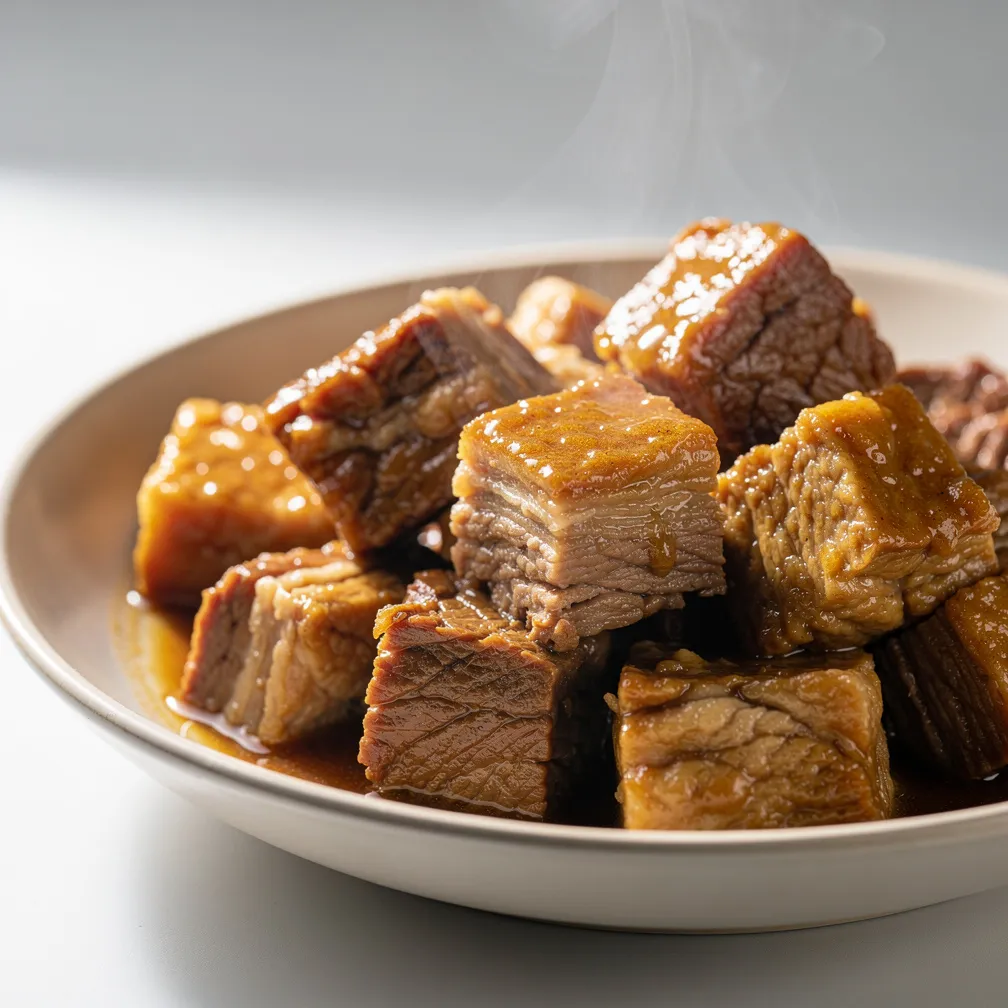
Lean diced pork
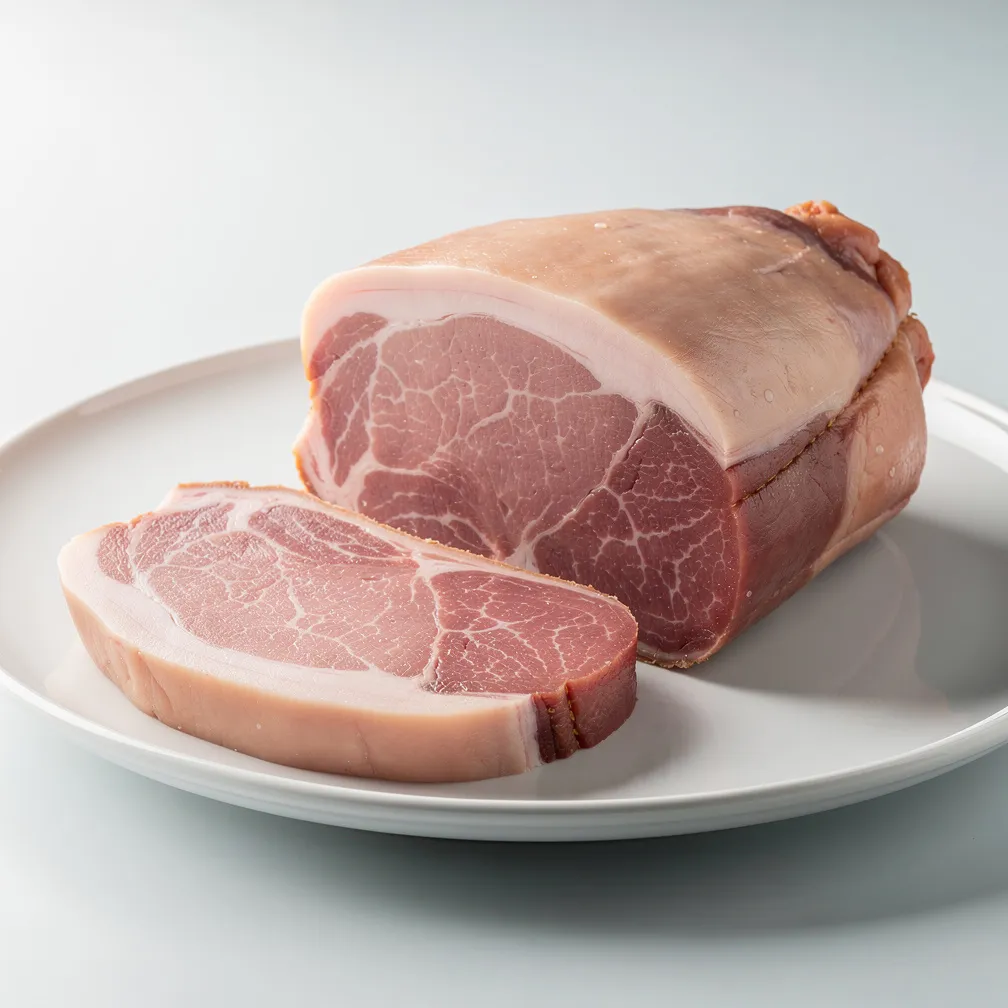
Lean ham leg
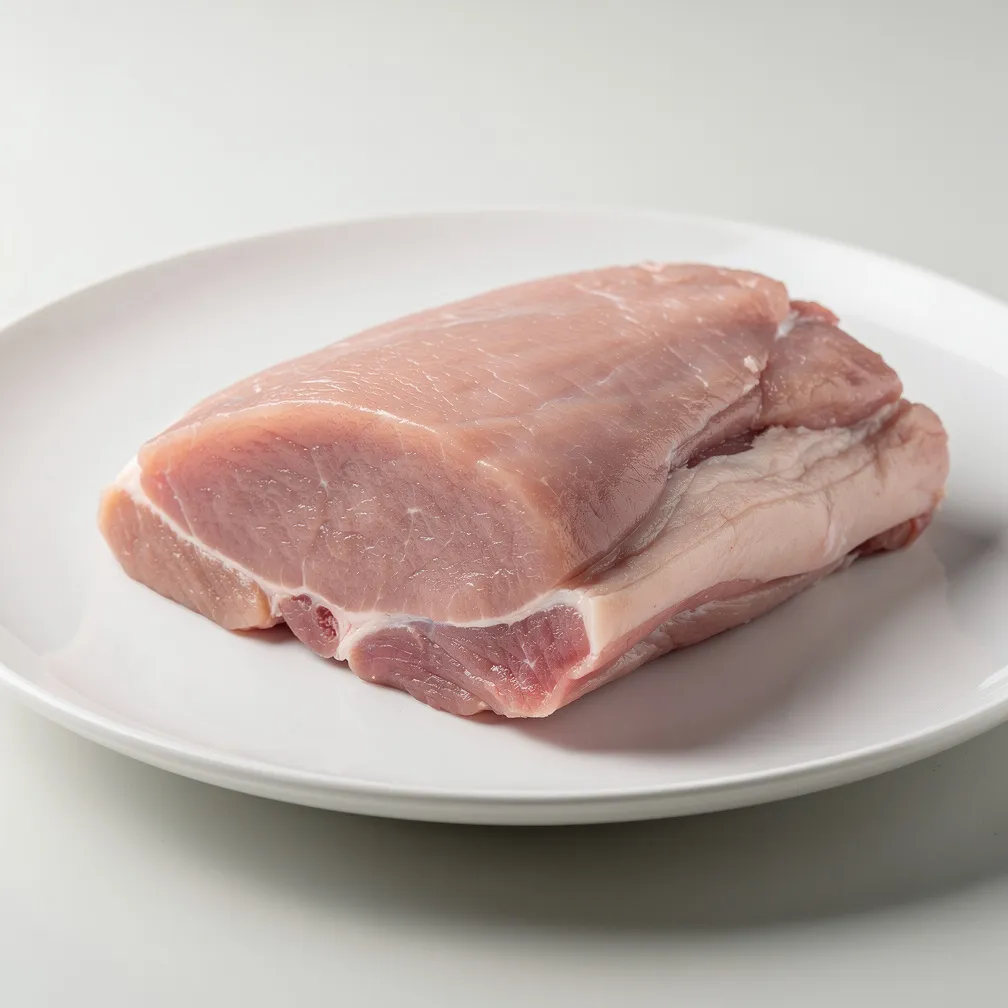
Lean pork
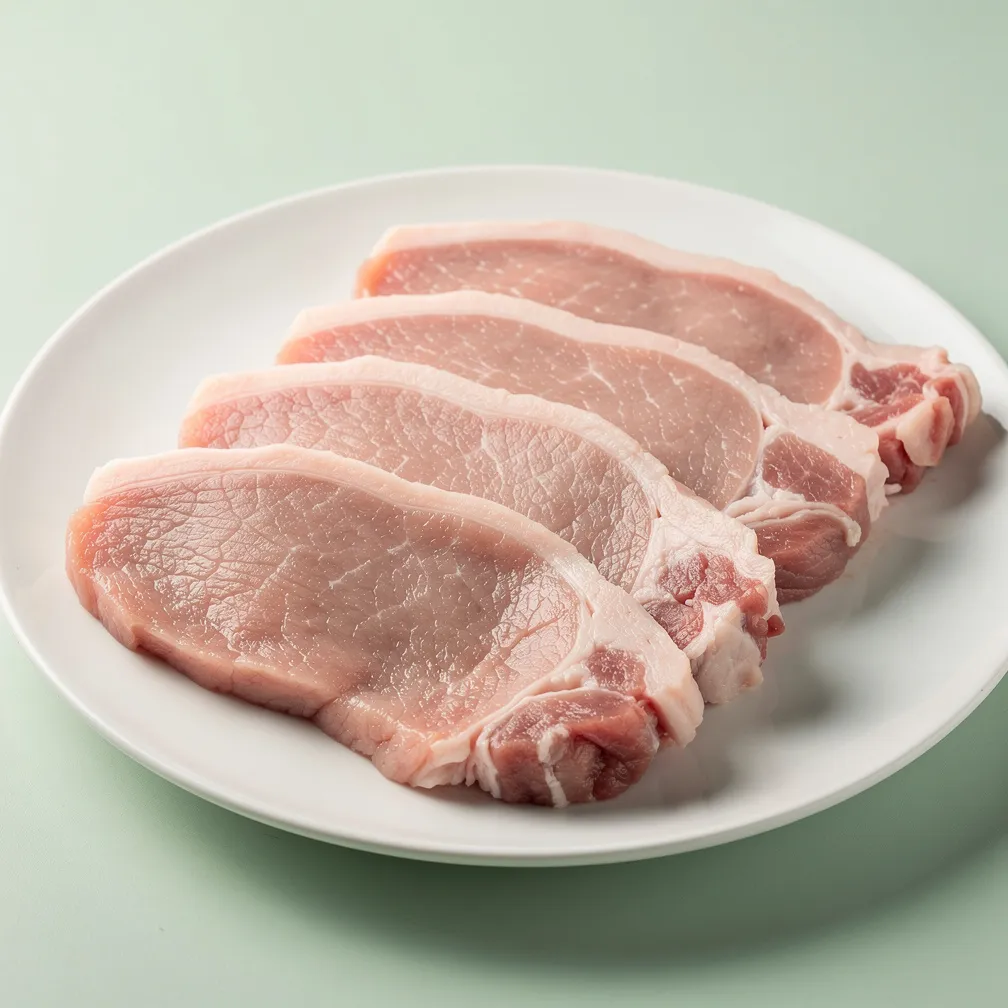
Lean pork hand
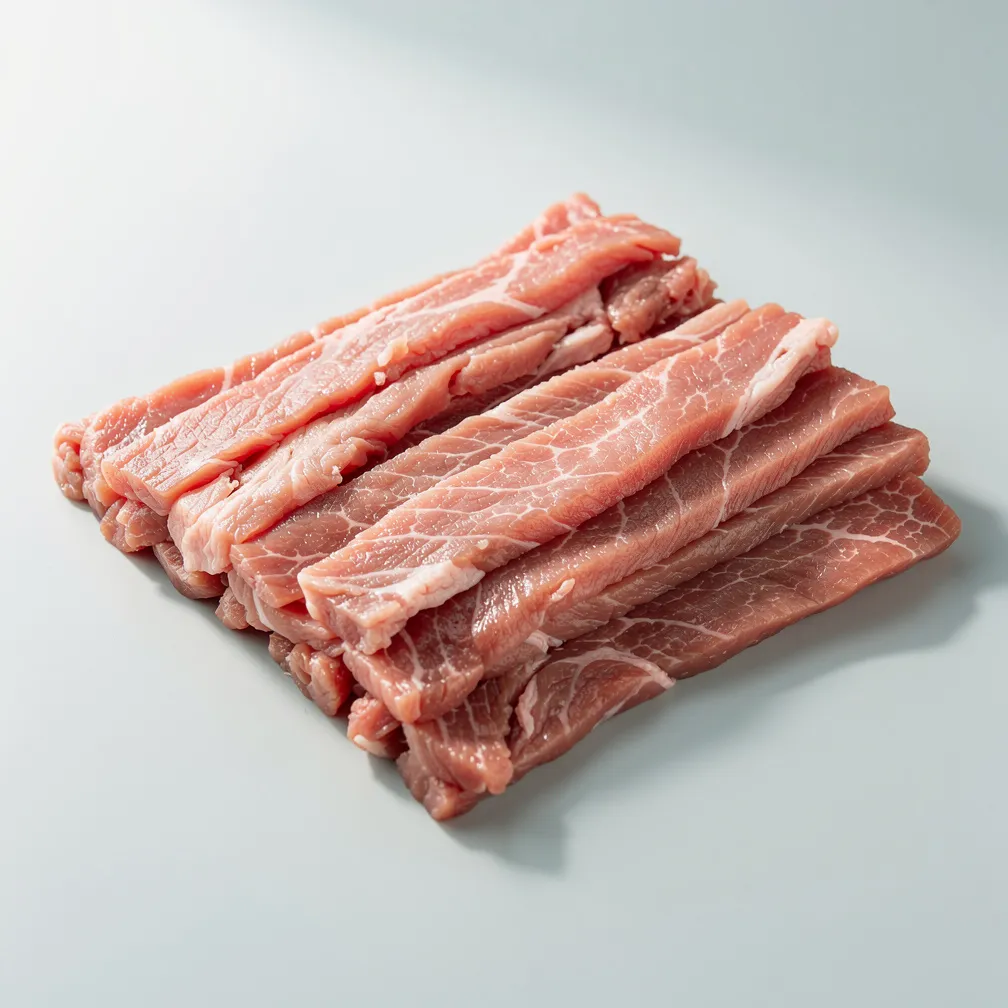
Lean veal stir-fry strips
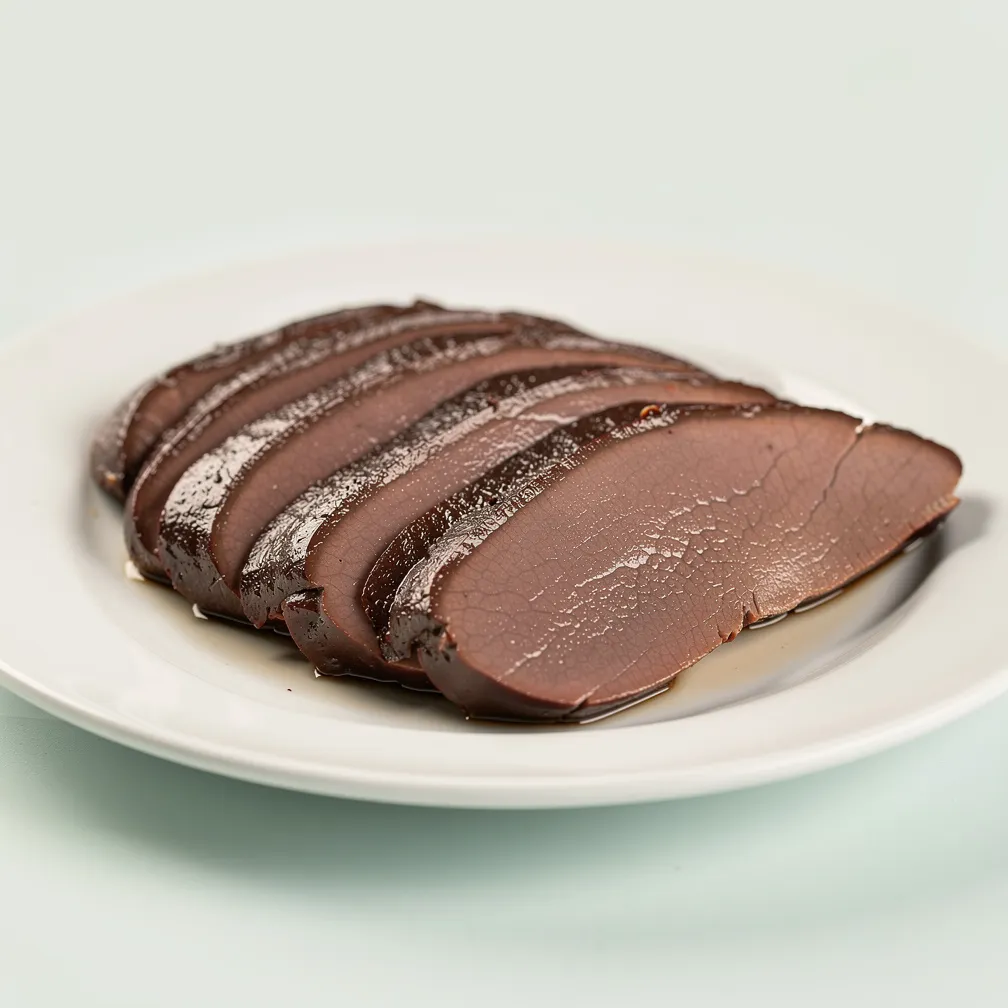
Liver
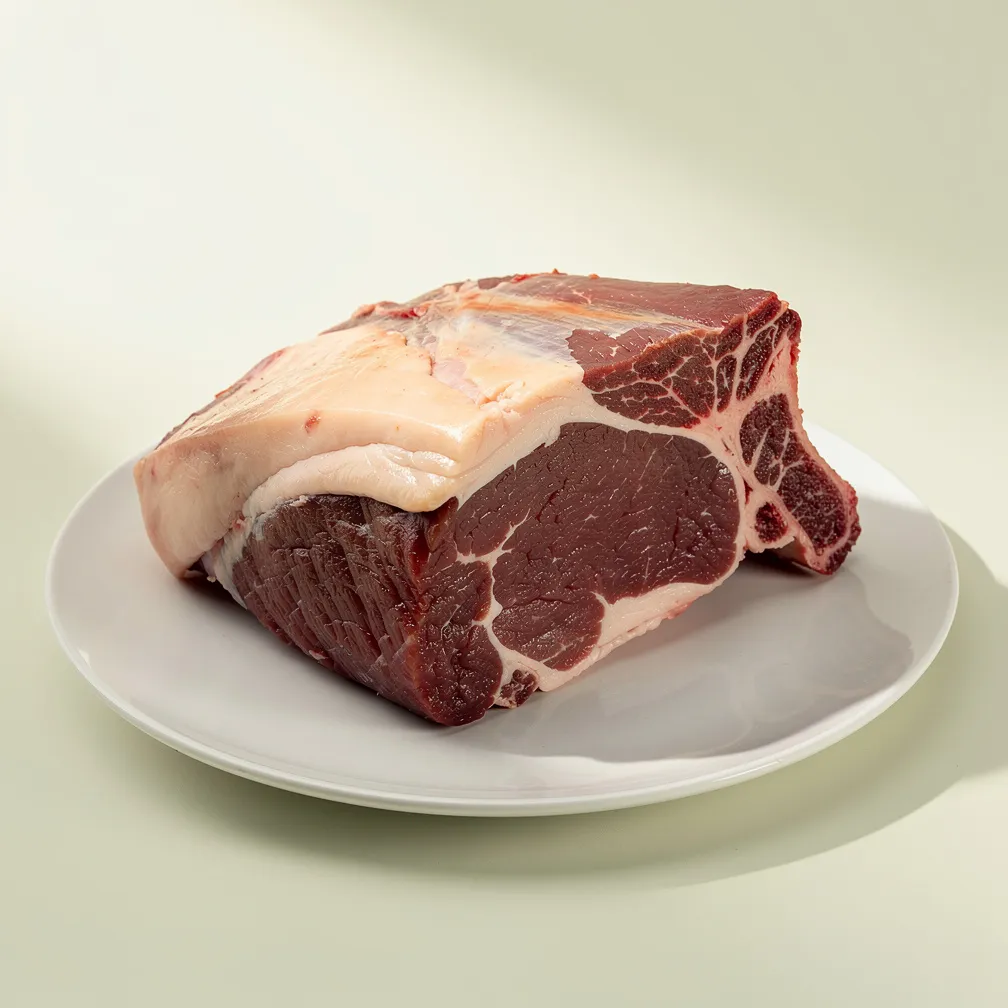
Mutton shoulder
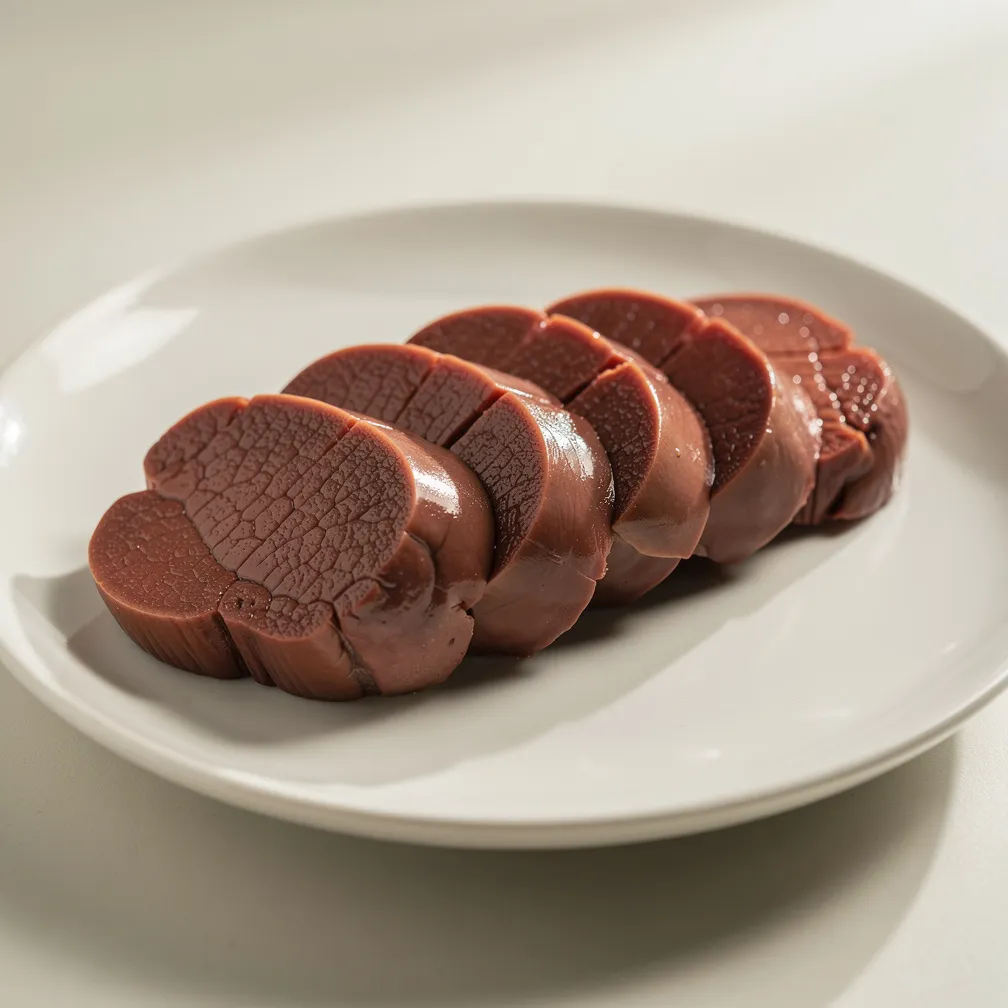
Ox kidney
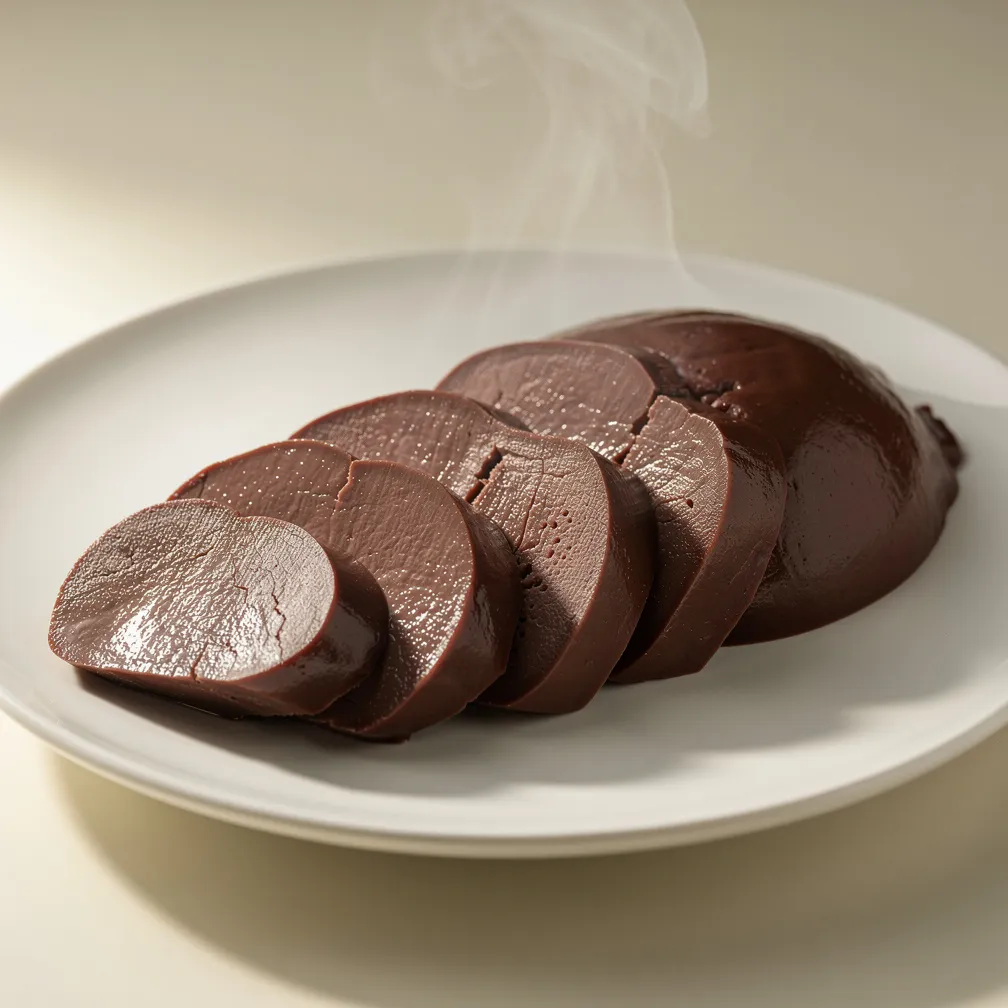
Ox liver
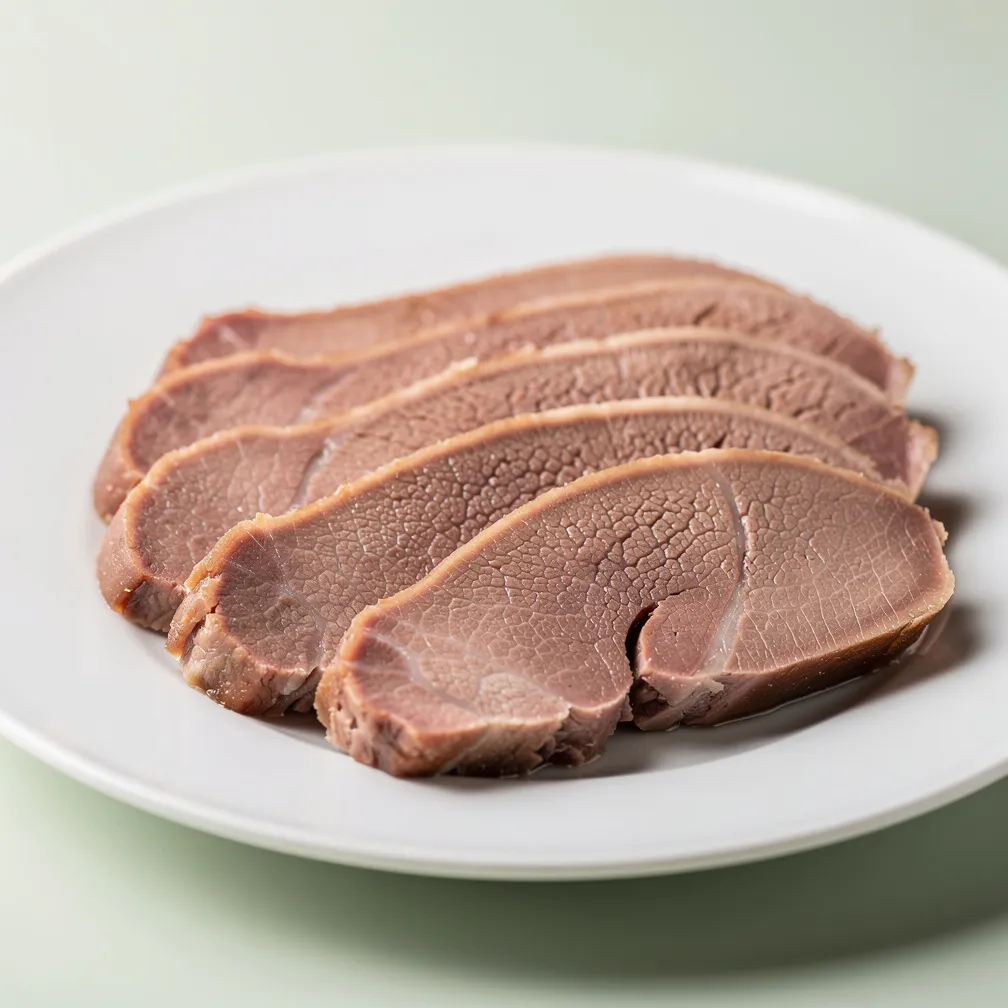
Ox tongue
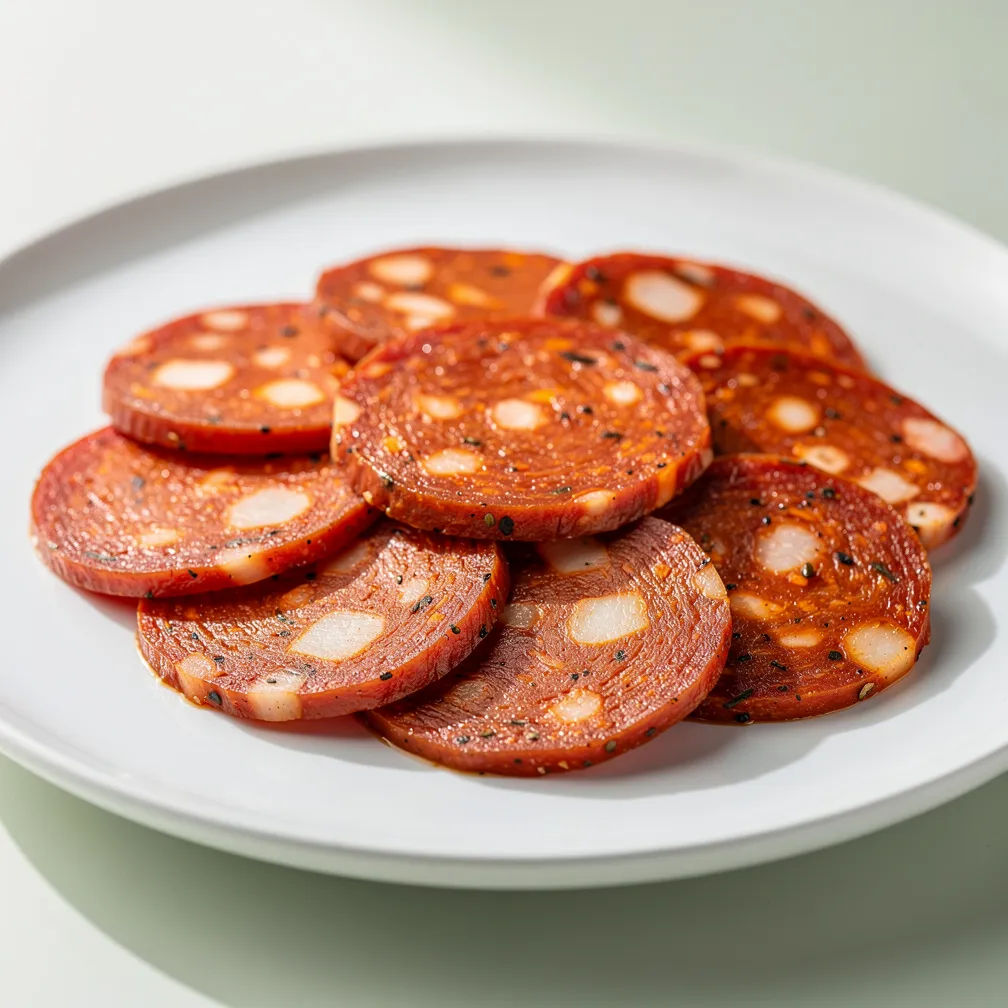
Pepperoni
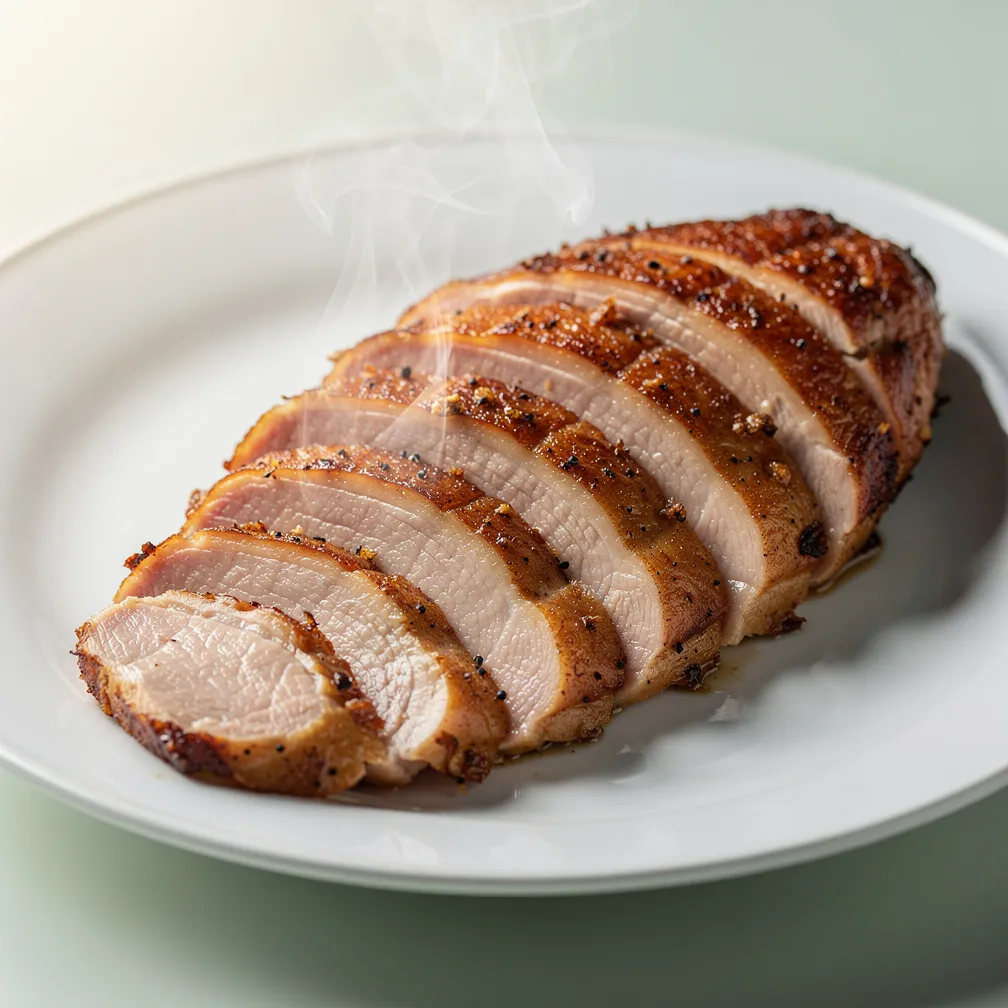
Pheasant
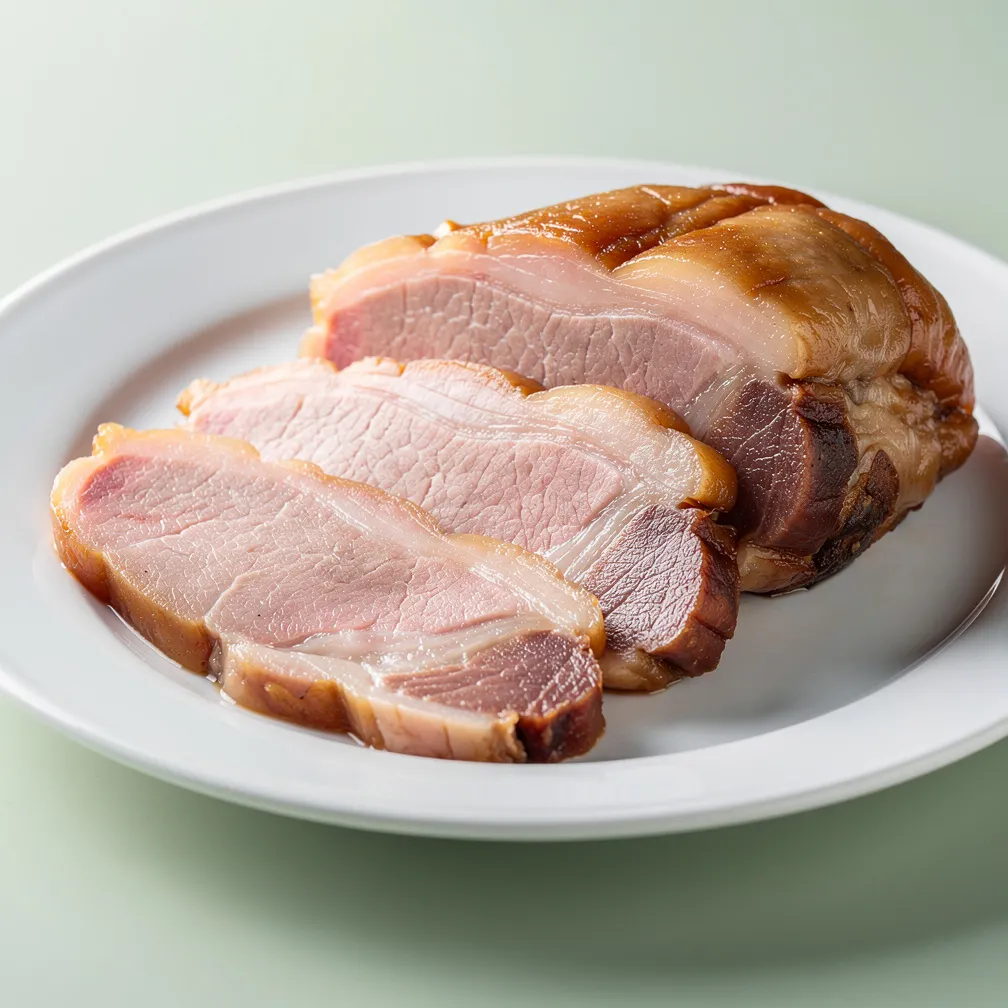
Pickled pork hocks
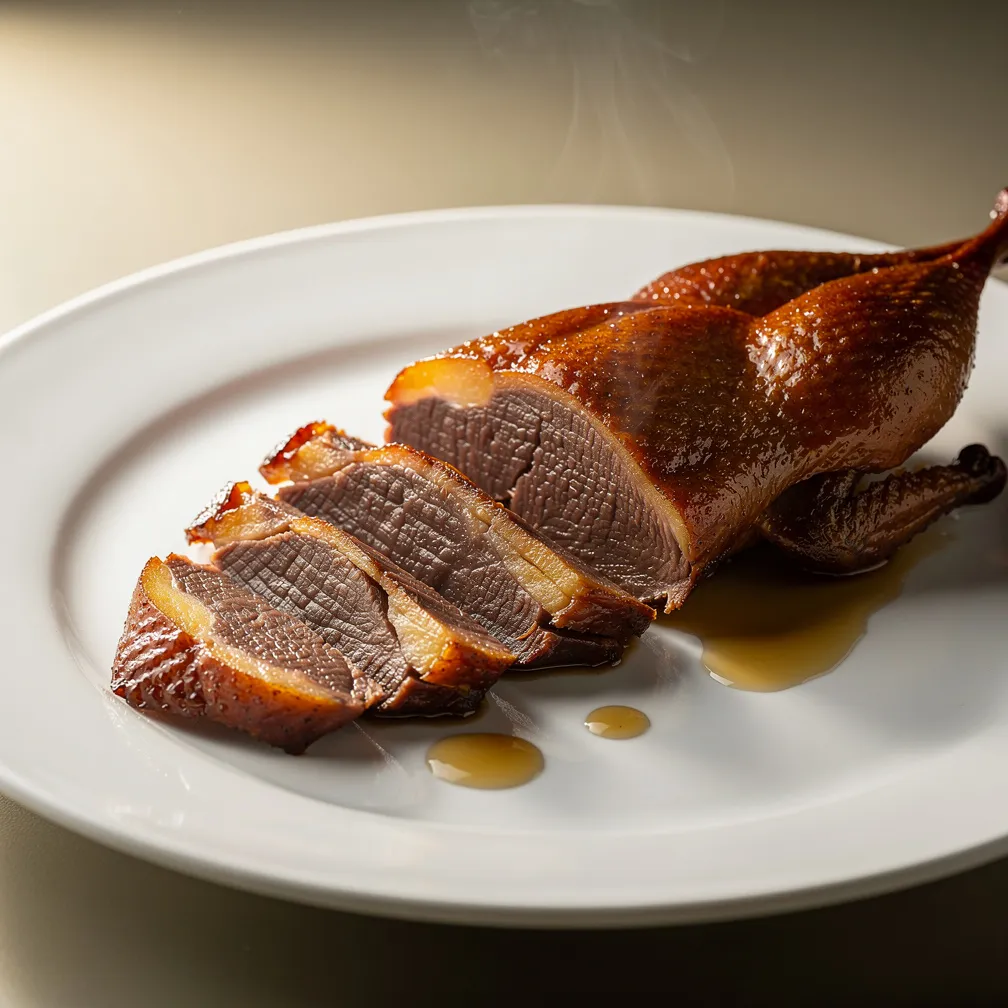
Pigeon
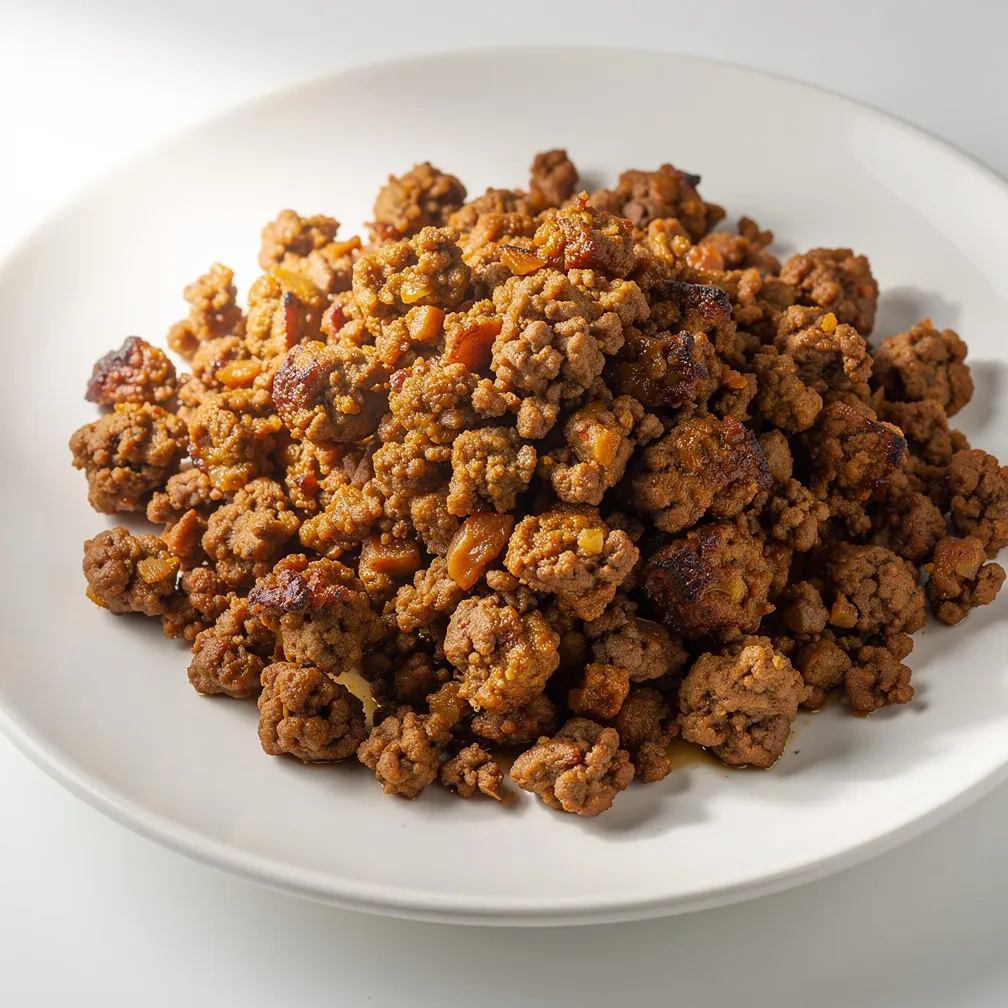
Plant-based mince
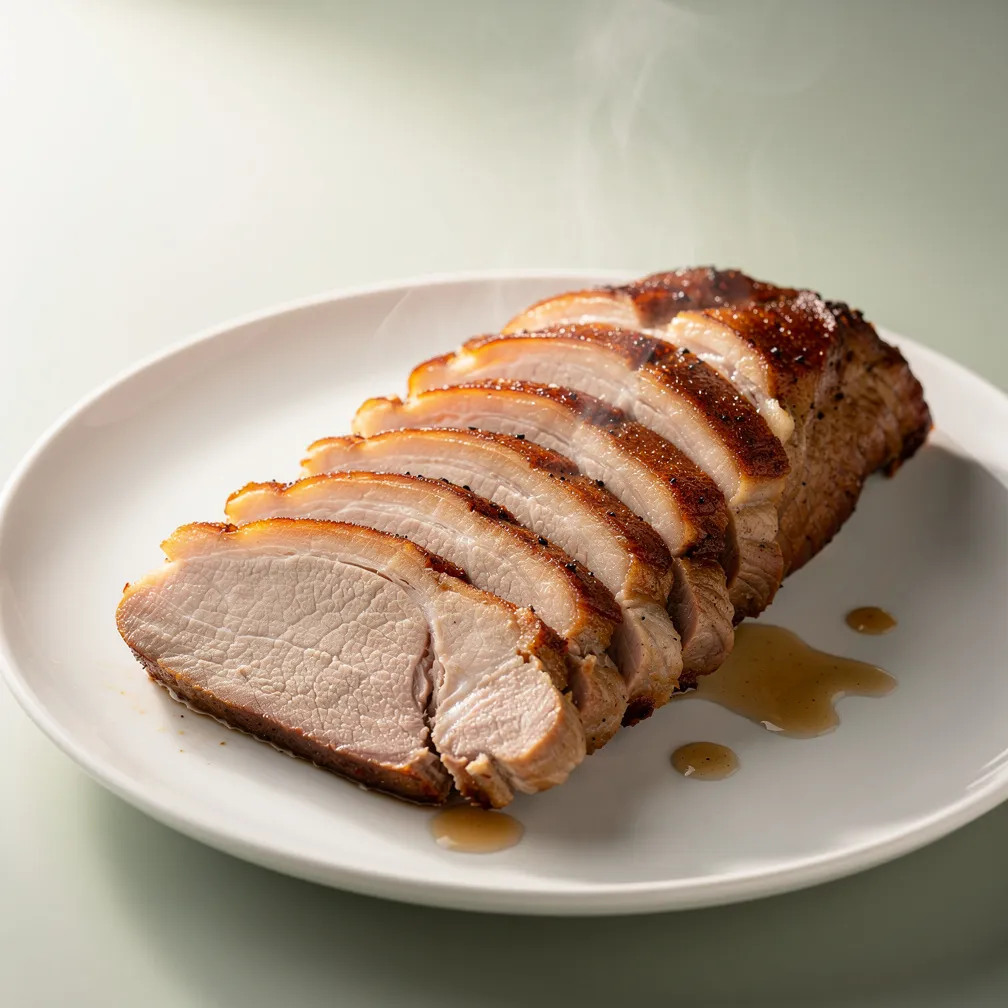
Pork
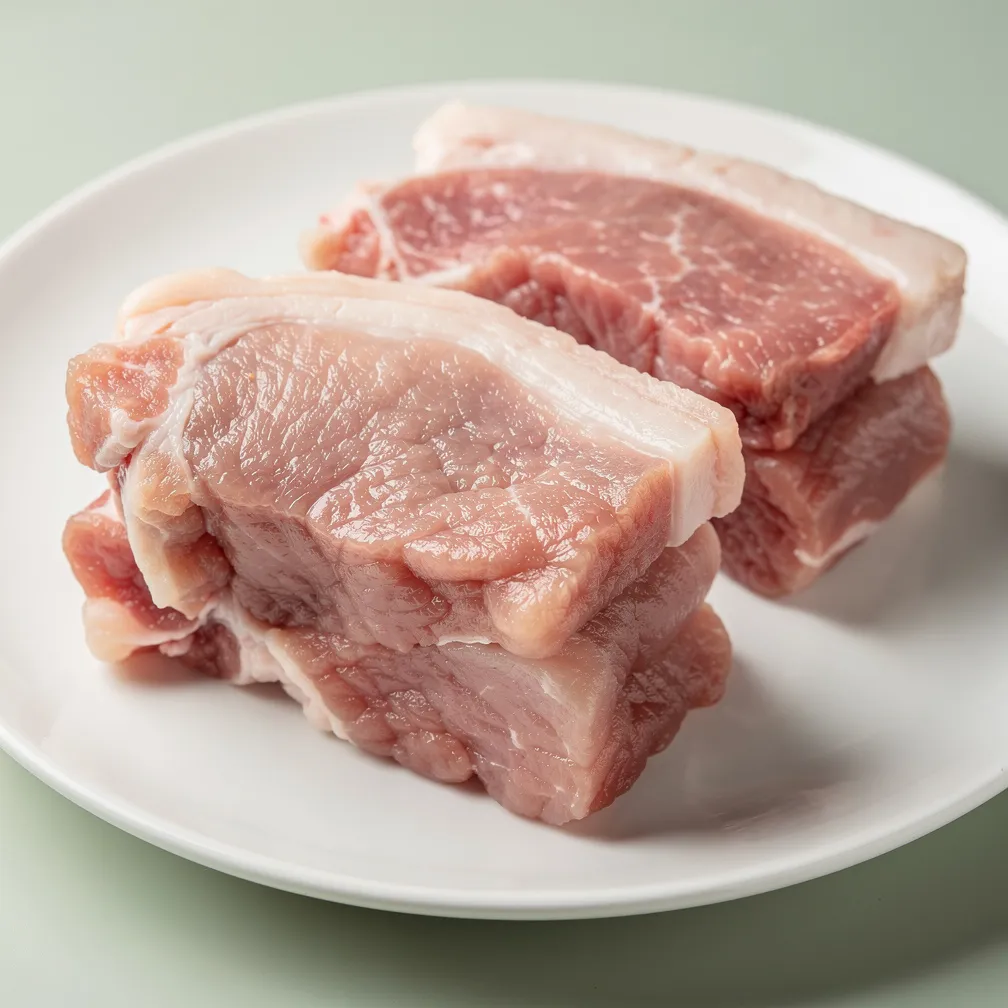
Pork 80/20 trimming
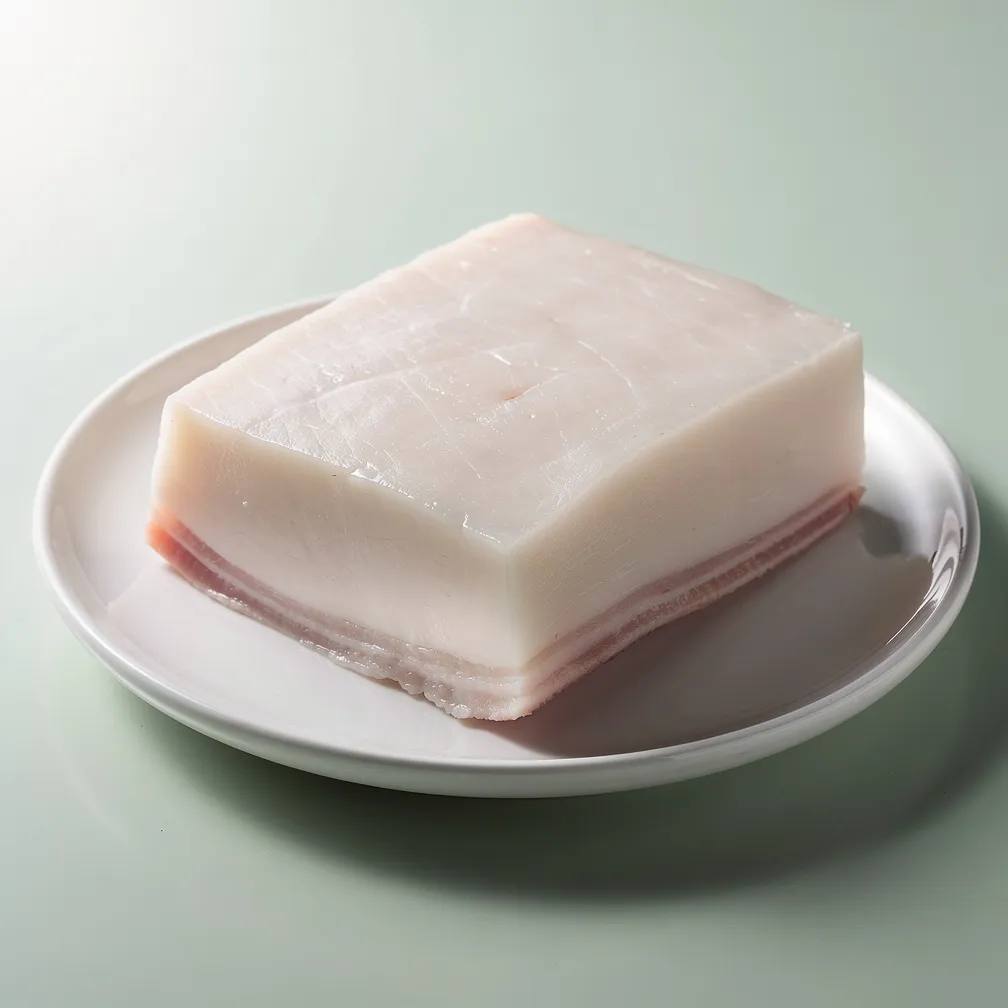
Pork backfat
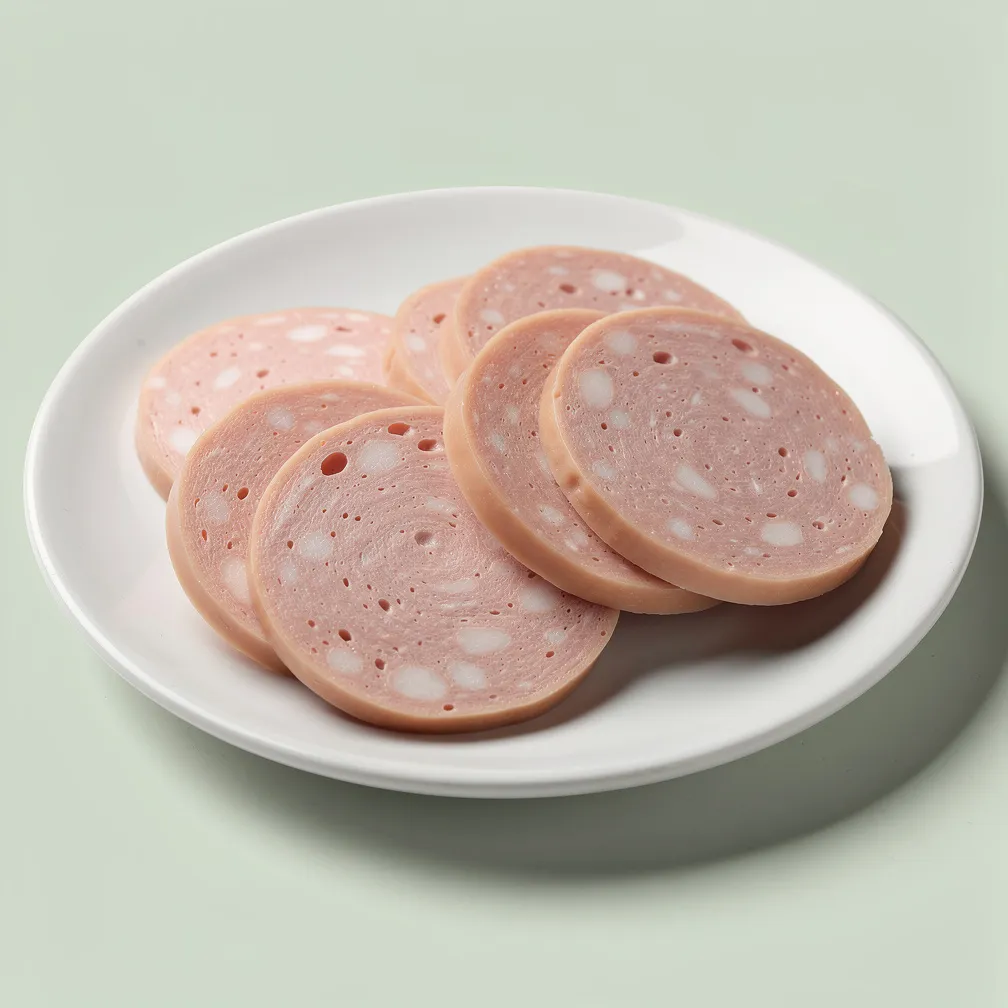
Pork beerwurst beer salami
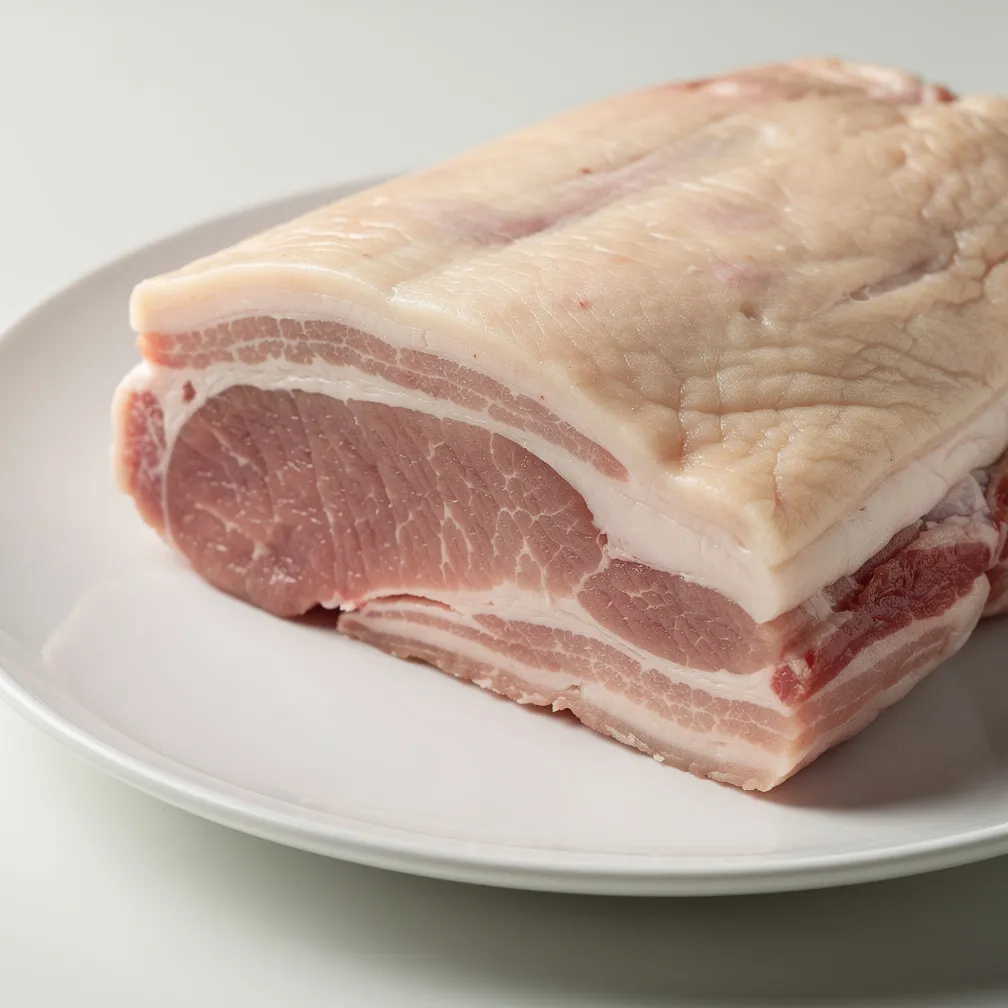
Pork belly
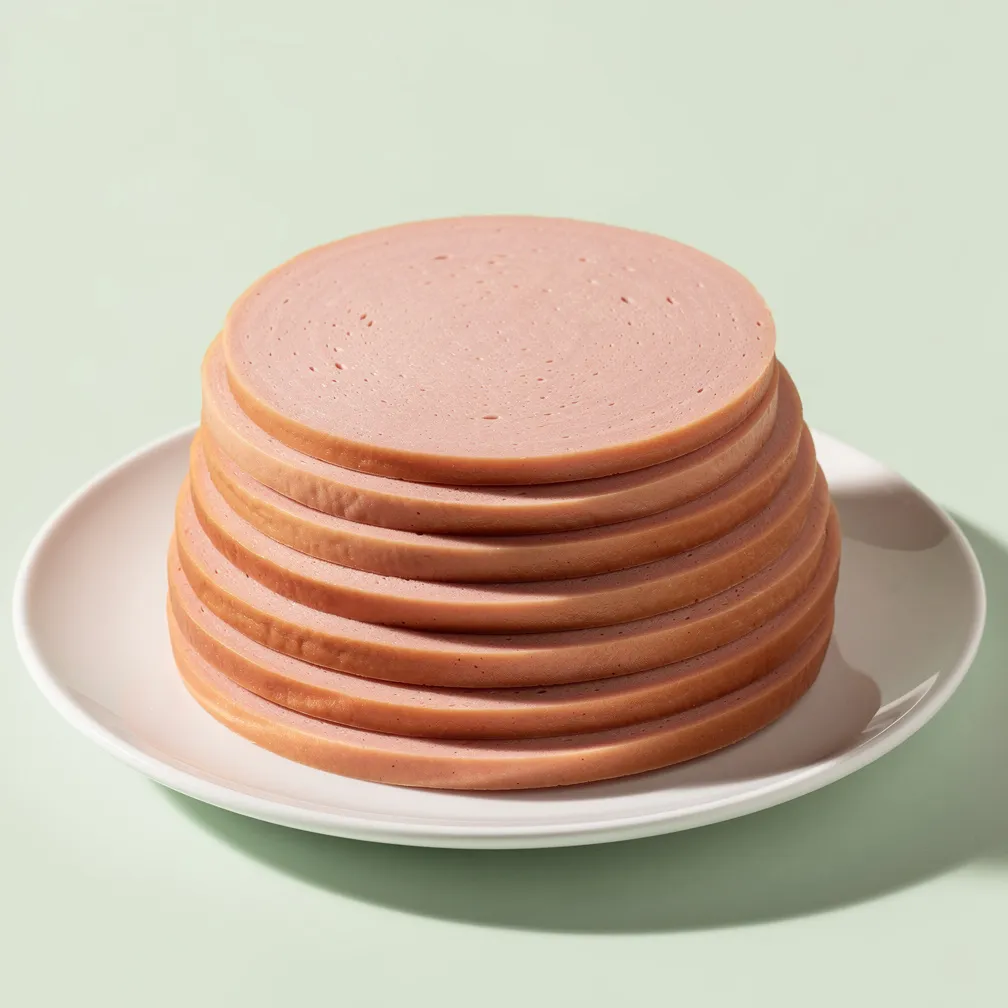
Pork bologna
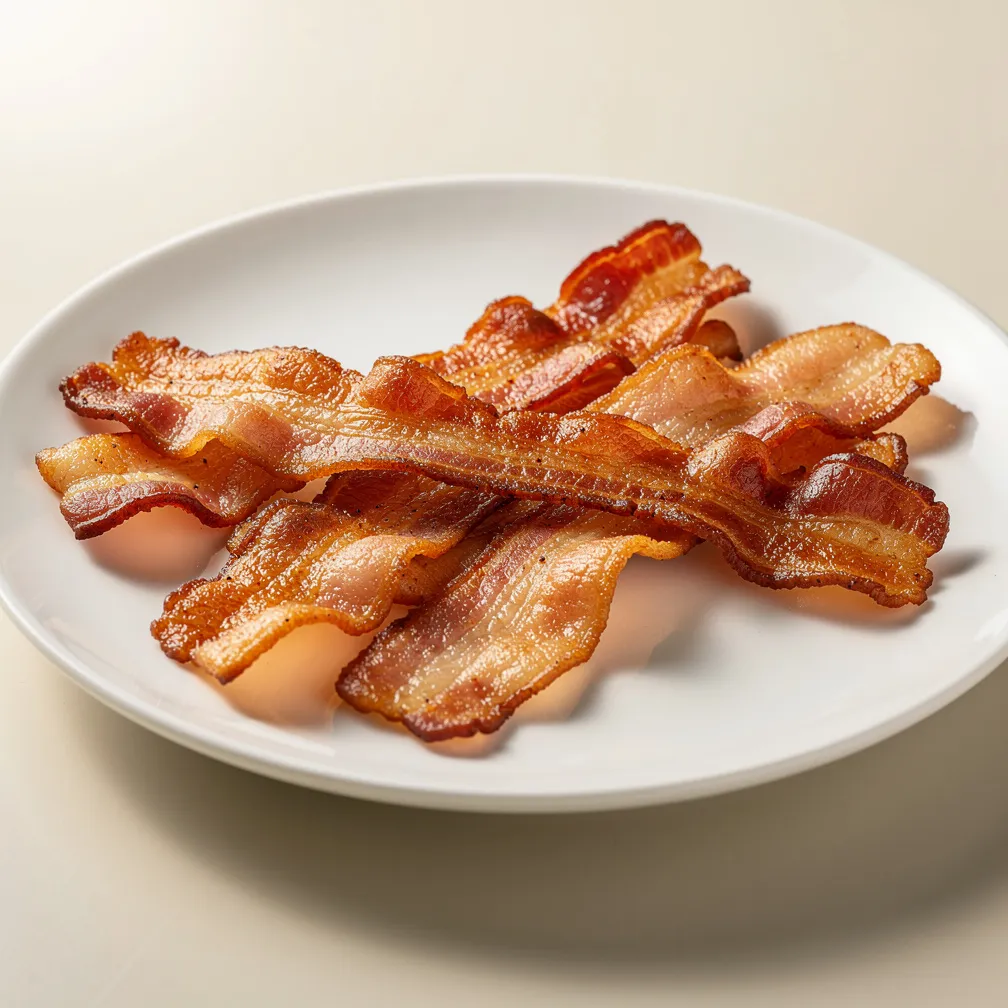
Pork breakfast strips
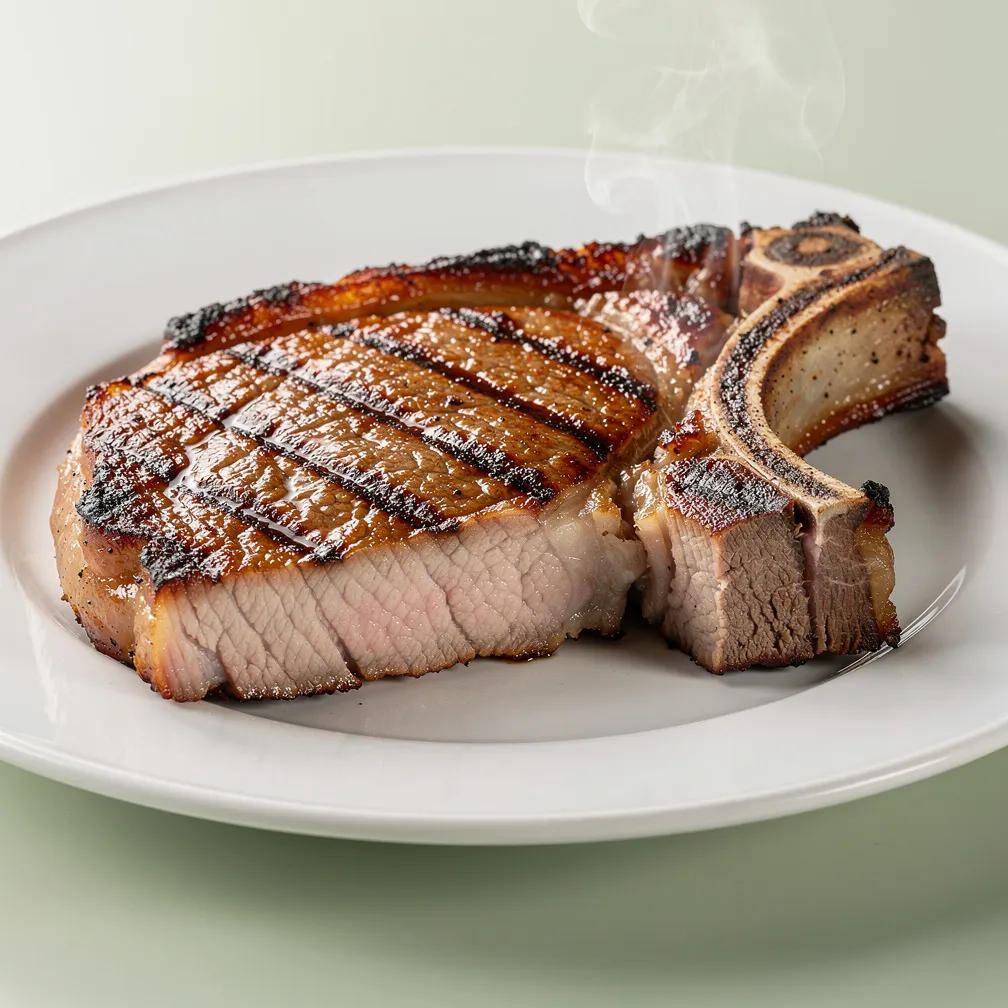
Pork chop
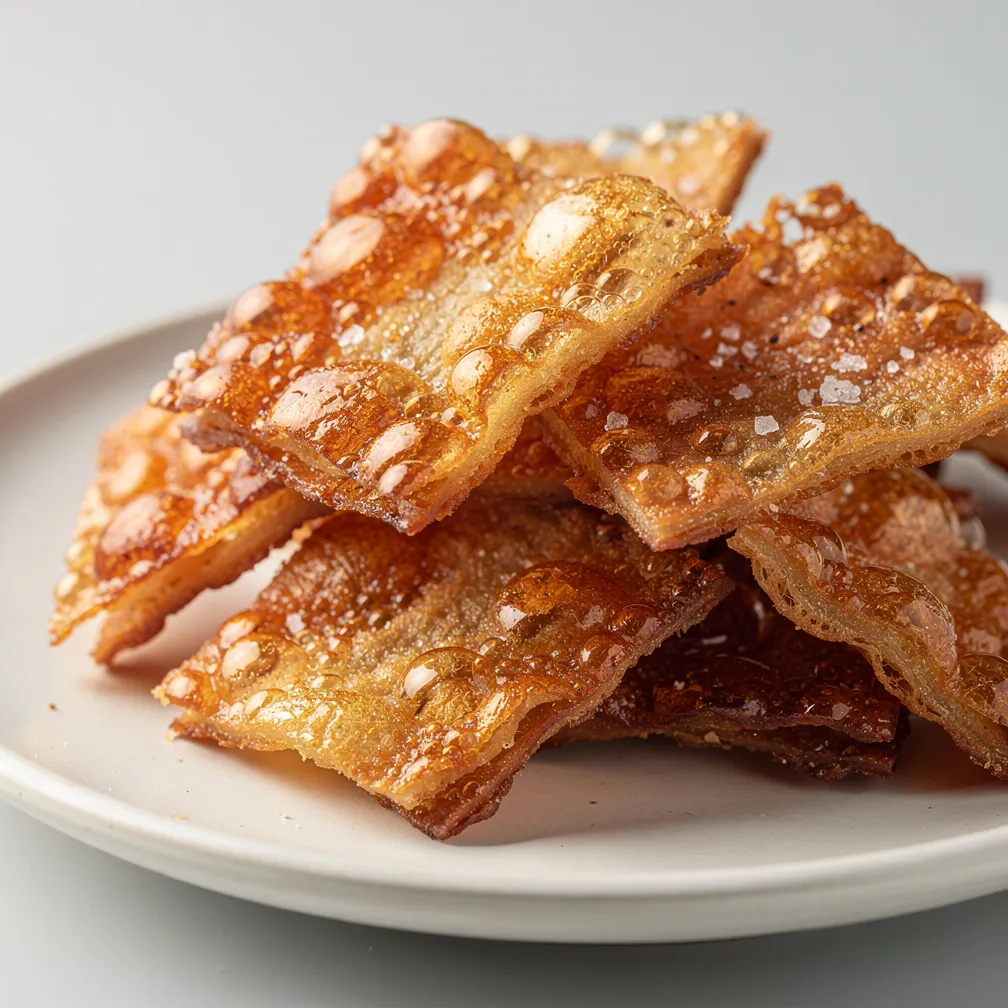
Pork crackling
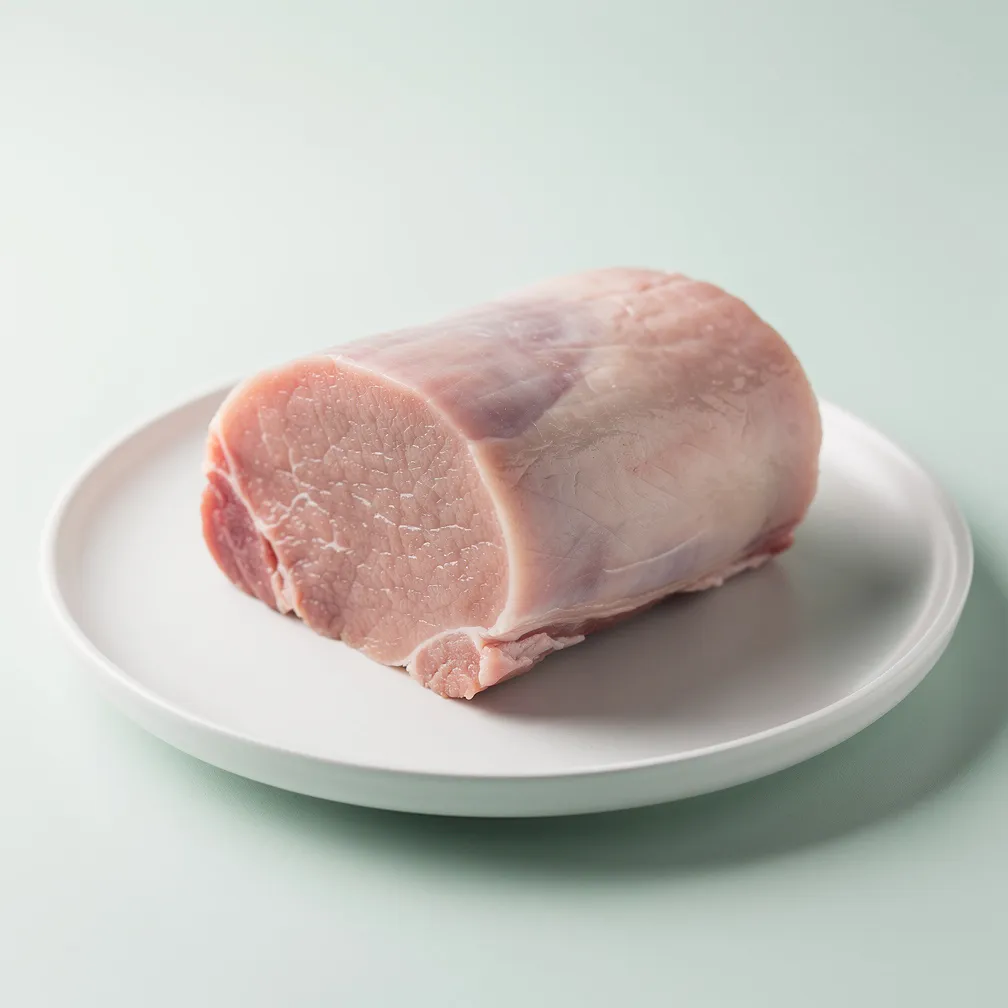
Pork eye of shortloin
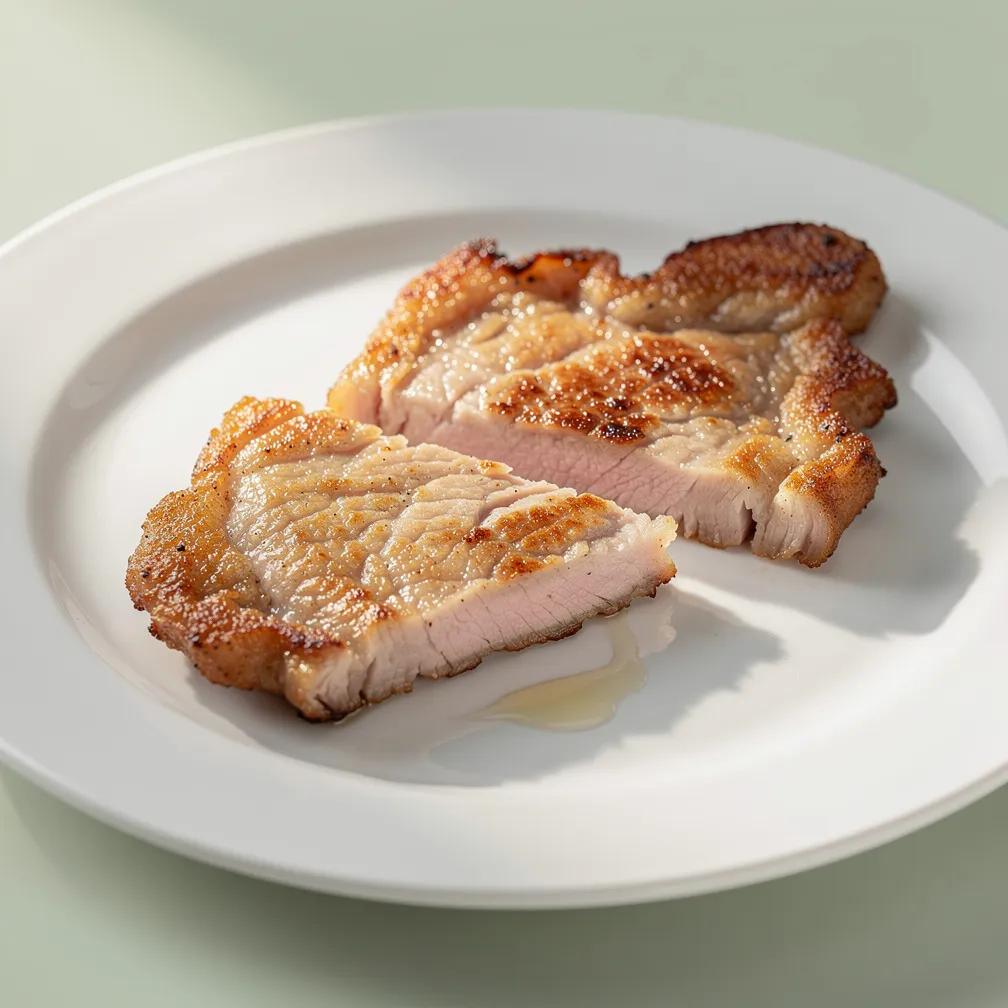
Pork ham escalope
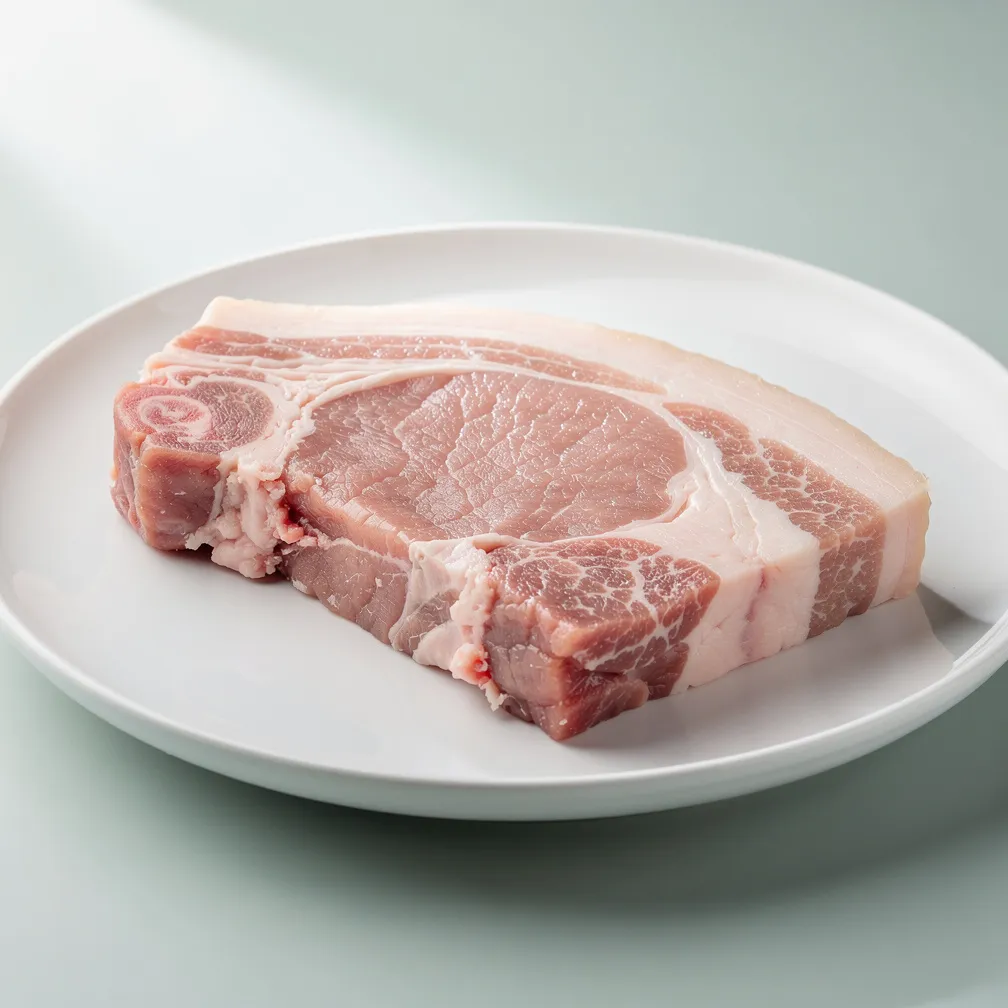
Pork jowl
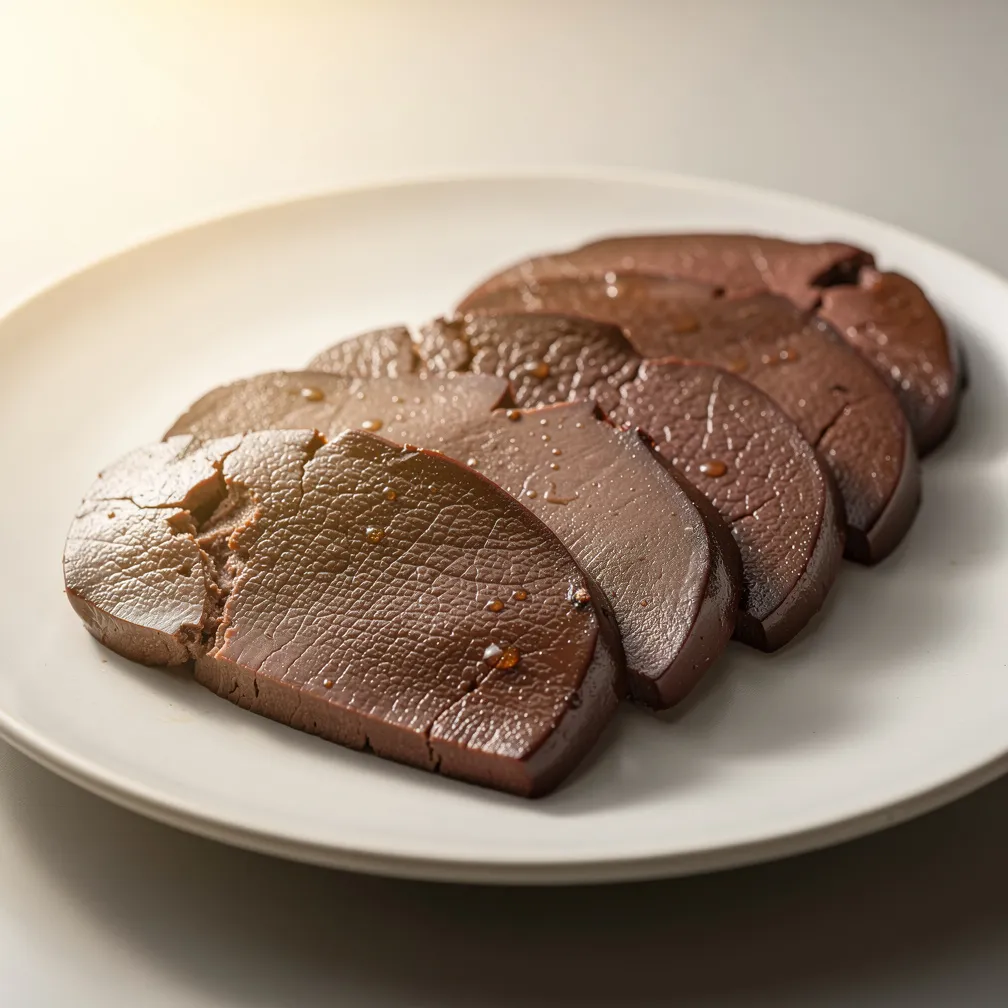
Pork liver
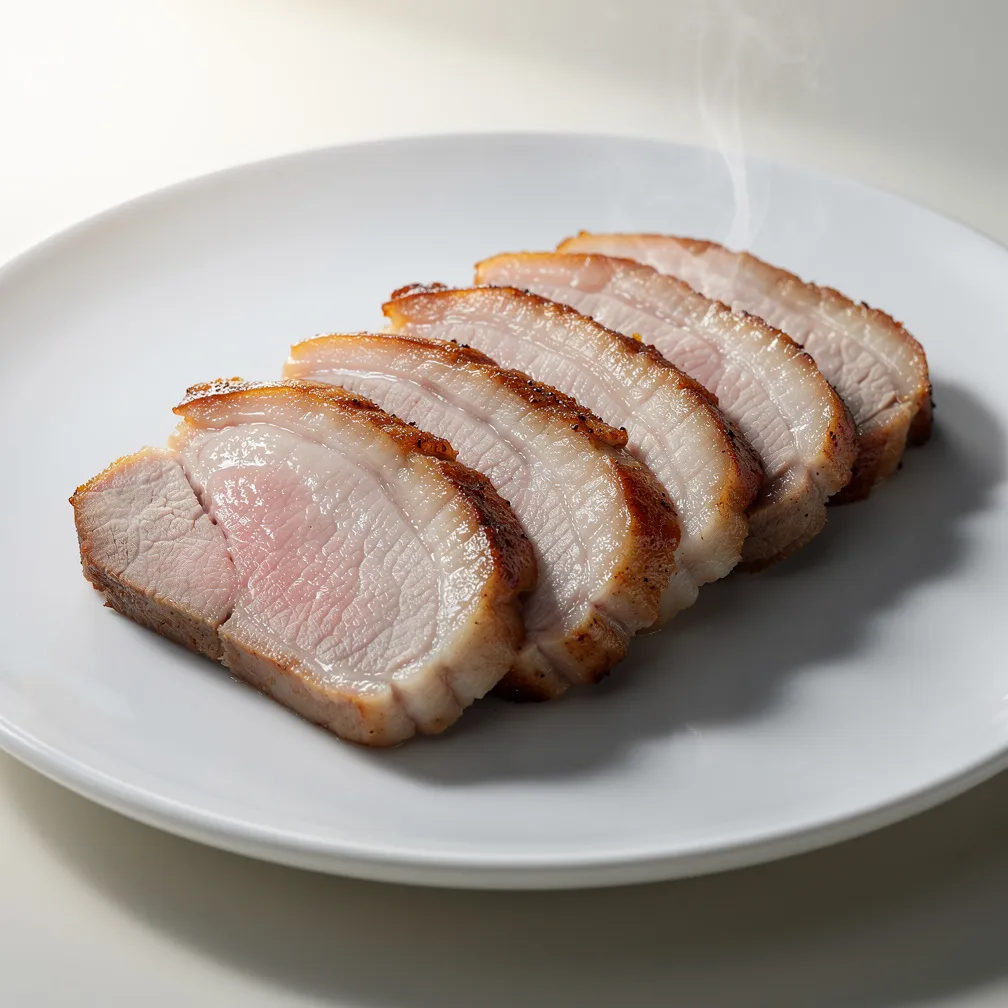
Pork loin
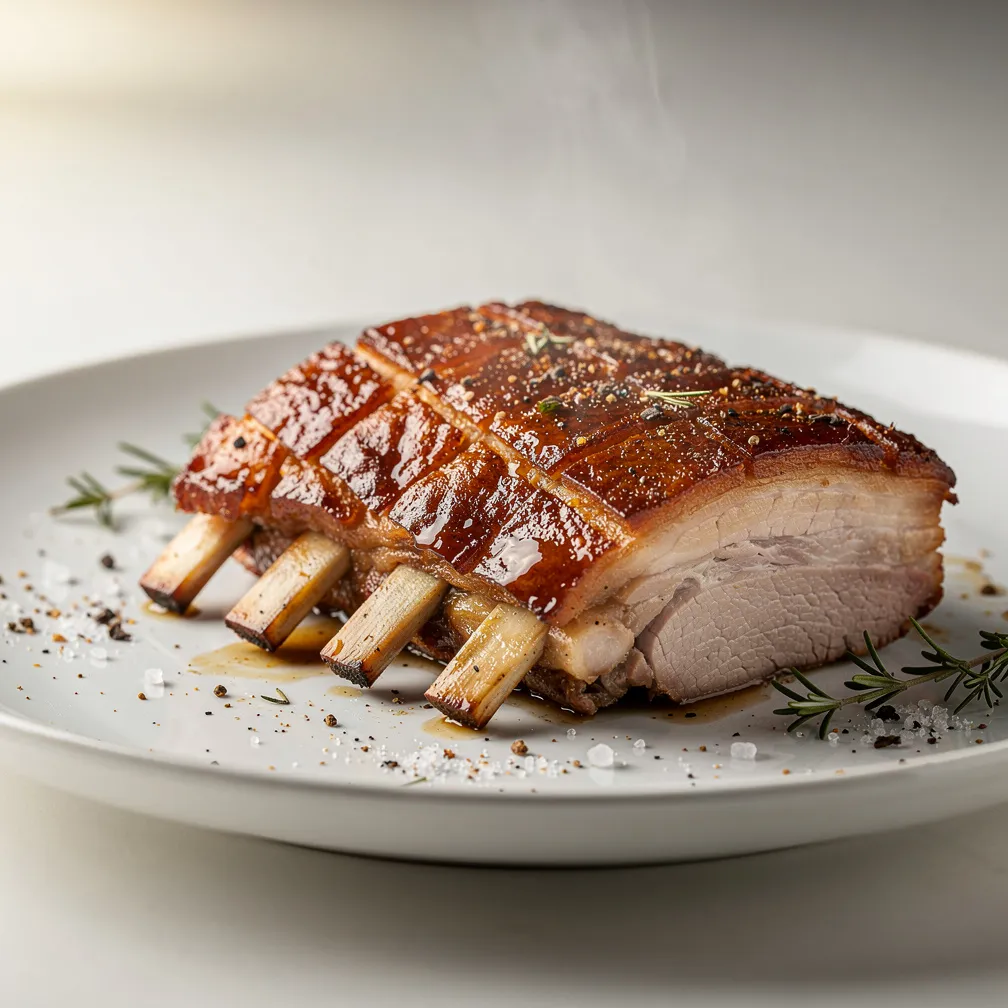
Pork rack
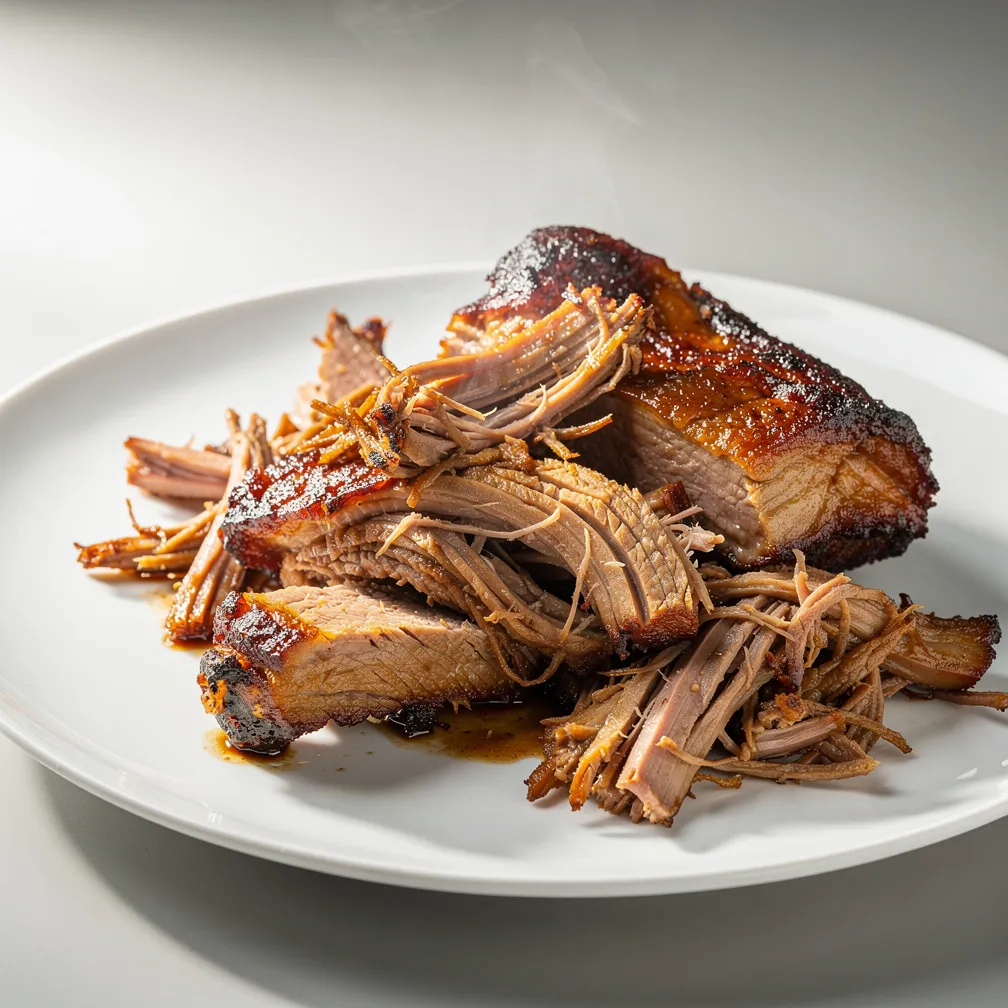
Pork shoulder
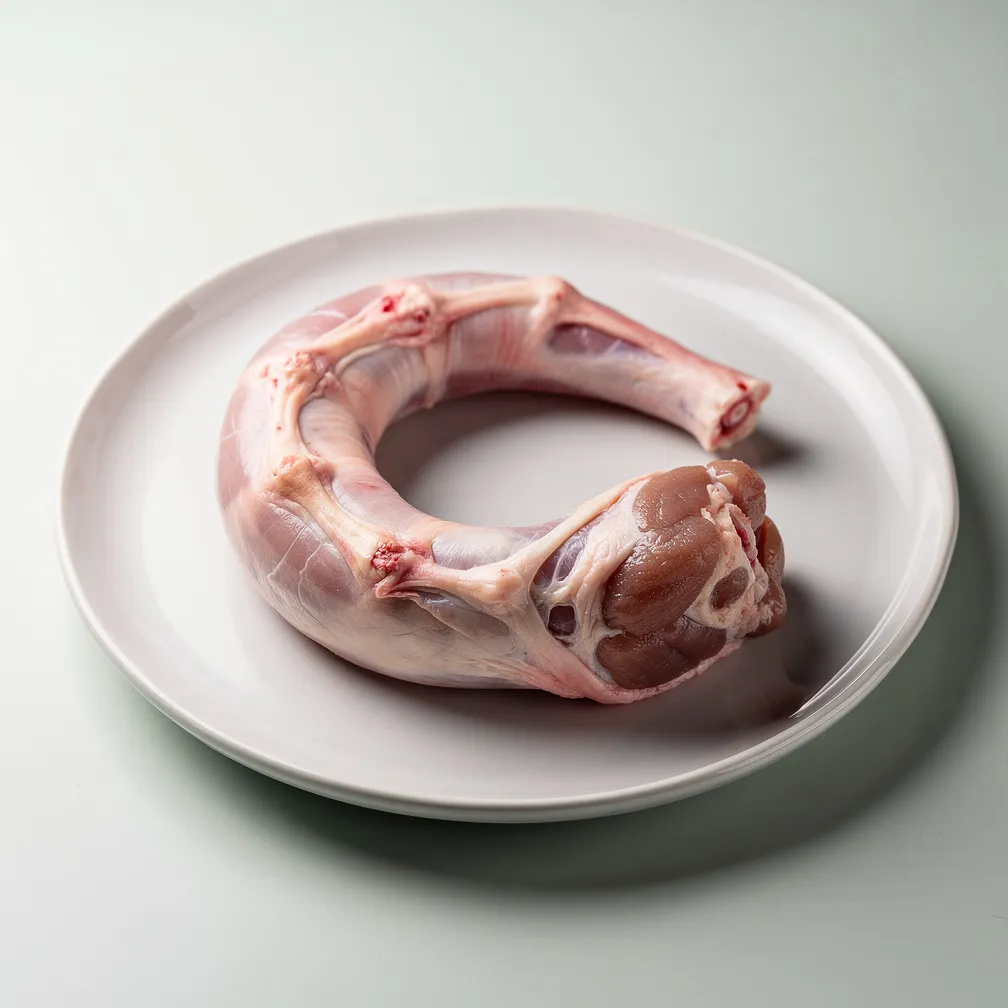
Pork tail
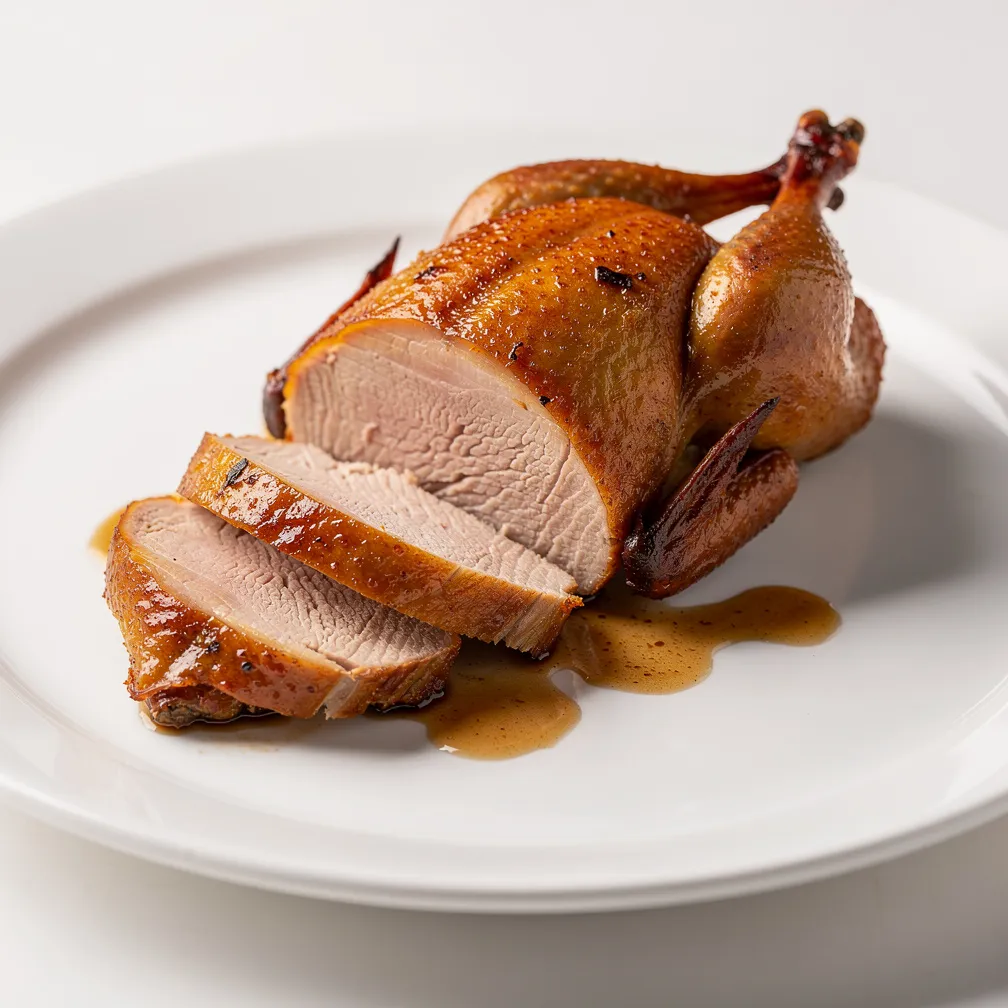
Quail
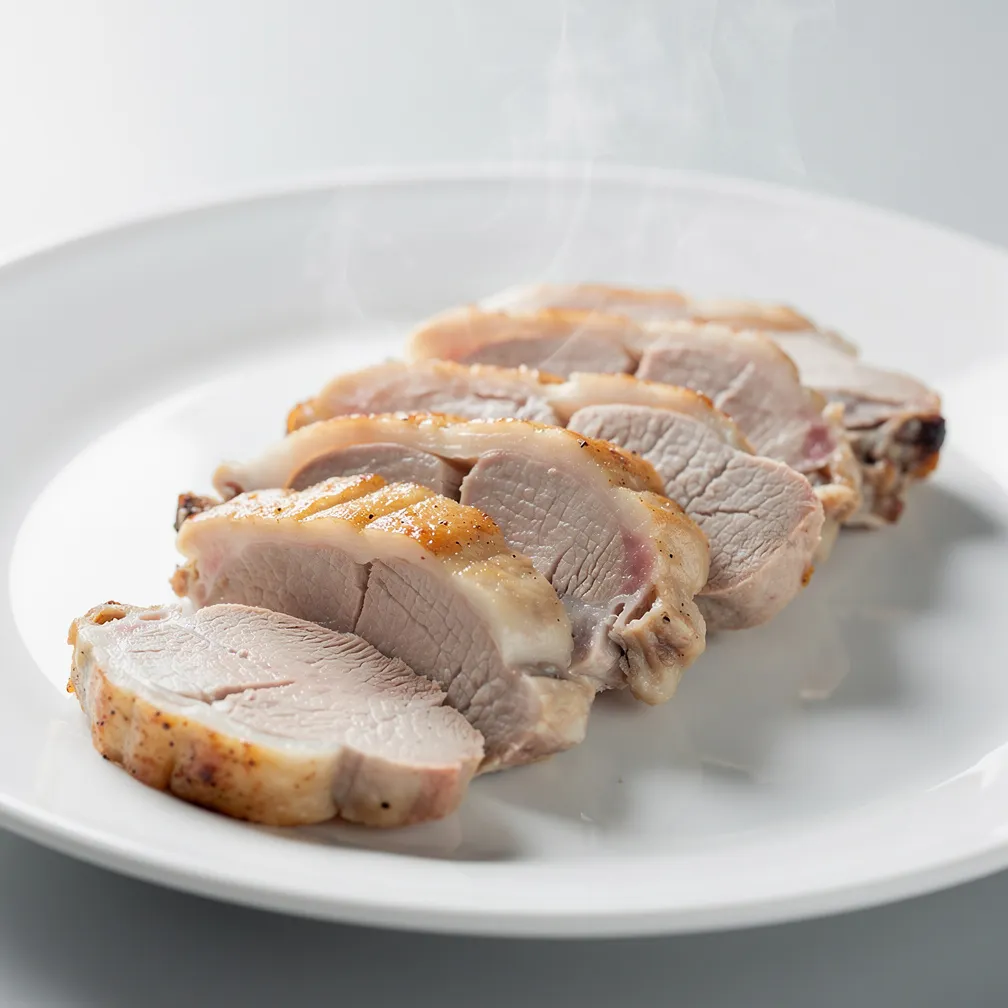
Rabbit
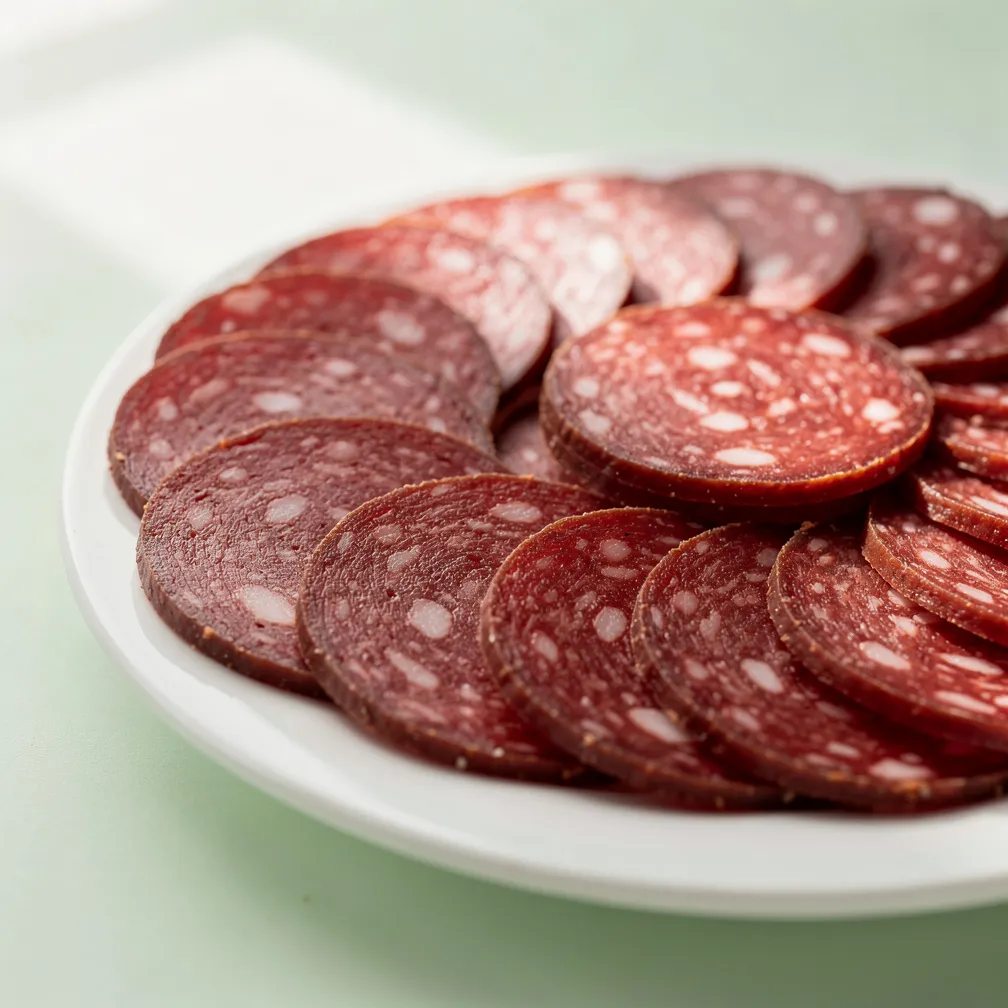
Salami
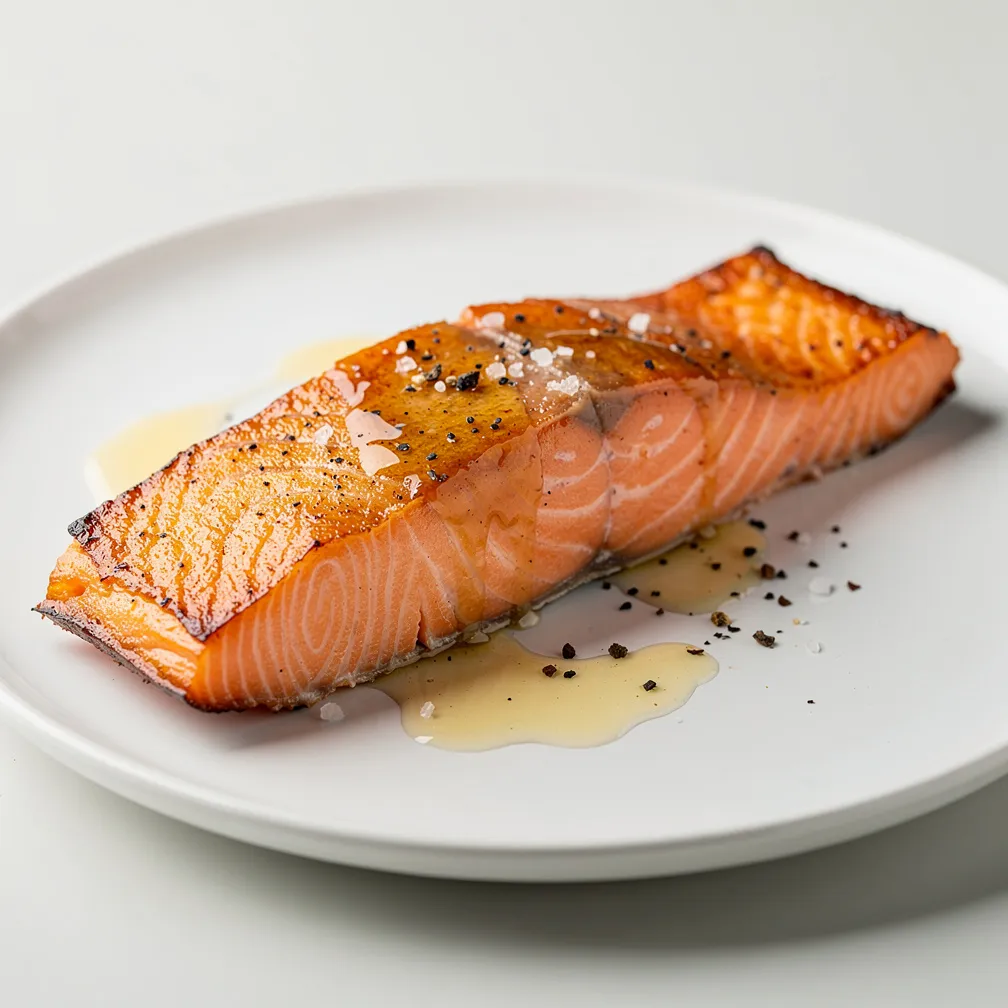
Salmon fillet
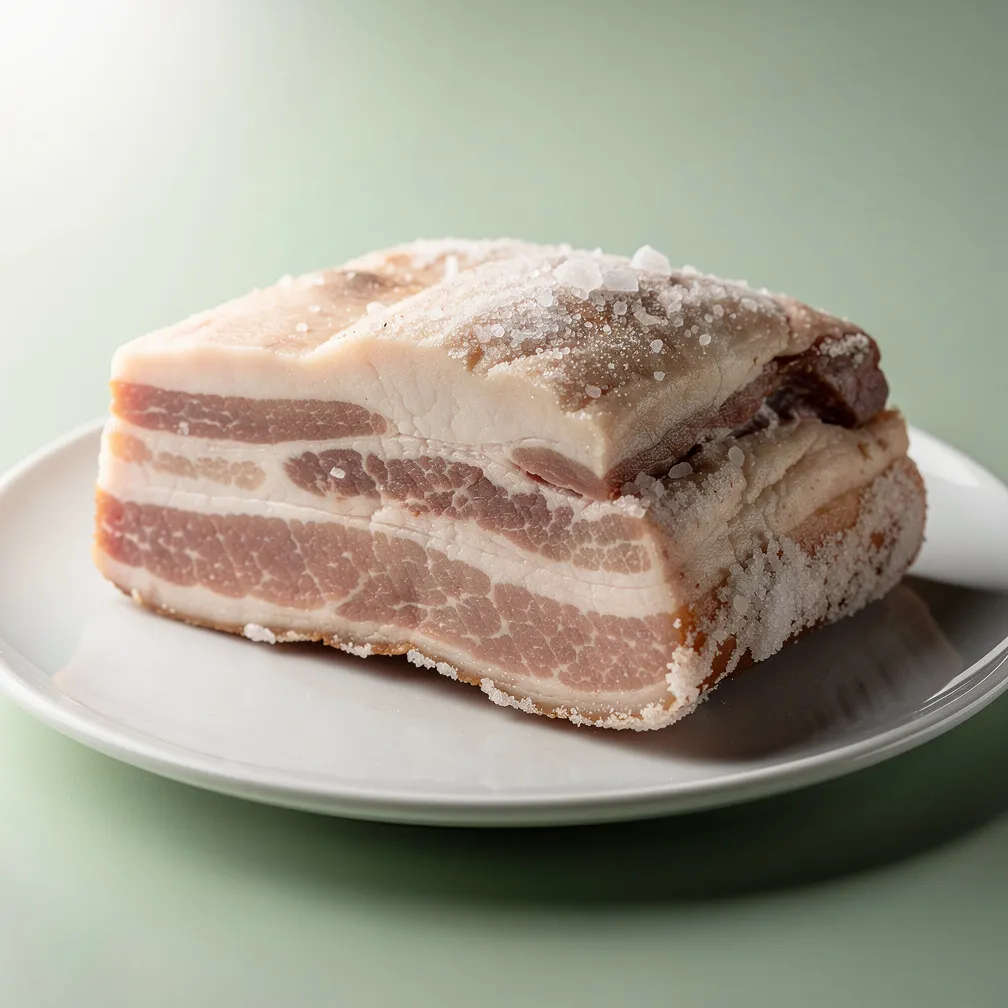
Salt pork
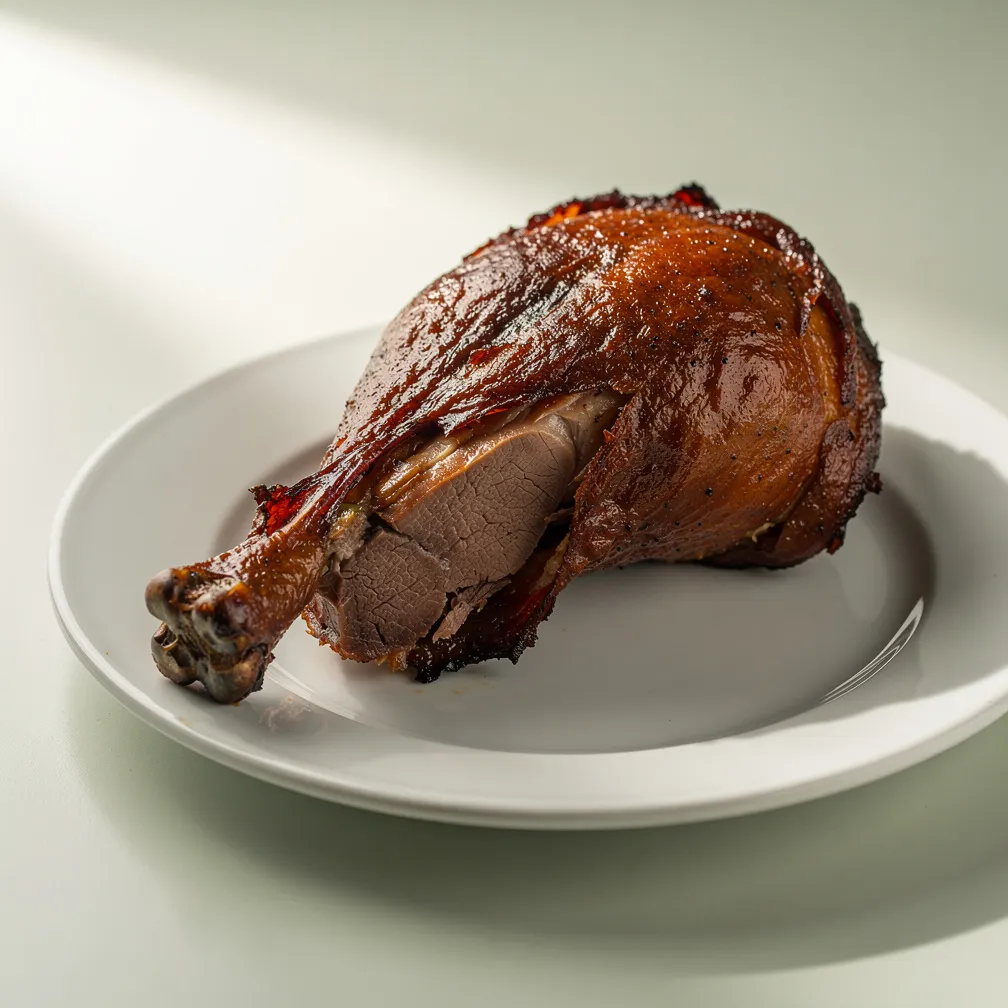
Smoked turkey drumstick
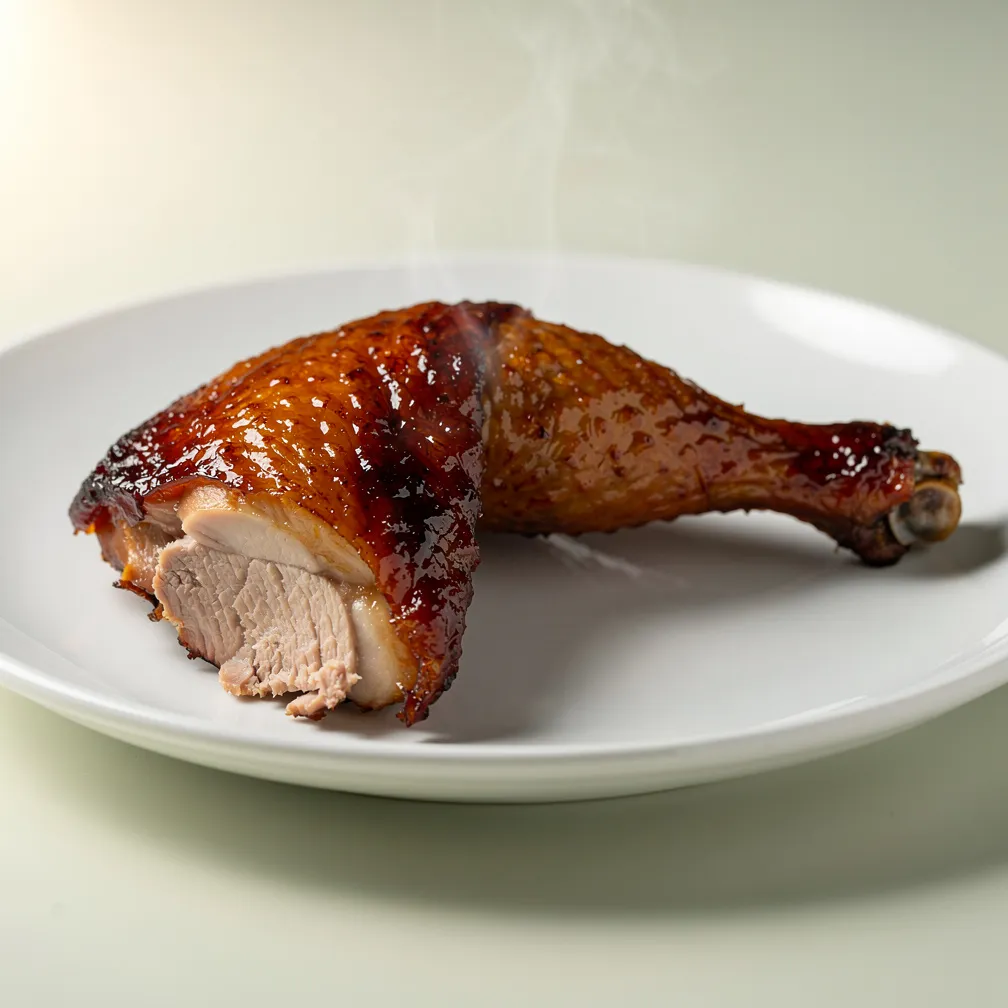
Smoked turkey wing
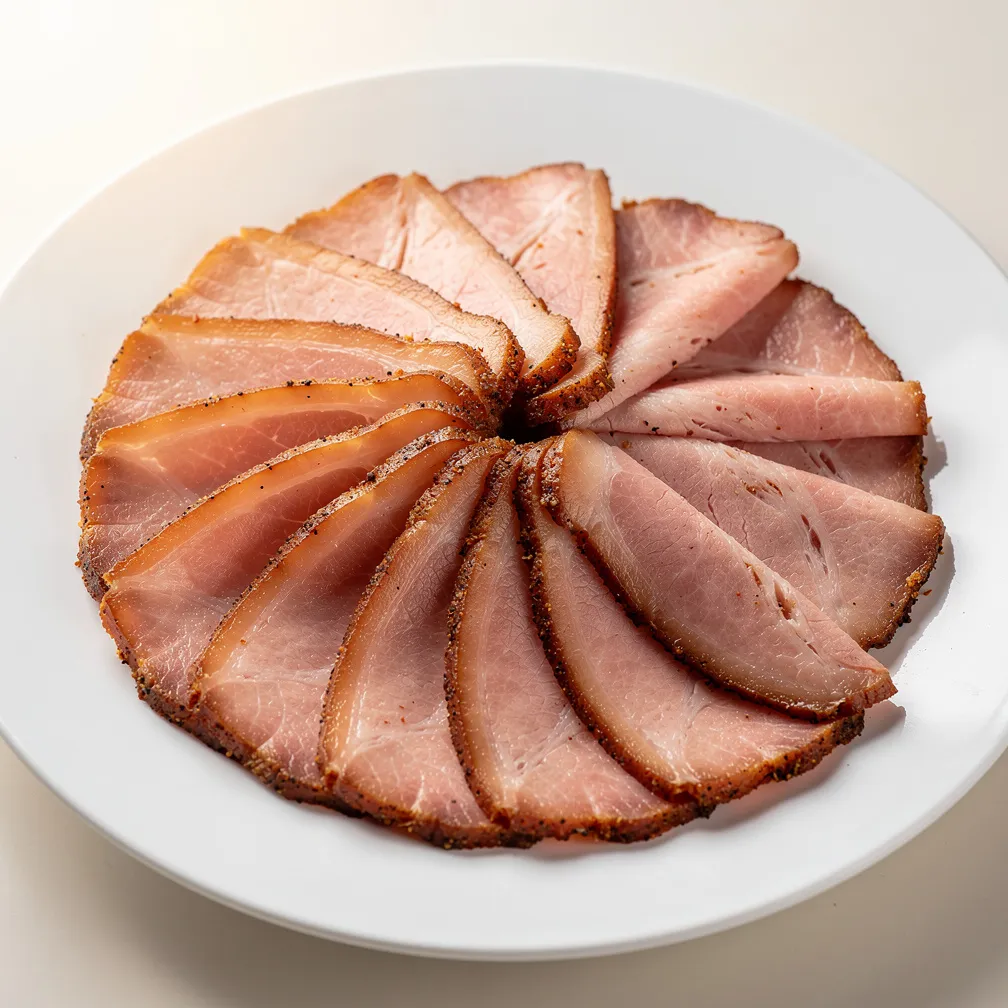
Spiced deboned pork ham
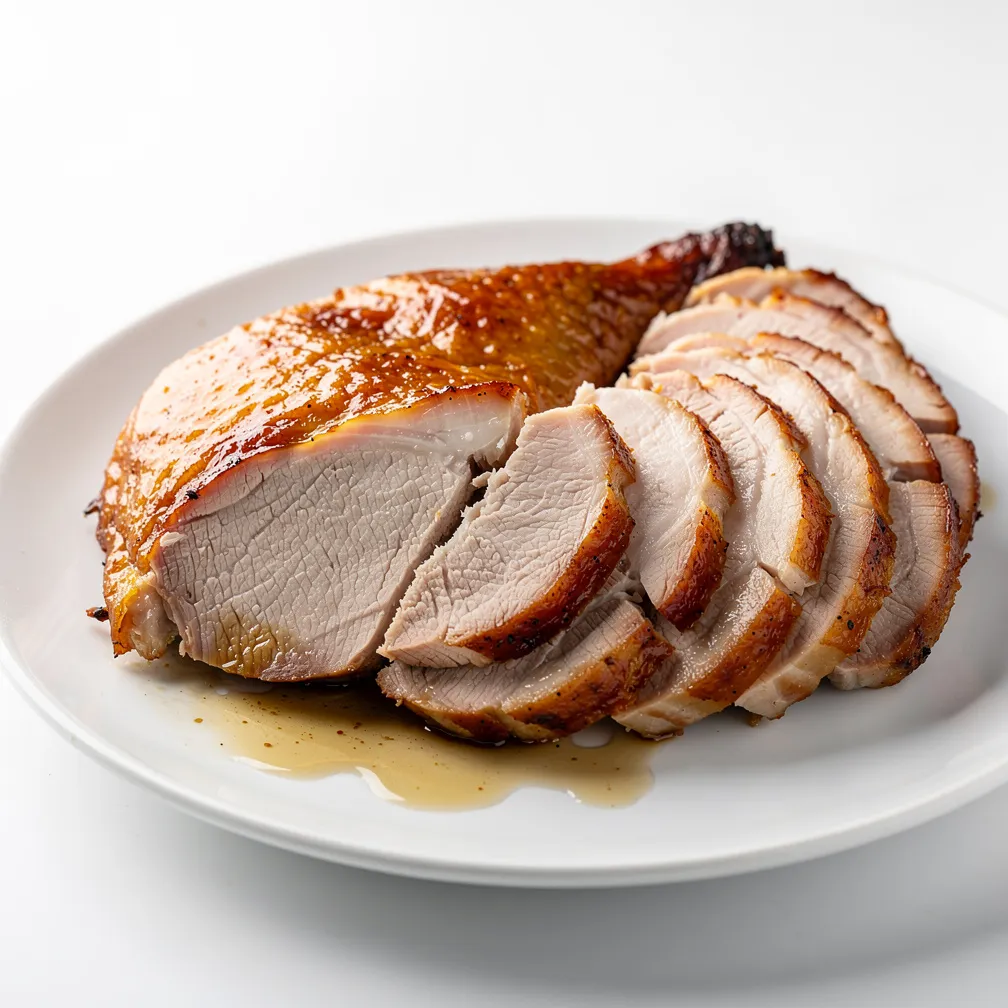
Turkey
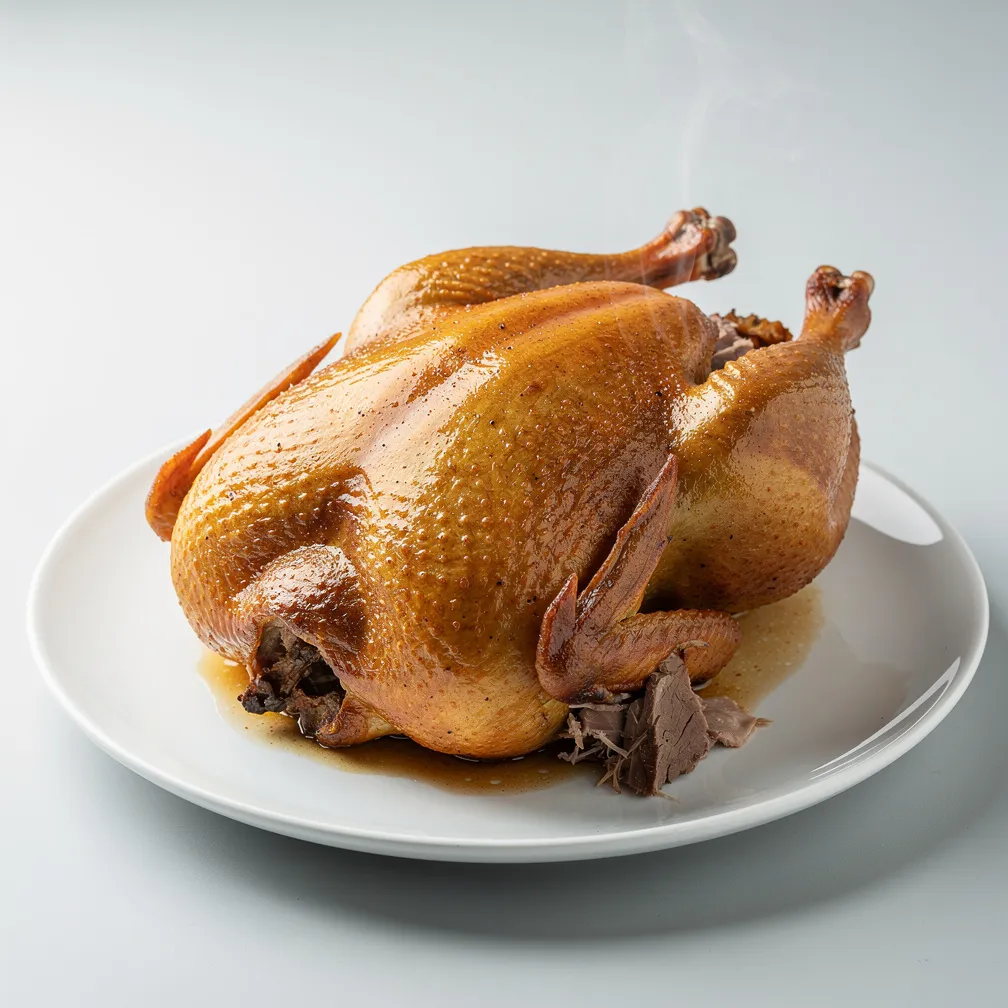
Turkey back
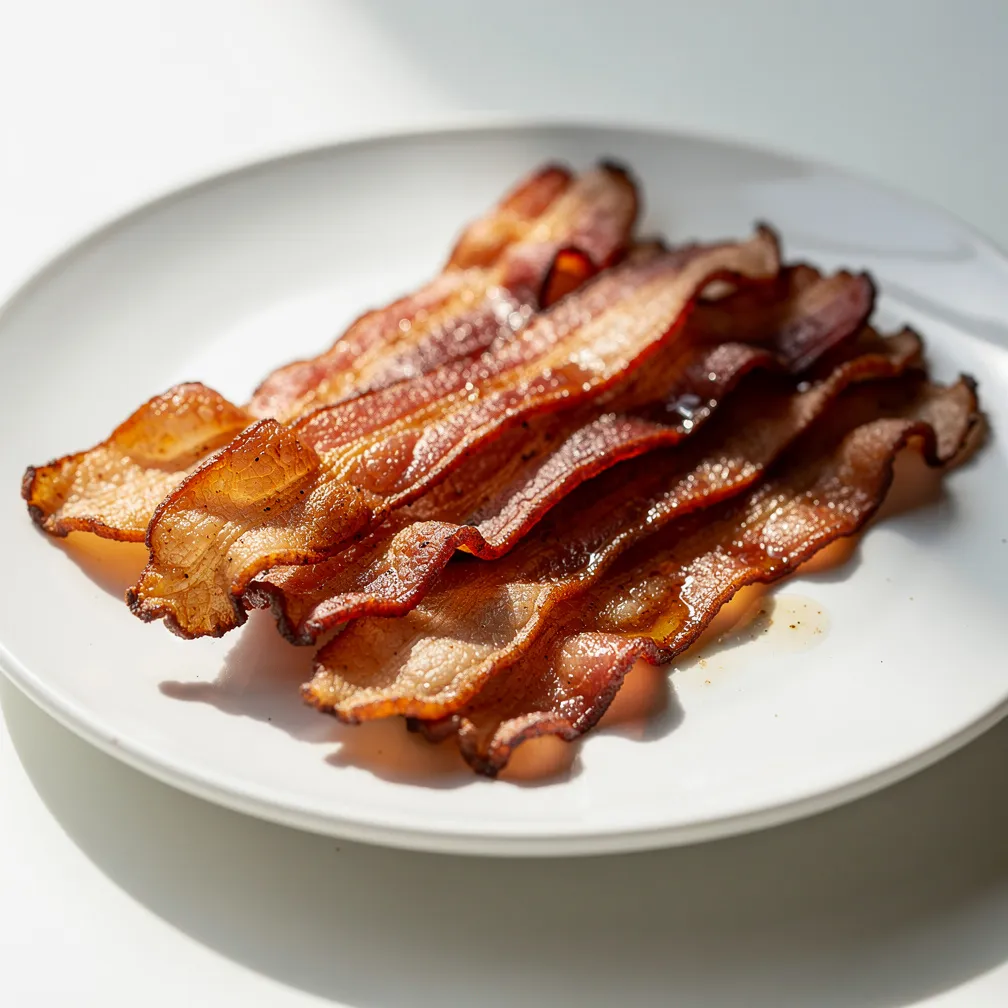
Turkey bacon
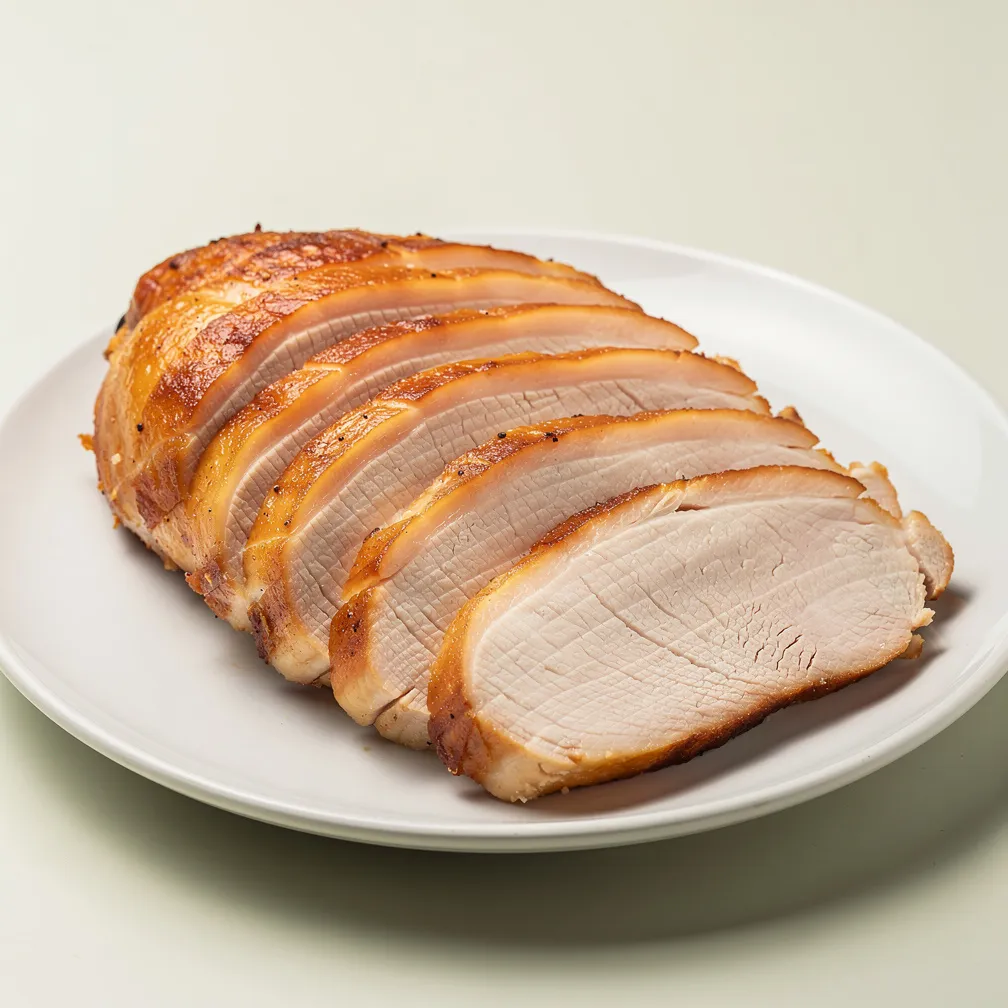
Turkey breast
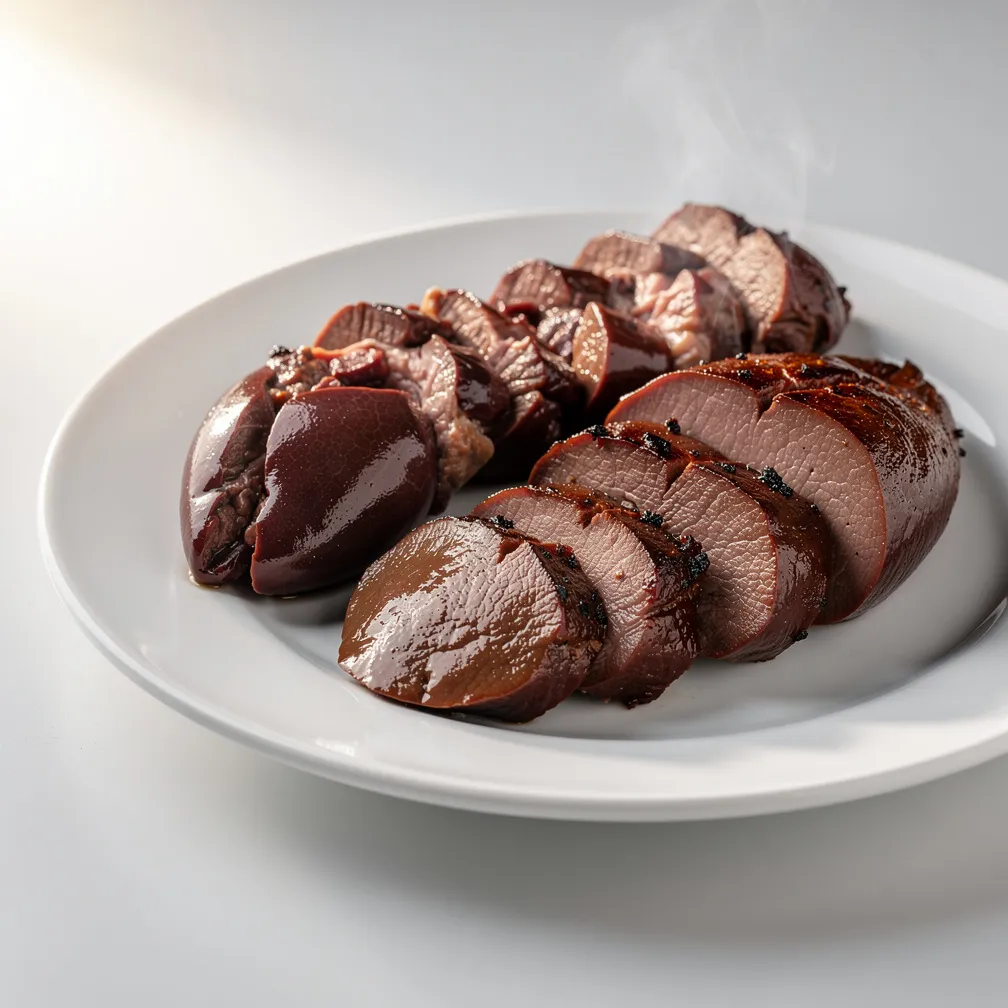
Turkey giblets
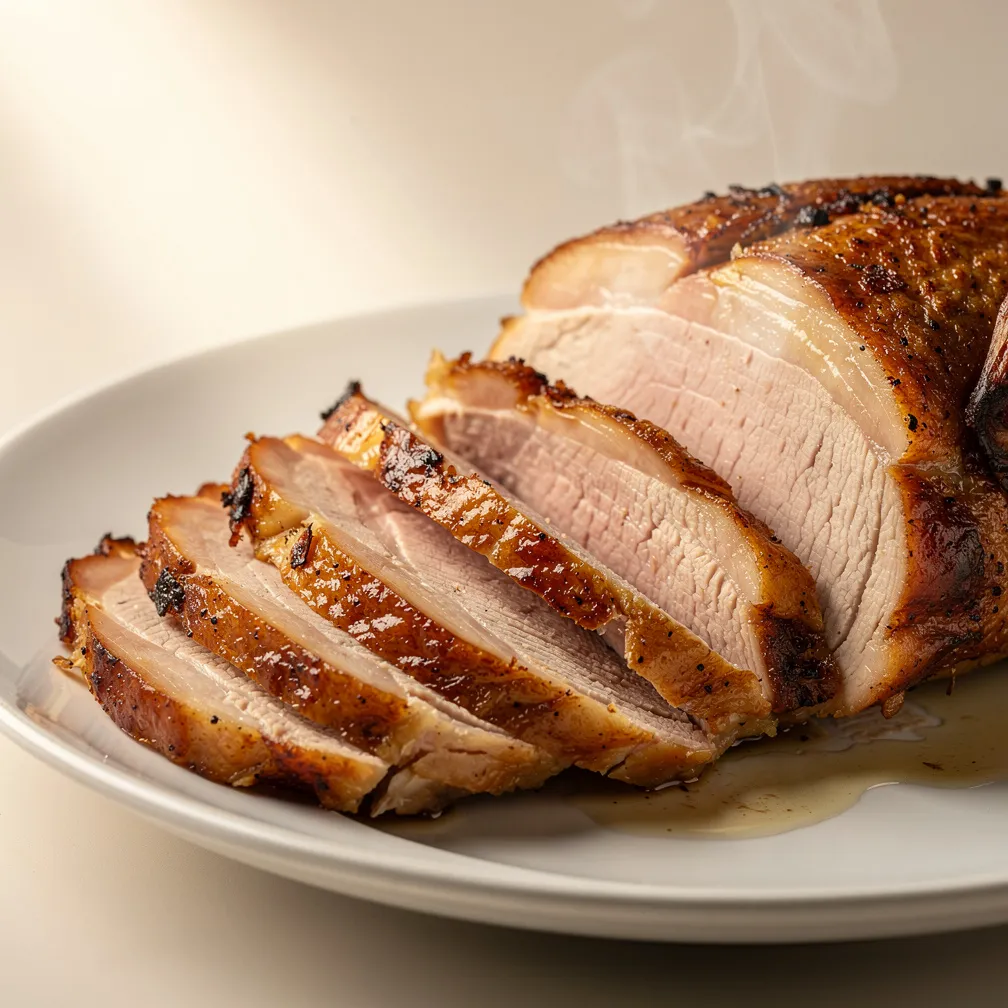
Turkey hen
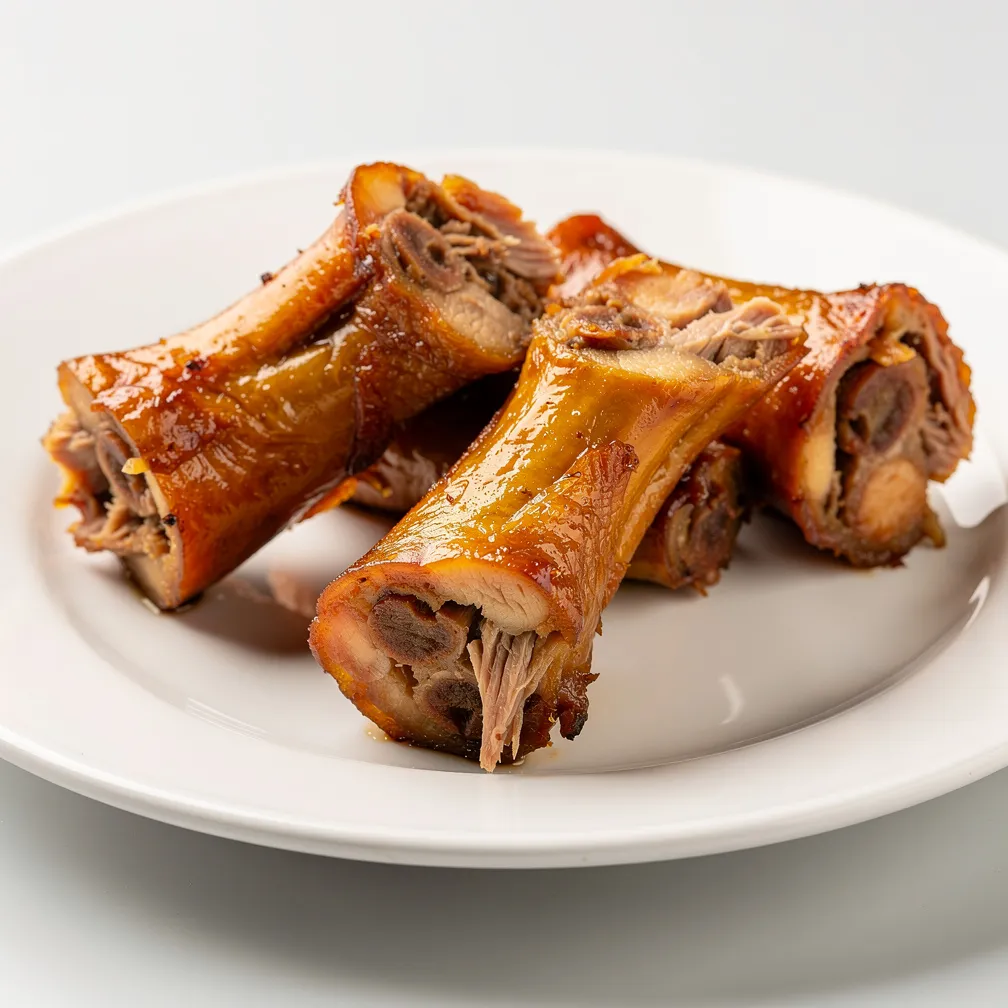
Turkey neck
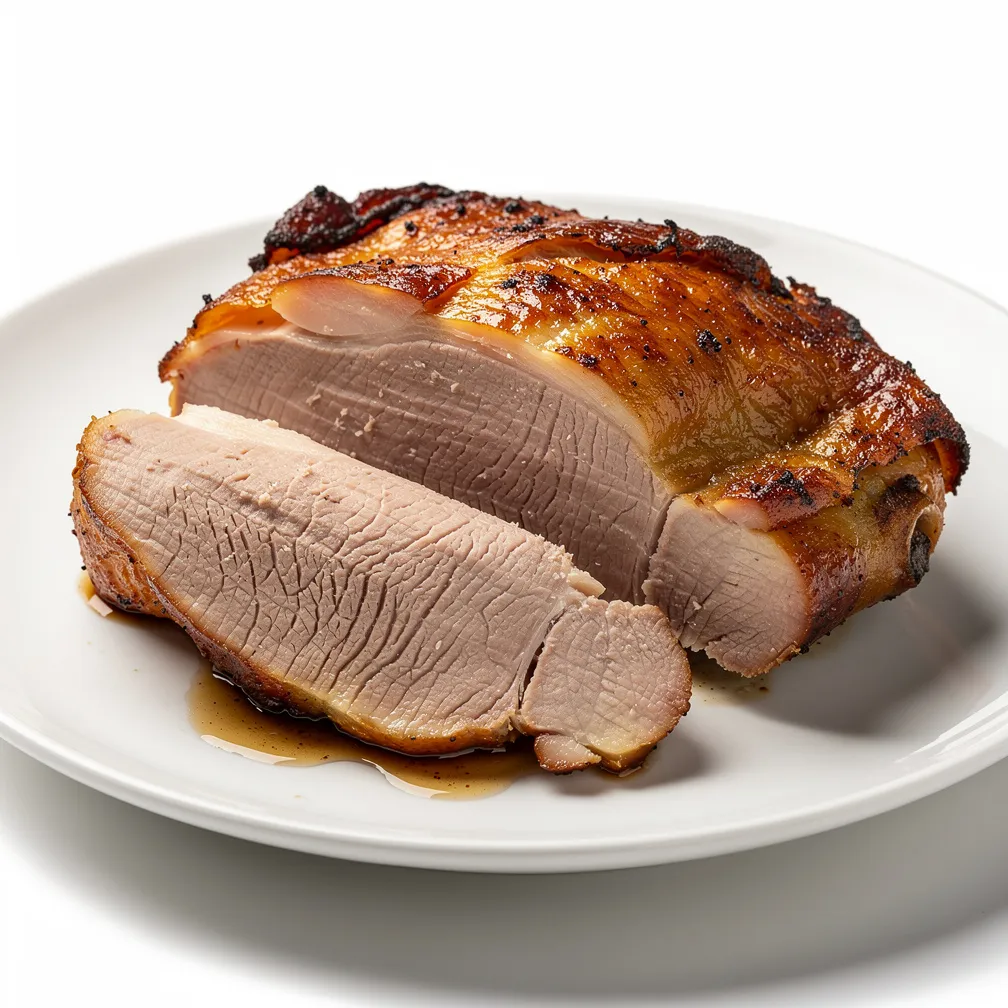
Turkey thigh
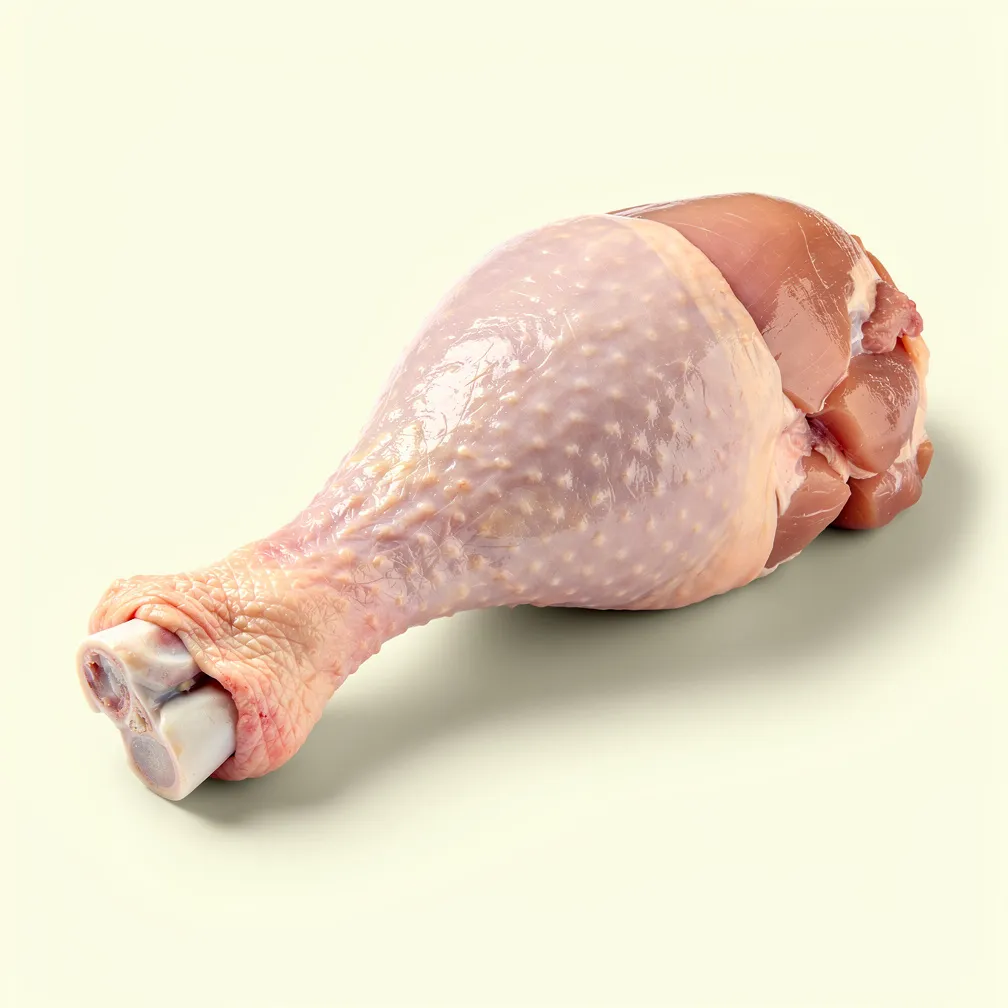
Turkey tom drumstick
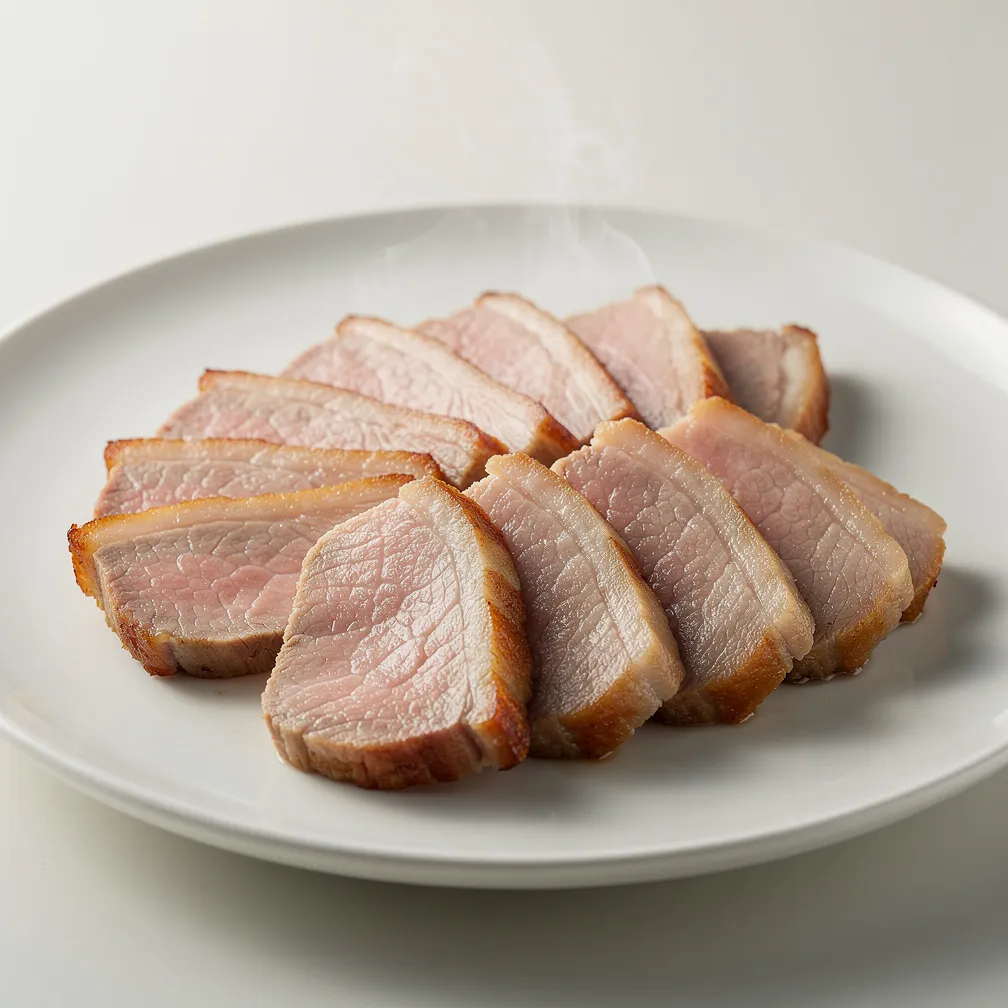
Veal
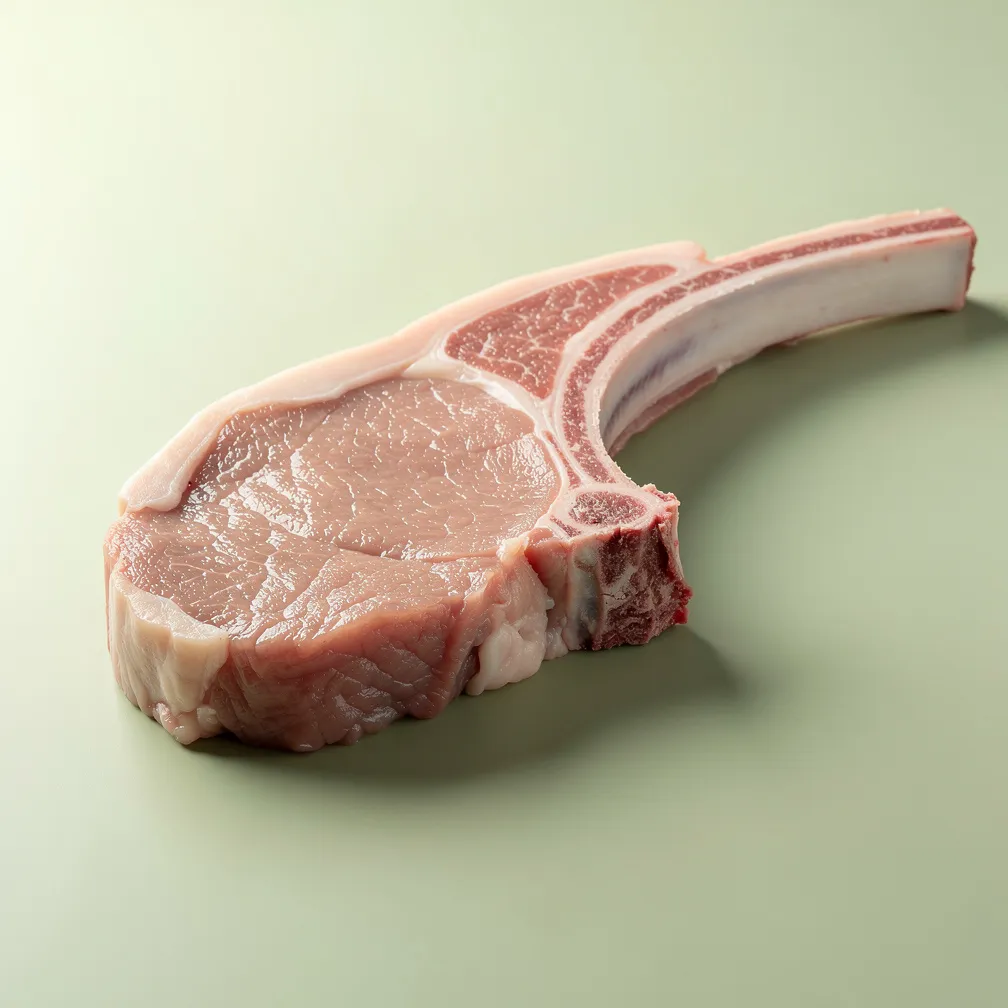
Veal chop
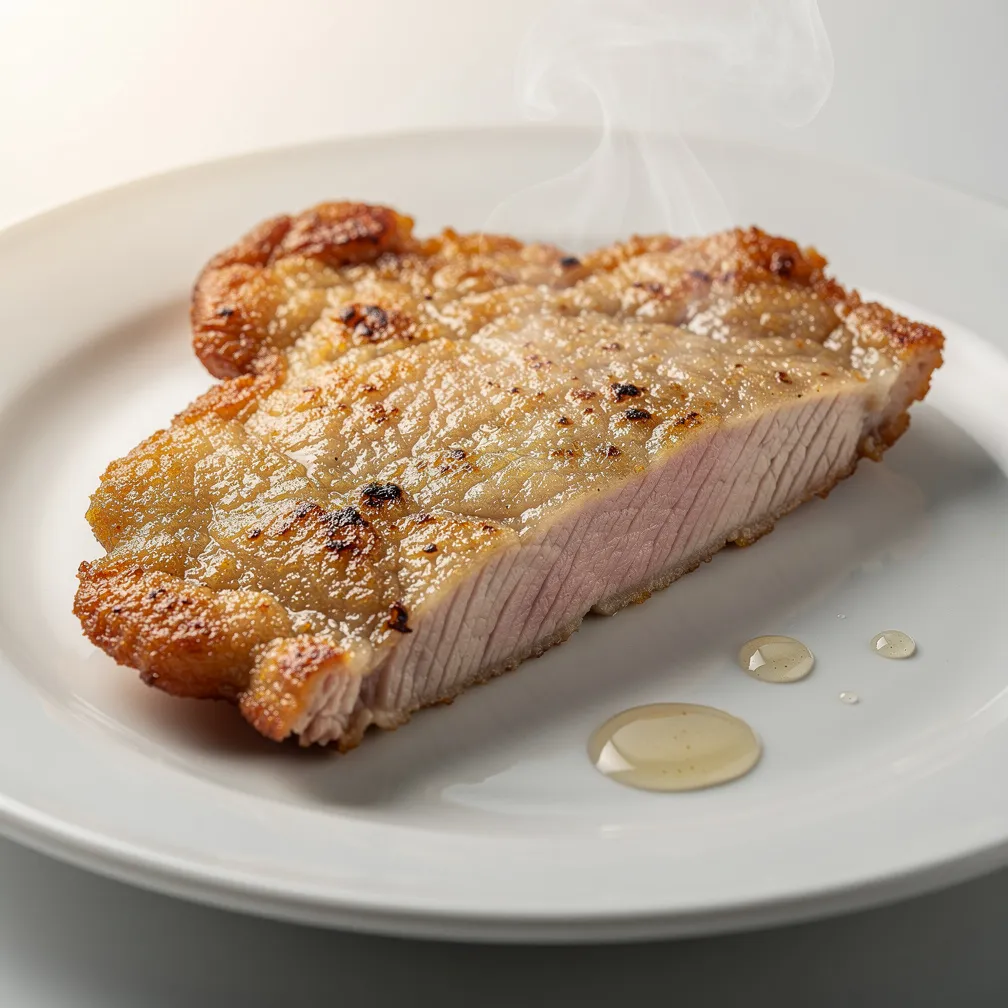
Veal escalope
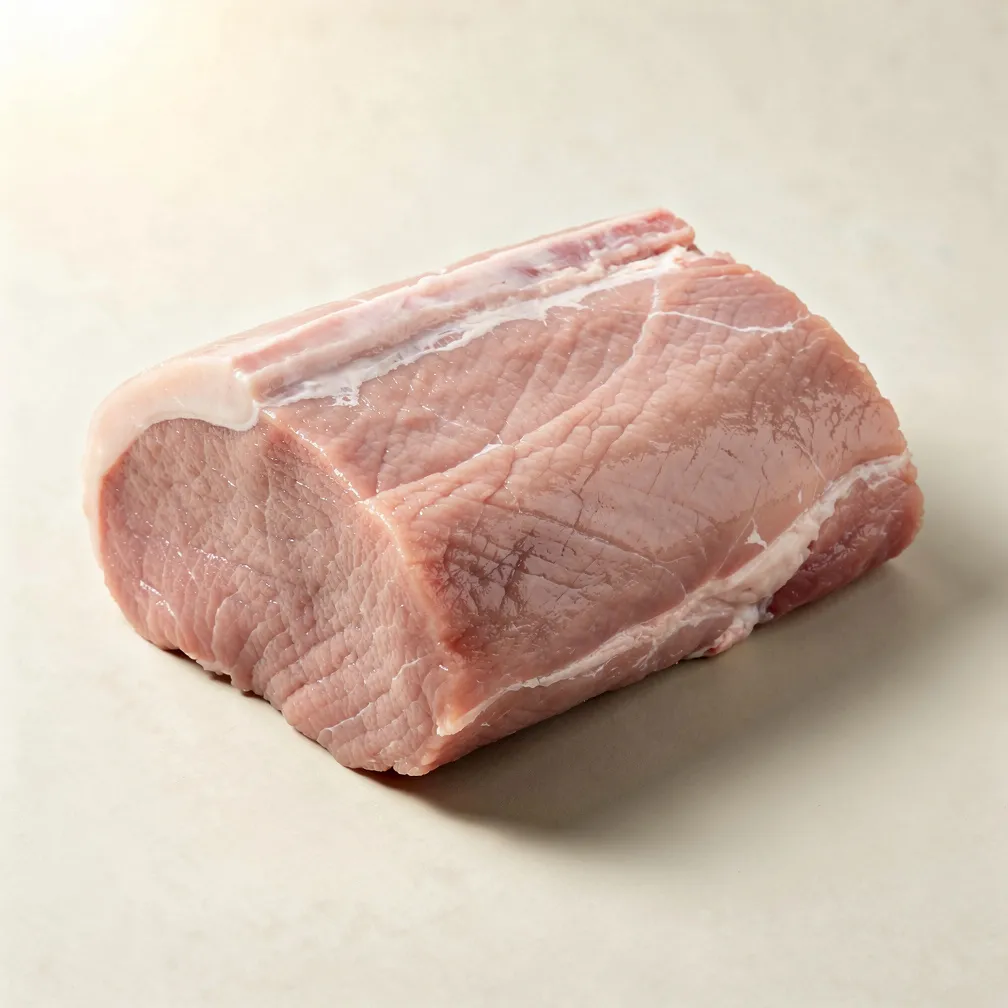
Veal loin
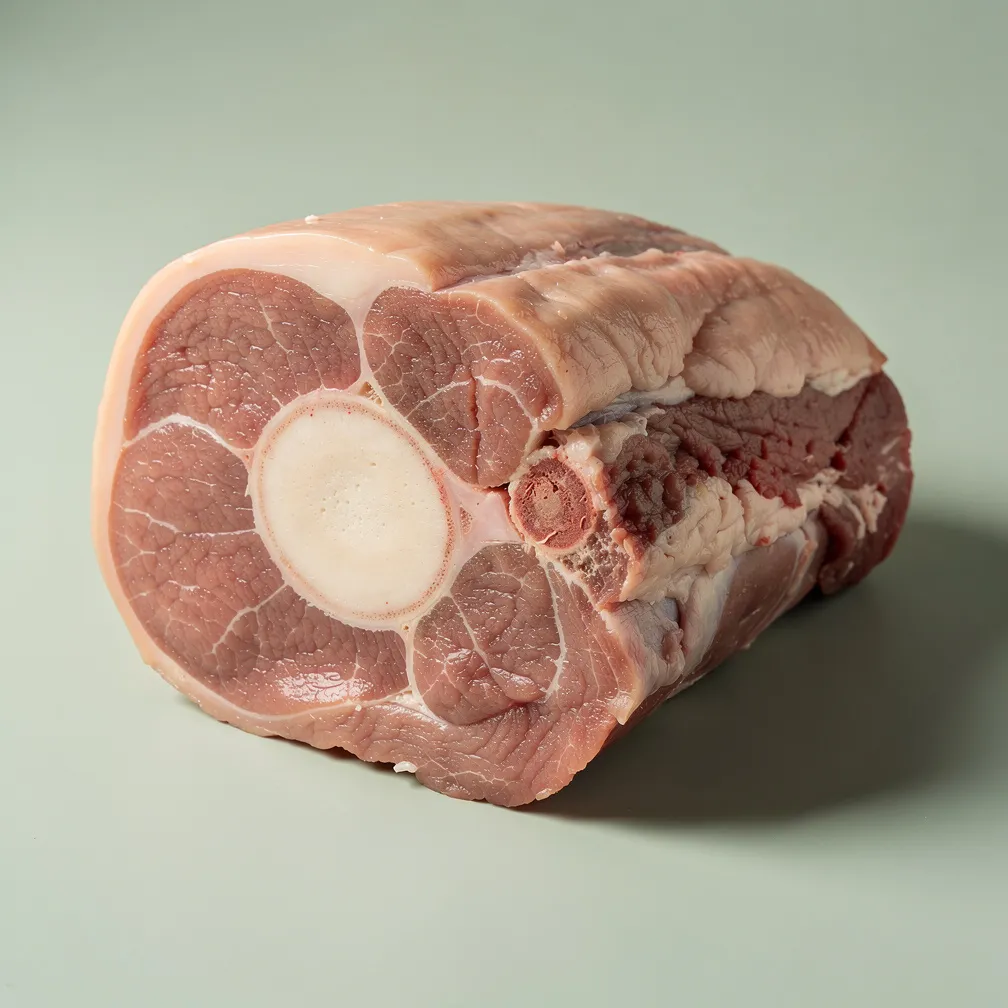
Veal neck
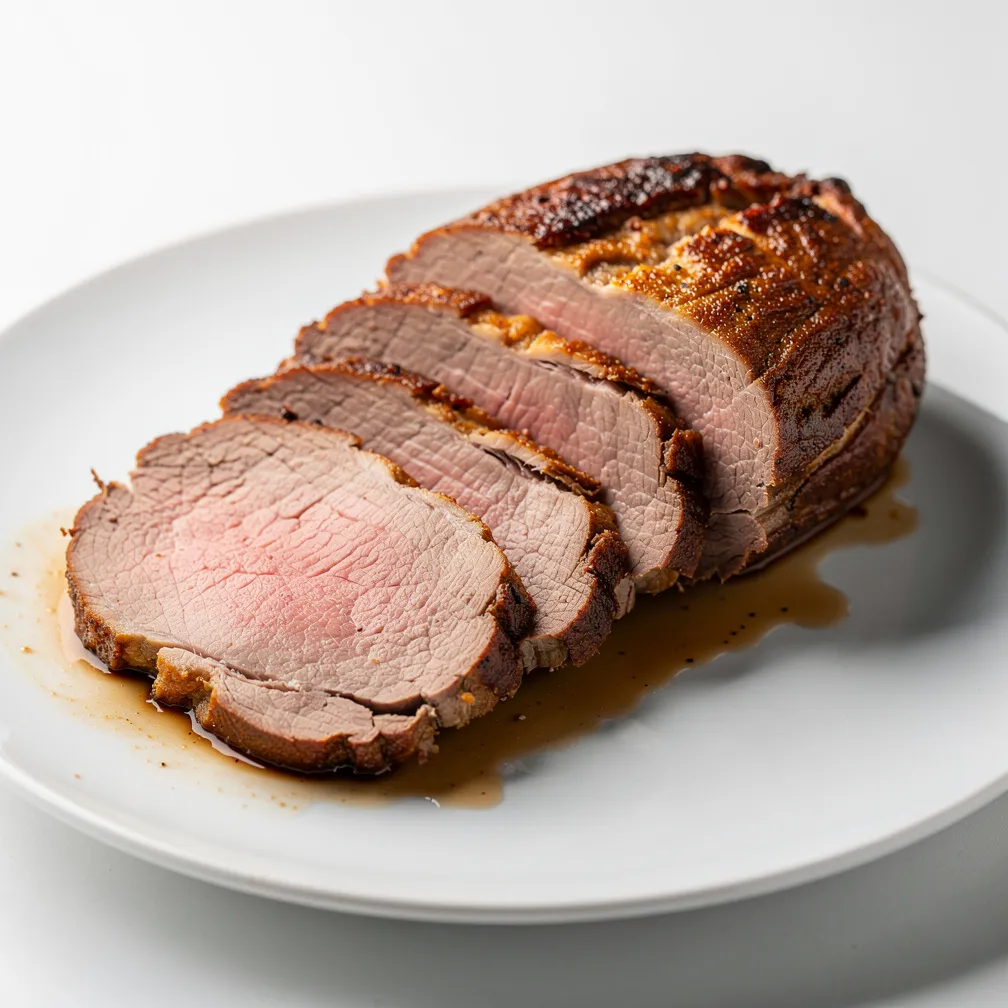
Veal roast
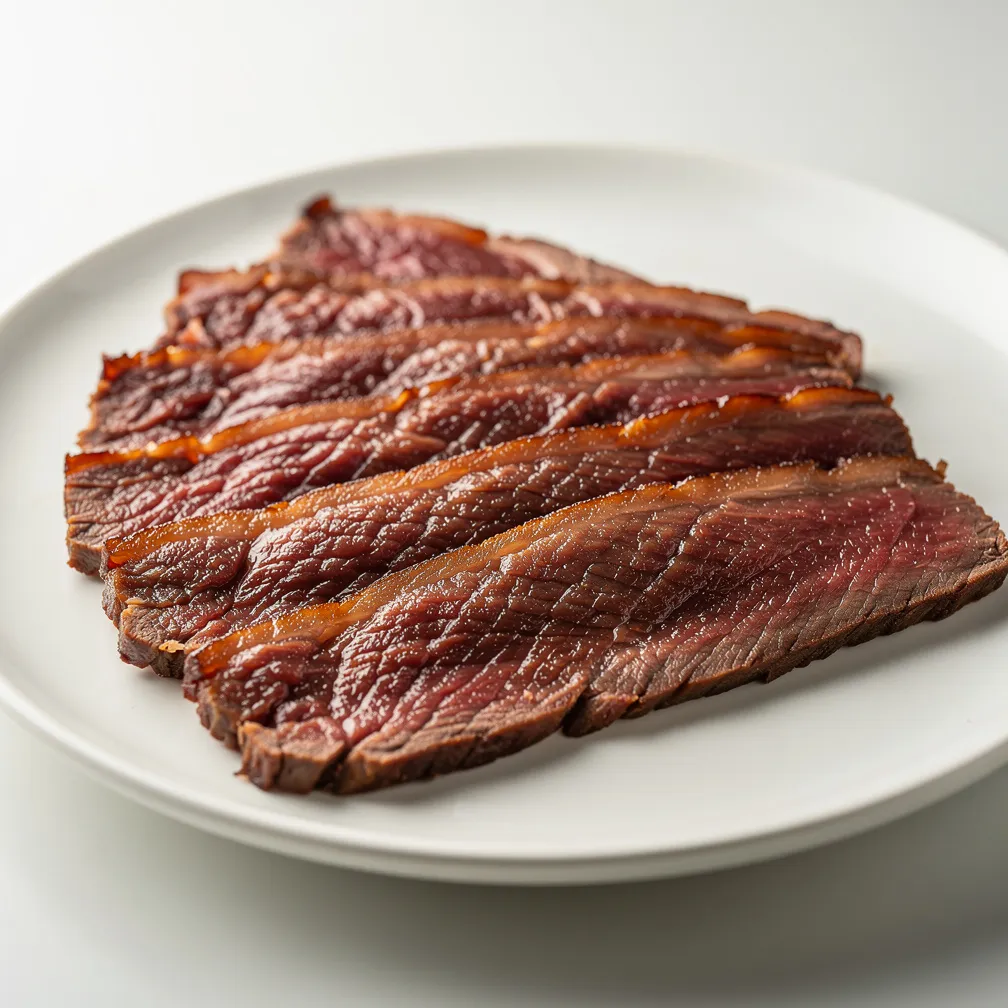
Water buffalo
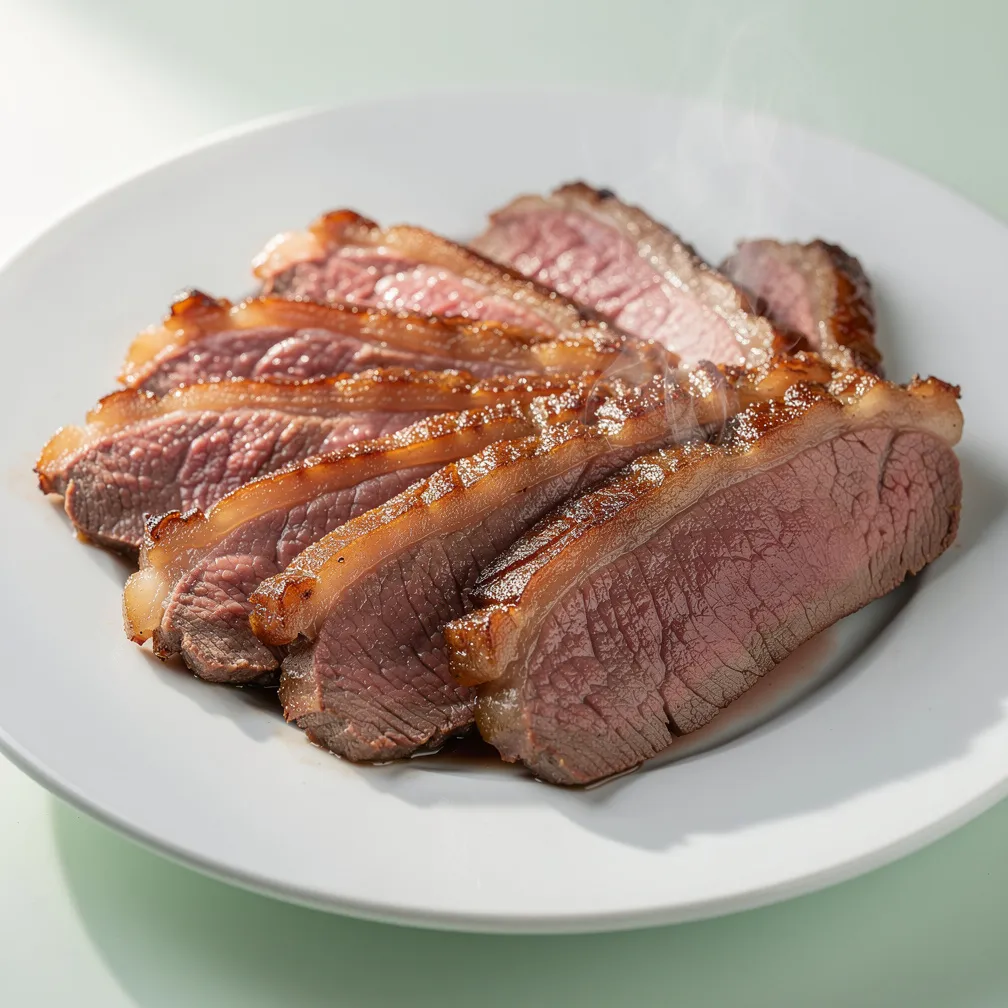
Young goat
Get Vnutri
Log meals, track daily totals, save favorites. Free on iOS and Android.