Dairy
41
The dairy category on vnutri.app covers milk and products made from it, including whole, low-fat and skim milk, yogurt, kefir, cottage cheese, ricotta, hard and soft cheeses, butter, cream, sour cream and cultured drinks. Macronutrients vary widely: liquid milk and yogurt provide roughly equal grams of protein and carbohydrates (from lactose) with variable fat, cheeses concentrate protein and fat with little lactose, and butter is almost entirely fat. Dairy is a primary dietary source of calcium, phosphorus, iodine, vitamin B12, riboflavin and vitamin A, plus vitamin D in fortified versions. Most fluid dairy has a low glycemic index (around 15–35). It fits Mediterranean, vegetarian, keto (full-fat) and high-protein patterns, but is excluded on vegan and strict low-FODMAP plans.
Is dairy a good source of protein?
Yes, especially concentrated forms. Greek yogurt provides around 9–10 g of protein per 100 g, cottage cheese about 11–12 g, and hard cheeses like Parmesan up to 35 g per 100 g. Dairy protein is roughly 80 percent casein and 20 percent whey, both complete proteins containing all essential amino acids, including a high share of leucine.
Which dairy products are lowest in lactose?
Aged hard cheeses such as Parmesan, cheddar, Gruyère and Swiss contain less than 1 g of lactose per 100 g because most of it is removed with the whey and broken down during ageing. Butter and ghee are also very low, and traditionally fermented yogurt and kefir have reduced lactose due to bacterial activity. Fresh milk, by contrast, contains about 4.5–5 g of lactose per 100 ml.
What is the difference between full-fat and low-fat dairy nutritionally?
The main difference is fat and energy content. Whole milk has about 3.5 g fat and 60–65 kcal per 100 ml, while skim milk has under 0.5 g fat and around 35 kcal, with nearly identical protein and lactose. Fat-soluble vitamins A and D are naturally higher in full-fat versions, though many low-fat dairy products are fortified to compensate.
Does dairy fit a keto or low-carb diet?
Full-fat, low-lactose dairy fits keto well. Butter, hard cheeses, heavy cream and full-fat sour cream contain under 3 g of carbohydrates per 100 g. Milk and plain yogurt are higher in lactose, around 4–5 g of carbs per 100 g, so portions are usually limited. Flavoured and sweetened yogurts, ice cream and condensed milk are typically too high in sugar for a low-carb pattern.

Acid whey
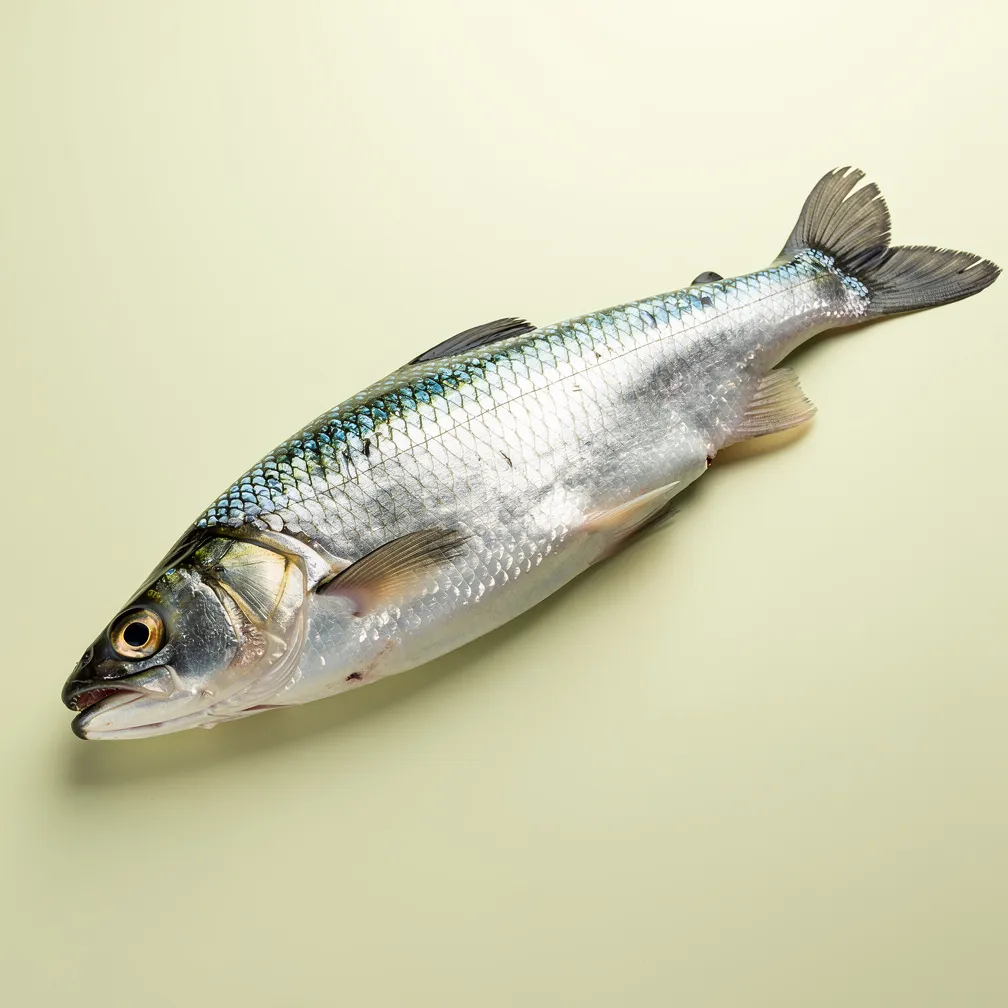
American shad

Anhydrous butter oil
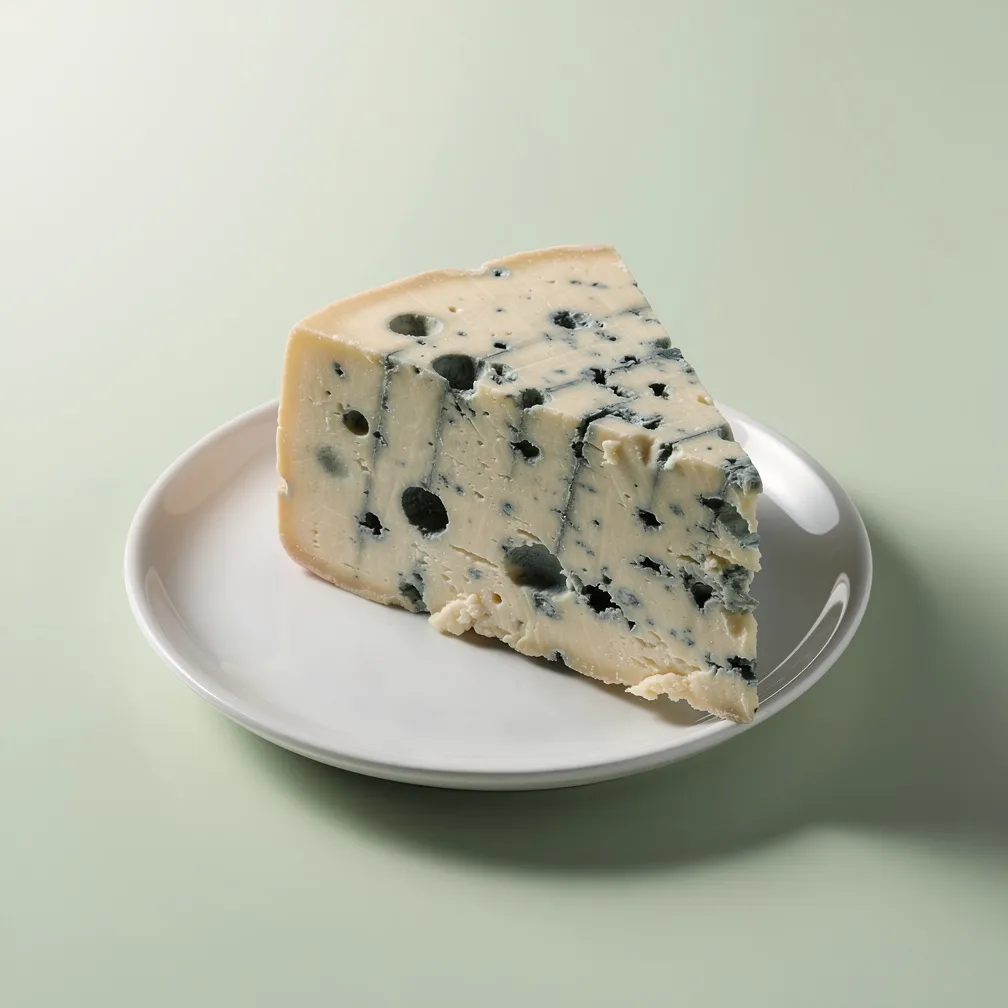
Blue cheese
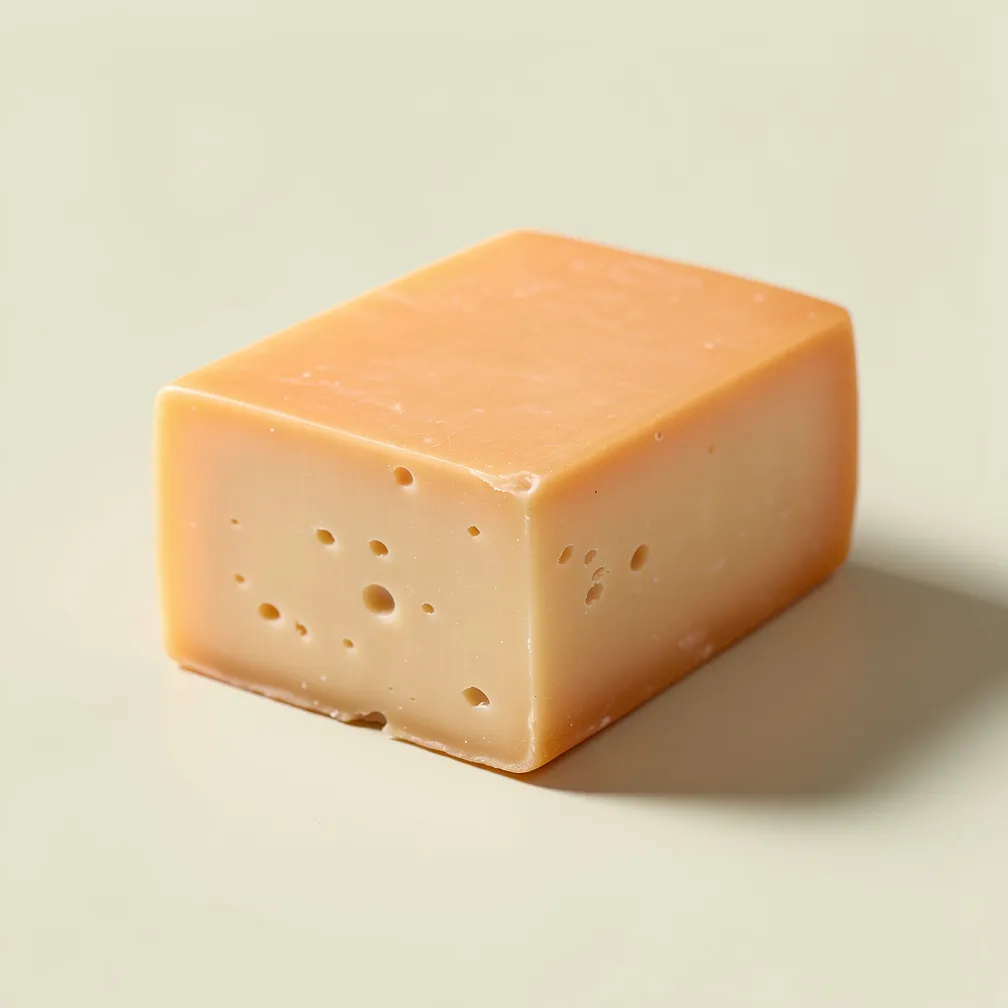
Brick cheese
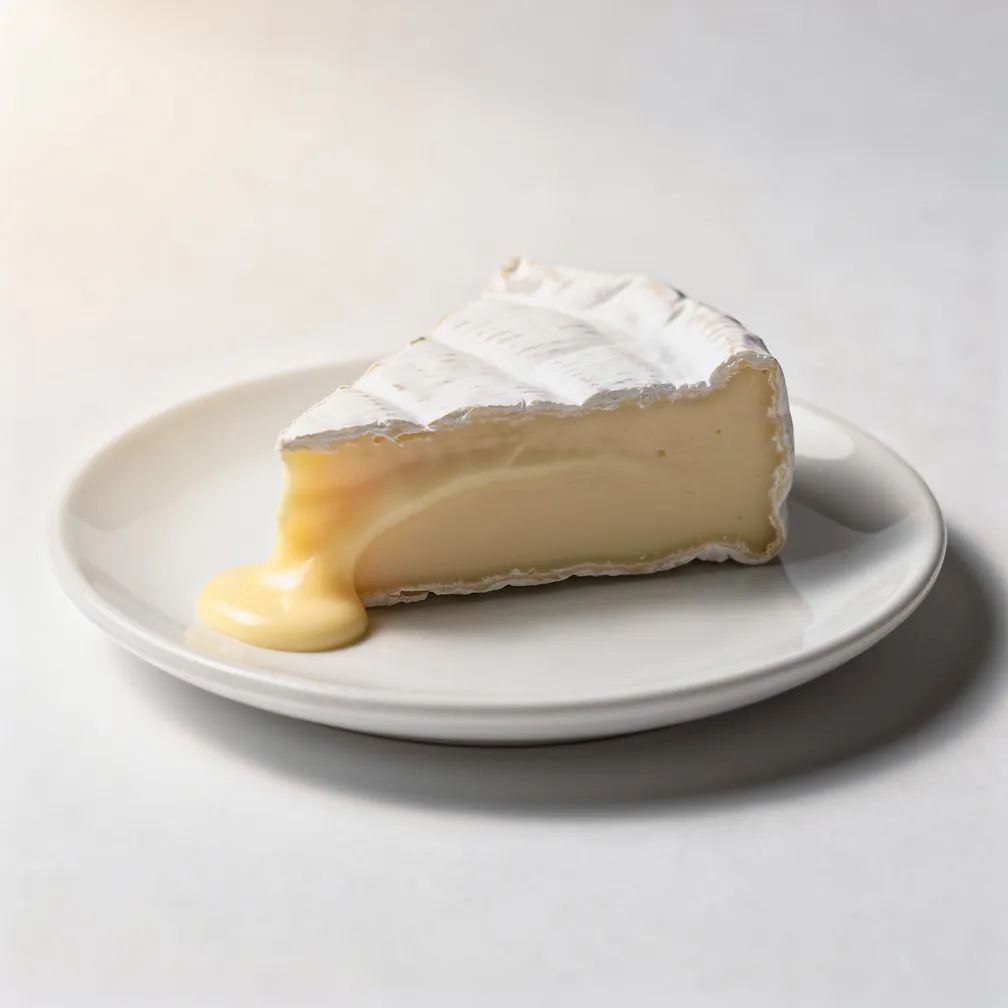
Brie cheese
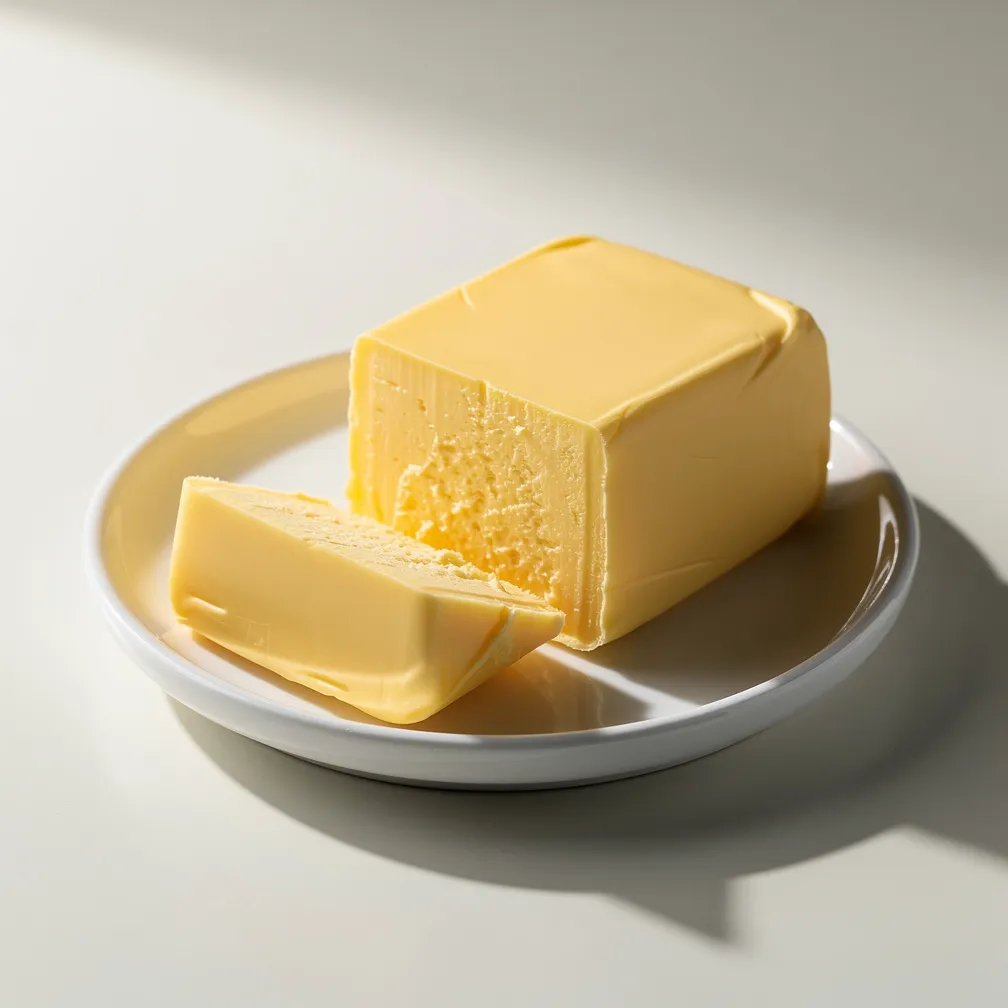
Butter
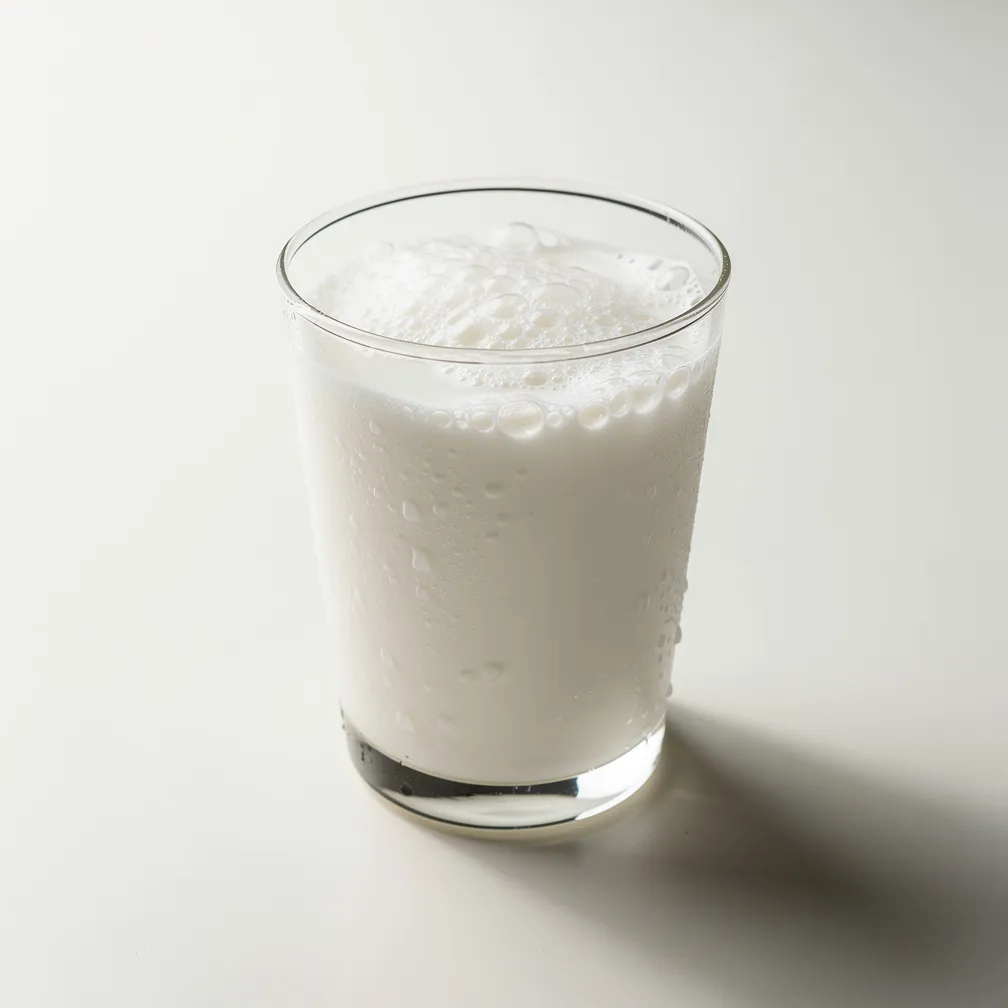
Buttermilk
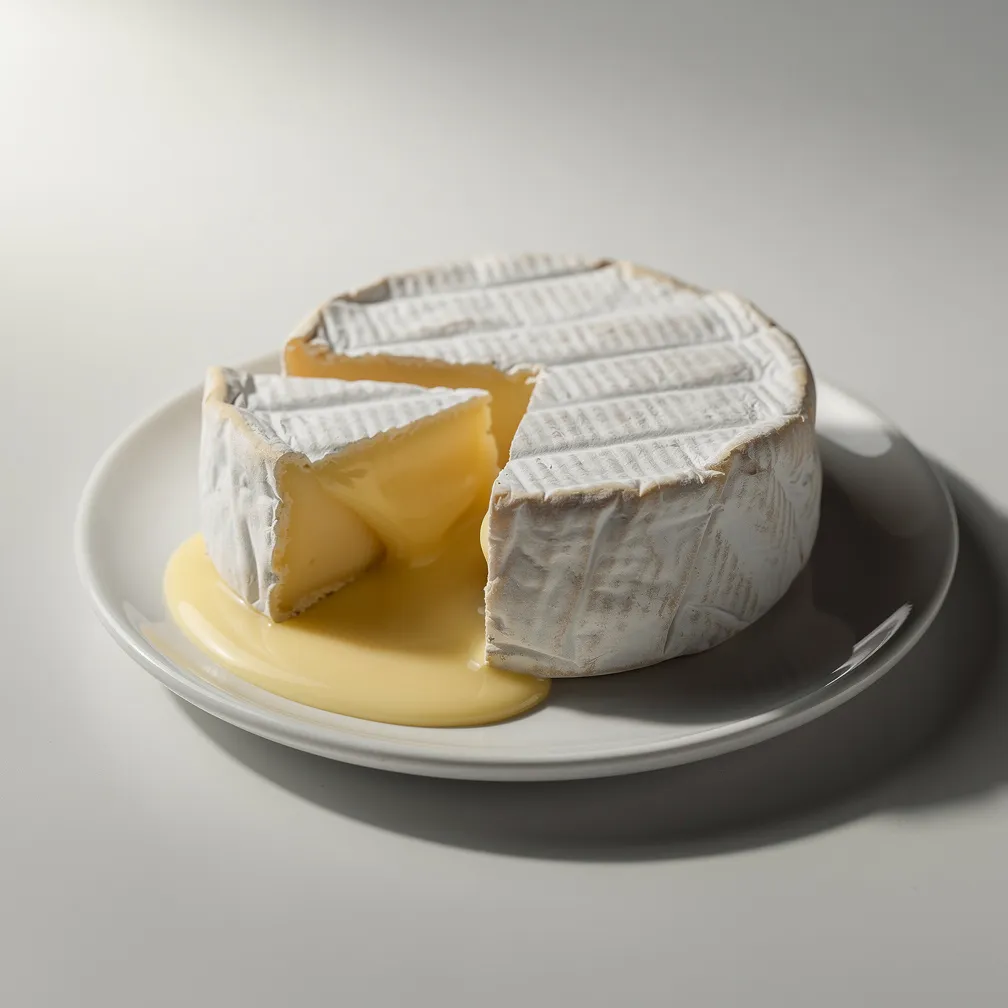
Camembert cheese
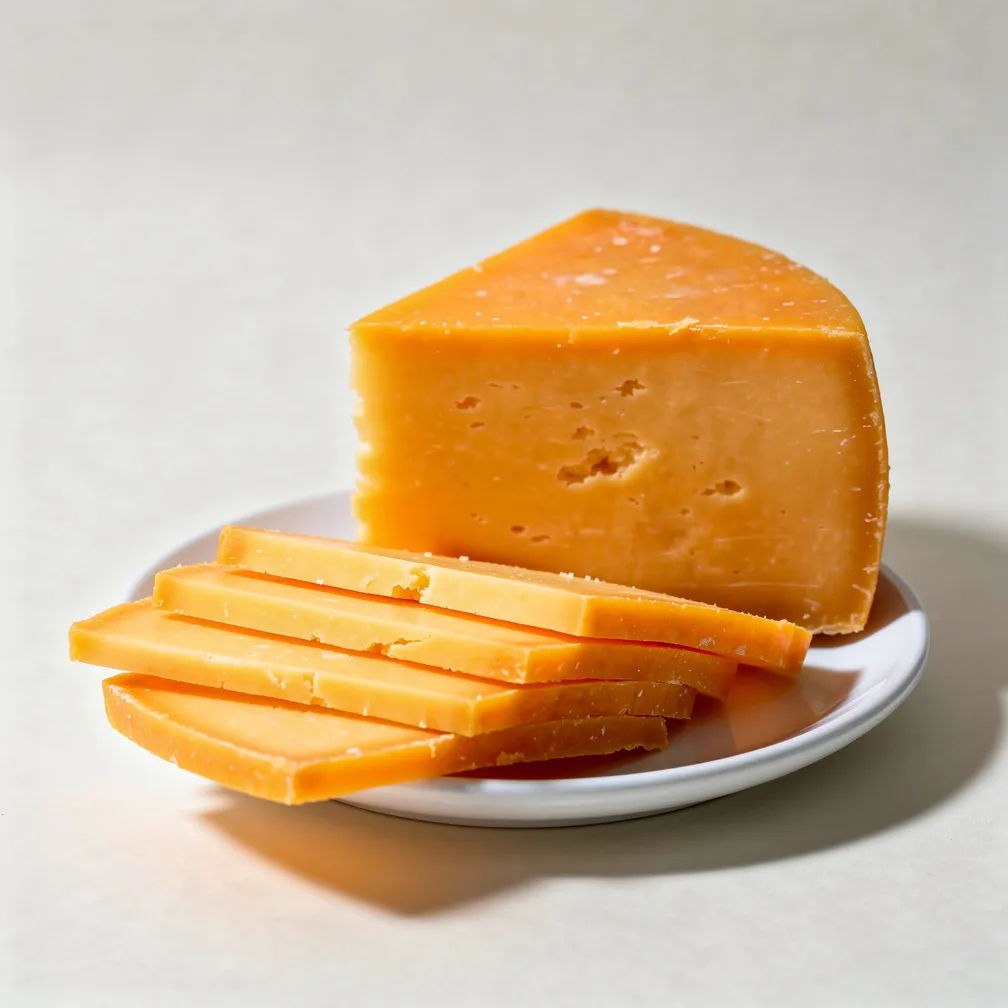
Cheddar cheese
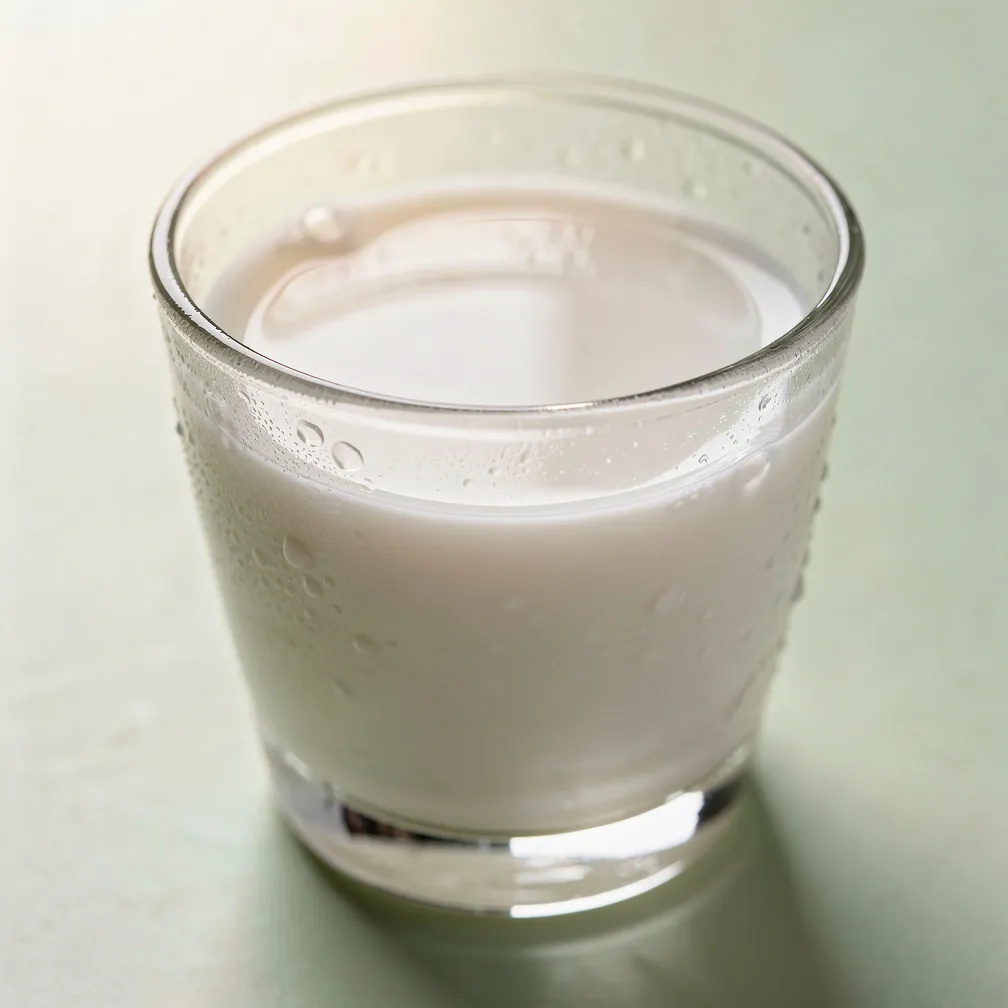
Coconut milk
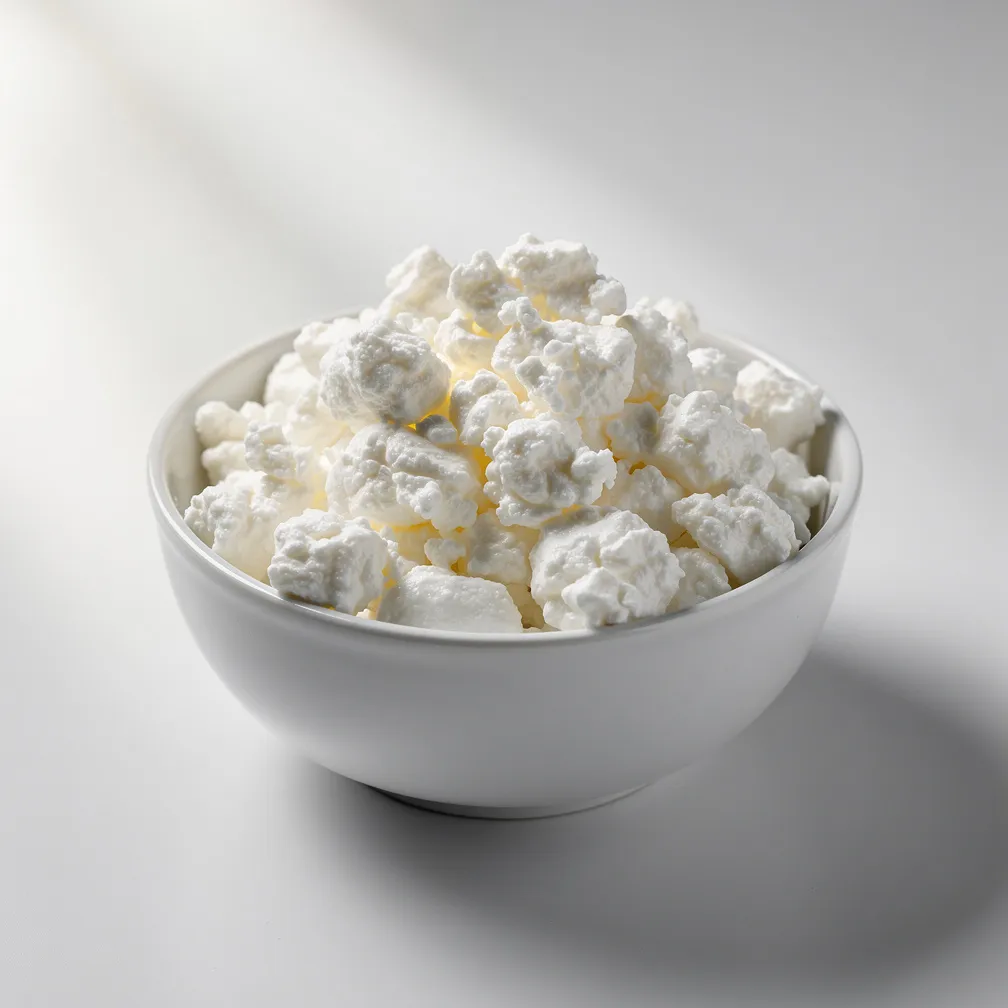
Cottage cheese
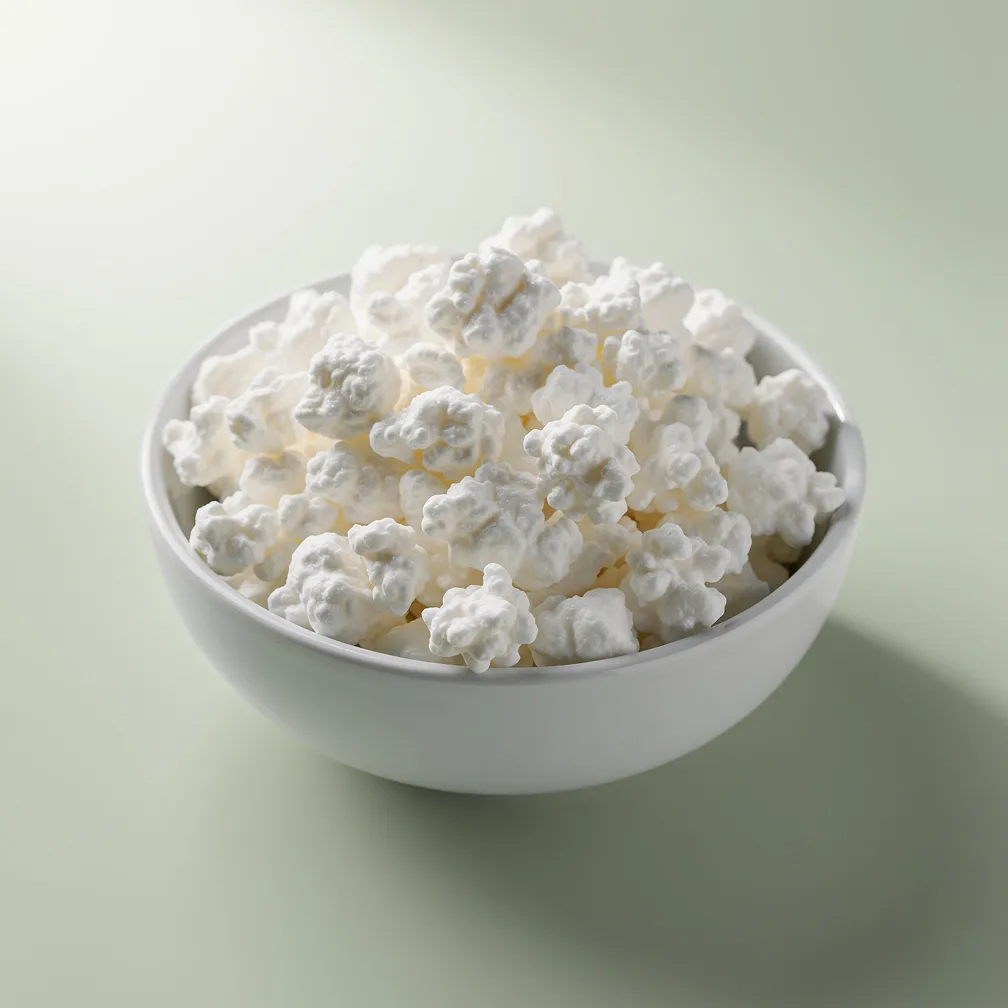
Cottage cheese (1% fat)
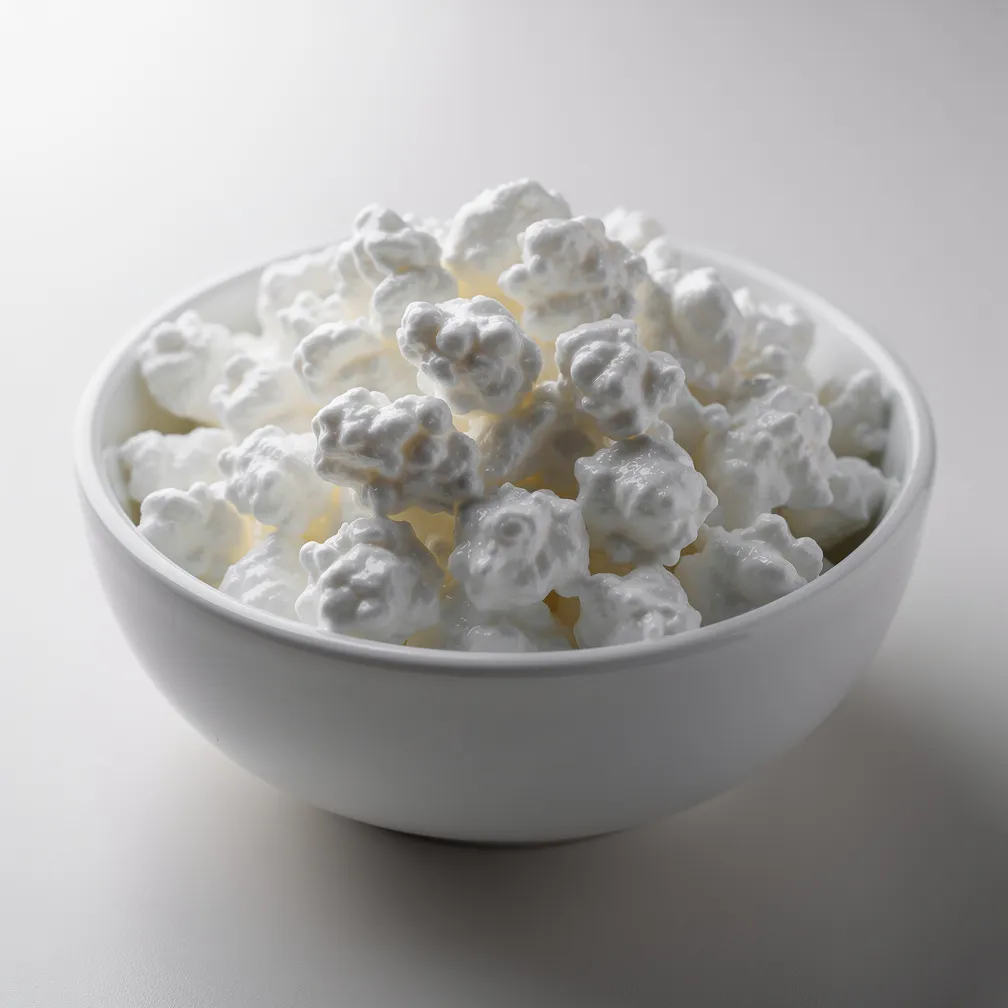
Cottage cheese (2% fat)
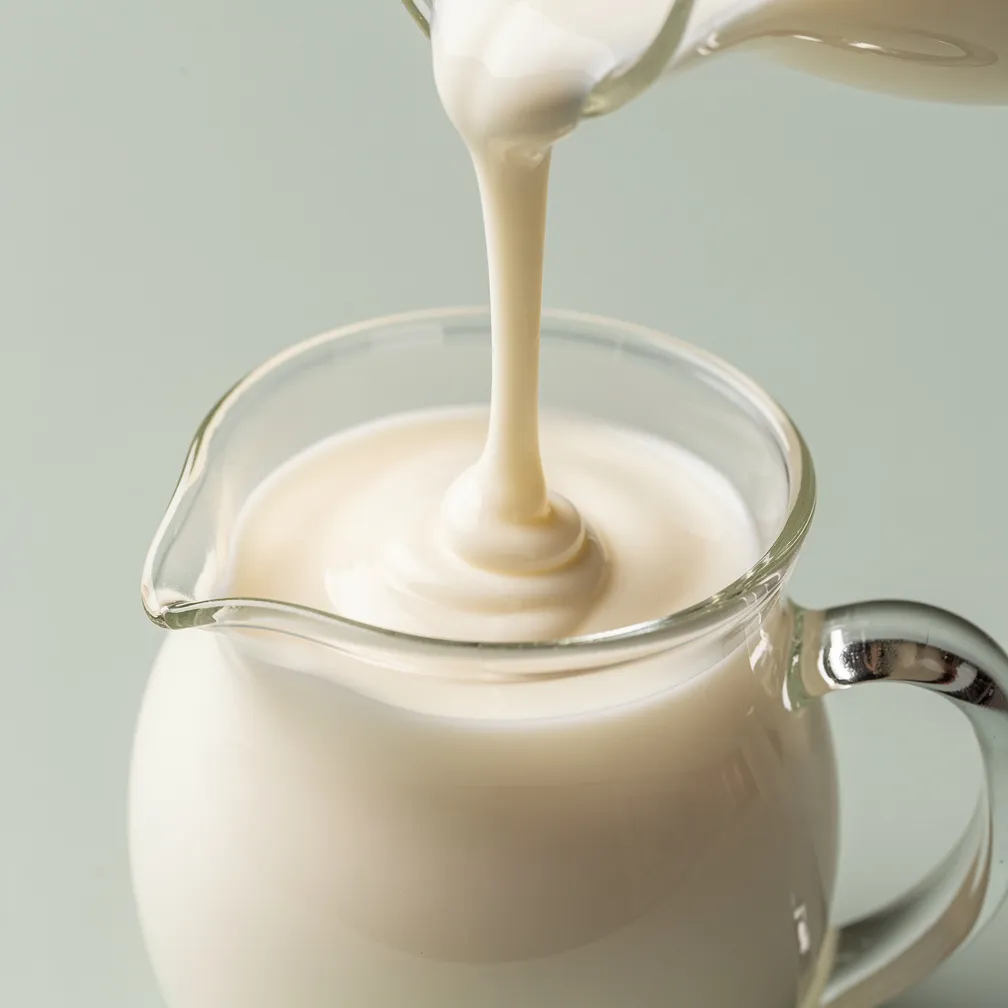
Cream
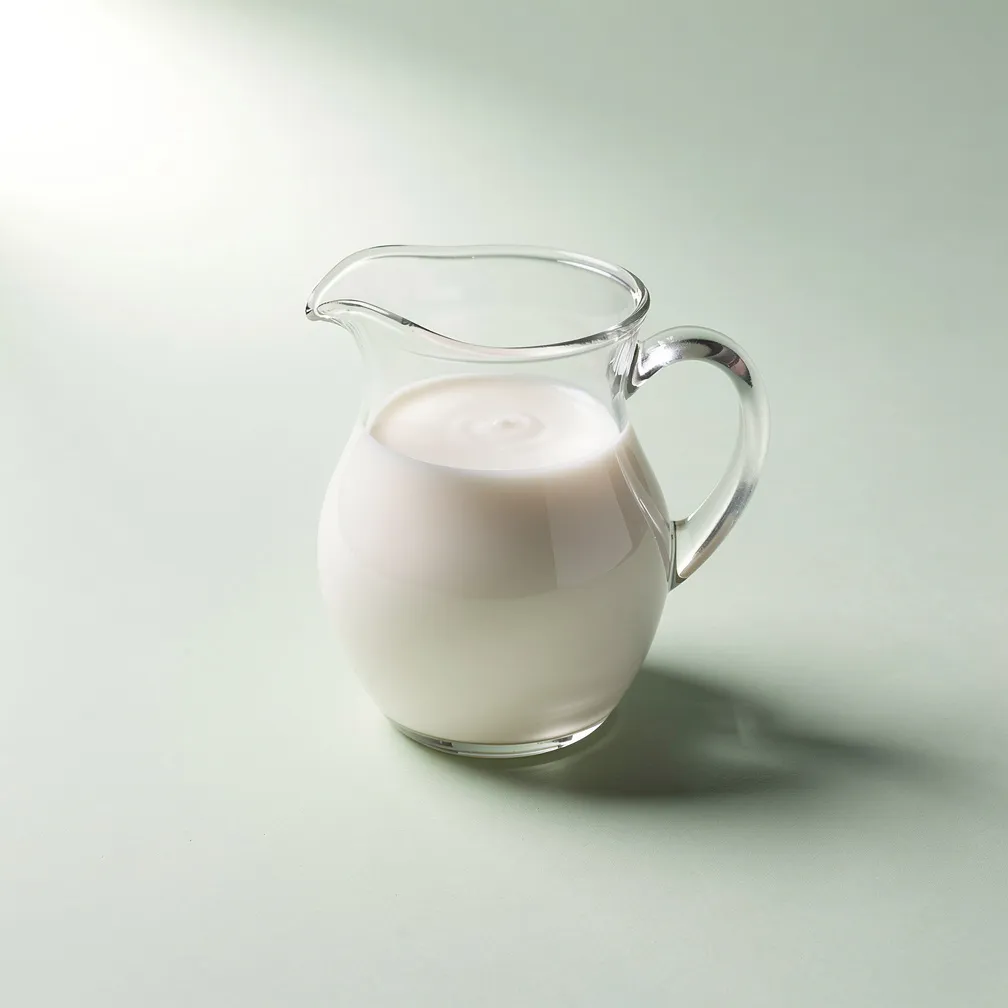
Cream 5%
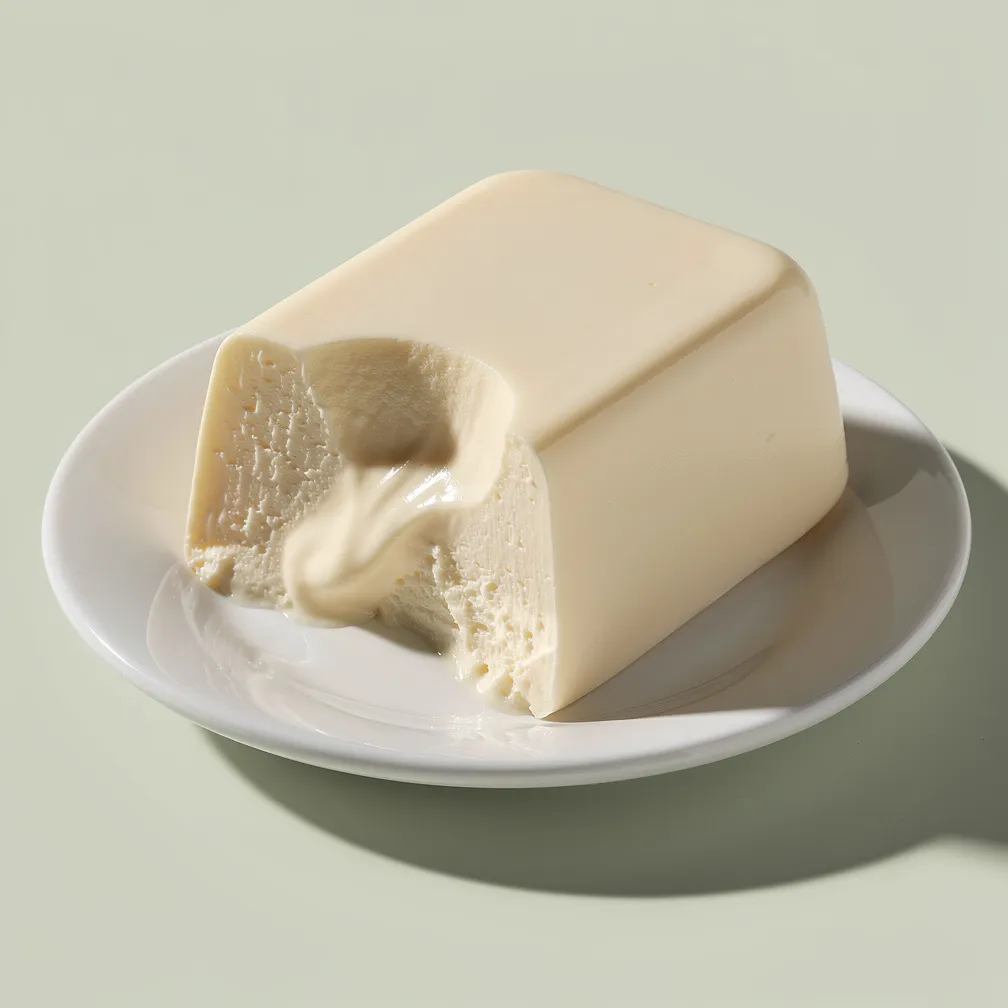
Cream cheese
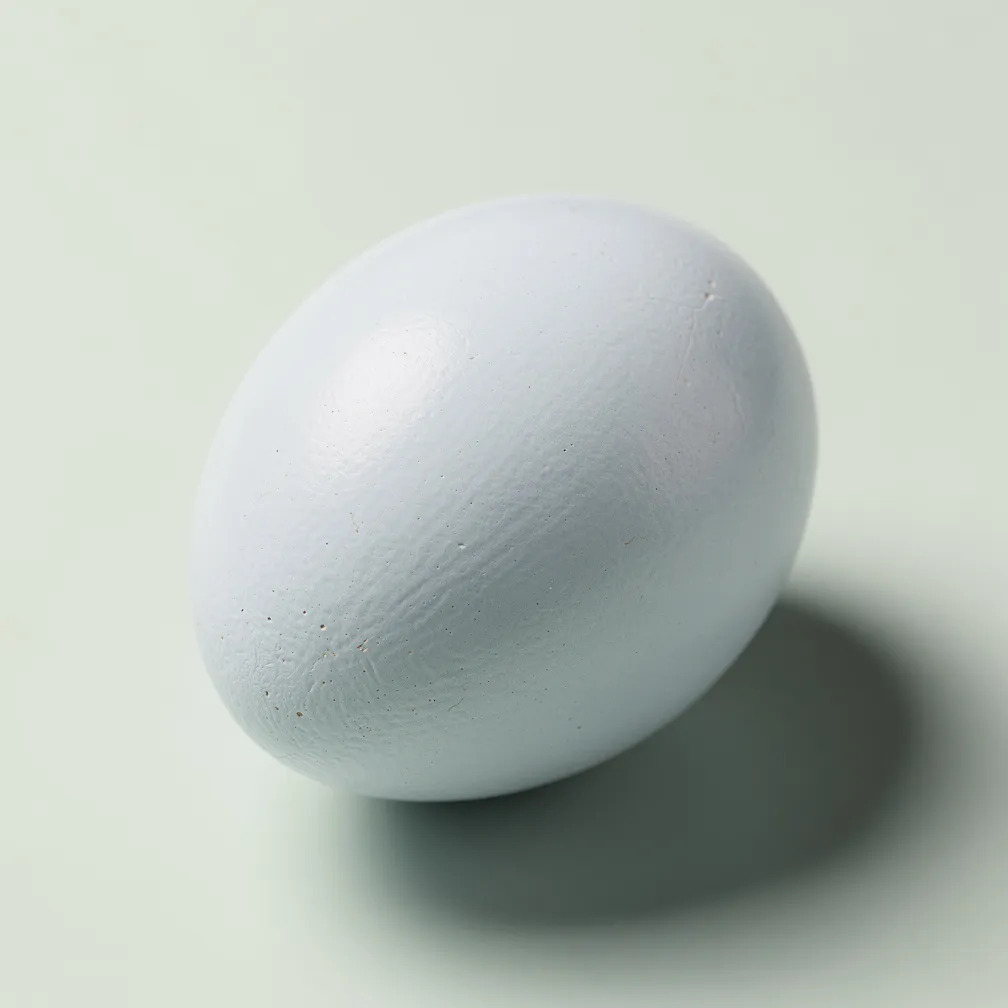
Duck egg
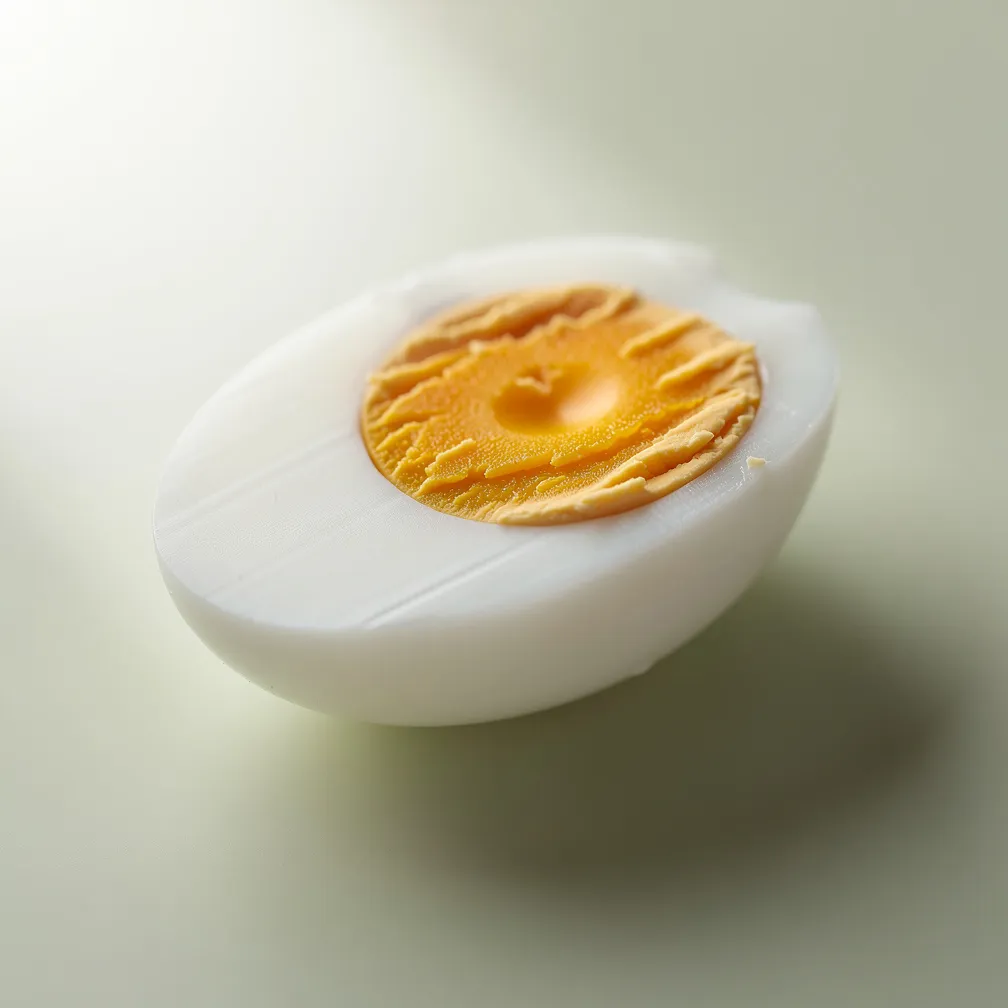
Egg
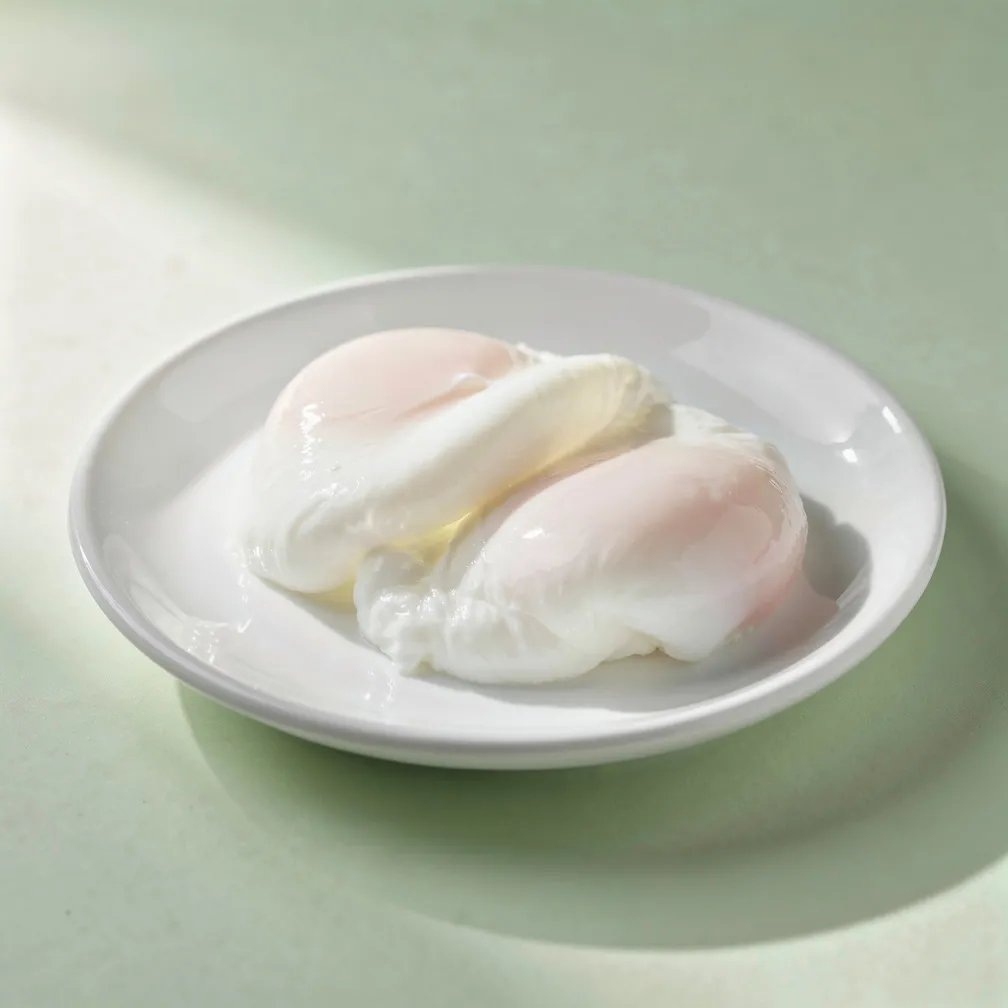
Egg white
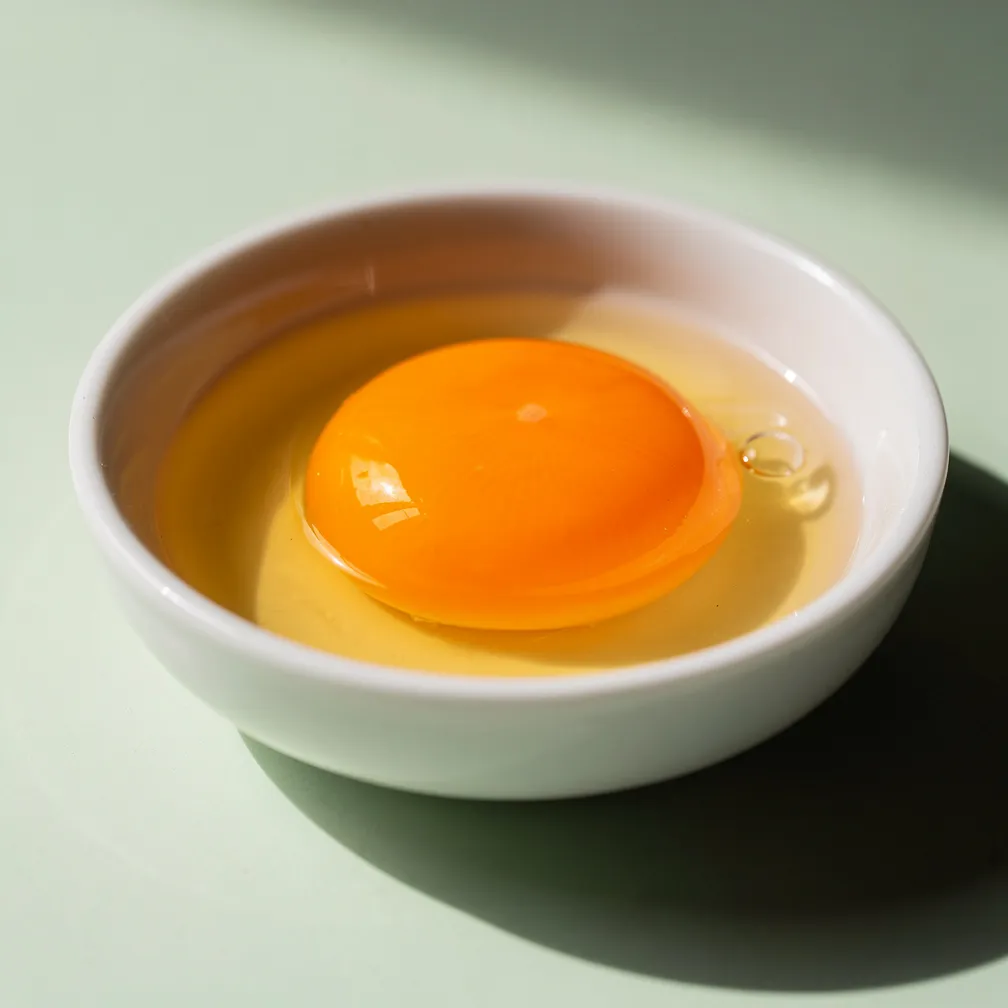
Egg yolk
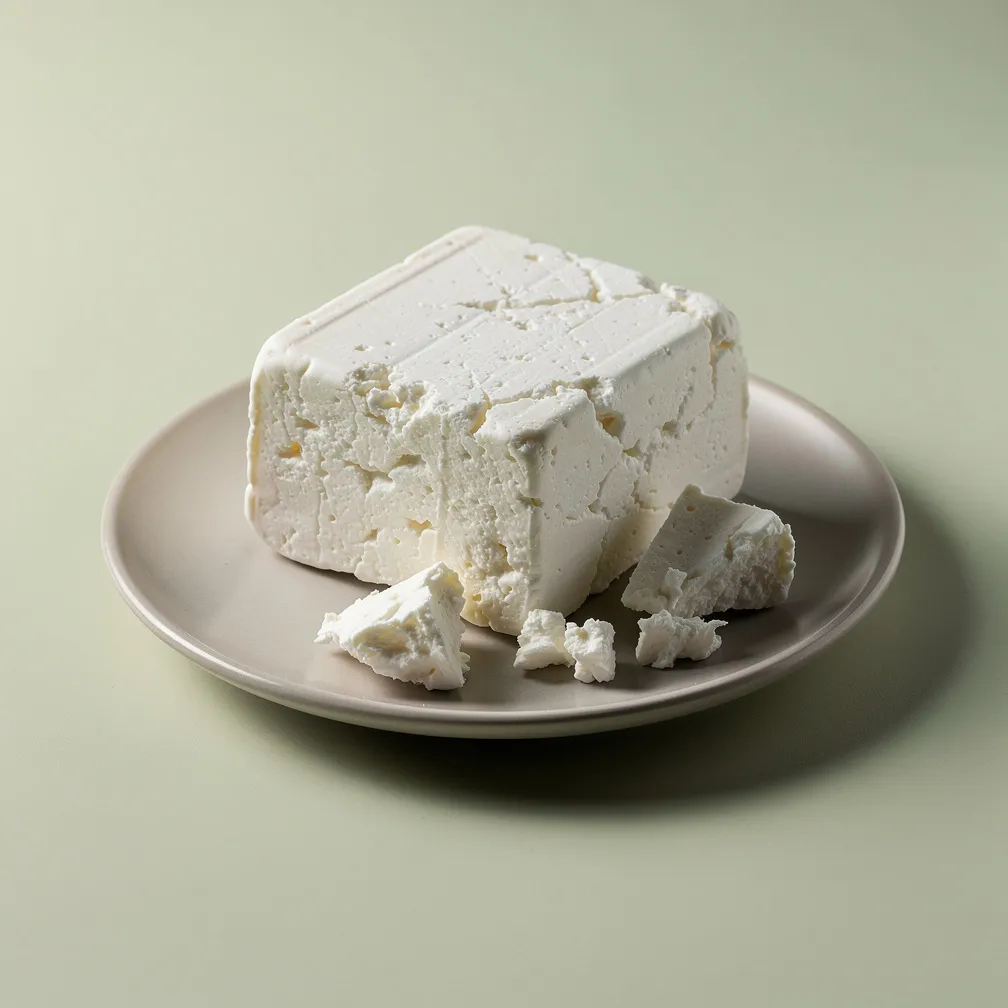
Feta cheese
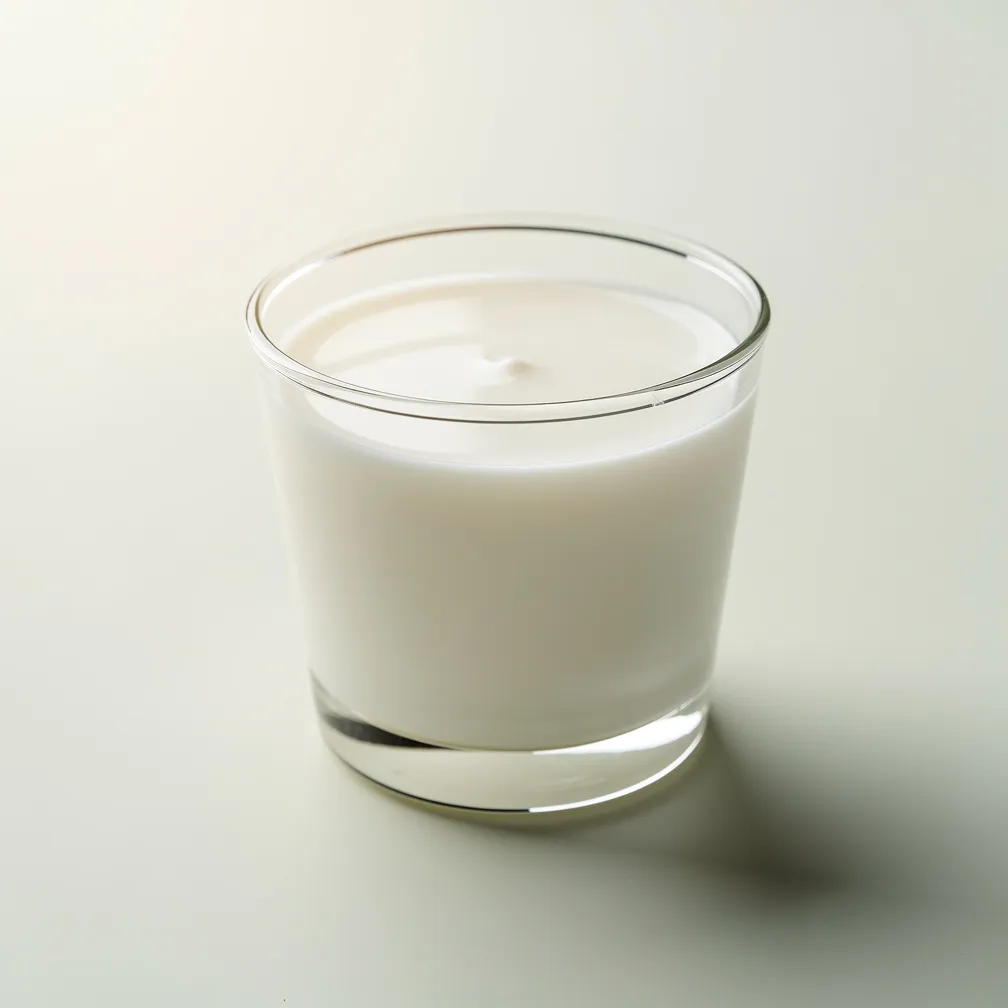
Goat milk
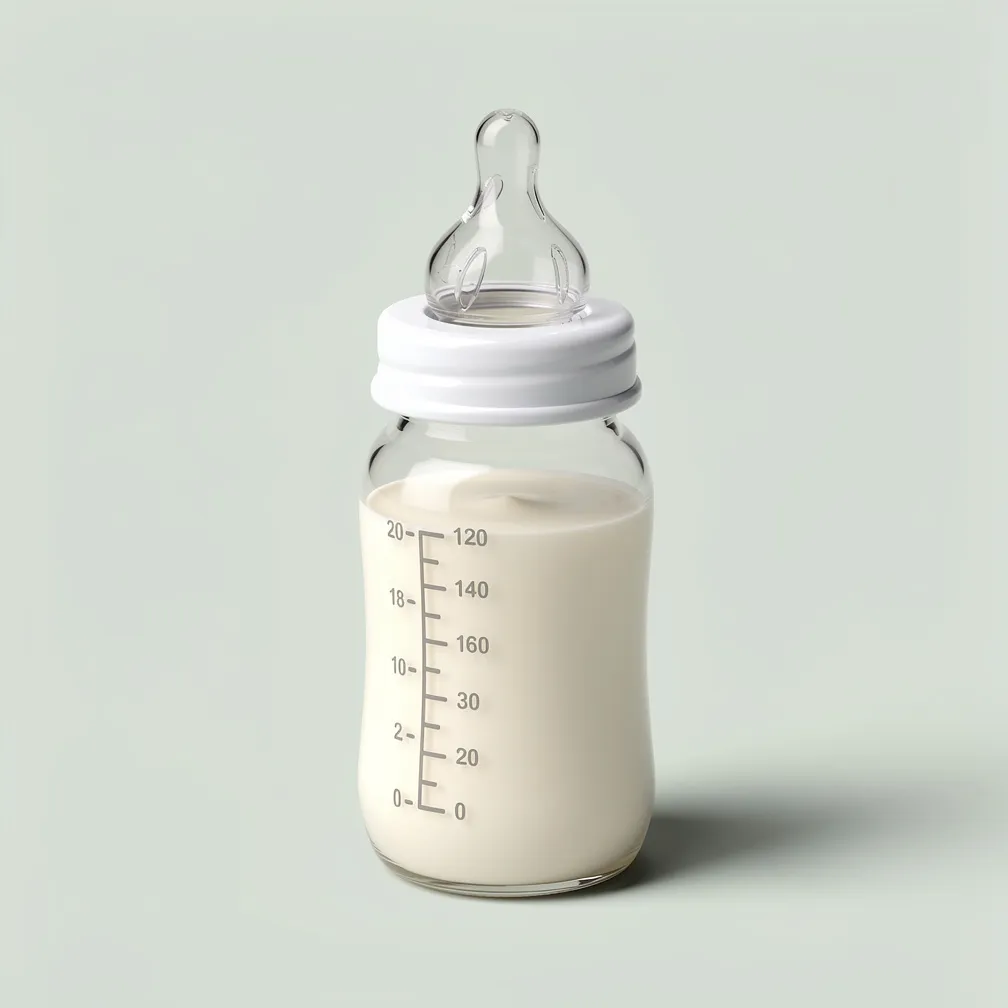
Human milk
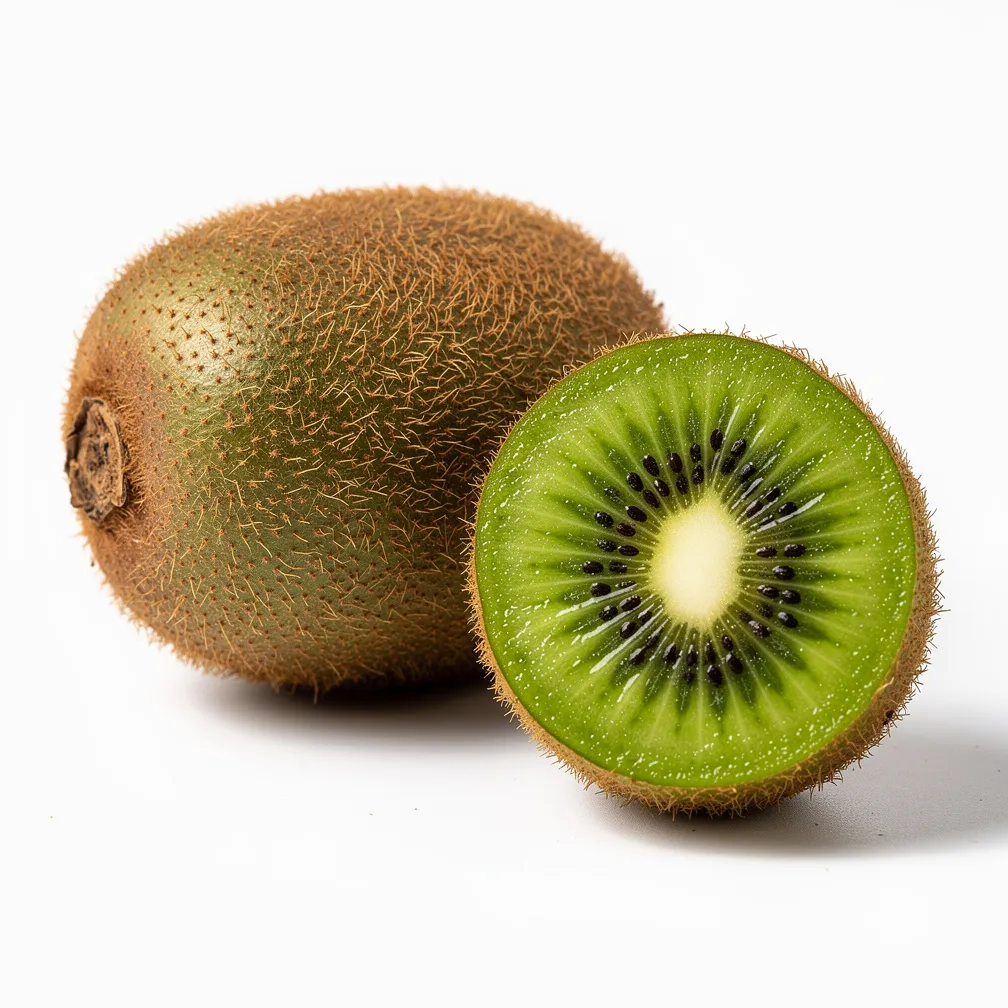
Kiwi fruit
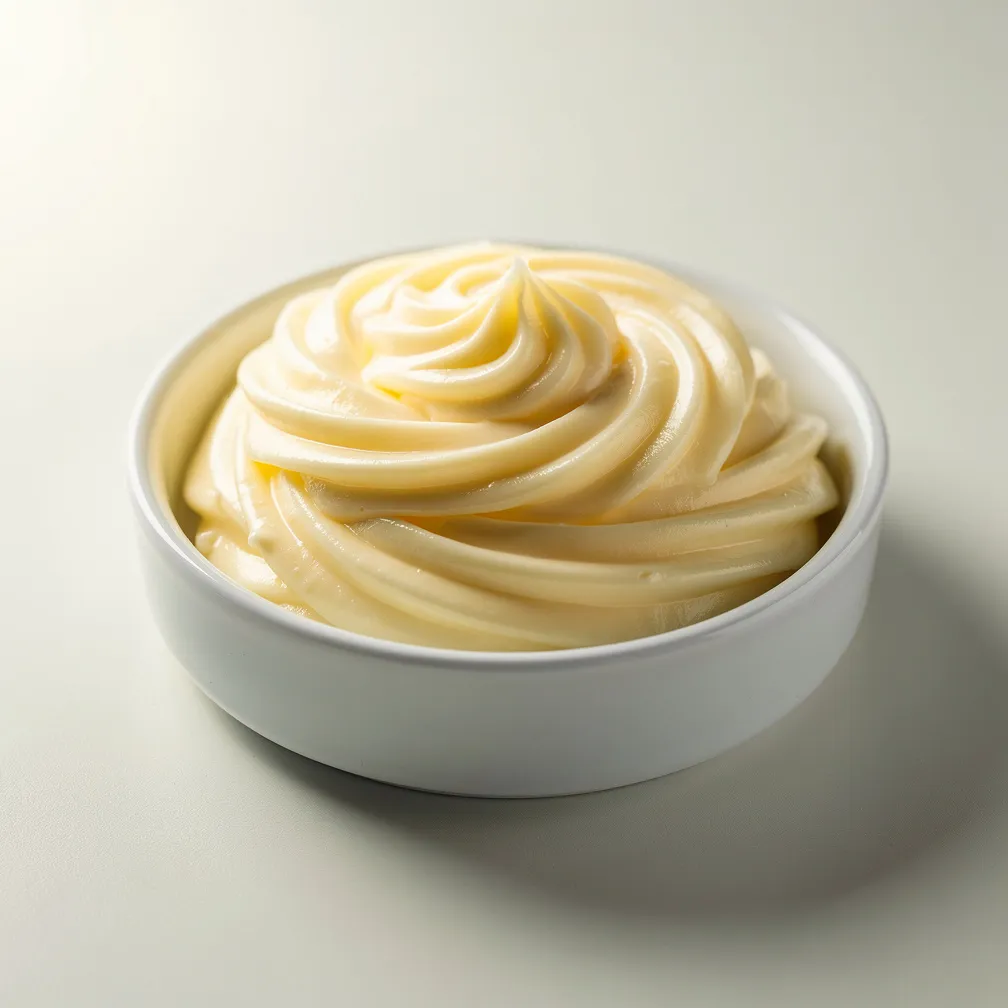
Light spreadable butter (60%)
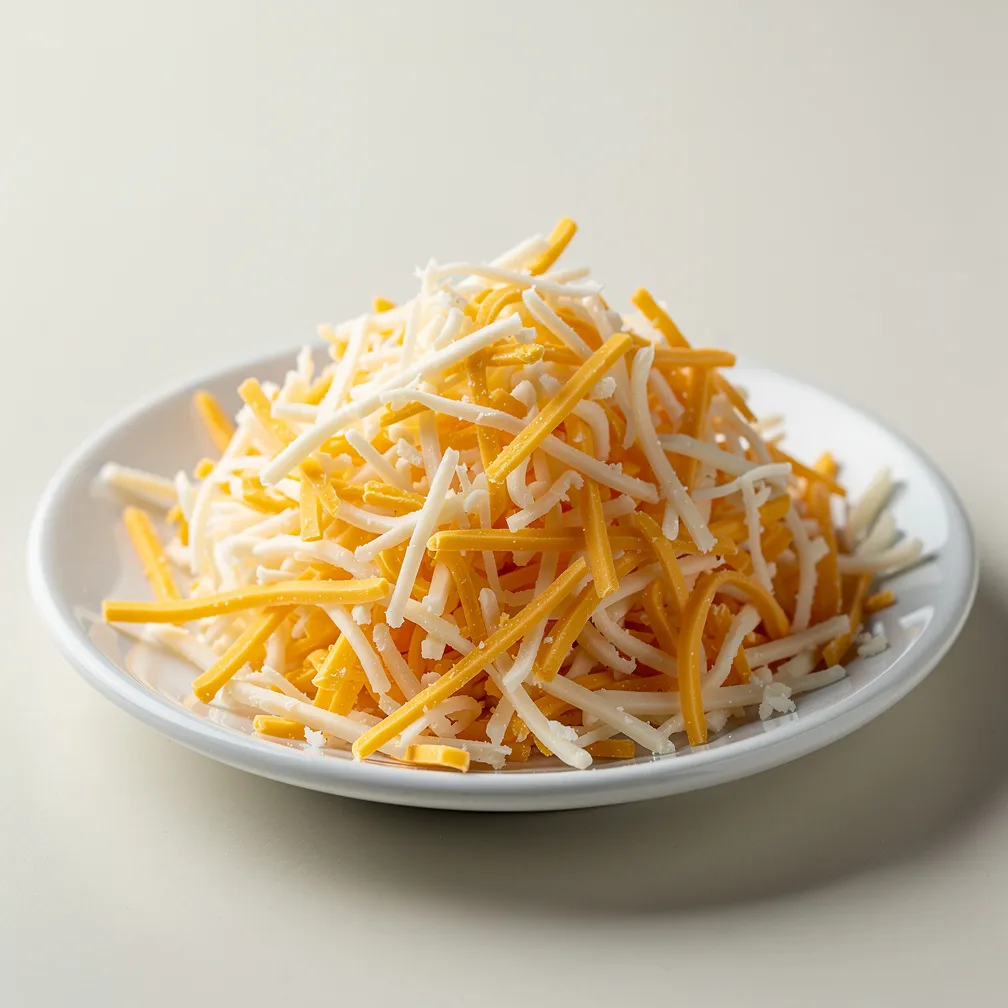
Mexican blend cheese
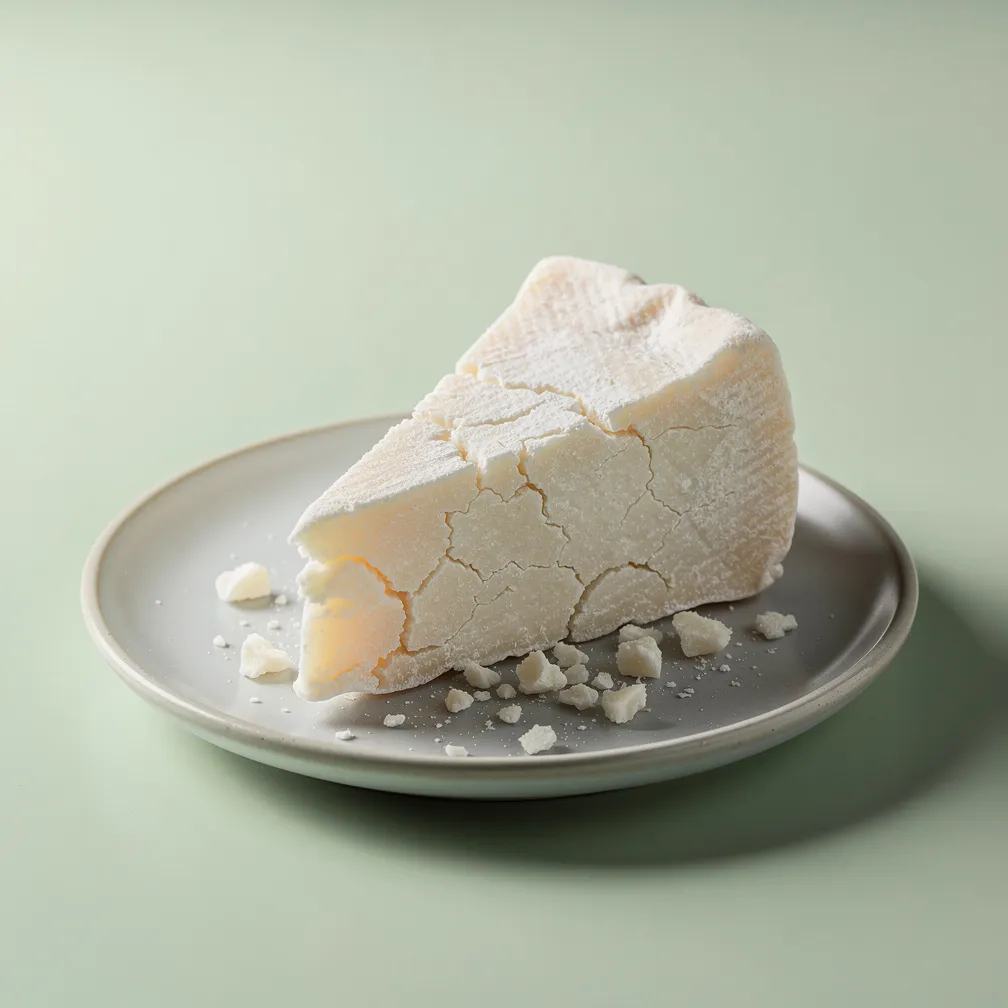
Mexican queso anejo cheese
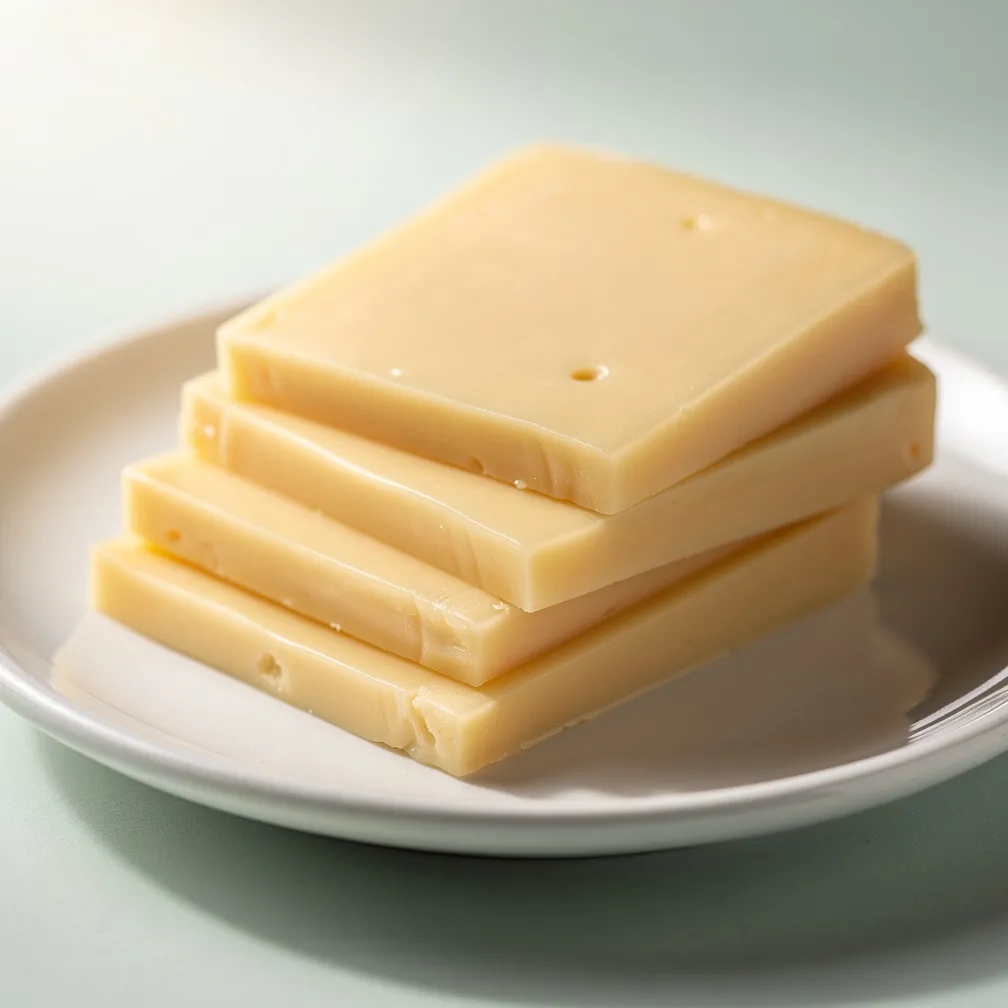
Mexican queso asadero cheese
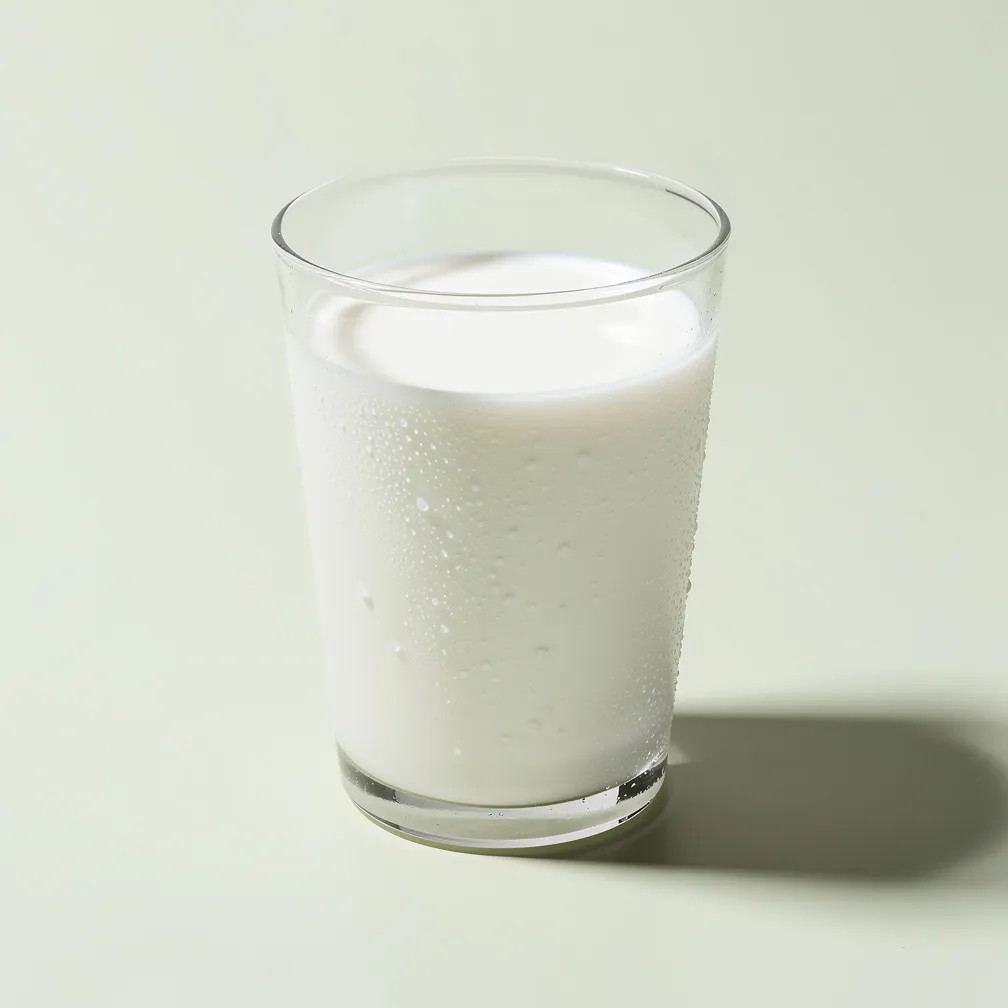
Milk
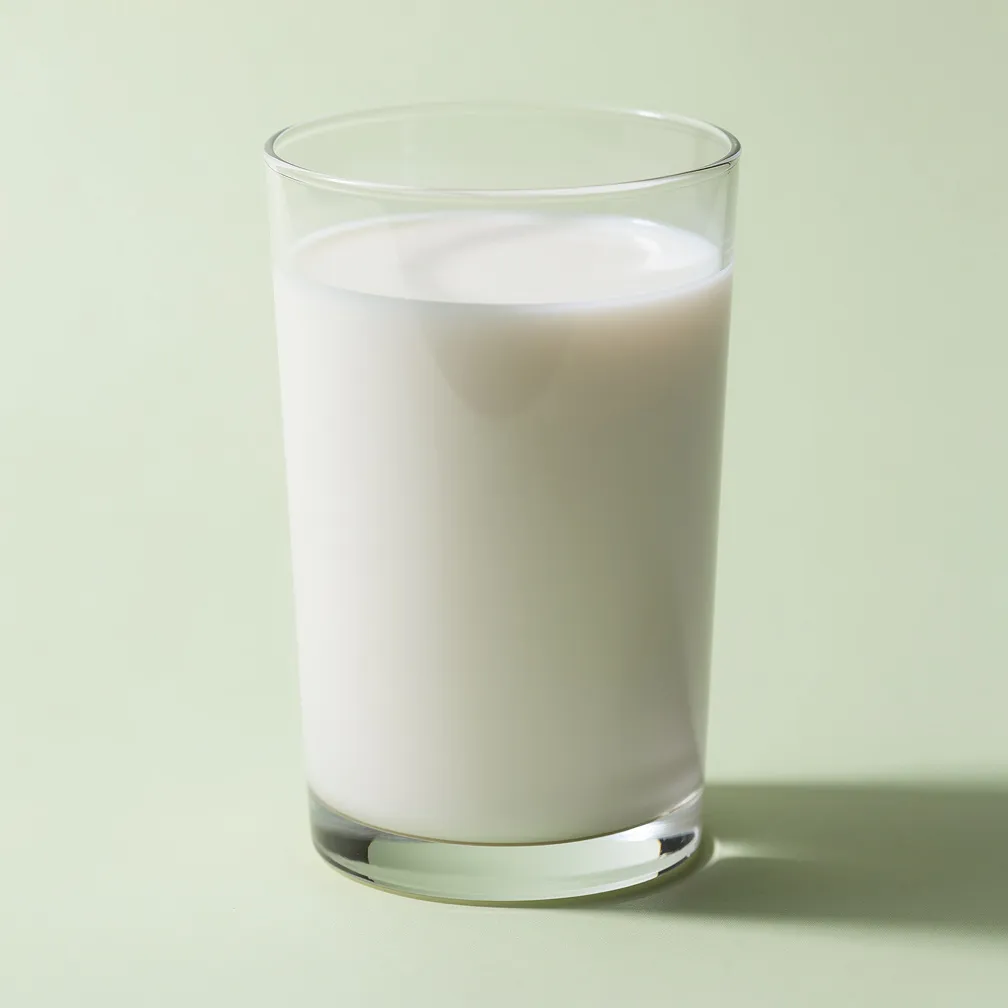
Milk 1% pasteurised
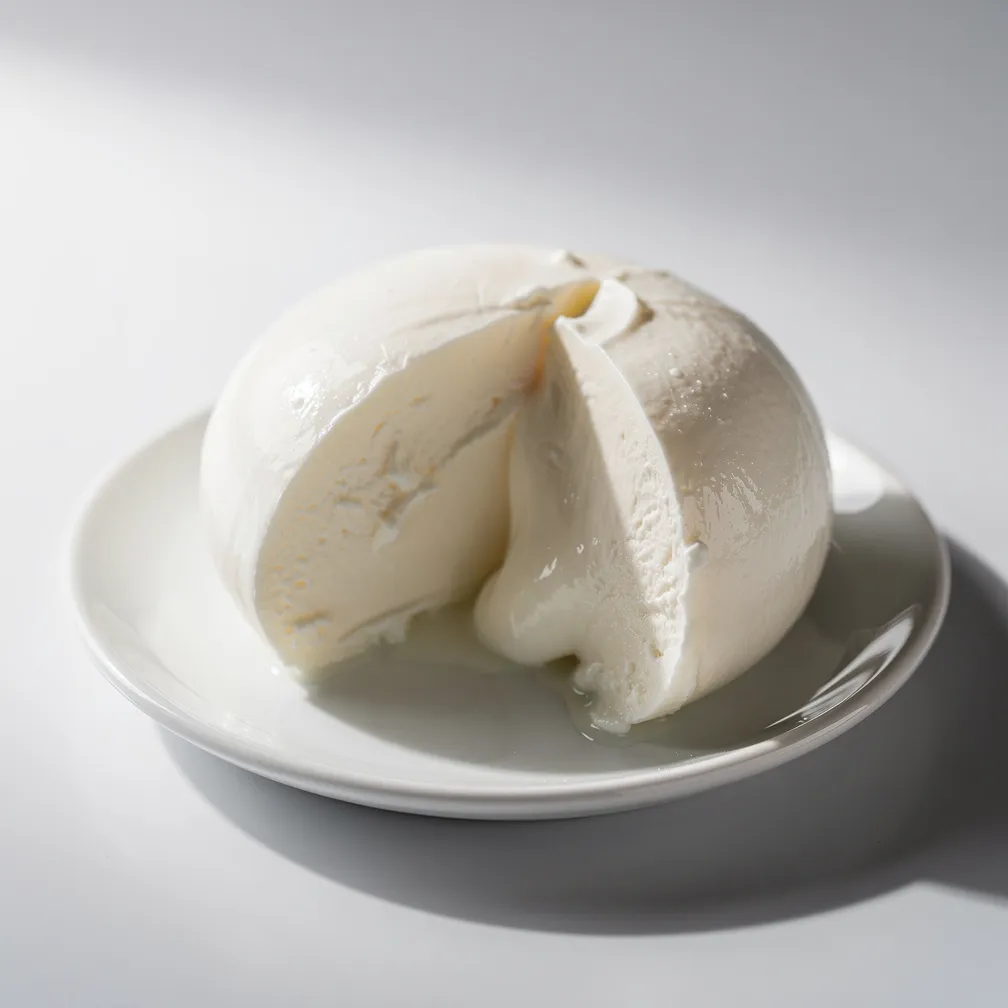
Mozzarella cheese
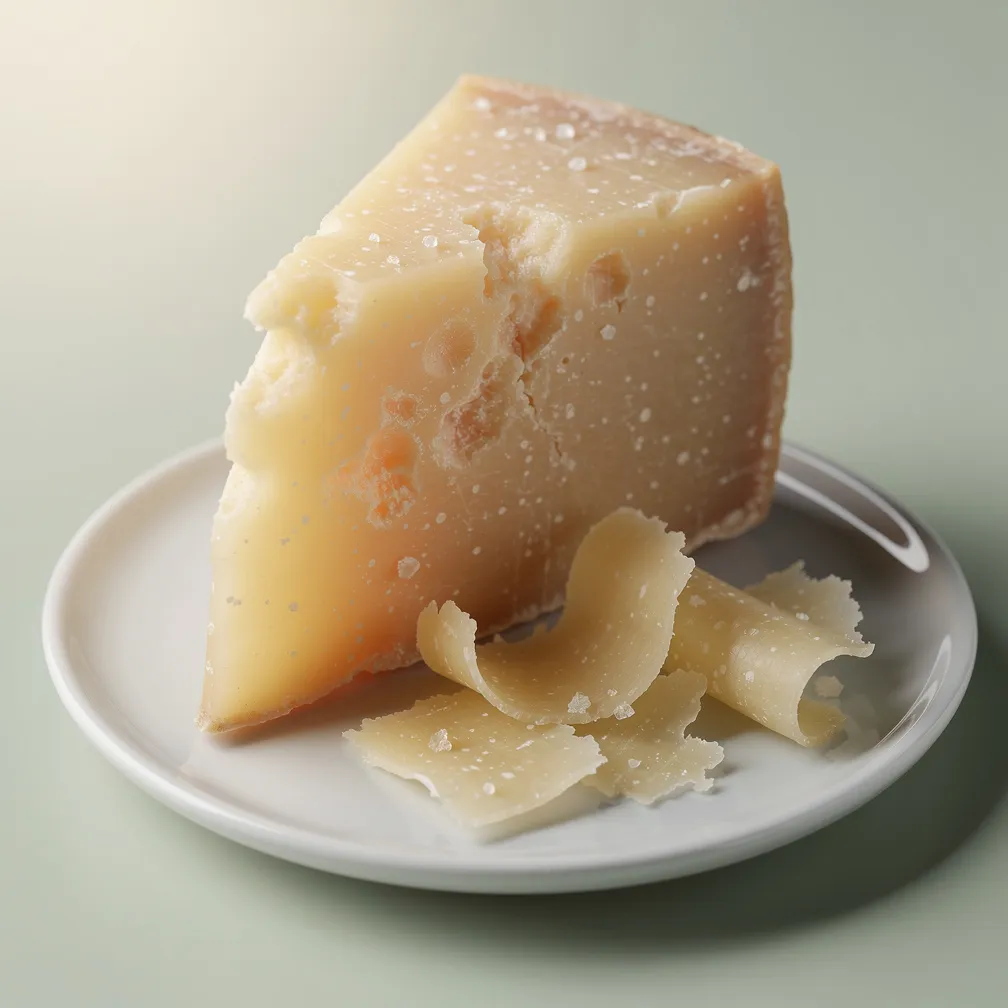
Parmesan cheese
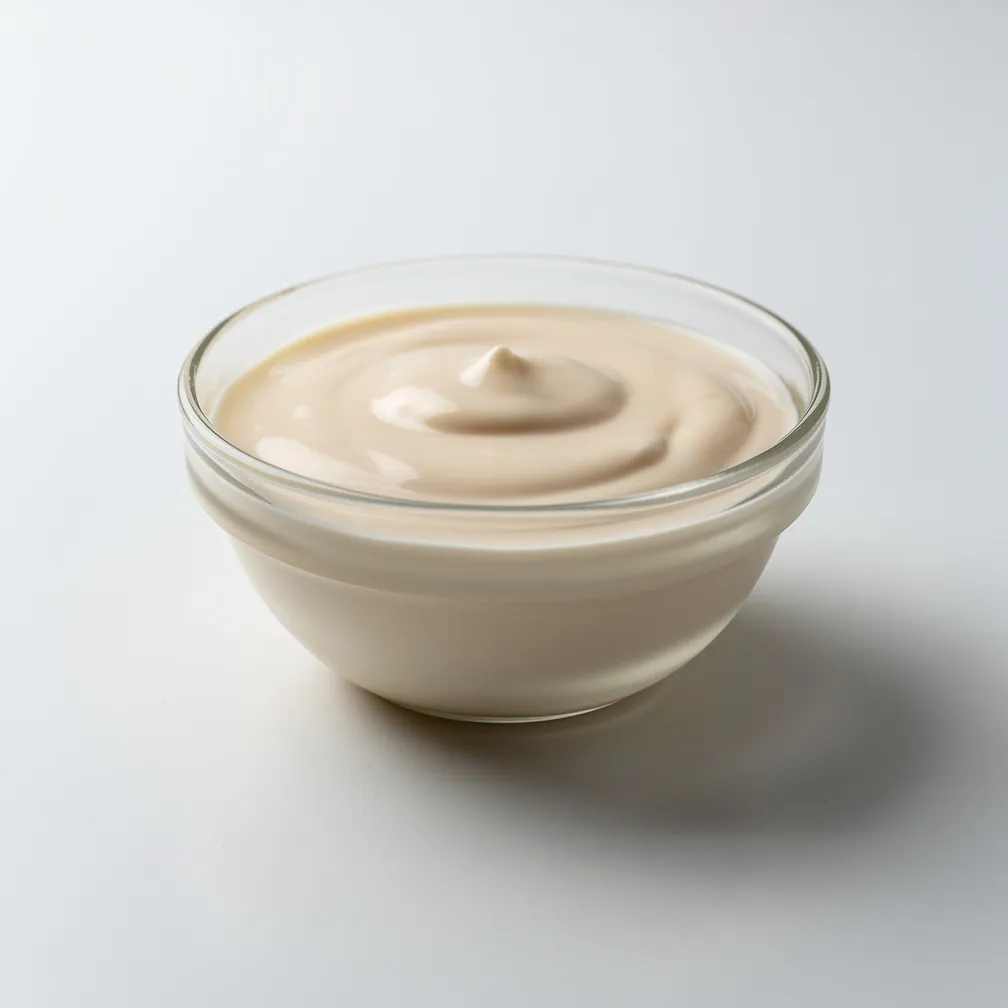
Plain greek style yogurt
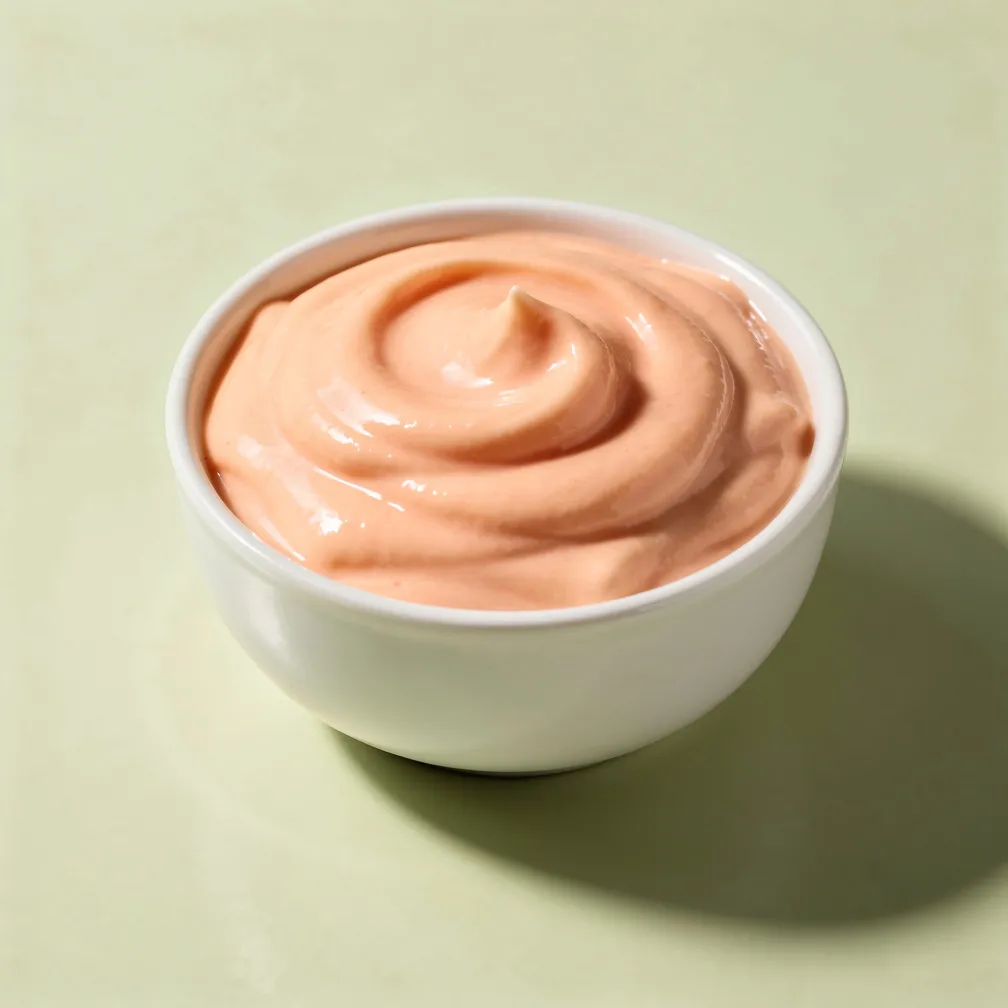
Plain soy yogourt
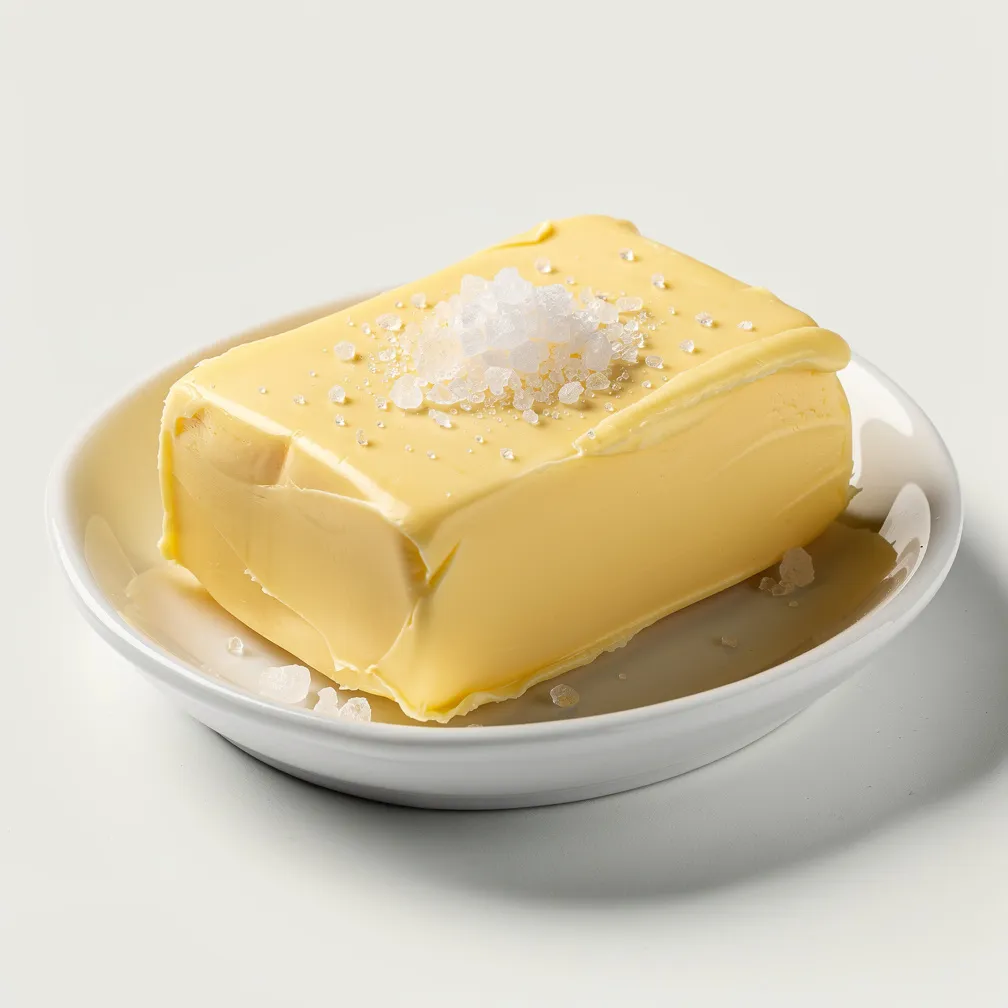
Salted butter 80%
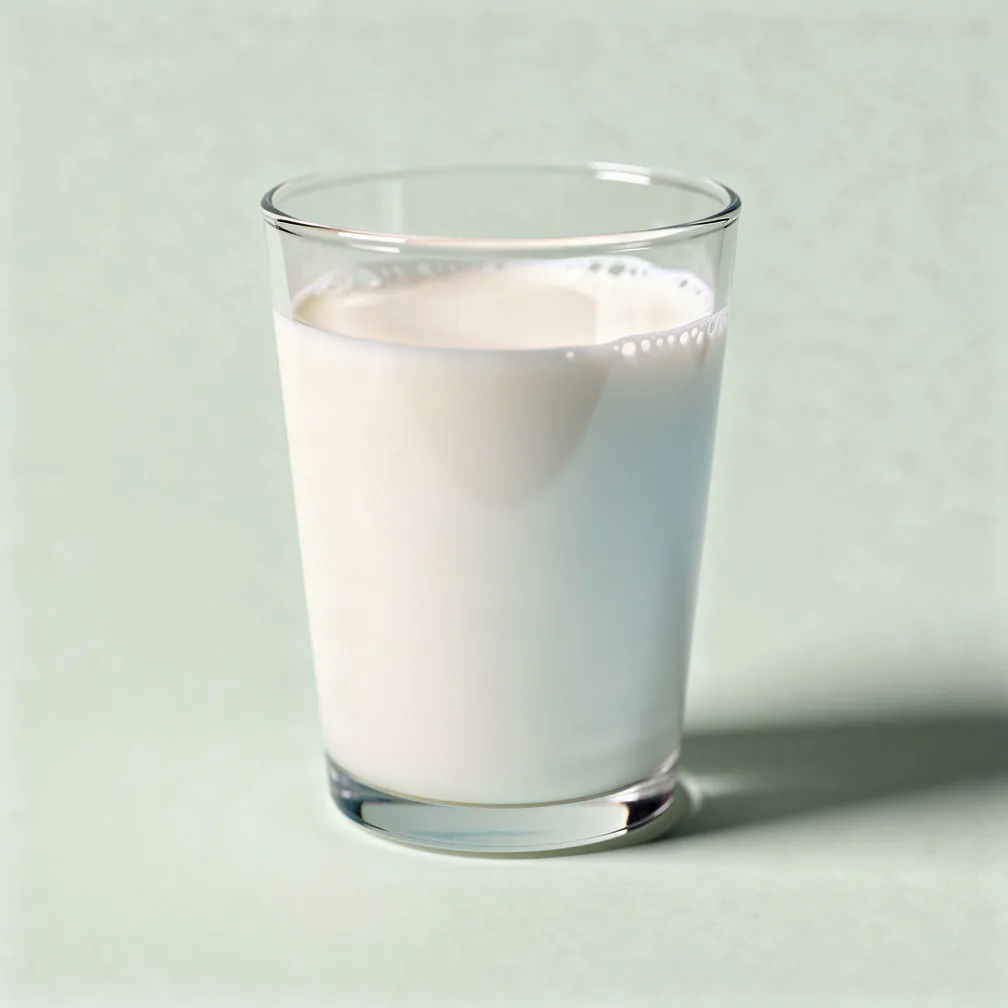
Semi-skimmed milk
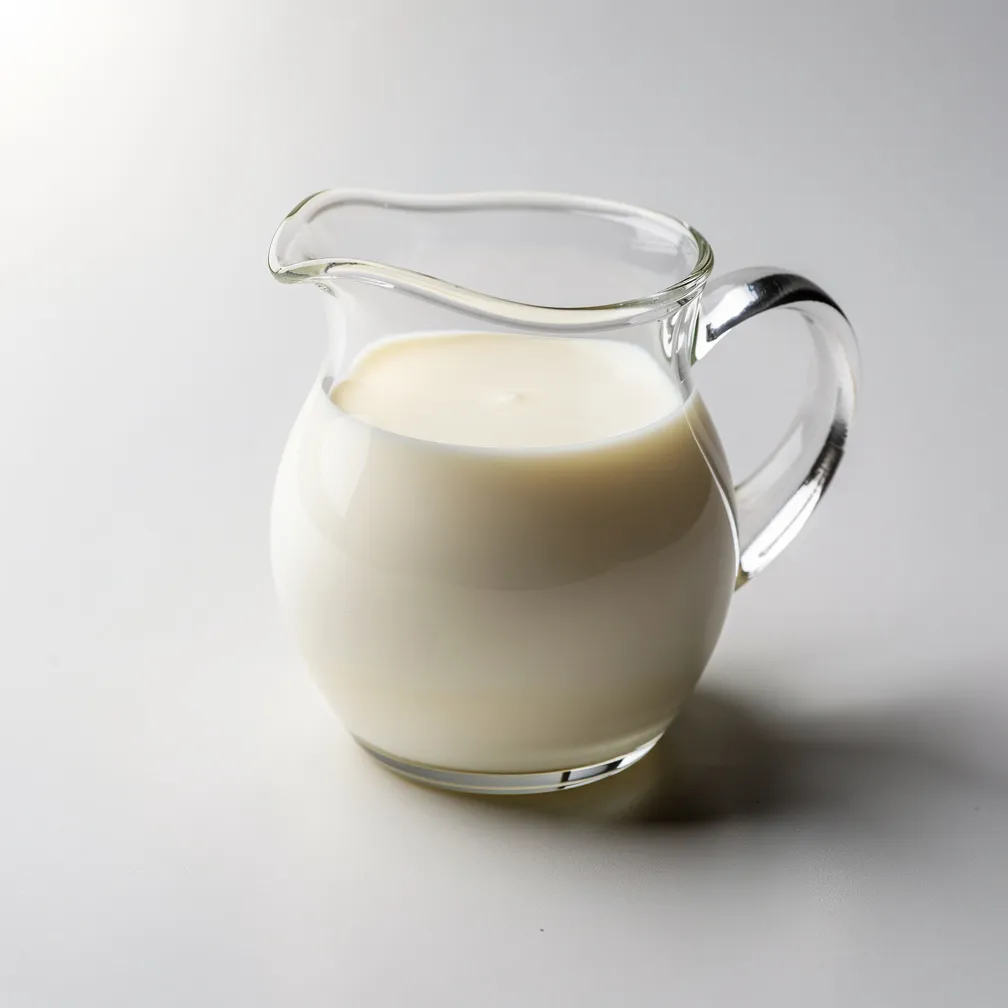
Sheeps milk
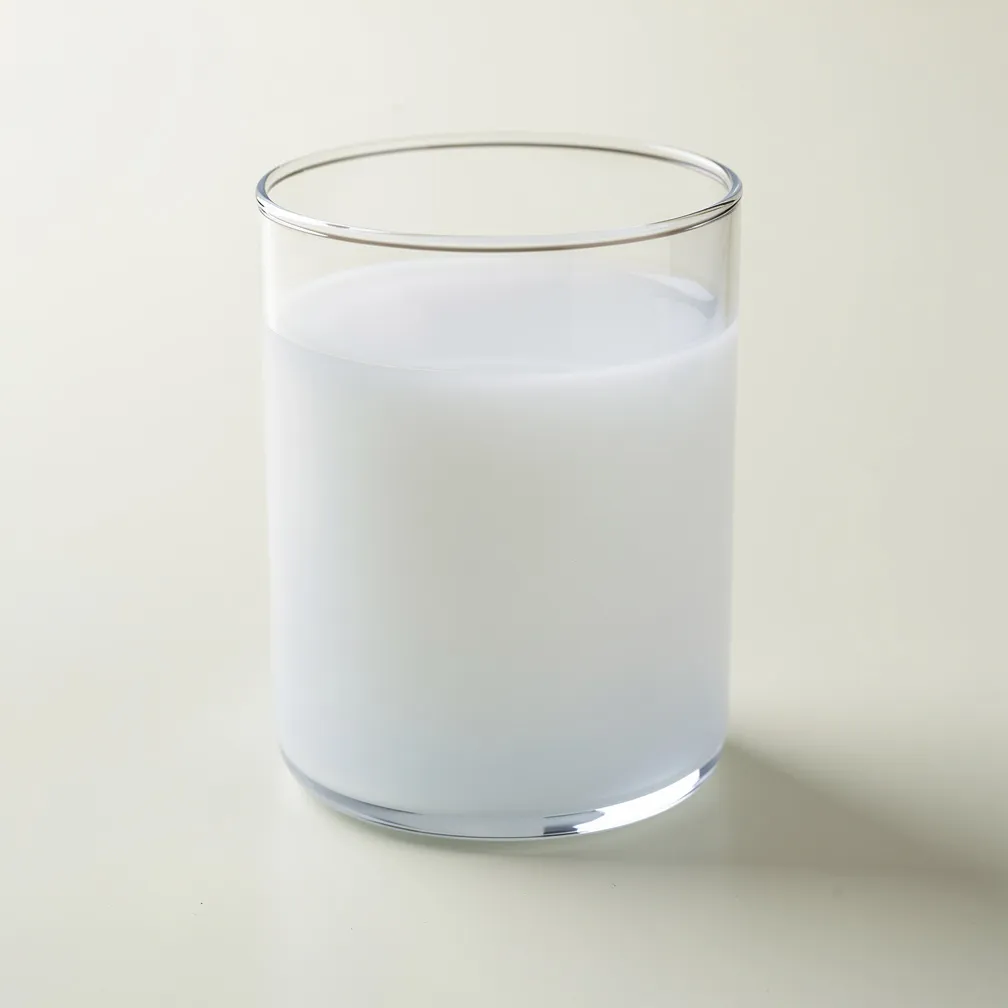
Skimmed milk
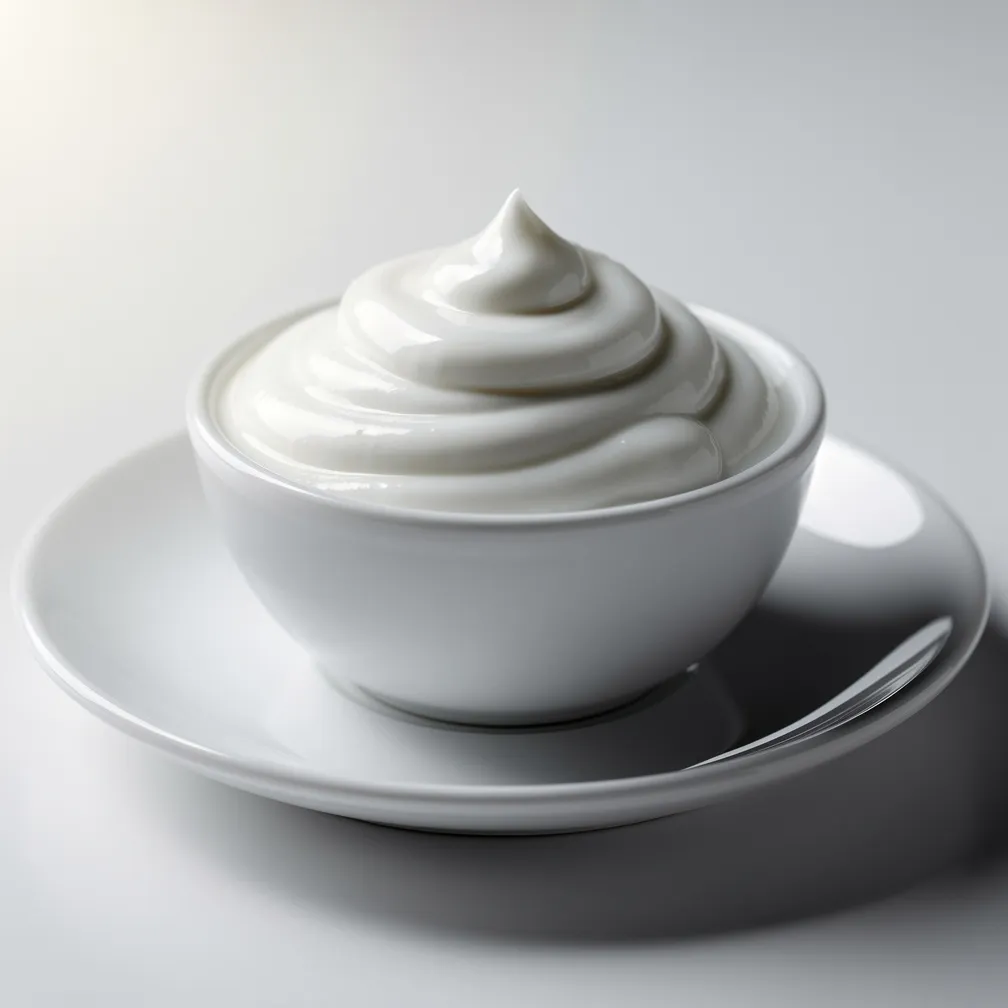
Sour cream
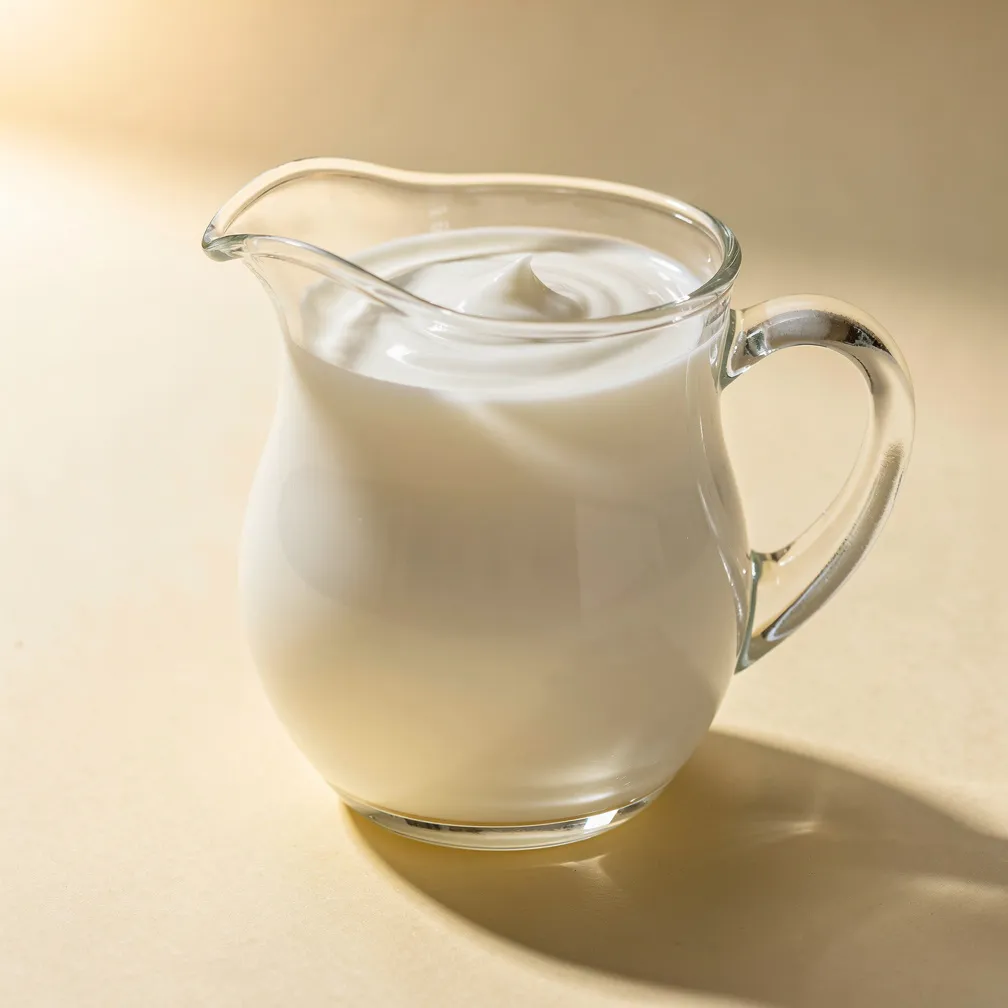
Thick cream 30% refrigerated
Get Vnutri
Log meals, track daily totals, save favorites. Free on iOS and Android.