Grains
55
The grains category in this catalog covers whole and refined cereal foods such as wheat, rice, oats, barley, rye, corn, millet, sorghum, buckwheat, and quinoa, along with common products made from them like flour, bread, pasta, and breakfast cereals. Macronutrient-wise, grains are carbohydrate-dominant (typically 65–80% of dry weight), with moderate protein (7–14%) and low fat (1–7%, higher in oats and corn germ). They contribute B vitamins (thiamin, niacin, folate), vitamin E in whole-grain forms, and minerals including magnesium, phosphorus, iron, zinc, and selenium. Whole grains also supply dietary fiber. Glycemic index varies widely: steel-cut oats, barley, and bulgur sit lower, while white rice, instant oats, and refined wheat products run higher. Grains fit Mediterranean, DASH, and vegetarian patterns; most are excluded on keto and strict paleo, and gluten-containing grains are avoided on gluten-free diets.
Which grains are gluten-free?
Naturally gluten-free grains and pseudocereals include rice, corn, millet, sorghum, teff, buckwheat, quinoa, amaranth, and uncontaminated oats. Wheat, barley, rye, spelt, kamut, and triticale contain gluten and are not suitable for celiac disease or gluten sensitivity. Oats are biologically gluten-free but are often cross-contaminated, so people with celiac disease should choose products specifically labeled gluten-free.
What is the difference between whole grains and refined grains?
Whole grains retain all three parts of the kernel: bran, germ, and endosperm, preserving fiber, B vitamins, vitamin E, magnesium, and phytochemicals. Refined grains have the bran and germ removed, leaving mostly starchy endosperm, which lowers fiber and micronutrient content. In the United States, refined wheat flour is typically enriched with thiamin, riboflavin, niacin, folic acid, and iron, but fiber and magnesium are not added back.
Are grains high in protein?
Most grains provide moderate protein, roughly 7–14 grams per 100 grams dry. Quinoa, amaranth, oats, and kamut are on the higher end, with quinoa also offering a more complete amino acid profile including lysine. Standard cereal grains are limited in lysine, so combining them with legumes such as beans or lentils improves overall protein quality.
Which grains have a low glycemic index?
Lower-GI options include pearled barley (GI around 25–35), bulgur, steel-cut and rolled oats, whole rye, quinoa, and parboiled or basmati rice. Higher-GI grains include instant oats, jasmine and short-grain white rice, rice cakes, and most products made from refined wheat flour. Cooking method, particle size, and pairing with fat, protein, or fiber all influence the actual glycemic response.
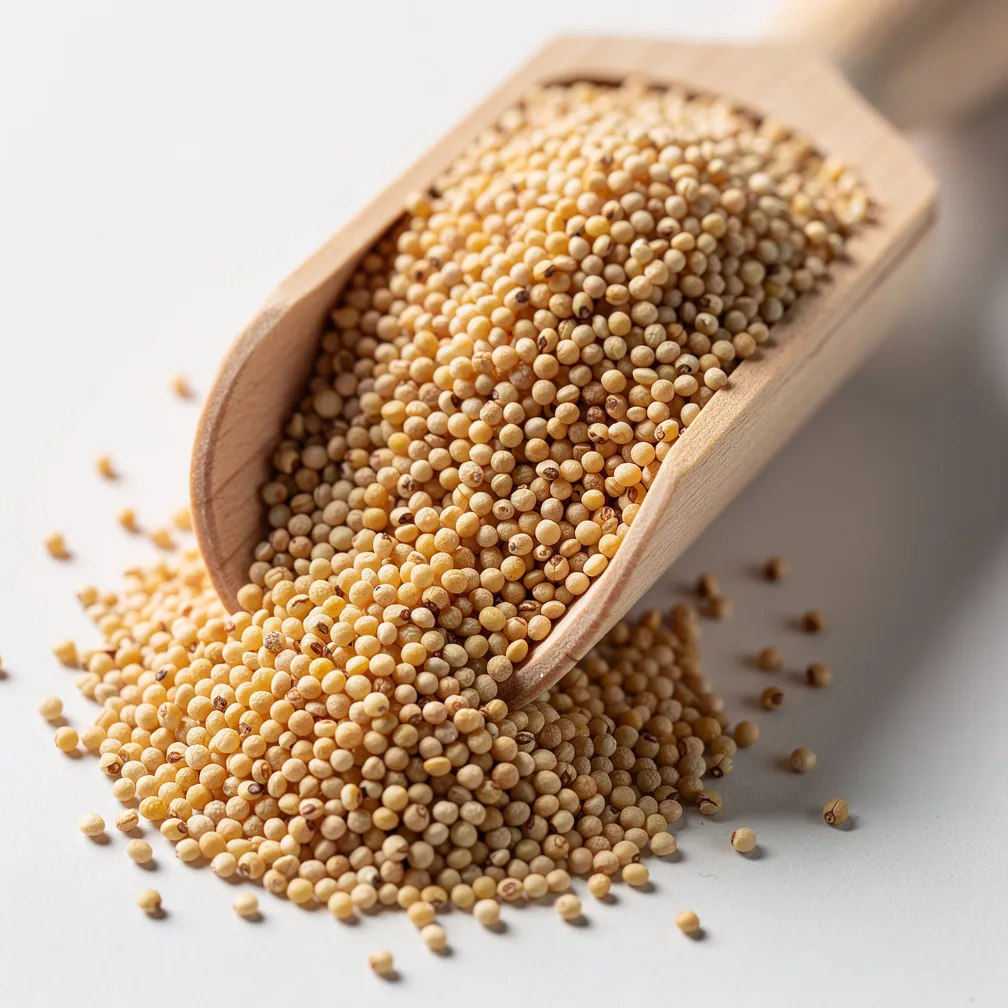
Amaranth
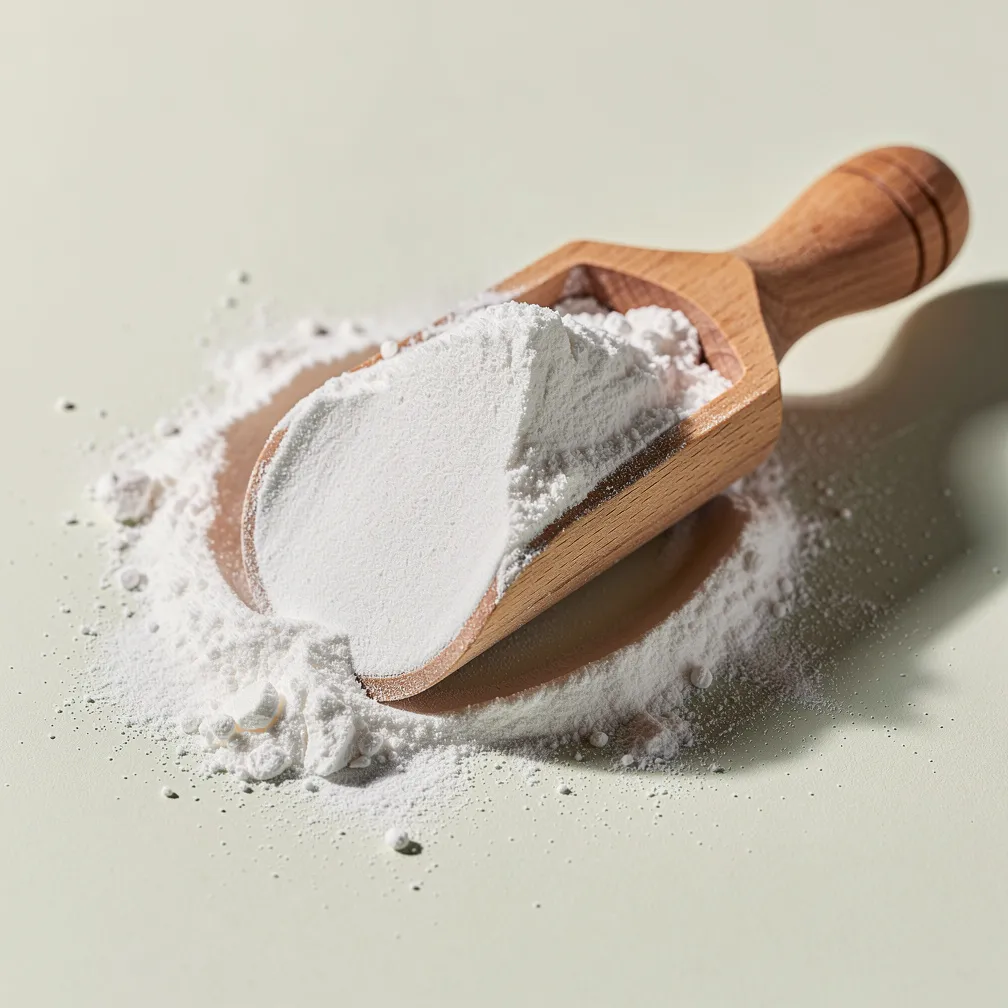
Arrowroot flour
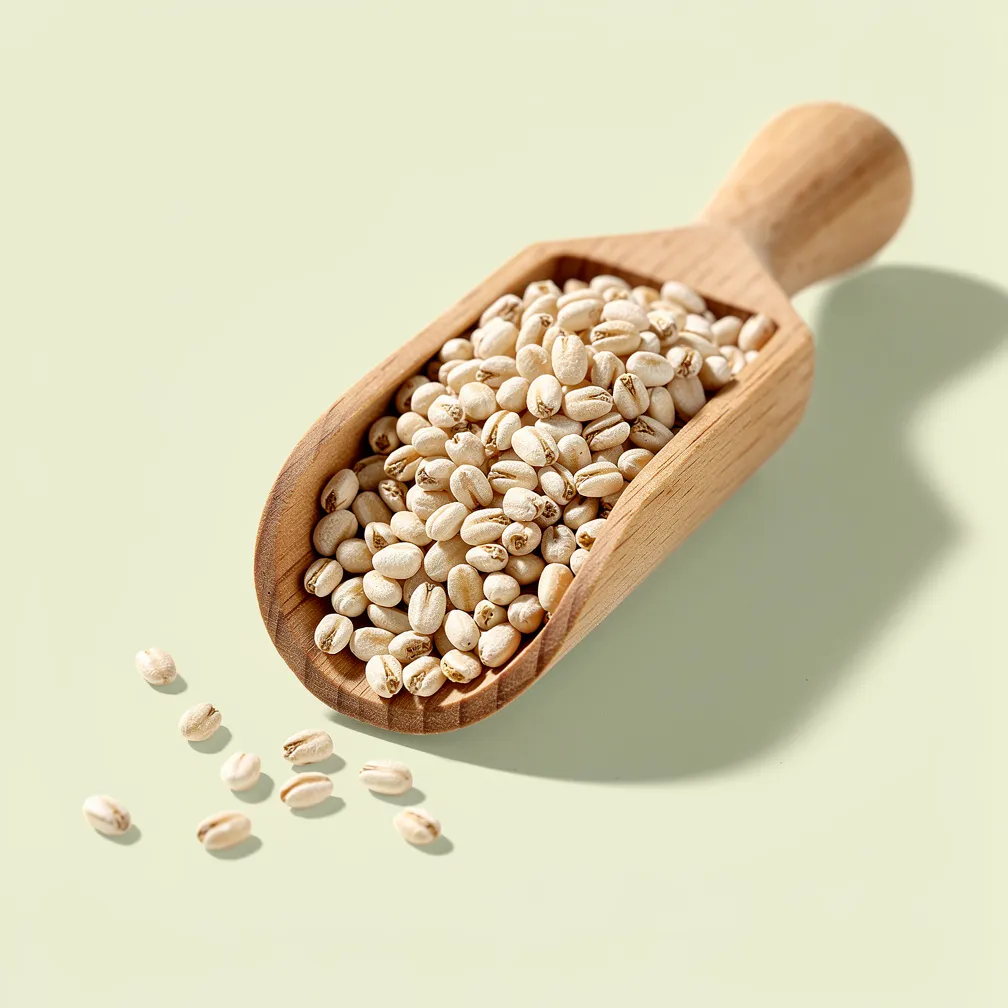
Barley
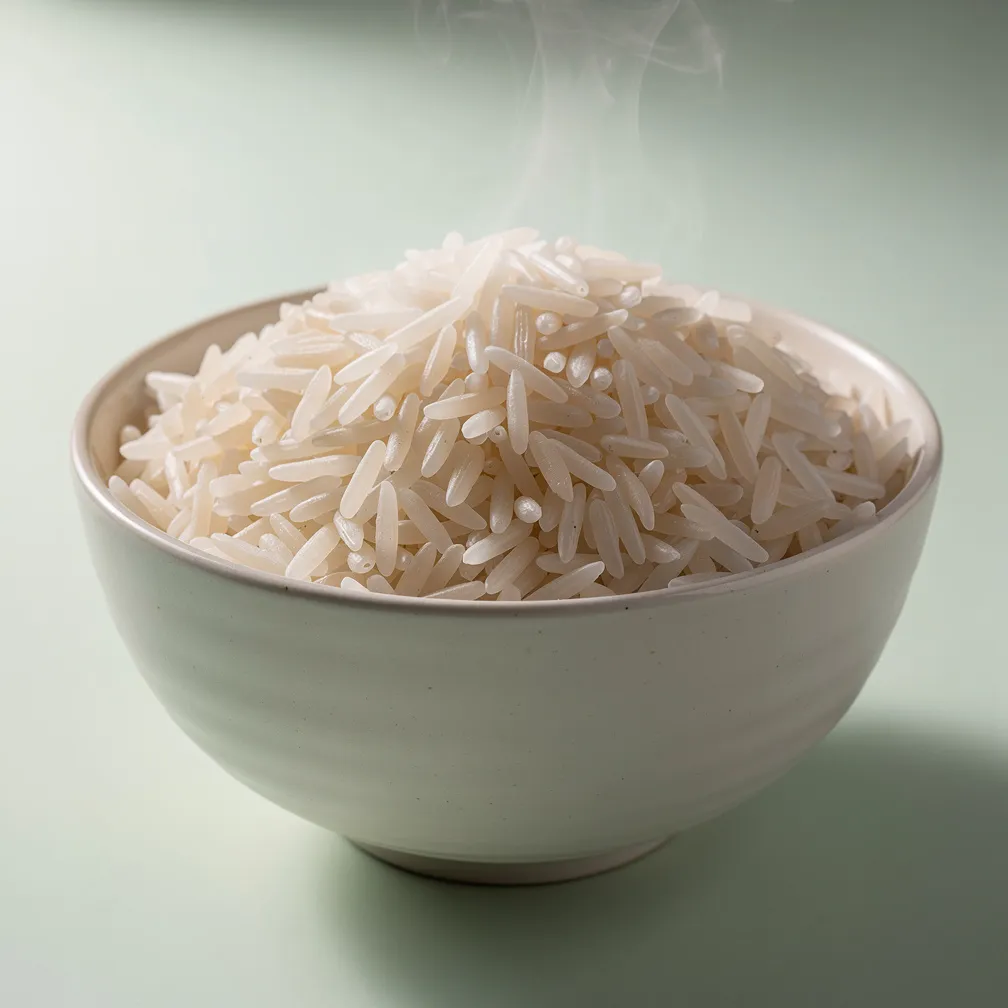
Basmati rice
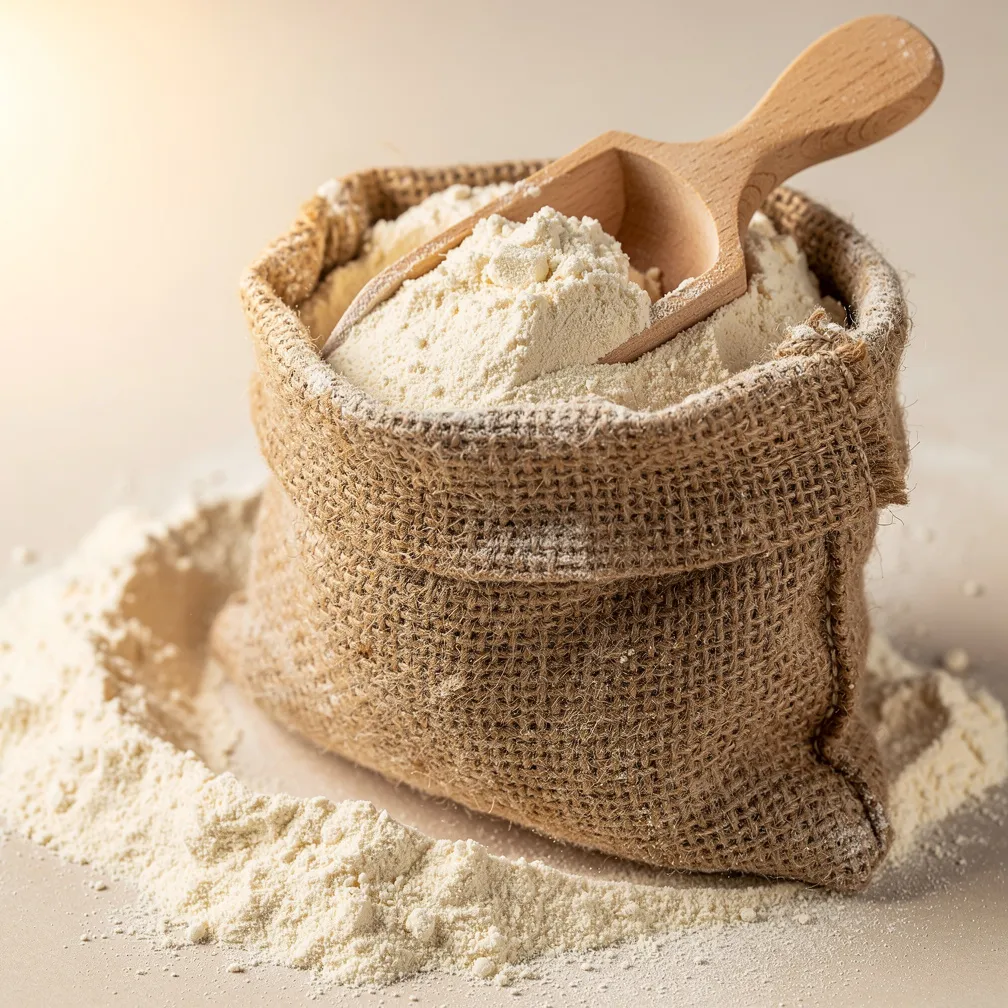
Bolted spelt wheat flour
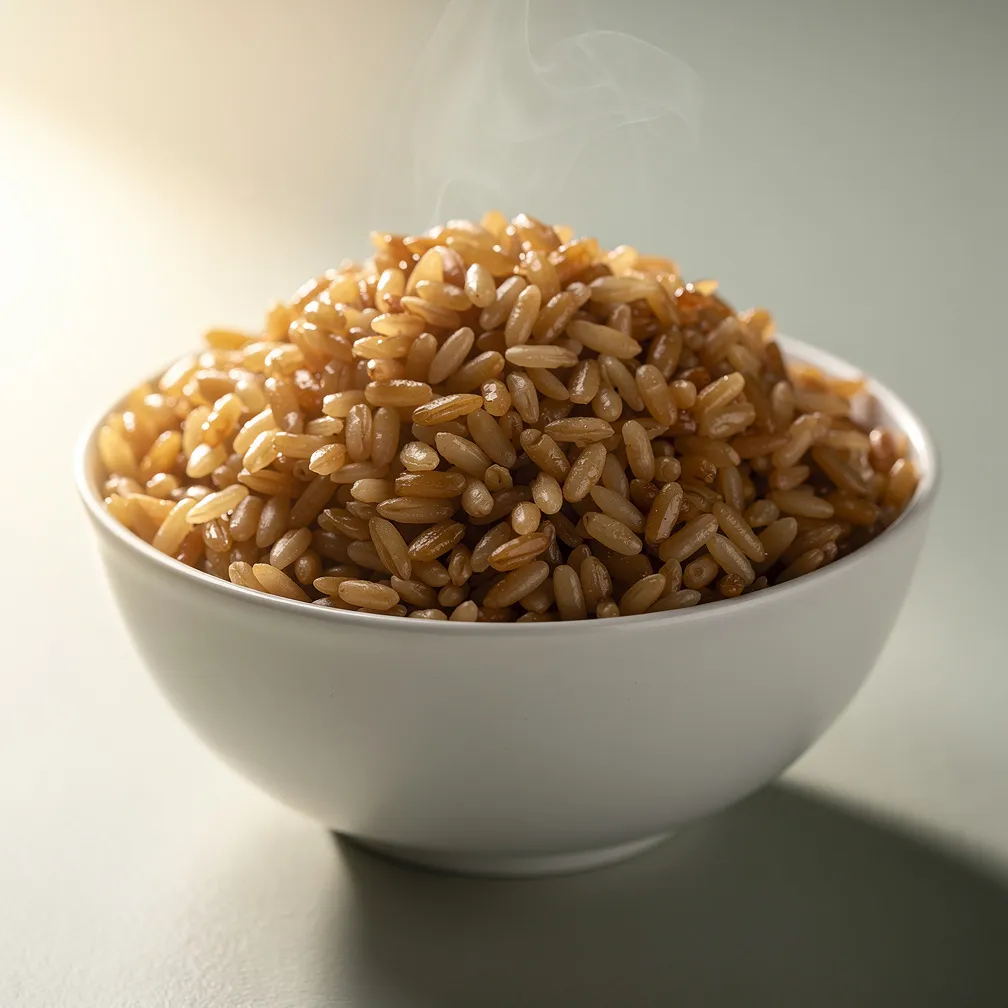
Brown rice
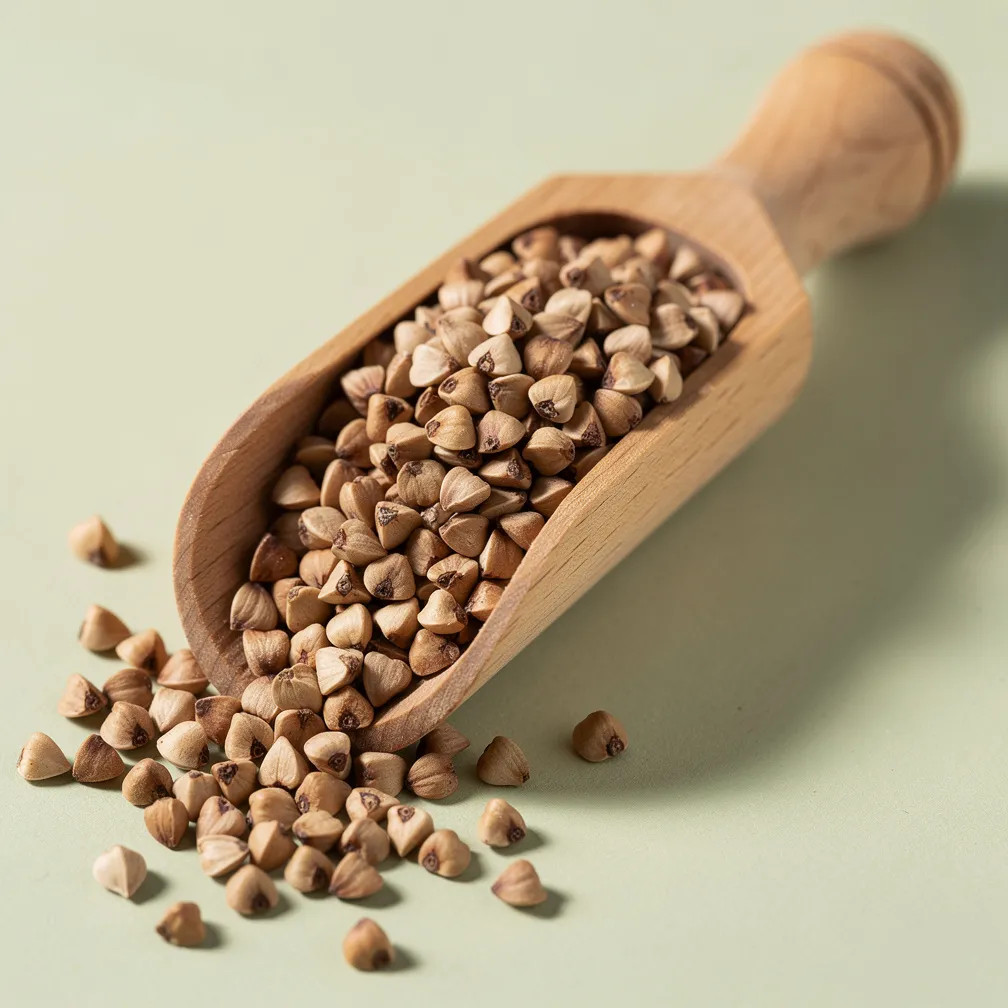
Buckwheat
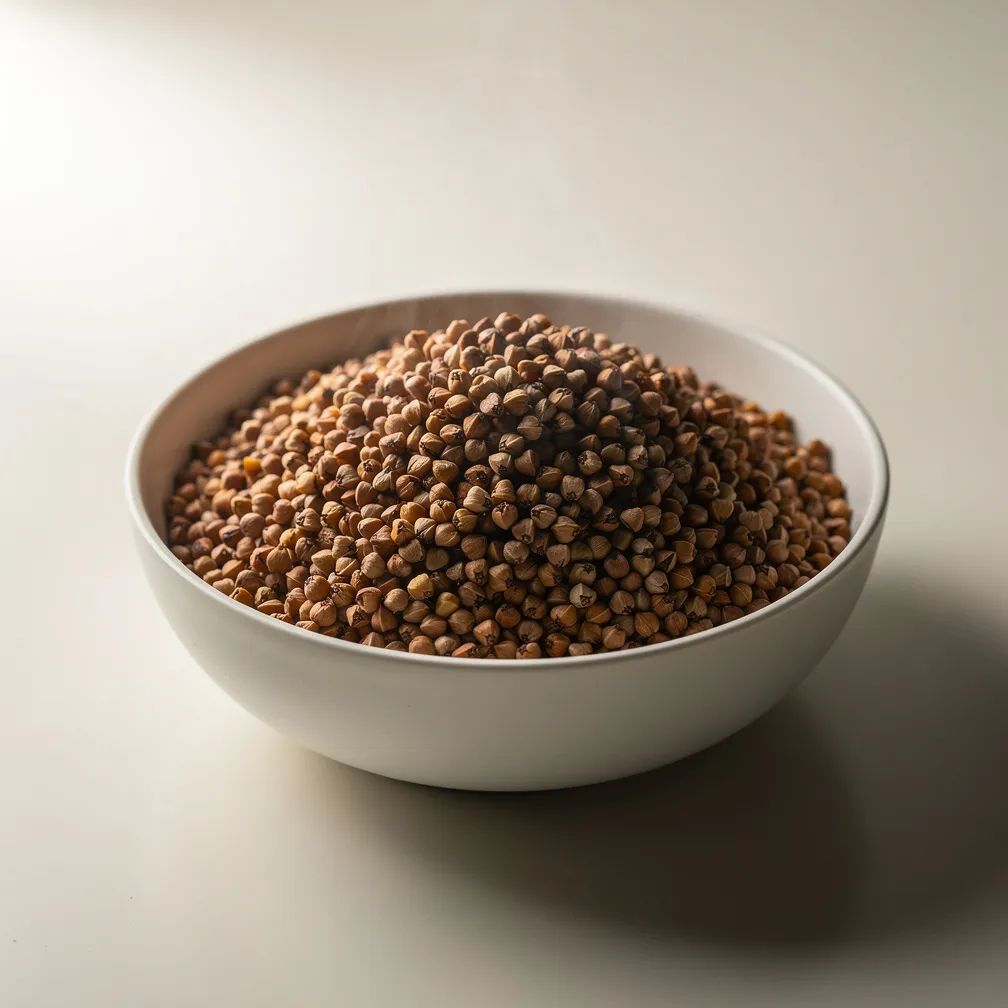
Buckwheat groats
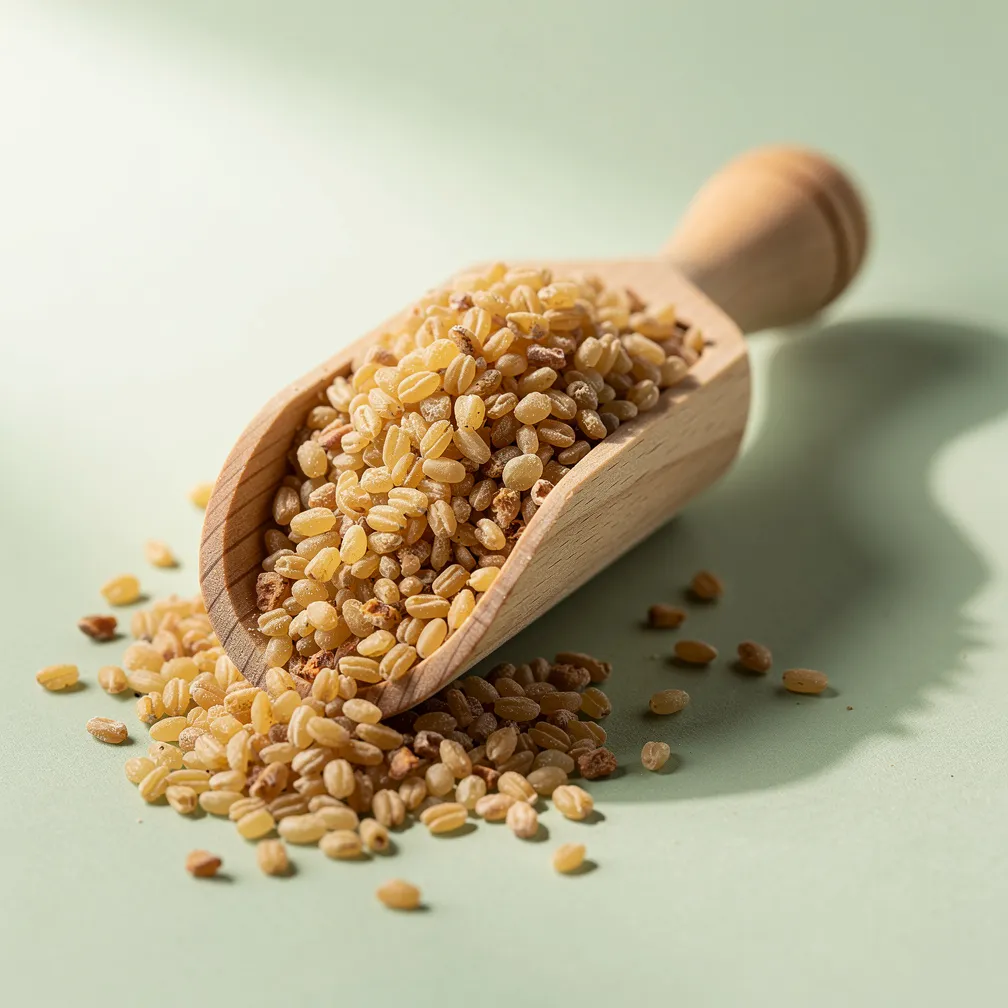
Bulgur
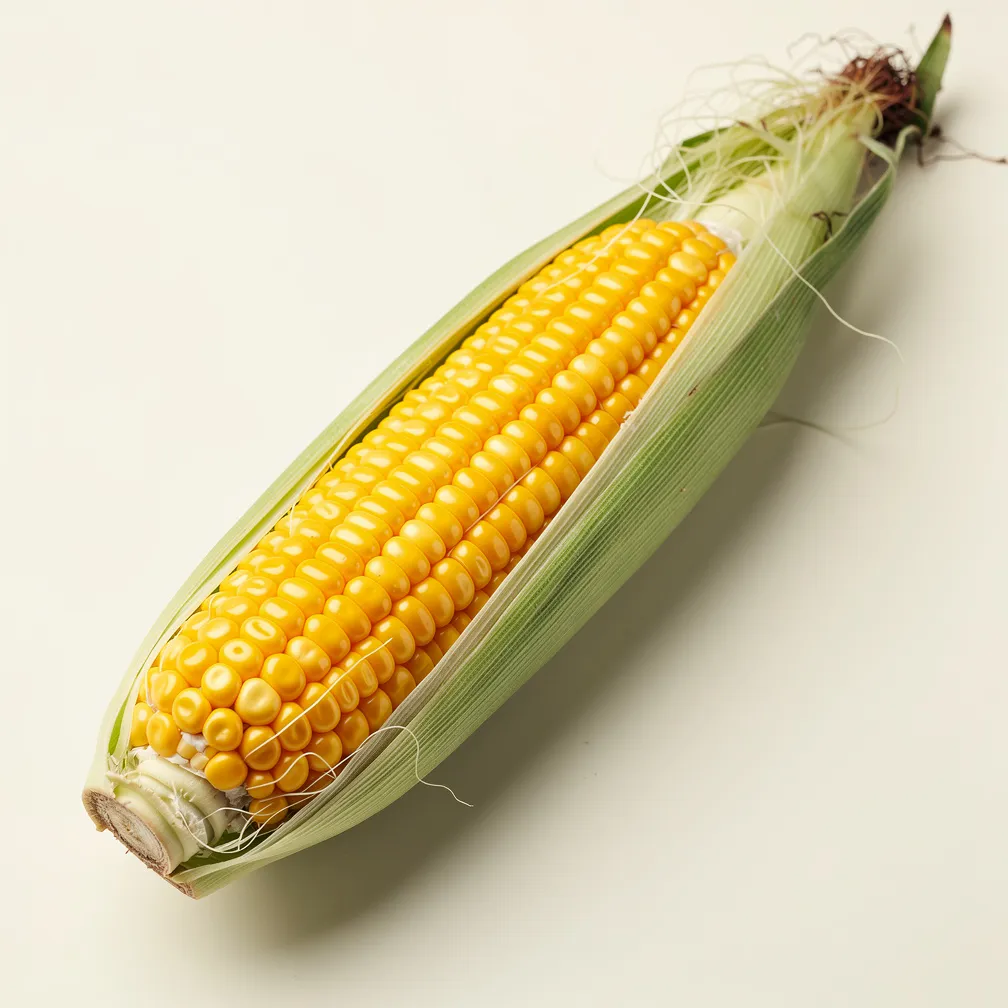
Corn
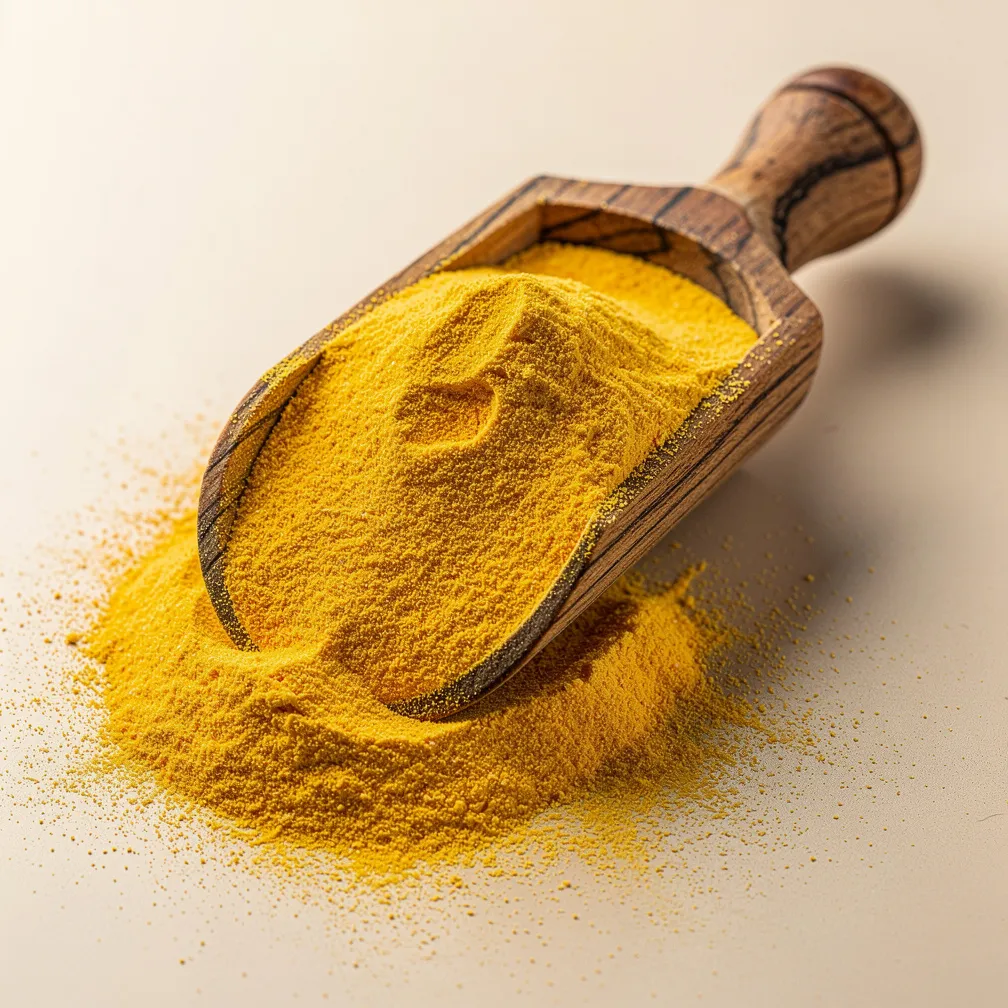
Corn flour
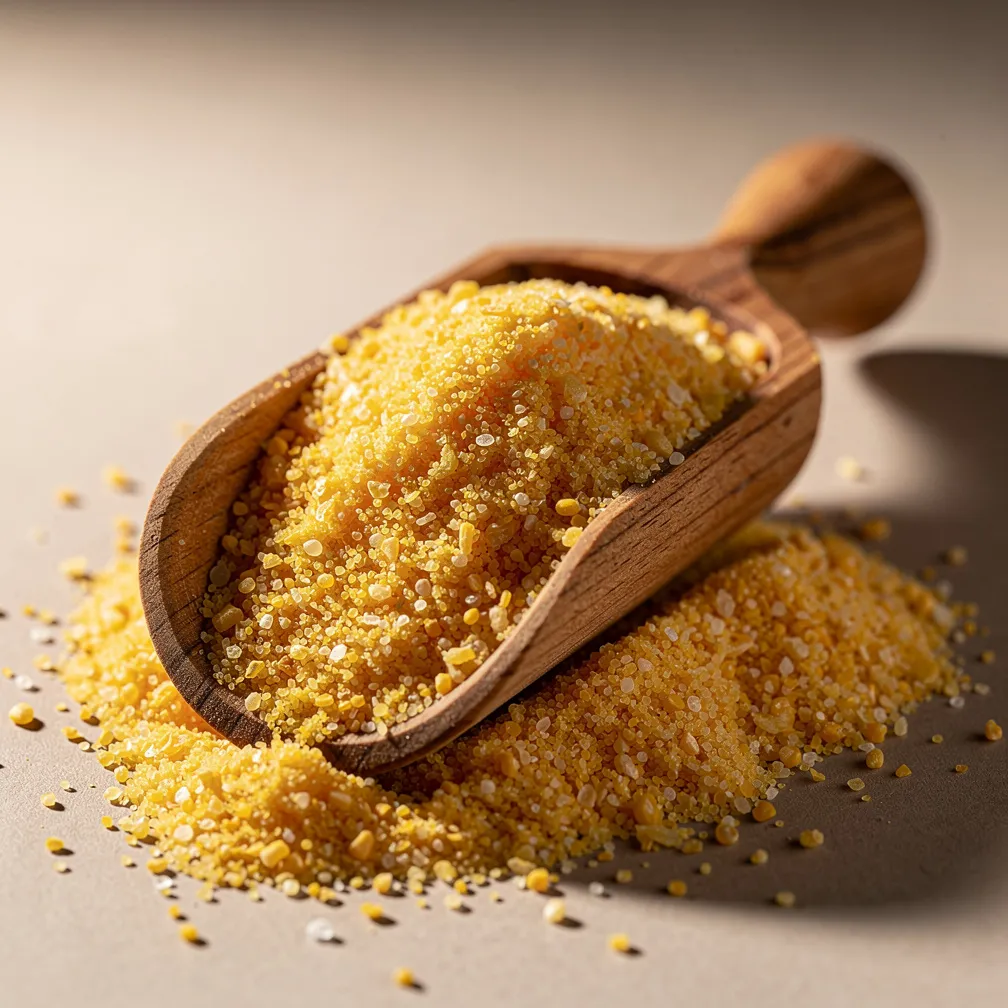
Cornmeal
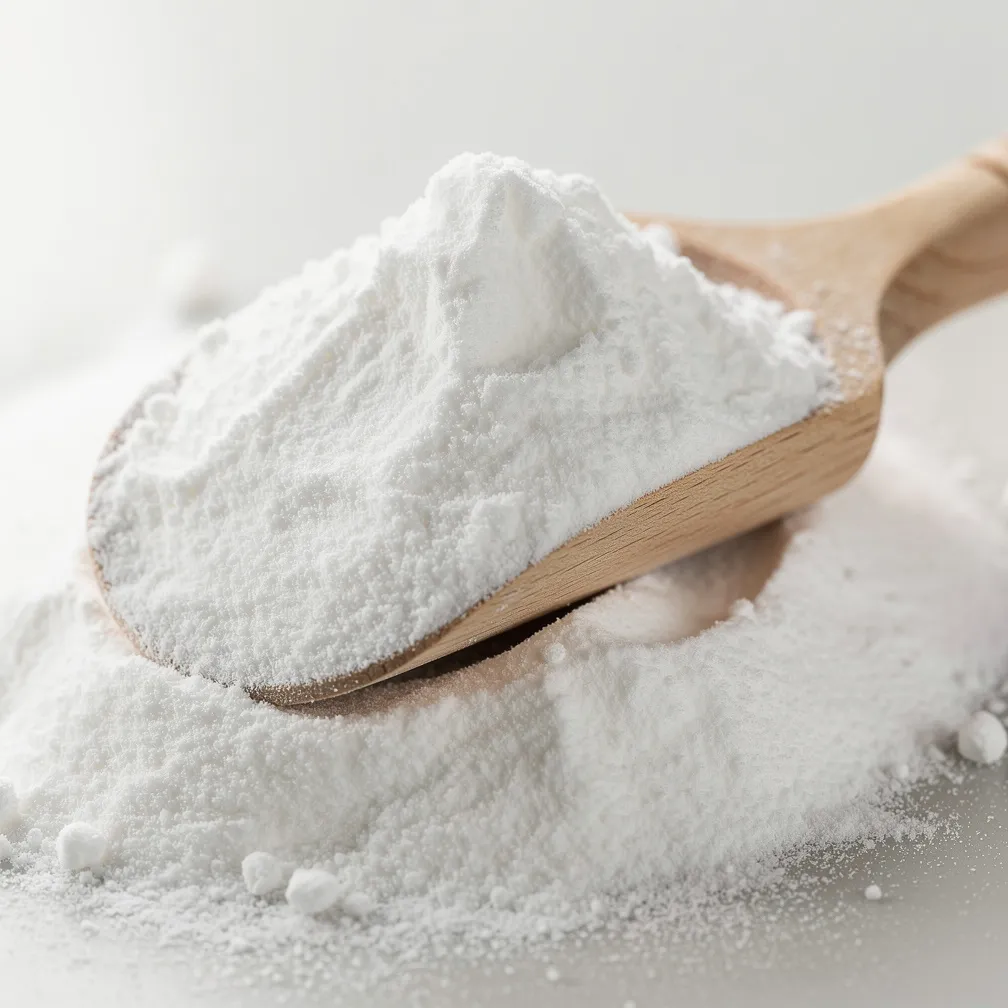
Cornstarch
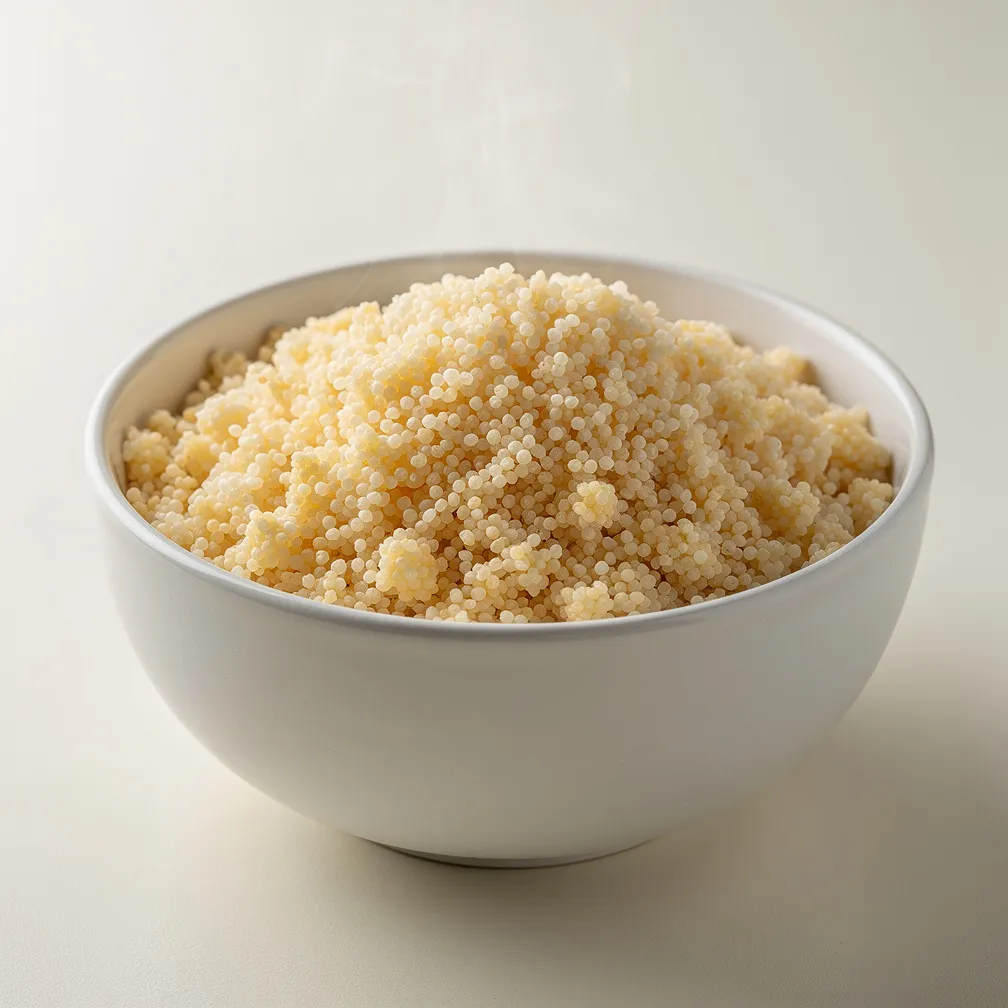
Couscous
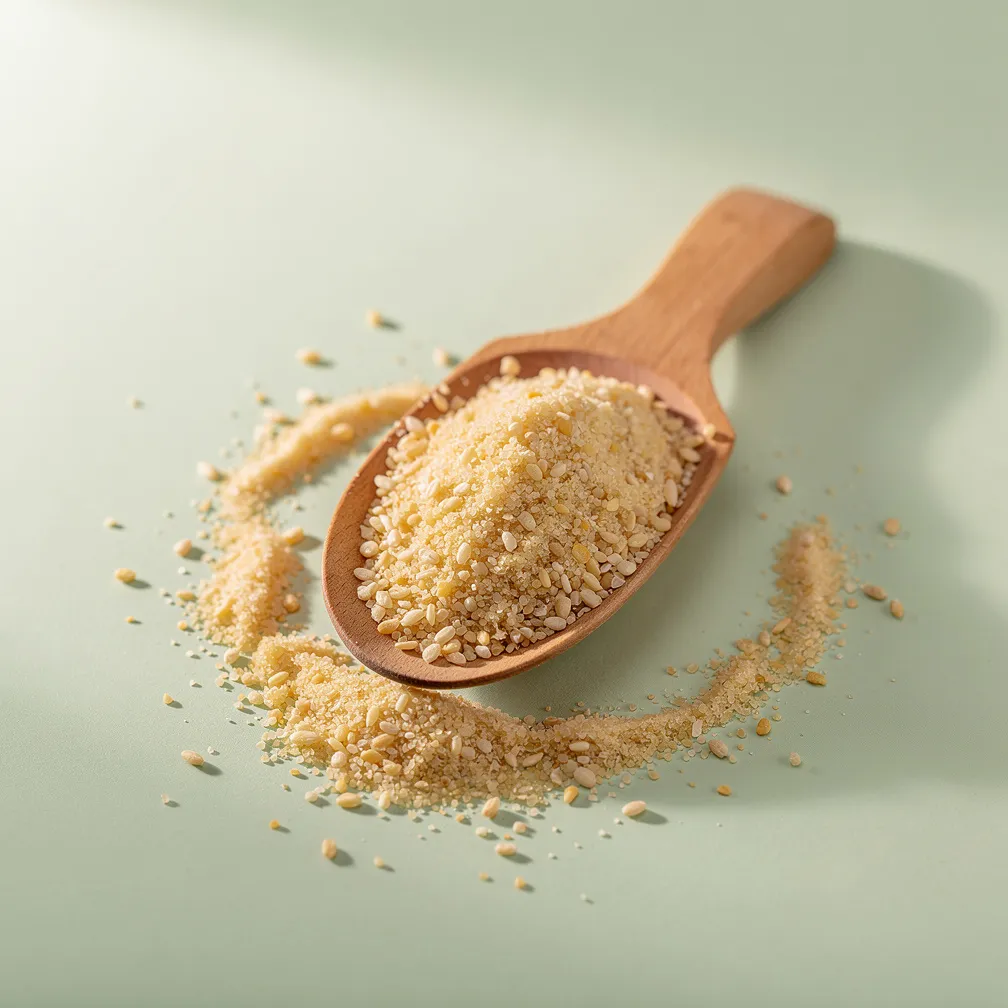
Crude wheat germ

Crumpets
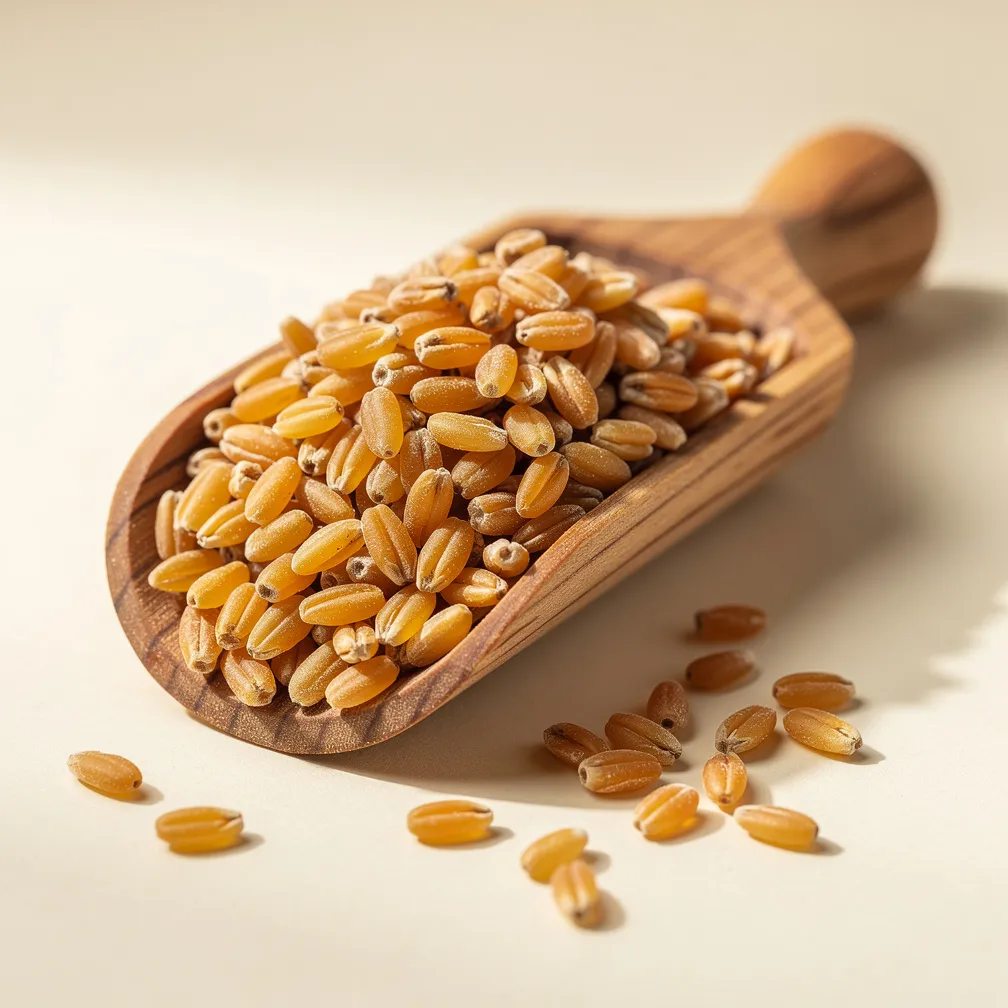
Durum wheat
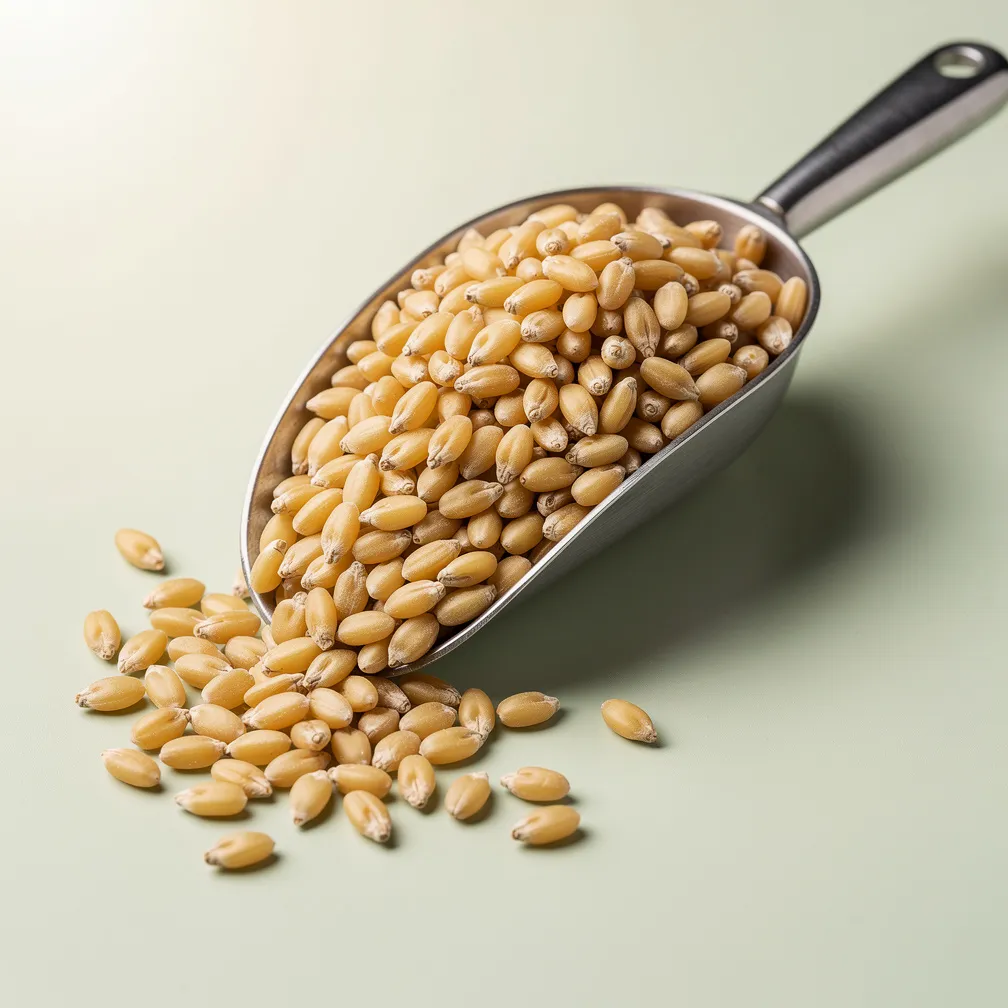
Hard white wheat
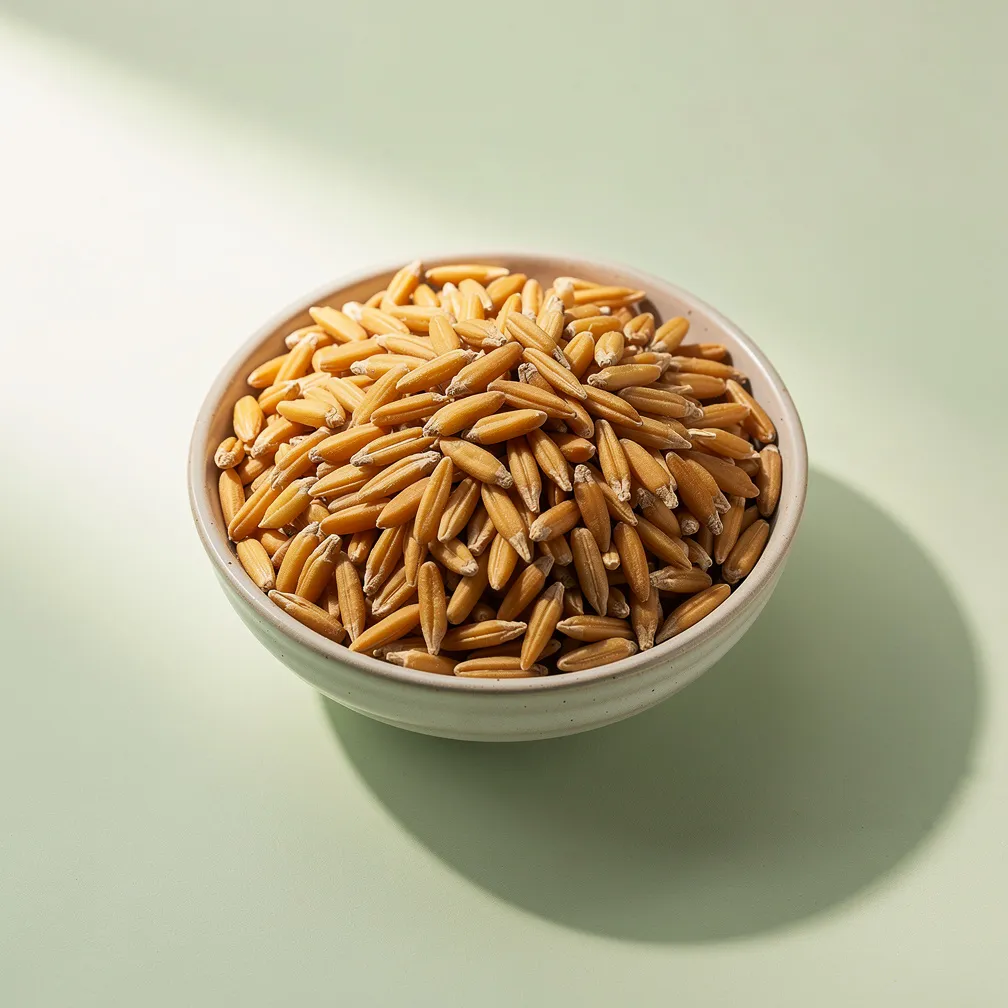
Kamut khorasan wheat
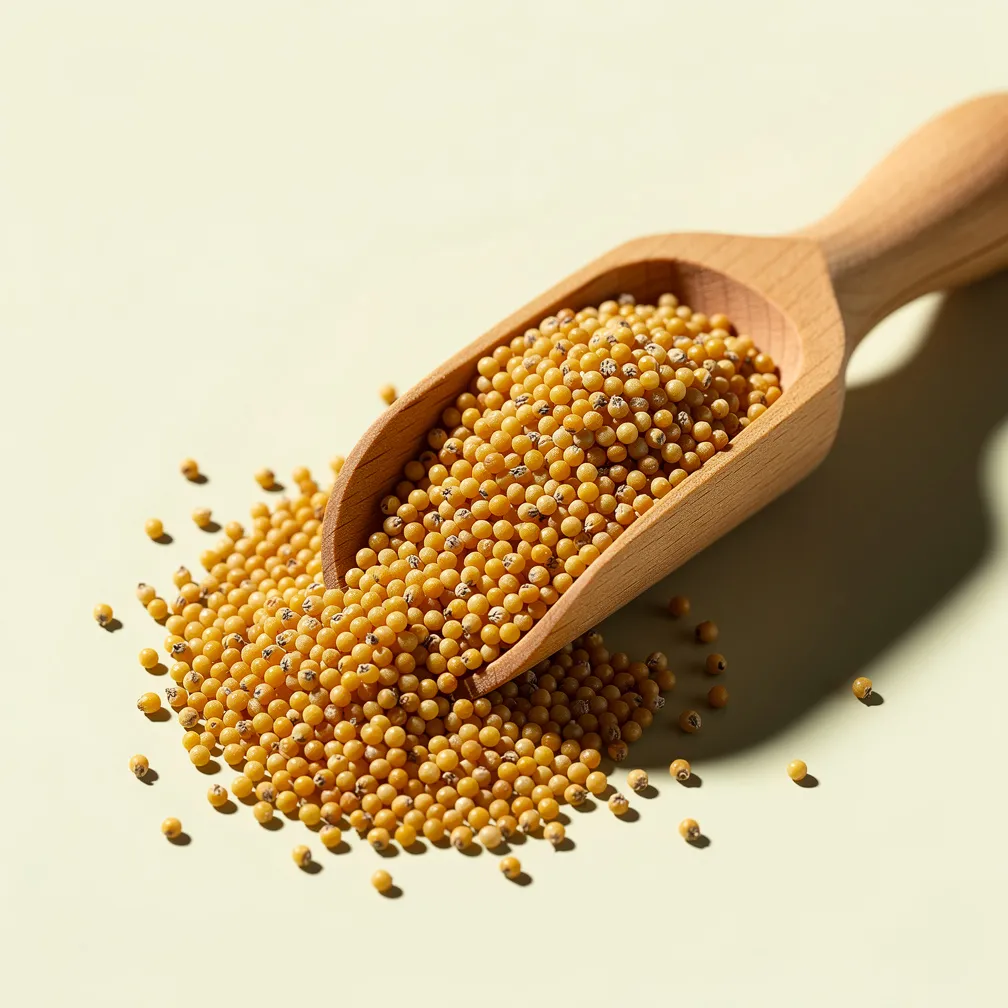
Millet
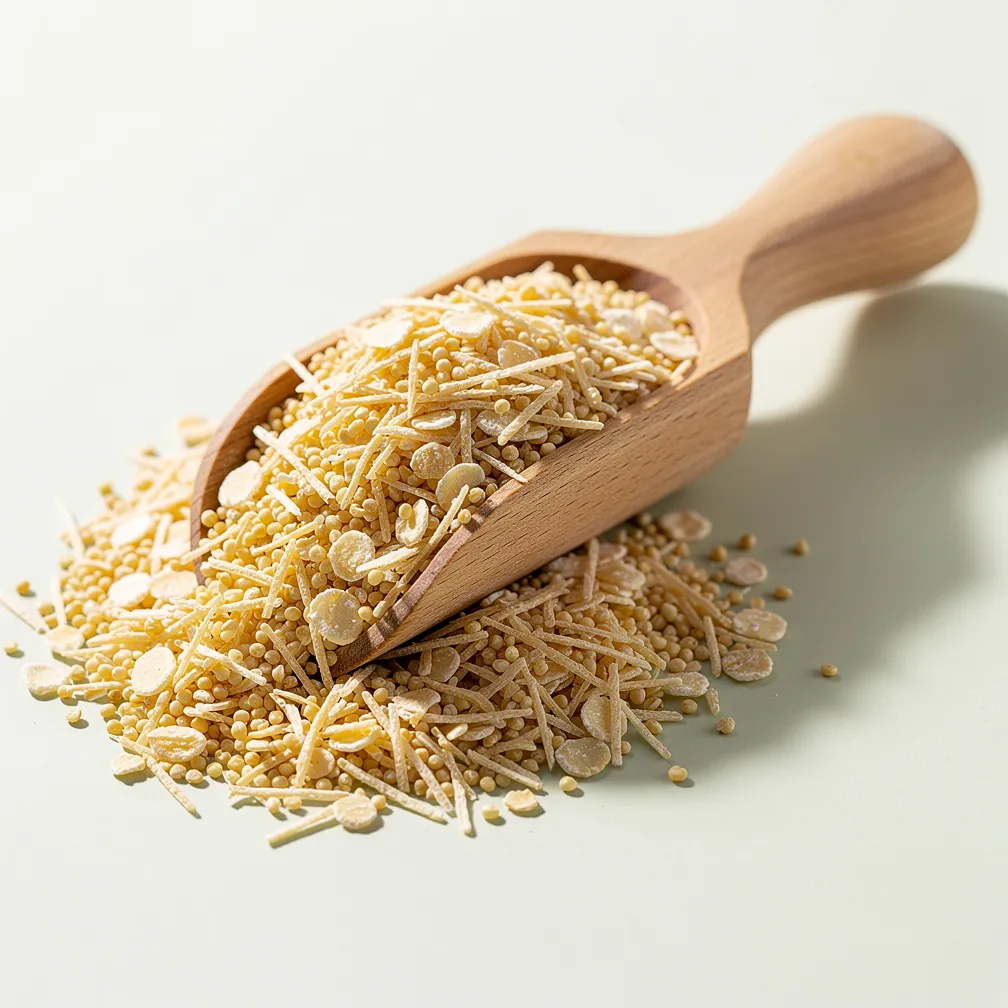
Millet flakes
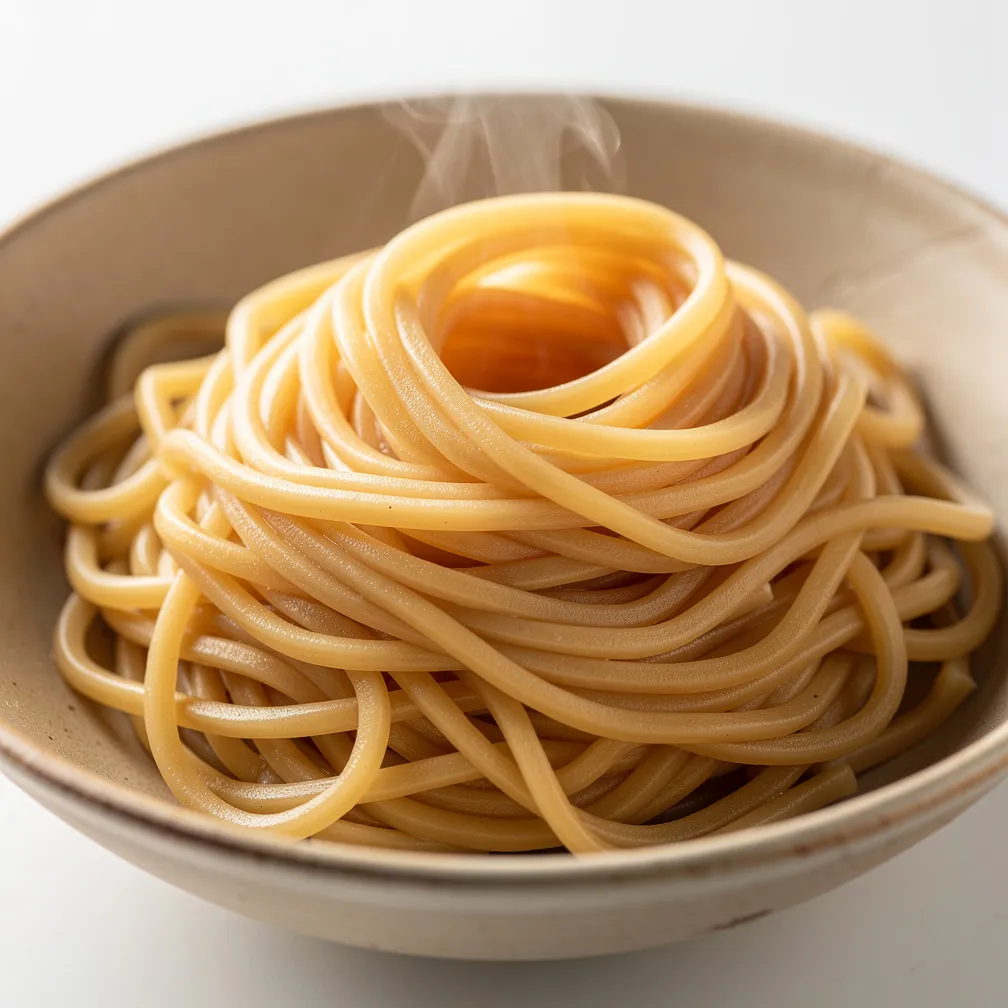
Noodles
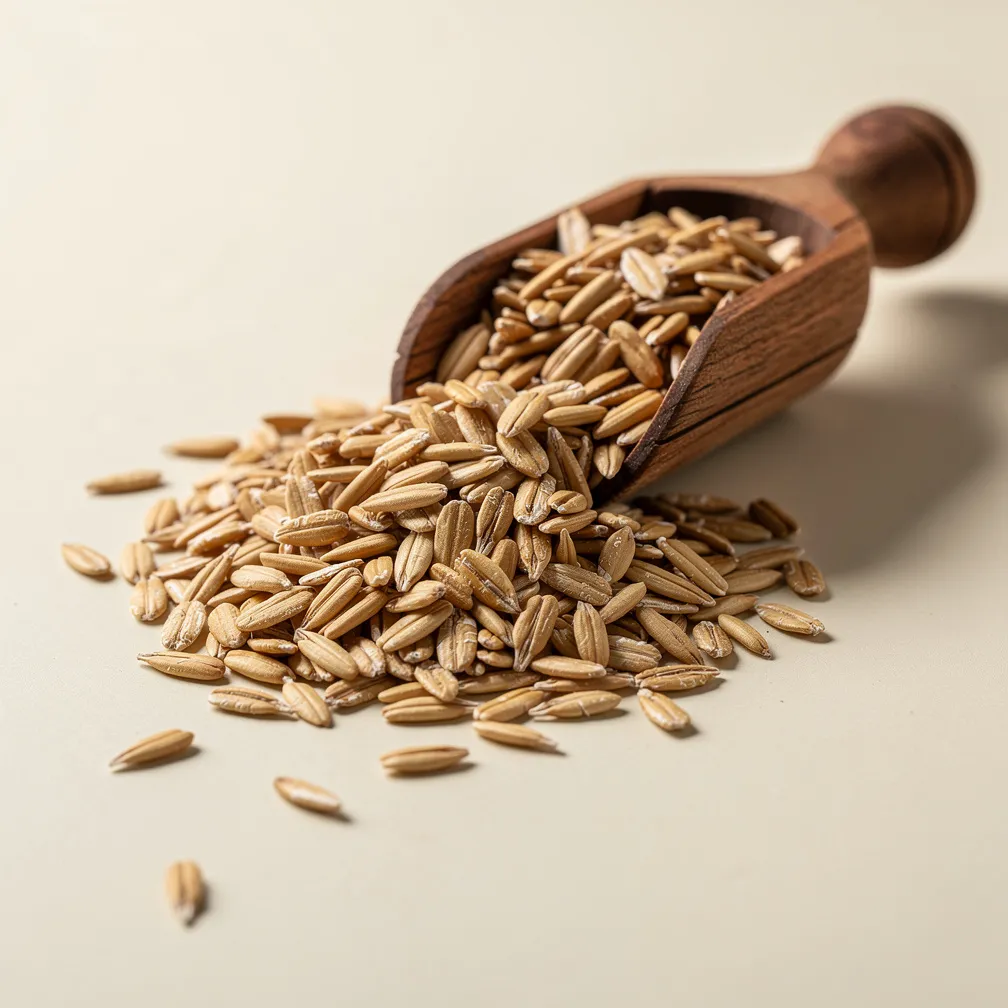
Oat
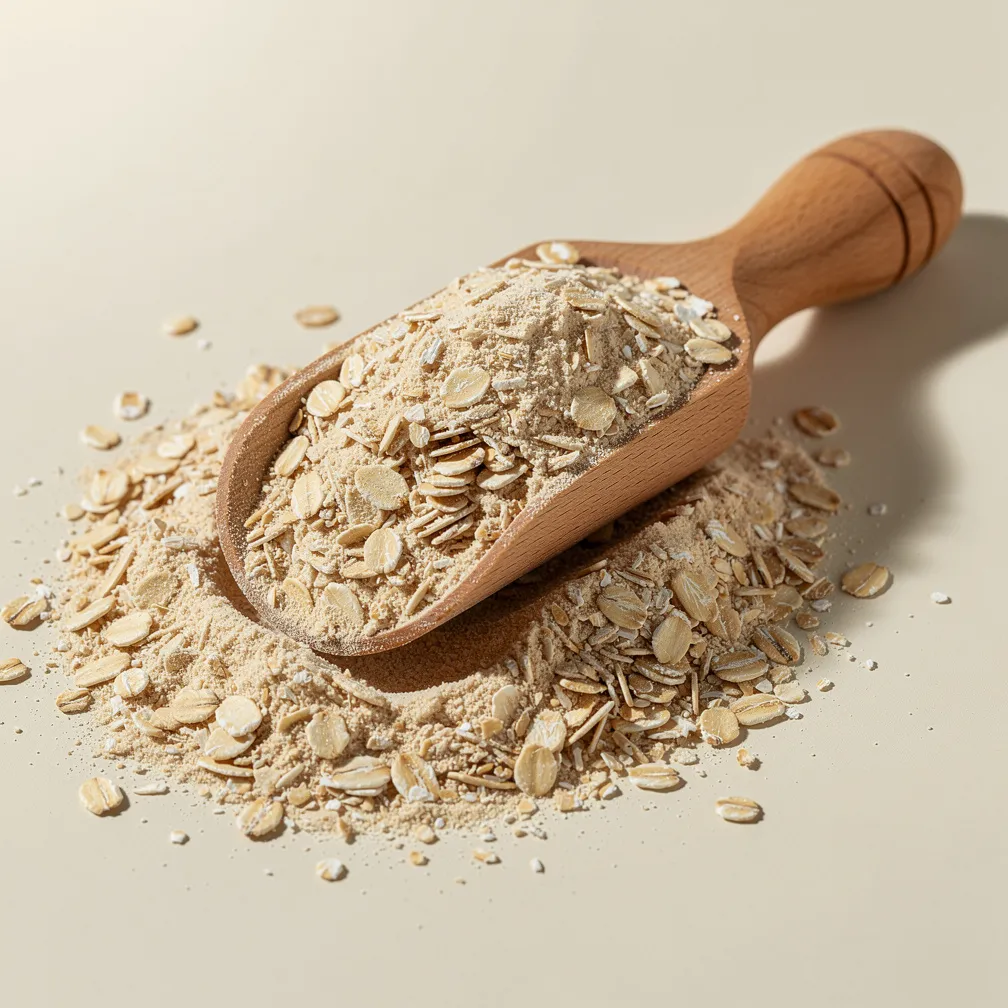
Oat bran
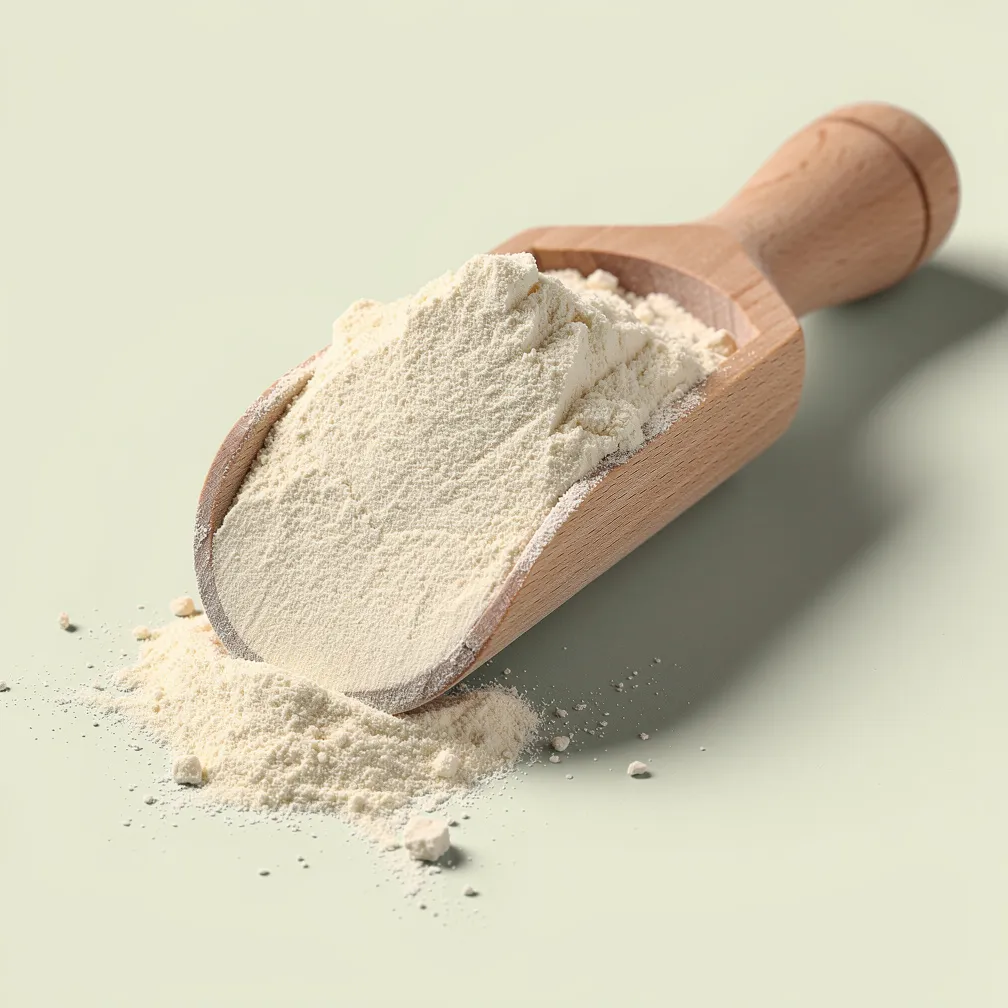
Oat flour partially debranned
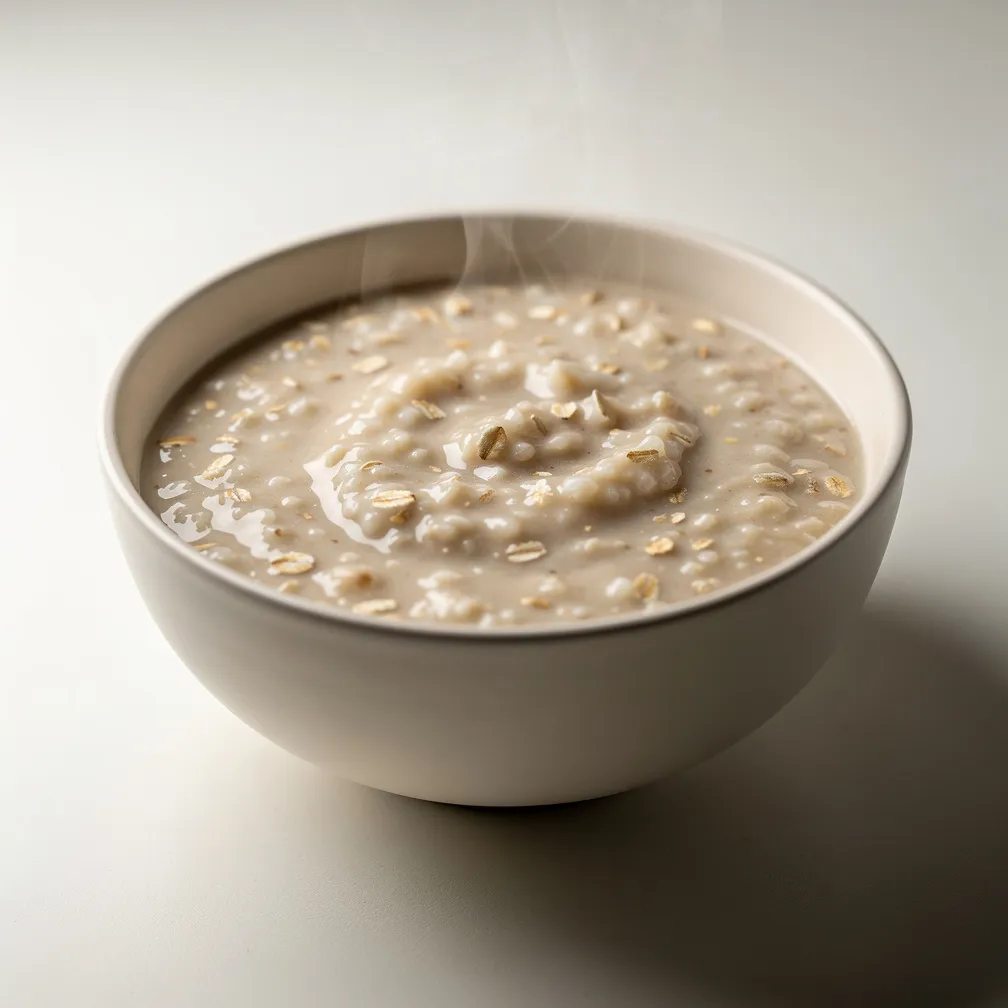
Oat porridge
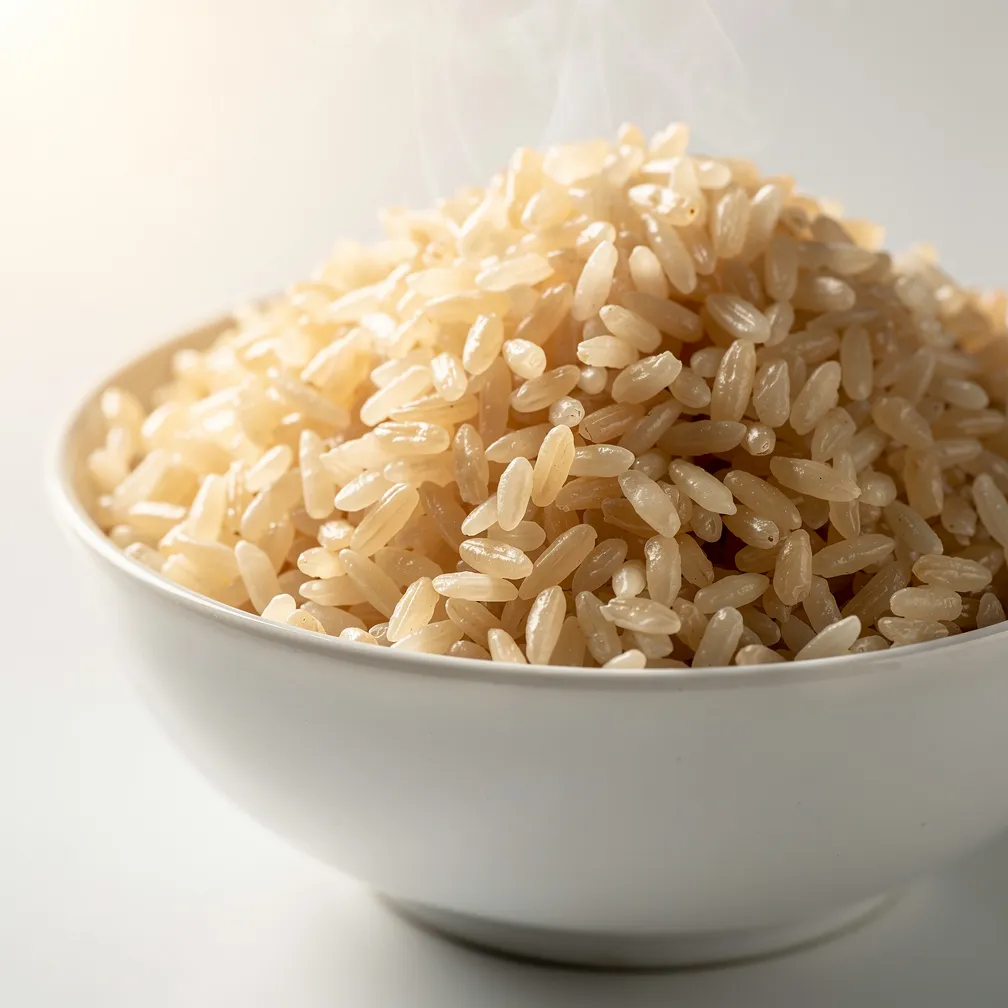
Parboiled rice
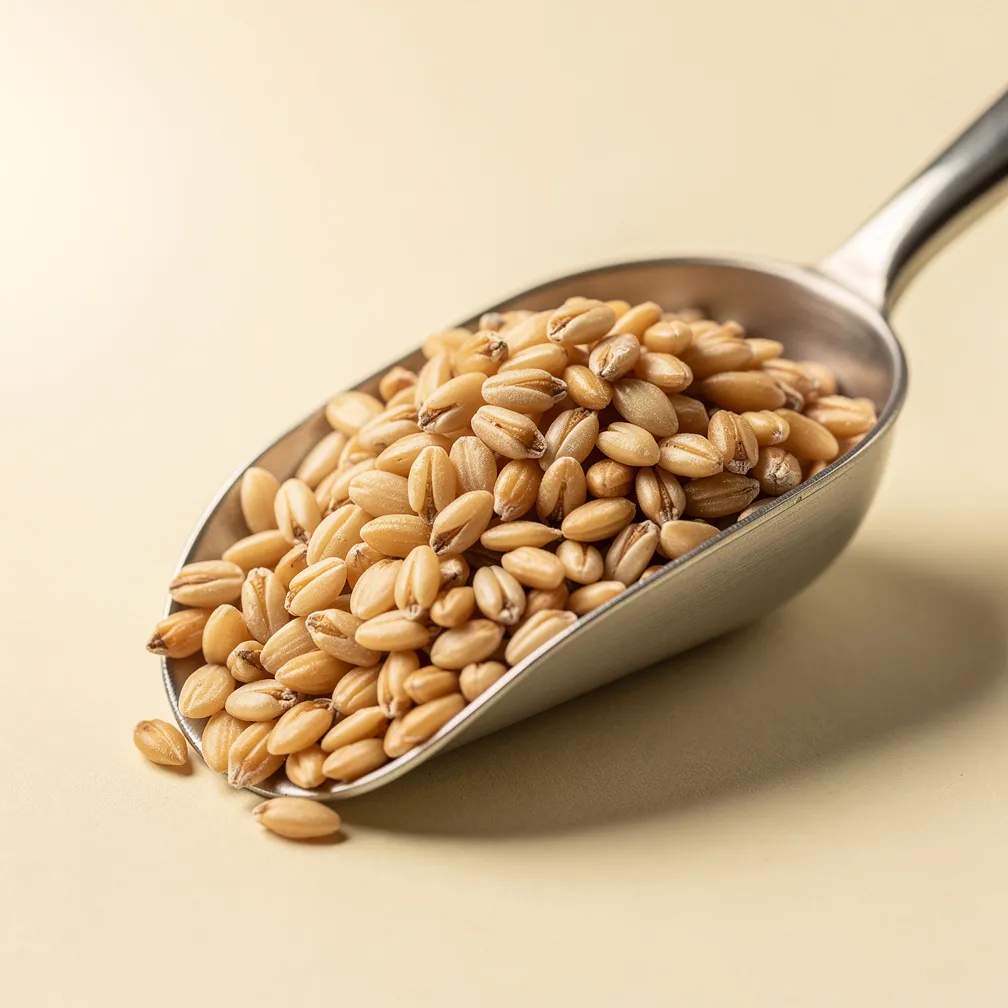
Pearled spelt

Popcorn
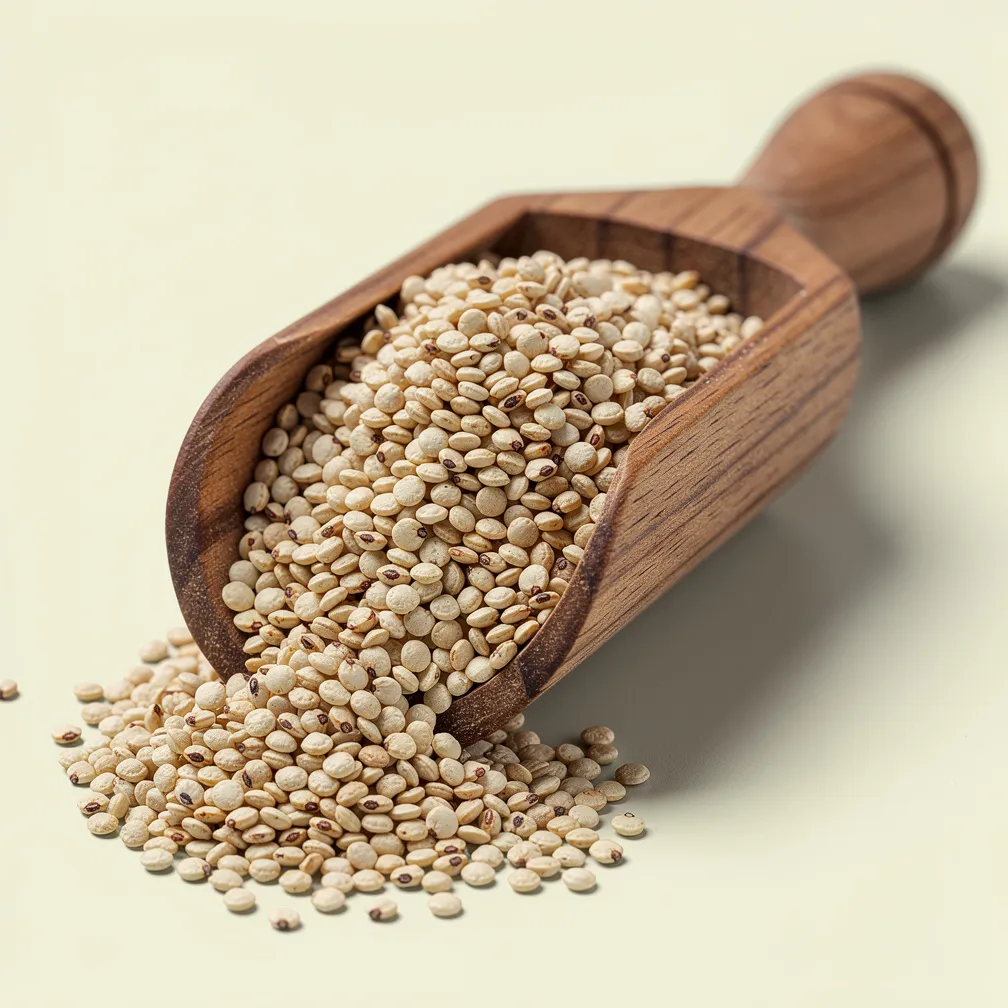
Quinoa
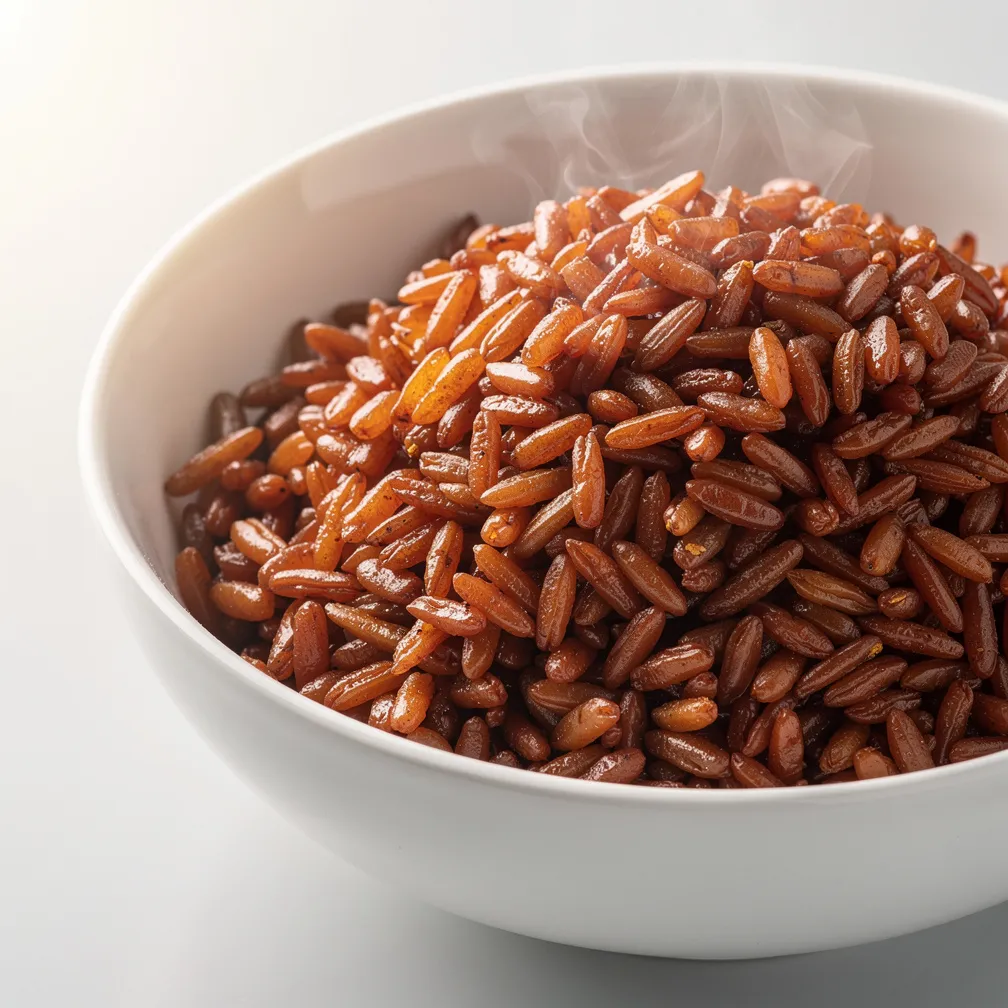
Red rice
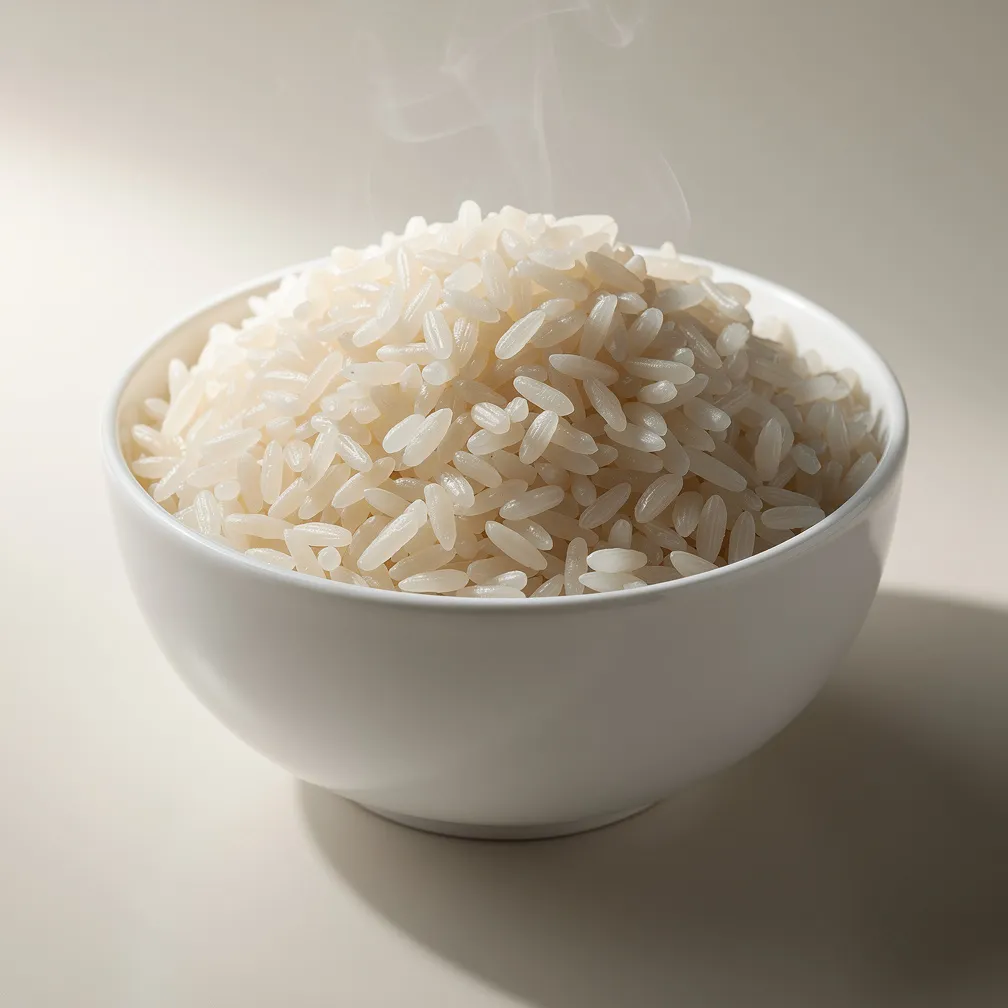
Rice
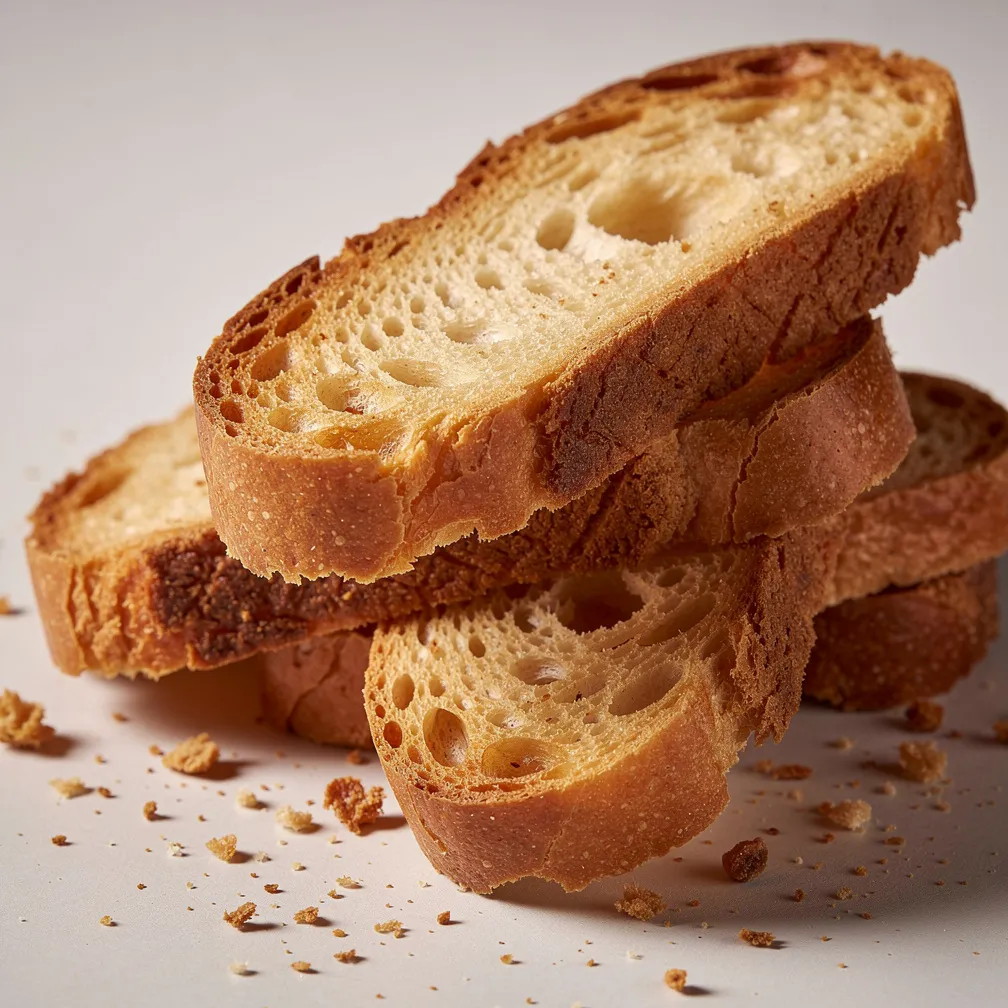
Rusk
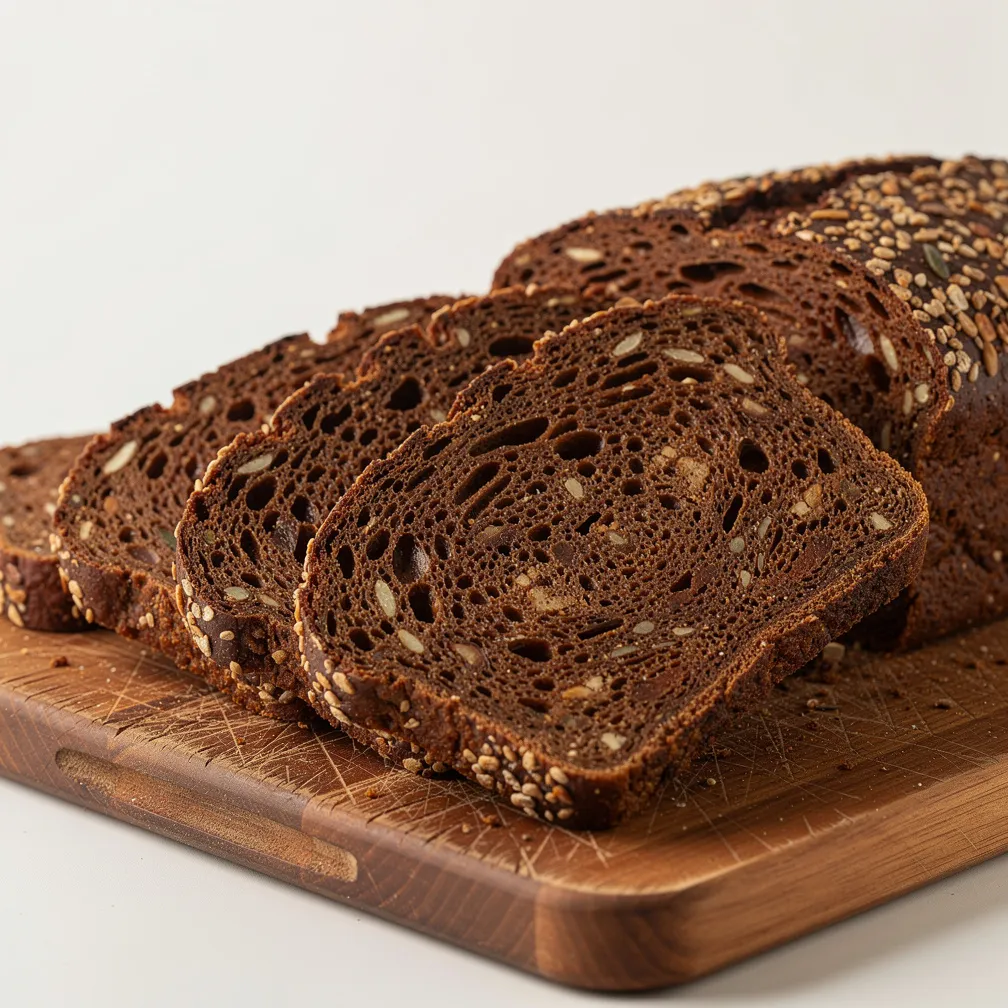
Rye bread
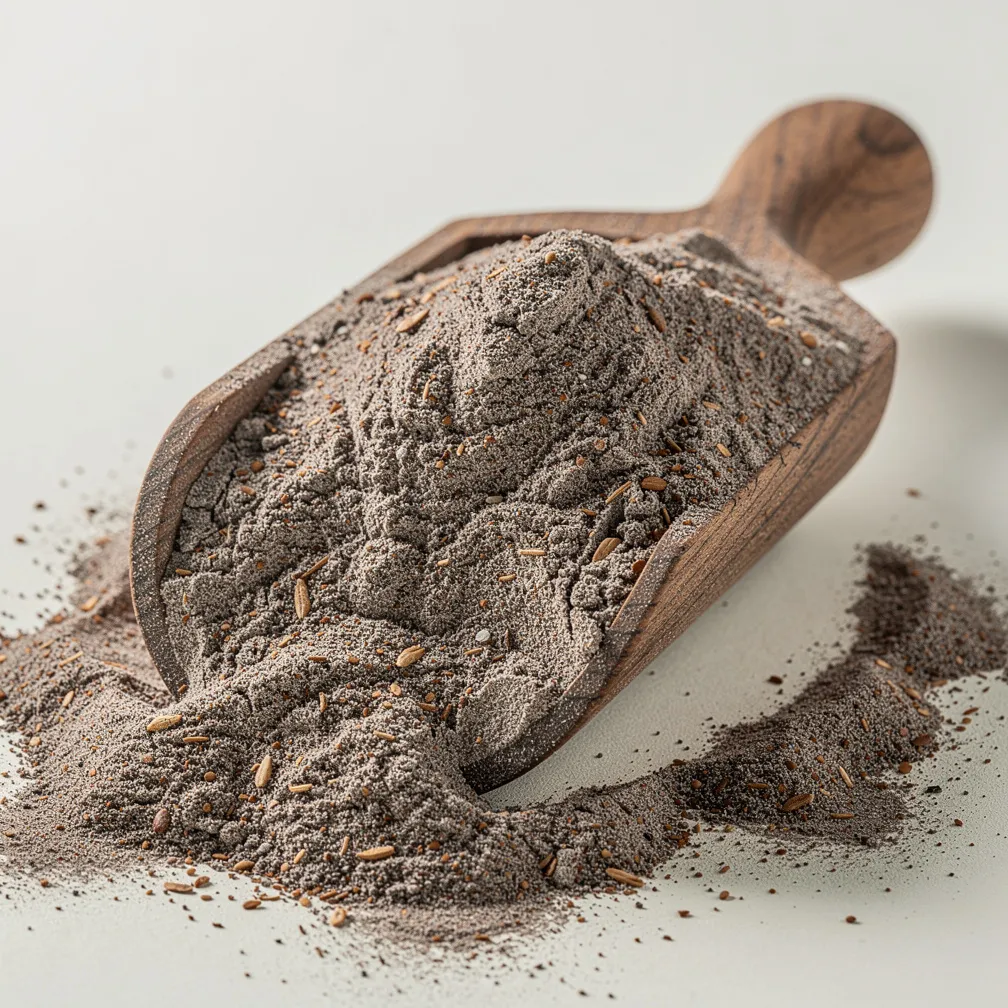
Rye flour
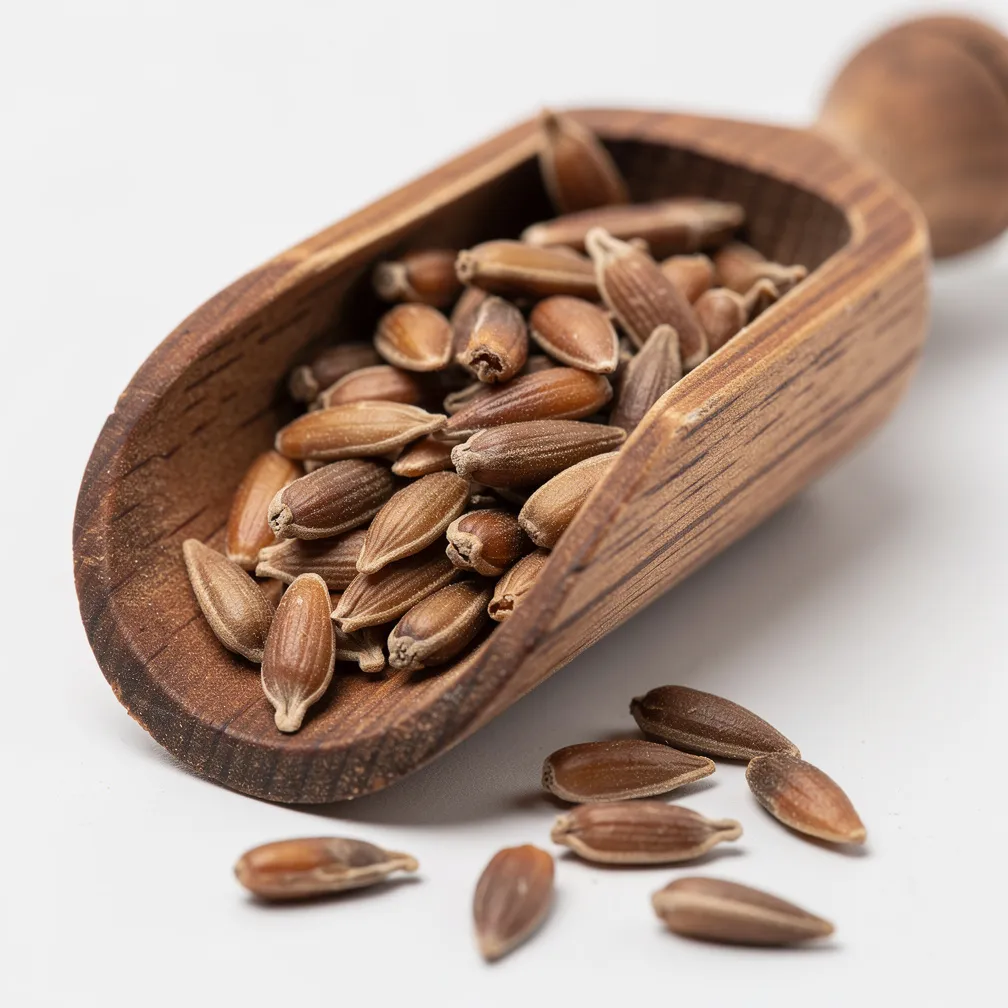
Rye grain
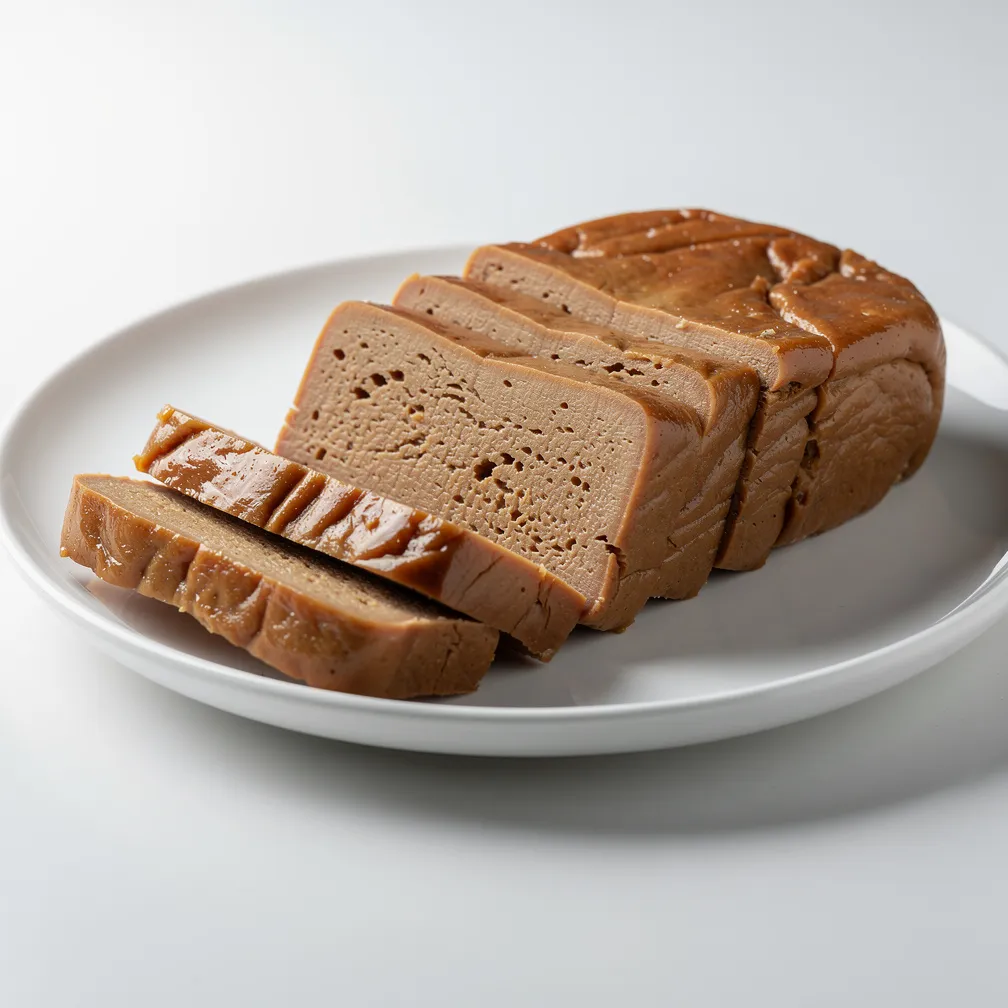
Seitan
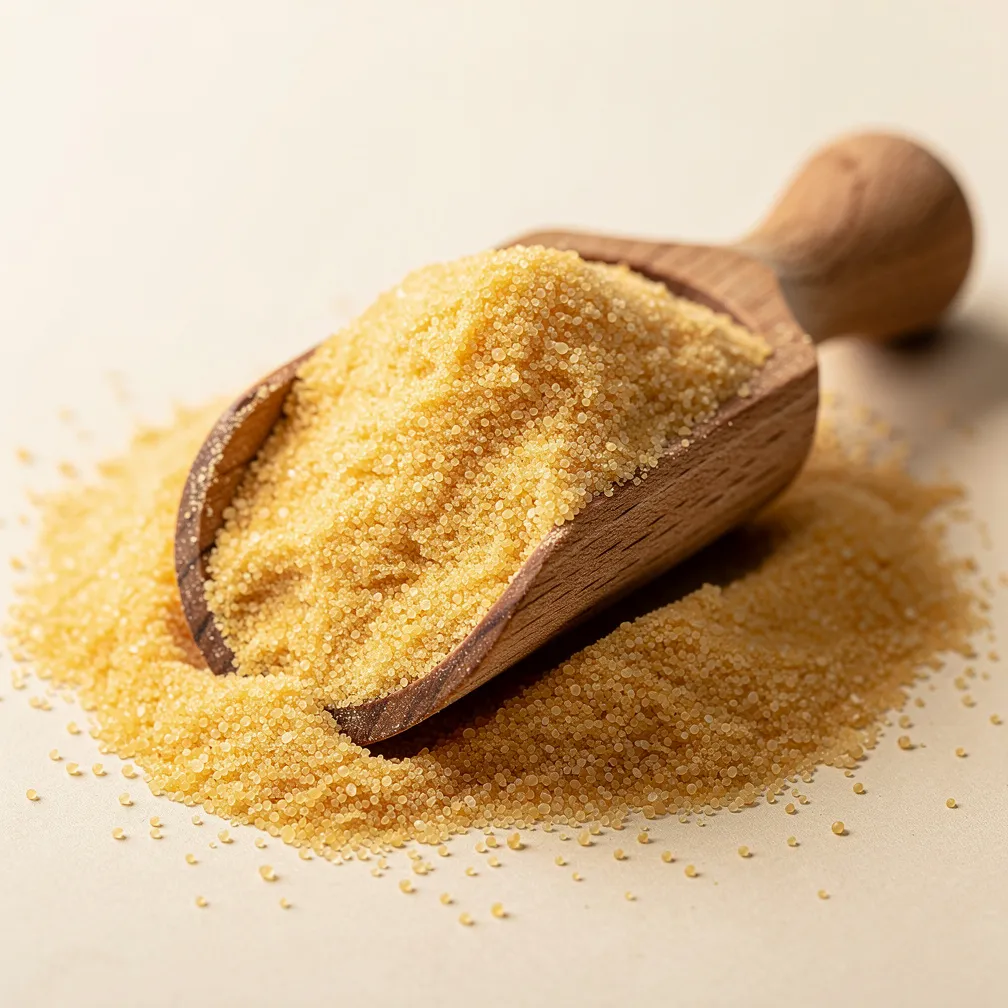
Semolina
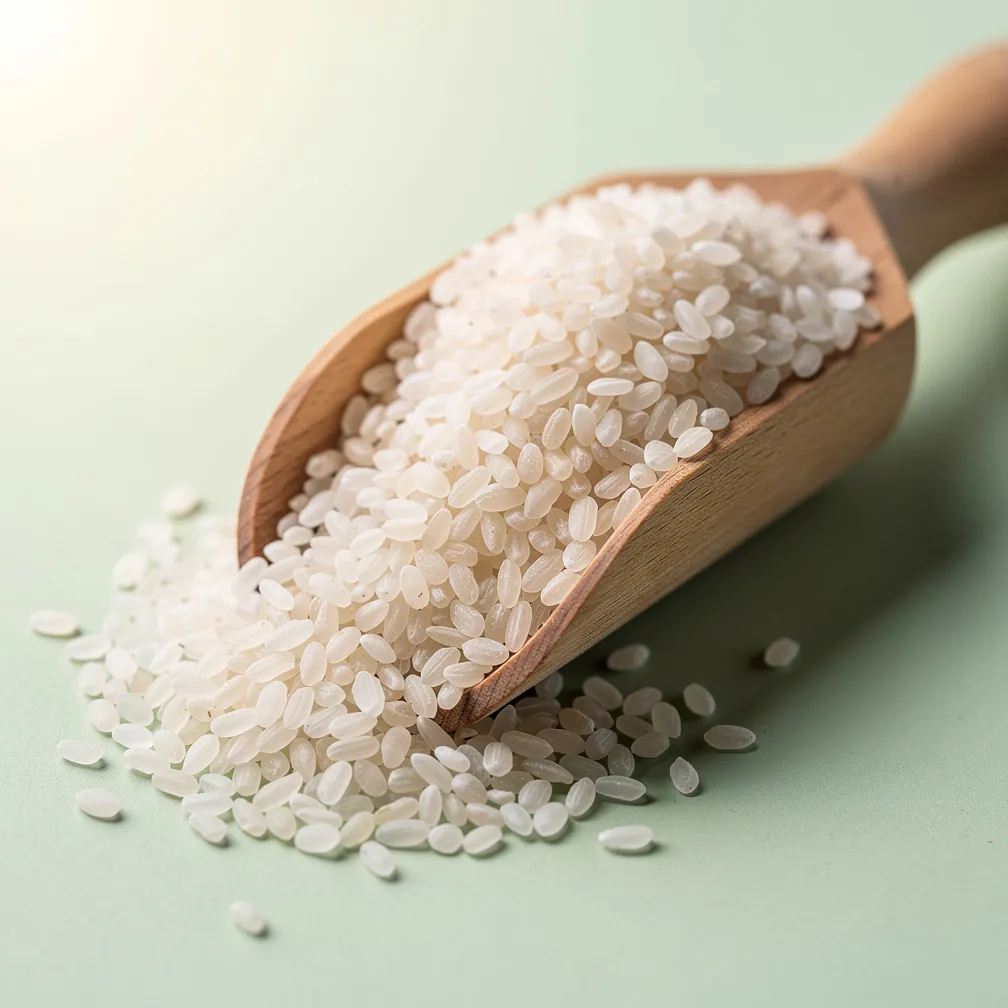
Short-grain rice
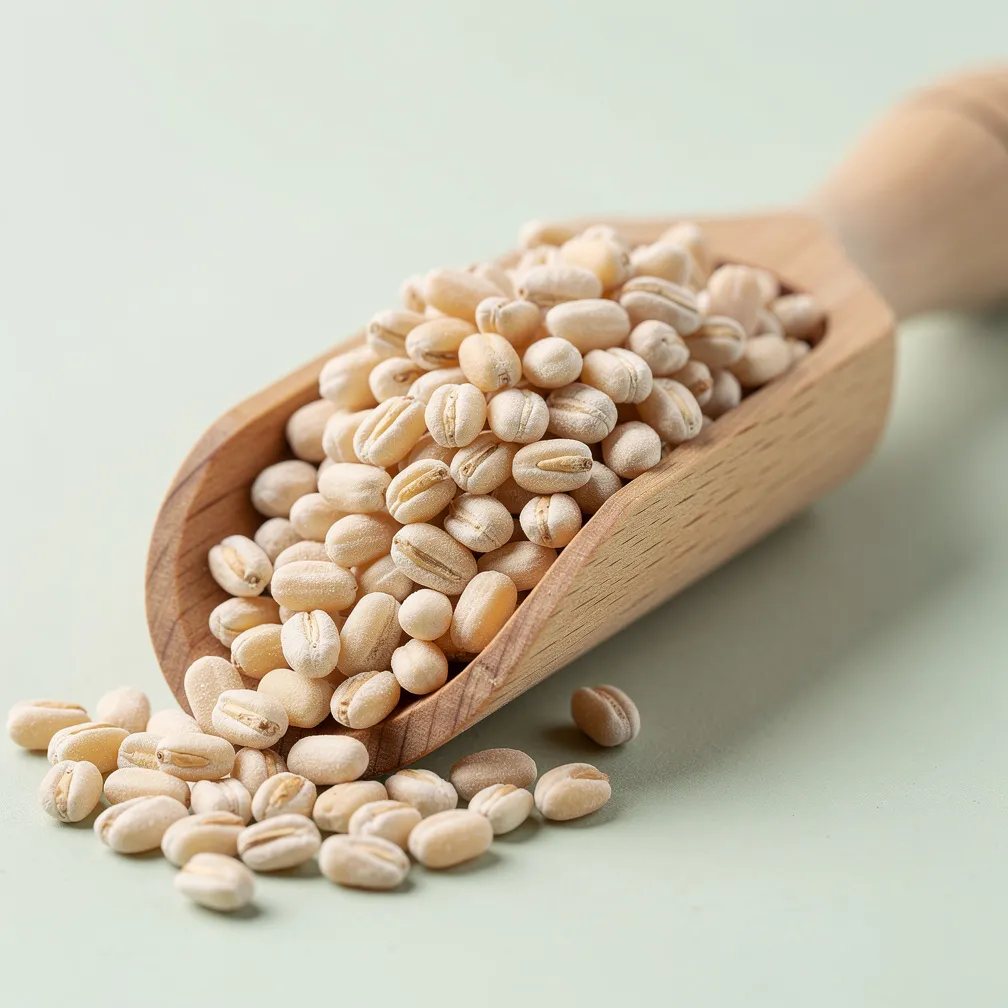
Soft white wheat
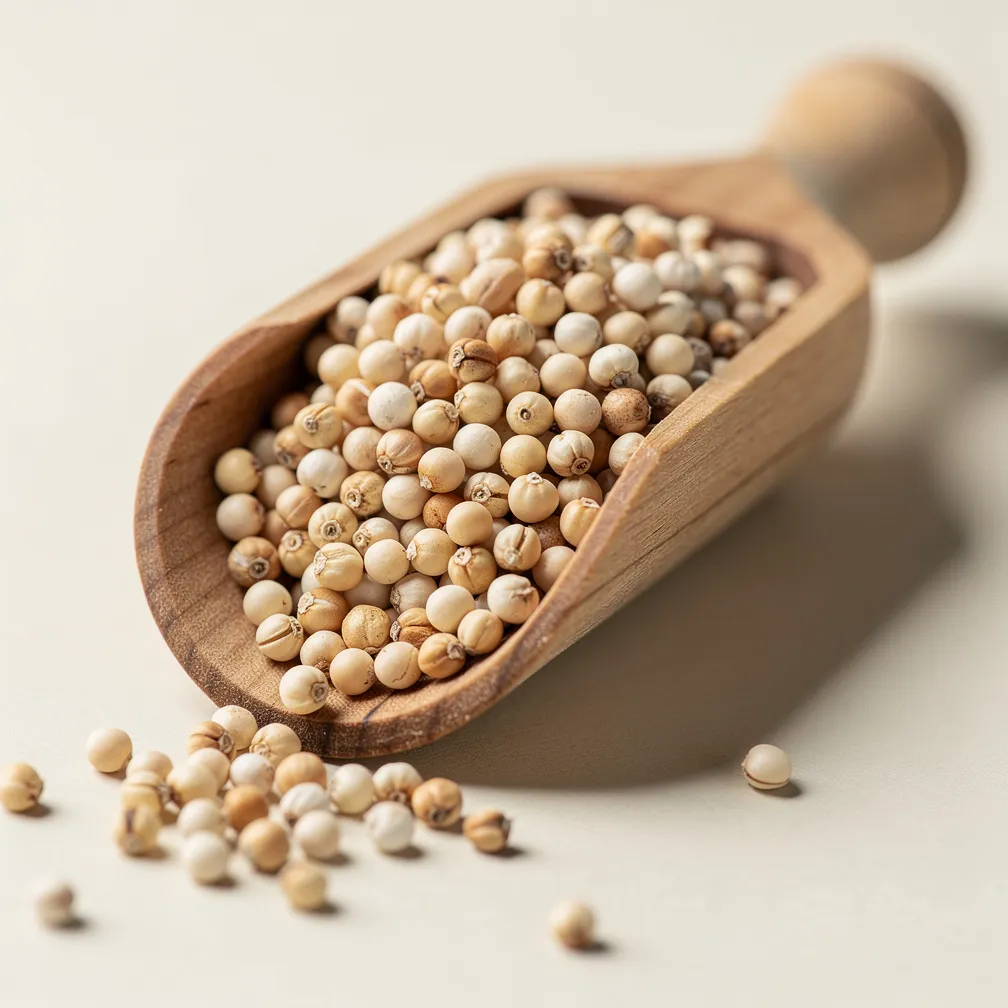
Sorghum
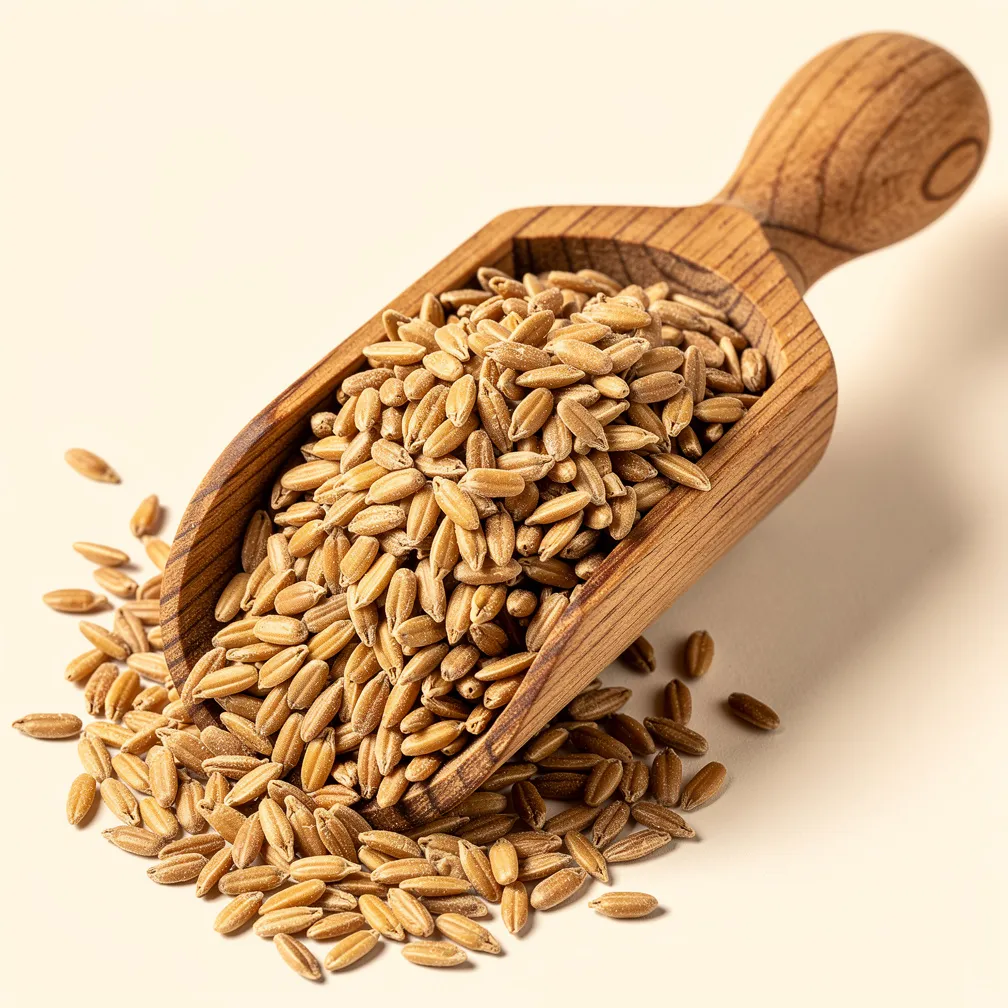
Spelt
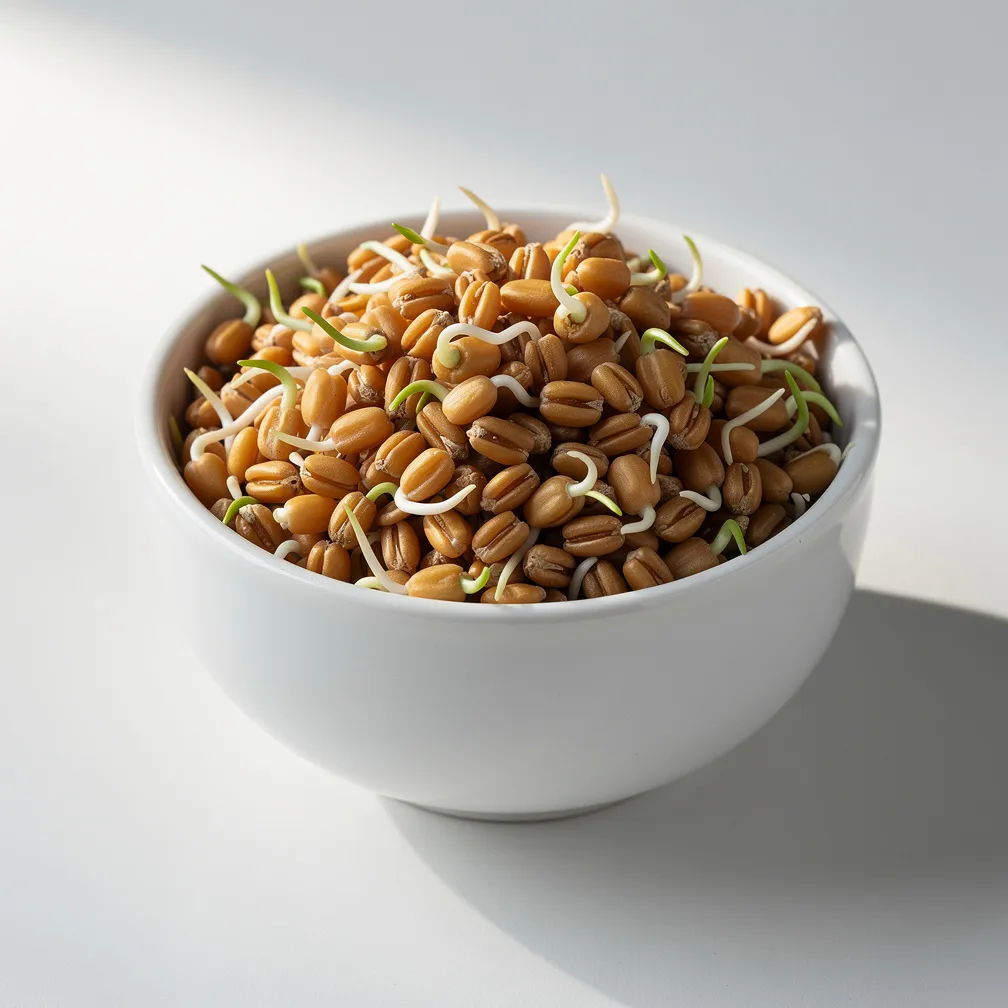
Sprouted wheat
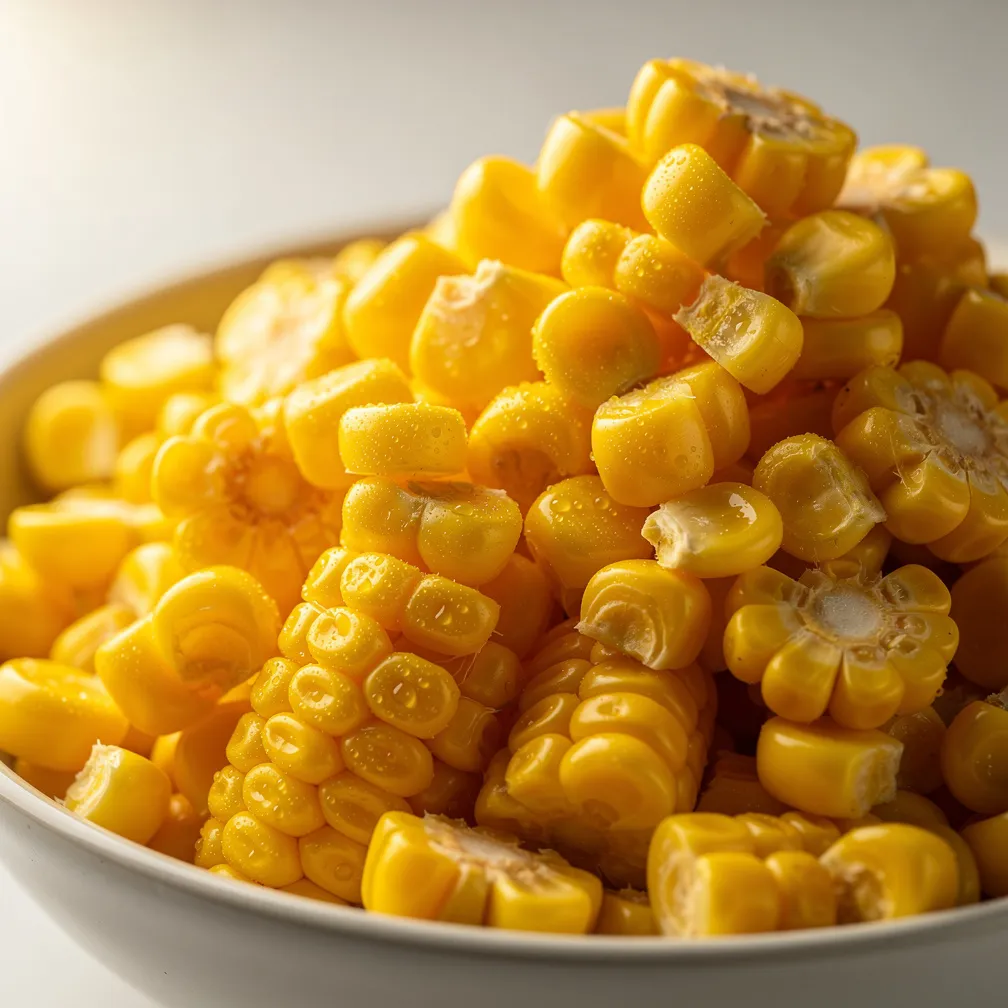
Sweetcorn
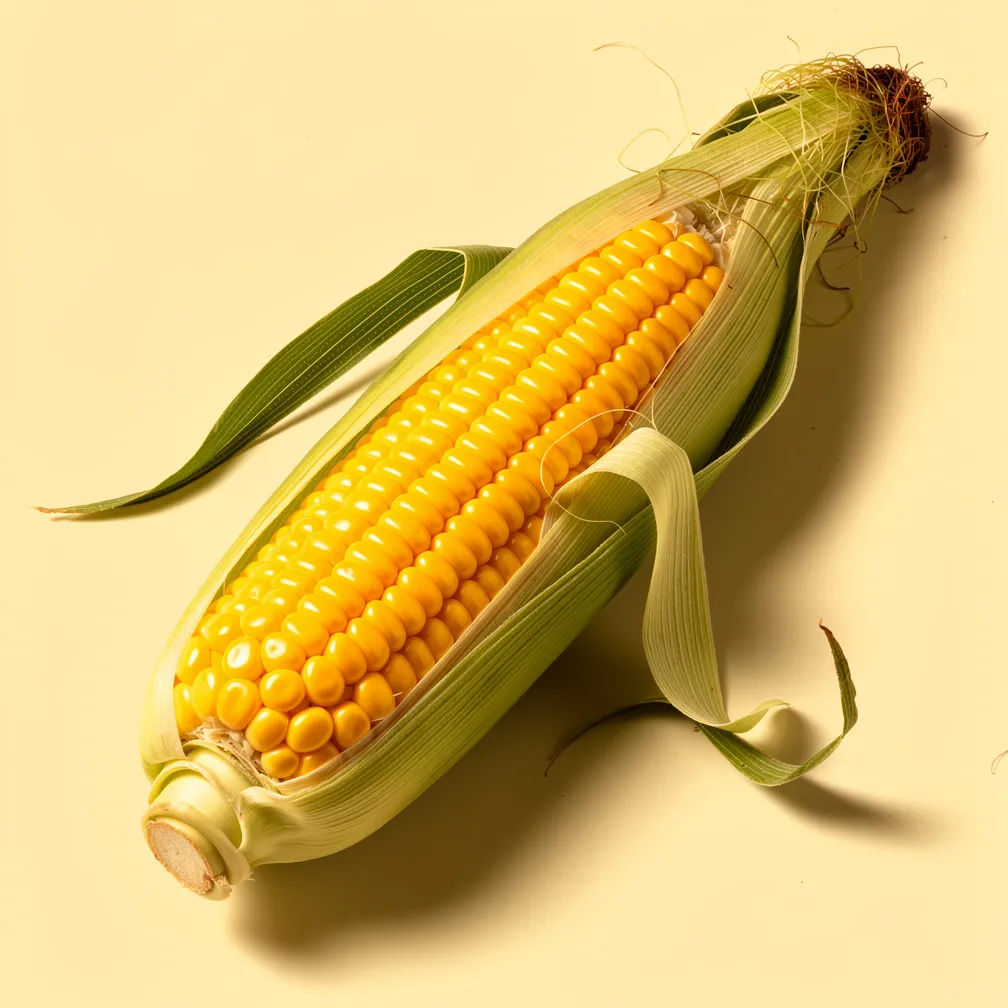
Sweetcorn on-the-cob

Tapioca pearl
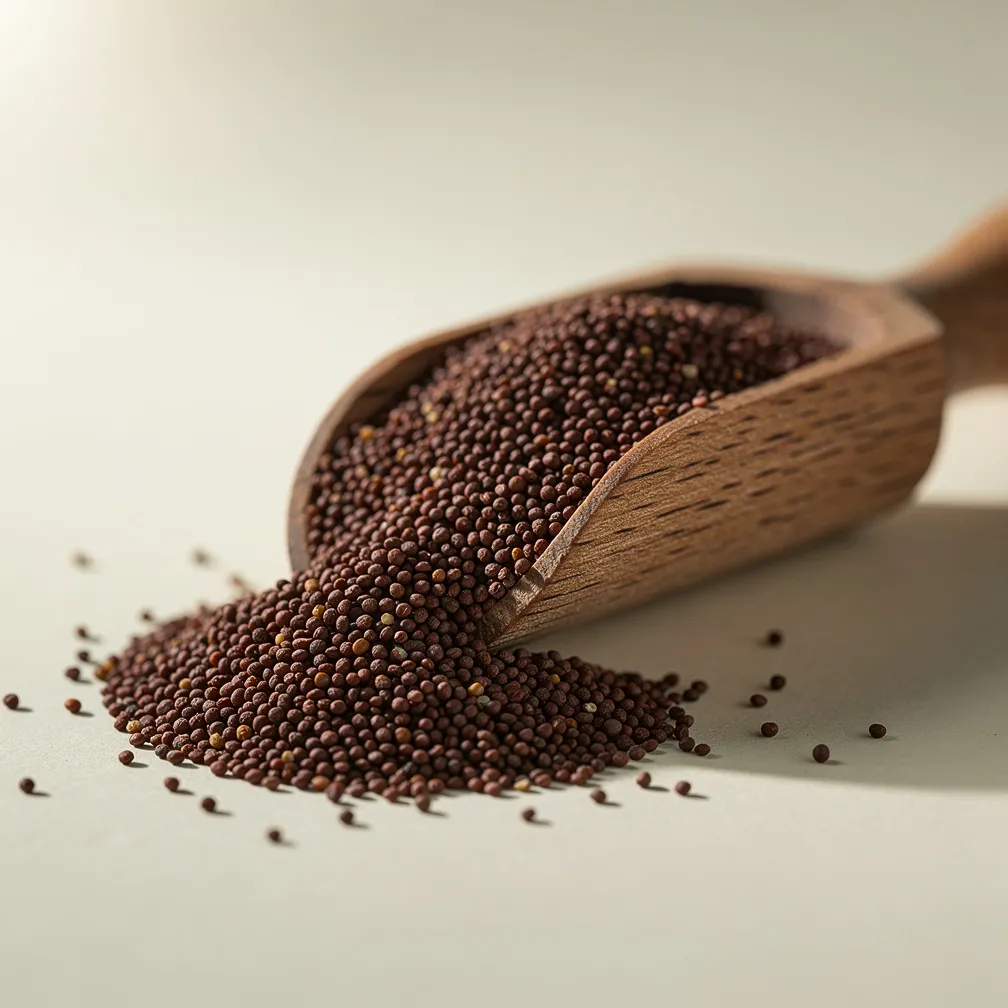
Teff
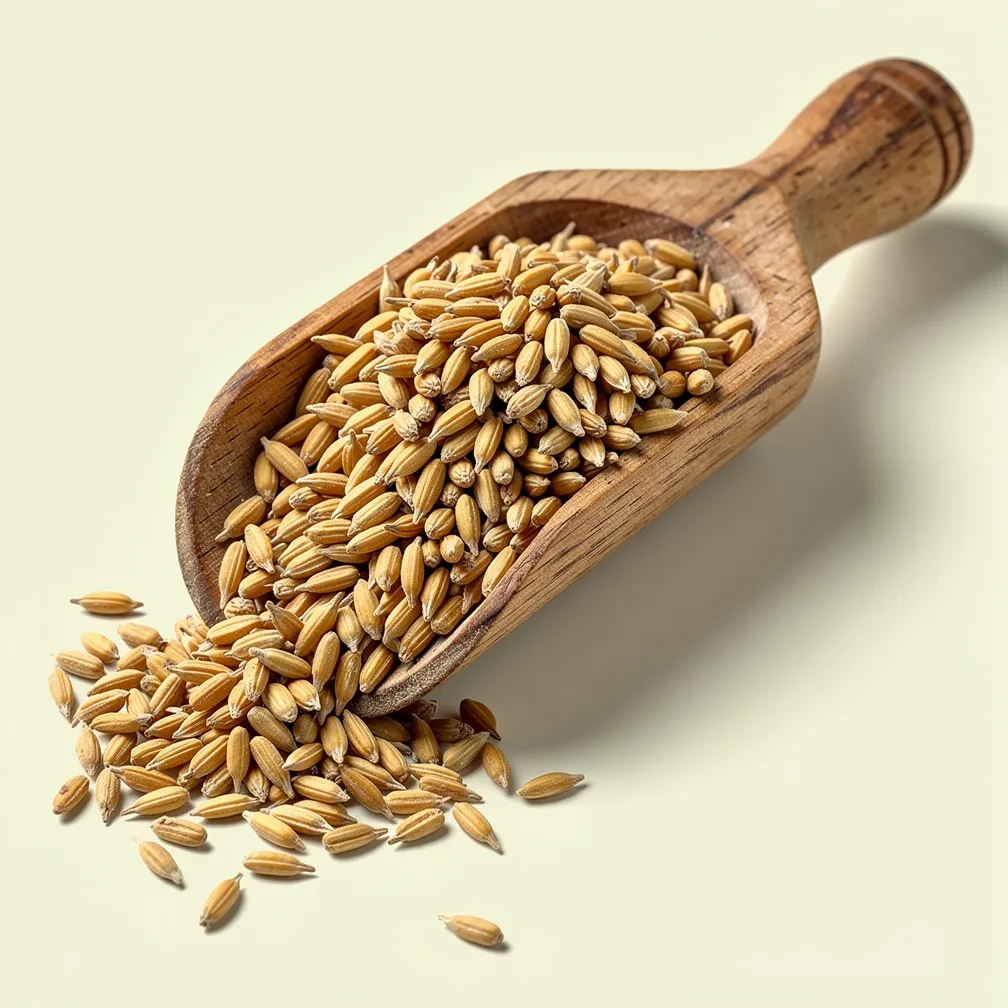
Triticale
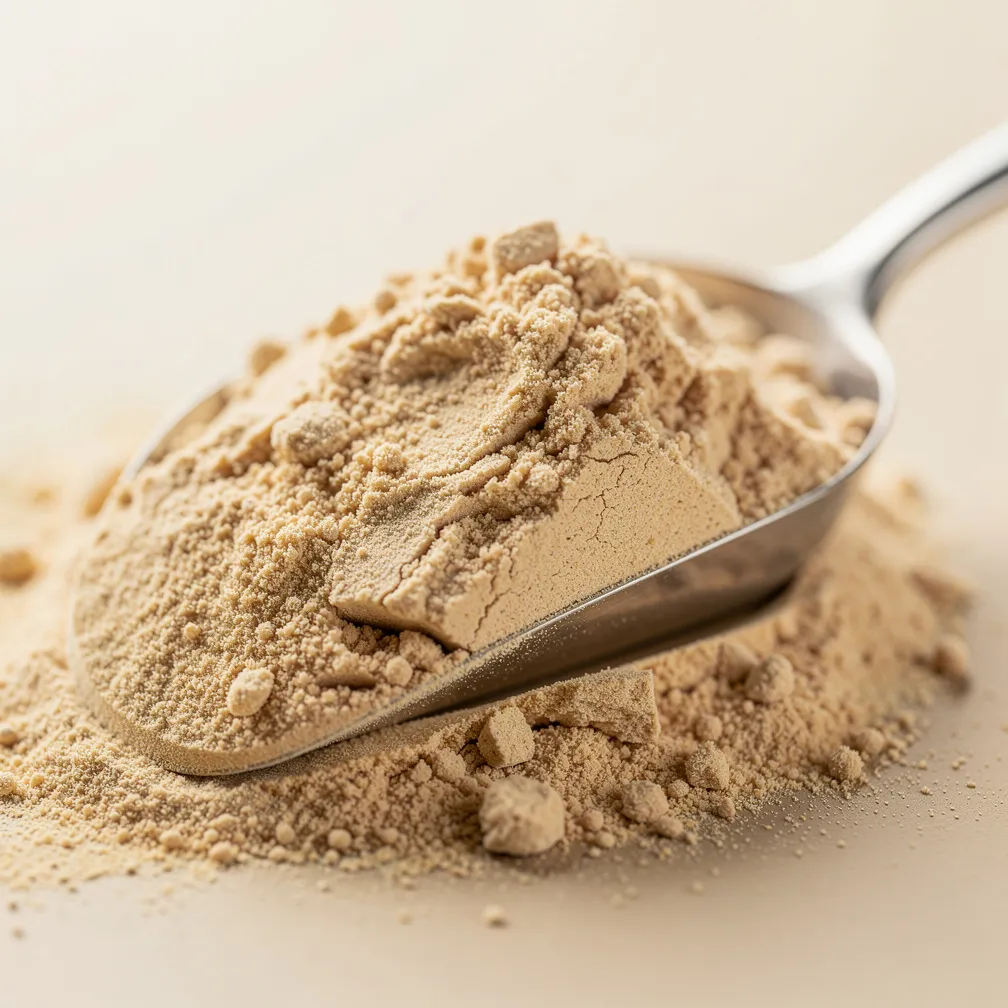
Vital wheat gluten
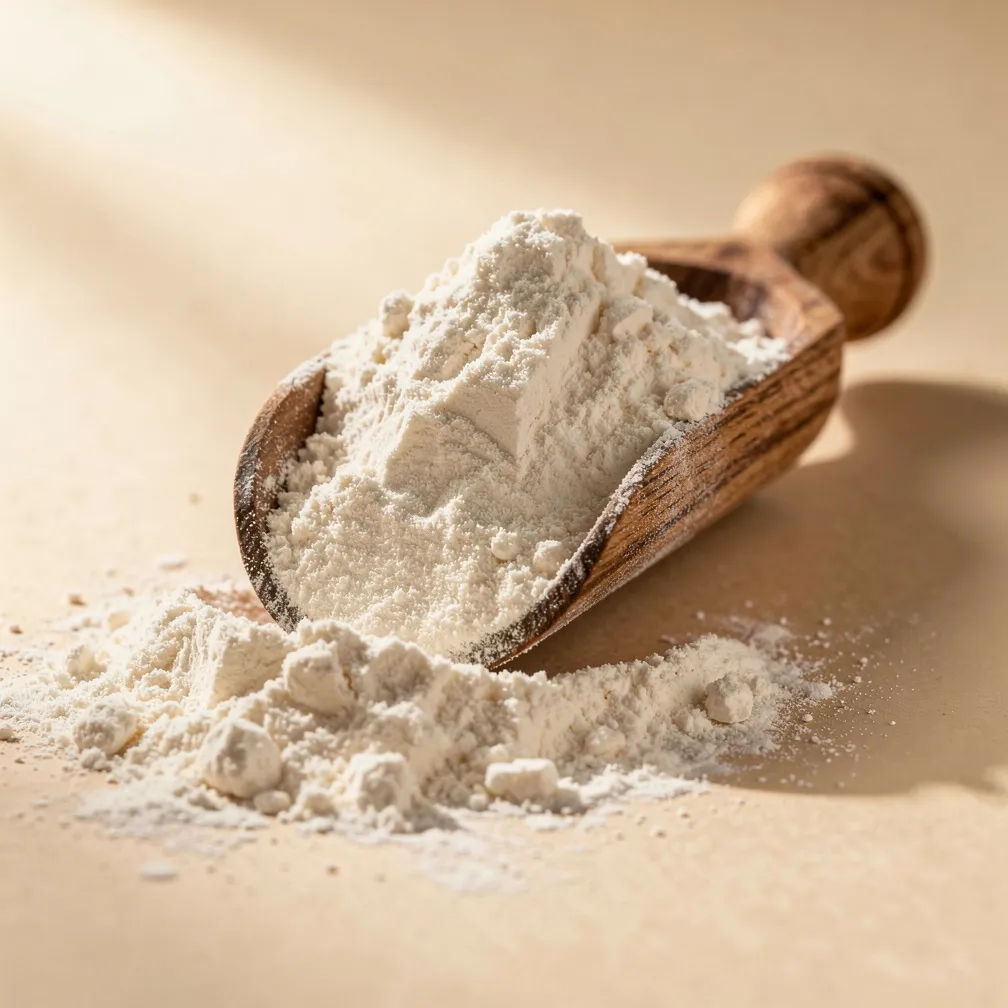
Wheat flour
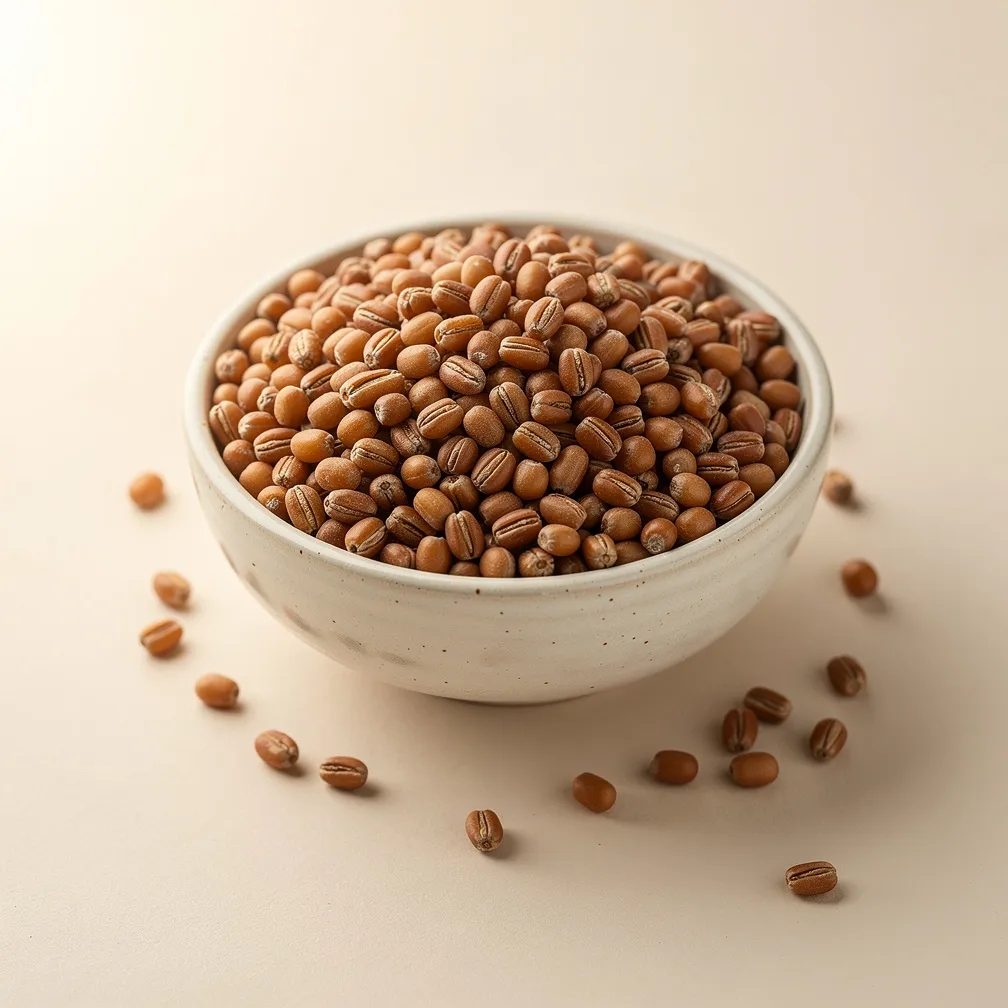
Wheat grain
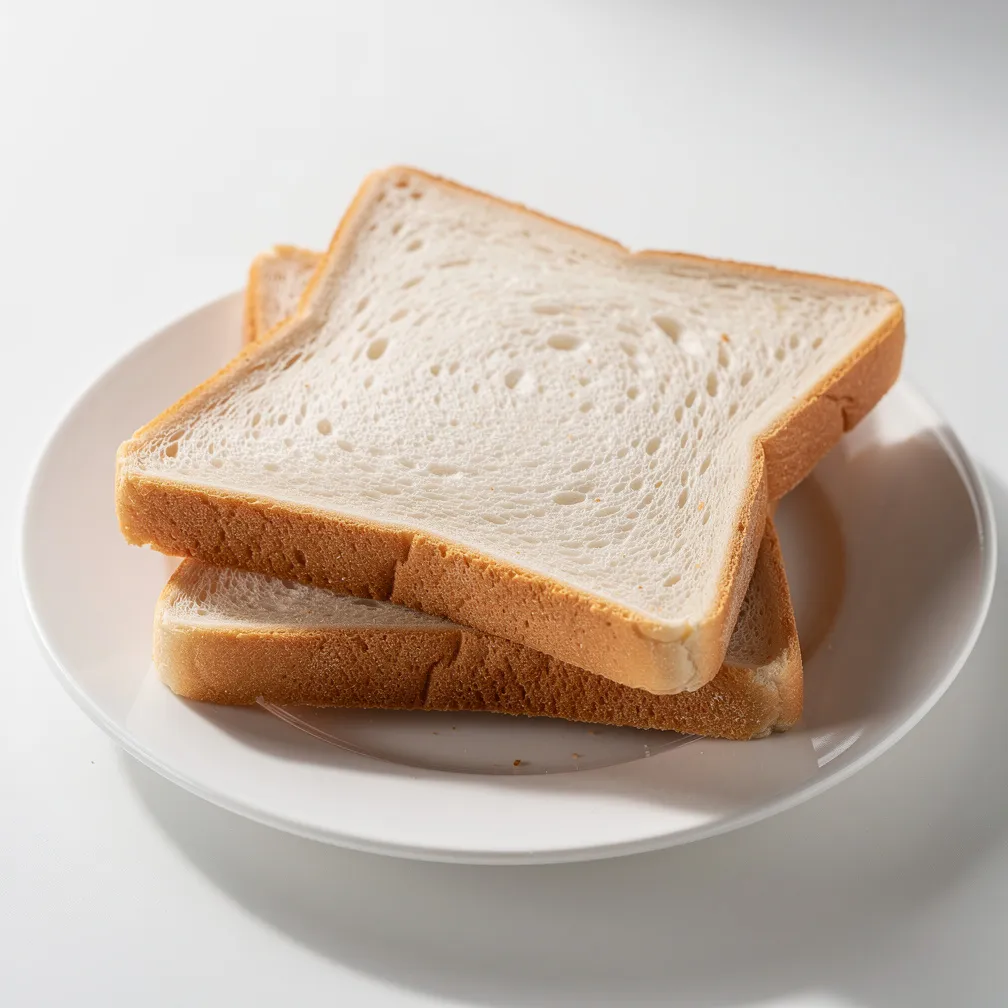
White bread
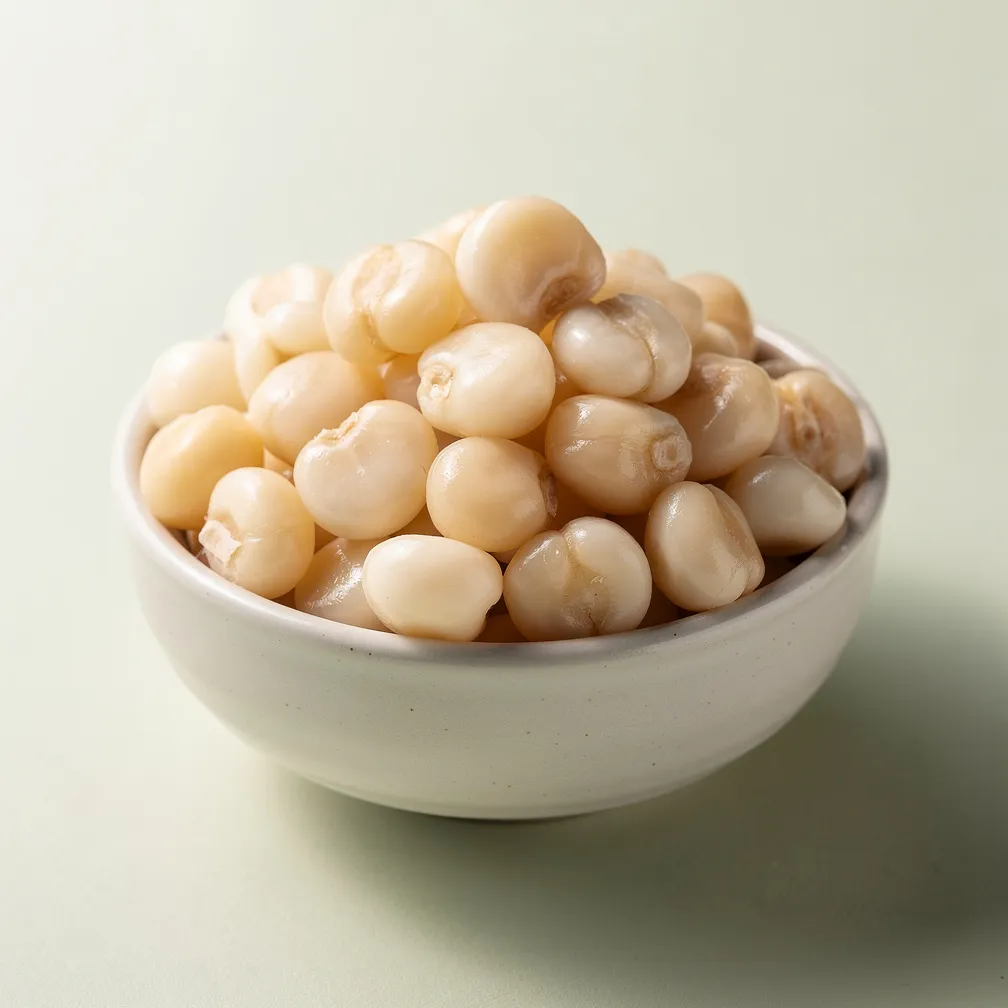
White canned hominy
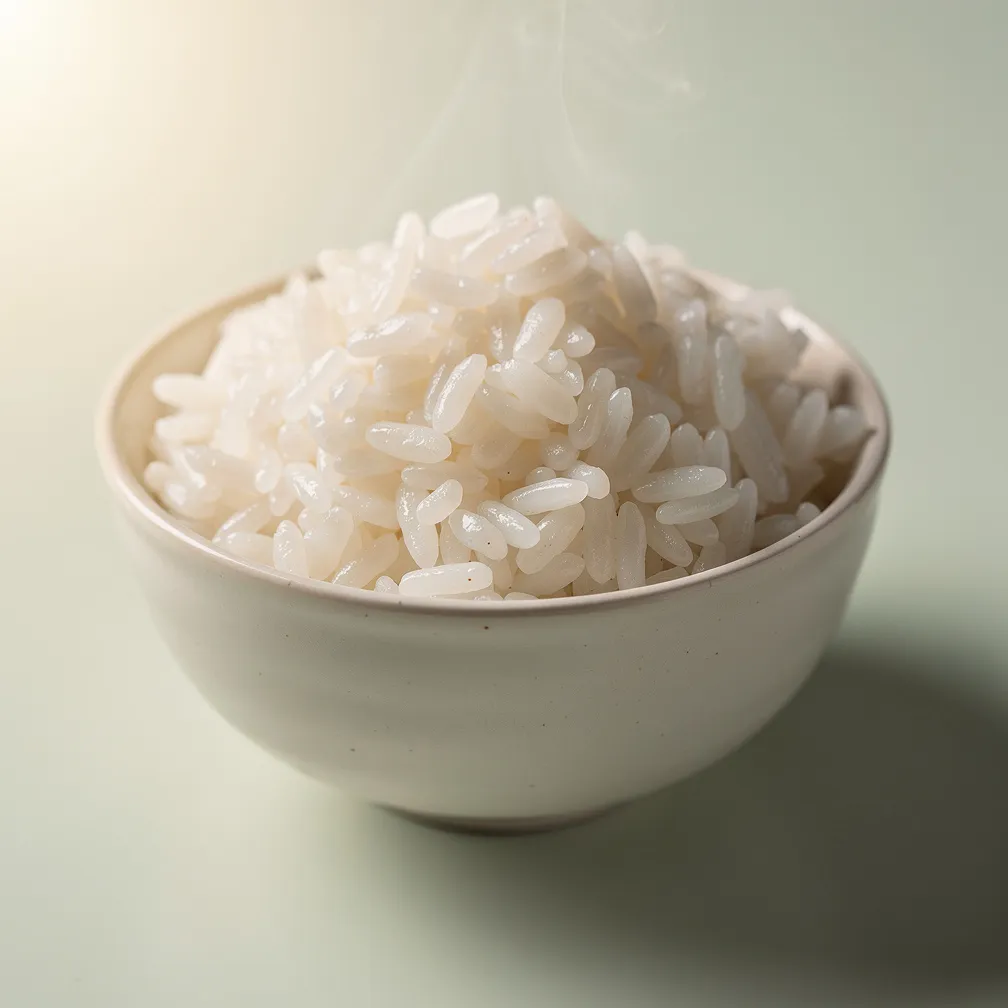
White glutinous rice
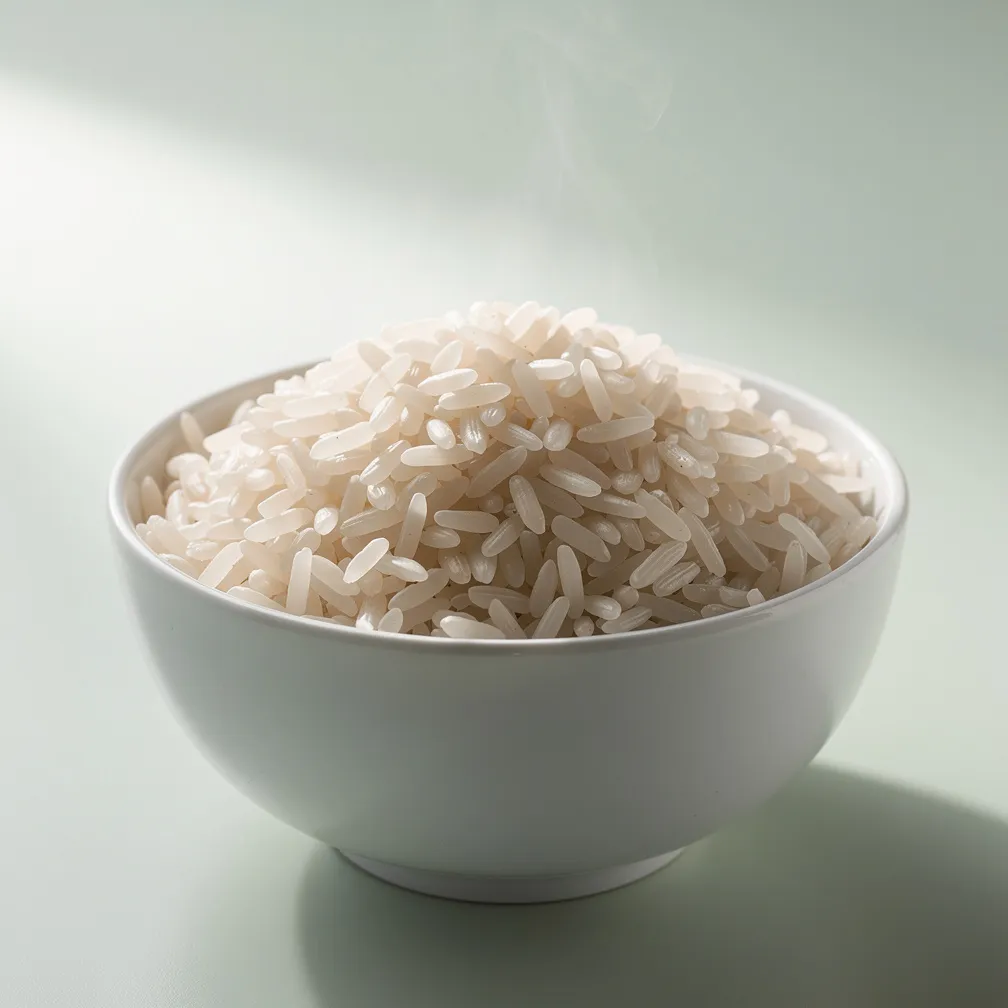
White long-grain rice
Get Vnutri
Log meals, track daily totals, save favorites. Free on iOS and Android.