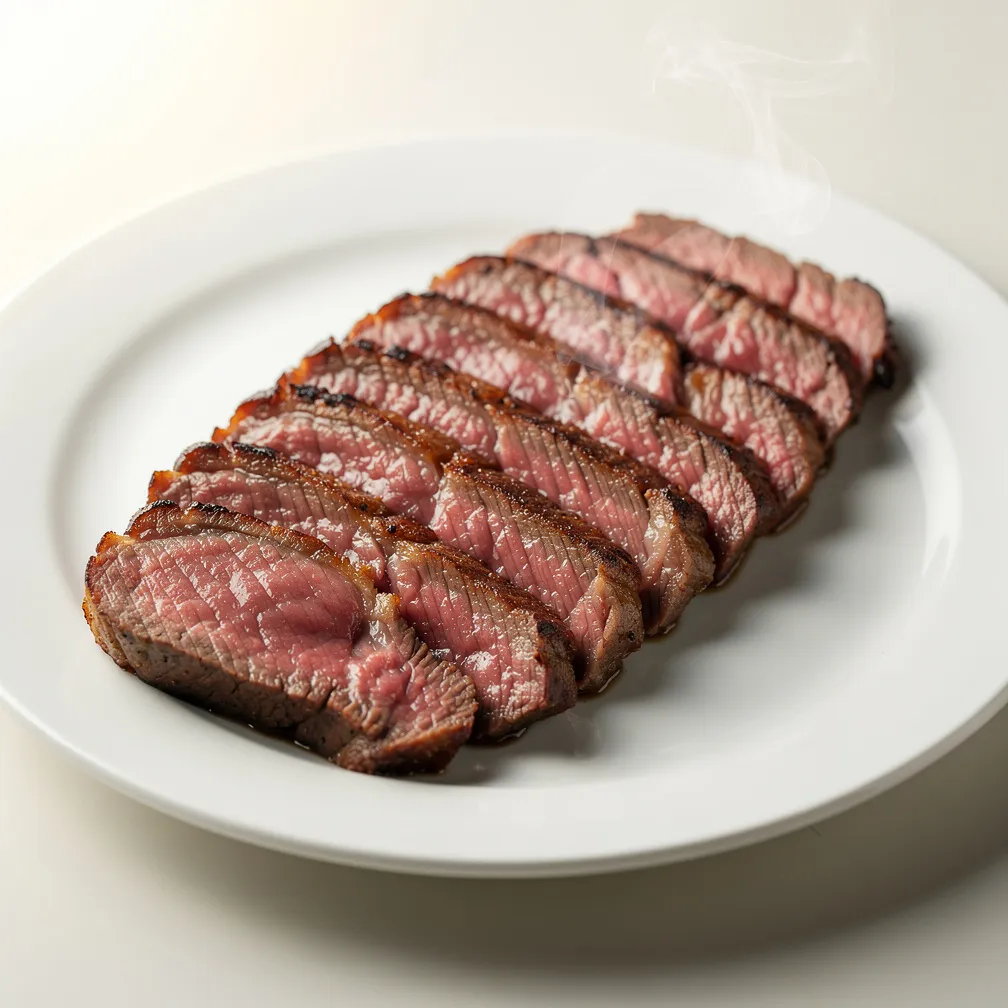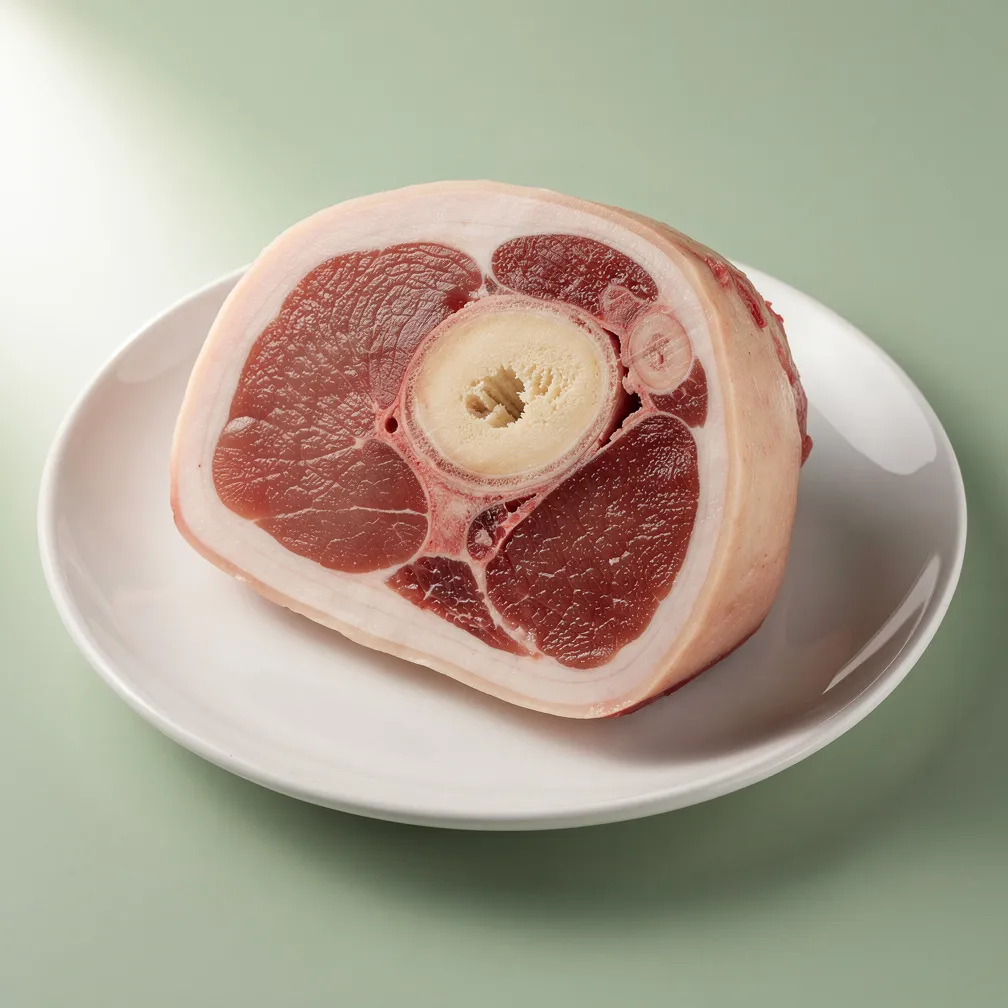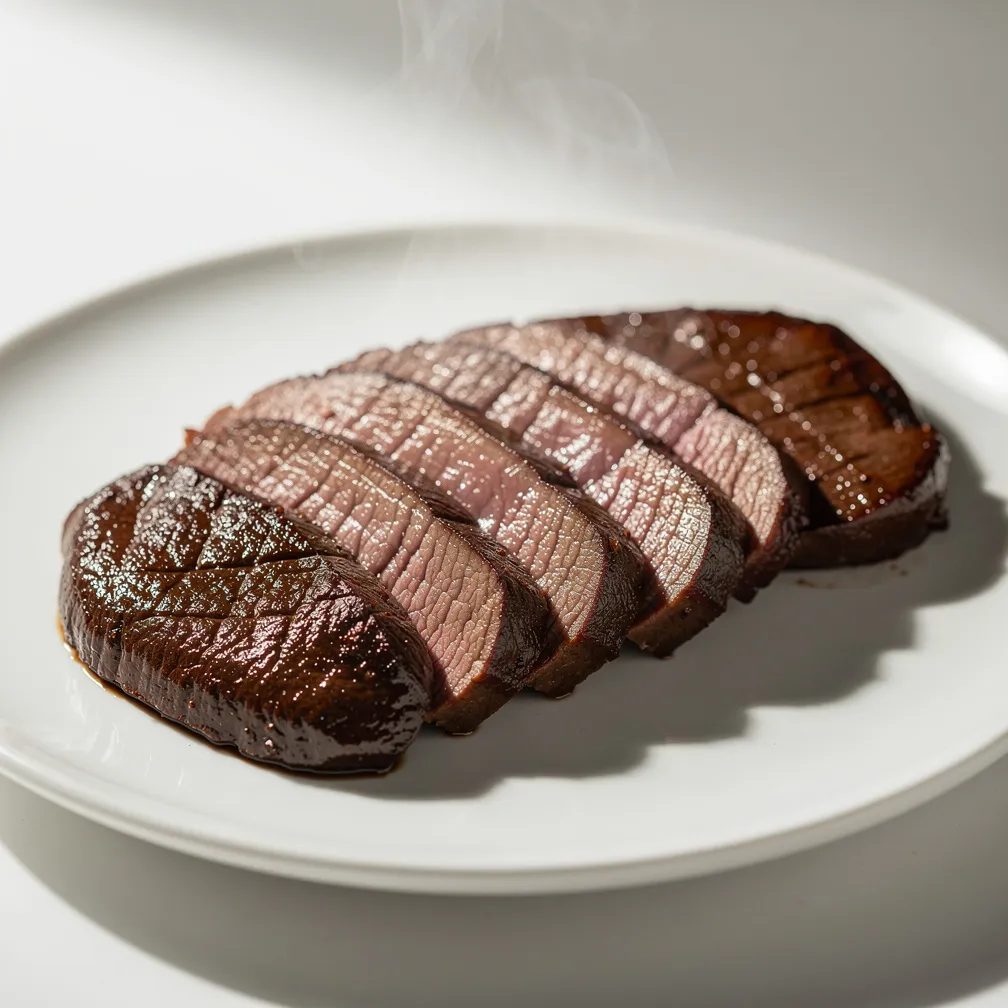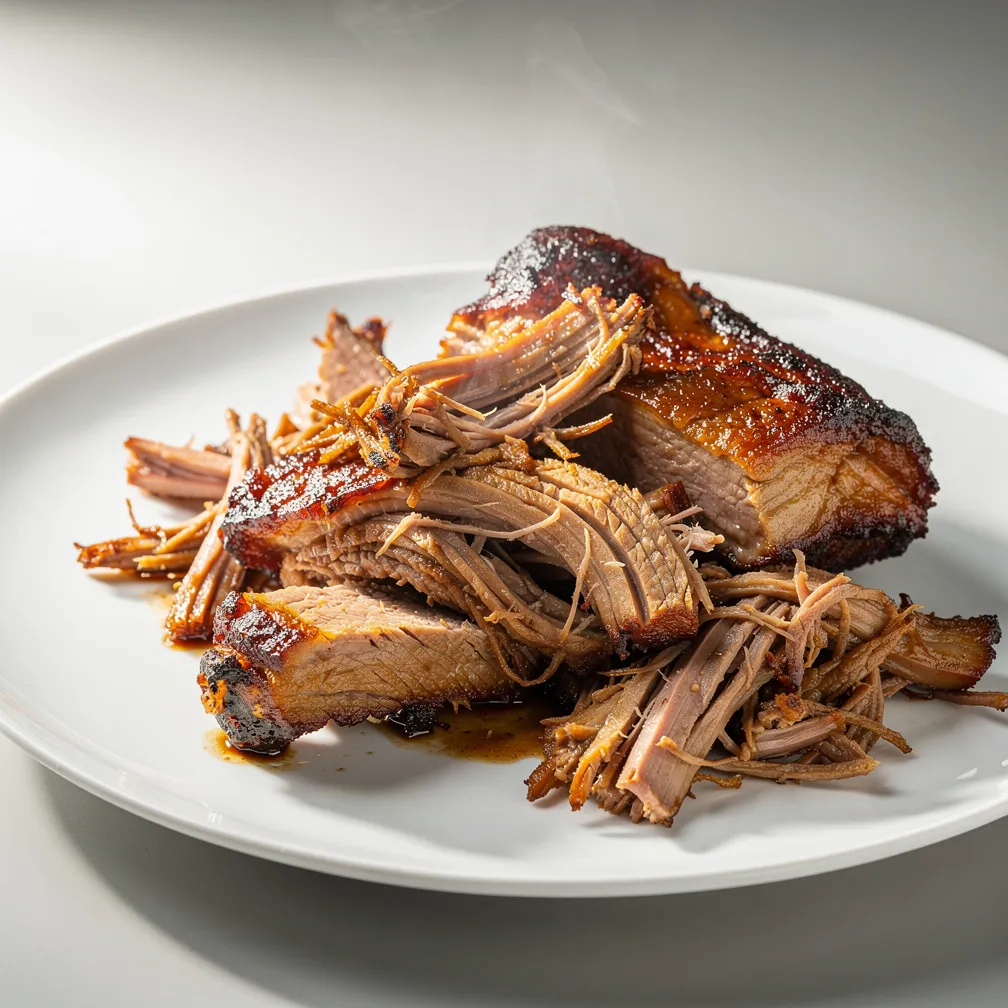
Pork shoulder
Pork shoulder, cooked
Categories
| Macros | per 100 g |
|---|---|
| Calories | 202 kcal |
| Protein | 30.8 g |
| Fat | 8.8 g |
| Carbs | 0.0 g |
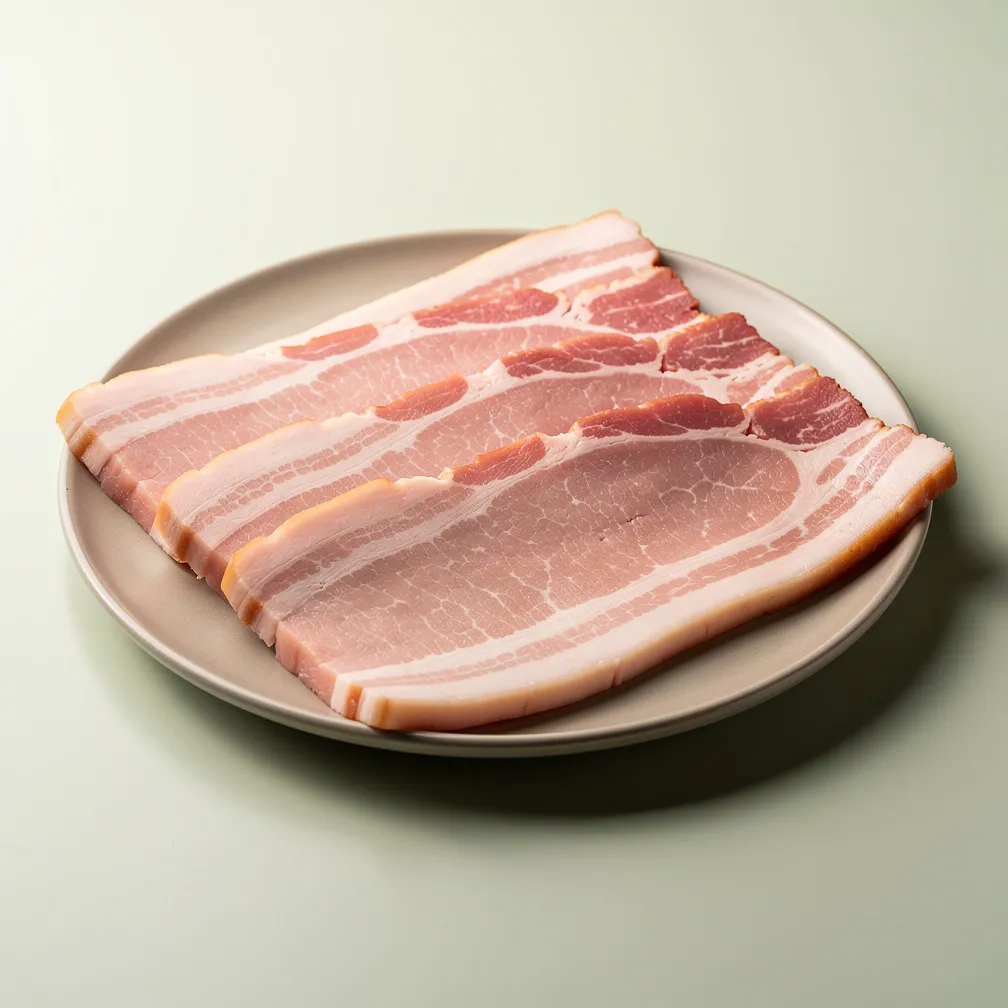
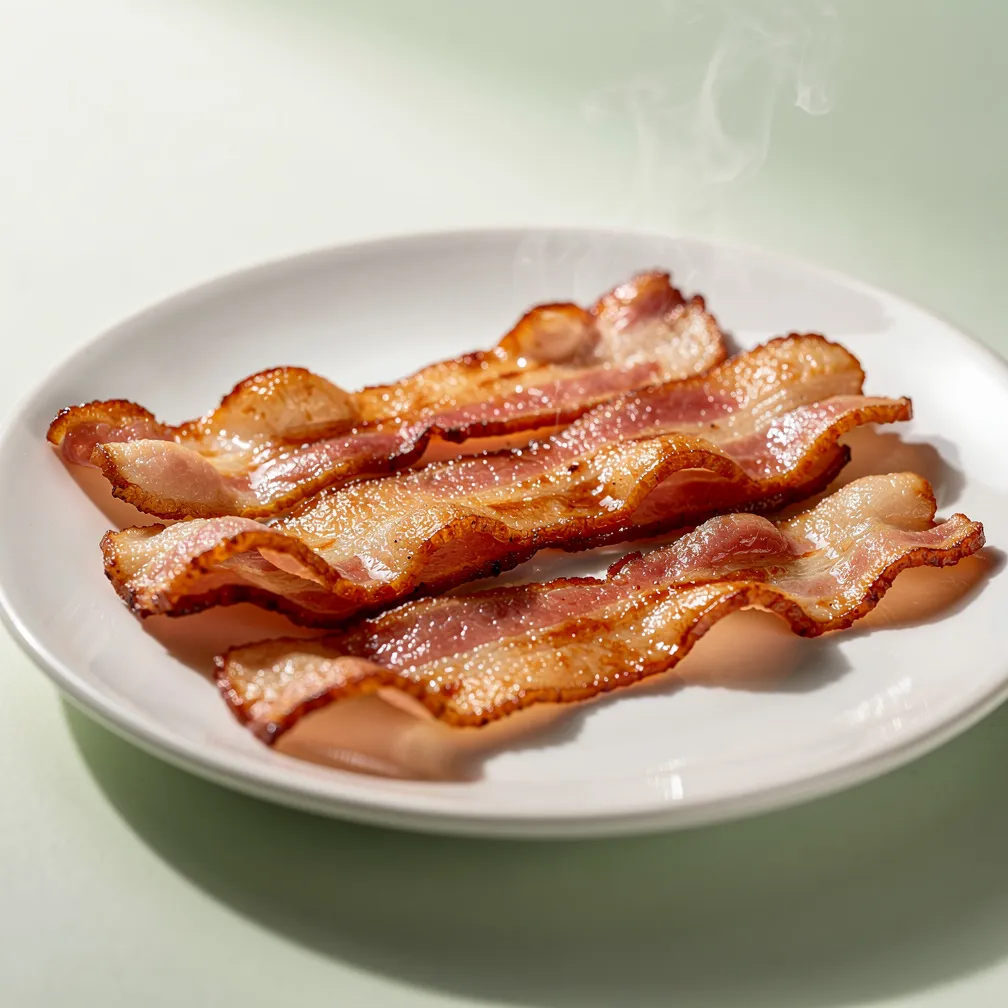
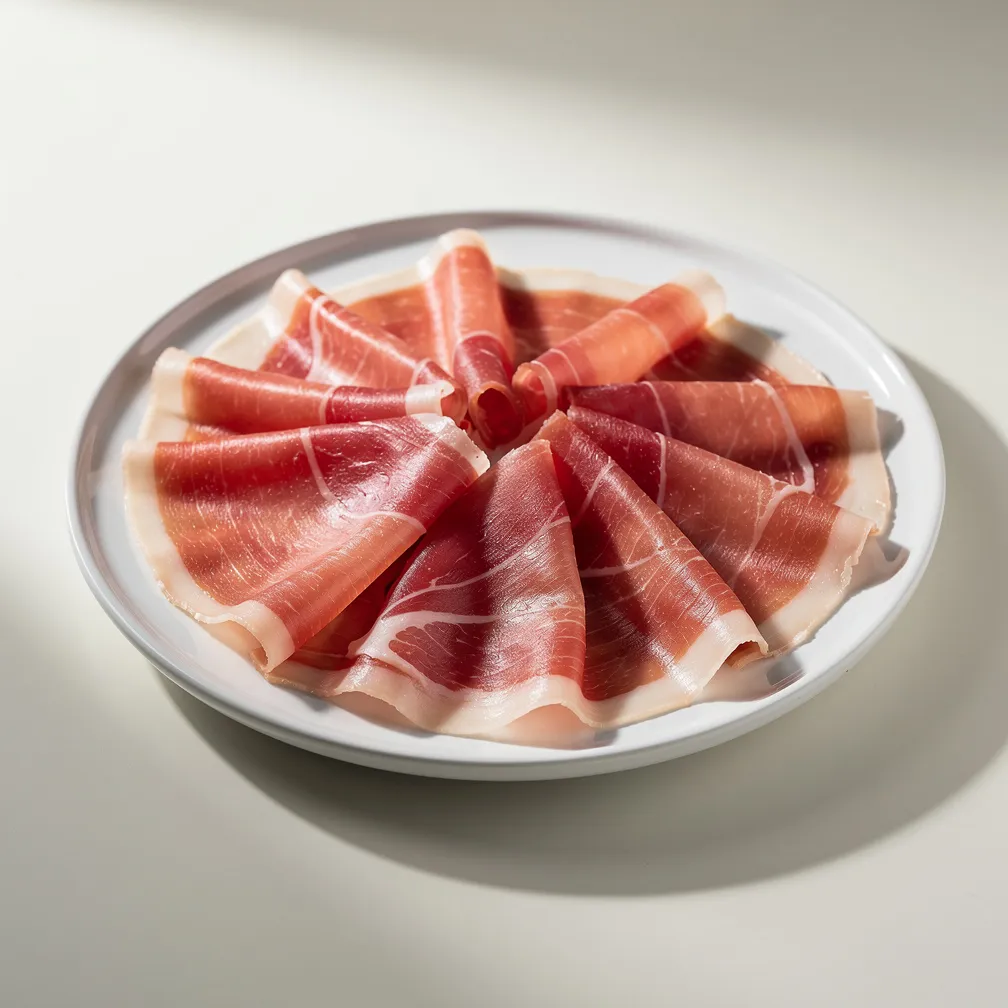
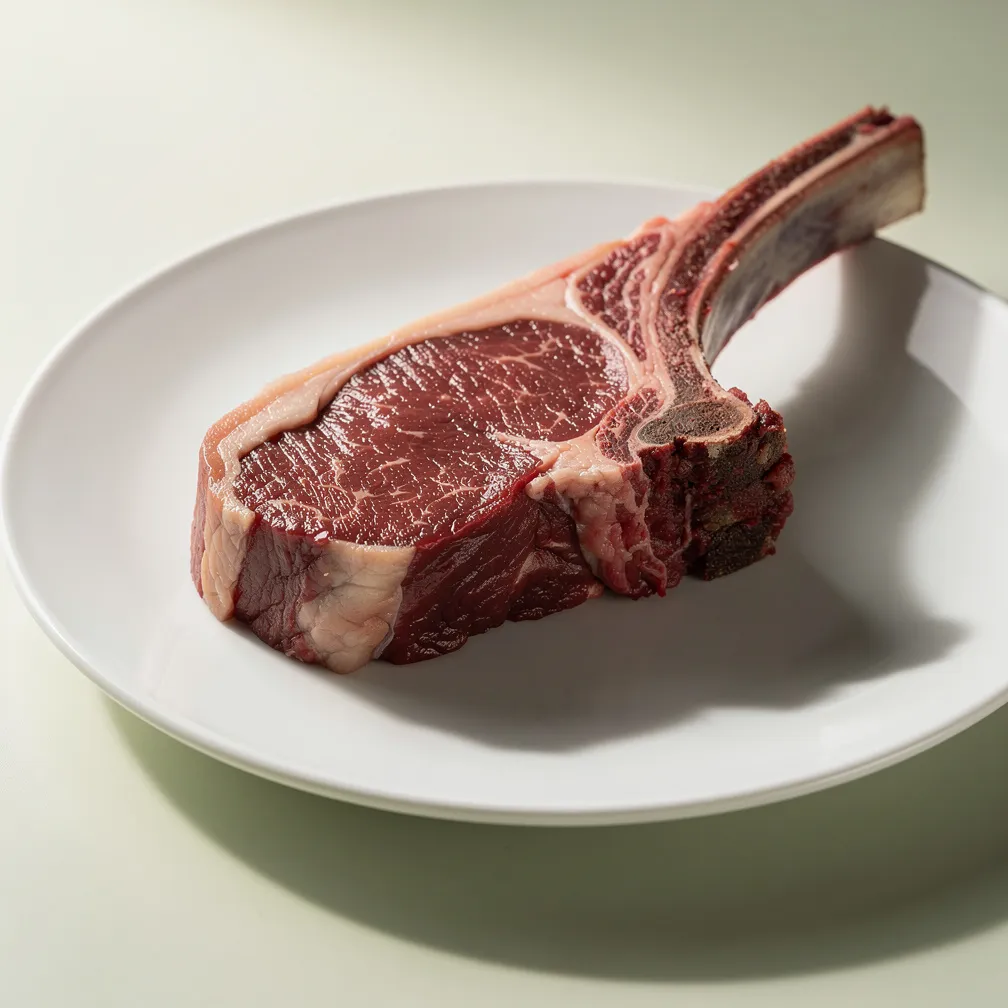
Pork shoulder is a well-worked cut from the upper foreleg of the pig, typically slow-roasted, braised, or smoked to break down its connective tissue into tender, flavourful meat. It appears in dishes ranging from pulled pork sandwiches to slow-cooked stews and is a staple across many cuisines worldwide. Per 100 g cooked, it delivers 202 kcal, 30.8 g of protein, 8.8 g of fat, and 0 g of carbohydrates, making it a high-protein, carb-free option. Notable micronutrients include 380 mg of potassium, 240 mg of phosphorus, and 3.7 mg of niacin per 100 g. No glycemic index applies given the absence of carbohydrates. Compatible with gluten-free, dairy-free, keto, paleo, and low-FODMAP dietary patterns.
How many calories in cooked pork shoulder?
Cooked pork shoulder contains 202 kcal per 100 g. A typical 150 g serving would provide around 303 kcal, mostly from its protein and fat content.
How much protein is in cooked pork shoulder?
Cooked pork shoulder provides 30.8 g of protein per 100 g, making it one of the higher-protein cuts of pork. A 150 g serving delivers roughly 46 g of protein.
Is pork shoulder keto-friendly?
Yes, cooked pork shoulder is well-suited to a keto diet — it contains 0 g of carbohydrates per 100 g, with all its calories coming from protein (30.8 g) and fat (8.8 g). It is listed as keto-compatible in its dietary profile.
Diets
Get Vnutri
Log meals, track daily totals, save favorites. Free on iOS and Android.
Macros · per 100 g
| Macros | Amount |
|---|---|
| Calories | 202 kcal |
| Protein | 30.8 g |
| Fat | 8.8 g |
| Carbs | 0 g |
| Sugars | 0 g |
| Starch | 0 g |
| Minerals | Amount |
|---|---|
| Calcium | 7.0 mg |
| Iron | 1.3 mg |
| Magnesium | 26.0 mg |
| Phosphorus | 240 mg |
| Potassium | 380 mg |
| Sodium | 78.0 mg |
| Zinc | 4.3 mg |
| Copper | 0.12 mg |
| Manganese | 0.020 mg |
| Selenium | 18.0 mcg |
| Vitamins | Amount |
|---|---|
| Vitamin C | 0 mg |
| Vitamin D | 0.70 mcg |
| Vitamin E | 0.16 mg |
| Thiamin (B1) | 0.99 mg |
| Riboflavin (B2) | 0.34 mg |
| Niacin (B3) | 3.7 mg |
| Pantothenic acid (B5) | 2.0 mg |
| Vitamin B6 | 0.40 mg |
| Folate (B9) | 1.0 mcg |
| Vitamin B12 | 0.50 mcg |