Fruits
72
The fruits category in our catalog covers fresh, frozen, and dried options ranging from everyday apples, bananas, and citrus to berries, stone fruits, tropical picks like mango and pineapple, and melons. Macronutrient-wise, fruits are carbohydrate-dominant, mostly from natural sugars (fructose, glucose, sucrose) and fiber, with very little protein and negligible fat outside of avocado, olives, and coconut. They are notable sources of vitamin C, potassium, folate, vitamin A precursors (beta-carotene), and polyphenols. Most fruits fit Mediterranean, vegan, vegetarian, gluten-free, and paleo patterns; many are restricted on strict keto and certain low-FODMAP phases. Glycemic index varies widely, from low (berries, cherries, apples) to high (watermelon, ripe banana, dates).
Which fruits are lowest in sugar?
Berries lead the list: raspberries and blackberries contain roughly 4–5 g of sugar per 100 g, and strawberries about 5 g. Avocado is technically a fruit with under 1 g of sugar per 100 g, and lemons and limes come in around 2 g. These options also tend to have a lower glycemic index, especially when eaten whole with their fiber.
Are fruits allowed on a keto diet?
Most fruits exceed the typical 20–50 g daily carb limit quickly, so they are limited on strict keto. The usual exceptions are small portions of berries (raspberries, blackberries, strawberries) and avocado, which is high in monounsaturated fat and very low in net carbs. Bananas, grapes, mangoes, and dried fruits like dates are generally avoided due to concentrated sugars.
What fruits are highest in vitamin C?
Guava tops the list at around 200 mg of vitamin C per 100 g, followed by blackcurrants (about 180 mg) and kiwi (around 90 mg). Citrus fruits like oranges and grapefruit provide 30–50 mg per 100 g, and strawberries deliver roughly 60 mg. A single kiwi or a cup of strawberries already covers the adult daily reference intake of 75–90 mg.
Is fresh fruit better than dried fruit?
Dried fruit concentrates both nutrients and sugars: 100 g of raisins contains about 60 g of sugar versus around 16 g in fresh grapes, with a correspondingly higher caloric density. Fresh fruit has more water, a lower glycemic load per serving, and intact vitamin C, which degrades during drying. Dried fruit still provides fiber, potassium, and iron, but portions are typically much smaller, around 30 g.
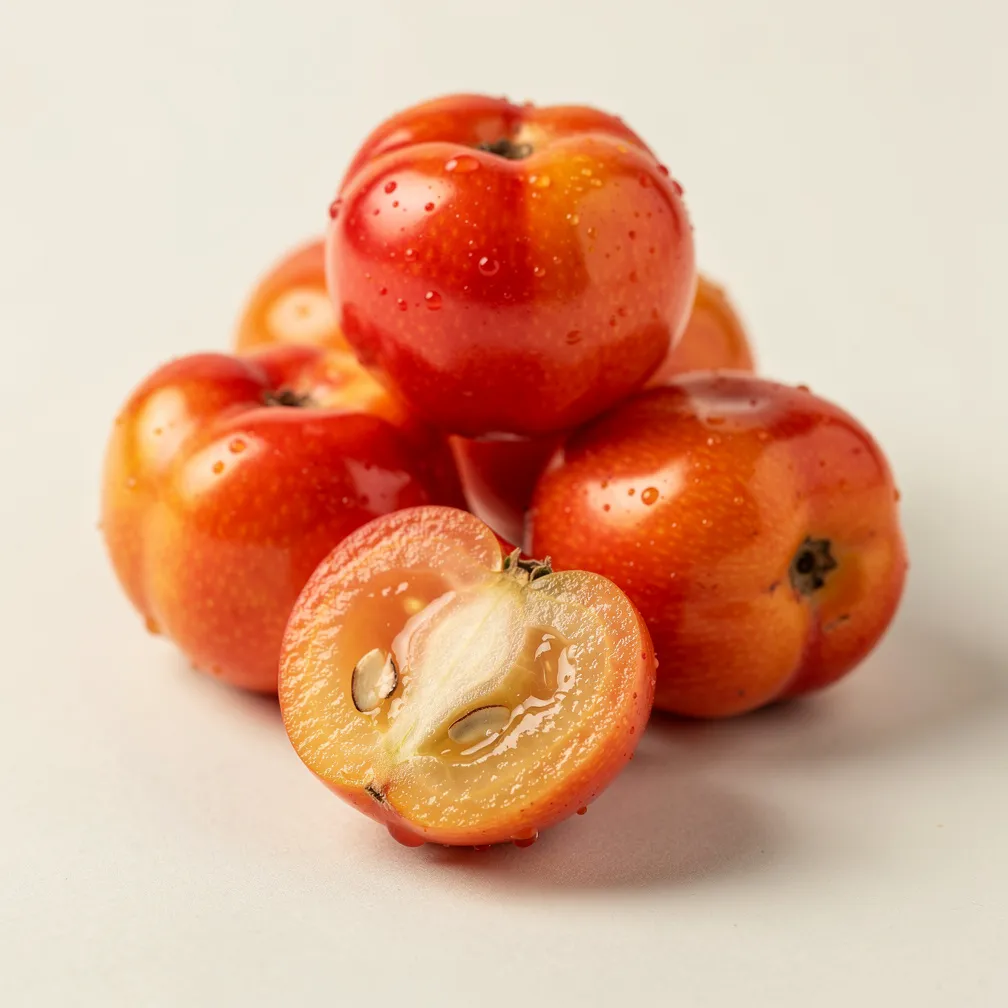
Acerola (west indian cherry)
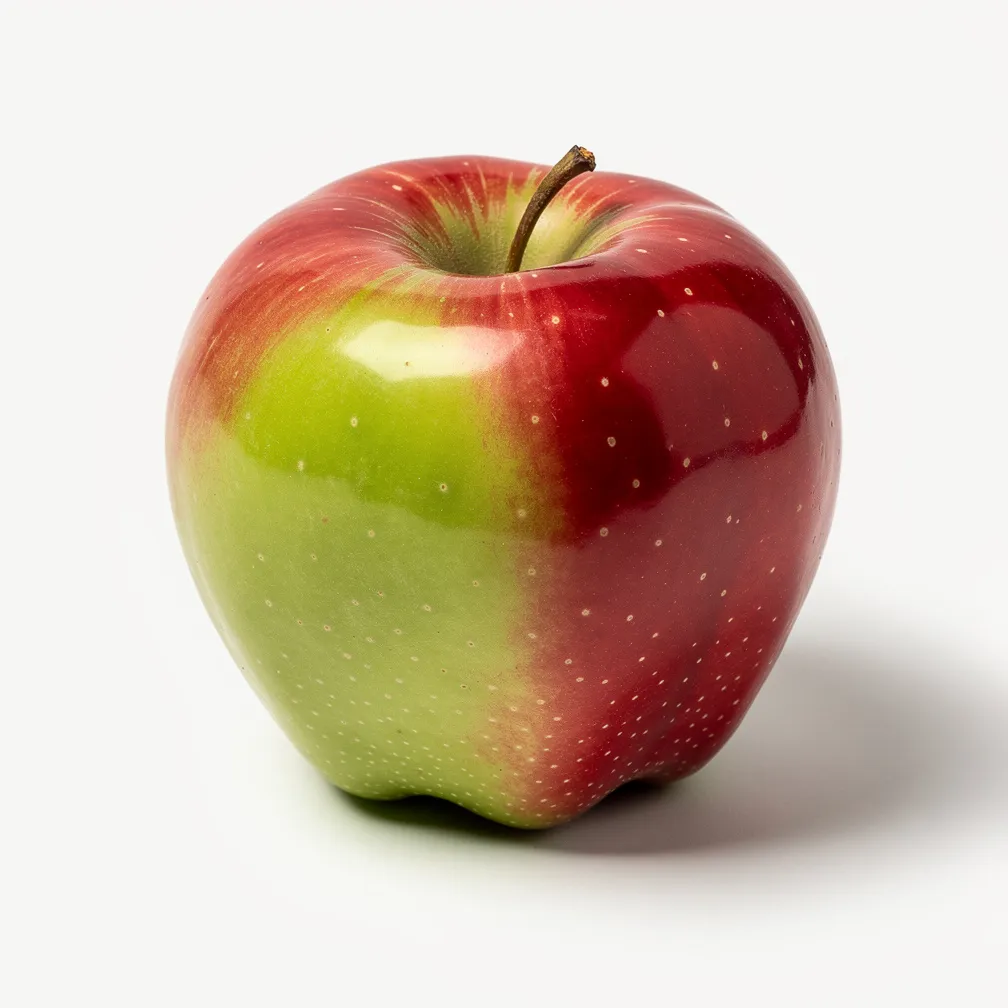
Apple
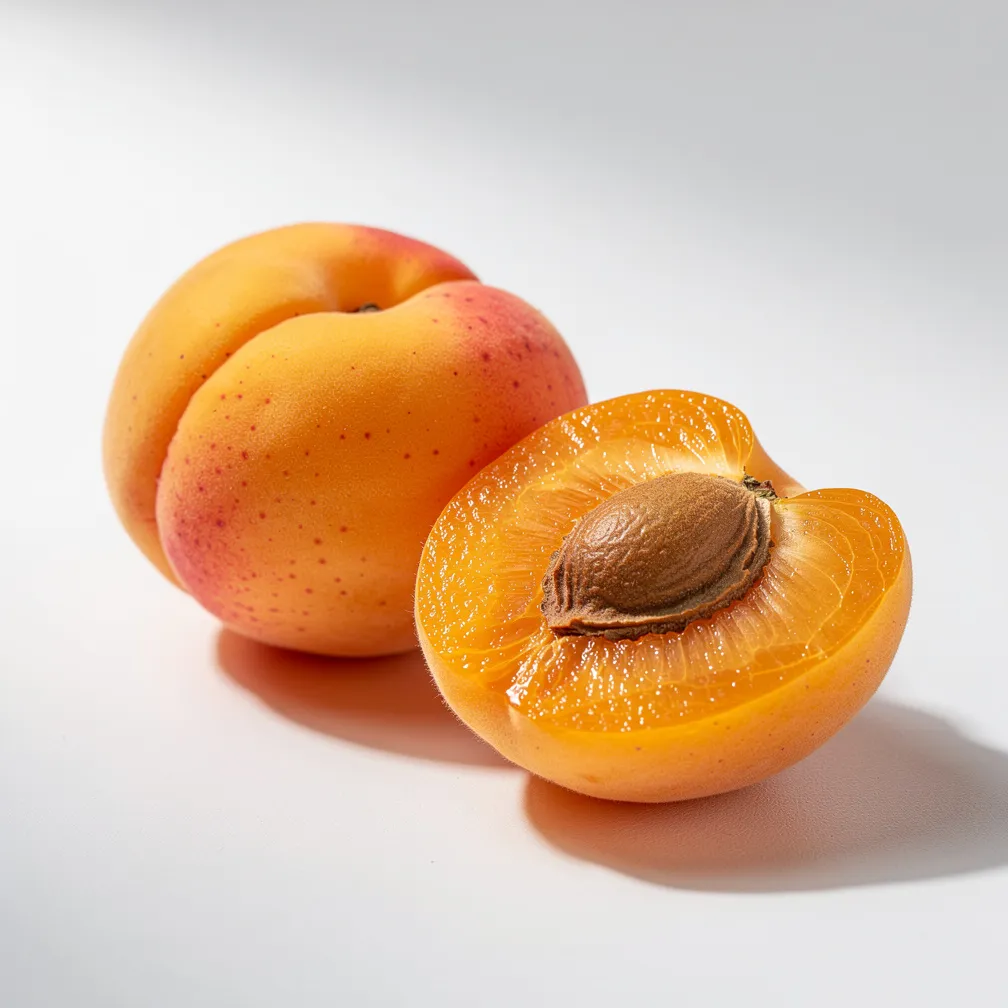
Apricot
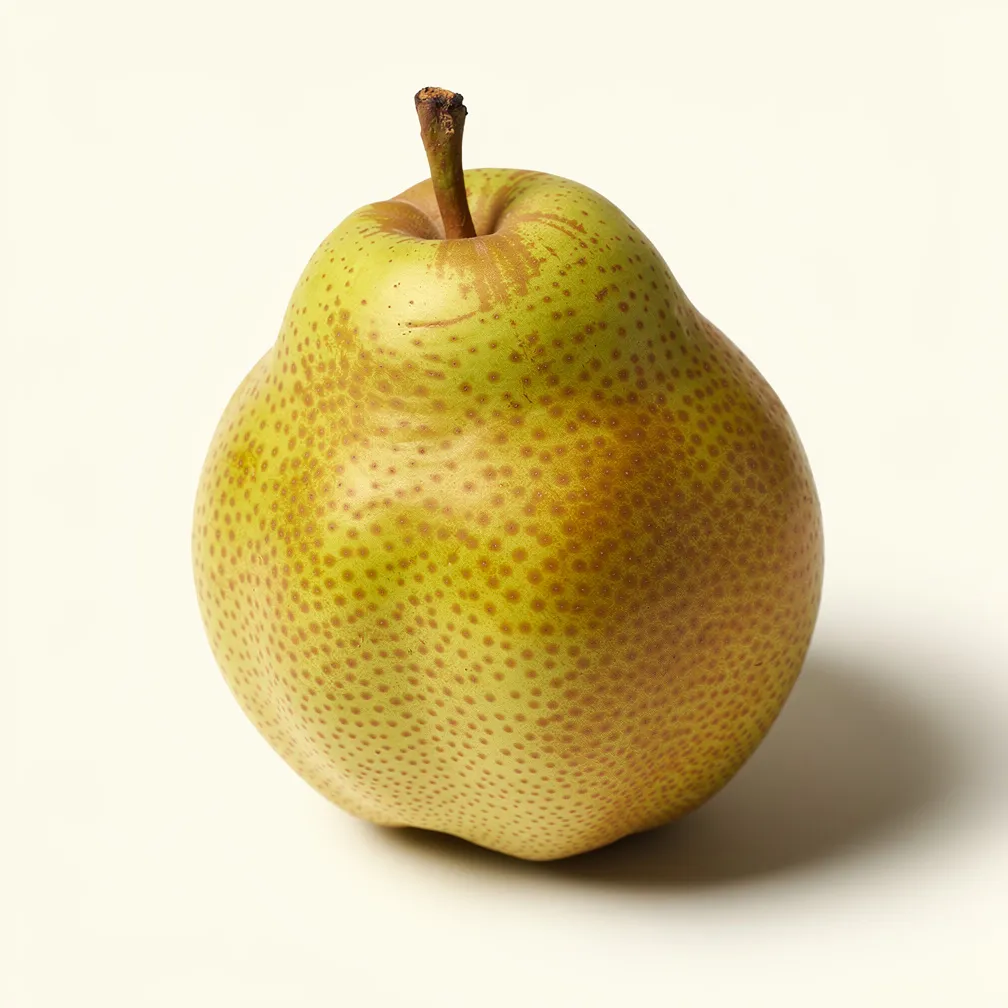
Asian pear
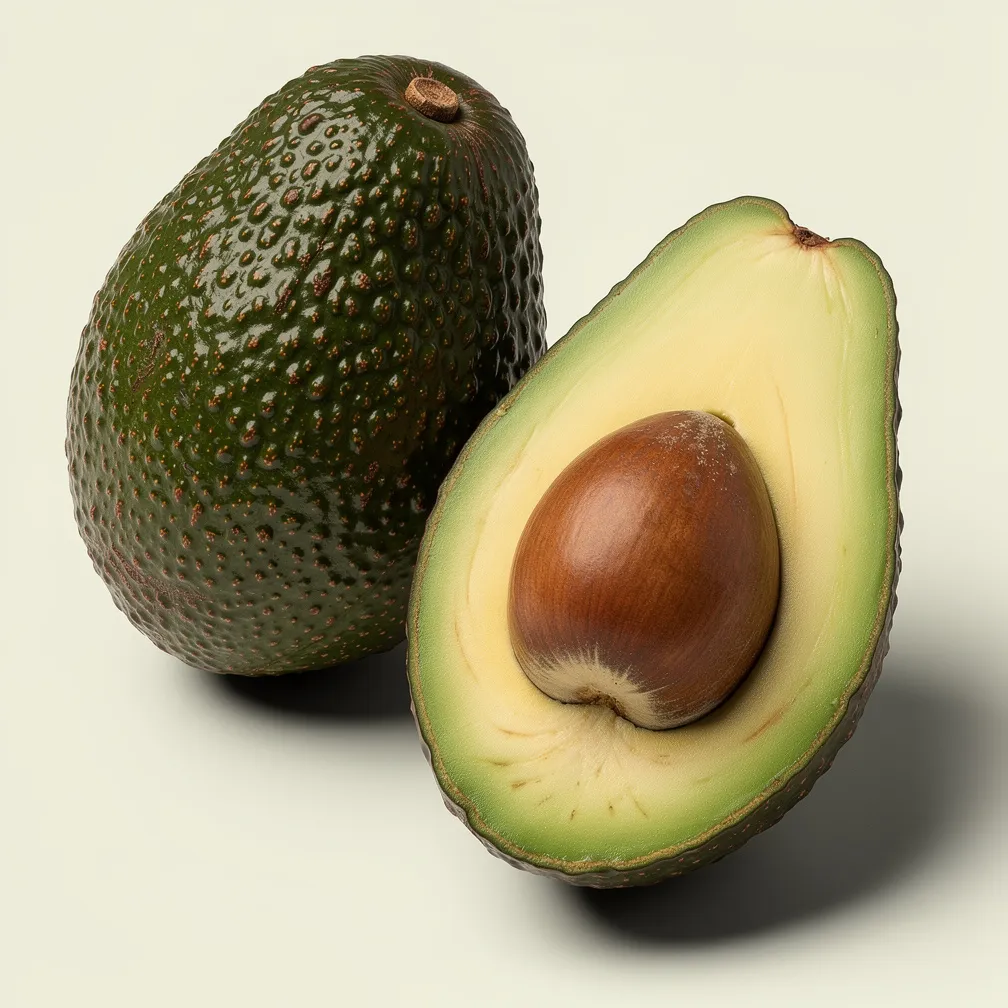
Avocado
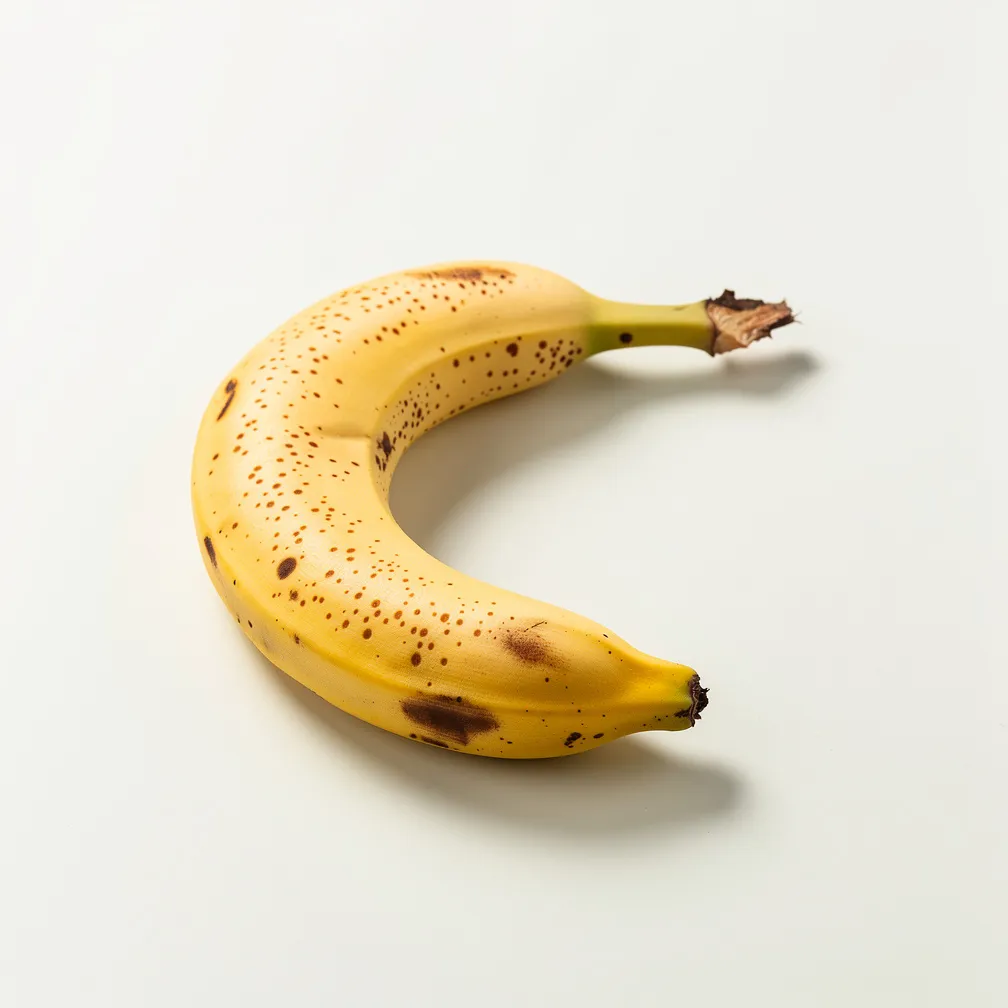
Banana
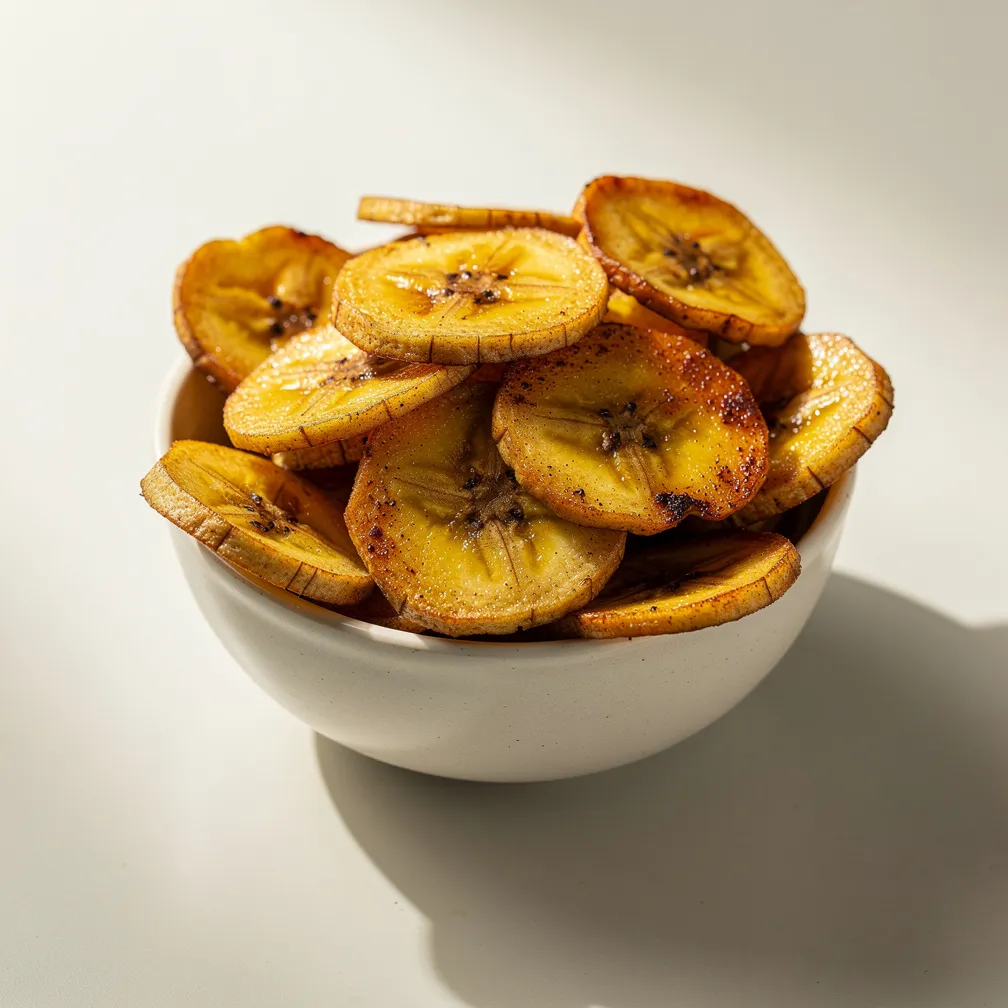
Banana chip
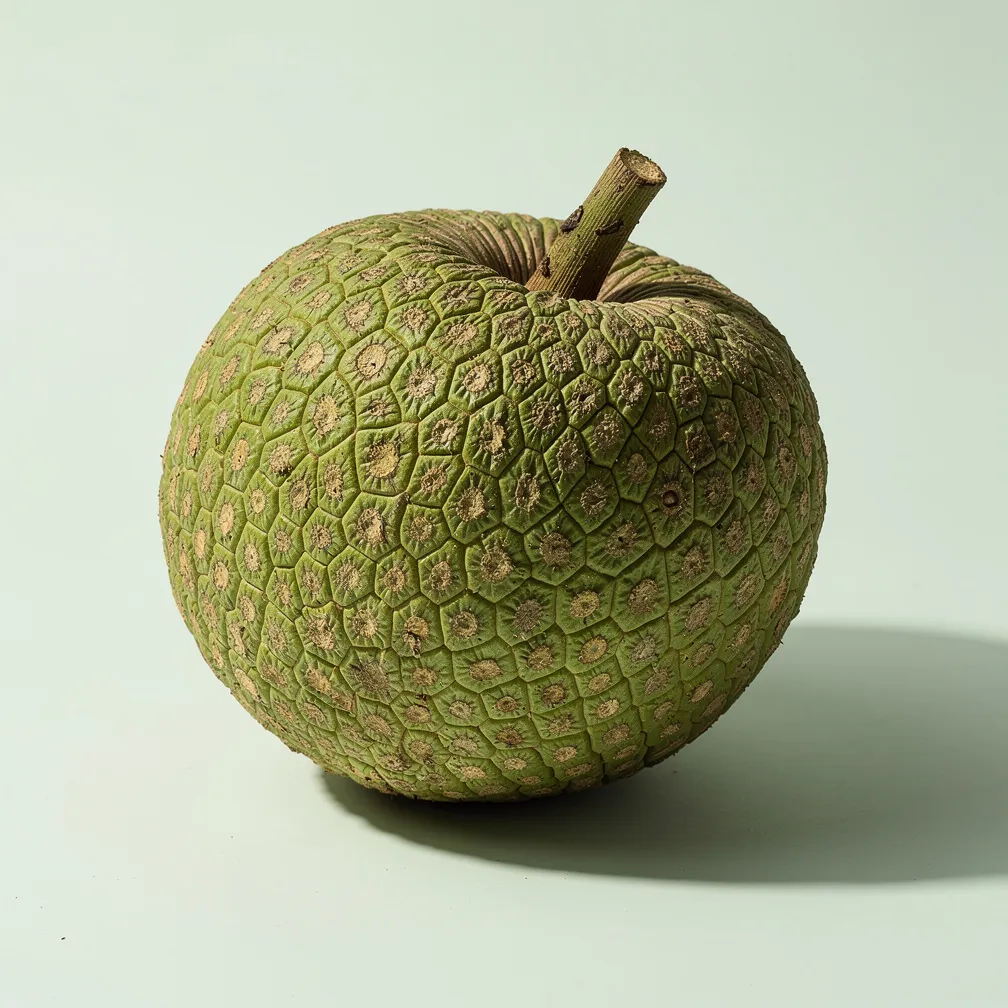
Breadfruit
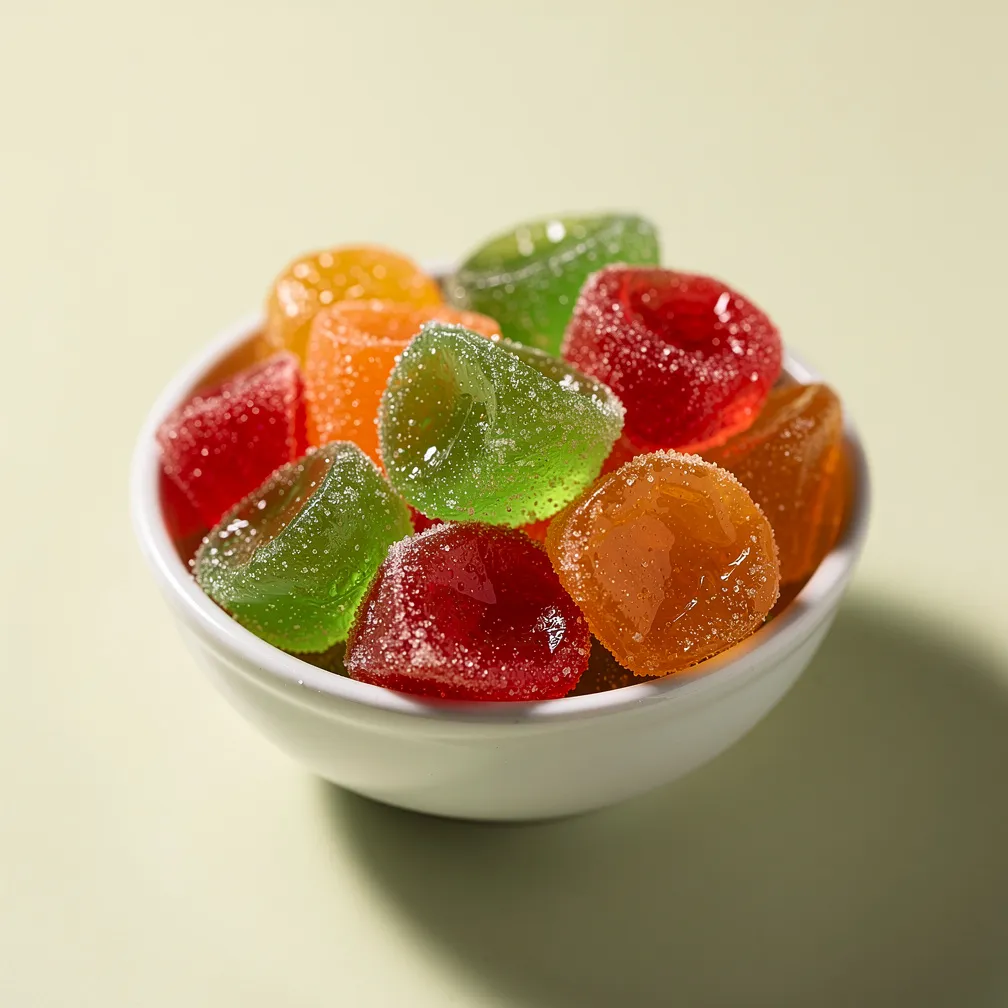
Candied fruit
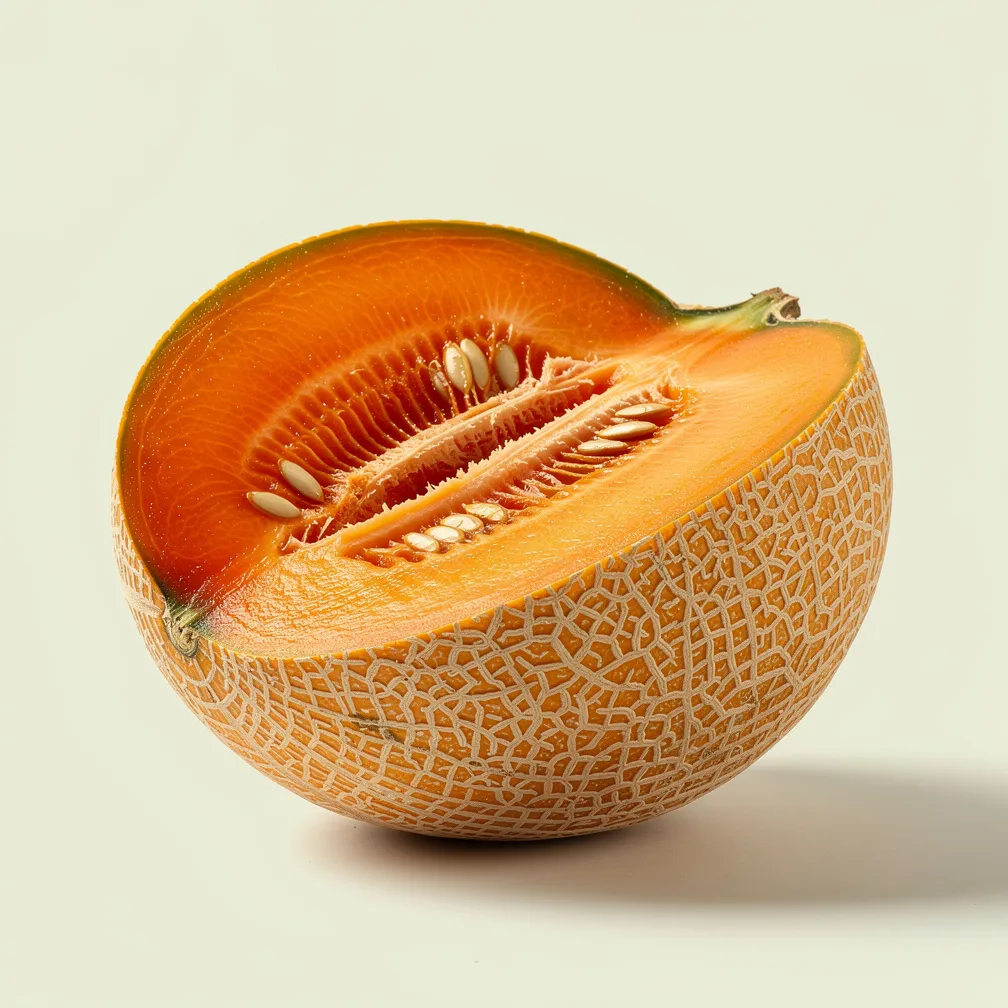
Cantaloupe melon
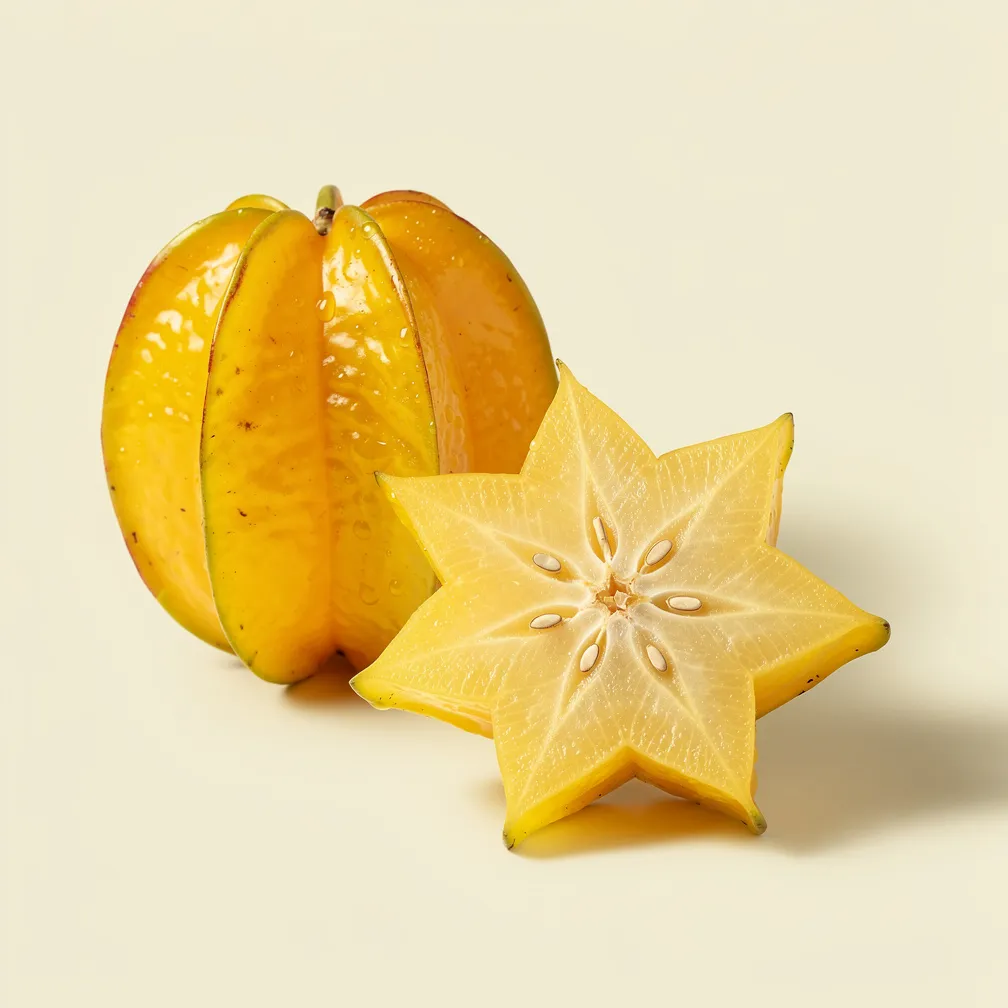
Carambola
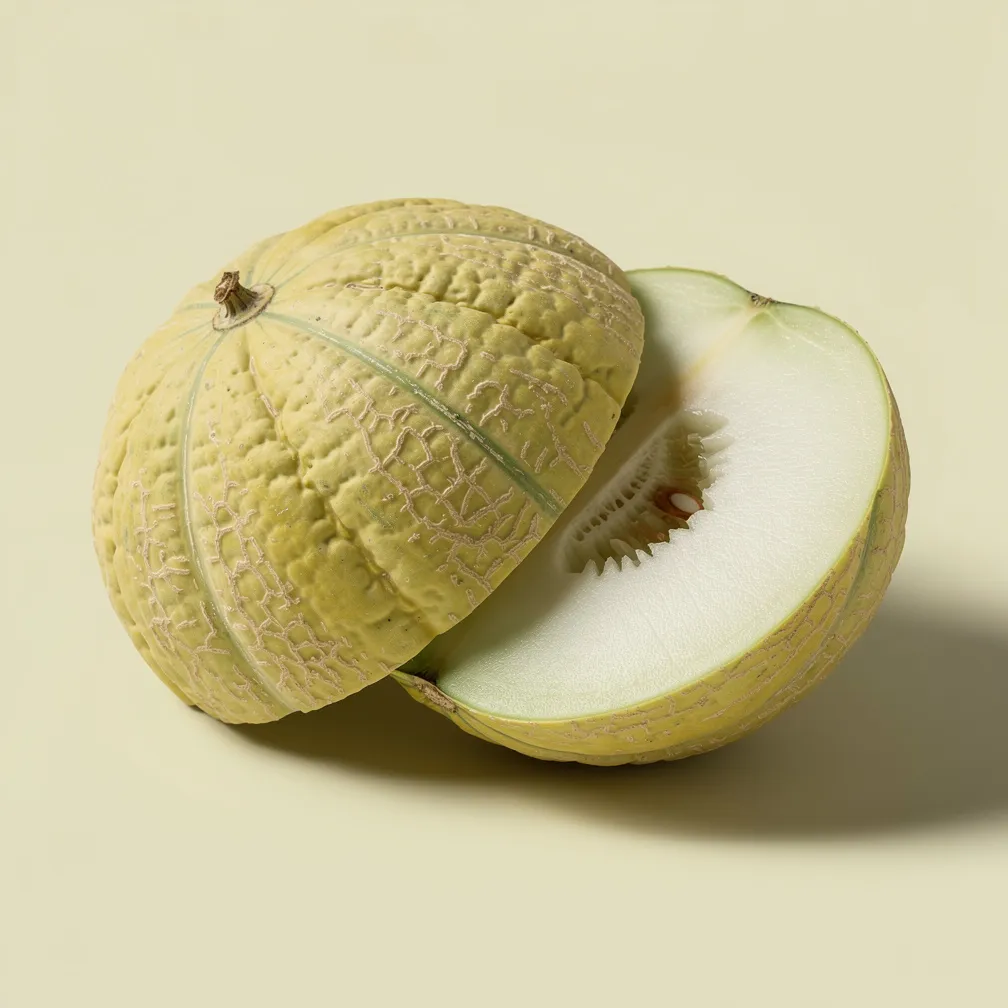
Casaba melon
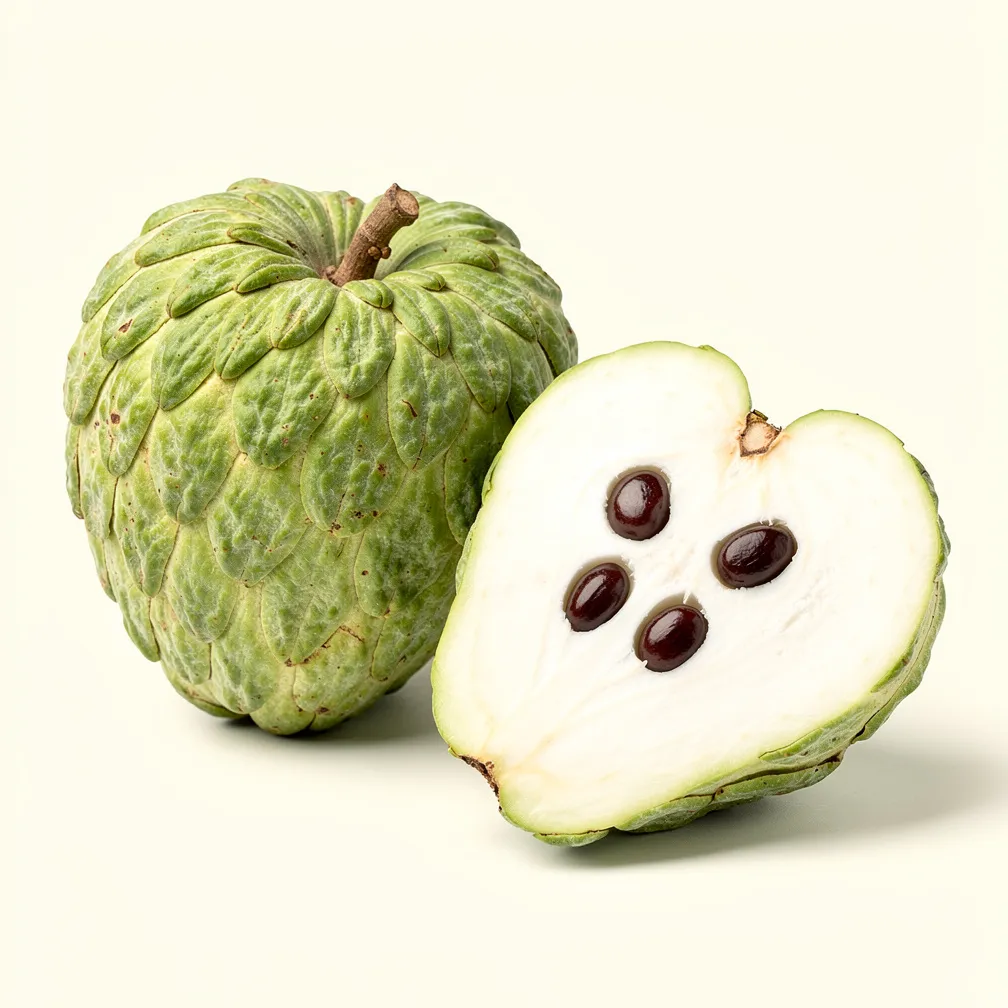
Cherimoya
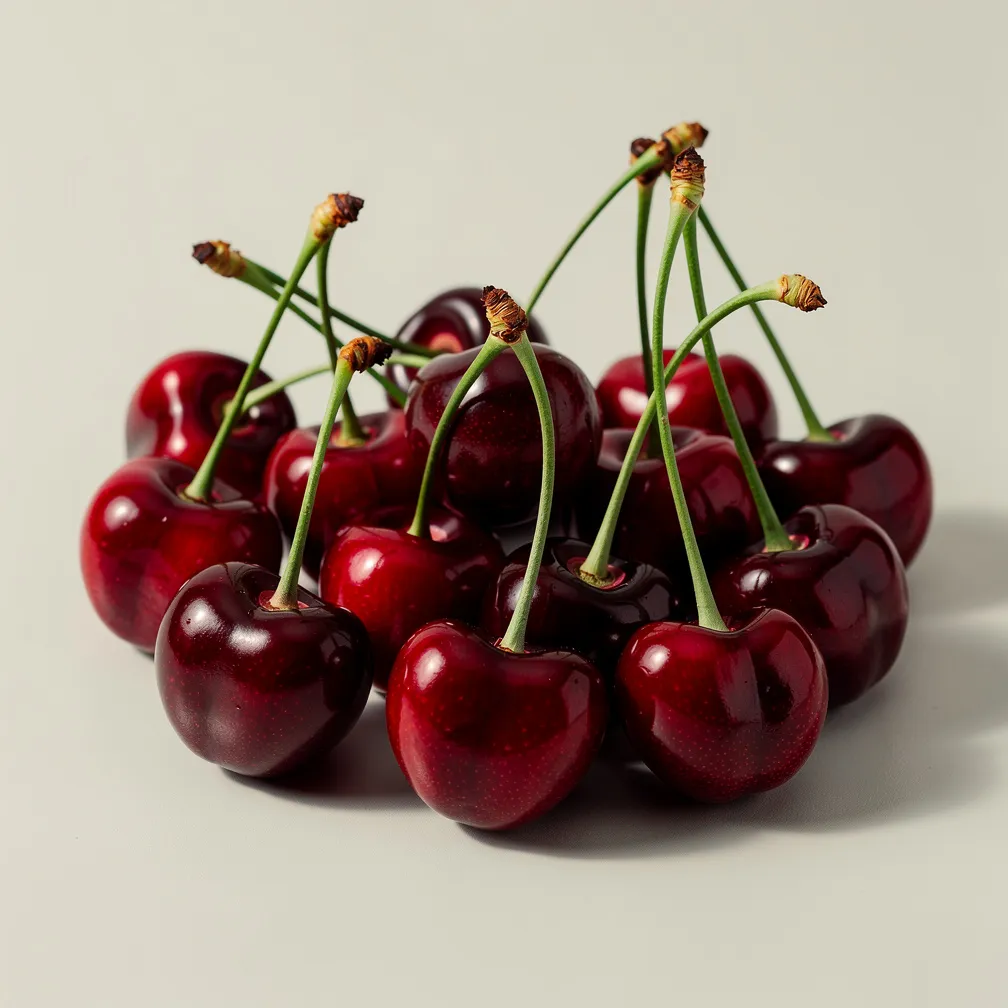
Cherry
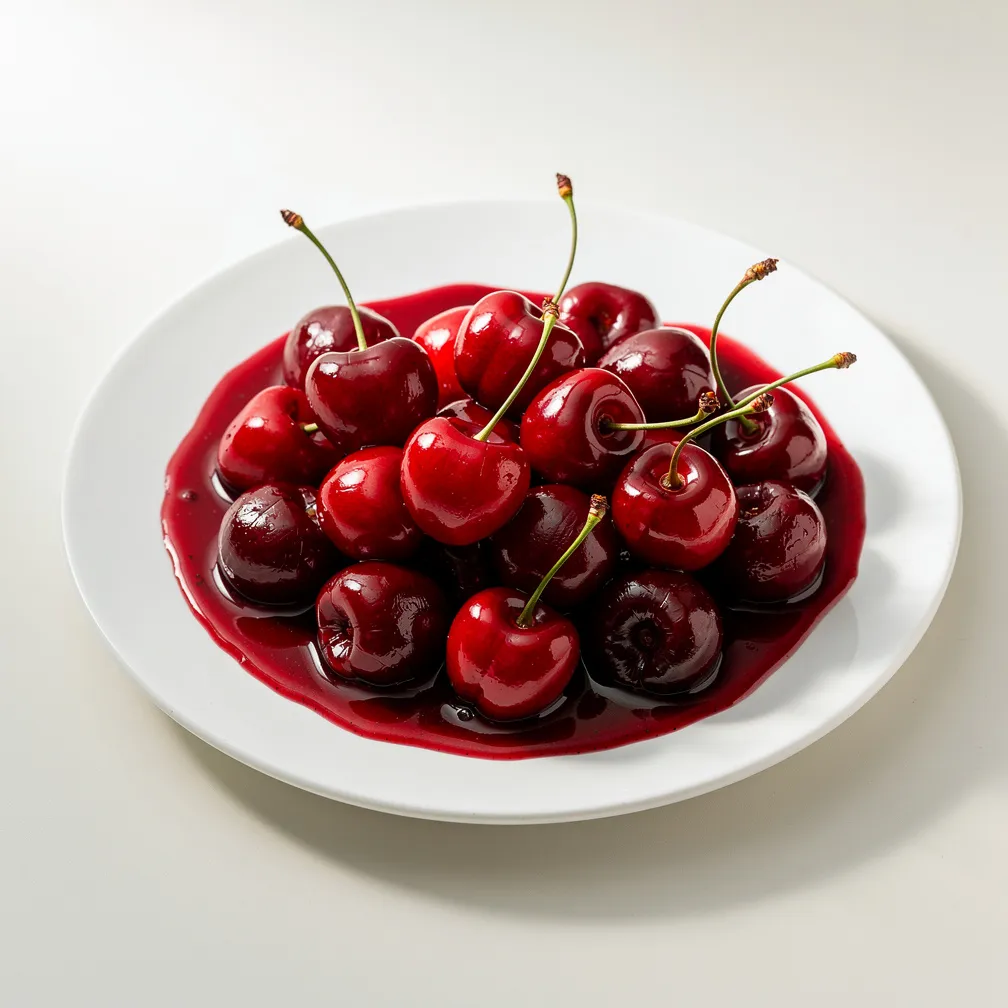
Cherry canned in sugar
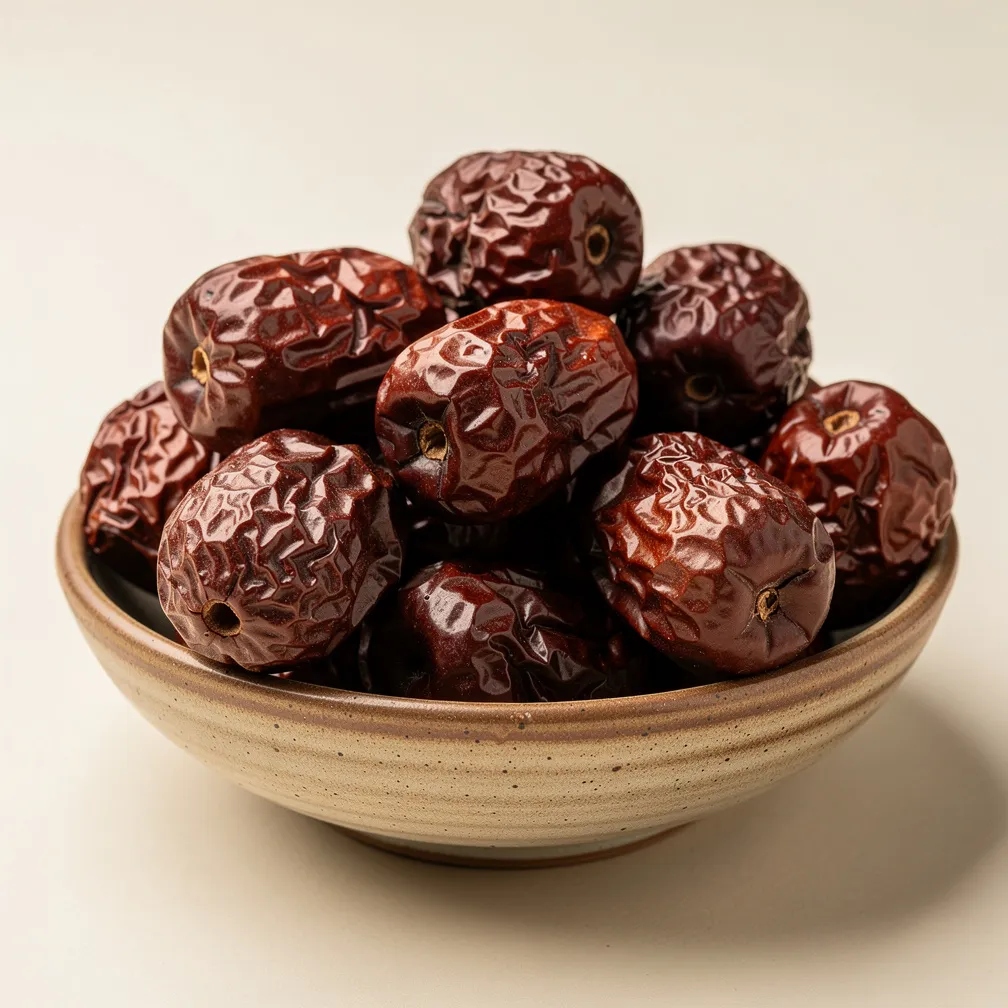
Chinese jujube
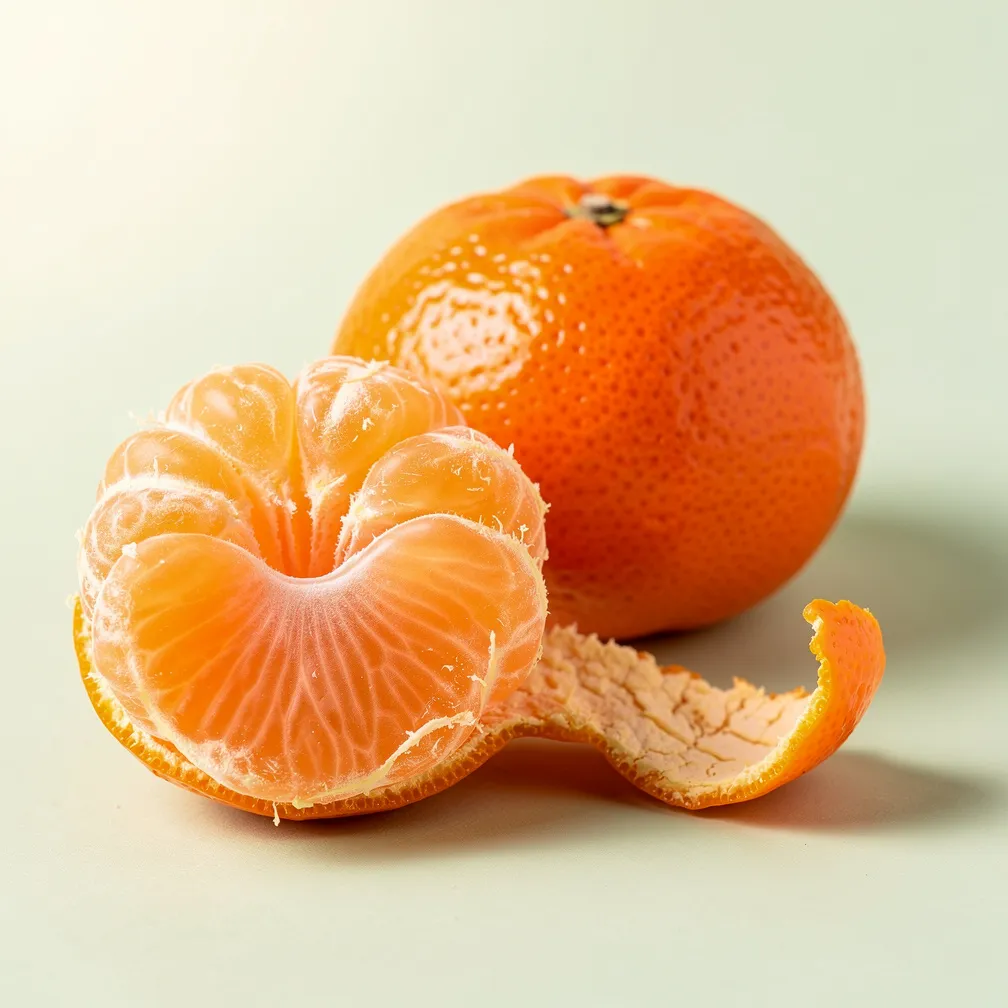
Clementine
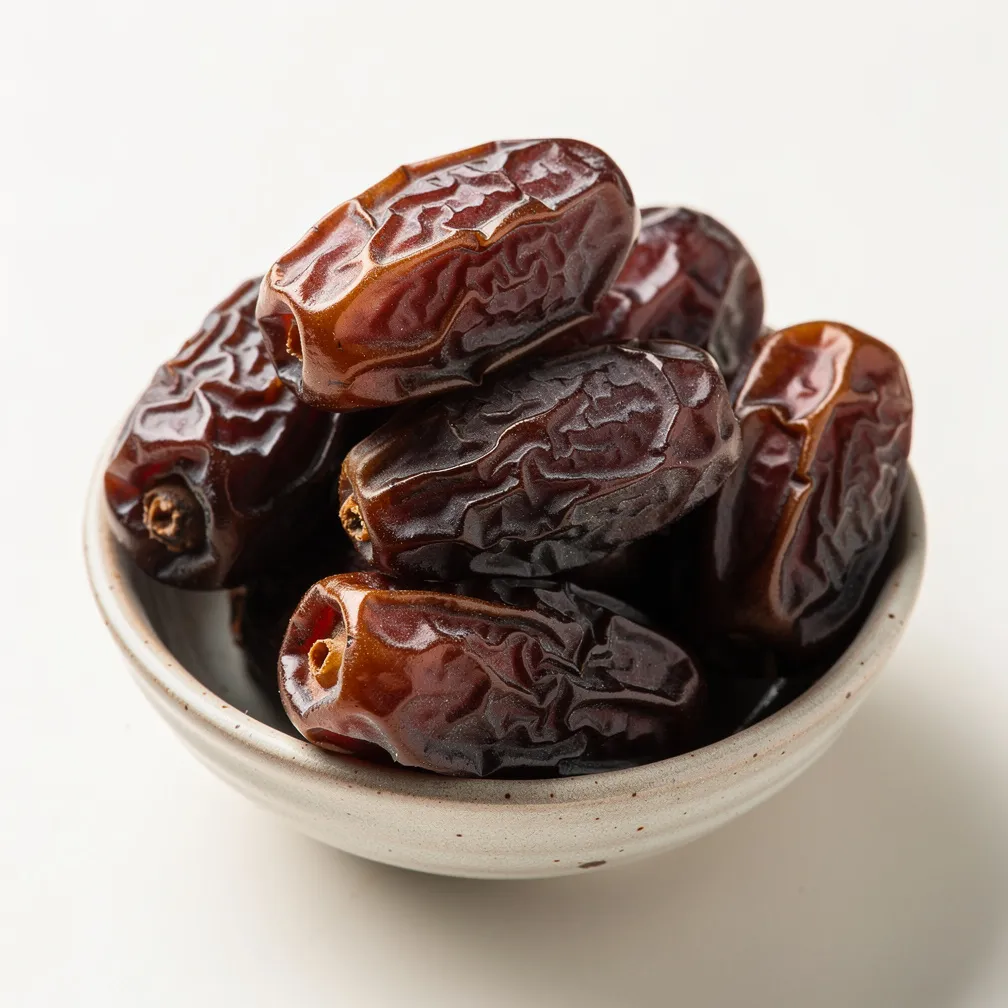
Date
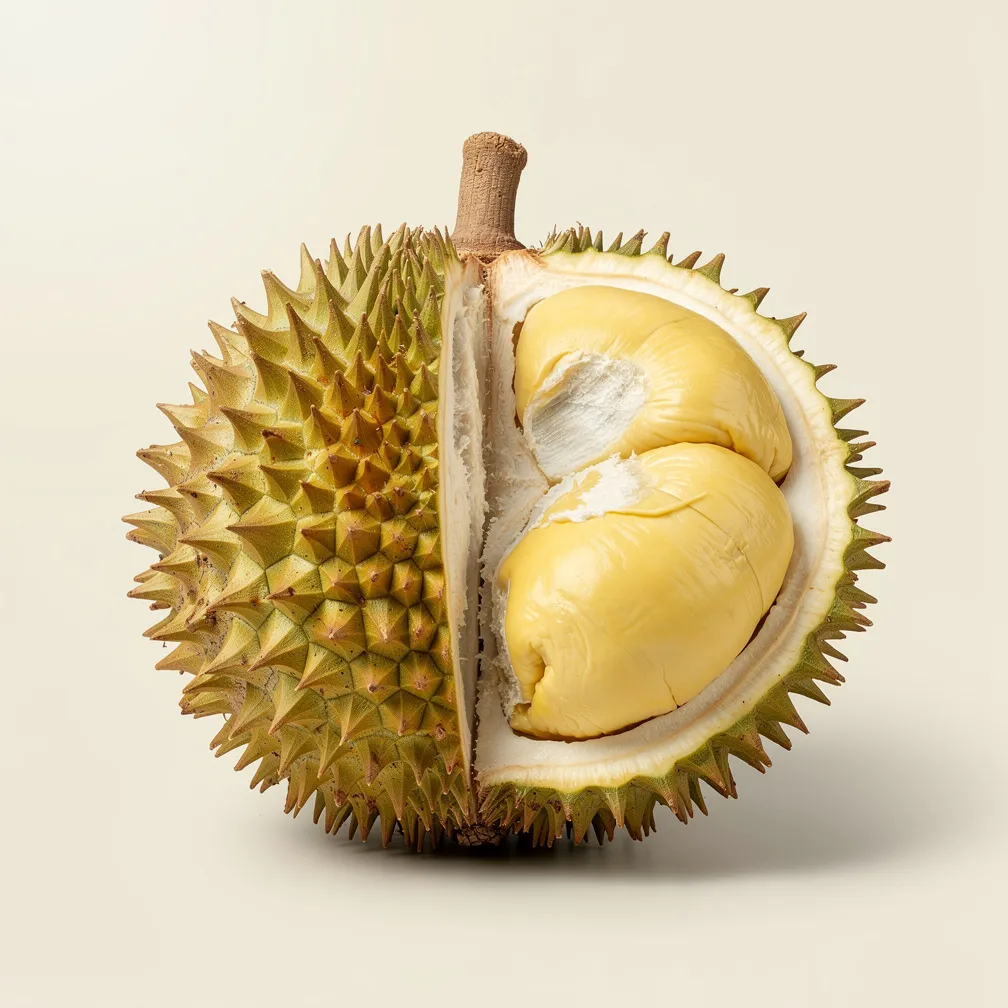
Durian
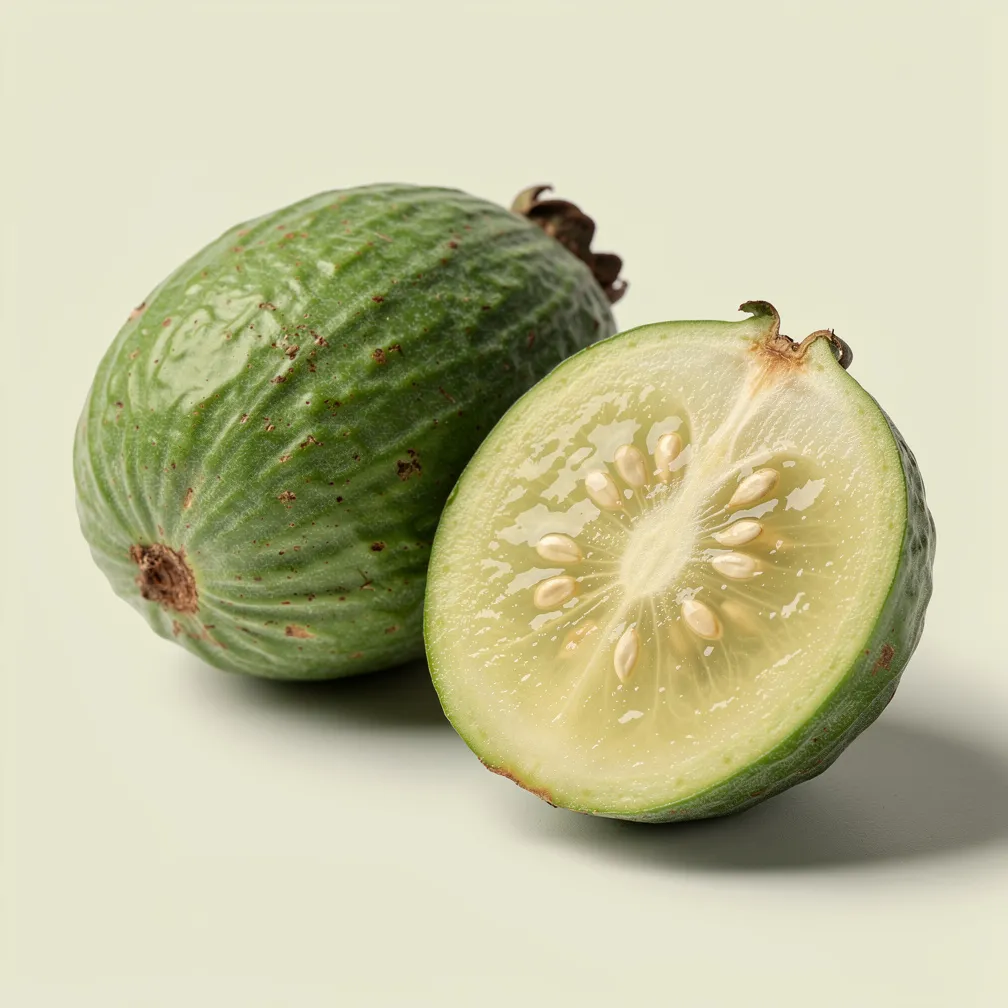
Feijoa
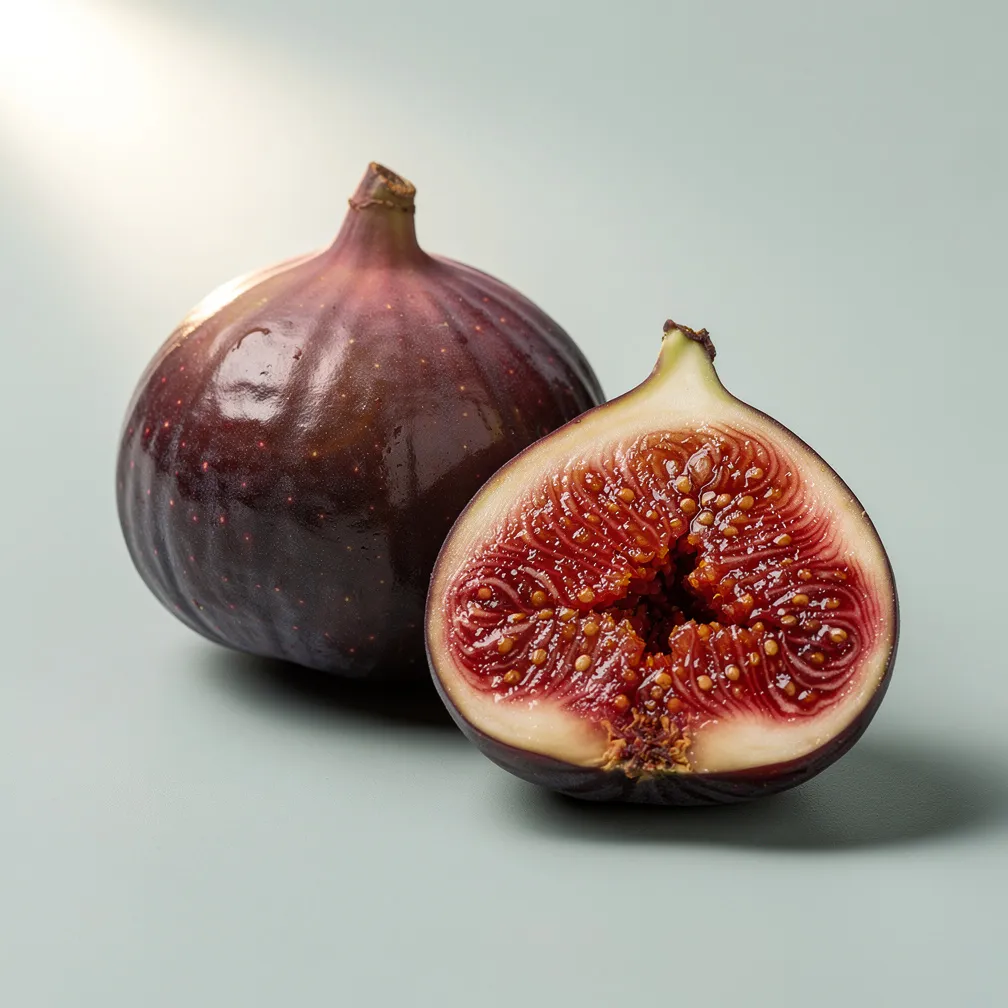
Fig
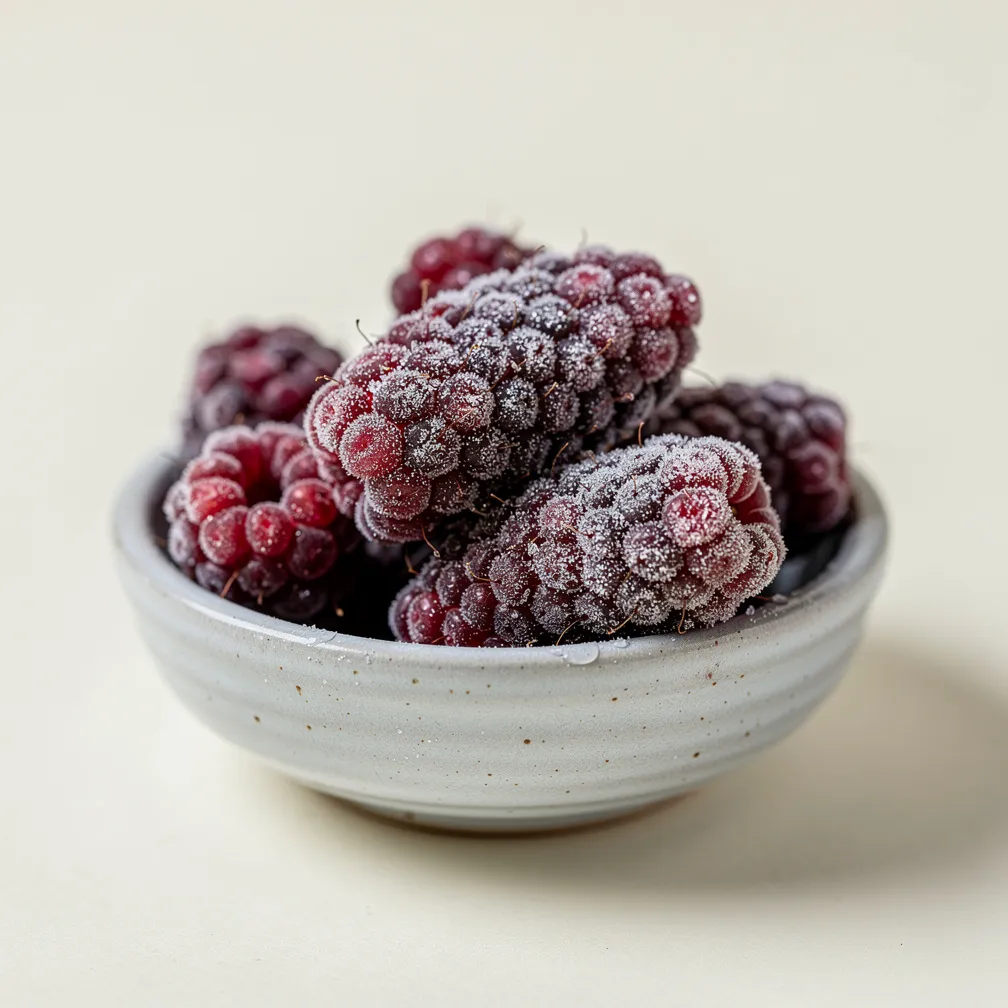
Frozen loganberry
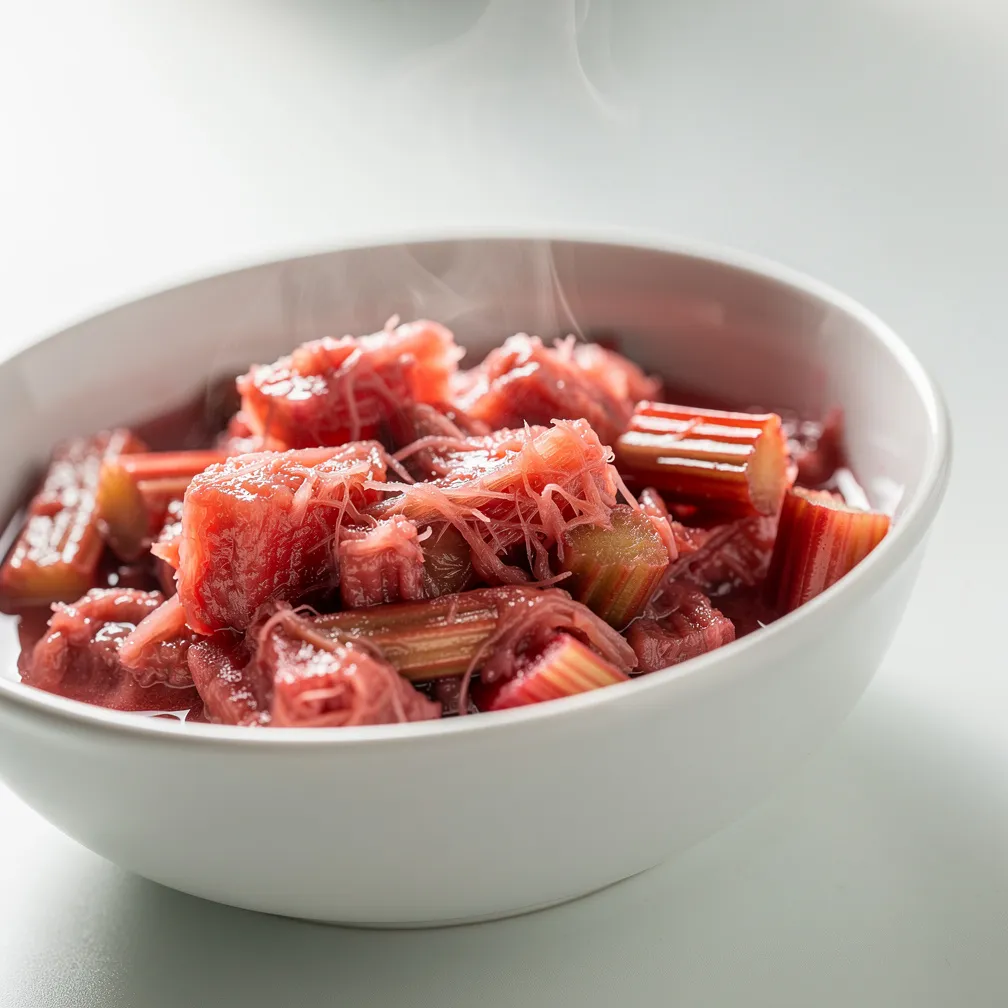
Frozen rhubarb
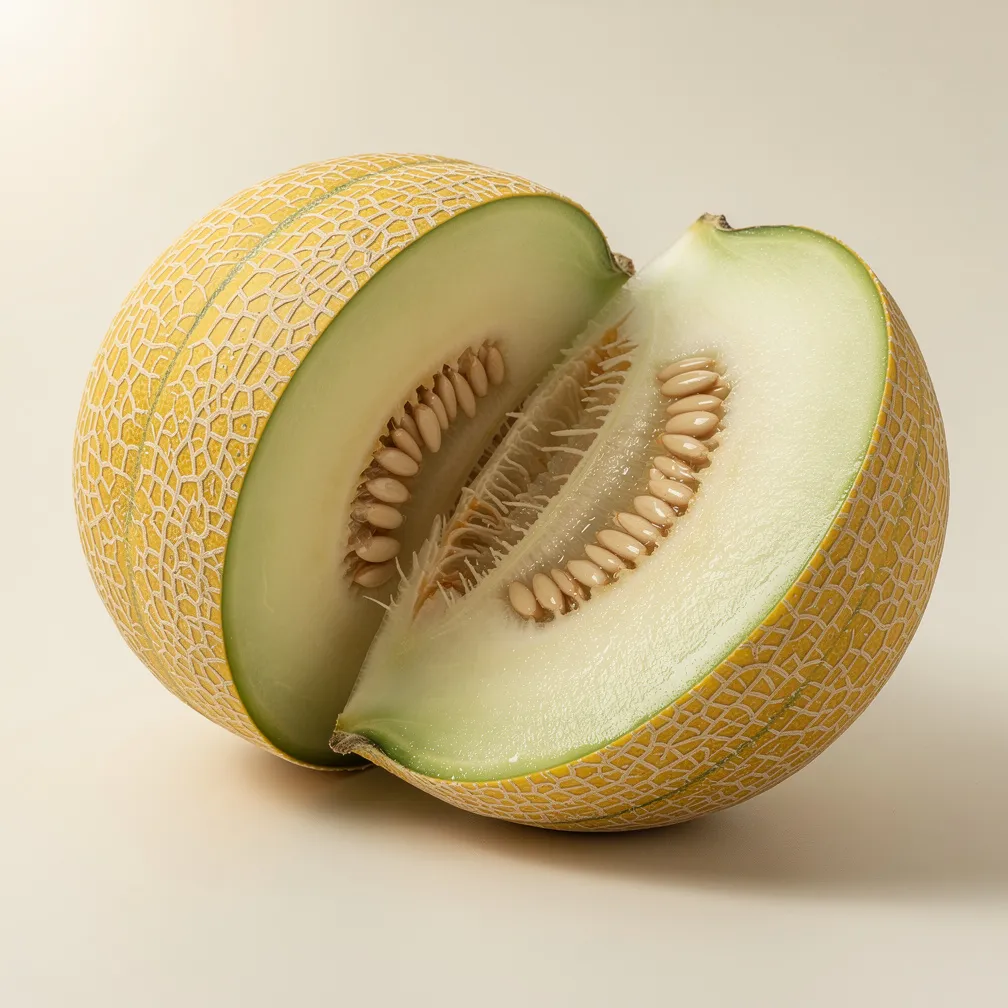
Galia melon
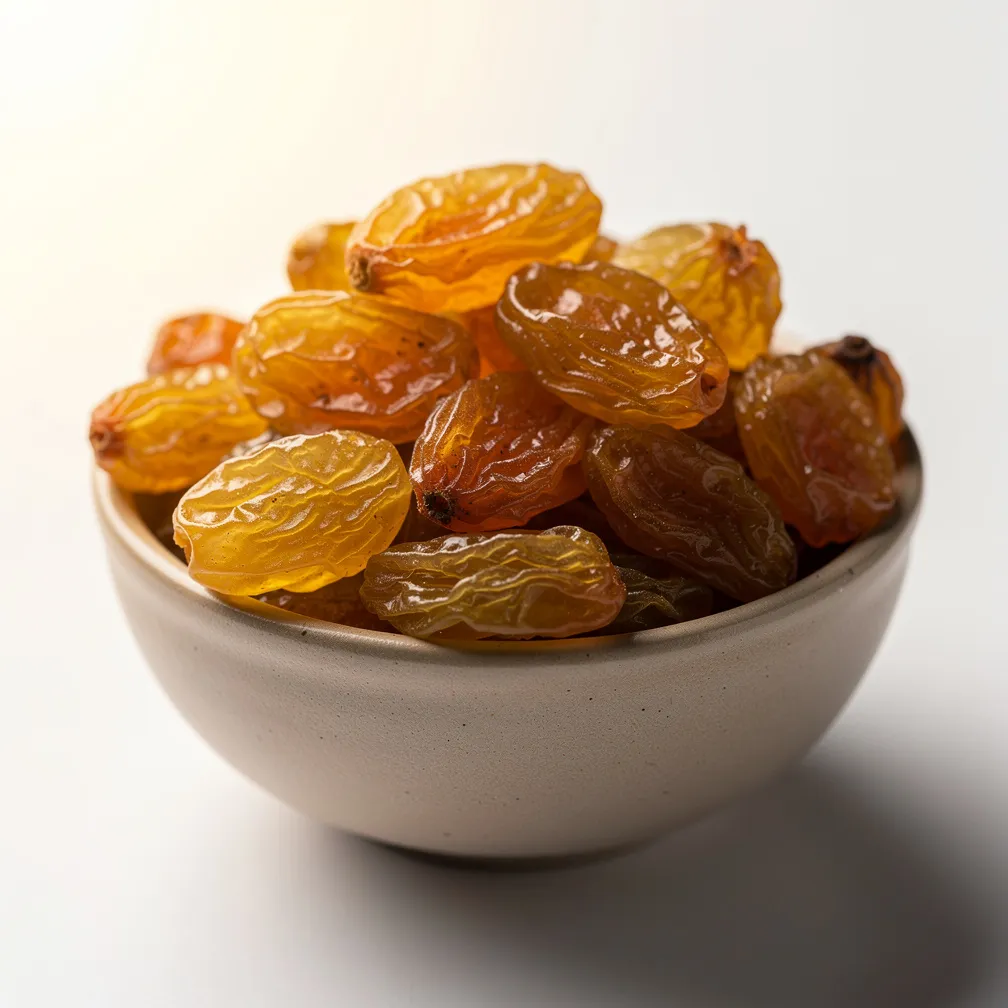
Golden seedless raisin
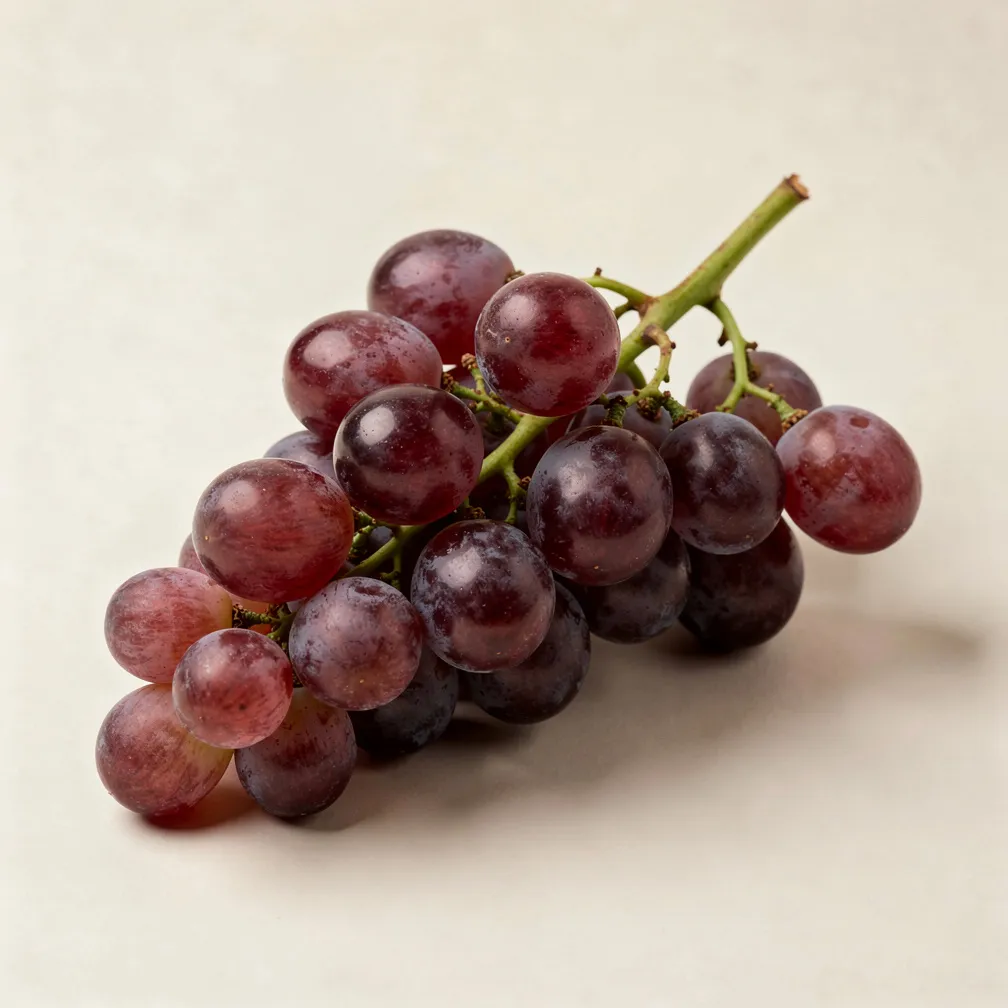
Grape
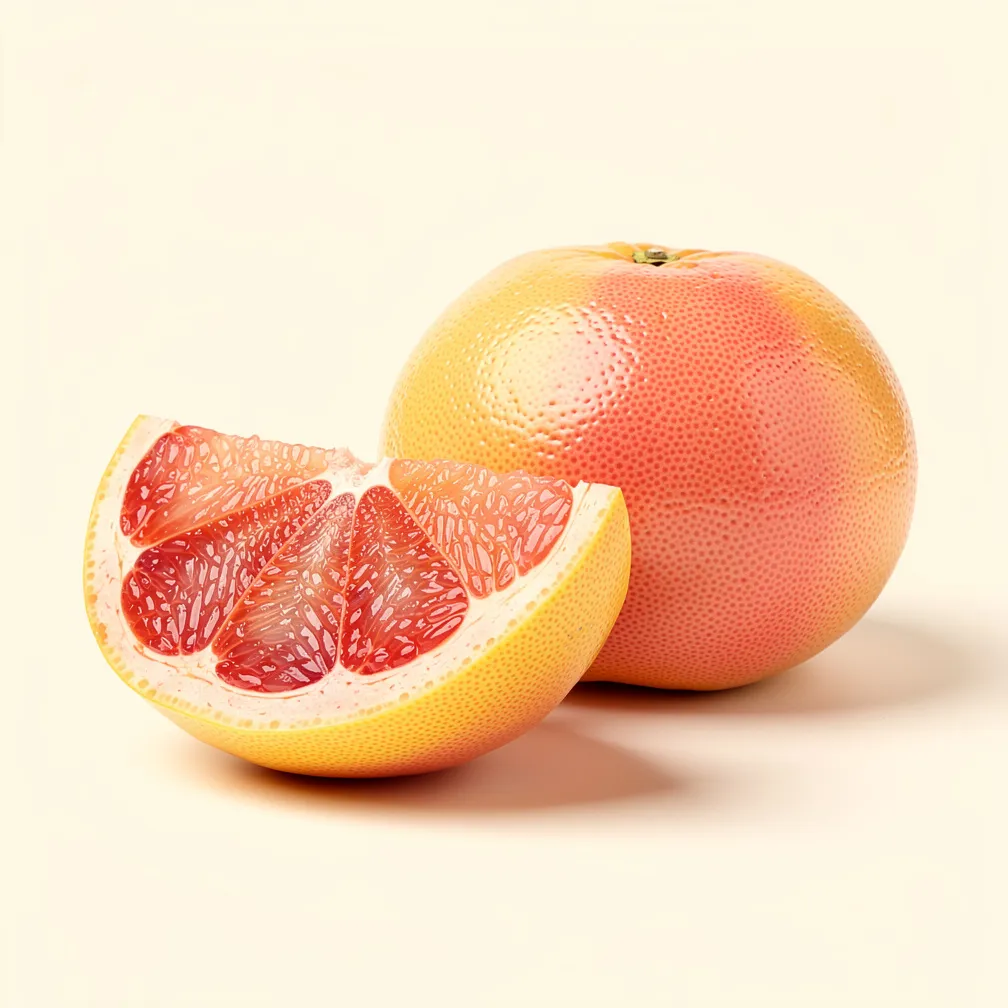
Grapefruit
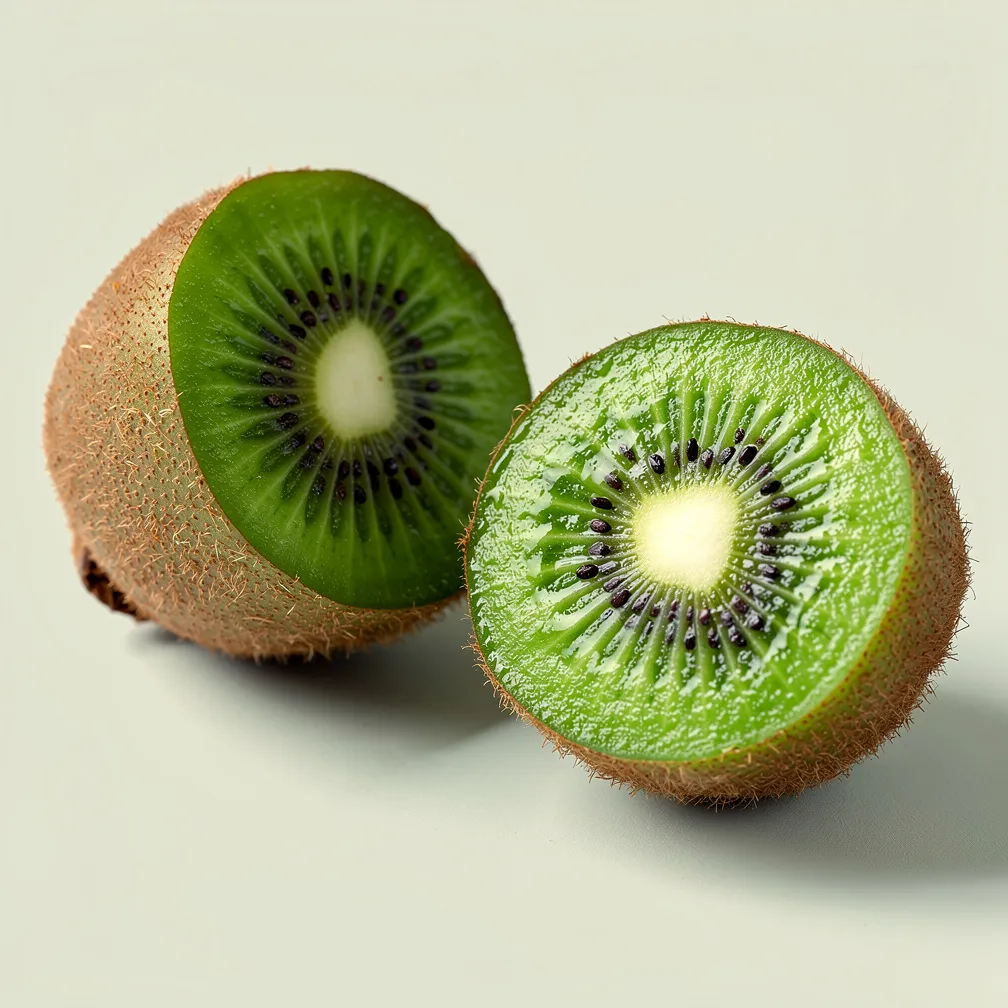
Green kiwifruit
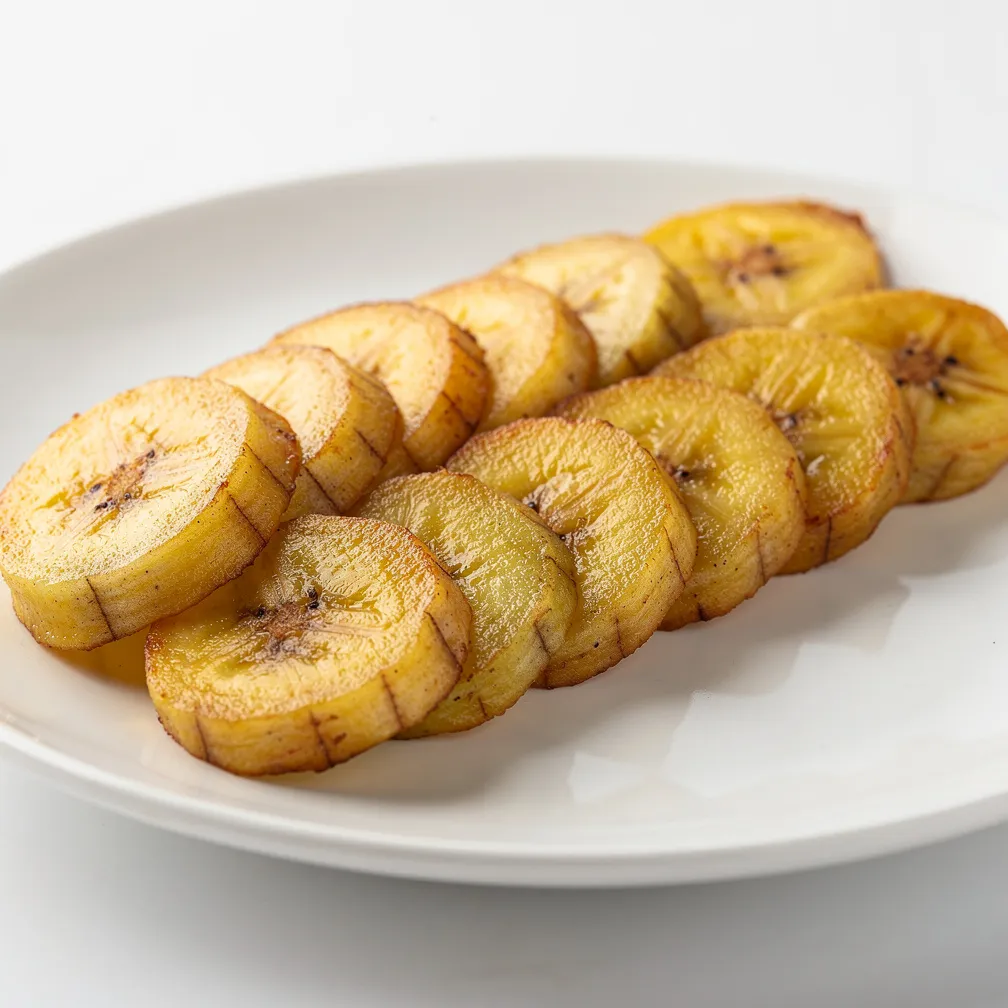
Green plantains
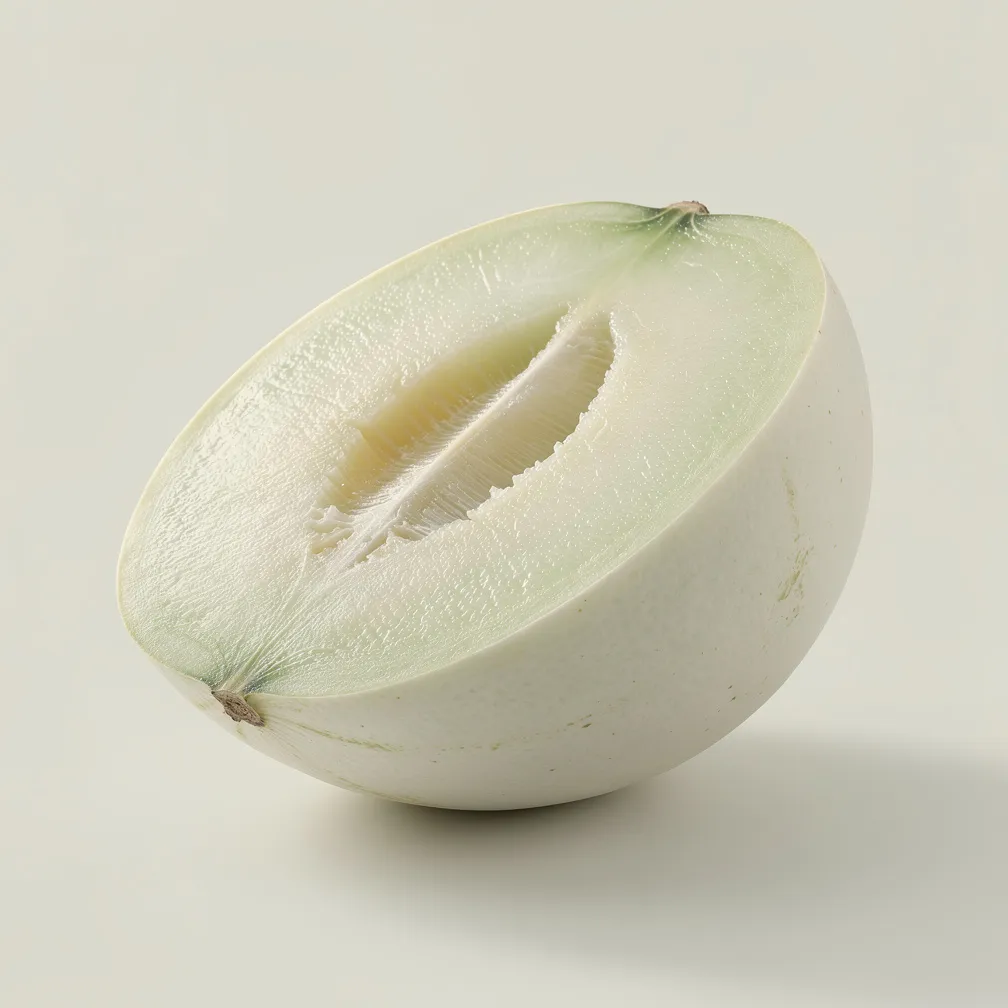
Honeydew melon
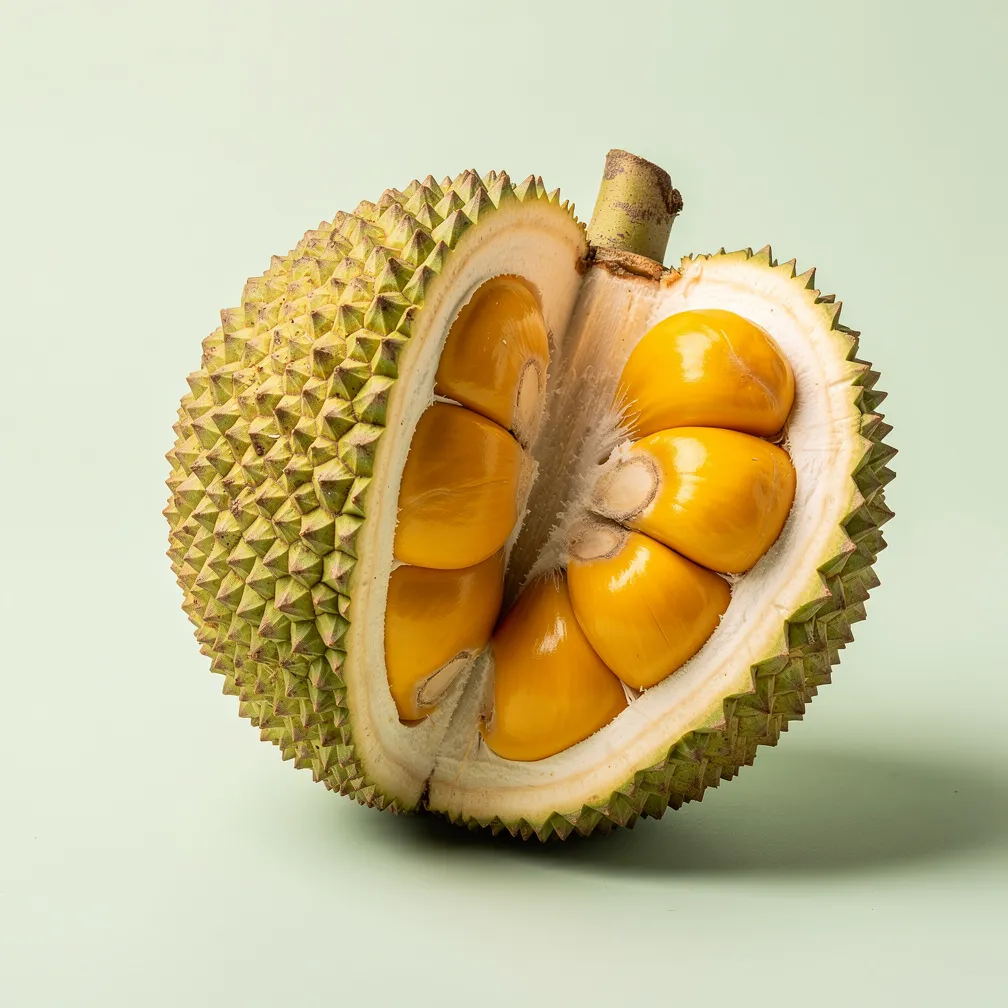
Jackfruit
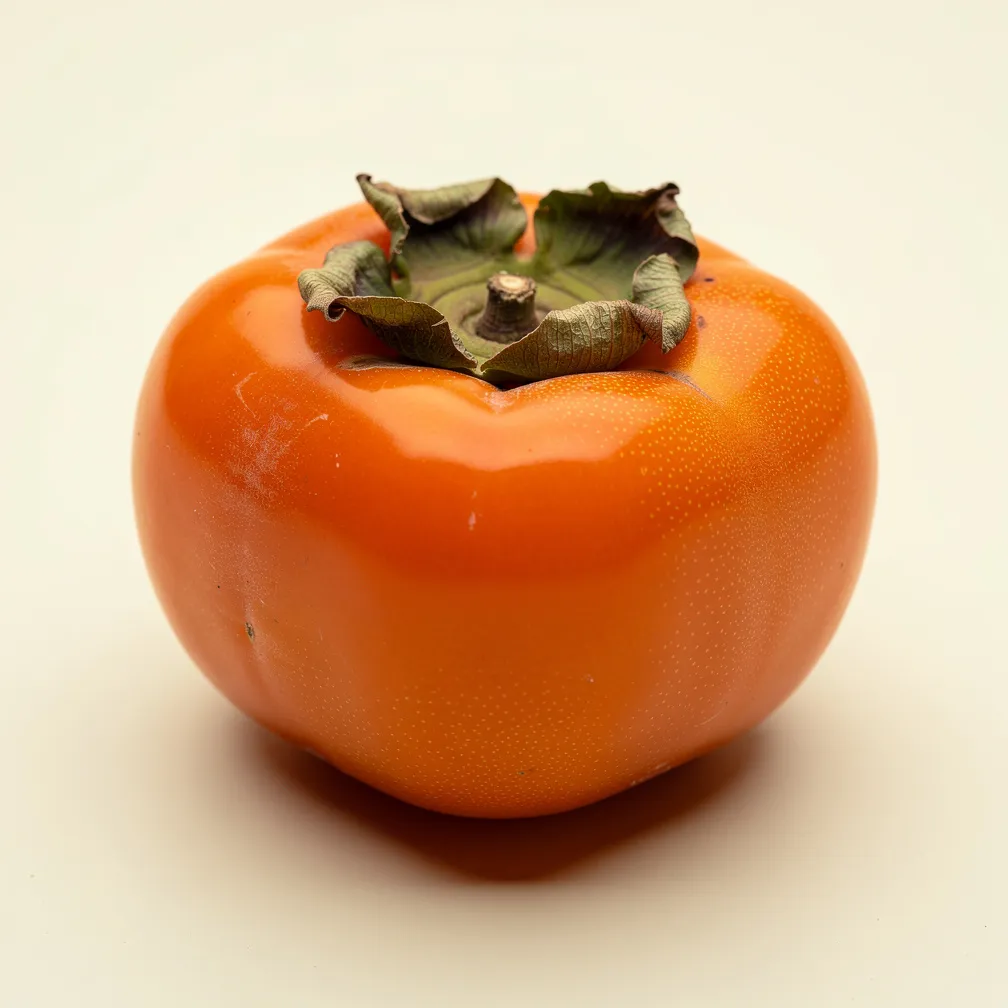
Japanese persimmon

Jujube
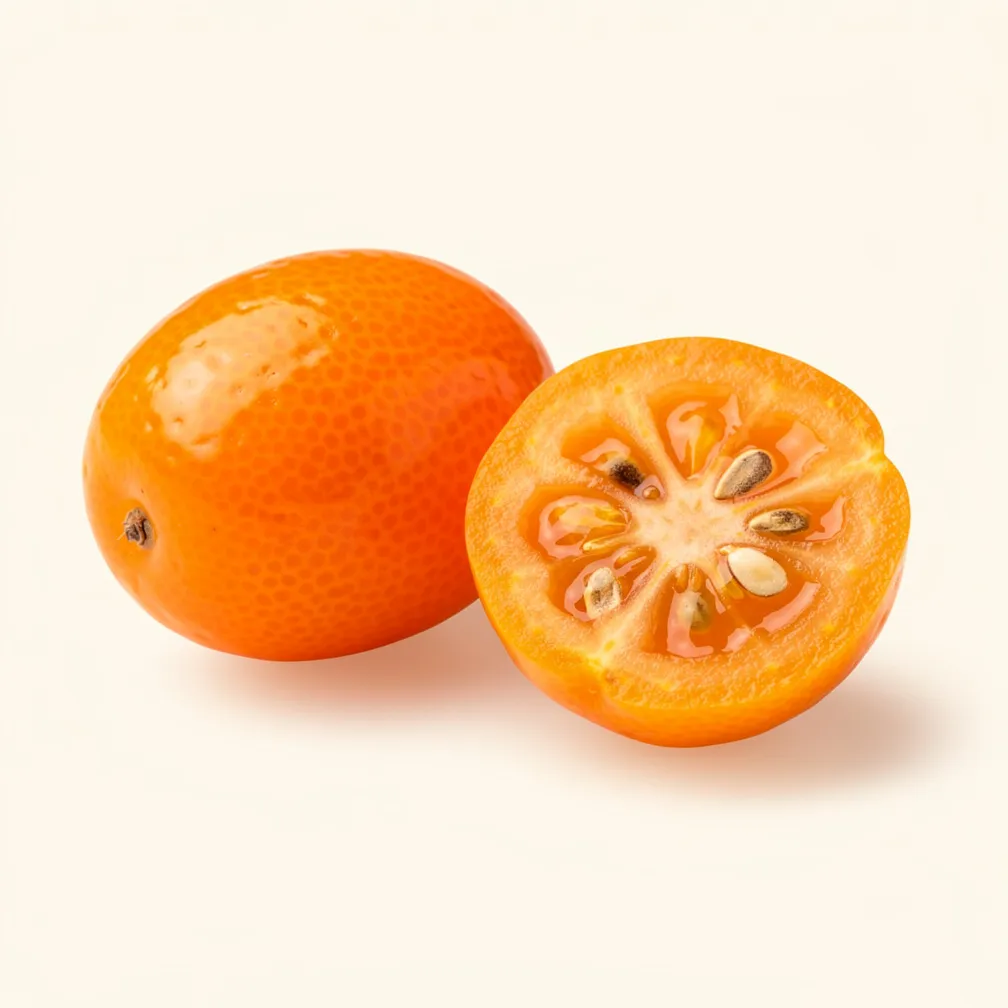
Kumquat
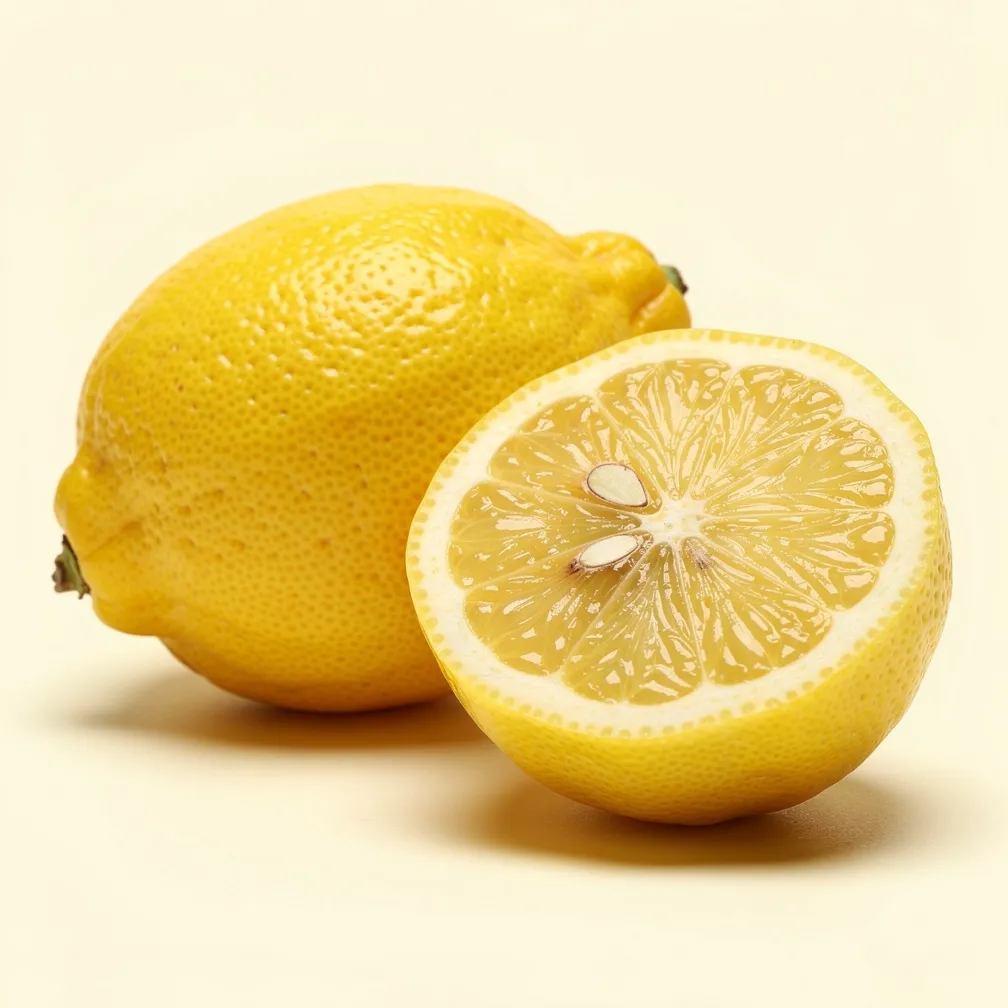
Lemon
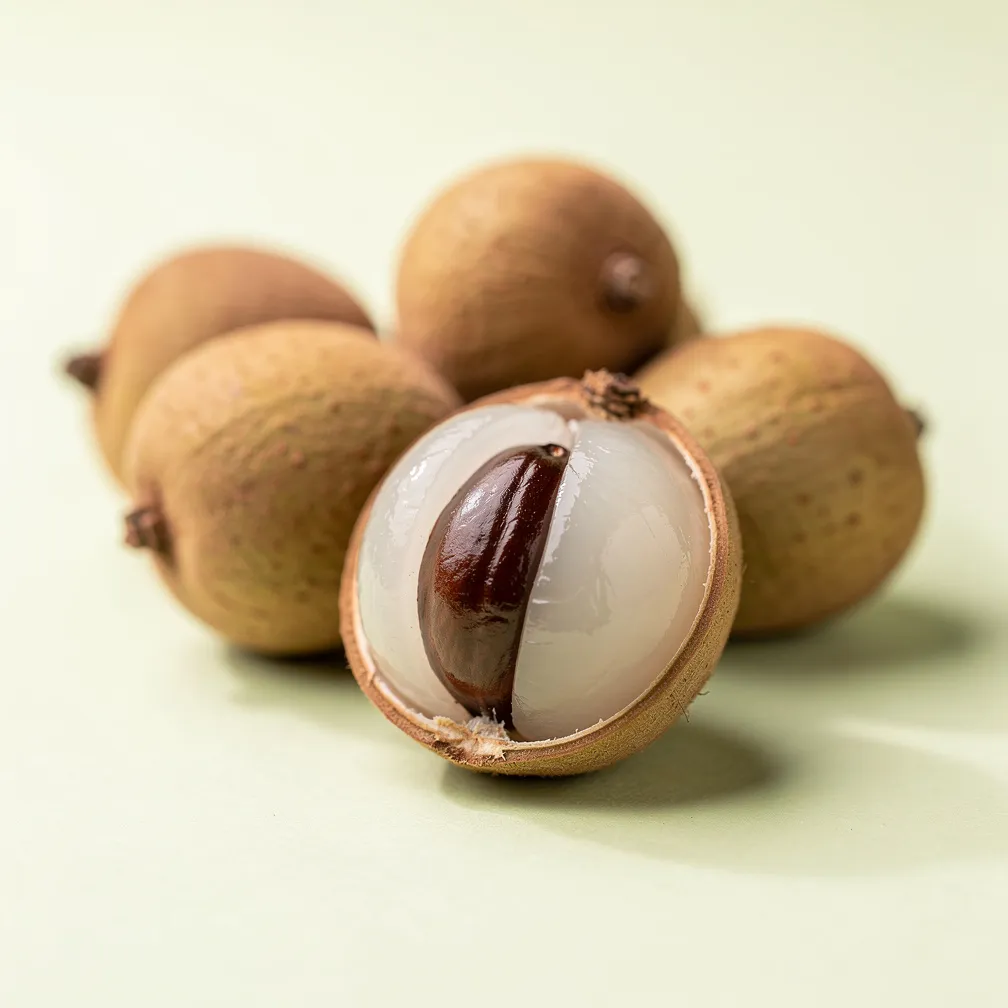
Longan
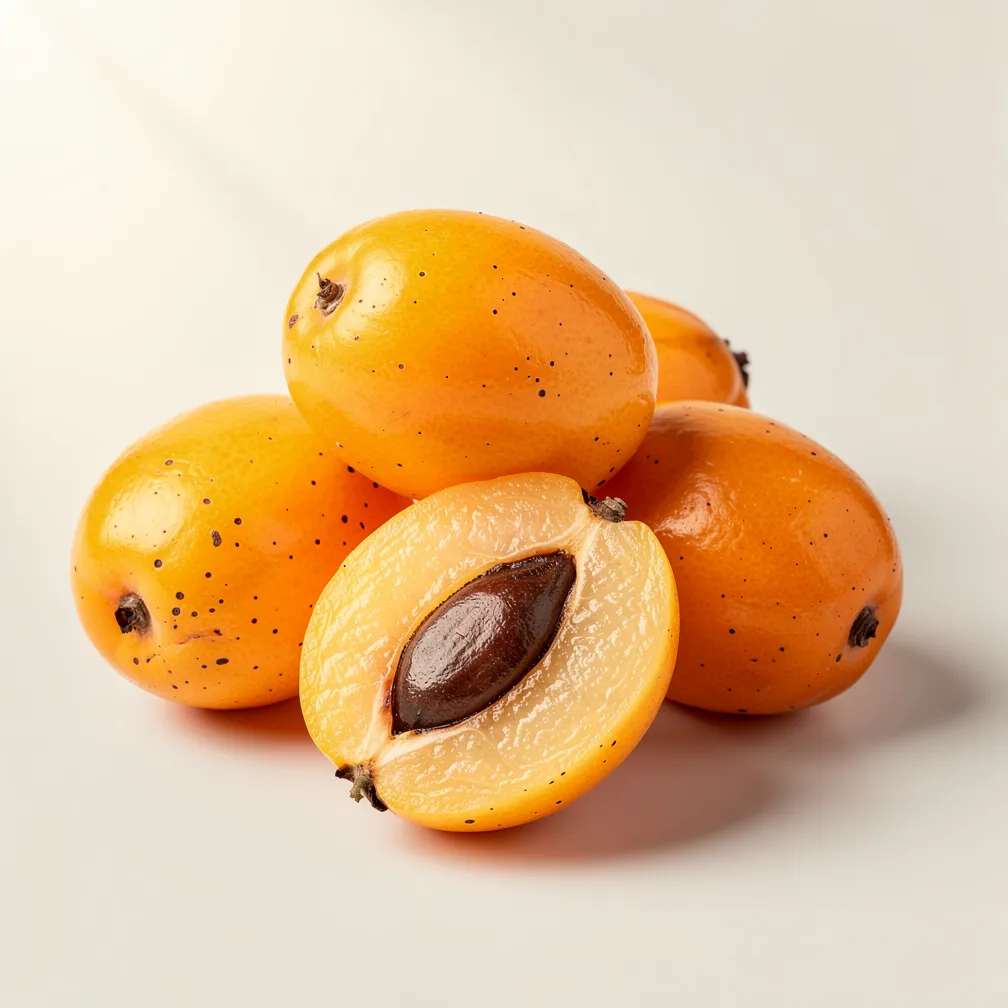
Loquat
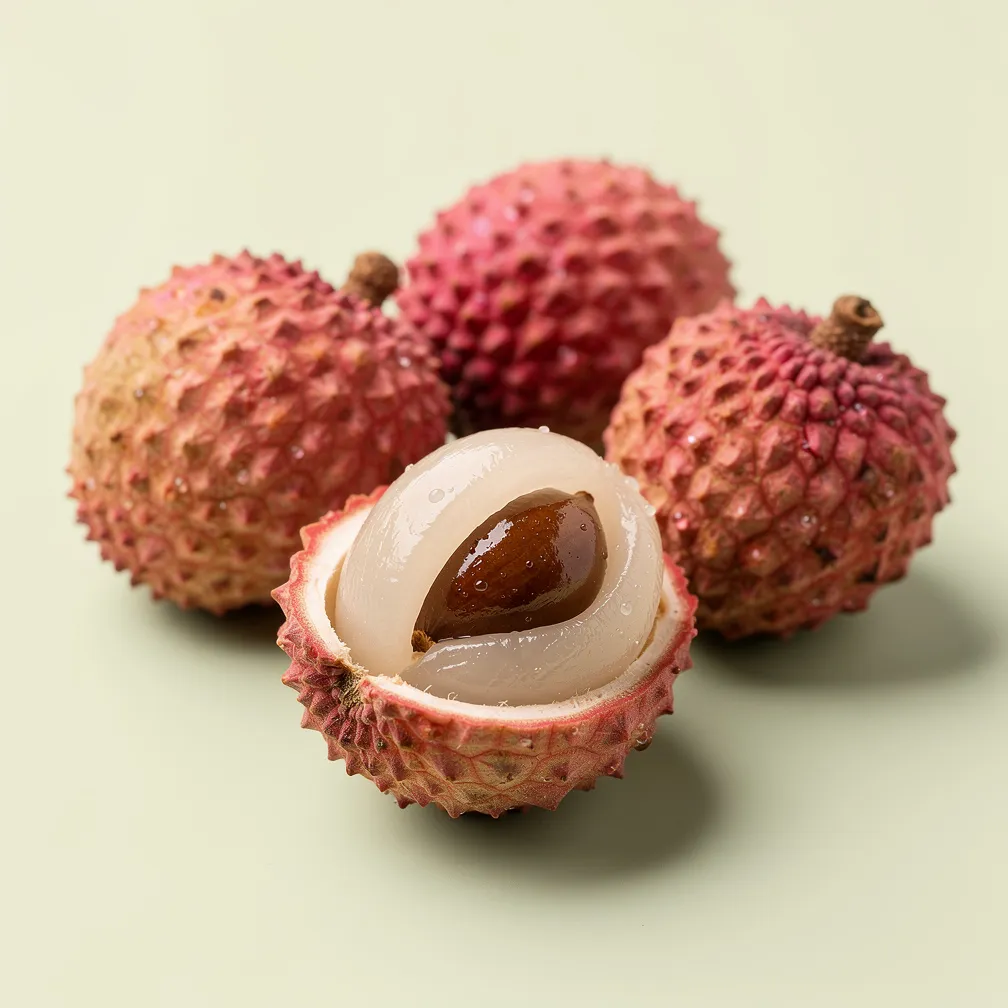
Lychee
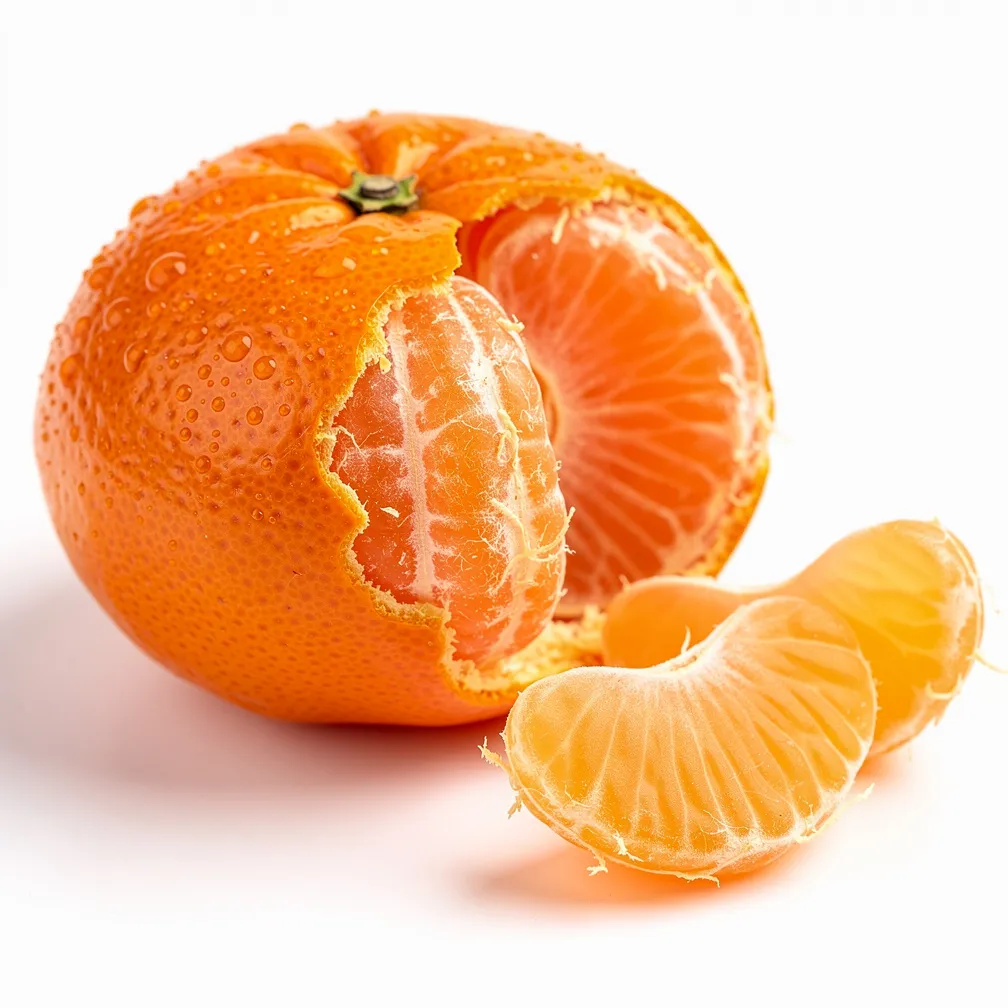
Mandarin orange
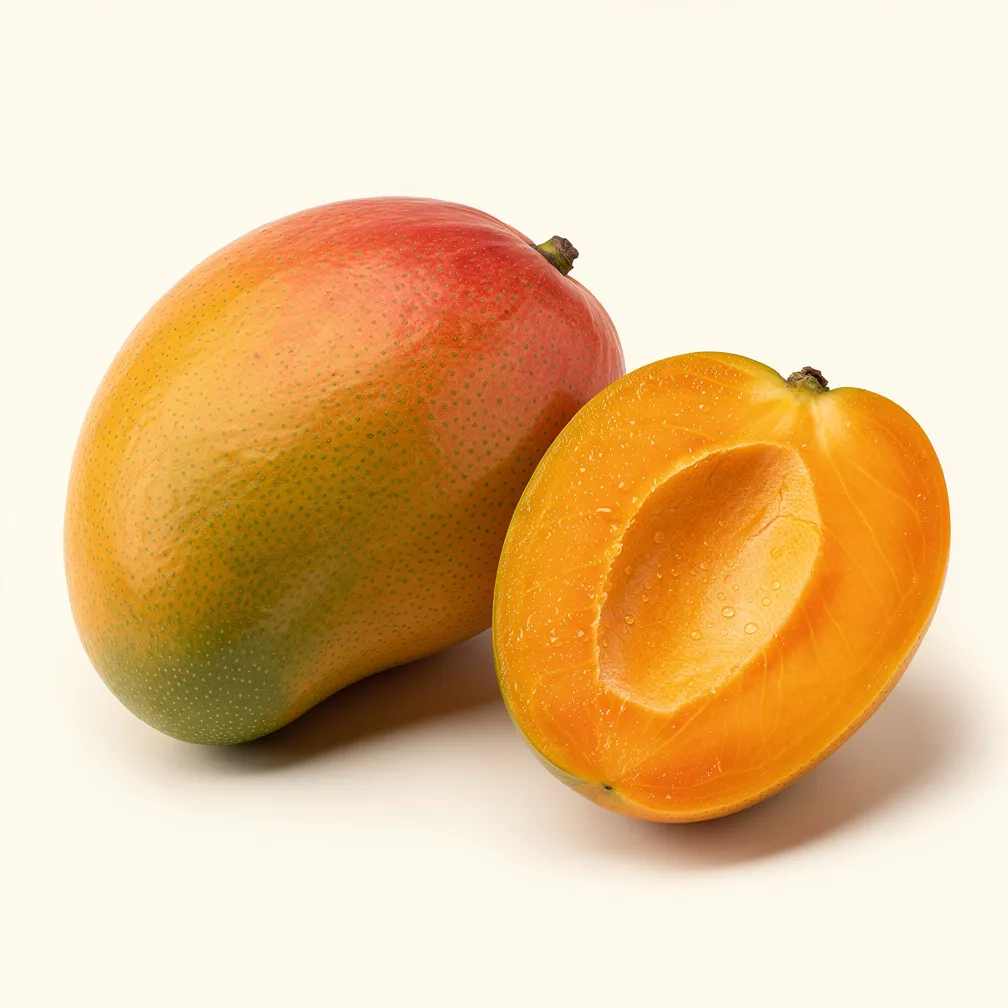
Mango
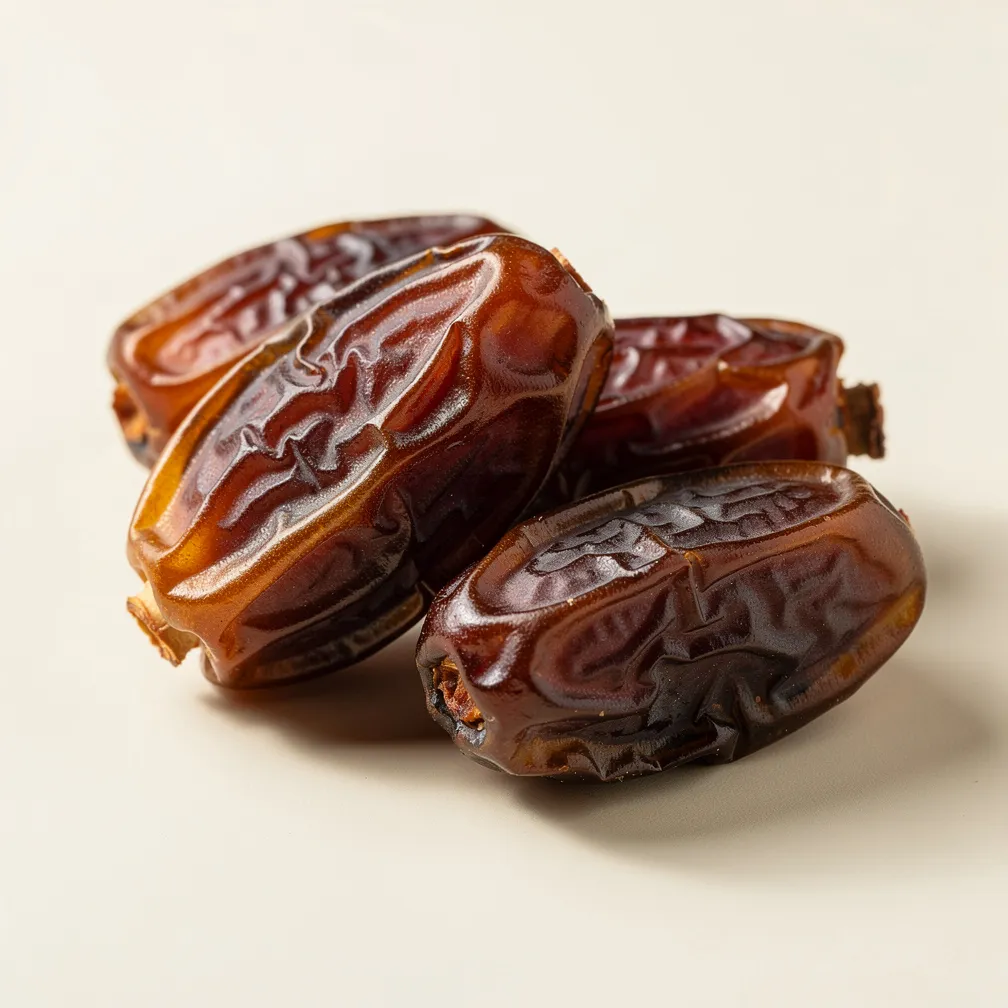
Medjool date
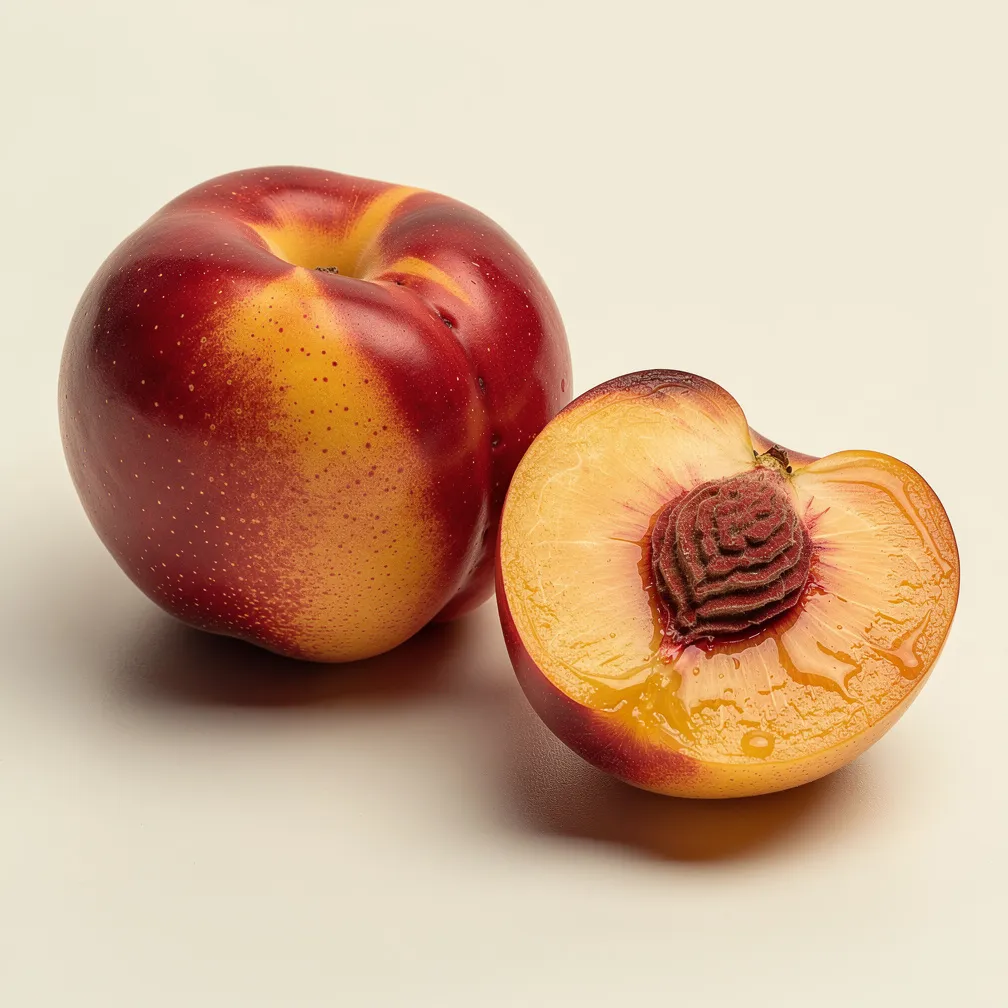
Nectarine
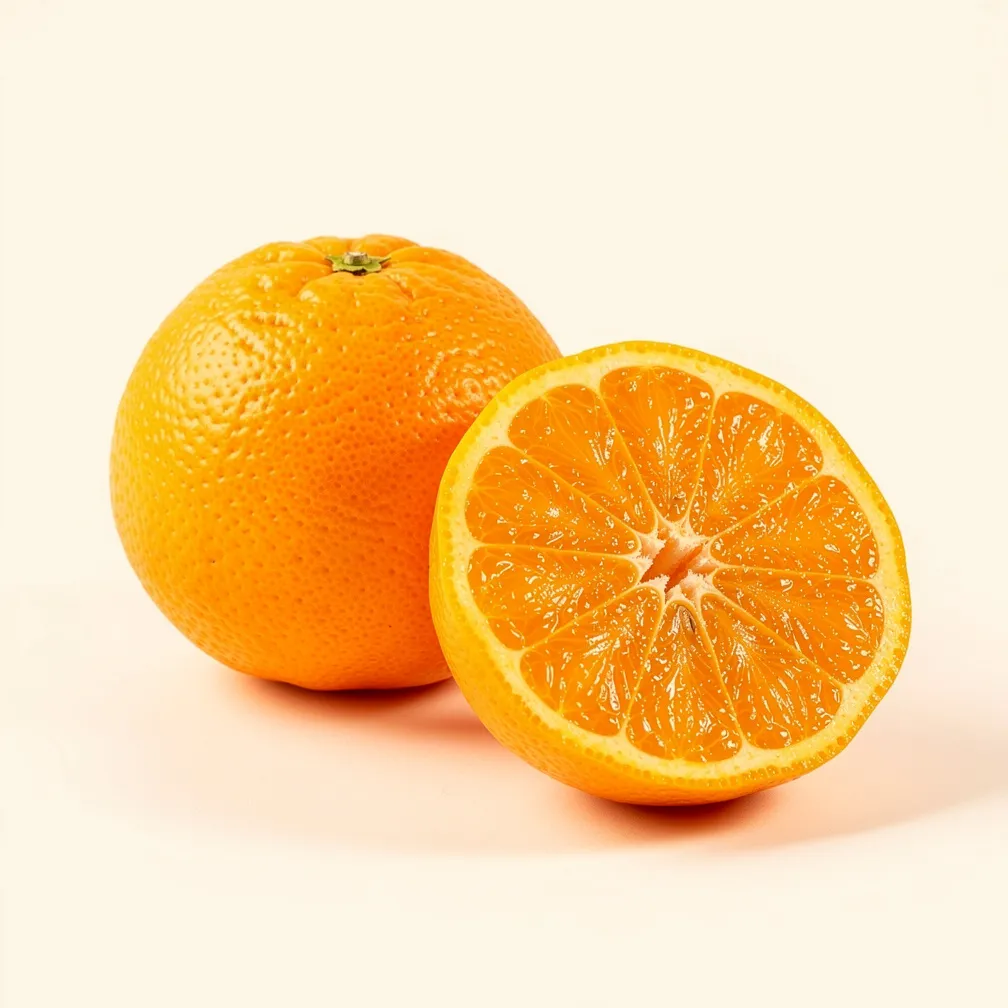
Orange
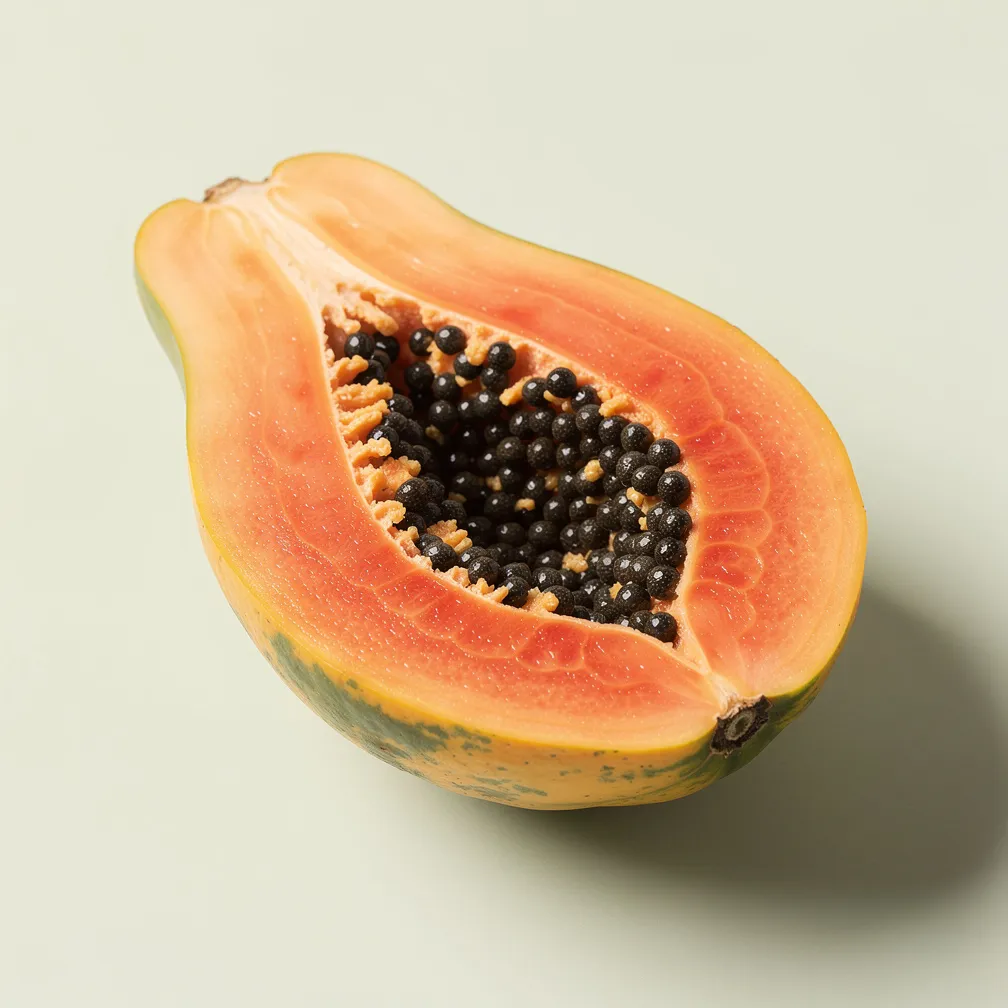
Papaya
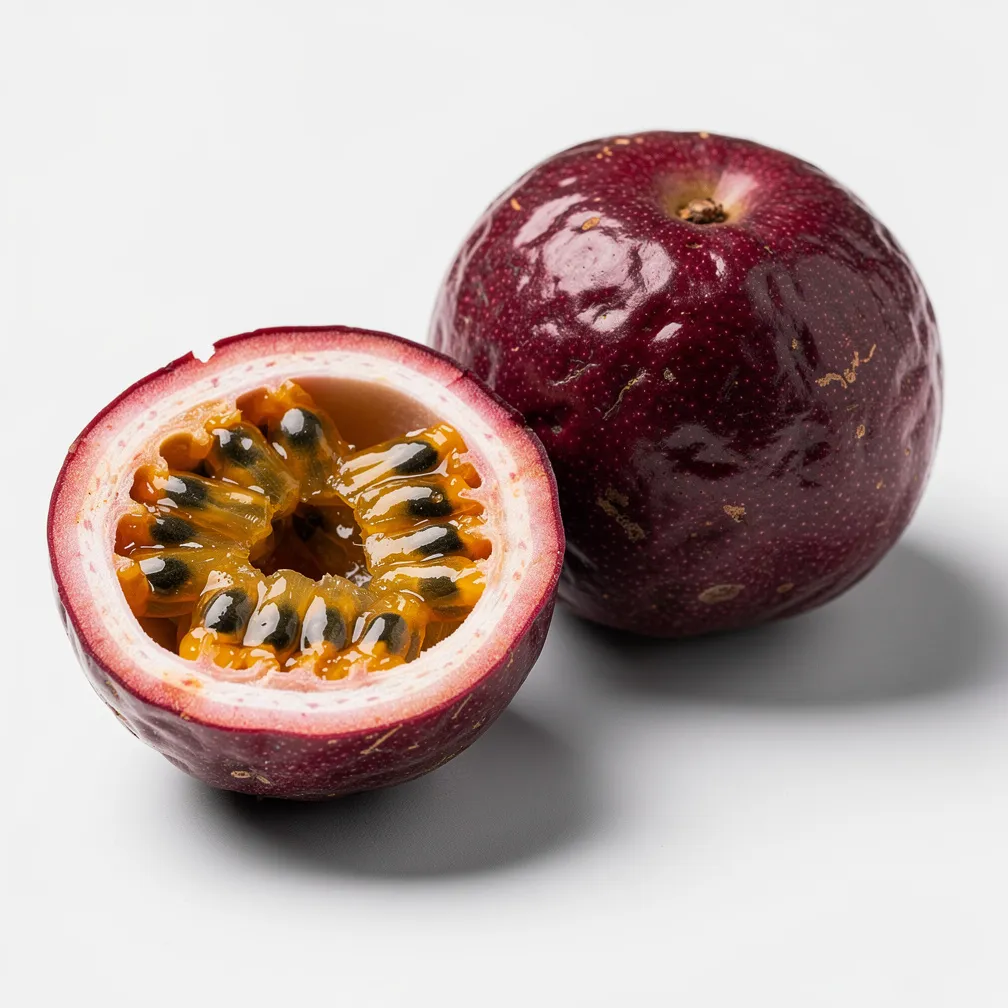
Passionfruit
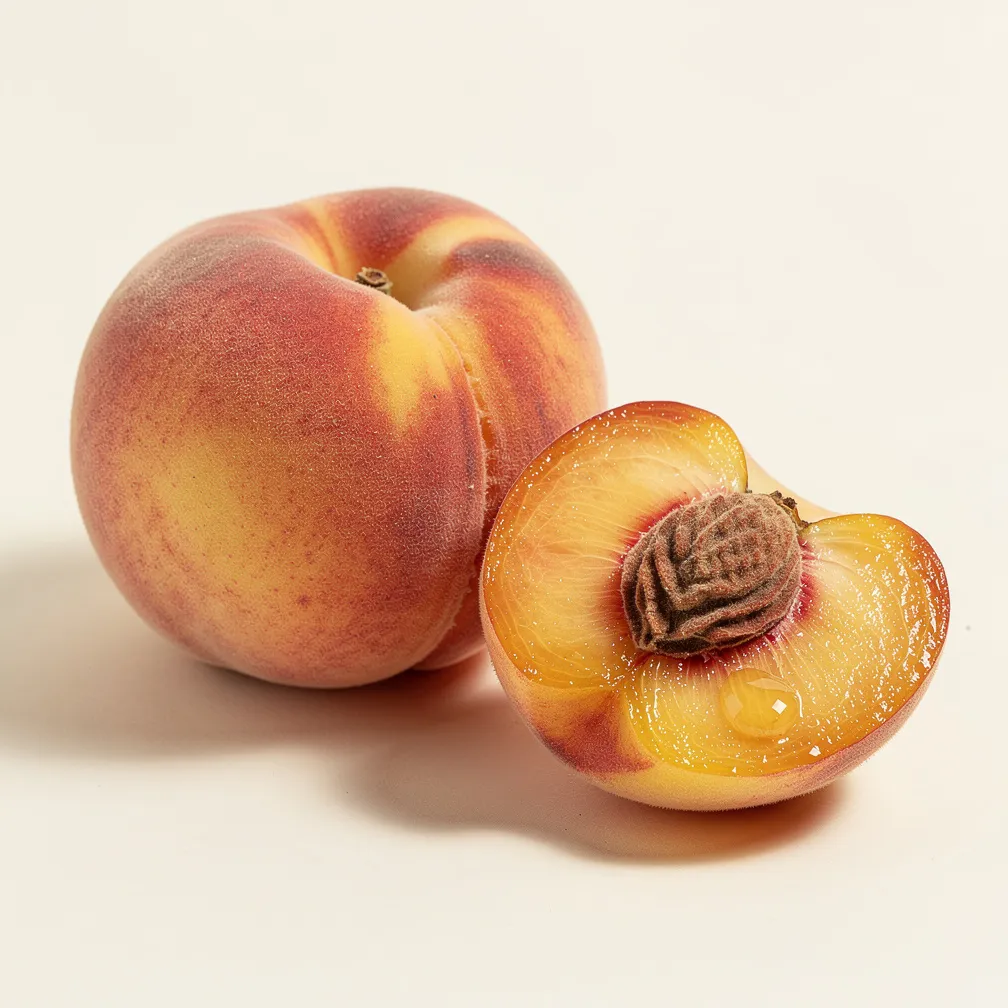
Peach
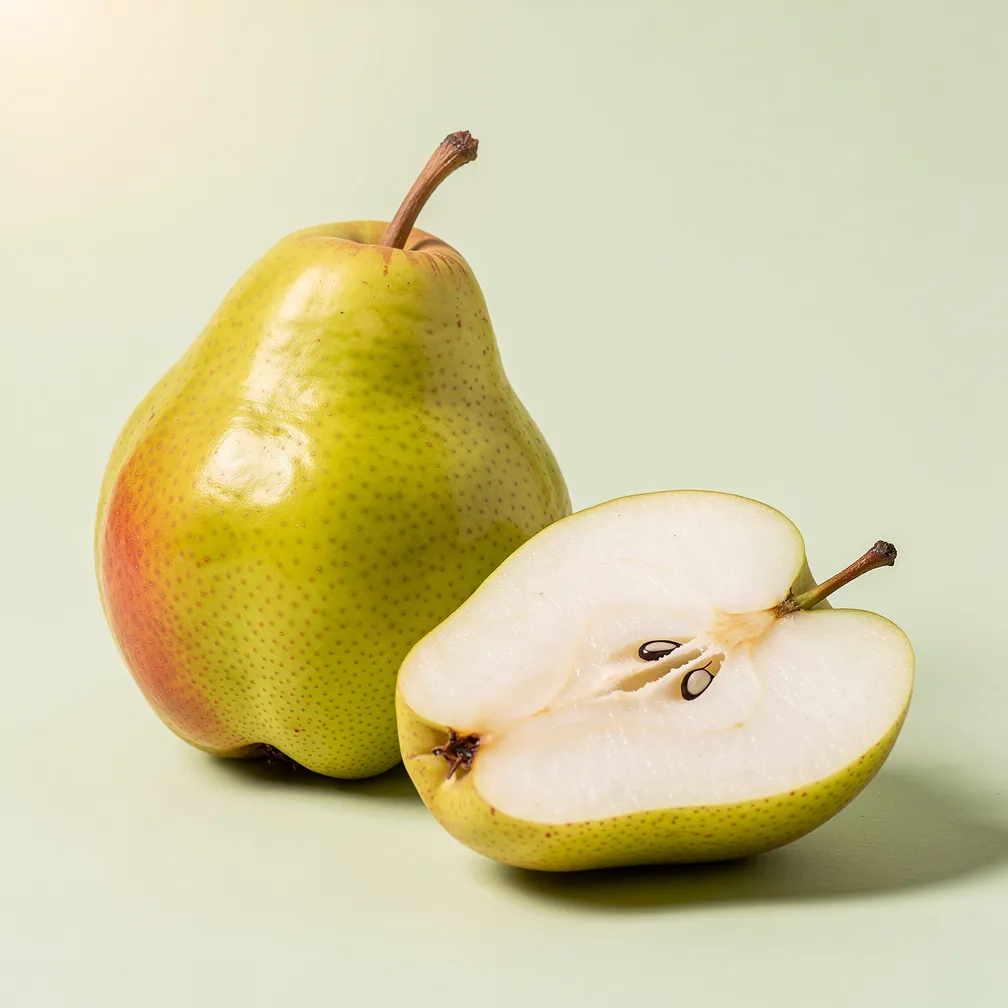
Pear
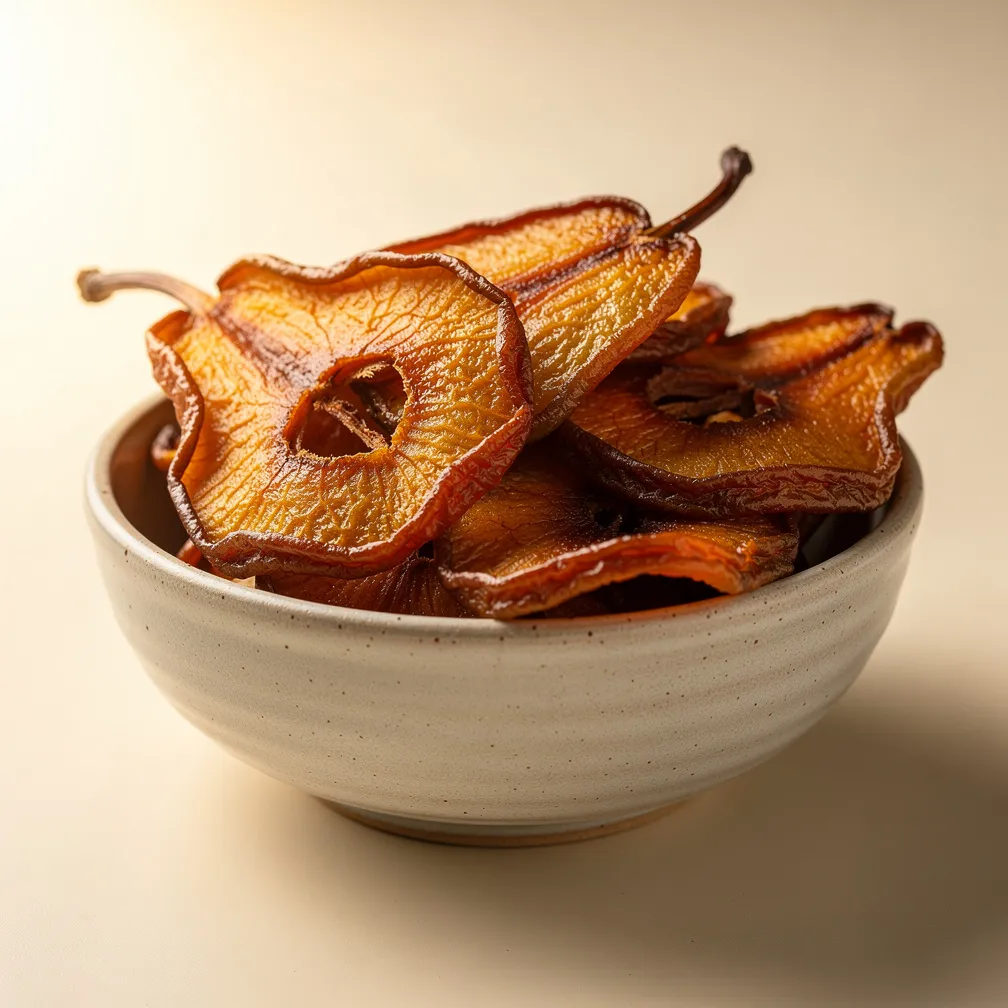
Pears
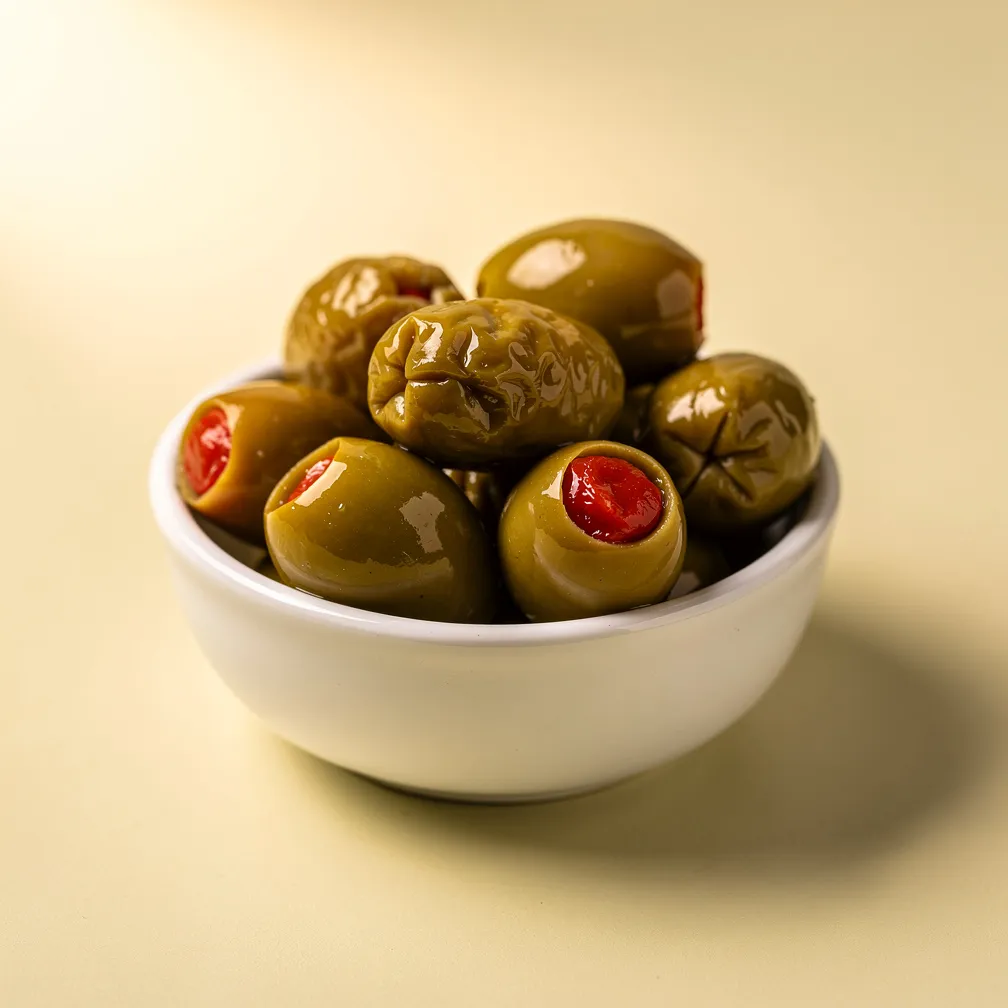
Pickled green olives
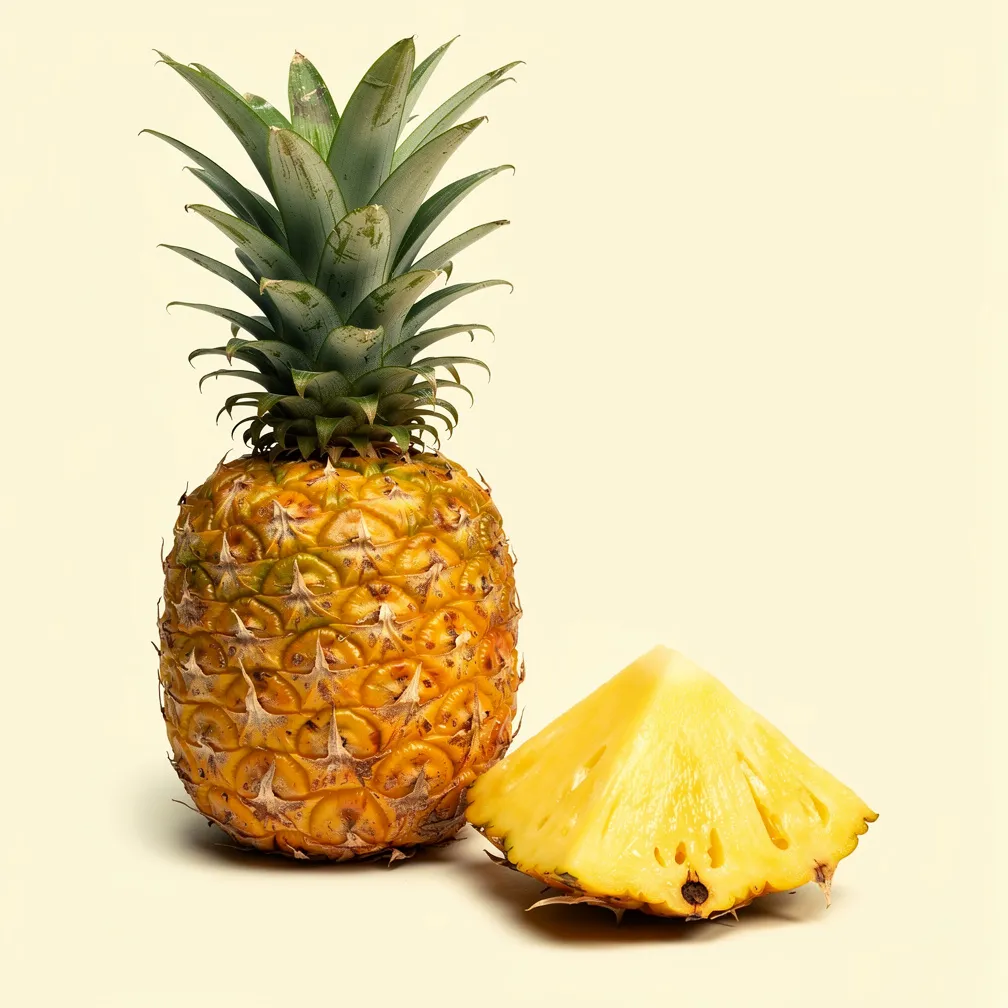
Pineapple
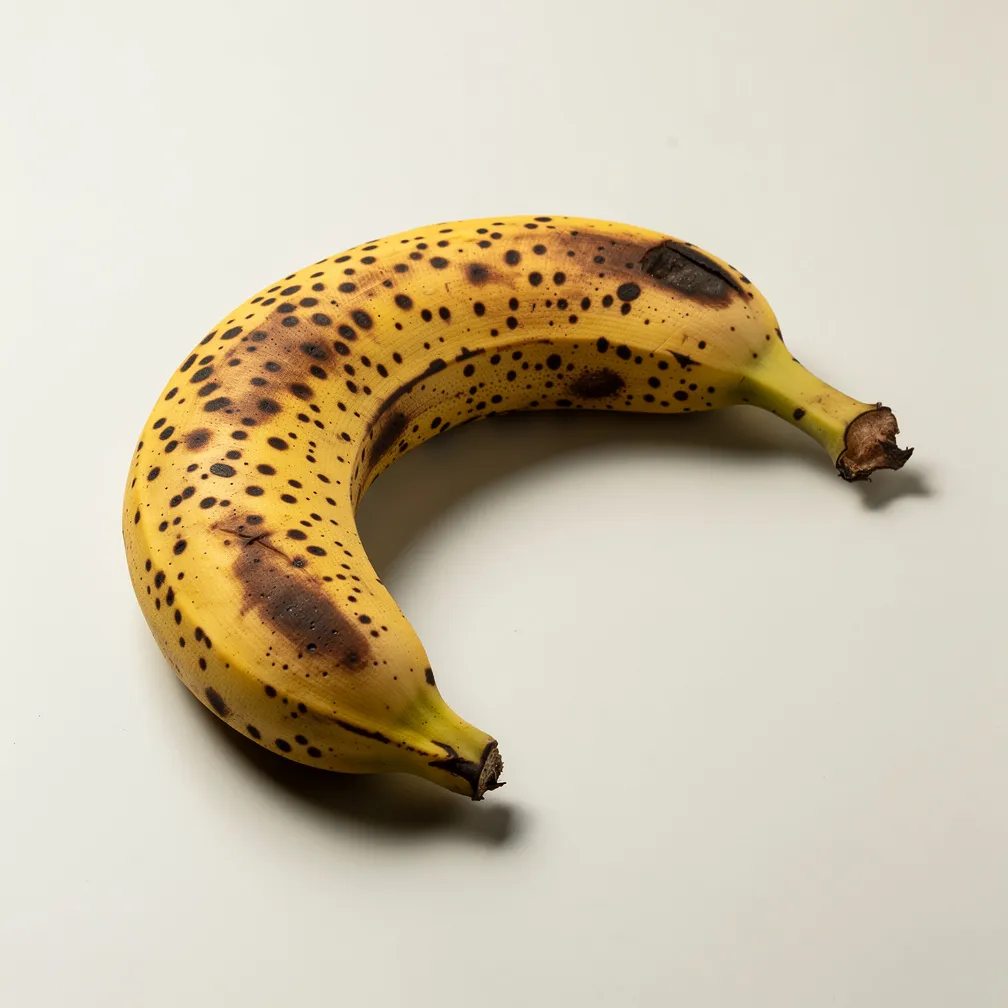
Plantain
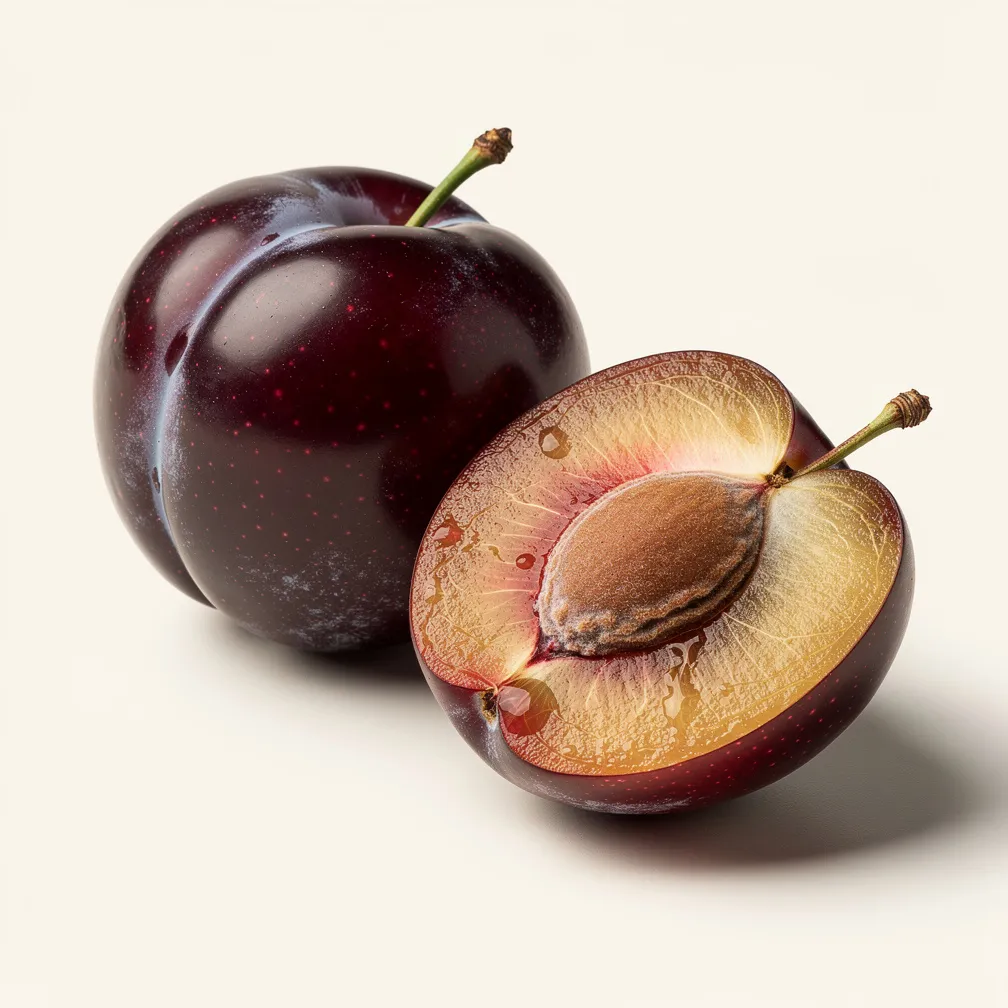
Plum
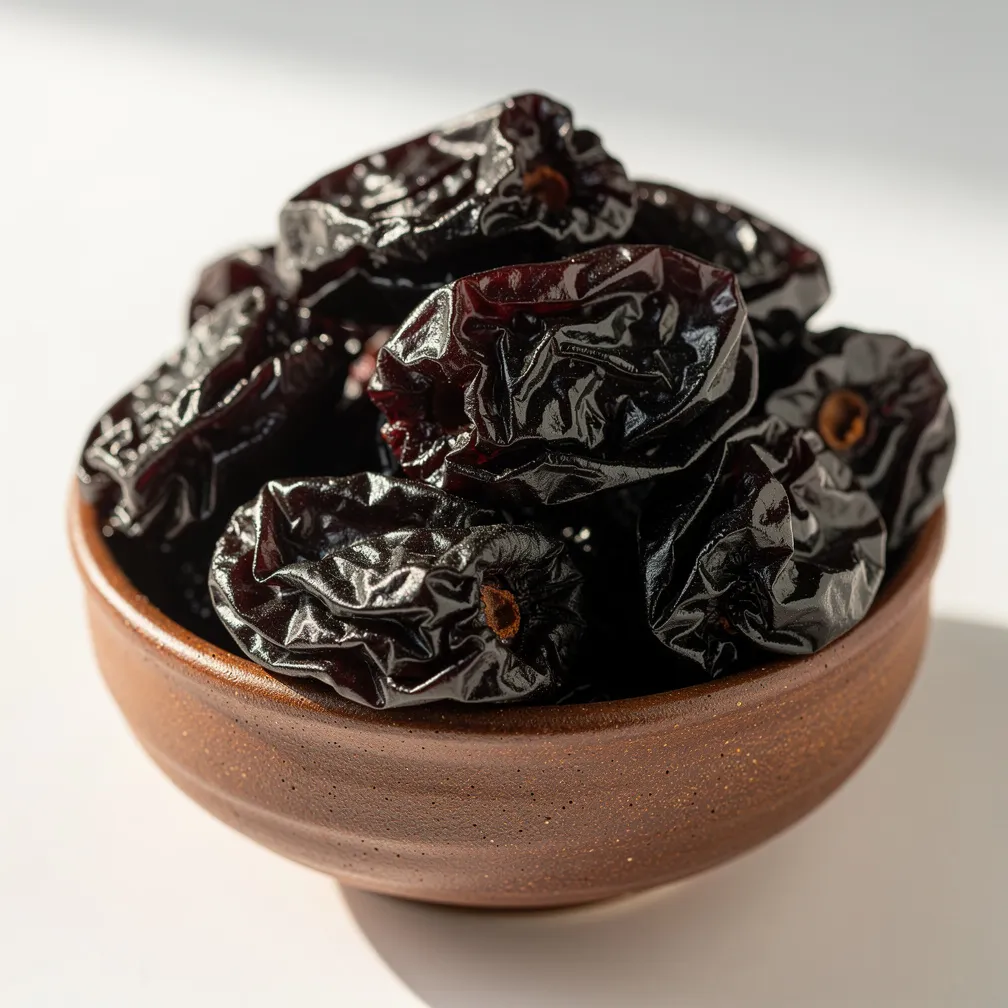
Plums
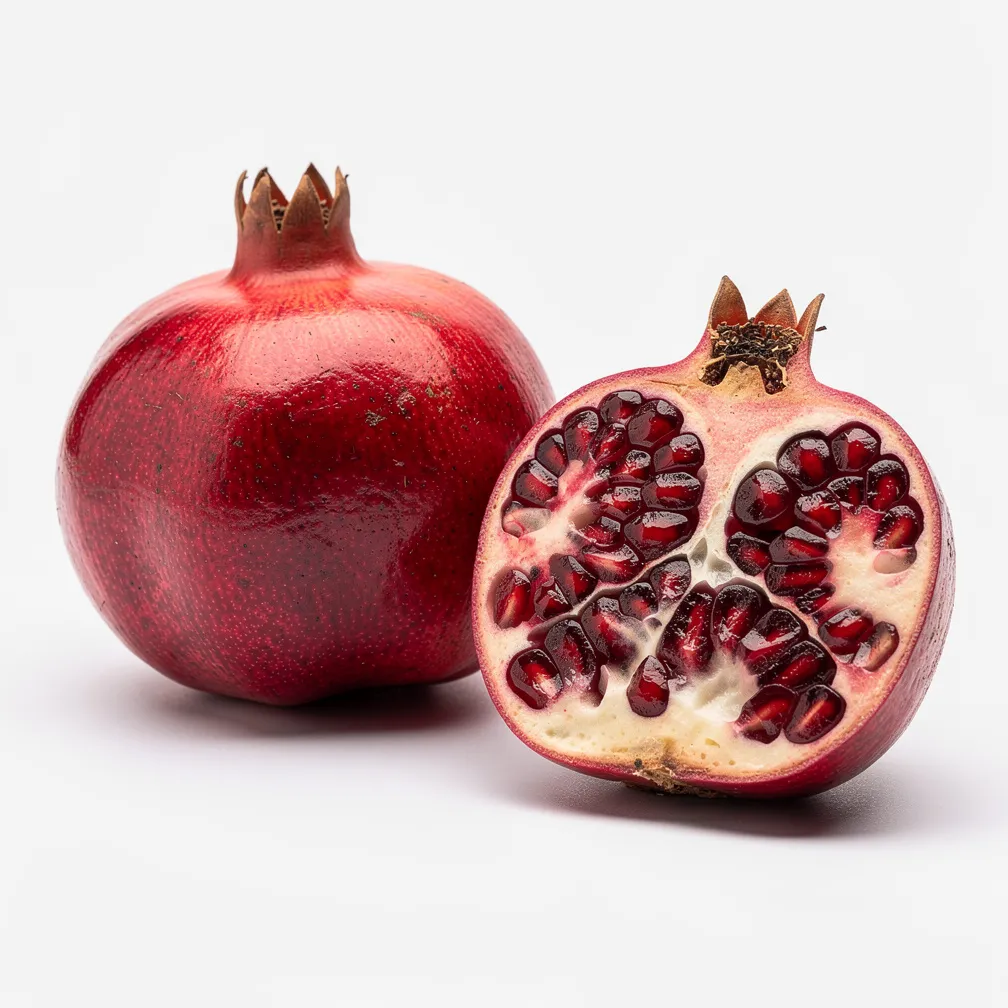
Pomegranate
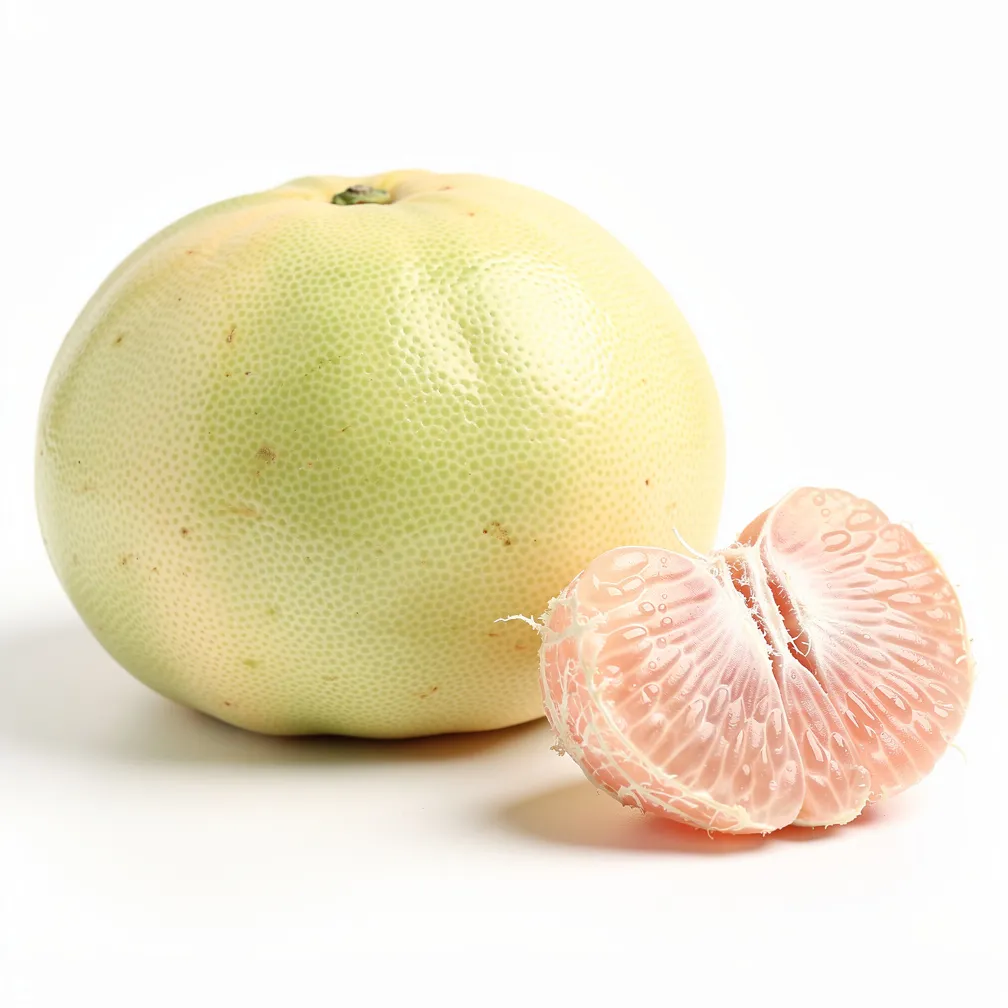
Pomelo
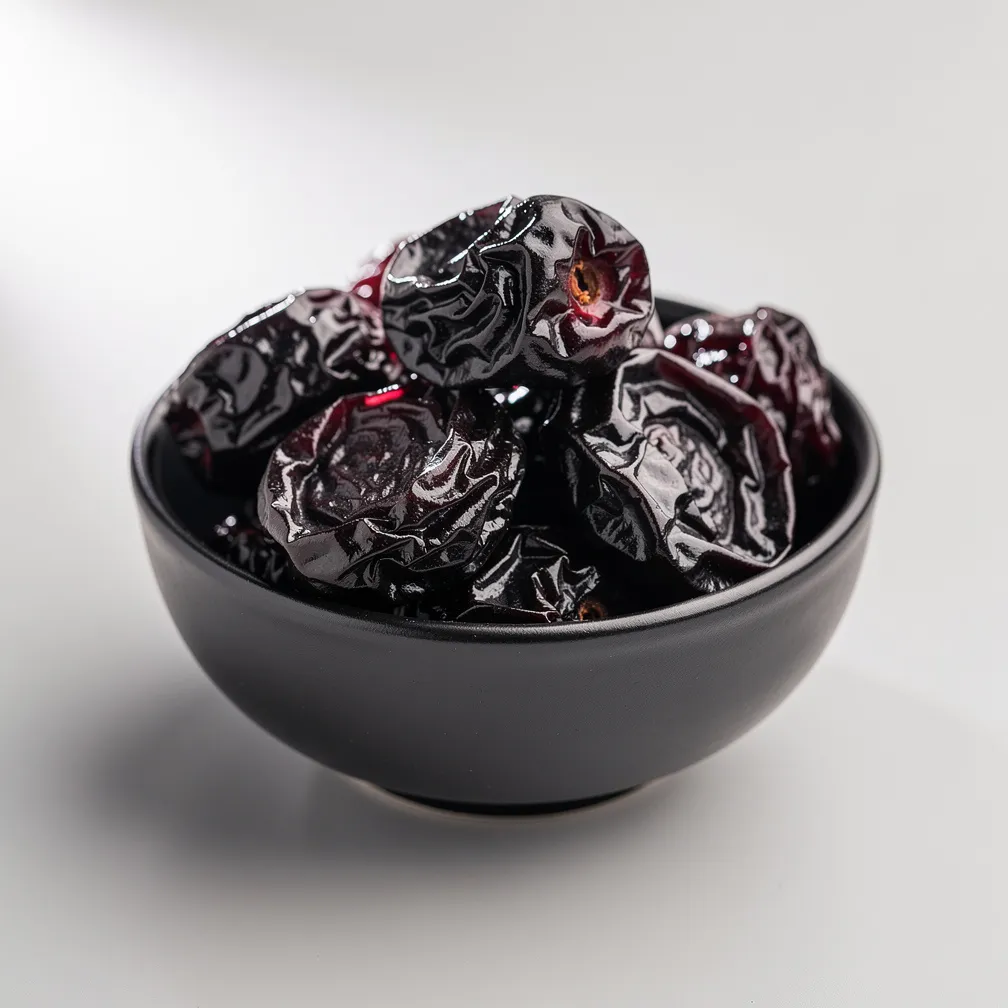
Prune
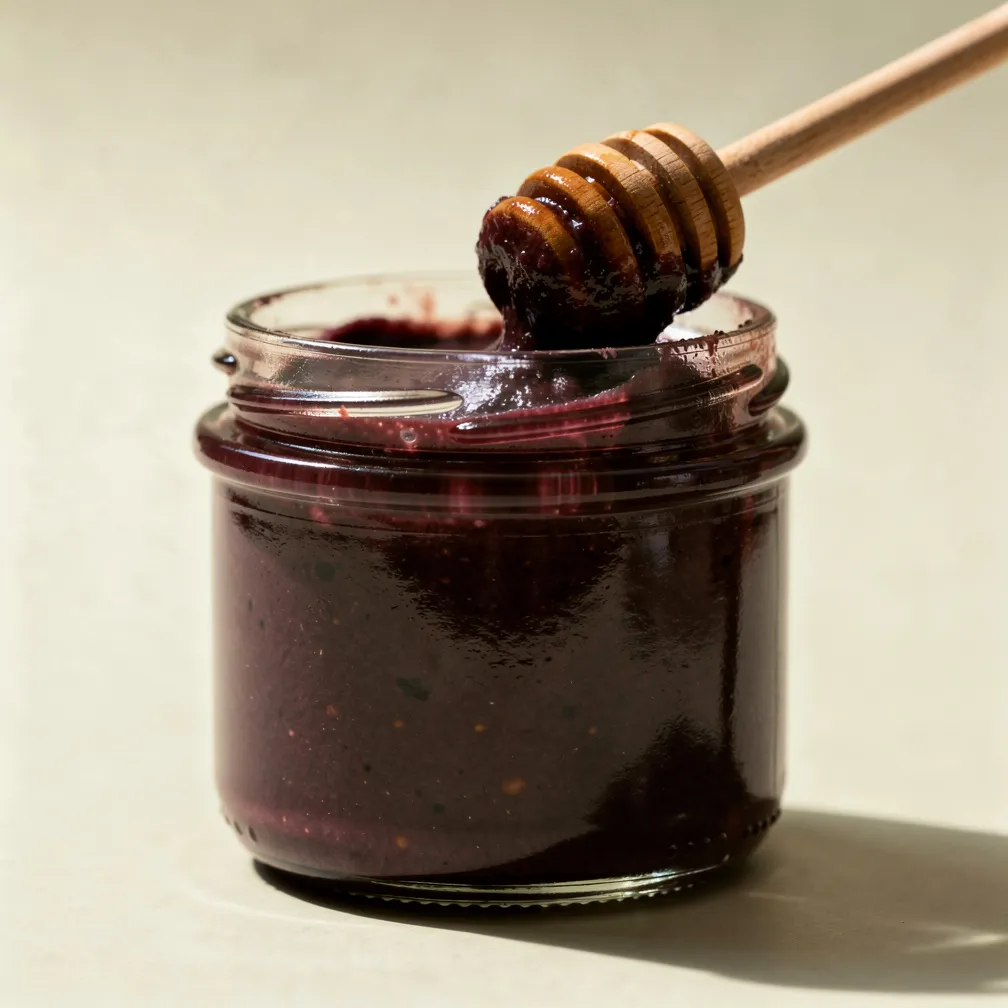
Prune puree
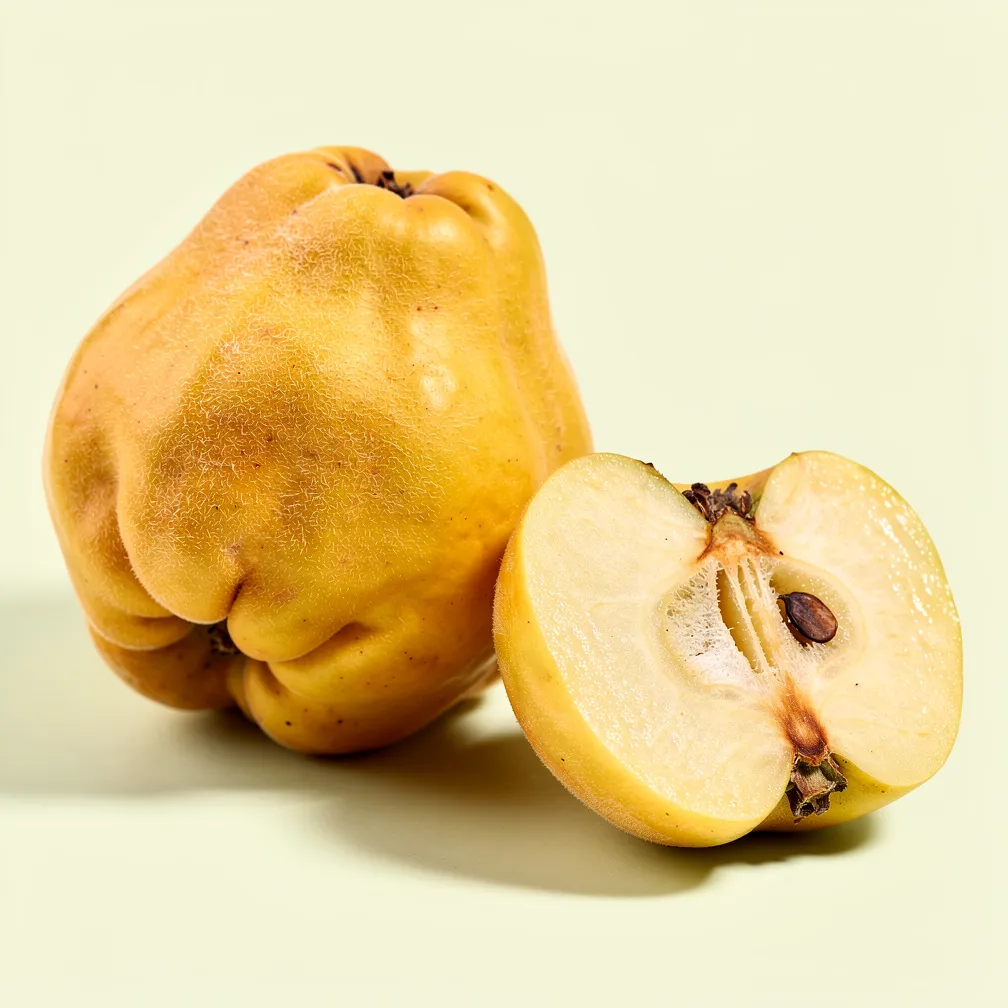
Quince
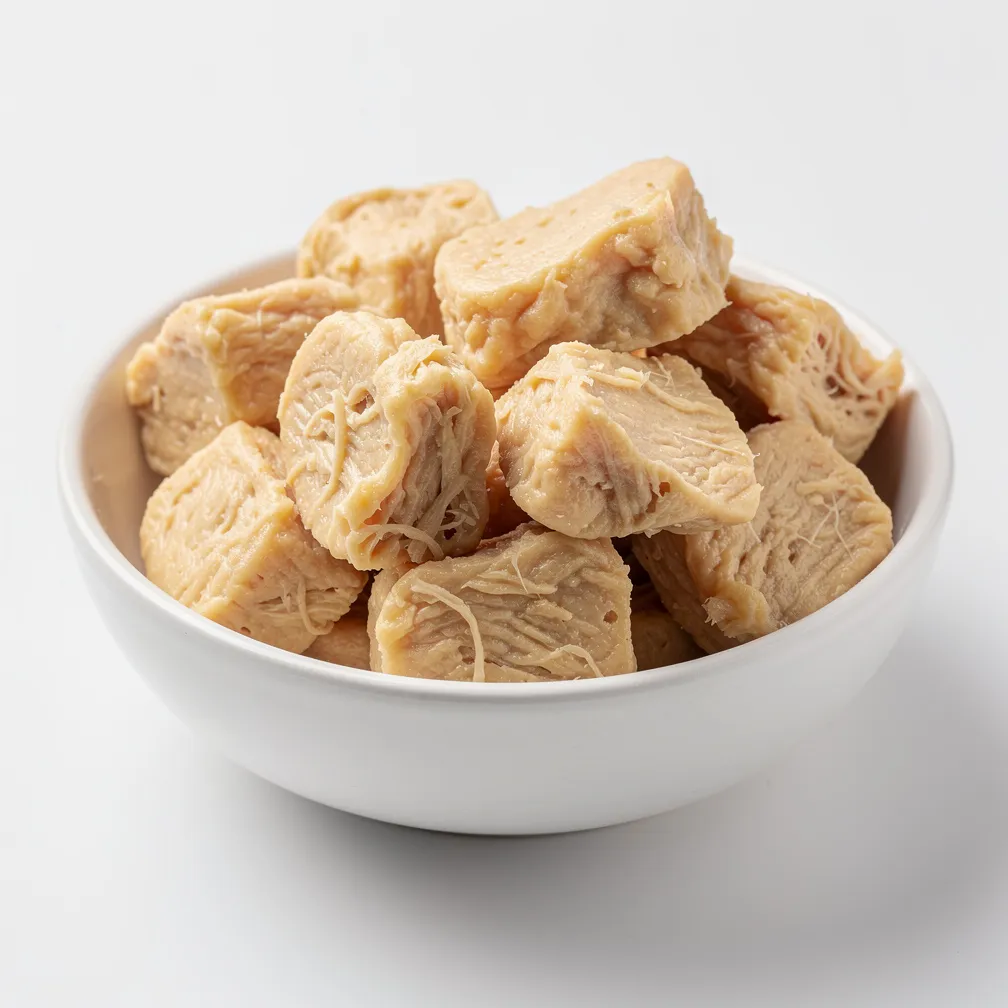
Quorn pieces
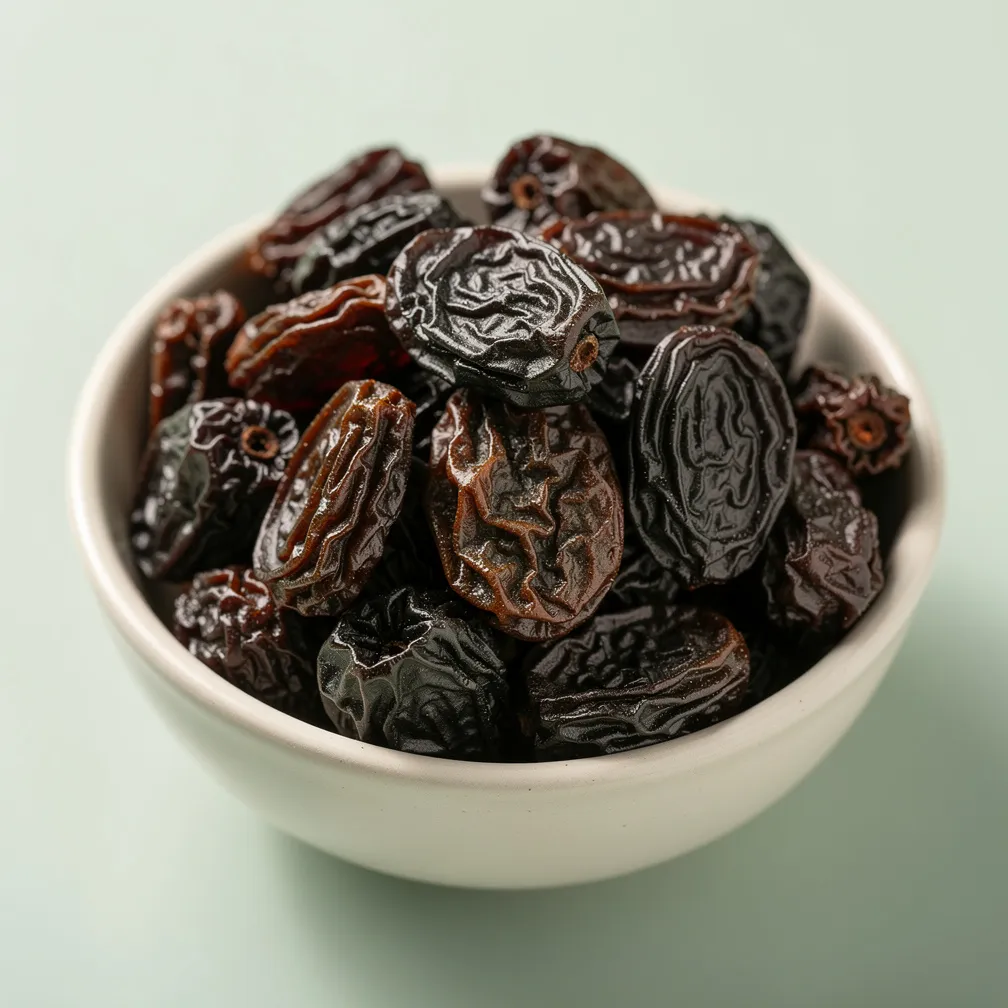
Raisins
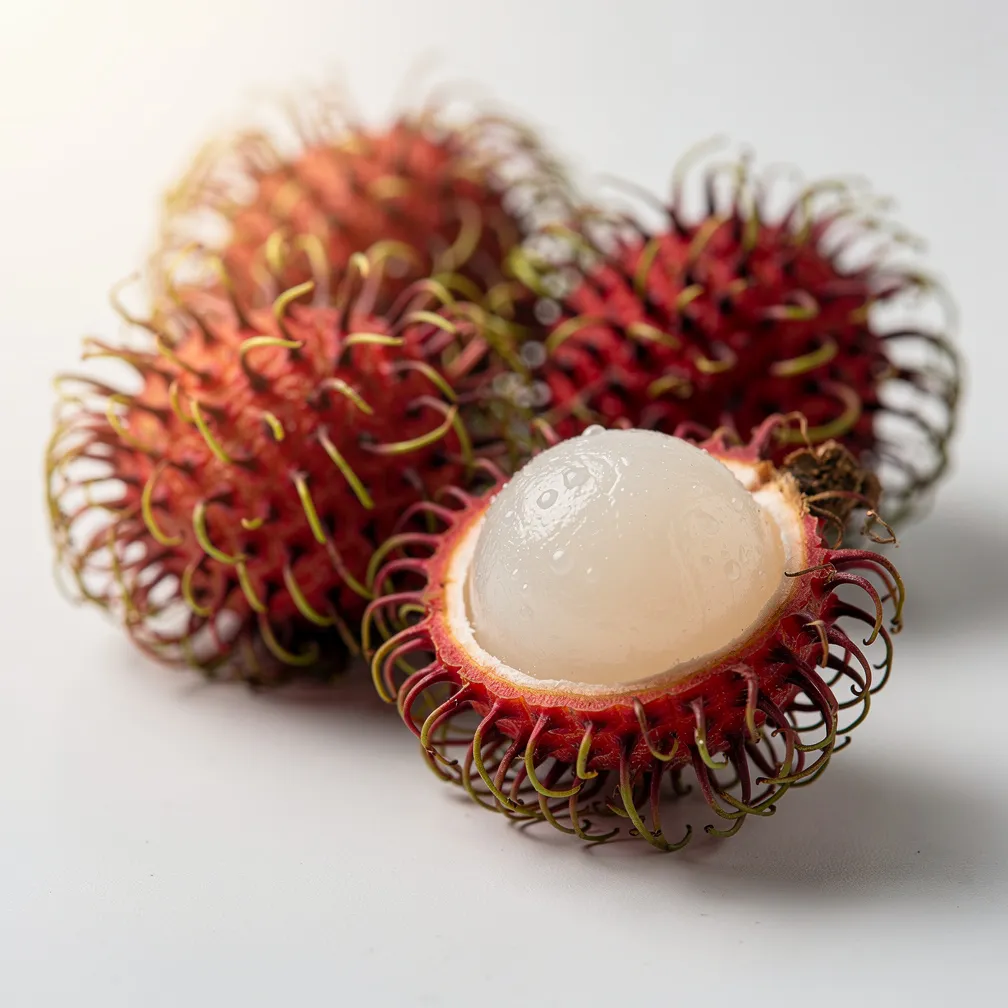
Rambutan
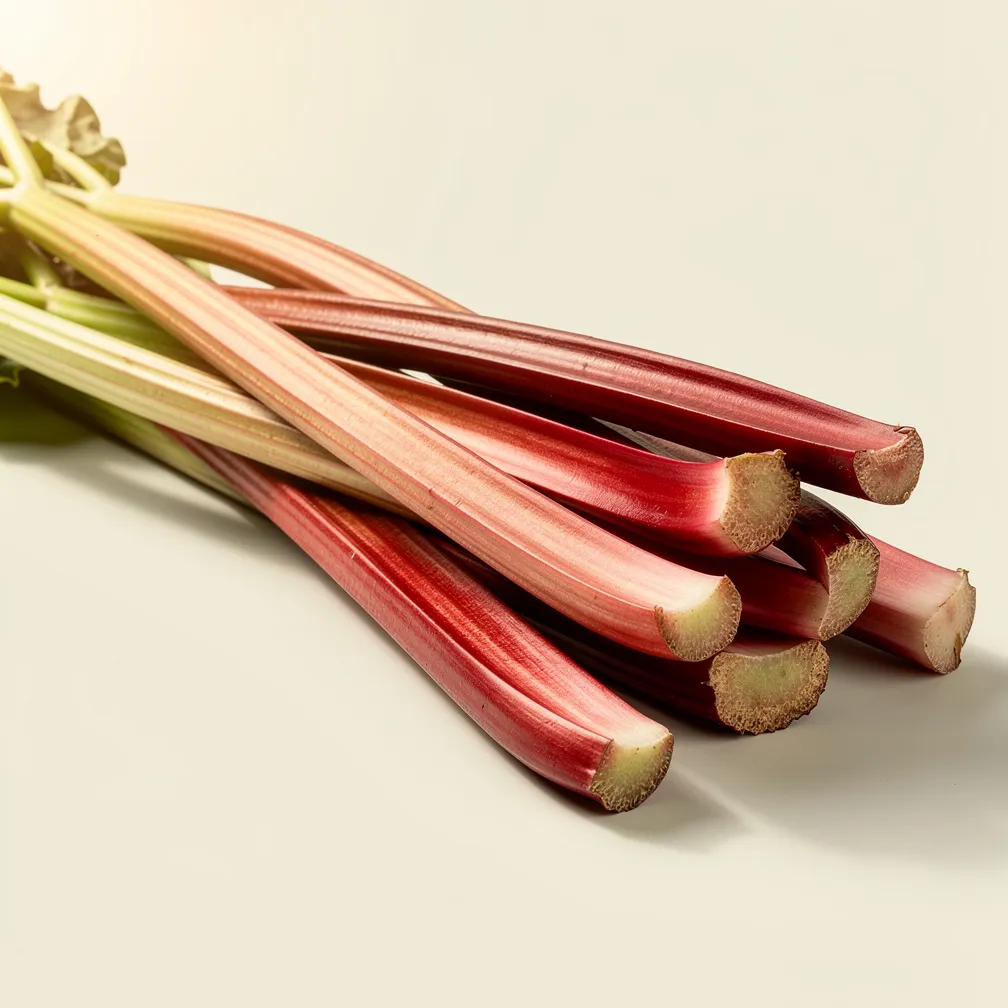
Rhubarb
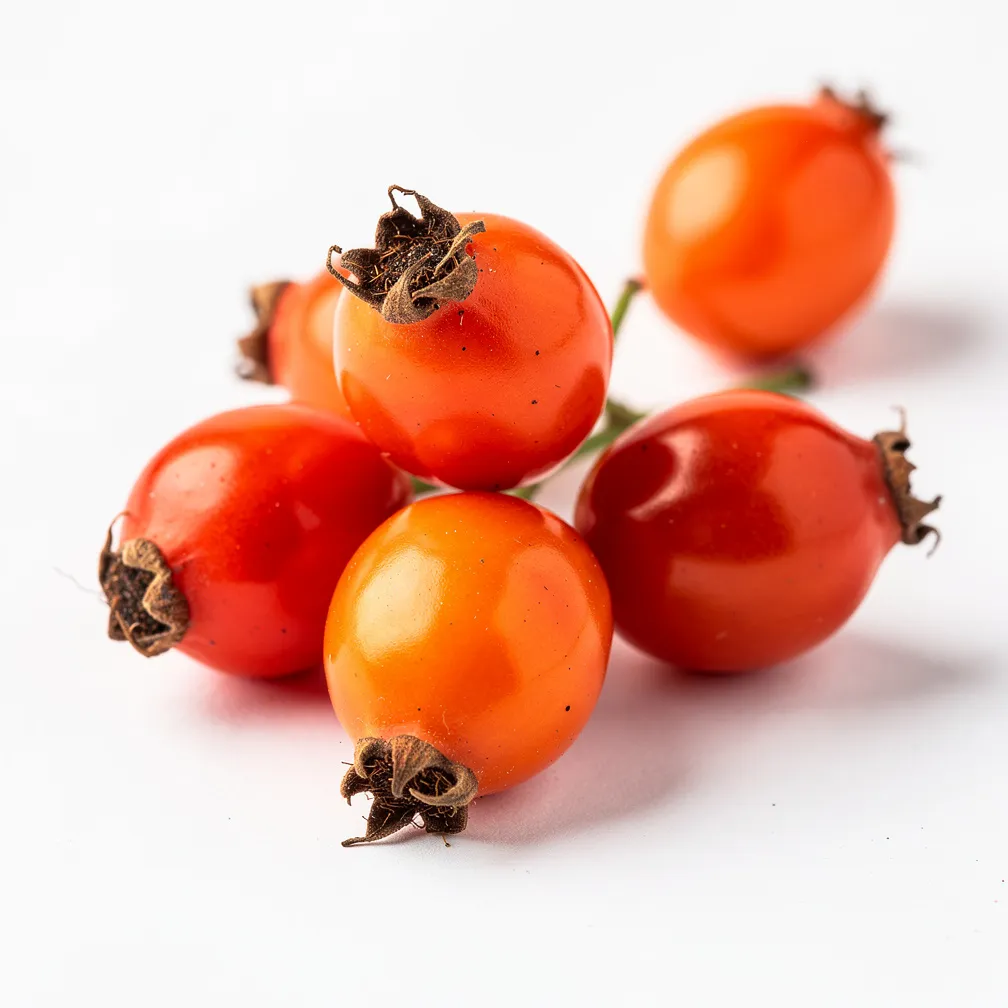
Rosehip
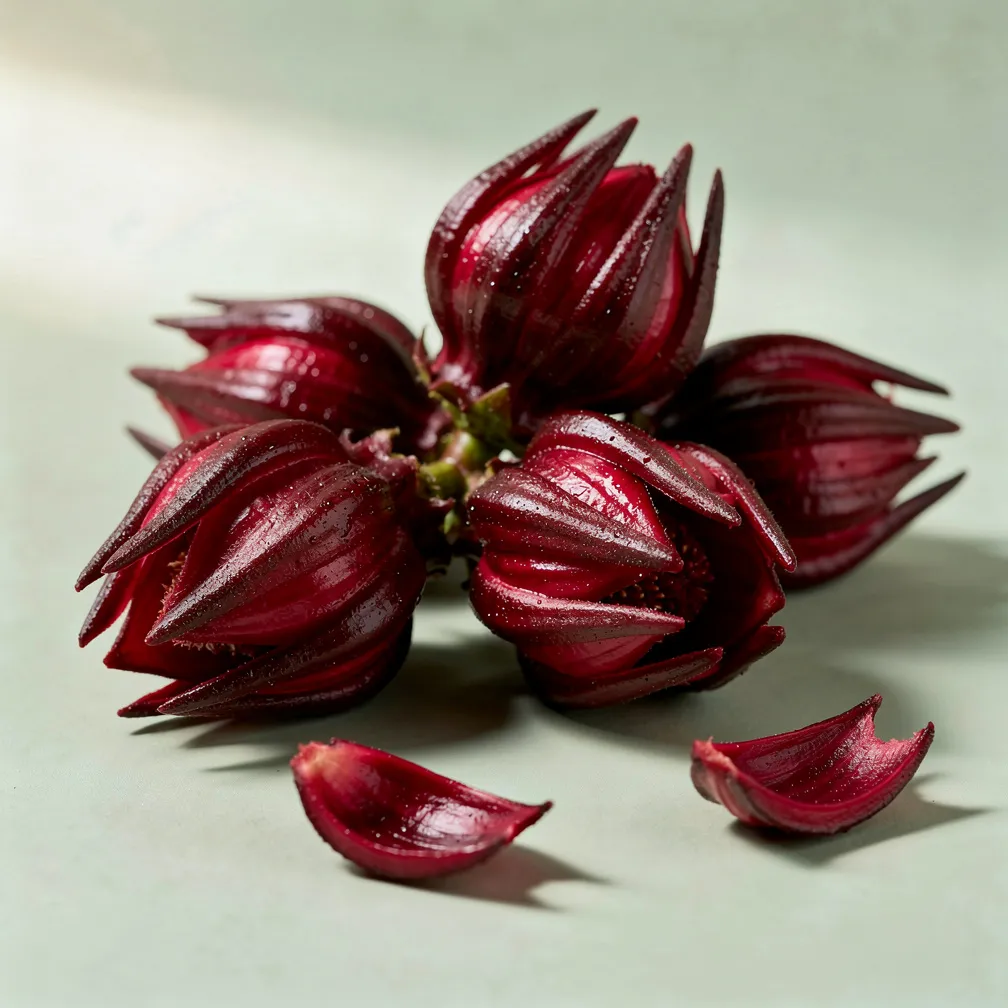
Roselle
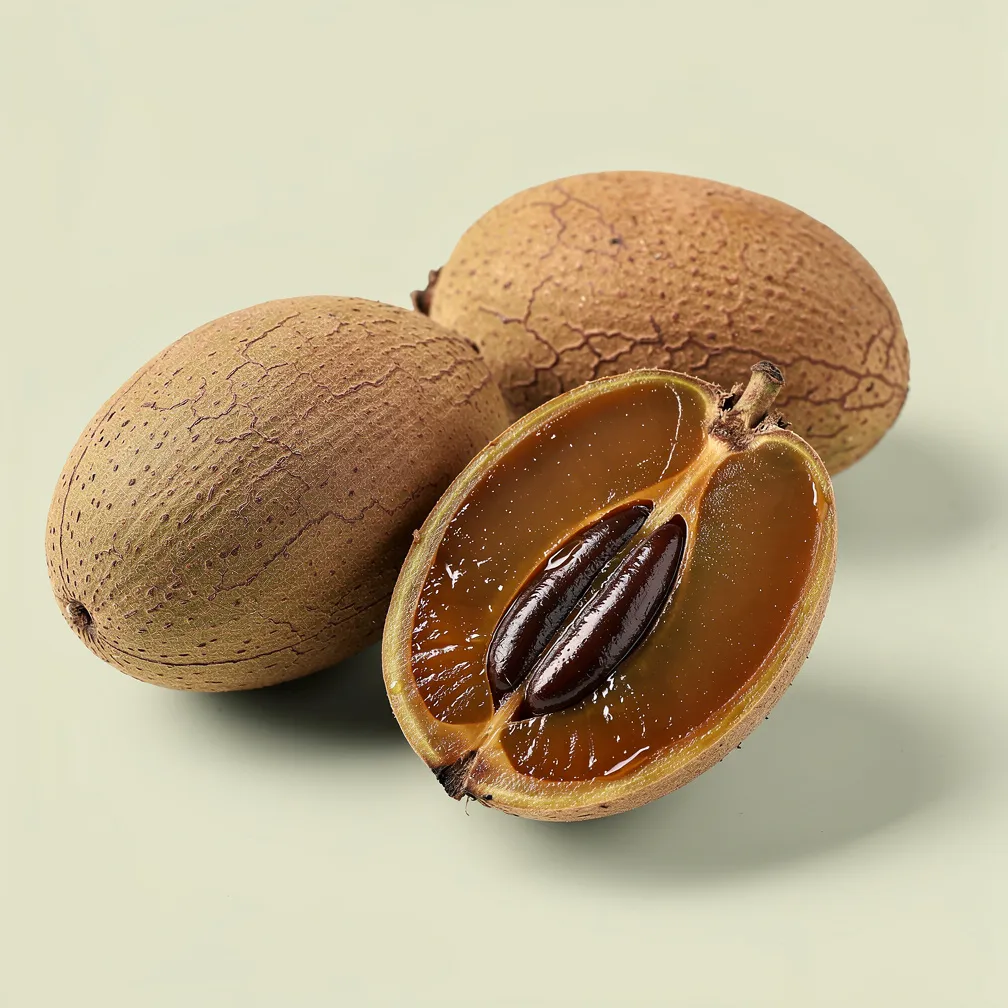
Sapodilla
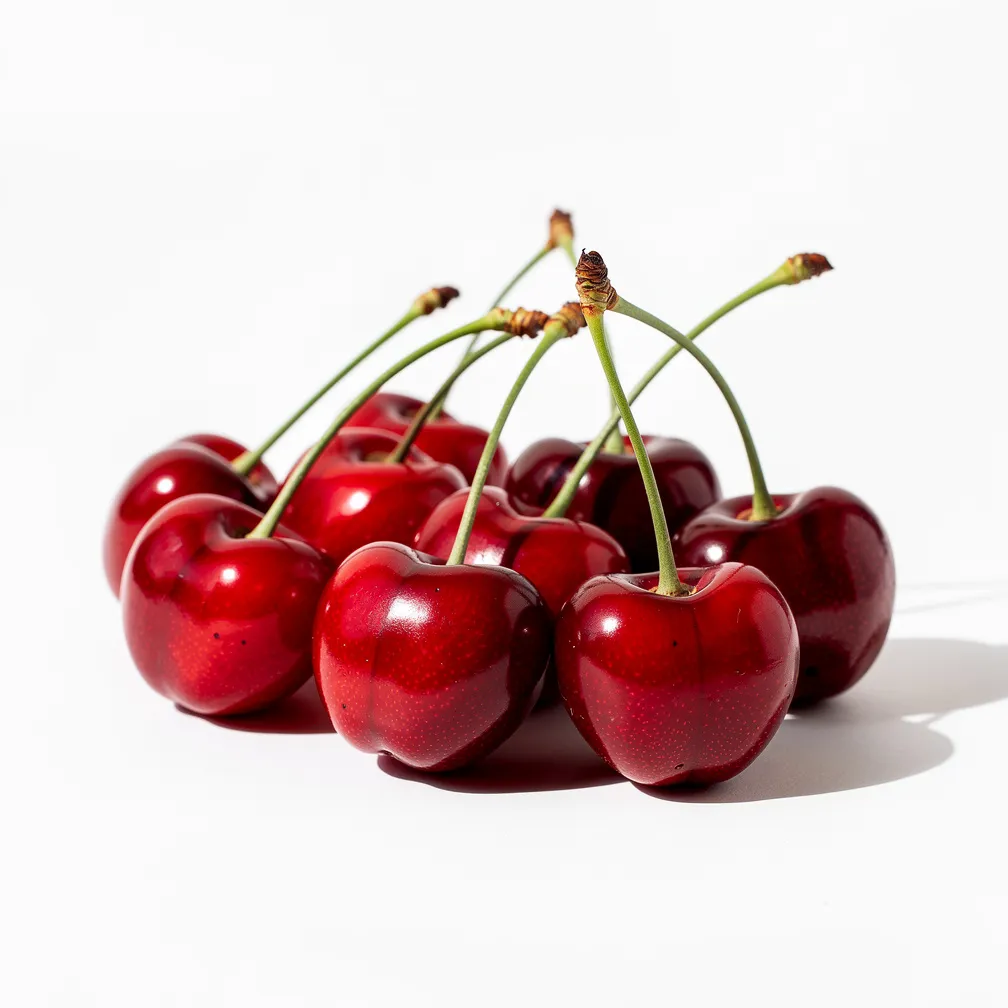
Sour red cherry
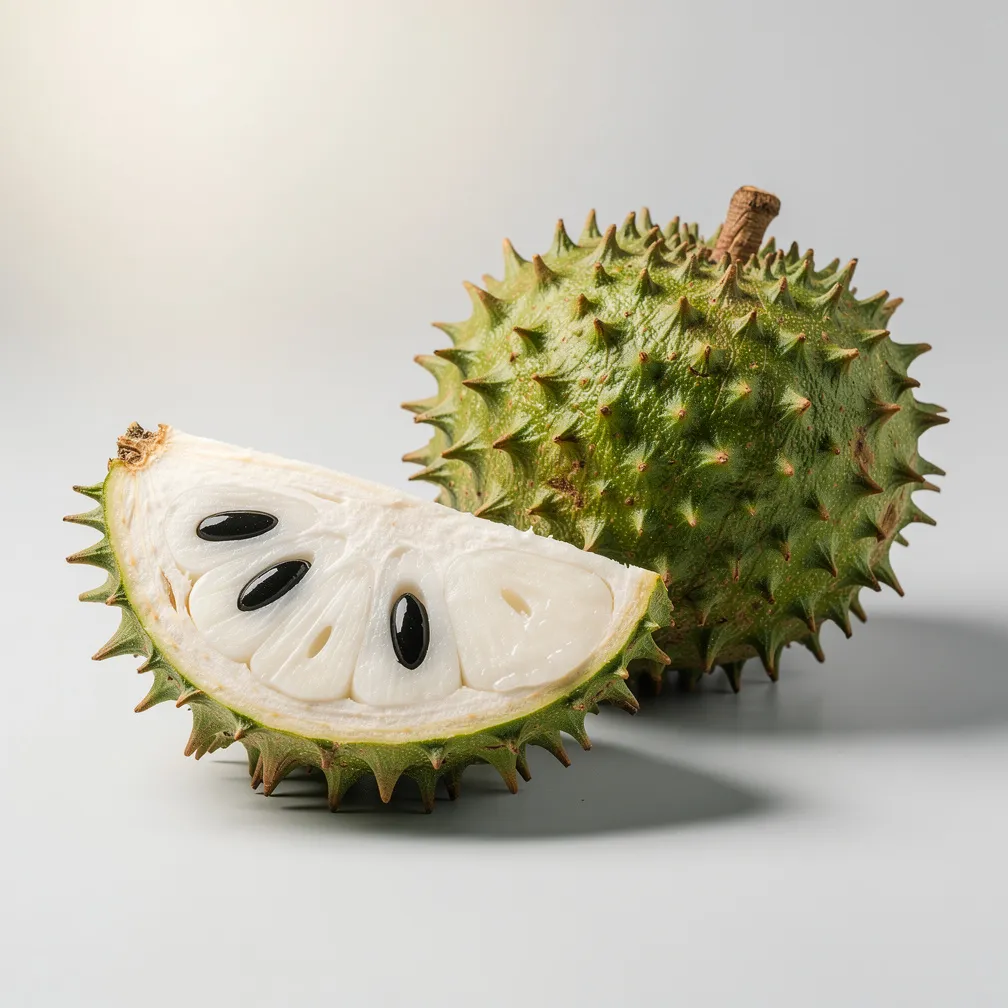
Soursop
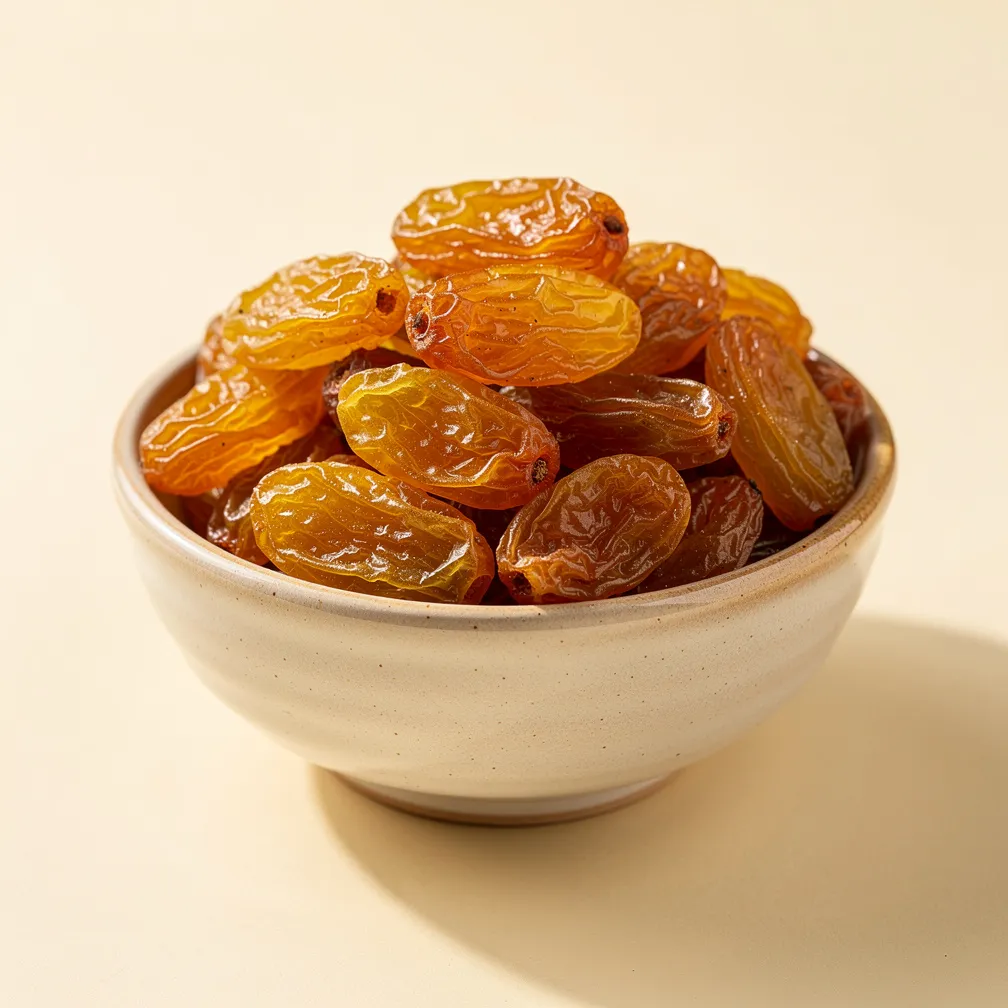
Sultana
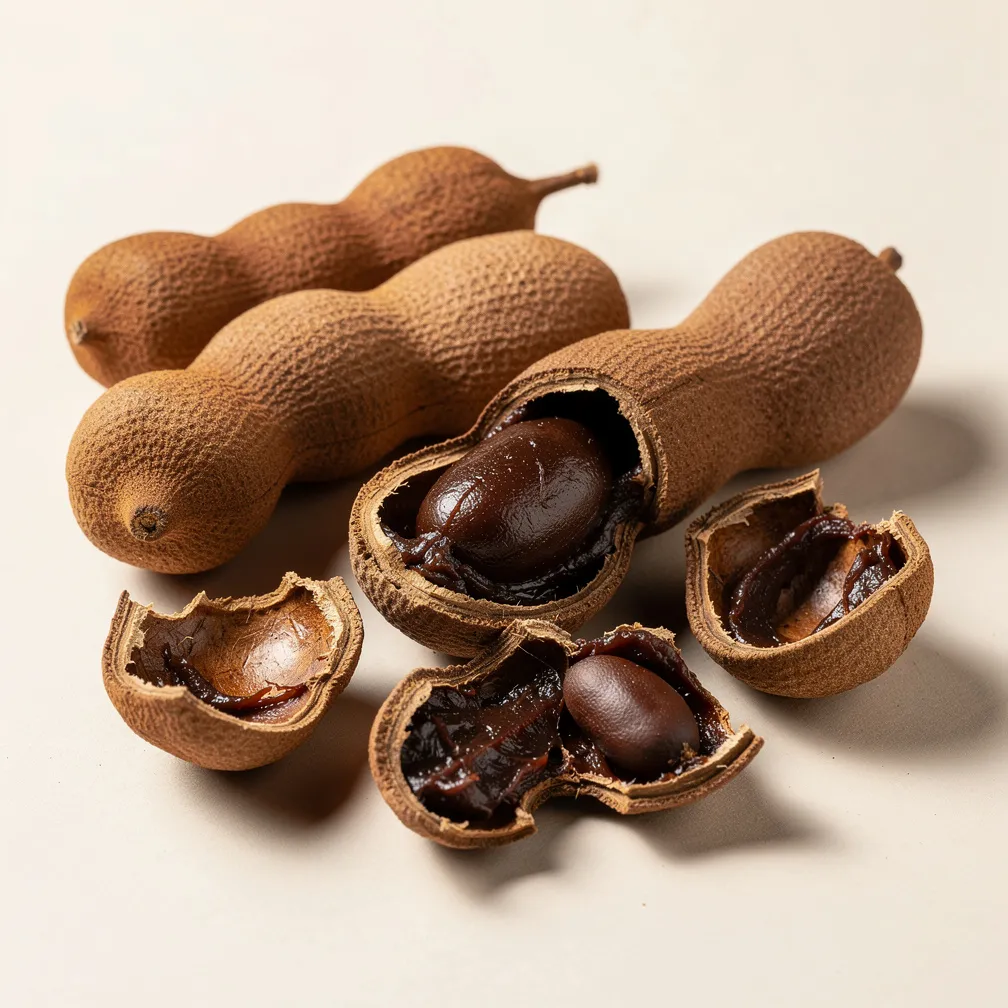
Tamarind
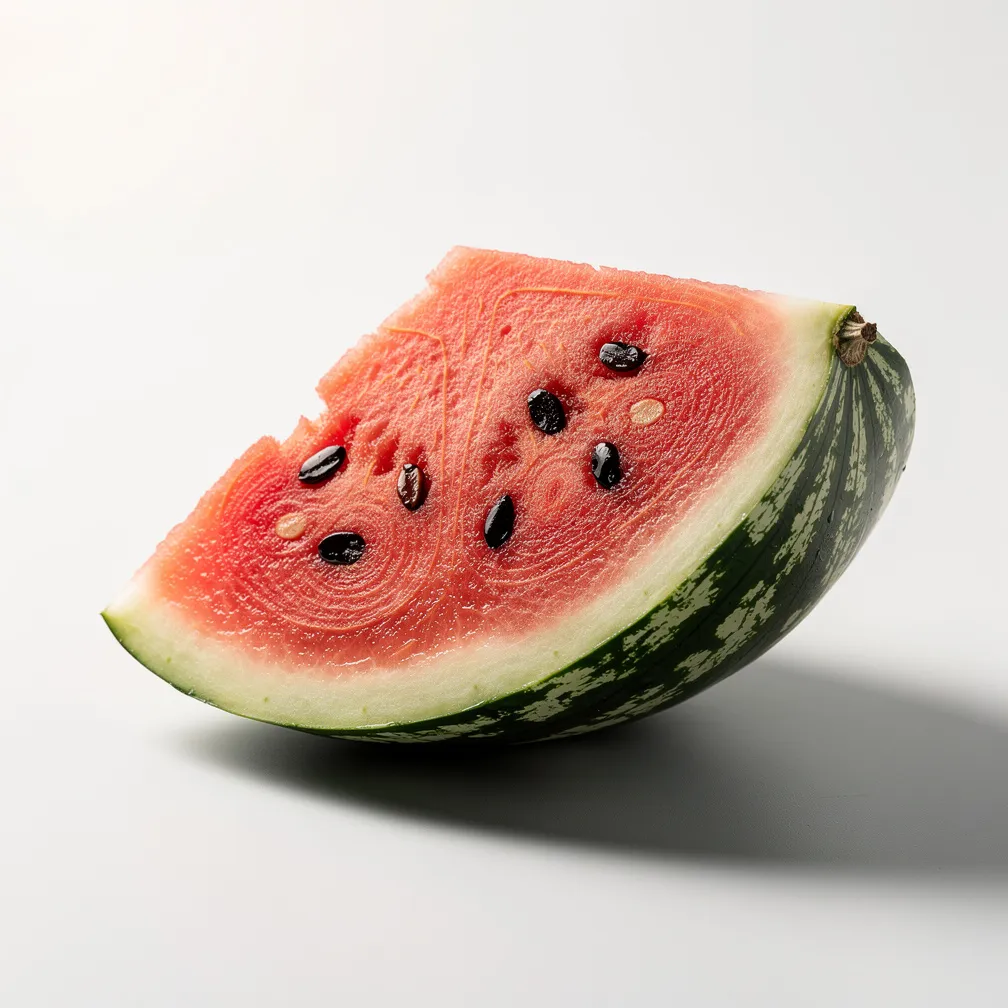
Watermelon
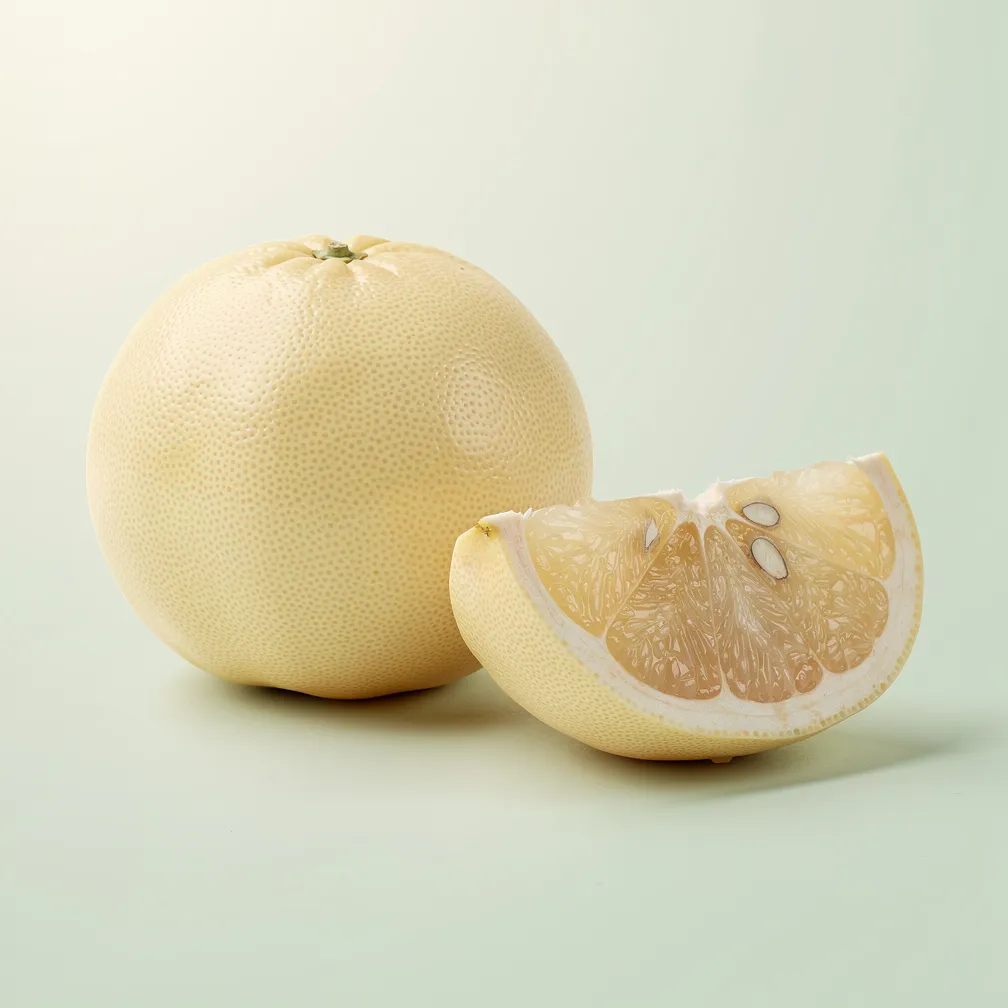
White grapefruit
Yellow peaches
Get Vnutri
Log meals, track daily totals, save favorites. Free on iOS and Android.