Fish & Seafood
103
The seafood category on vnutri.app covers finfish like salmon, cod, tuna, mackerel, and sardines, alongside shellfish such as shrimp, crab, lobster, mussels, oysters, clams, scallops, squid, and octopus. Most items are protein-dense (roughly 15–25 g per 100 g), naturally low in carbohydrates, and range from very lean (cod, shrimp, tilapia) to rich in omega-3 fats (salmon, mackerel, herring, sardines). Seafood is a leading source of vitamin B12, vitamin D, iodine, selenium, zinc, and iron, with shellfish particularly high in copper and B12. Because carbohydrate content is negligible, glycemic index is not applicable, making seafood broadly compatible with keto, low-carb, paleo, Mediterranean, and pescatarian patterns.
Which seafood has the most protein per 100 g?
Tuna, especially yellowfin and skipjack, tops the list at around 24–28 g of protein per 100 g cooked. Other high-protein options include anchovies (around 28 g), shrimp (around 24 g), and salmon (around 22–25 g). Lean white fish like cod and haddock deliver roughly 20–23 g with very little fat.
Is seafood keto-friendly?
Yes, nearly all fish and shellfish contain zero or trace carbohydrates, which fits standard keto macros. Fatty fish like salmon, mackerel, and sardines are especially useful because they provide both protein and omega-3 fats. Exceptions to watch are breaded or battered preparations and imitation crab (surimi), which contain added starch and sugar.
What seafood is highest in omega-3?
Cold-water fatty fish lead by a wide margin: mackerel, herring, and salmon provide roughly 2–4 g of combined EPA and DHA per 100 g, while sardines and anchovies deliver around 1.5–2 g. Shellfish contain smaller amounts, typically 0.2–0.5 g per 100 g, with oysters and mussels among the higher options.
How much mercury is in different types of seafood?
Mercury content varies by species and size. Lower-mercury choices include shrimp, salmon, sardines, anchovies, cod, tilapia, scallops, and oysters. Higher-mercury species include swordfish, king mackerel, shark, marlin, and bigeye tuna, while albacore and yellowfin tuna fall in the moderate range. Smaller, shorter-lived fish generally accumulate less mercury than large predators.
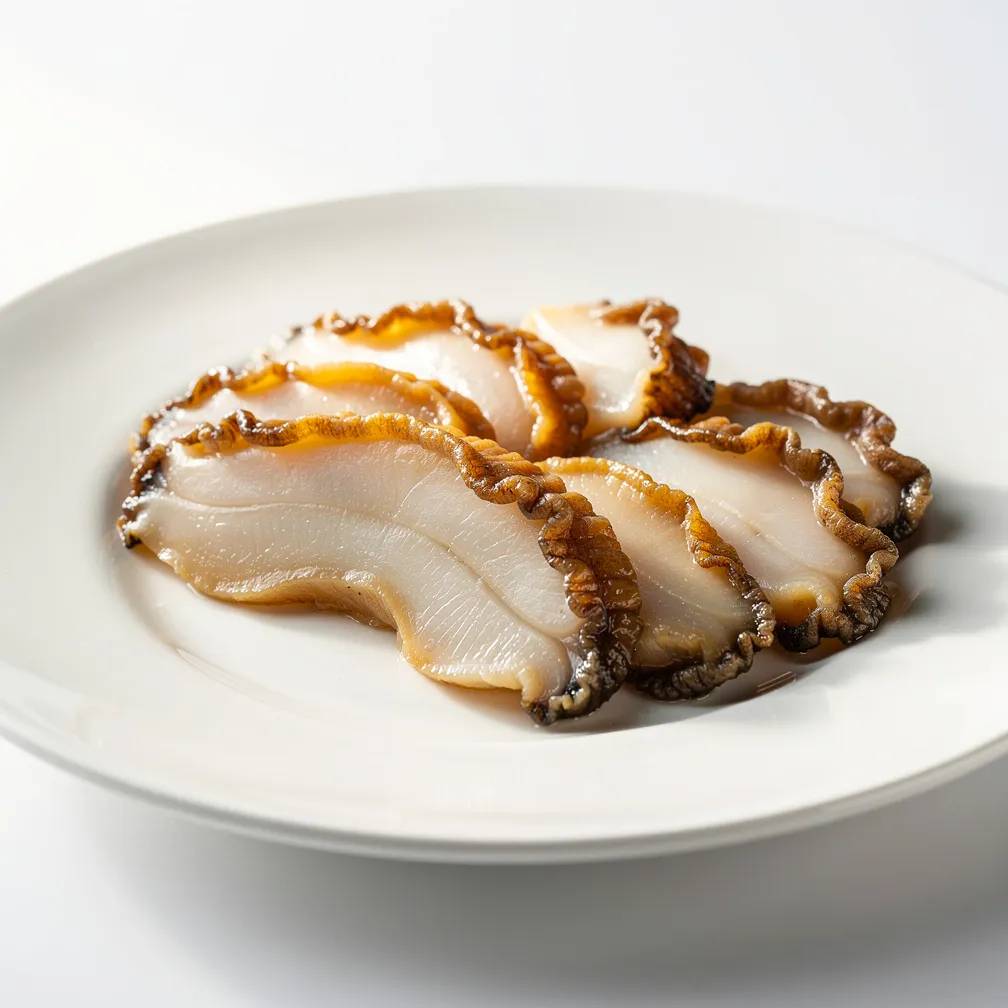
Abalone
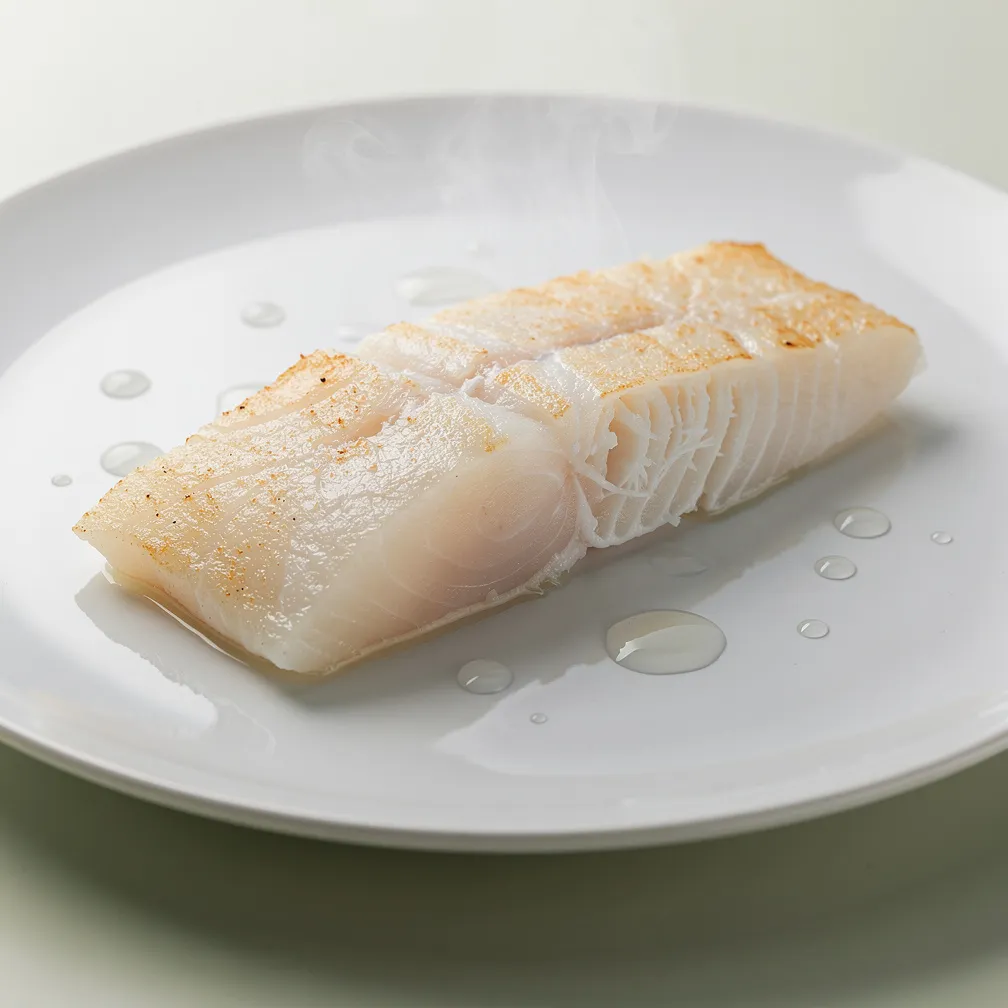
Alaska pollock
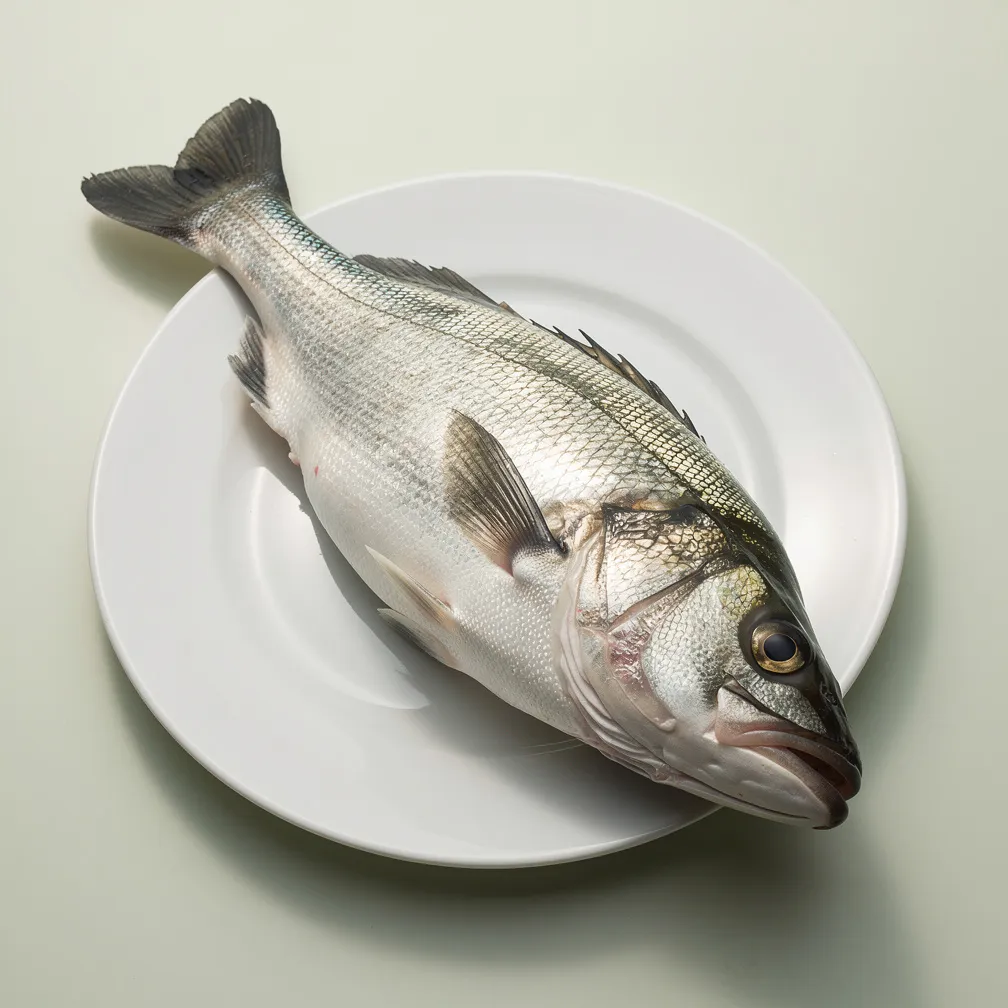
American bass
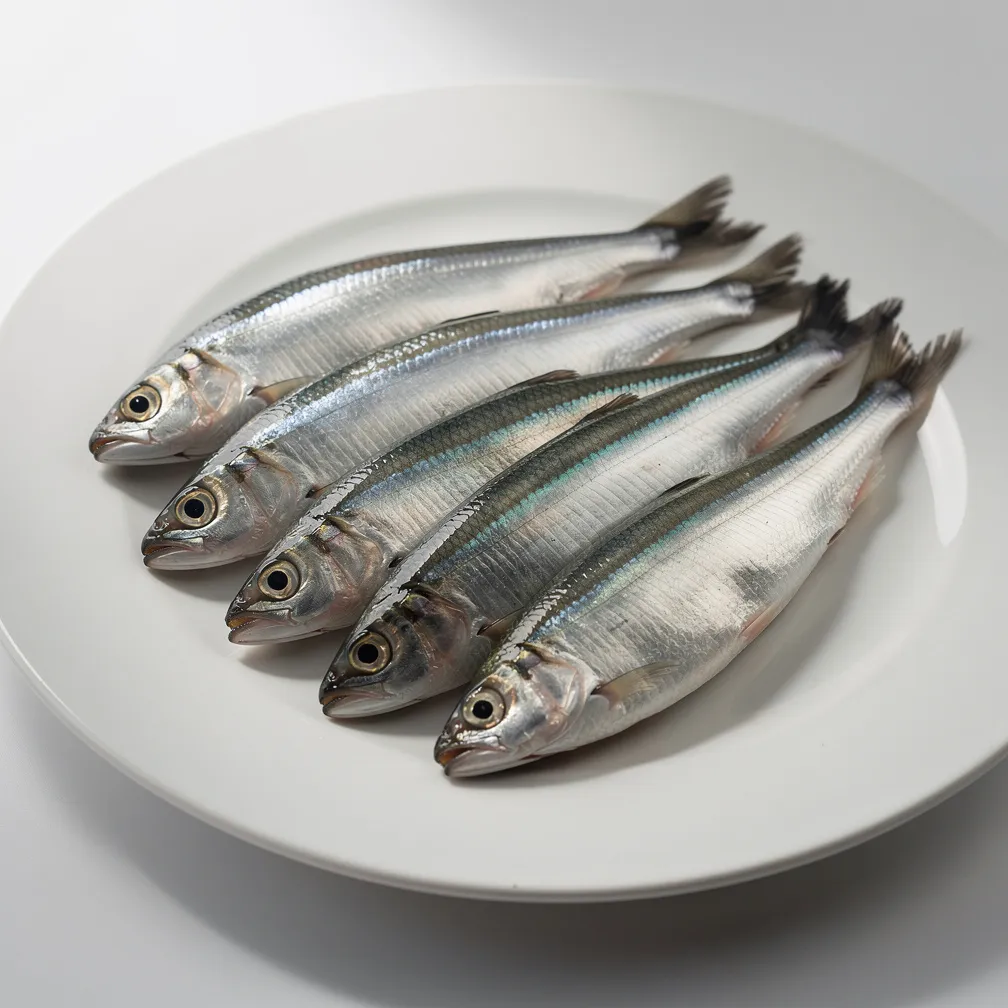
Anchovy
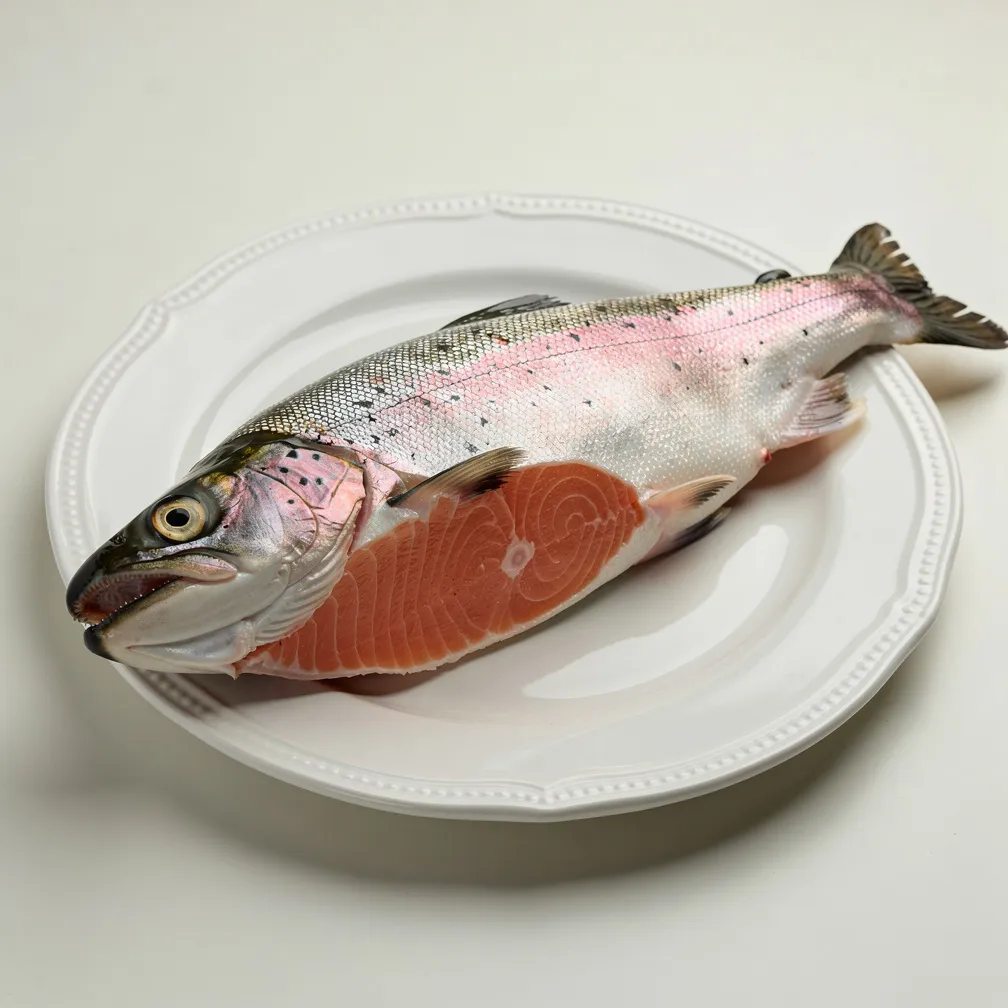
Arctic char
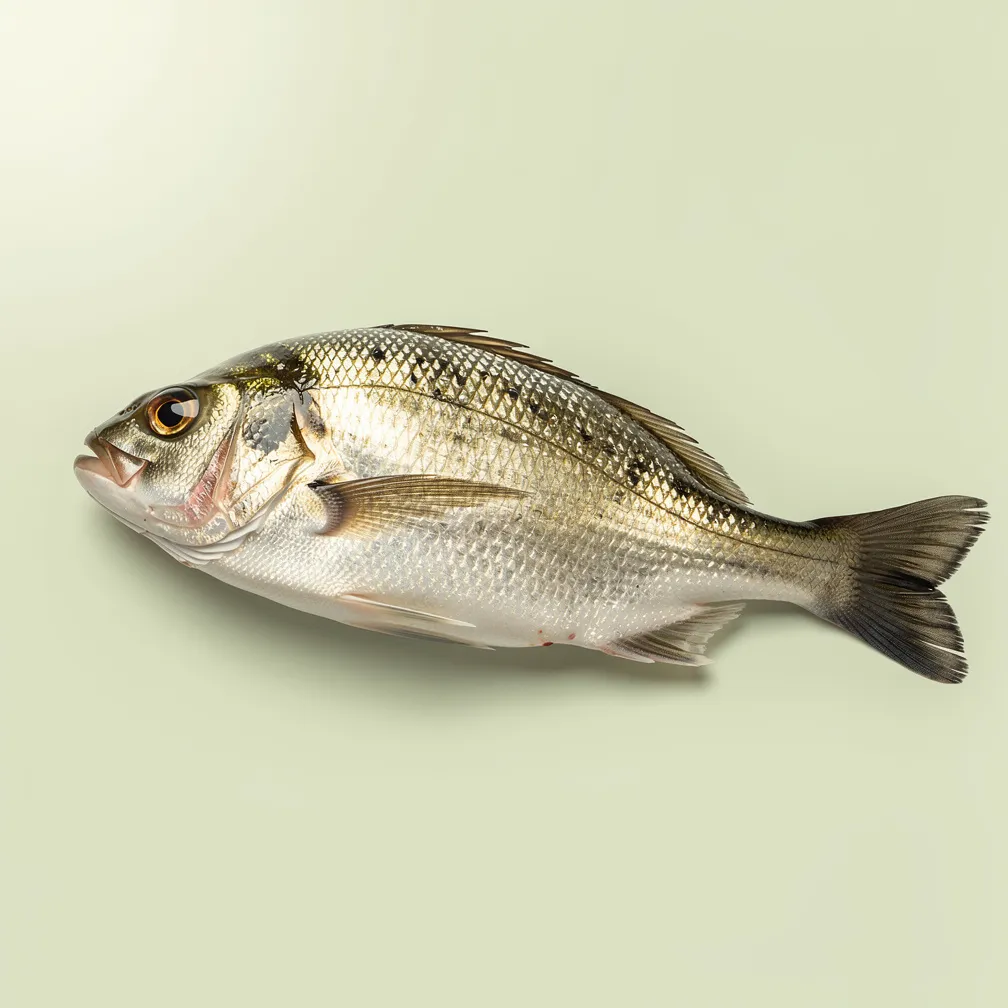
Atlantic croaker
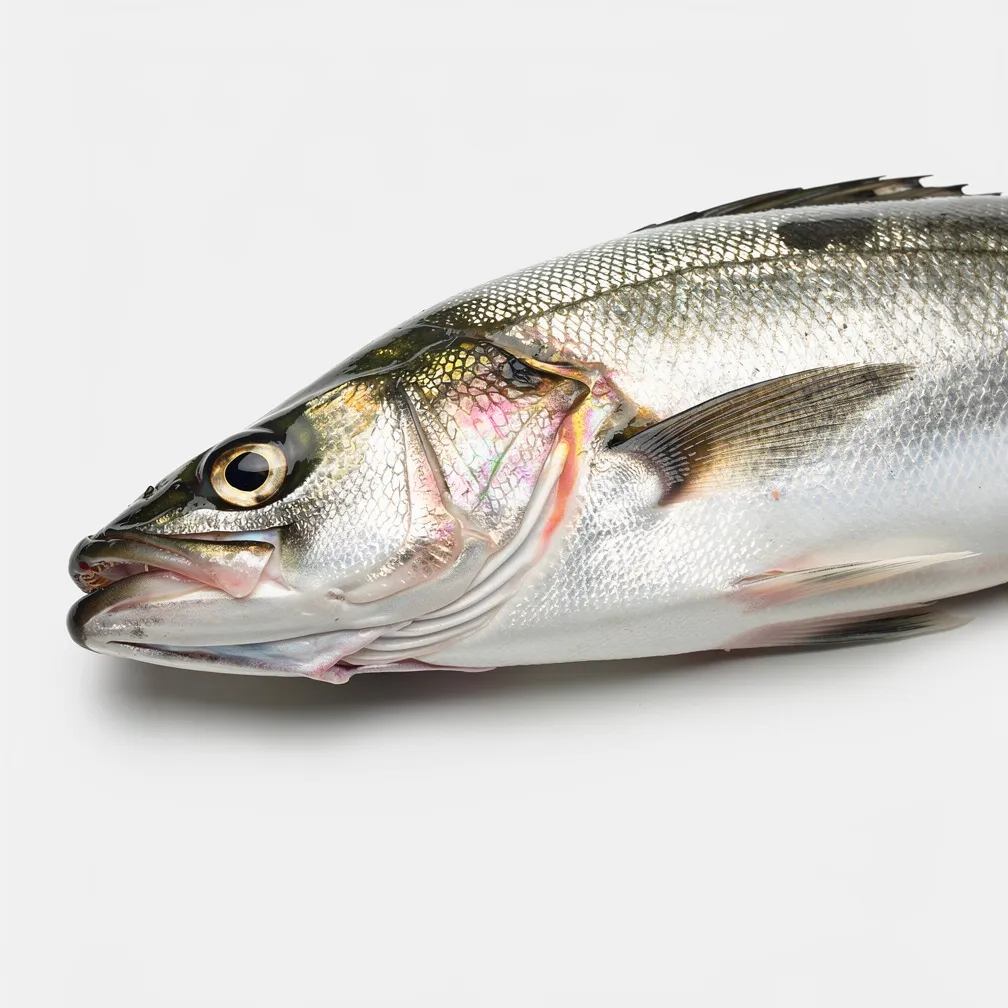
Bass
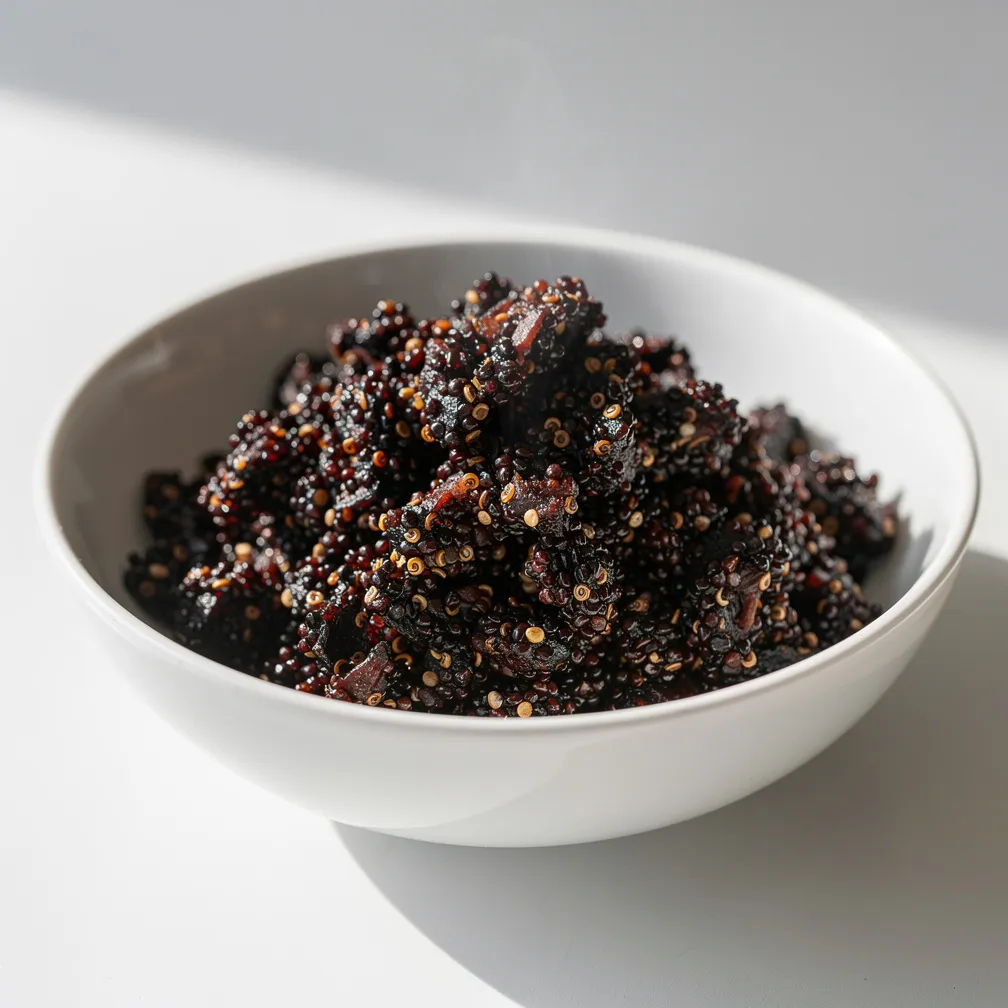
Black quinoa
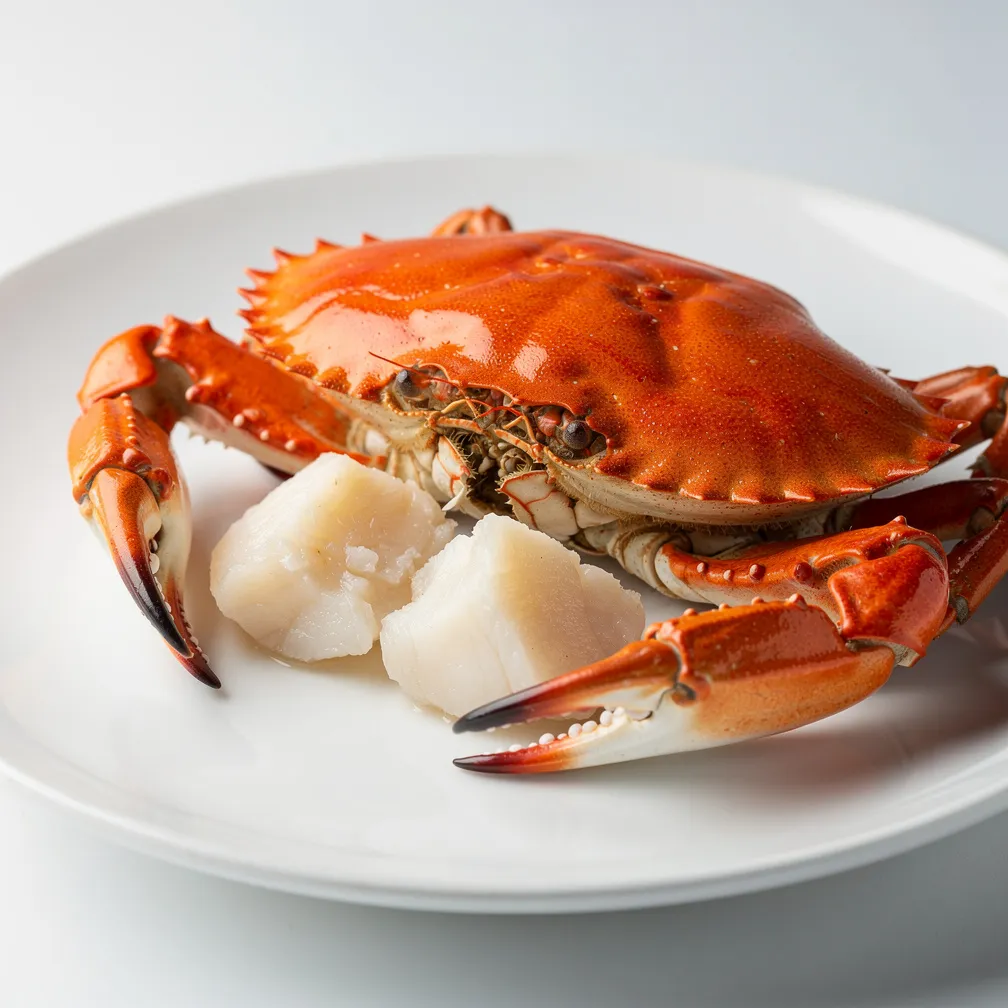
Blue crab
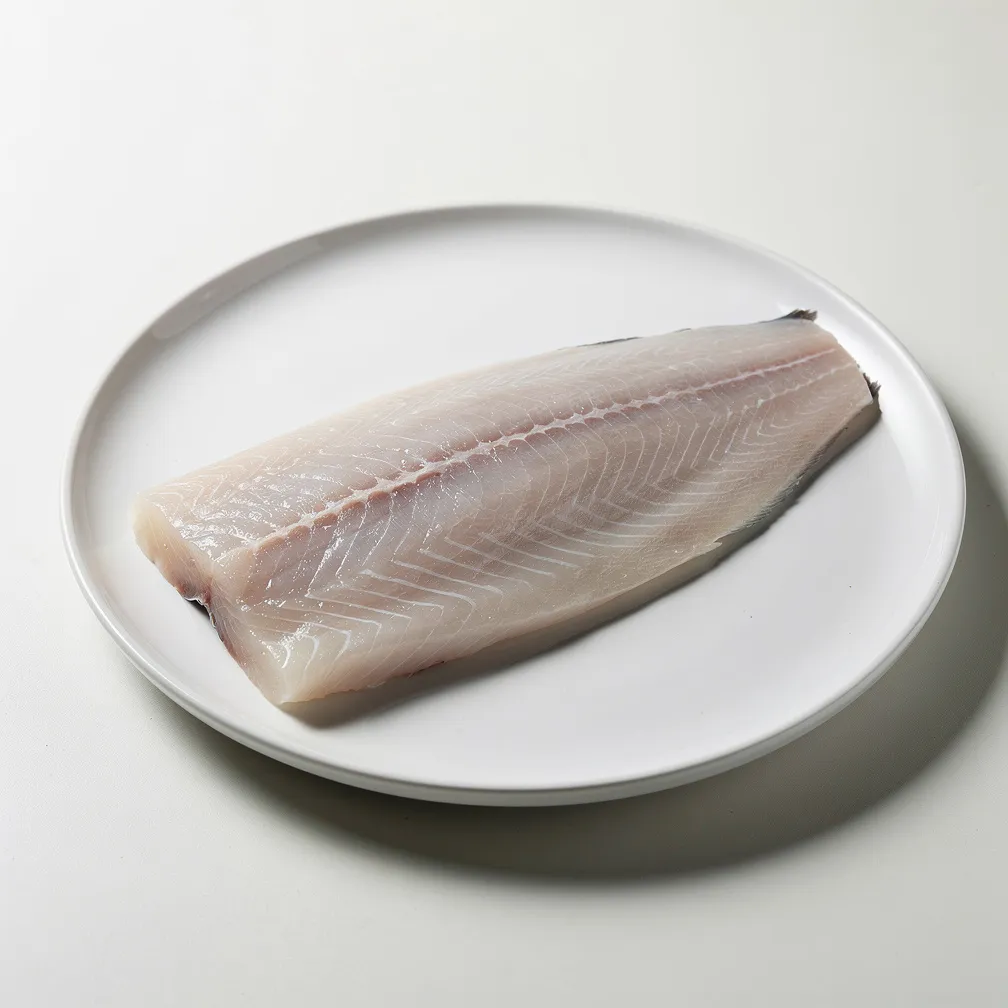
Blue ling
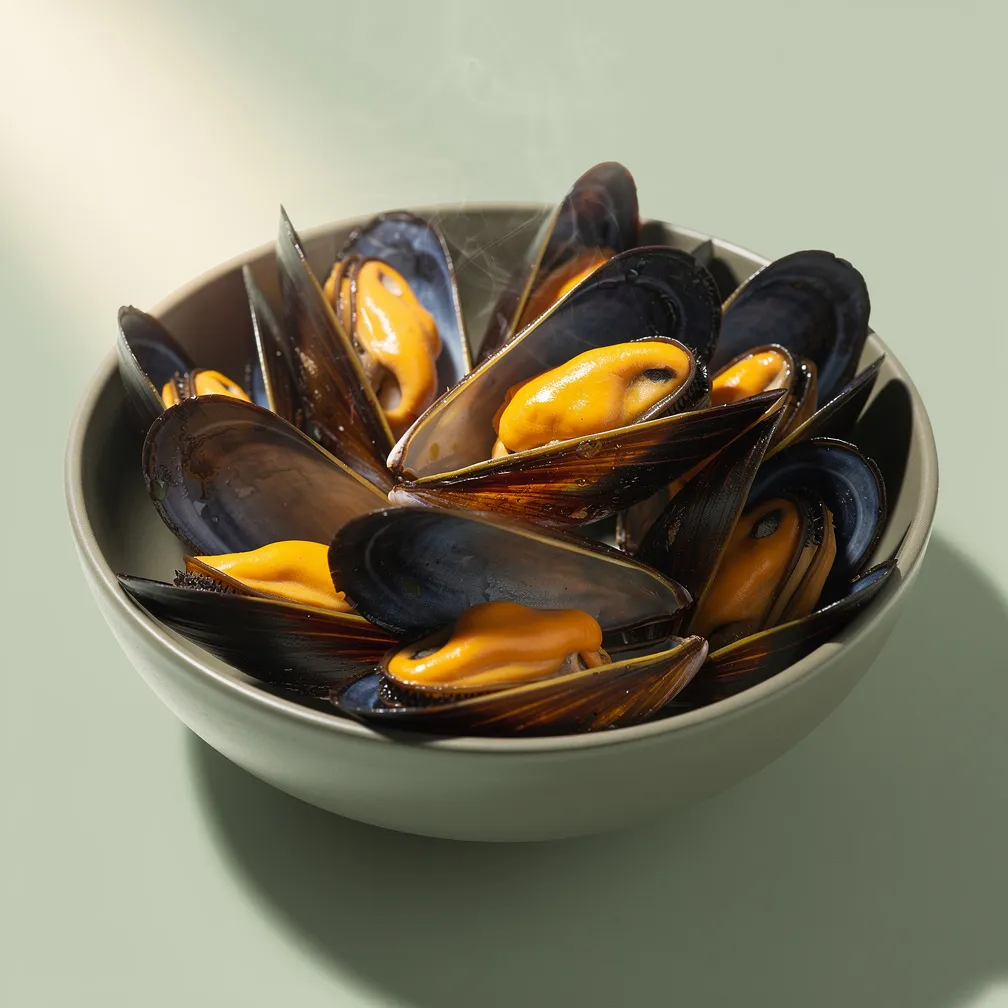
Blue mussel
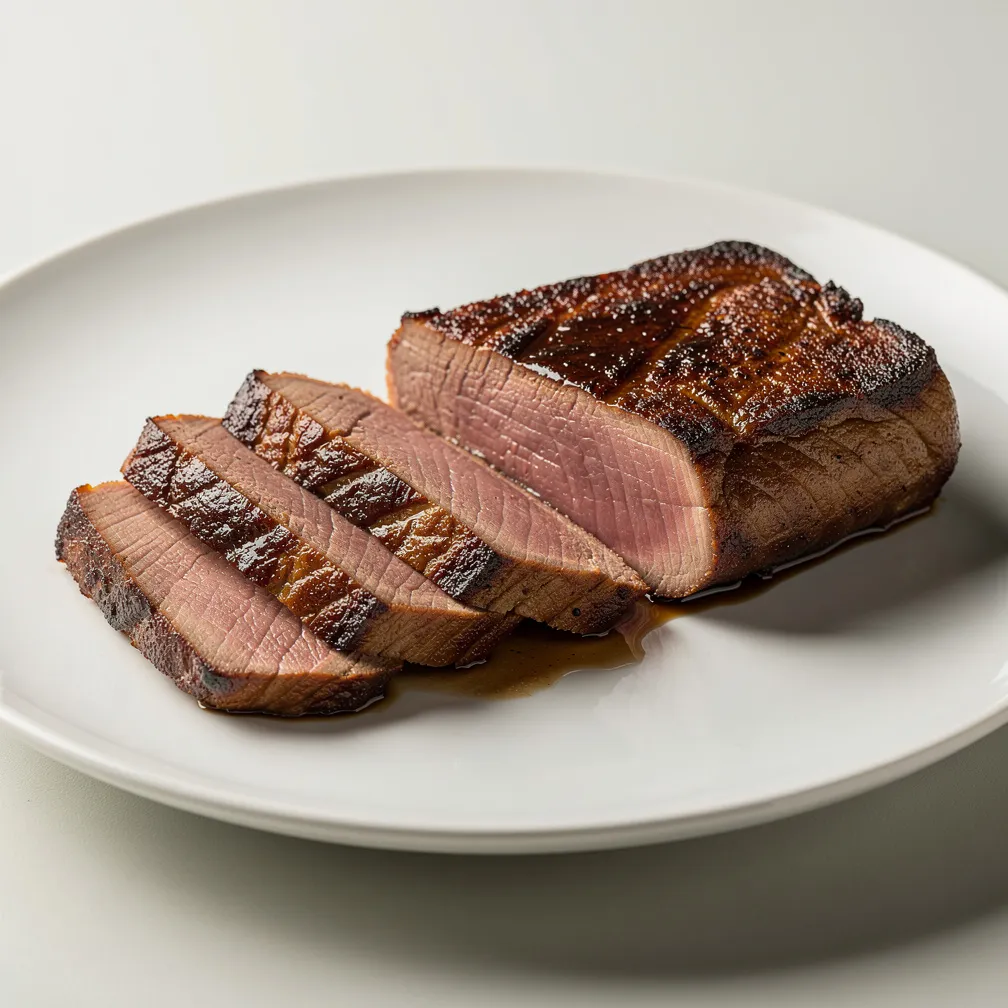
Bluefin tuna
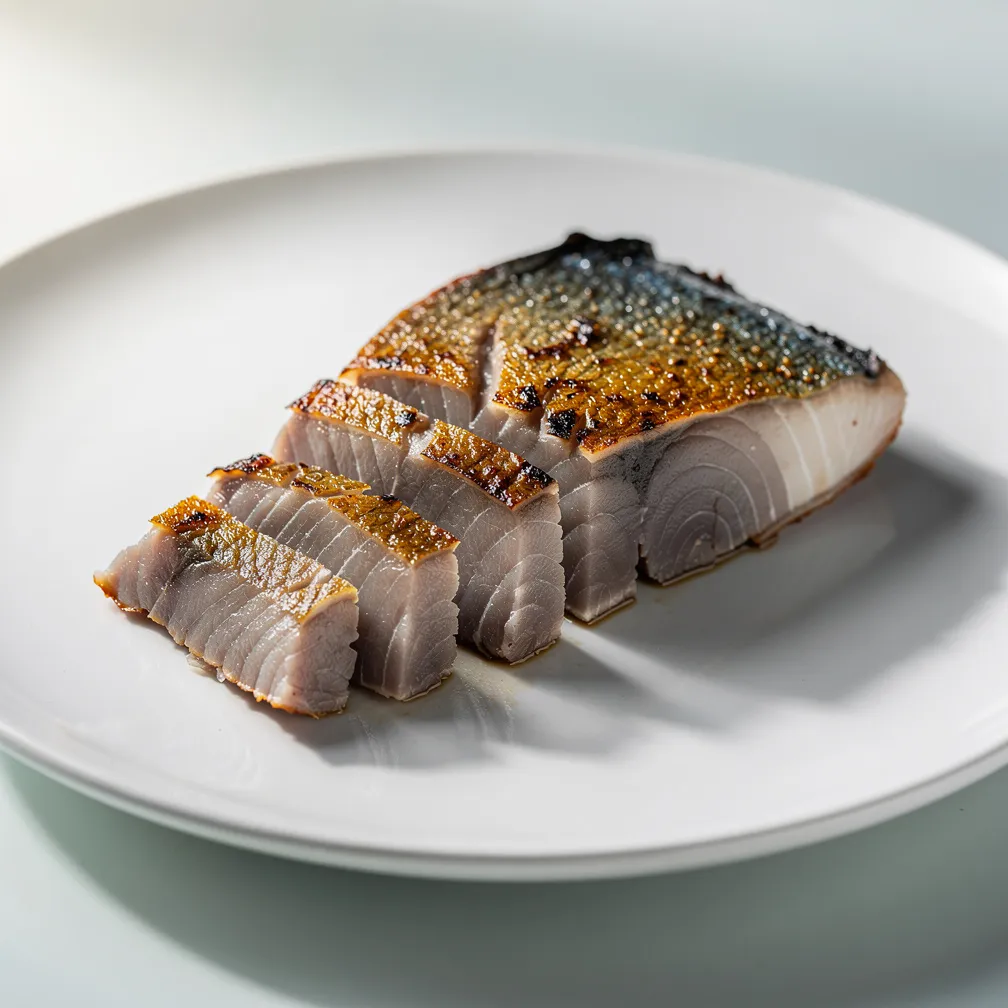
Bluefish
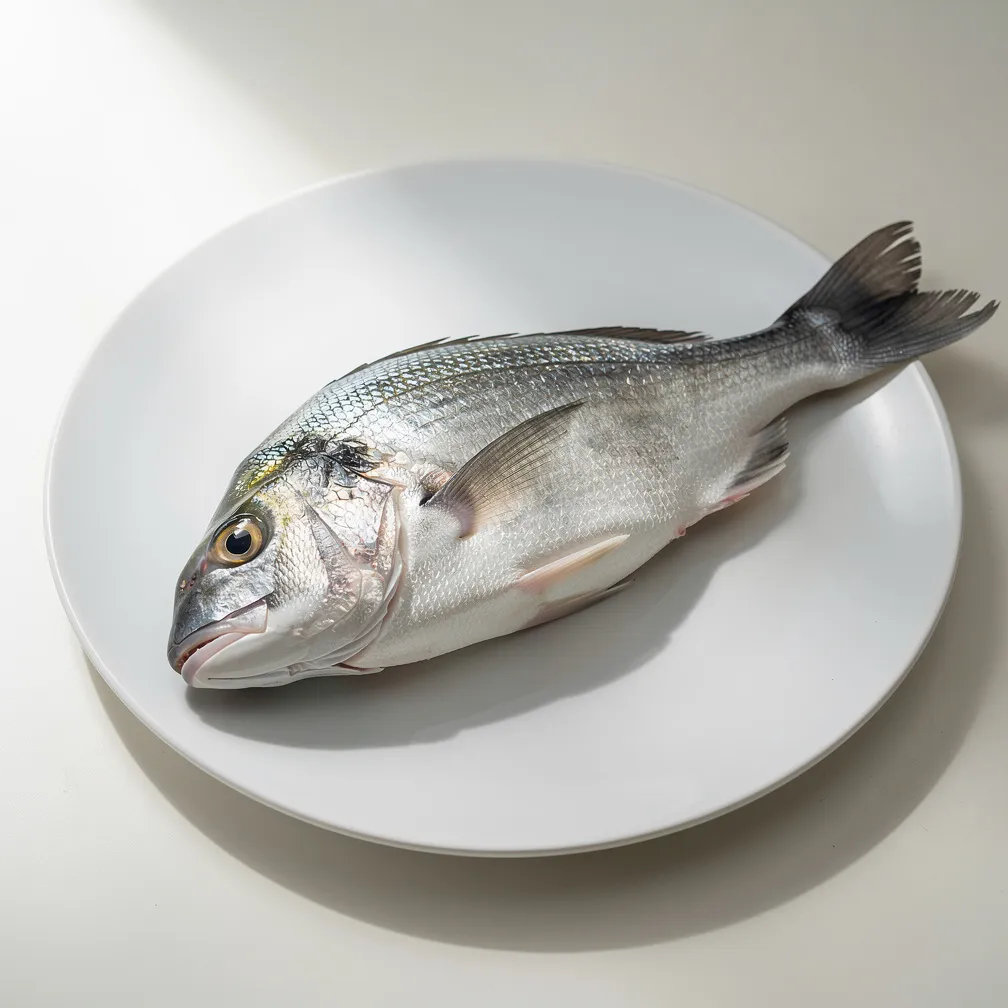
Bream
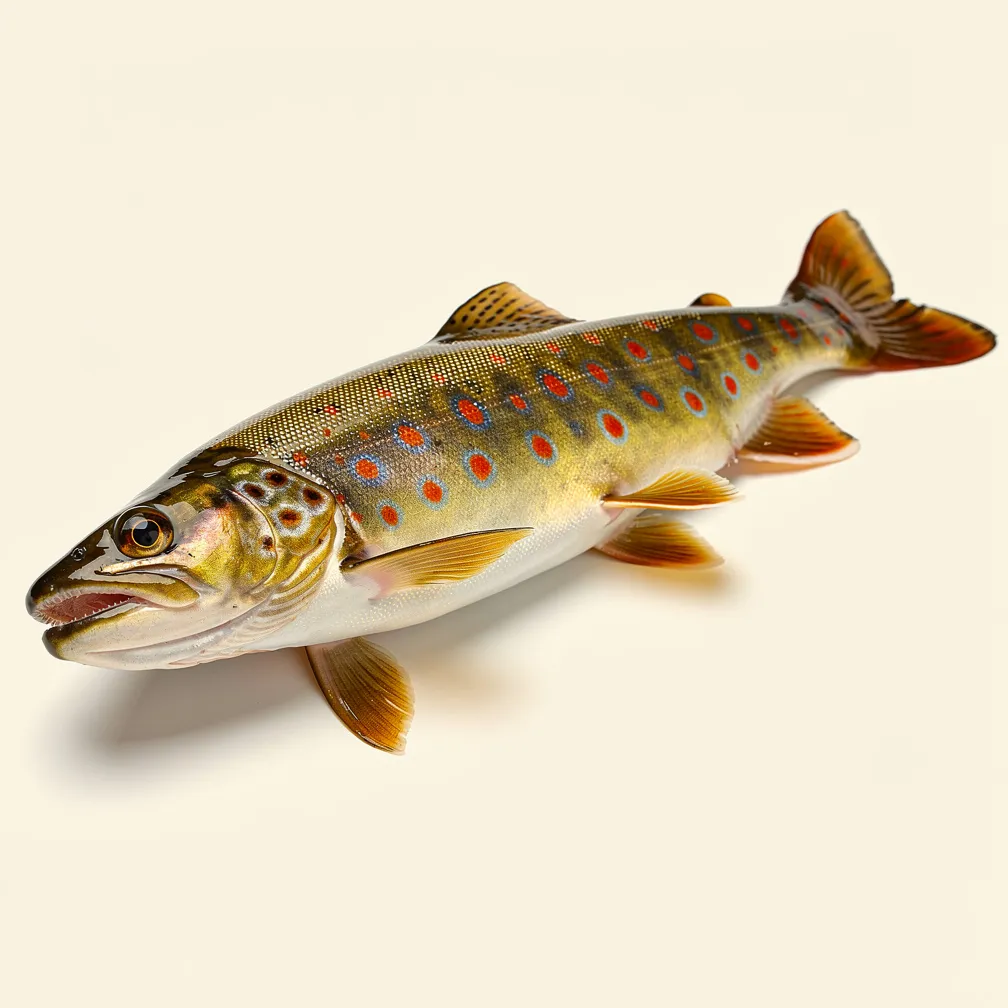
Brook trout
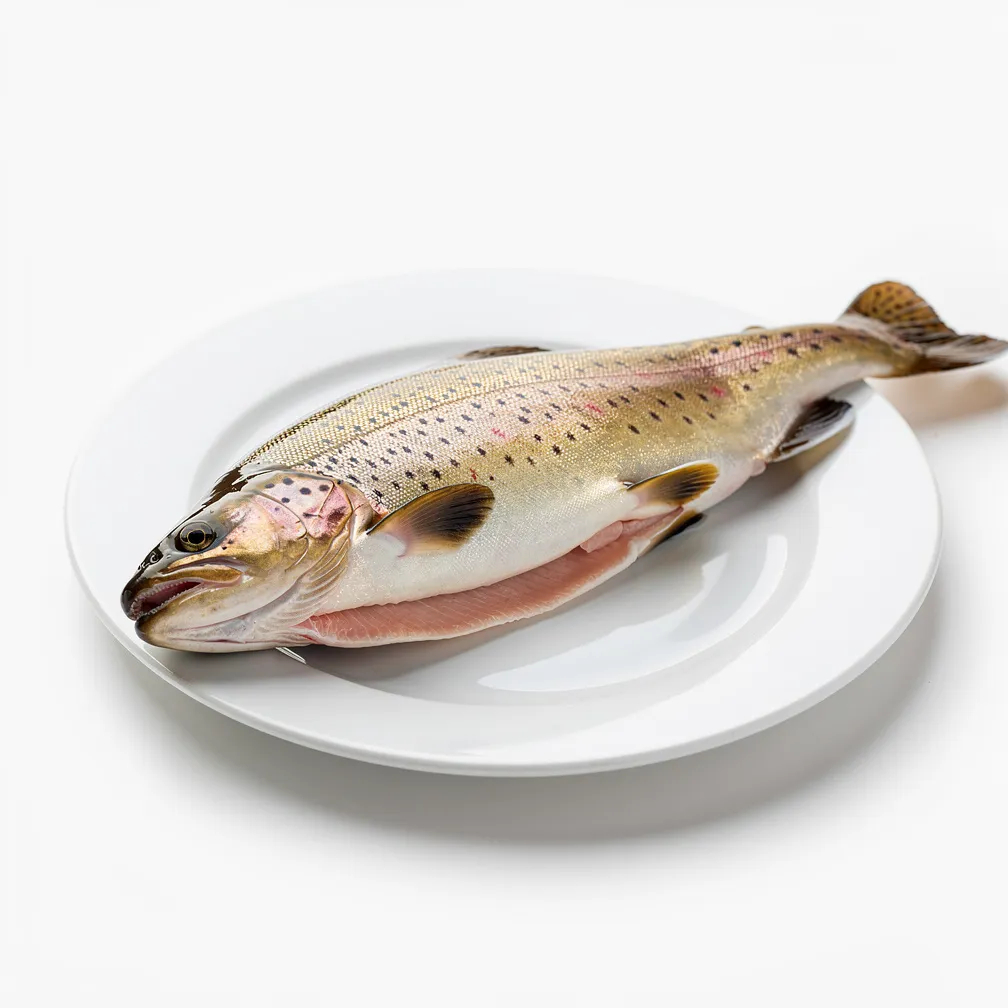
Brown trout
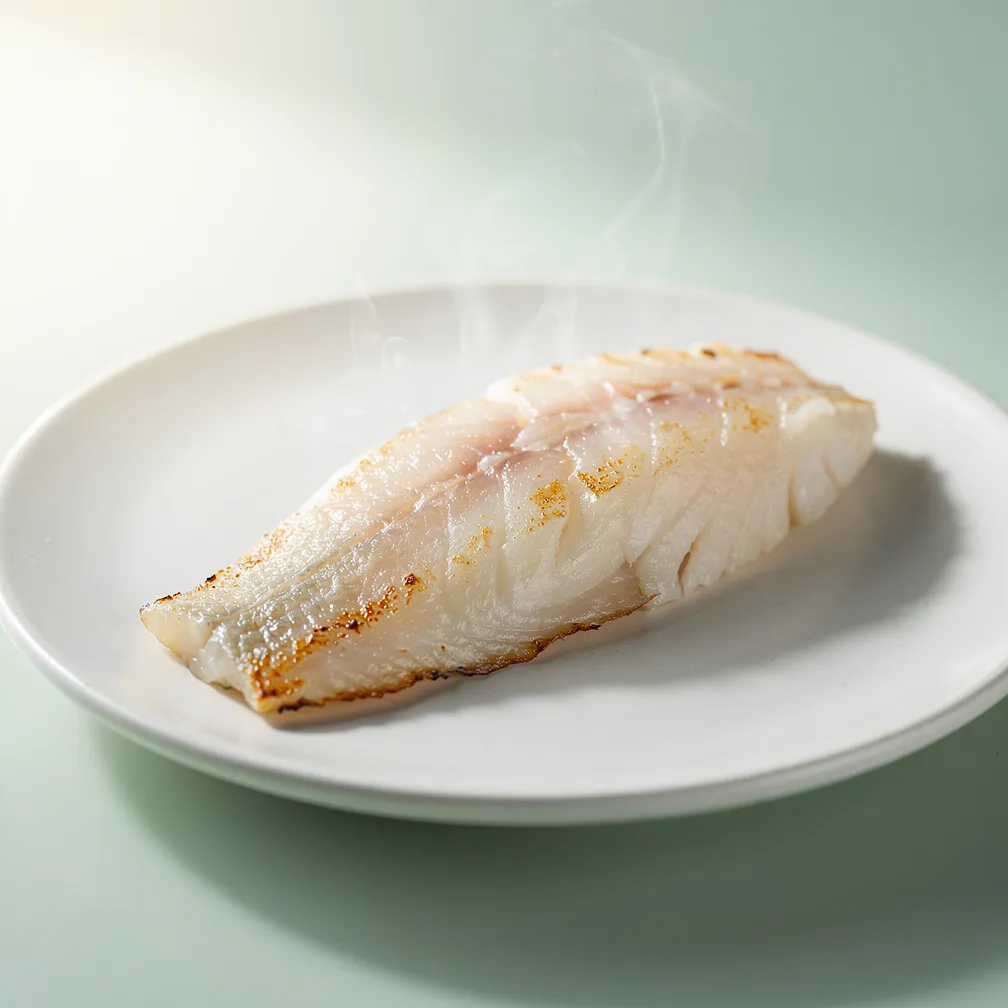
Butterfish
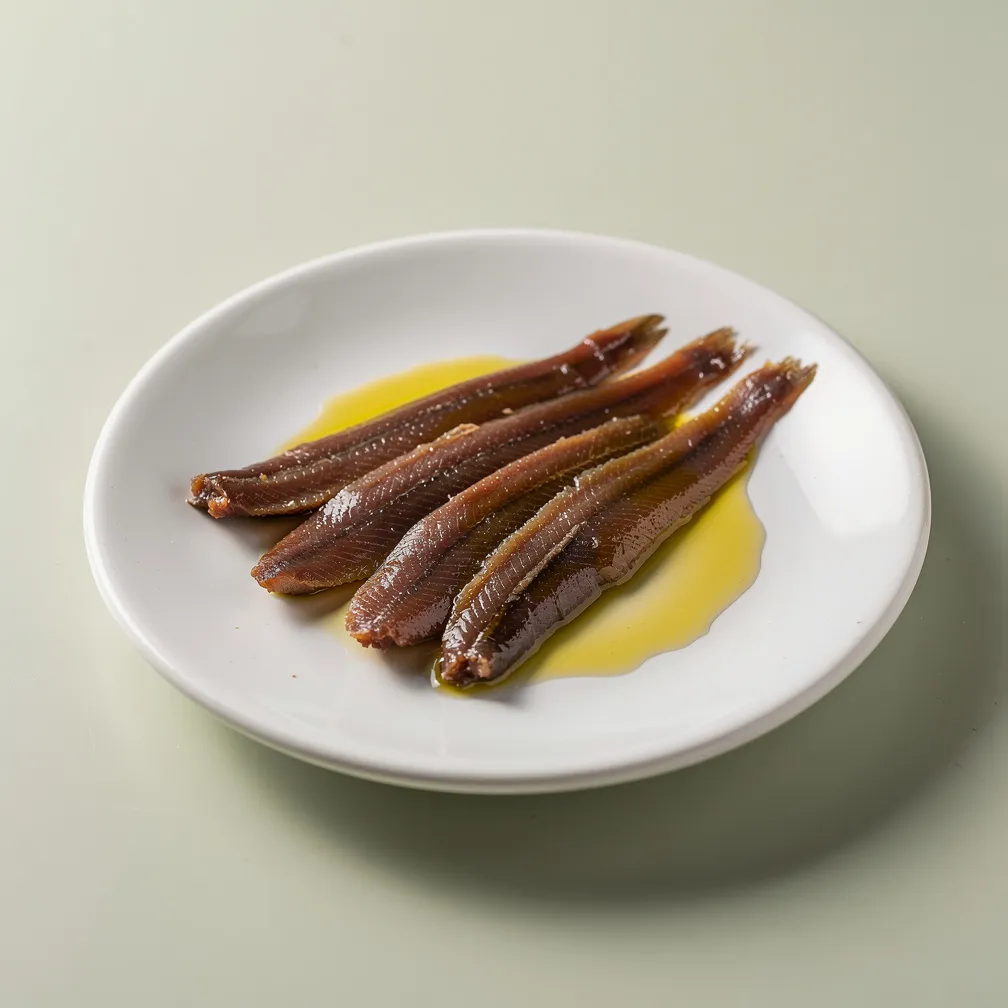
Canned anchovy fillets
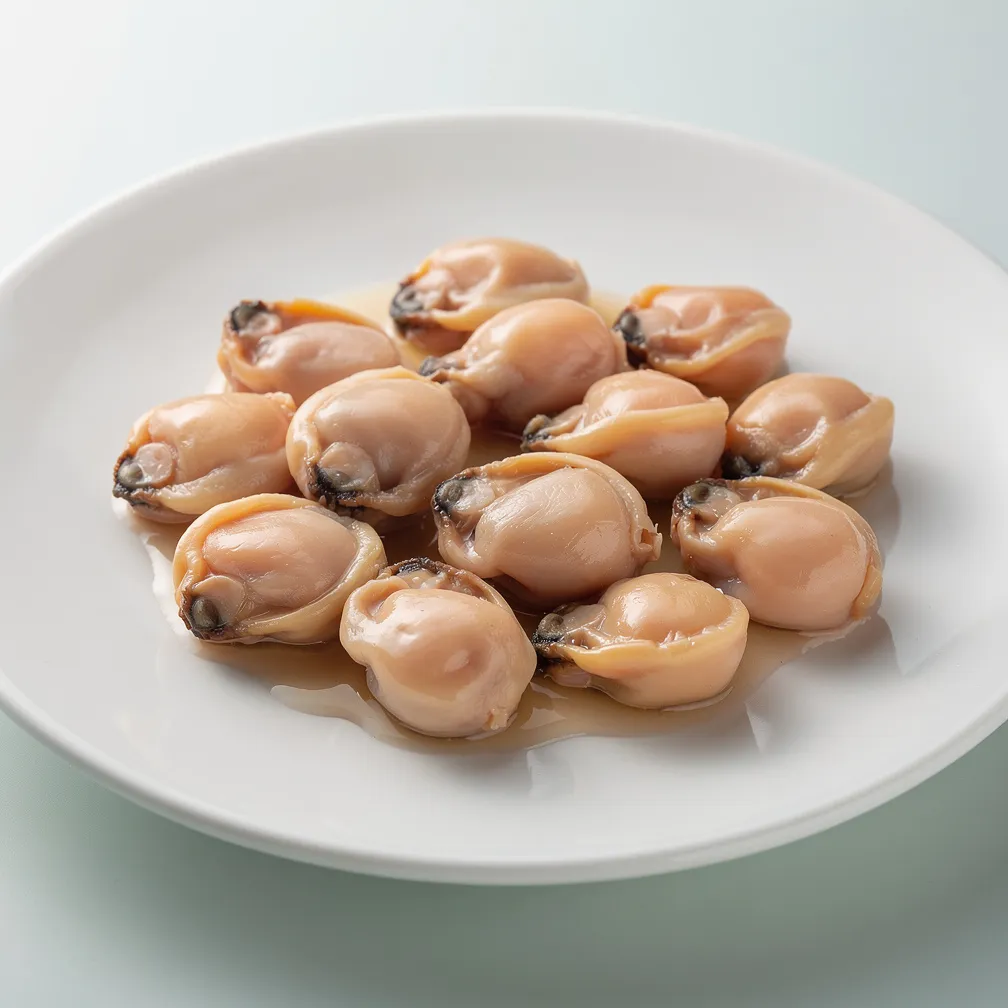
Canned clams
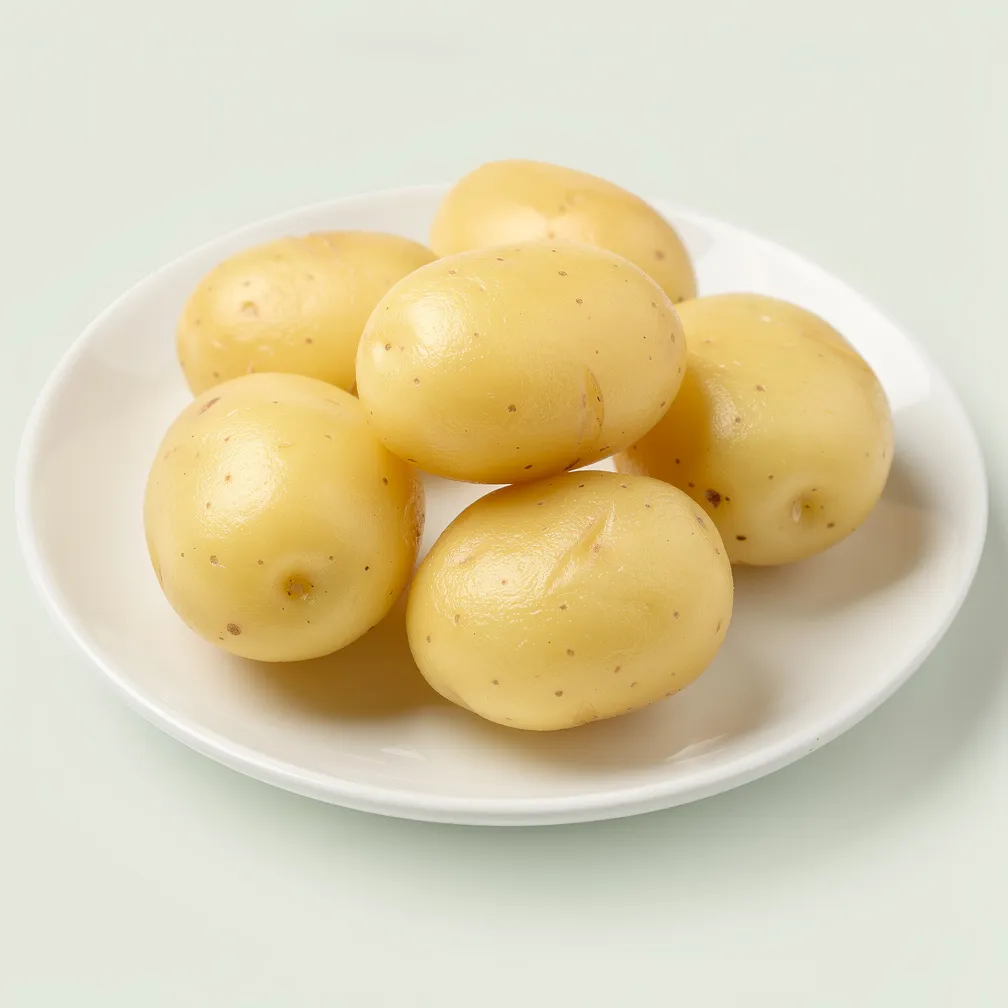
Canned potato
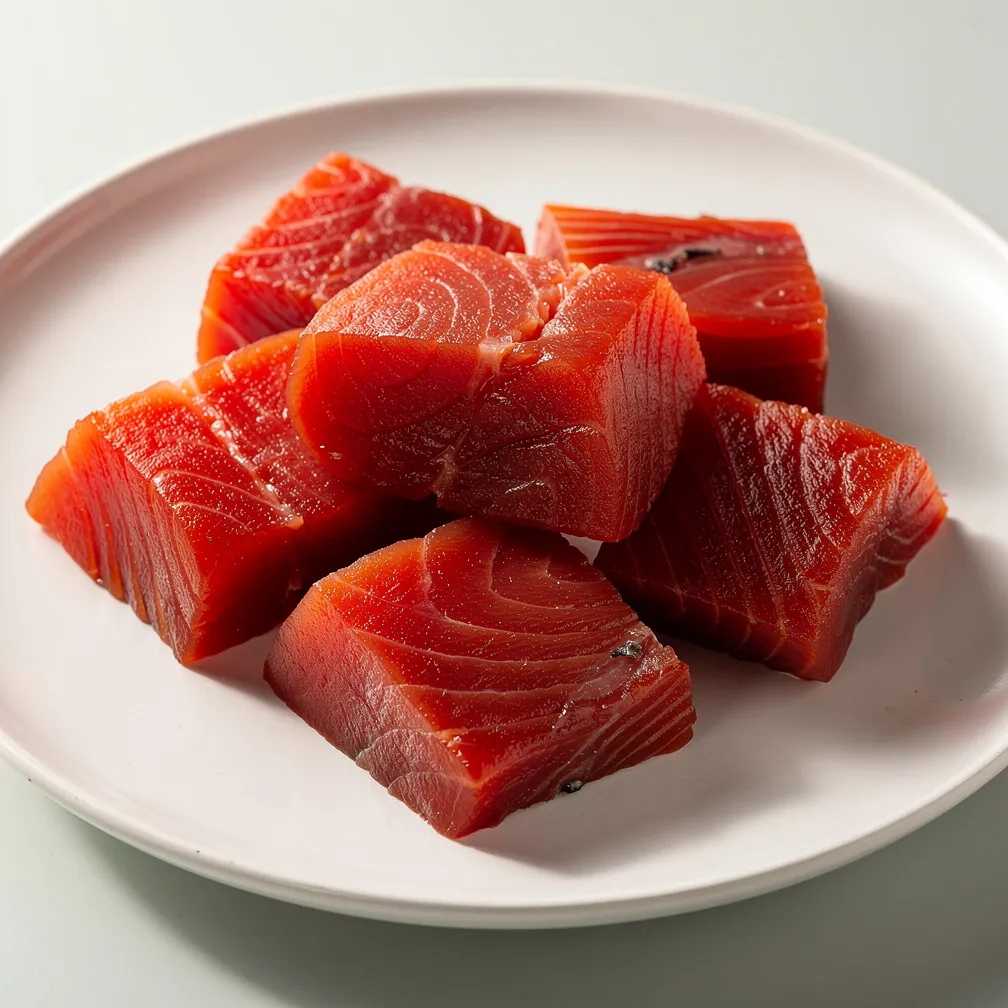
Canned sockeye salmon
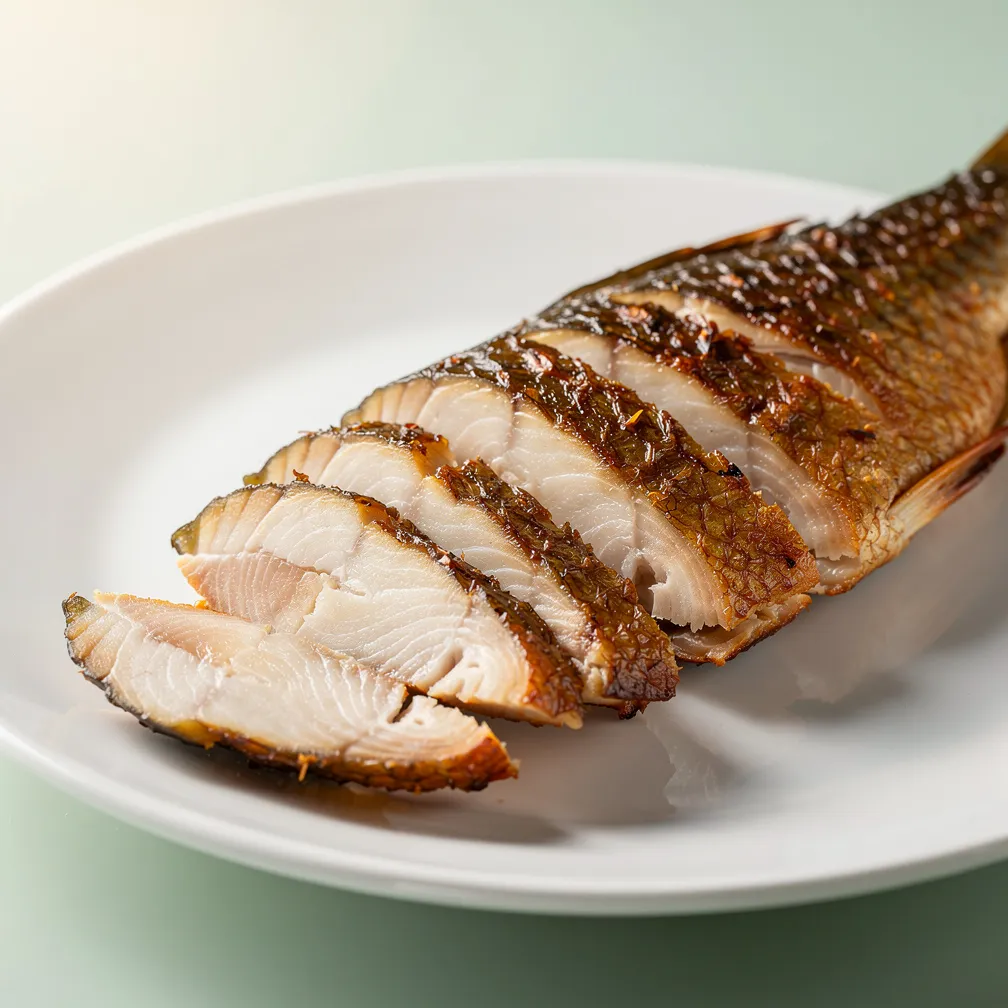
Carp
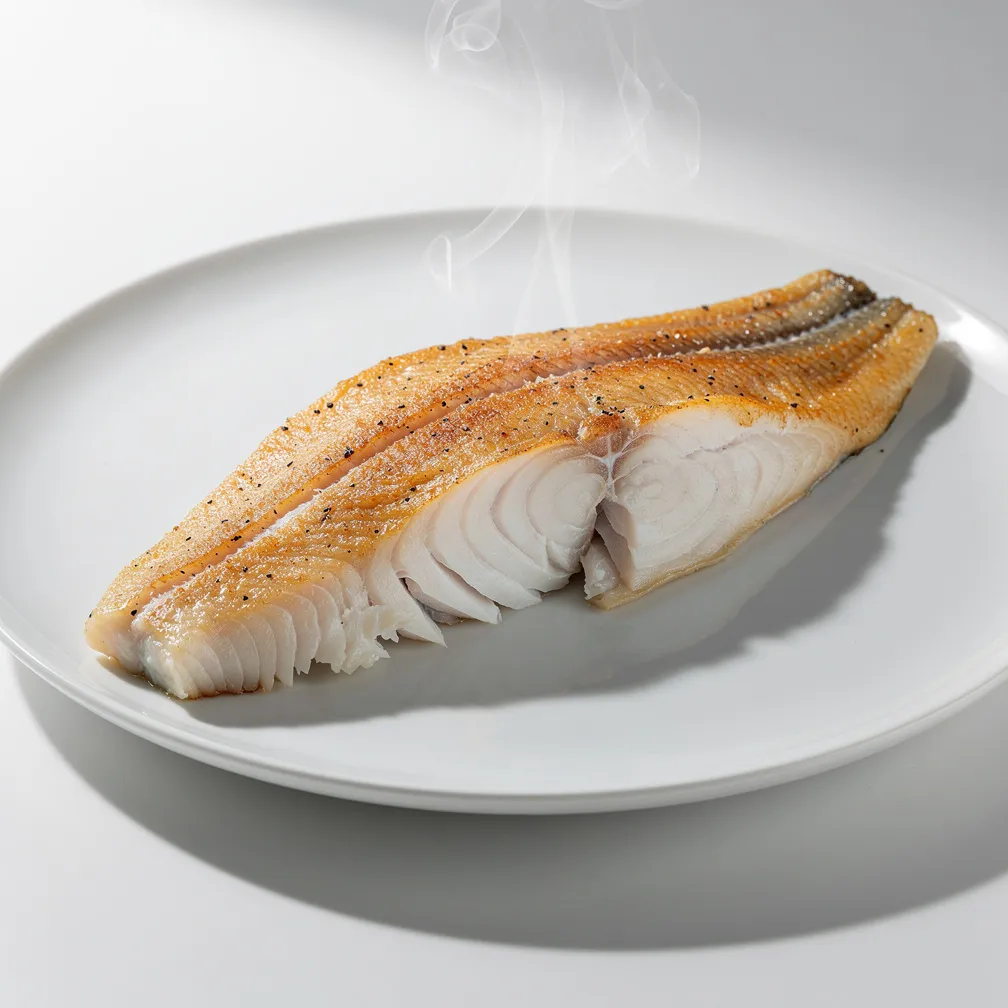
Catfish
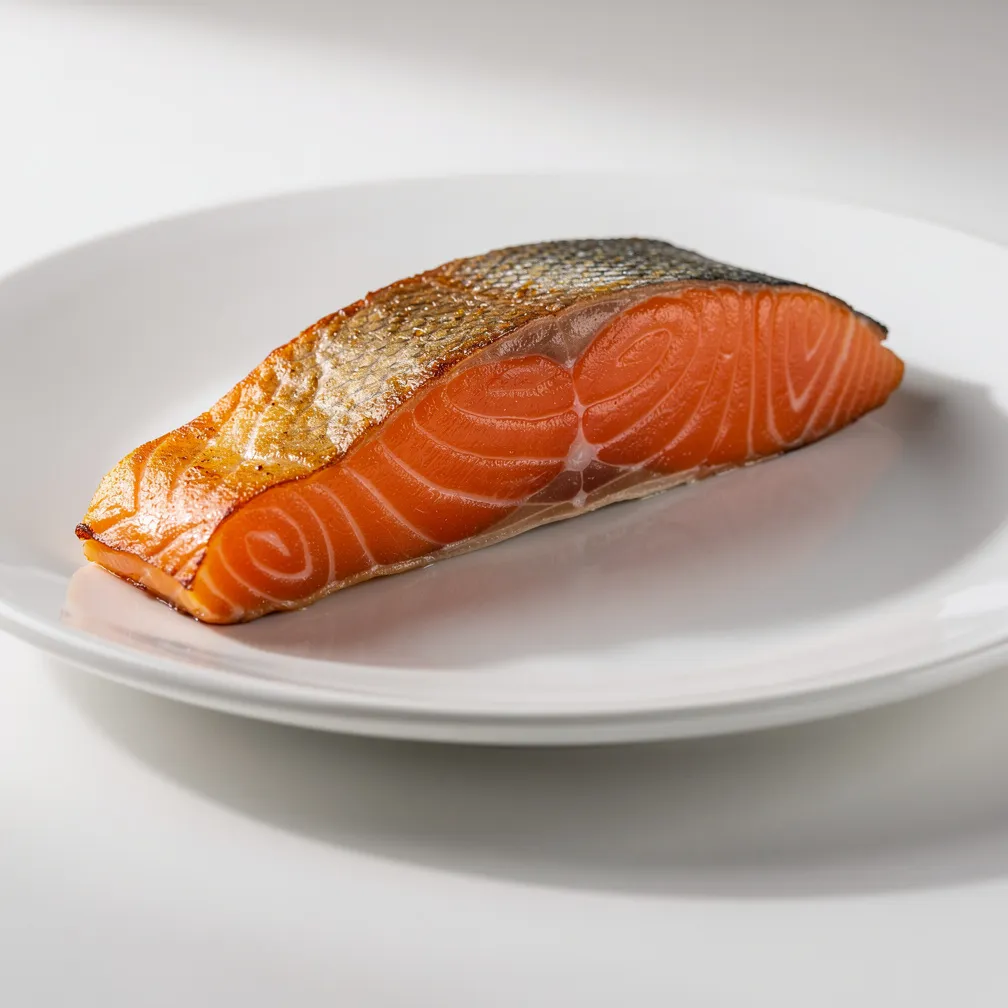
Chinook salmon
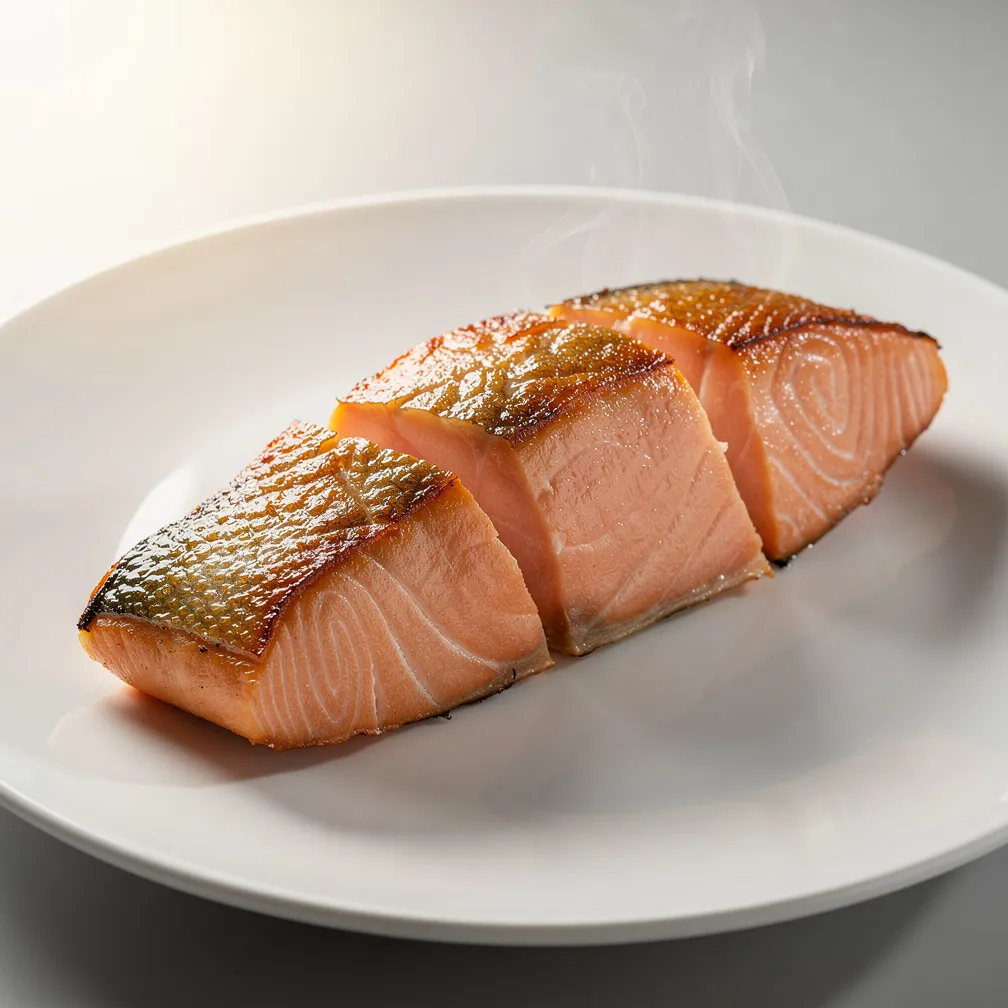
Chum salmon
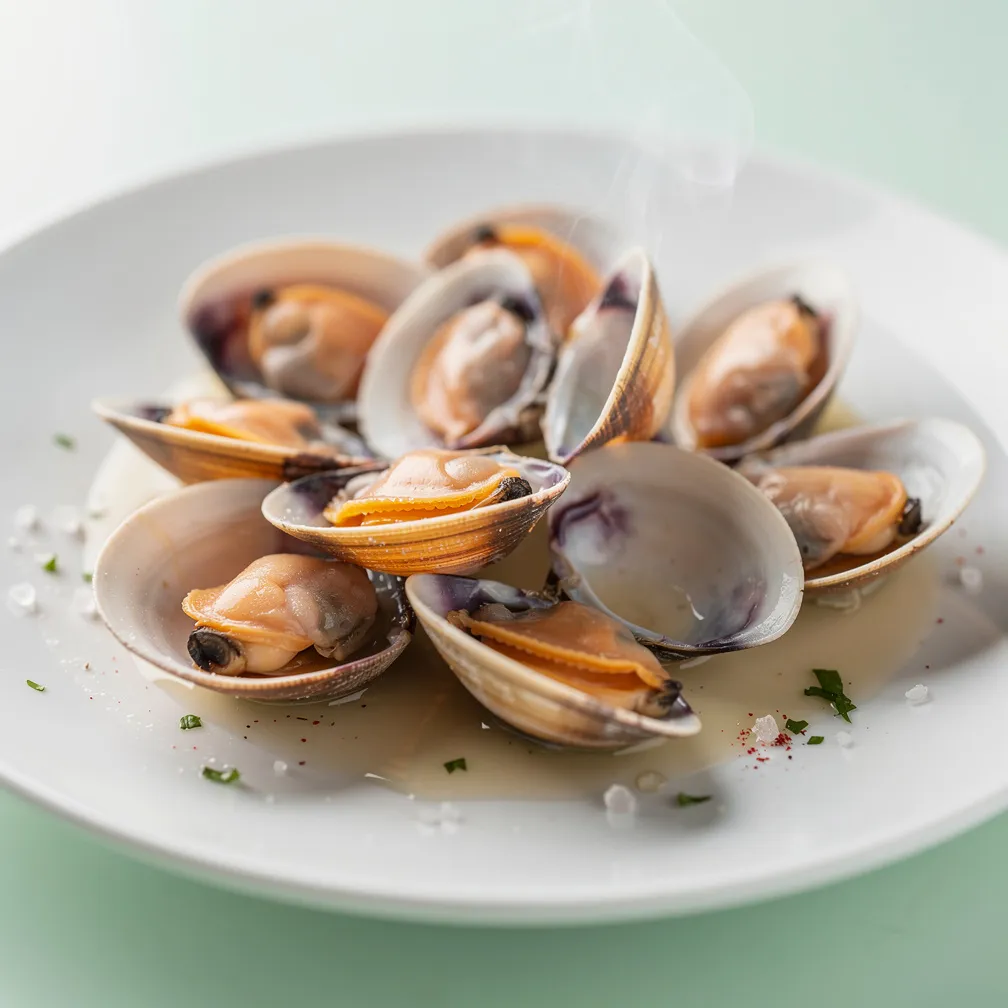
Clam
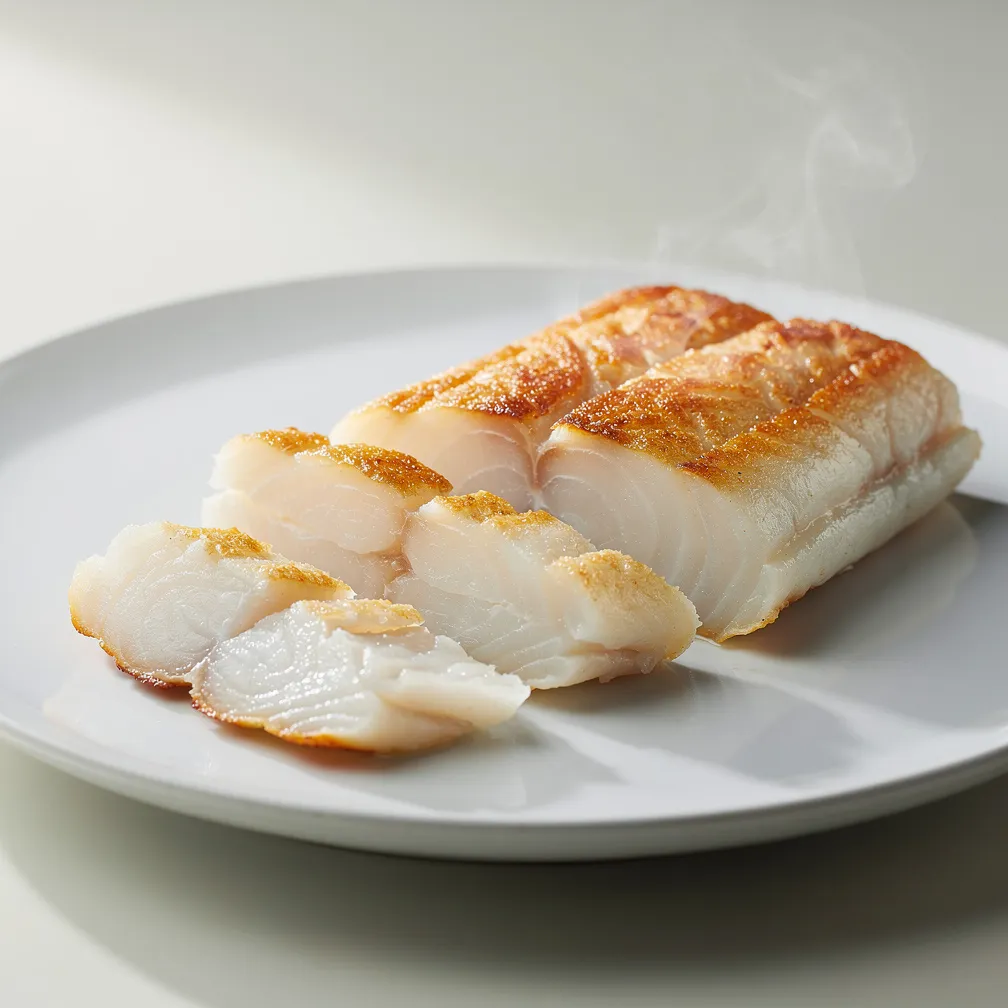
Cod
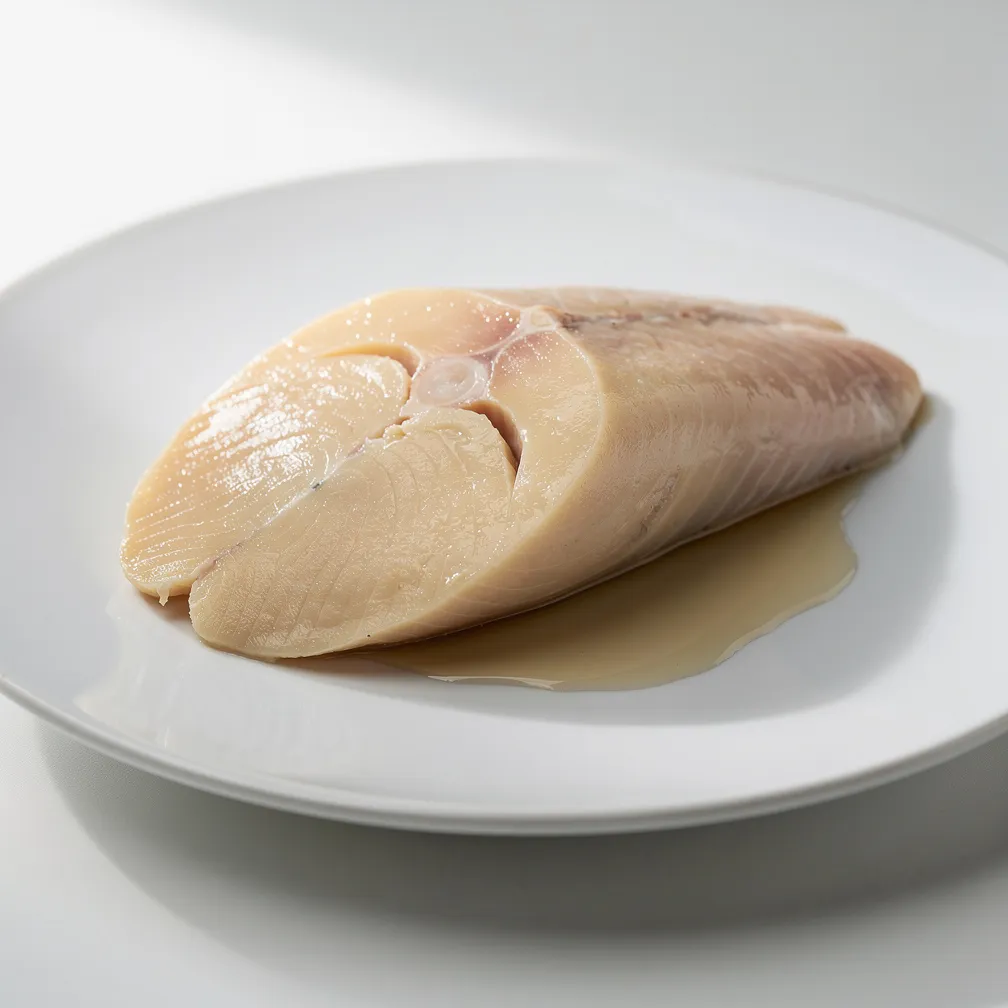
Cod liver
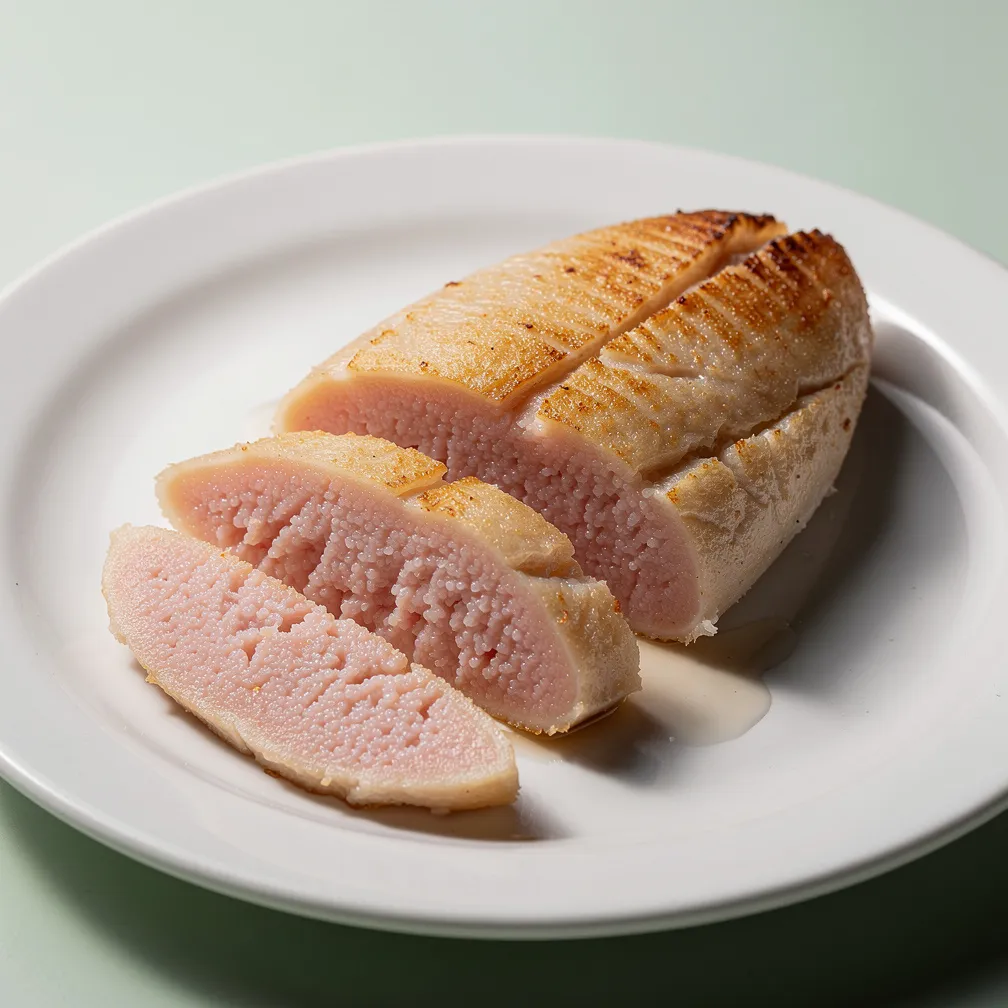
Cod roe
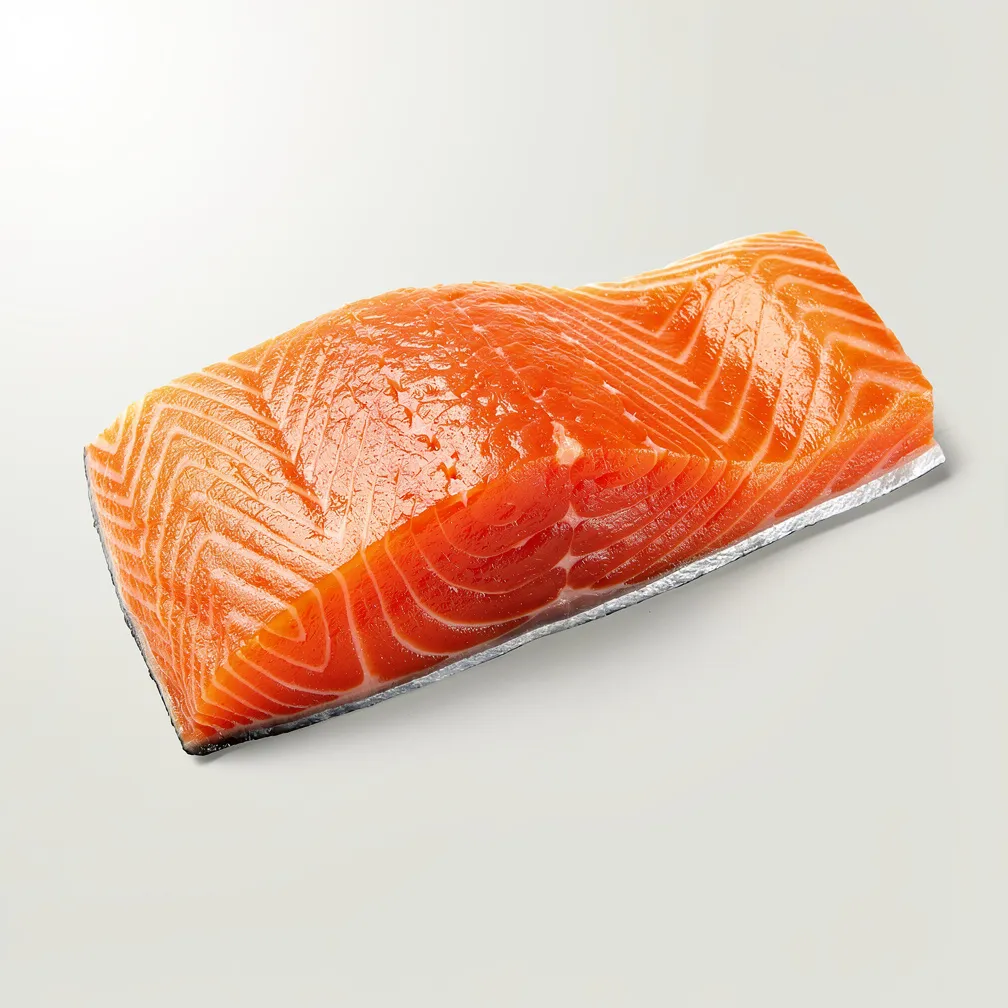
Coho salmon
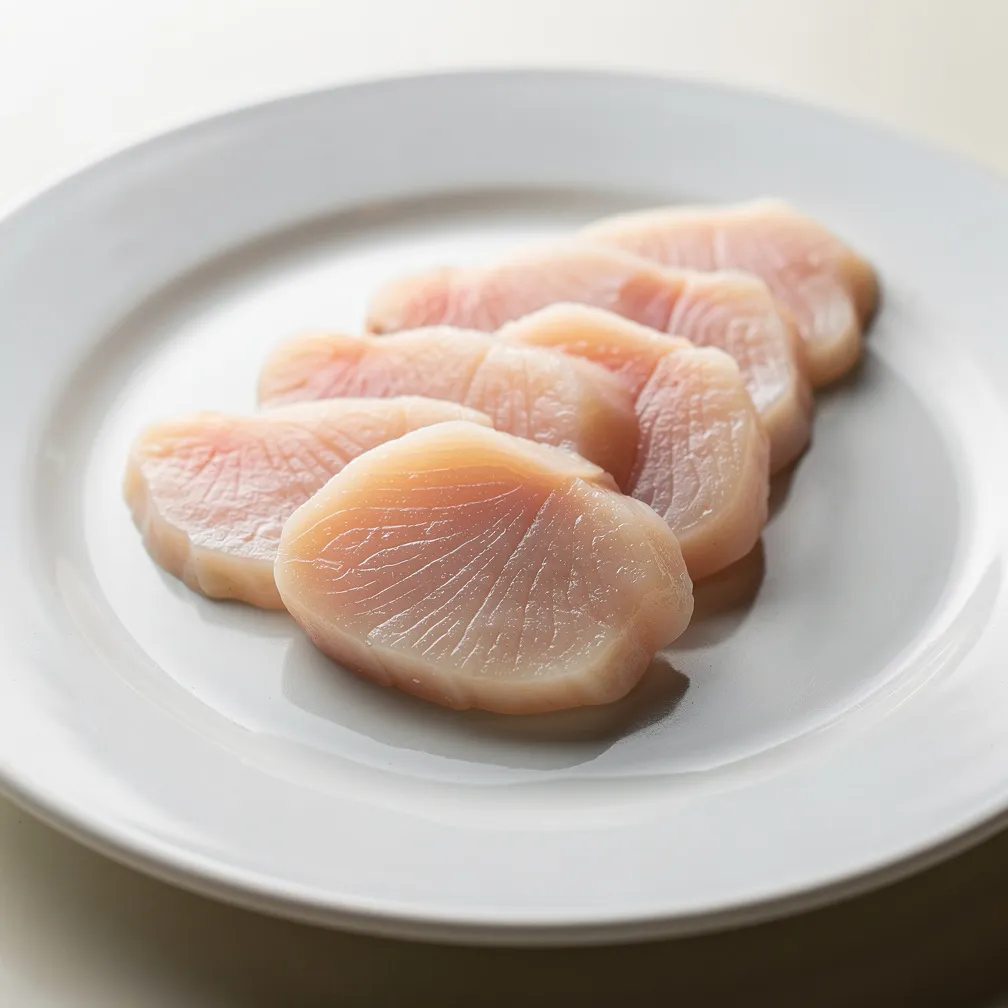
Conch
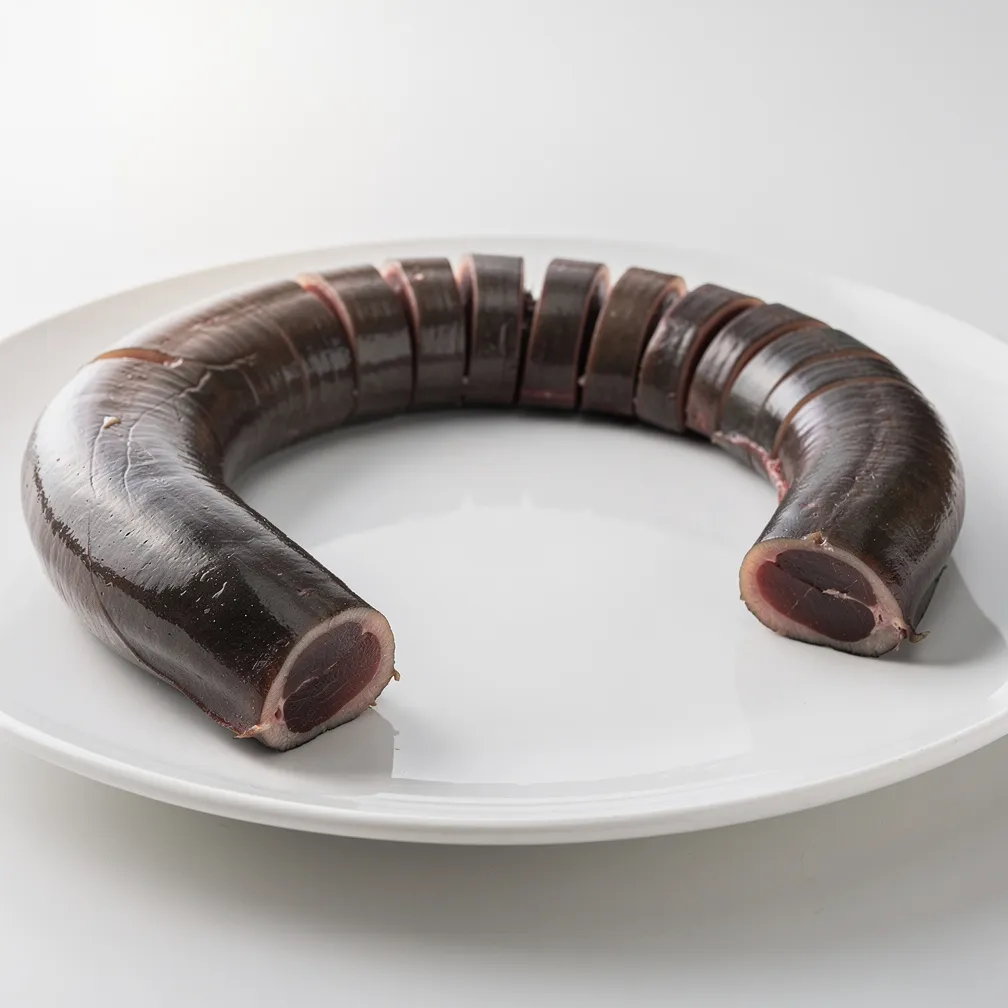
Conger
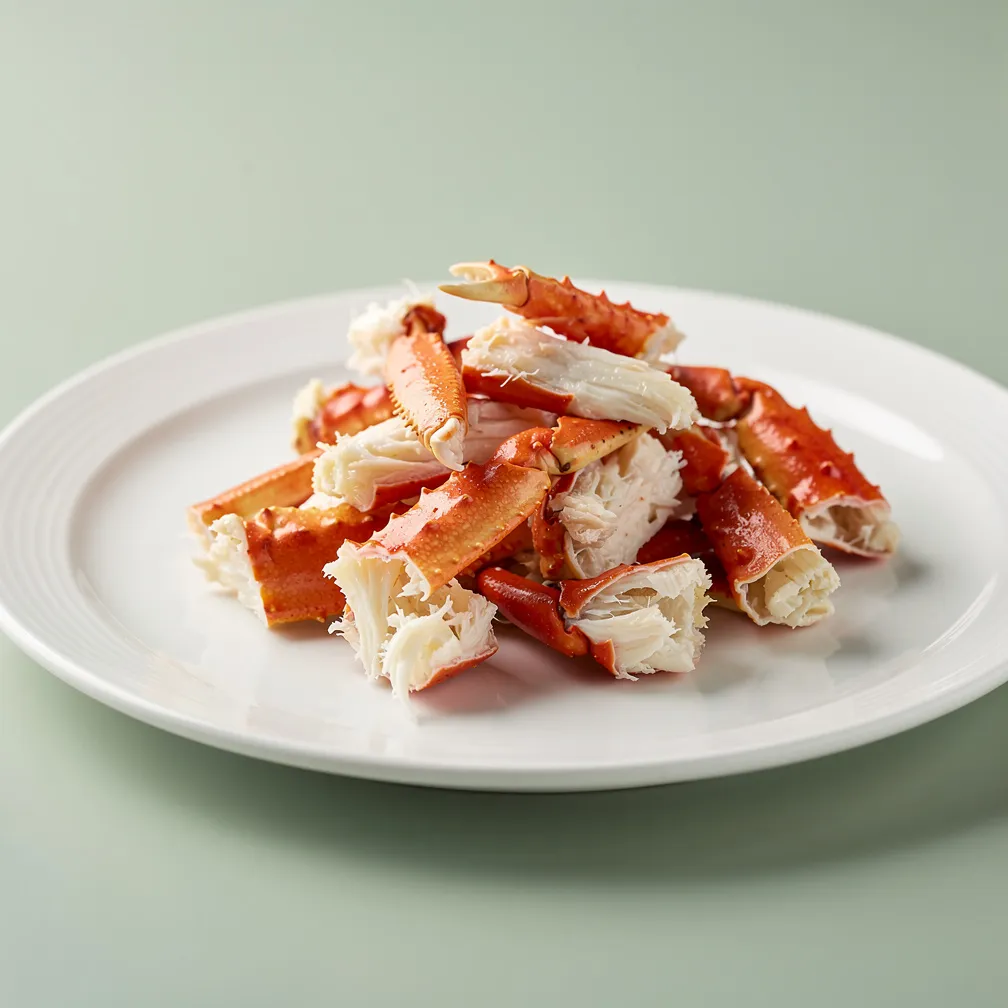
Crab
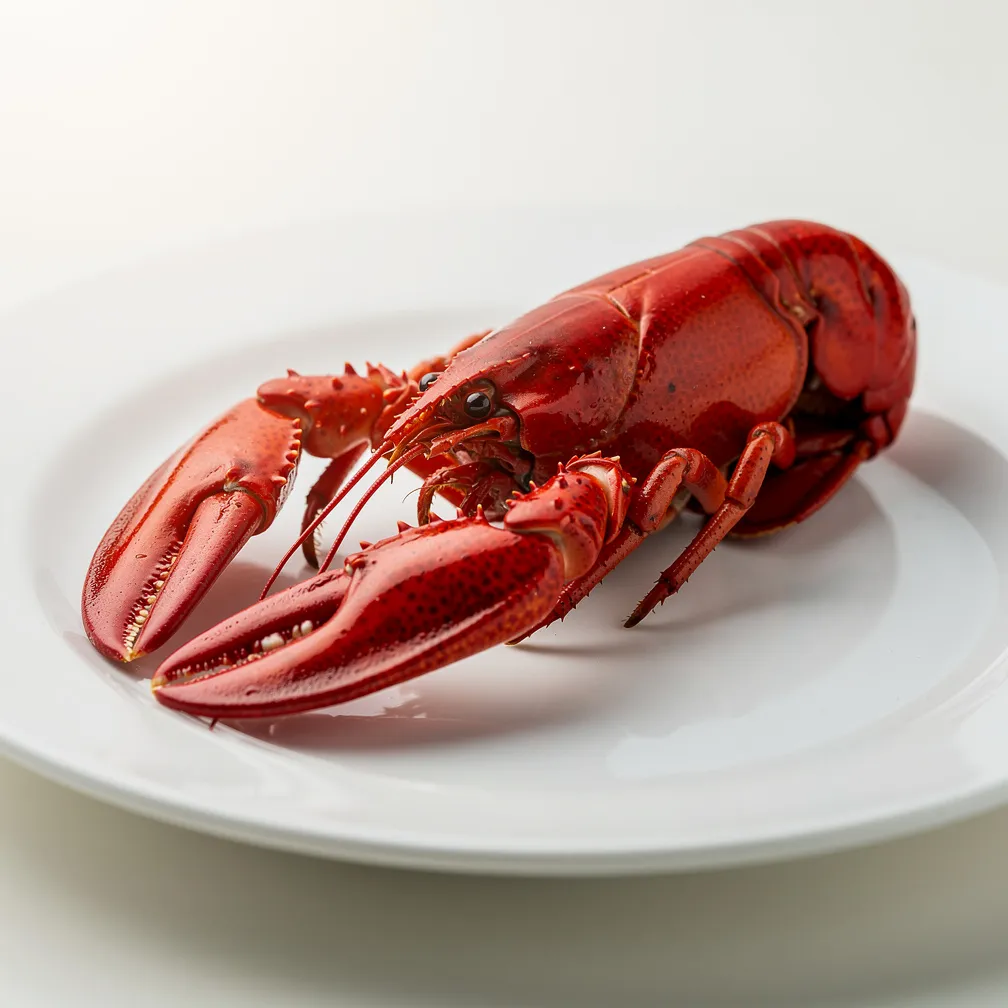
Crayfish
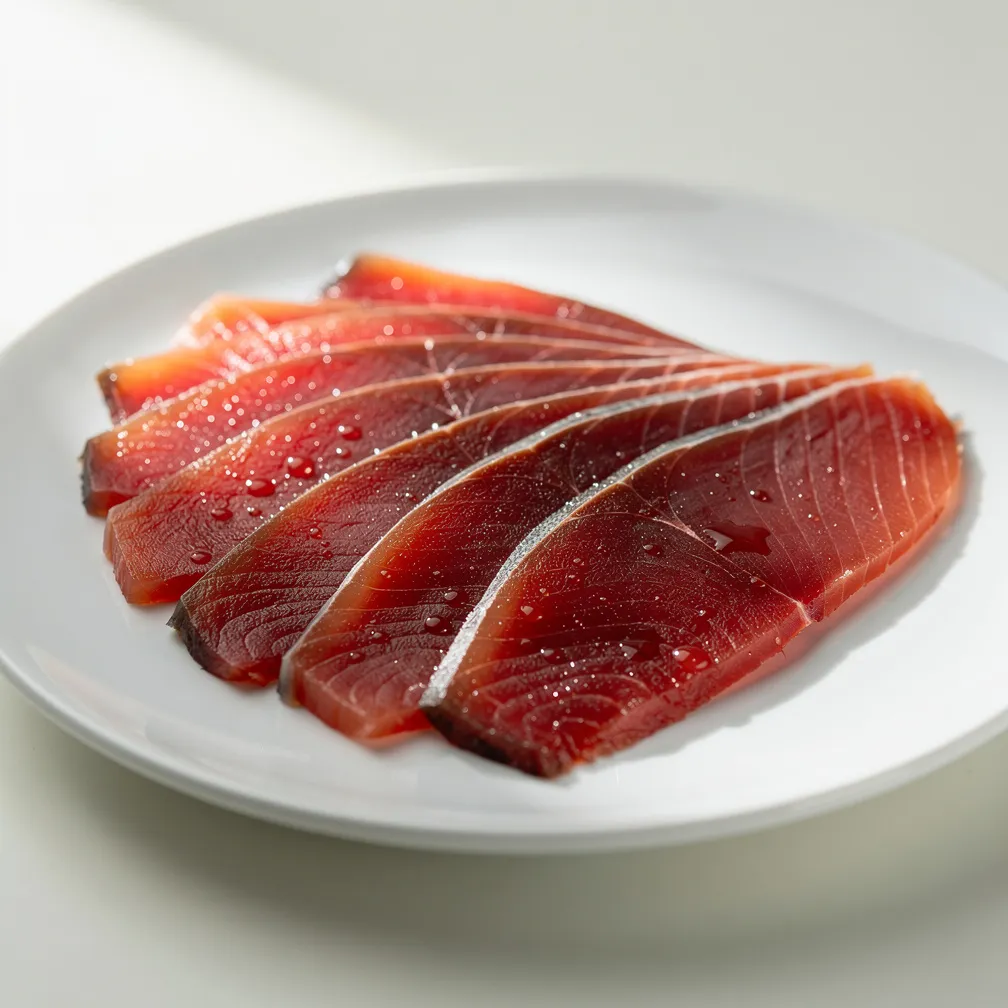
Cured redfish
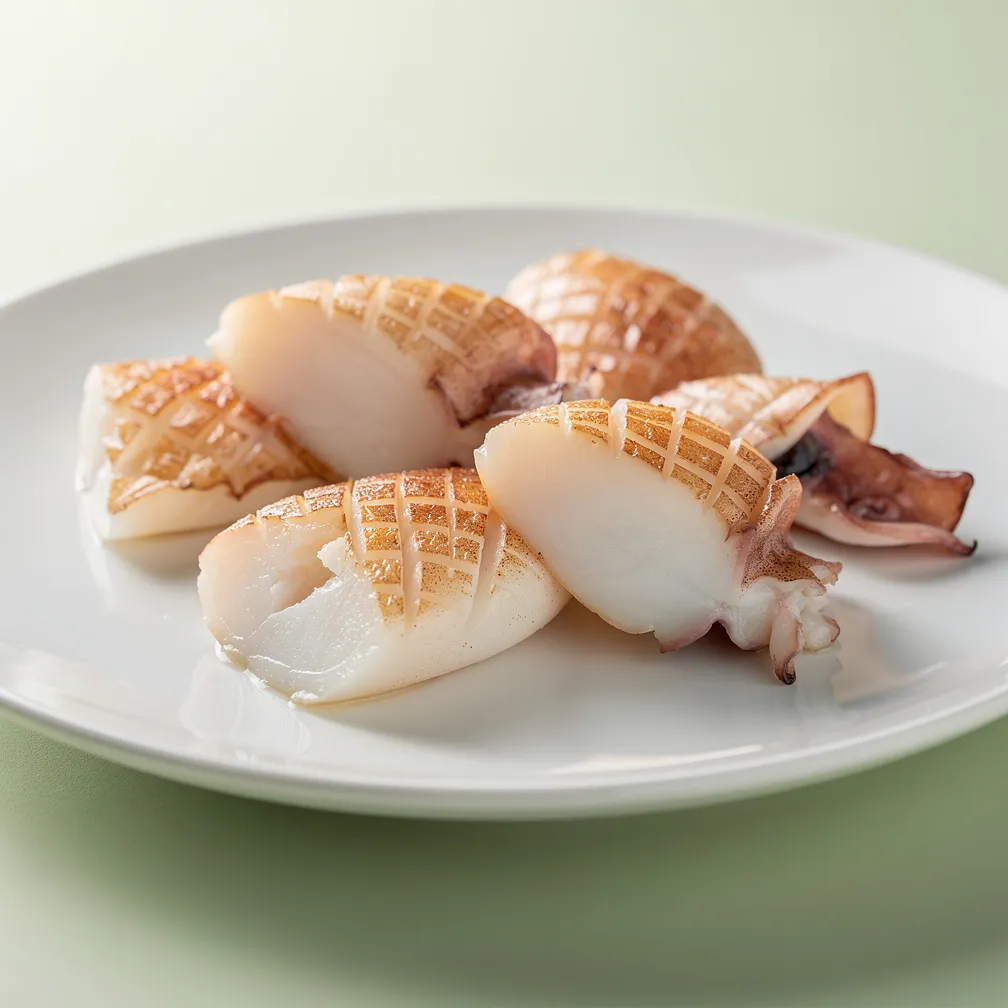
Cuttlefish
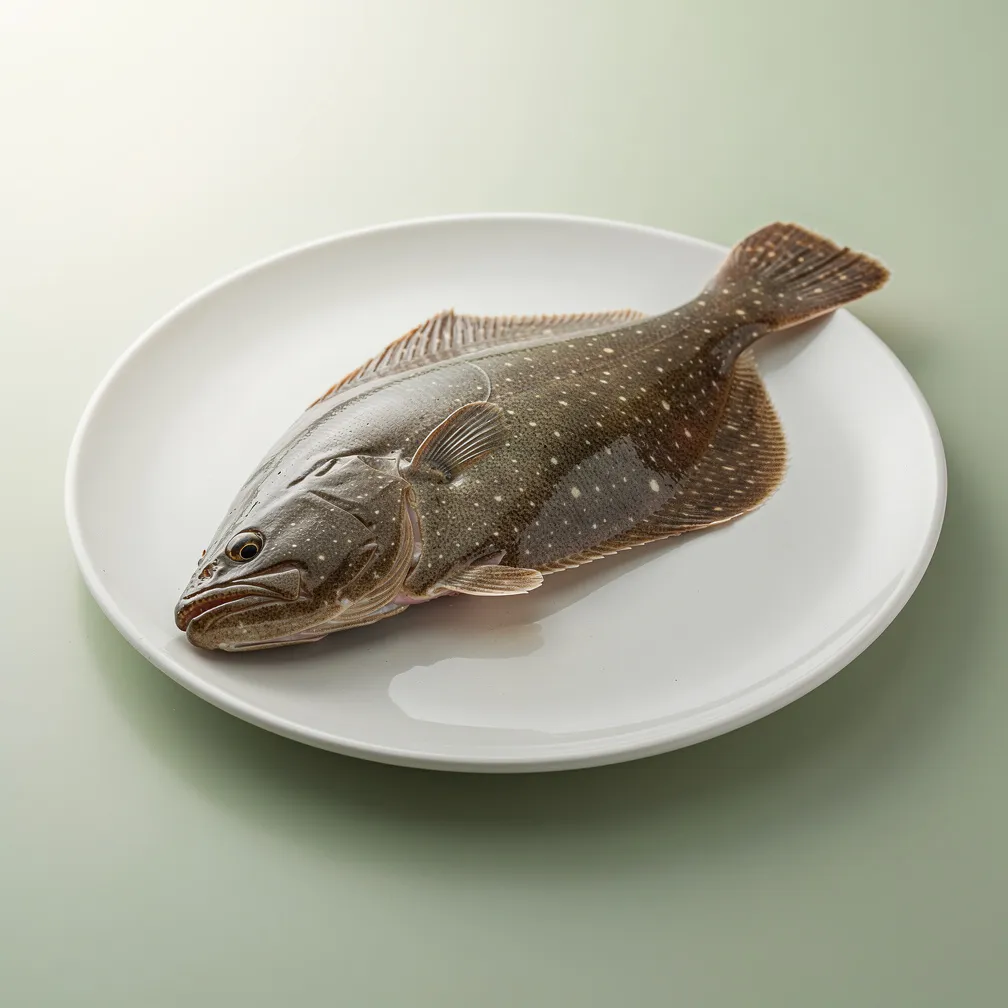
Dab
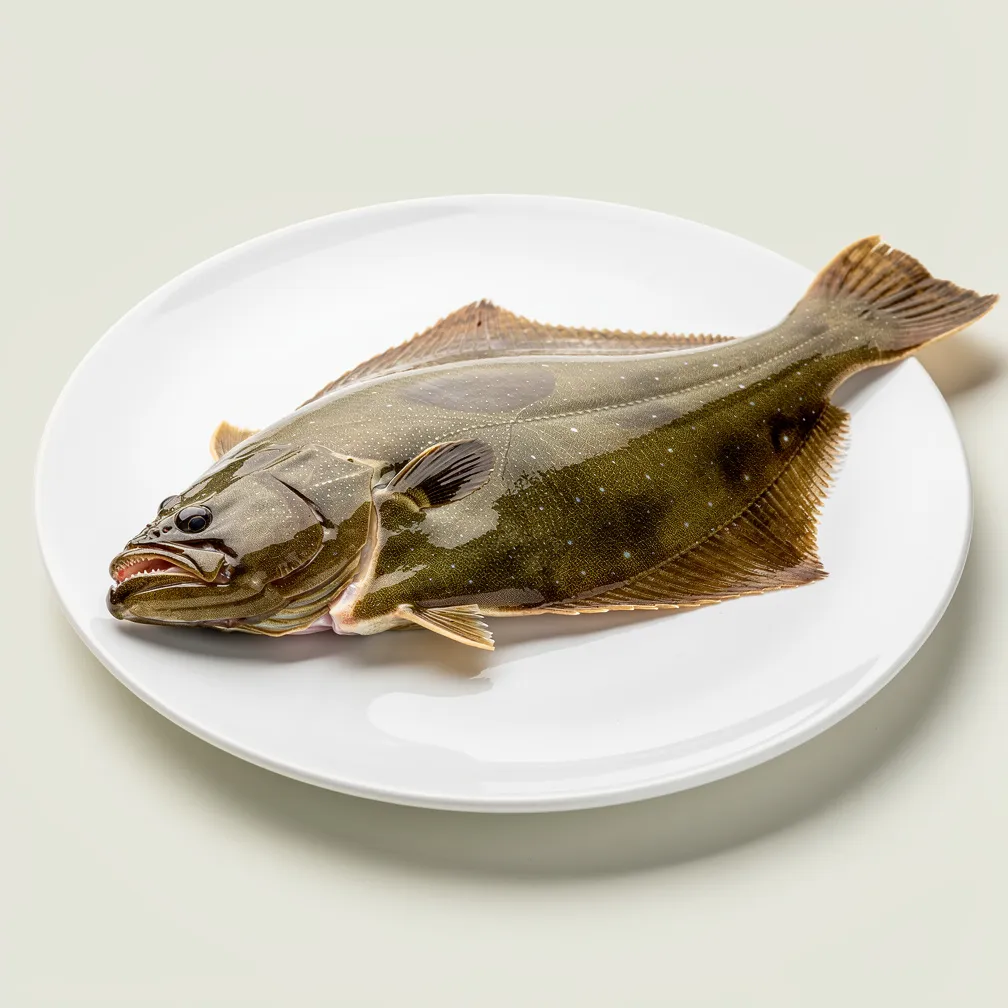
Dover sole
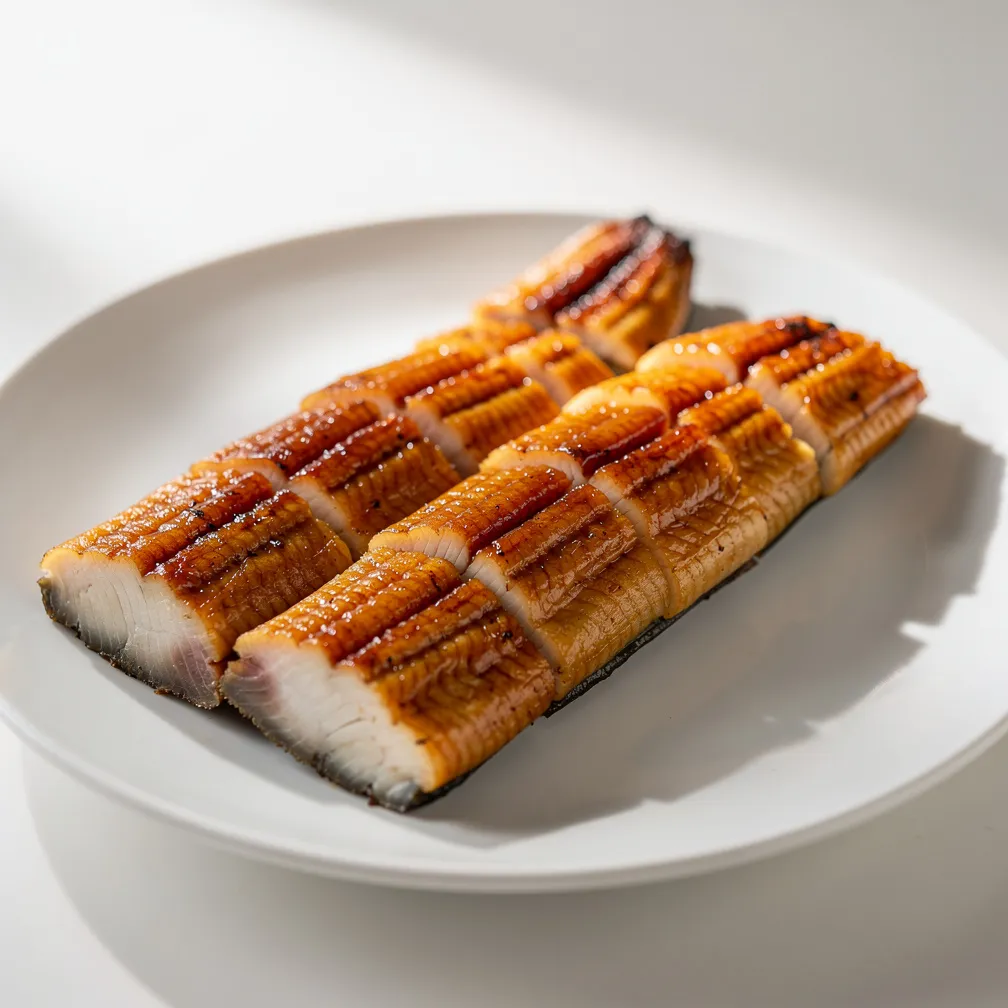
Eel
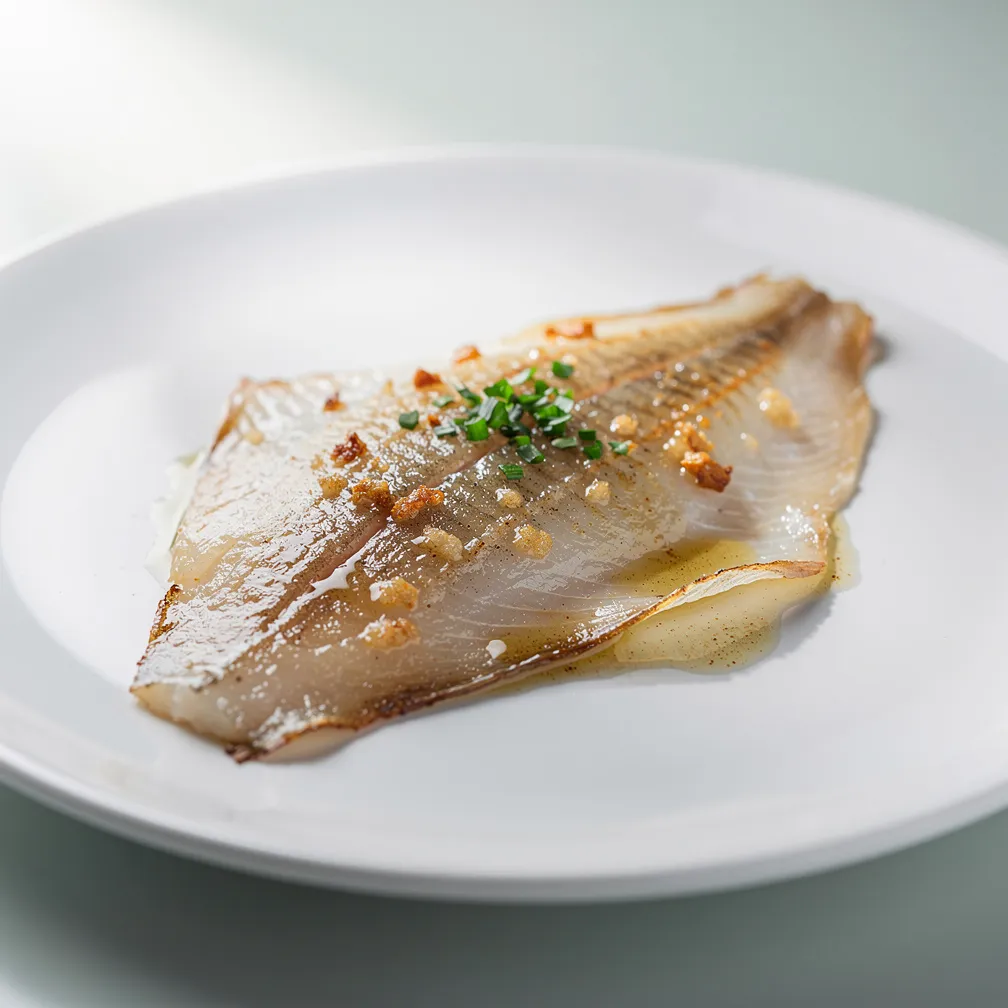
Flounder
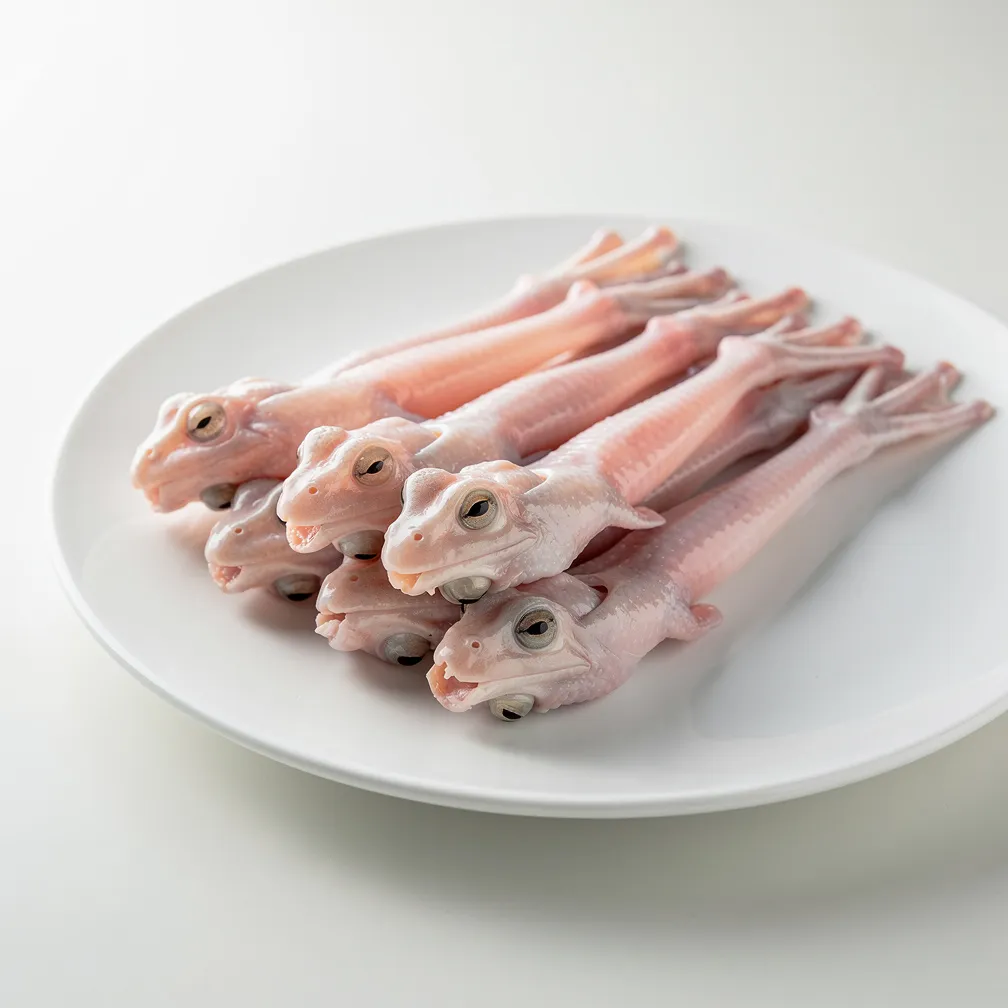
Frog leg
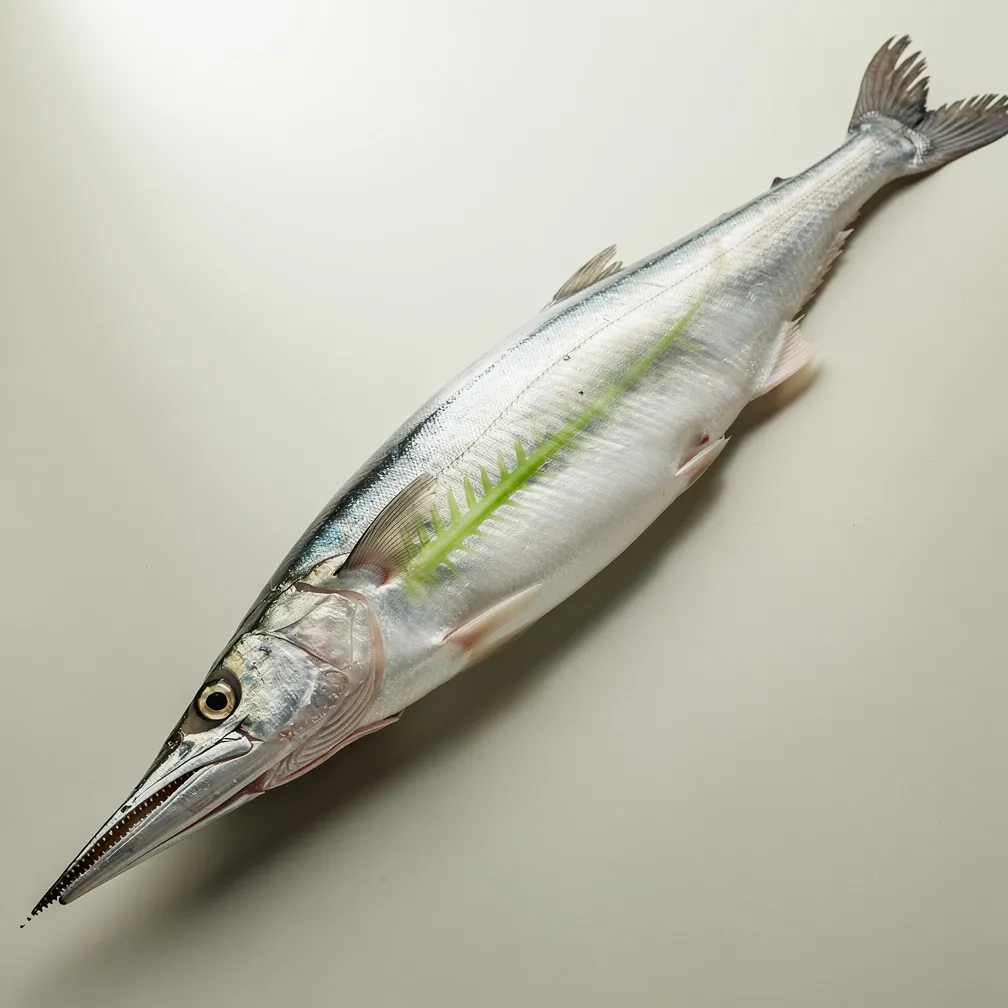
Garfish
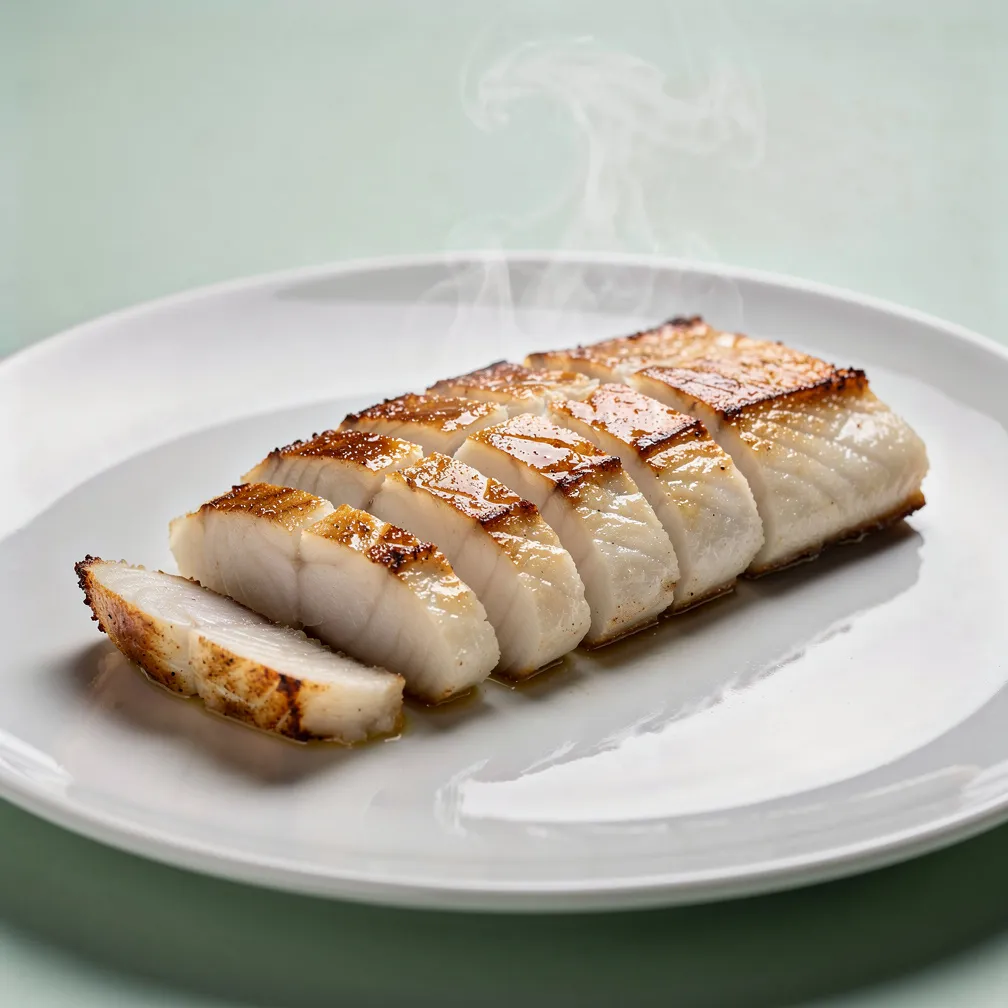
Greenland halibut
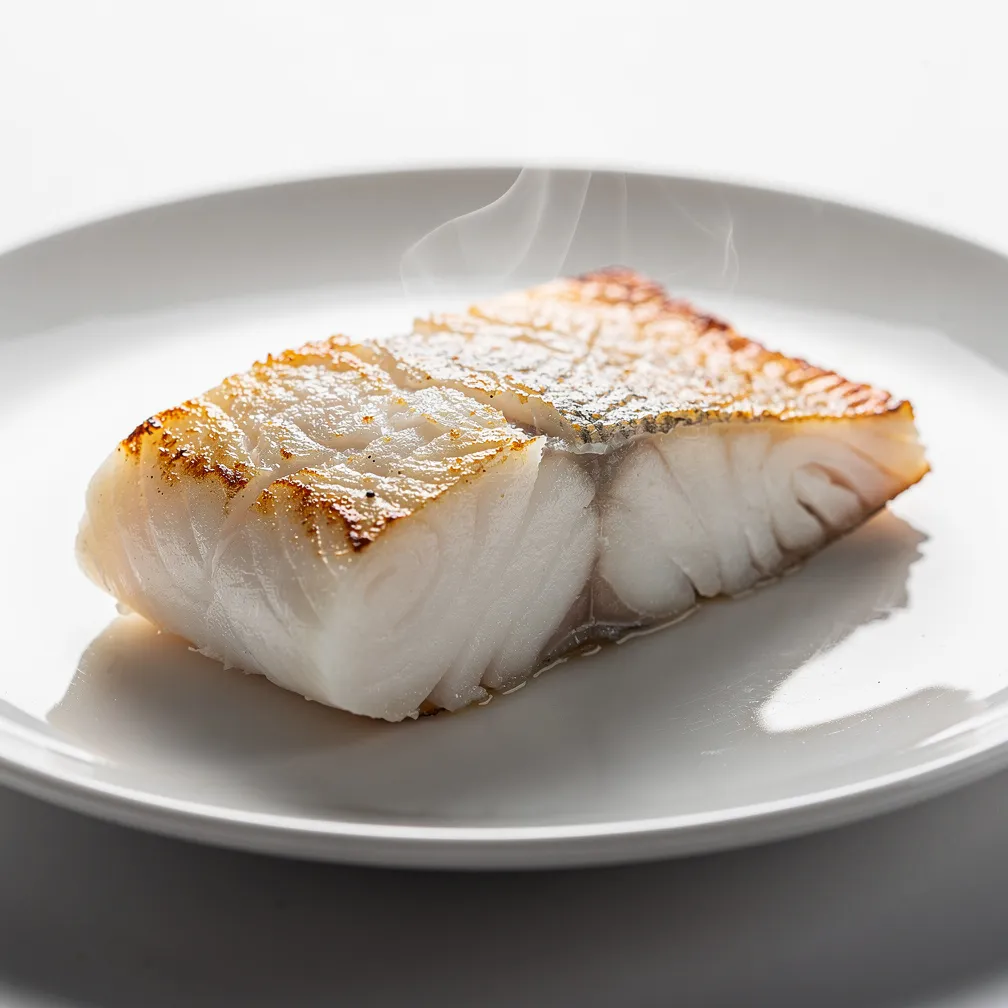
Grouper
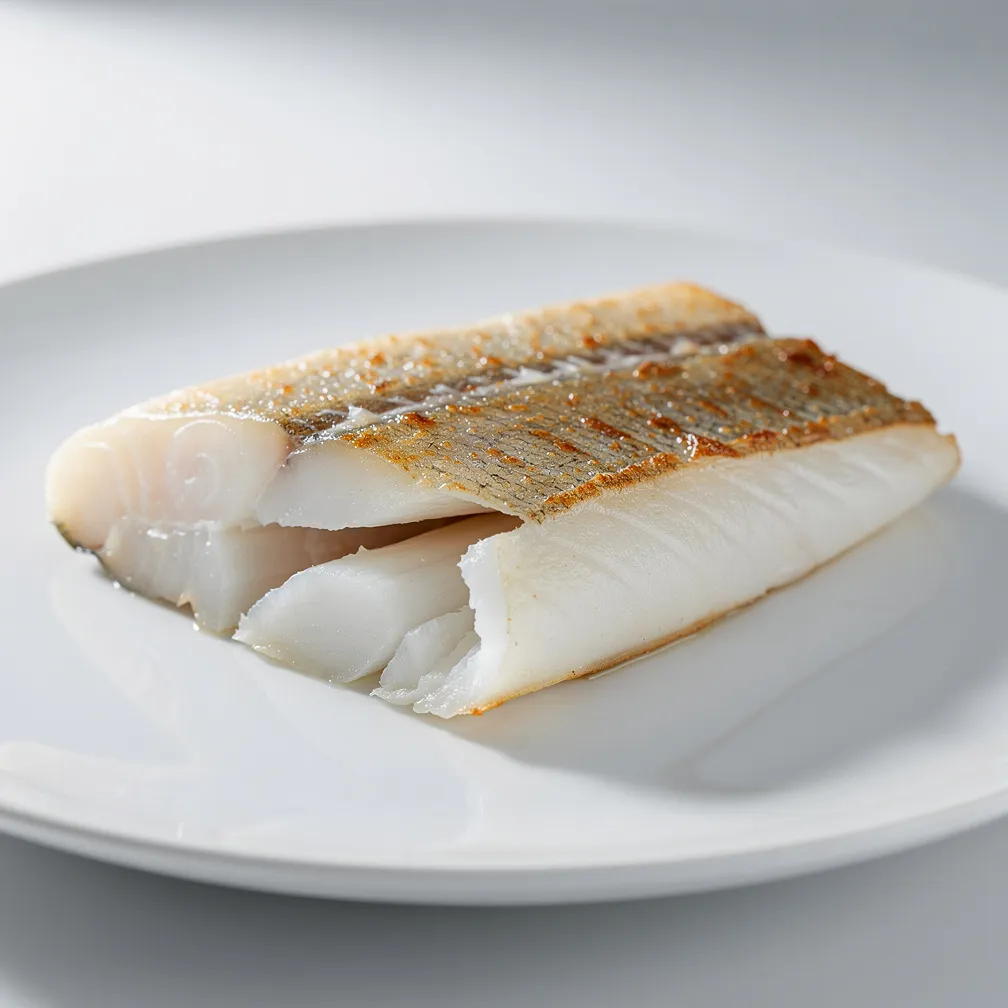
Haddock
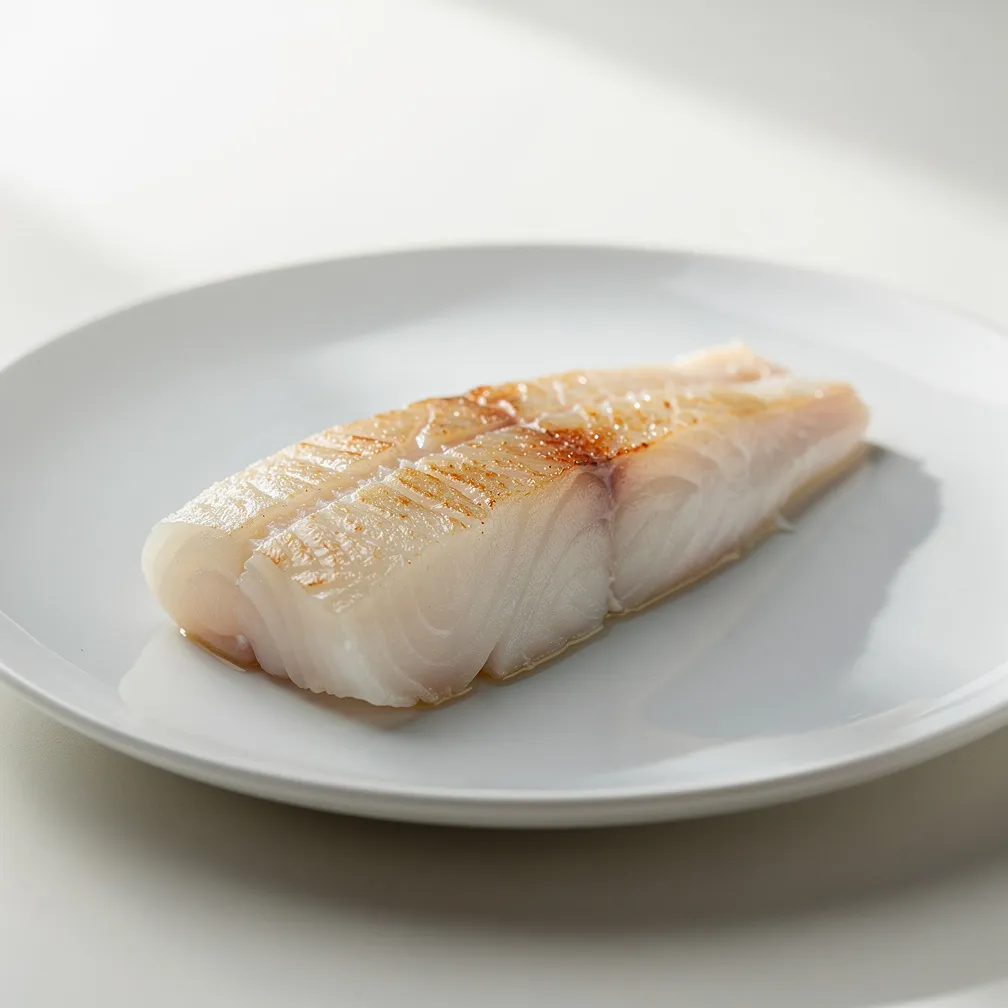
Hake
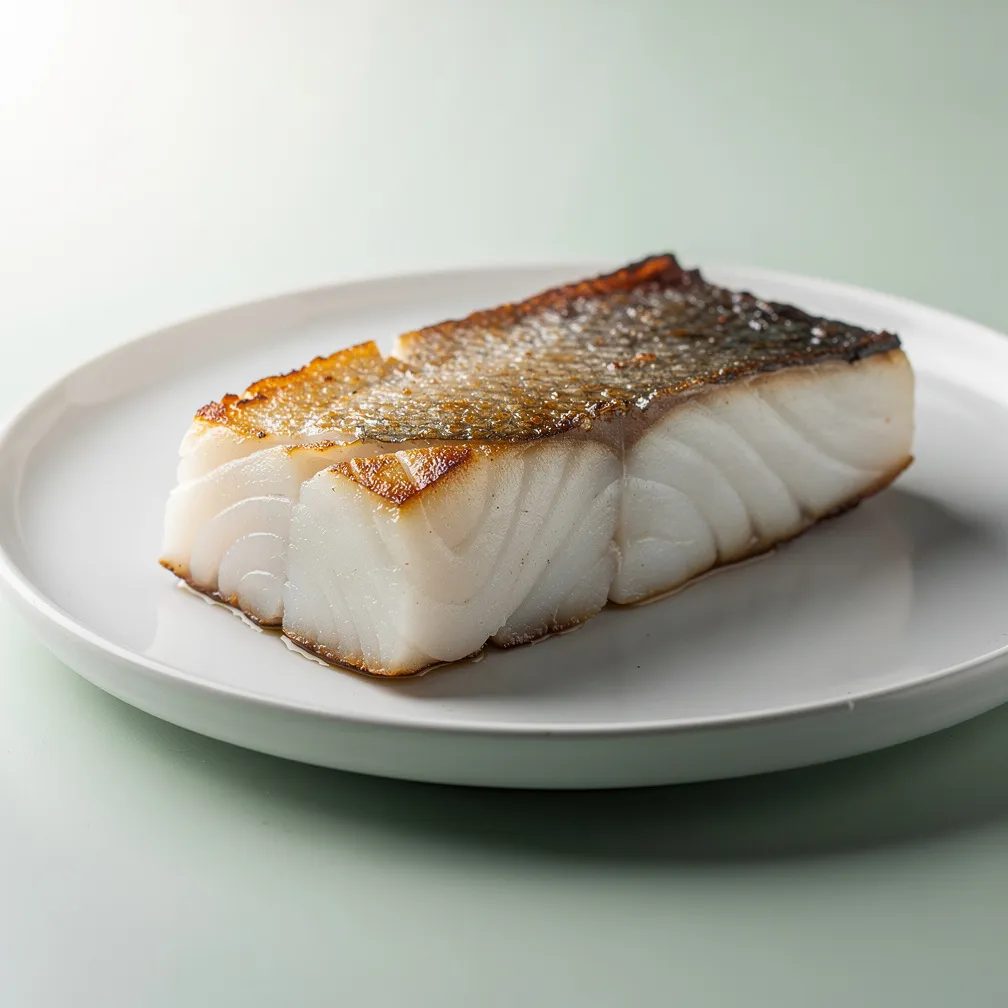
Halibut
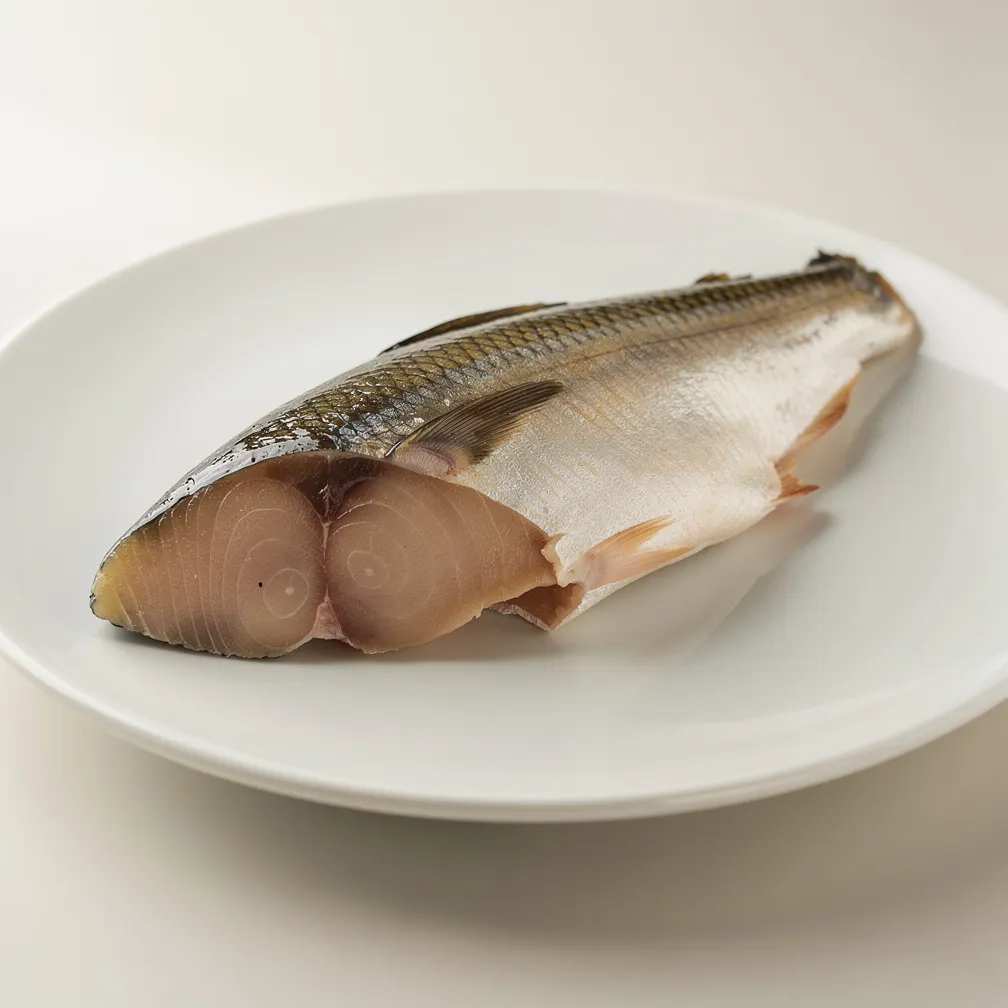
Herring
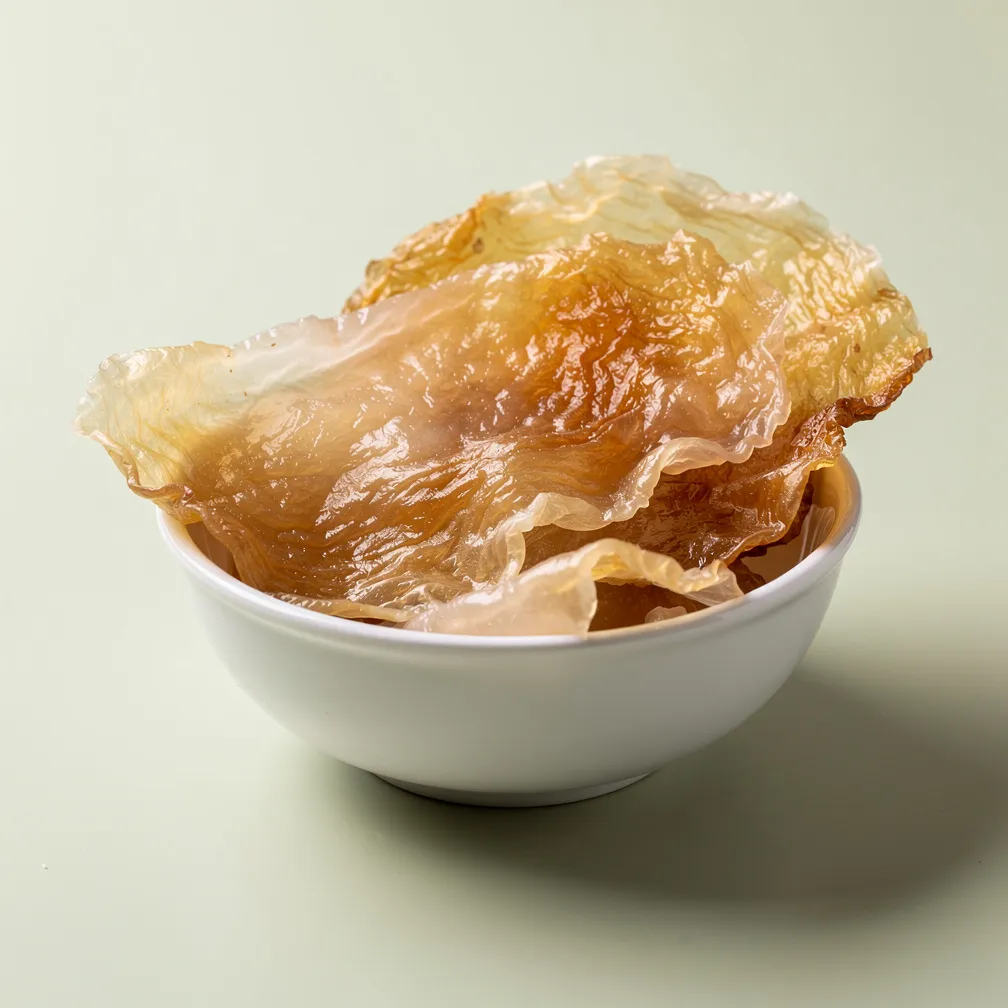
Jellyfish
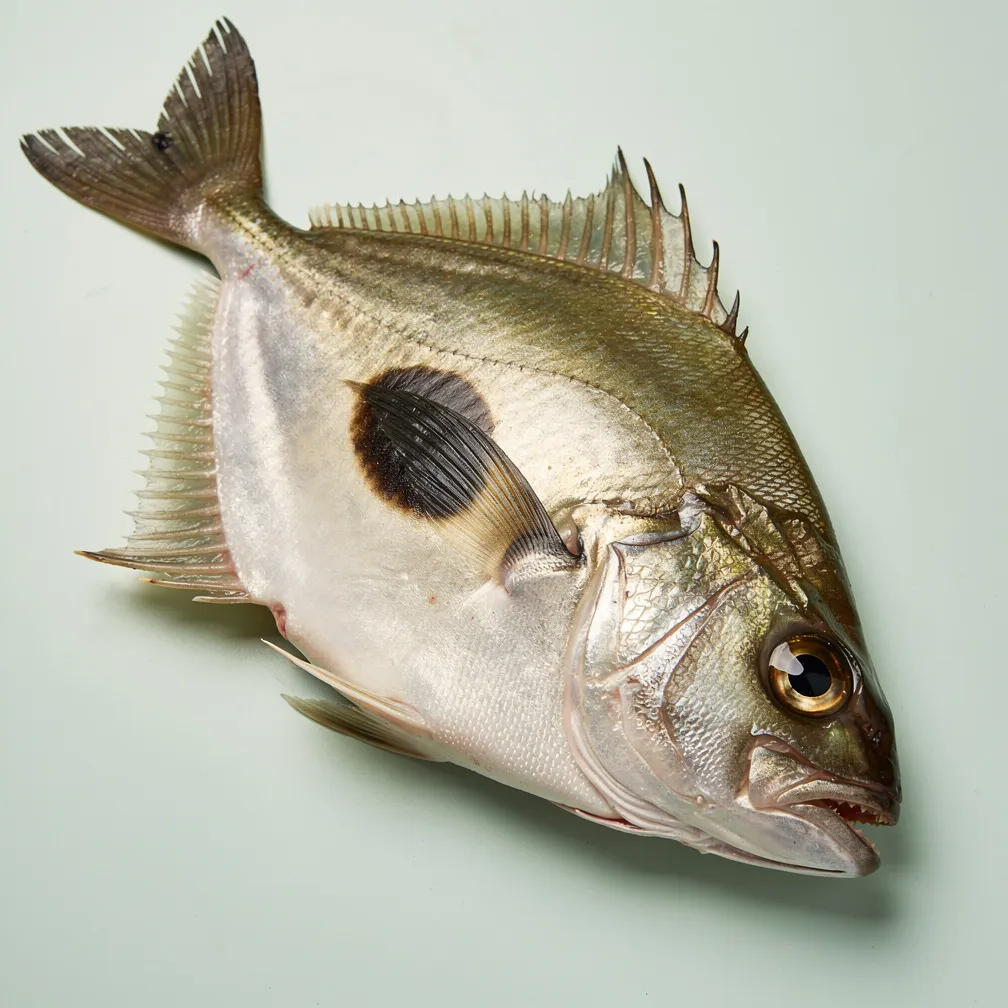
John dory
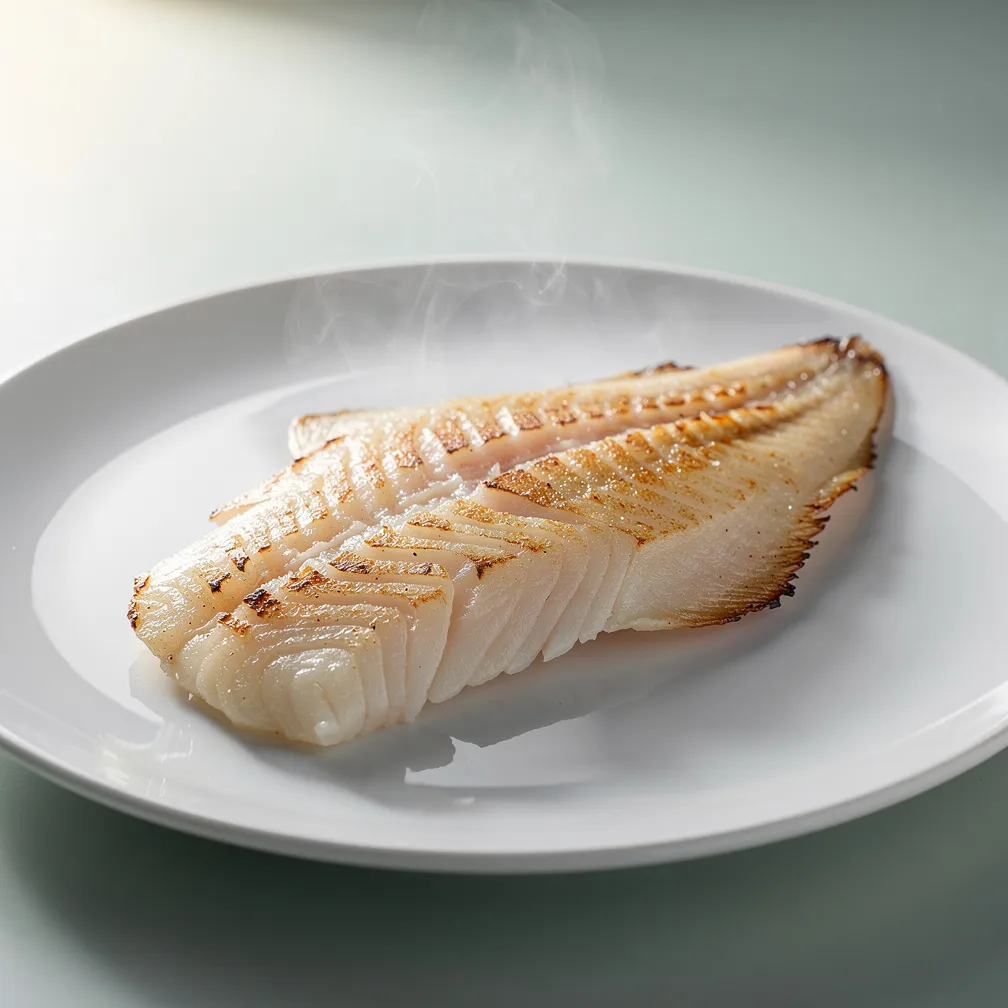
Lemon sole
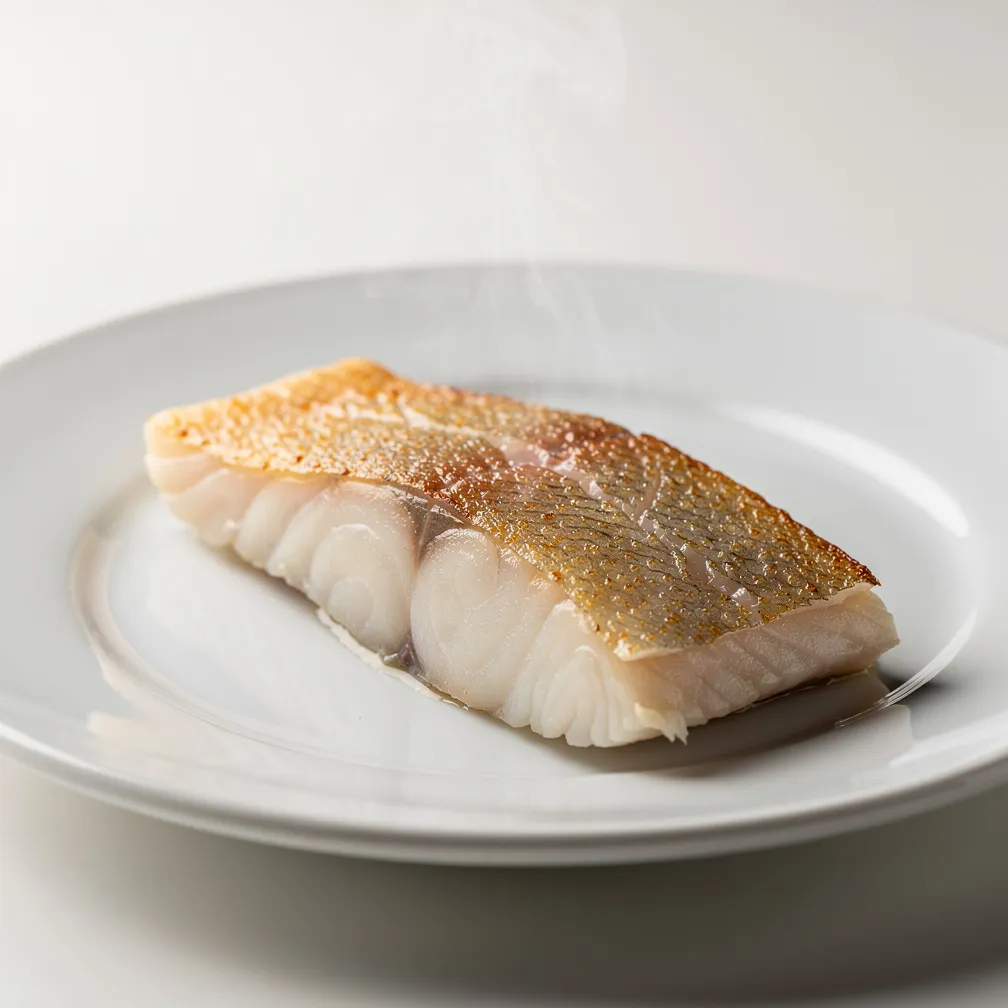
Ling
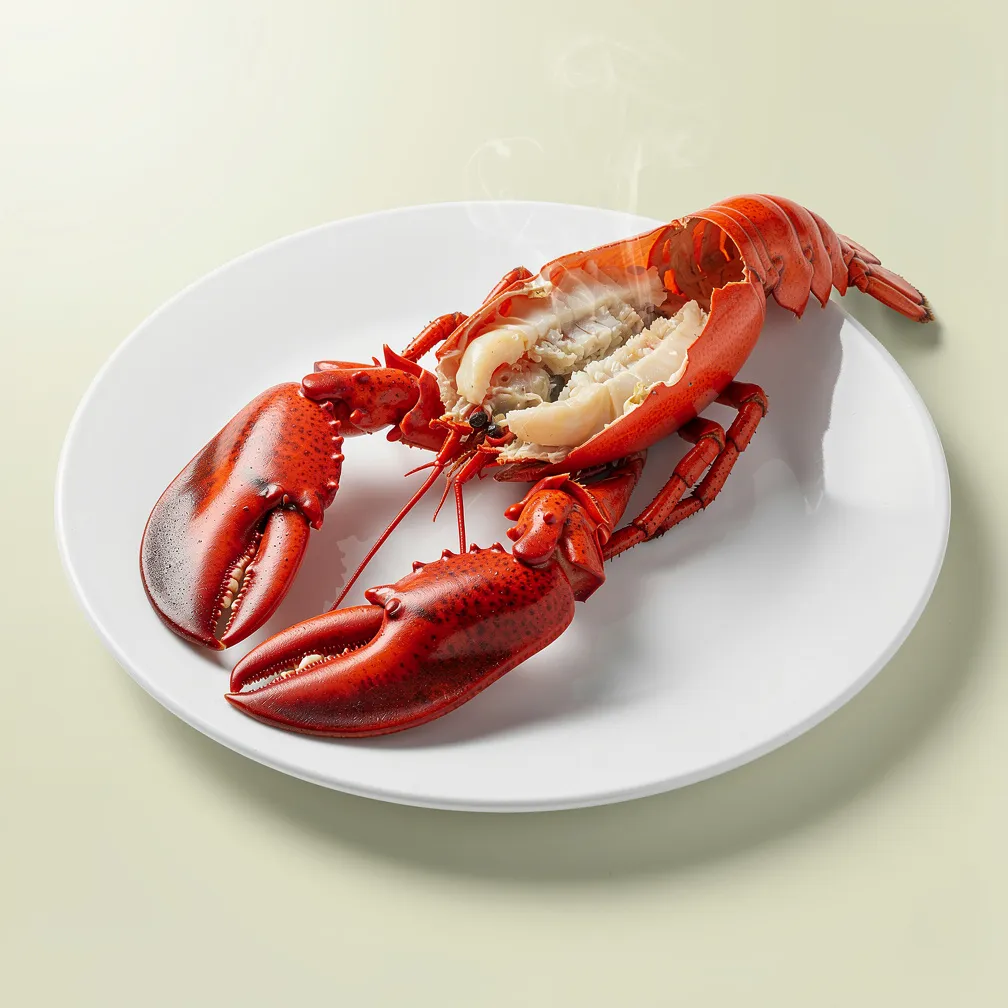
Lobster
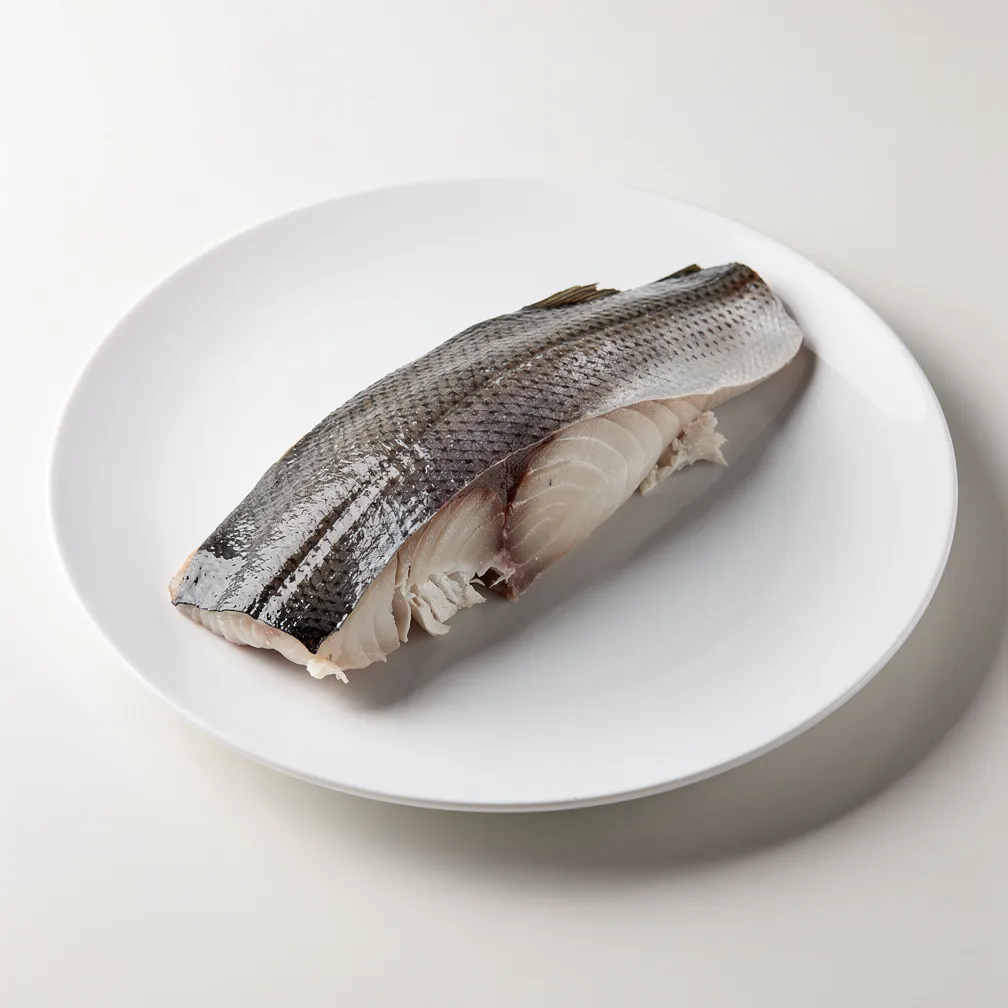
Lump fish
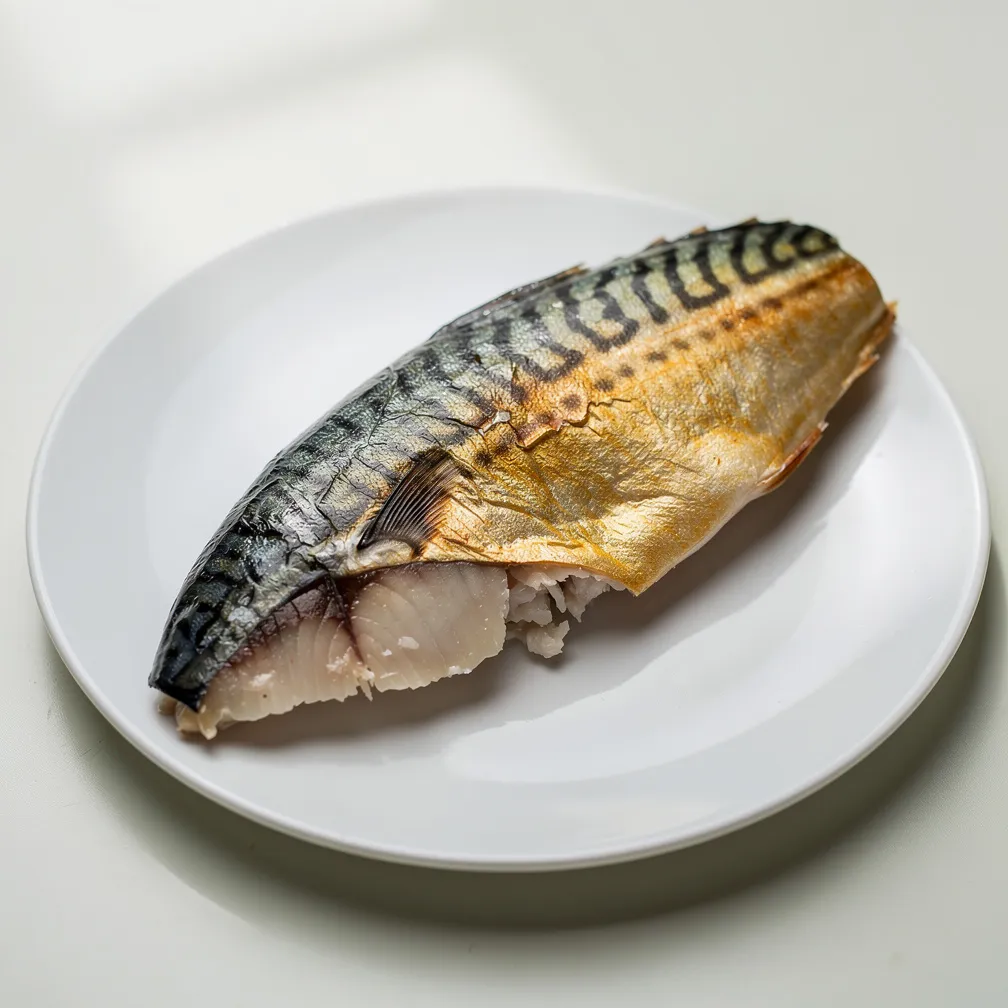
Mackerel
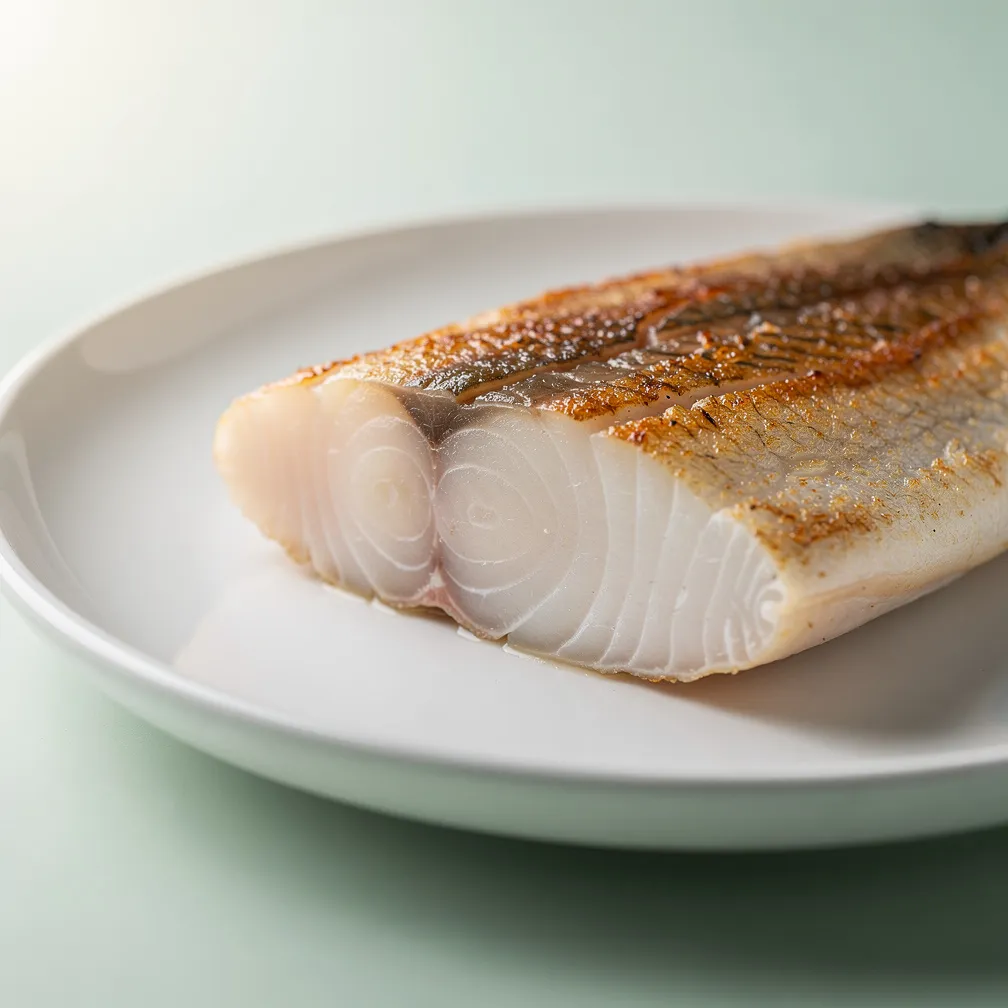
Monkfish
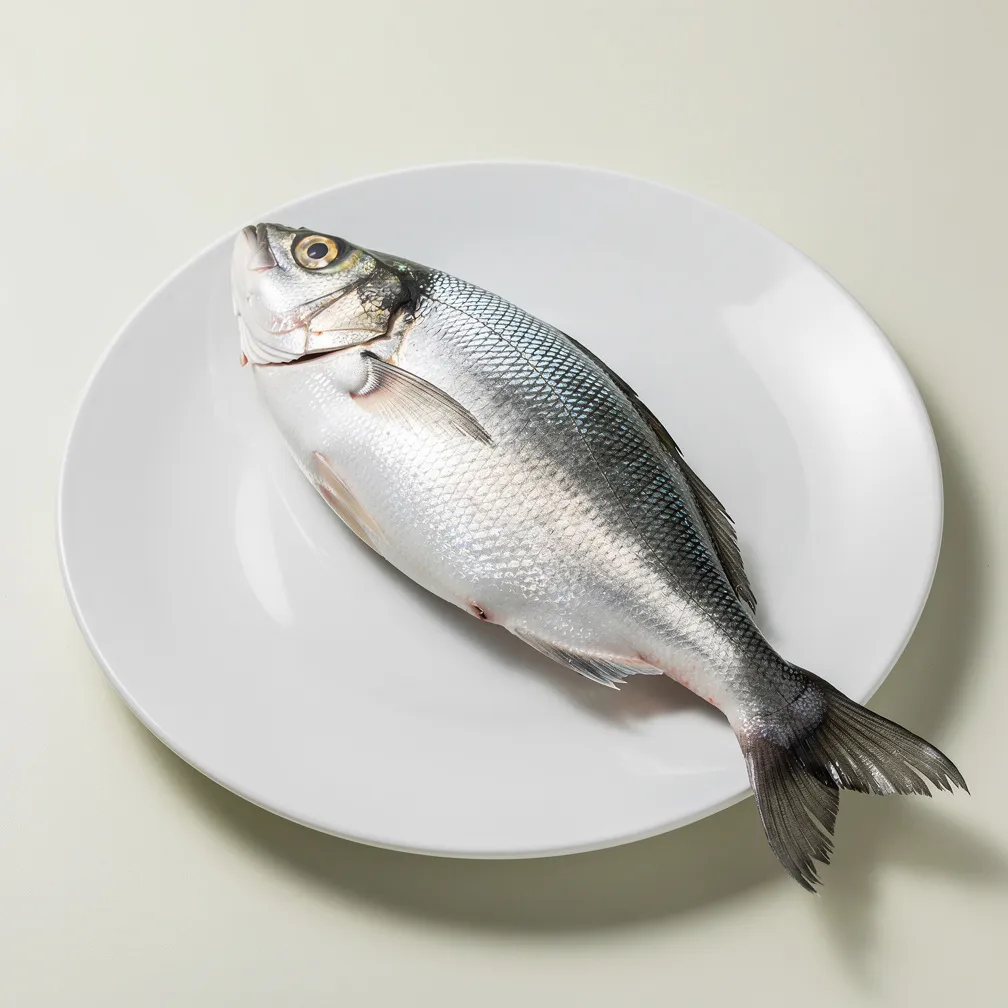
Mullet
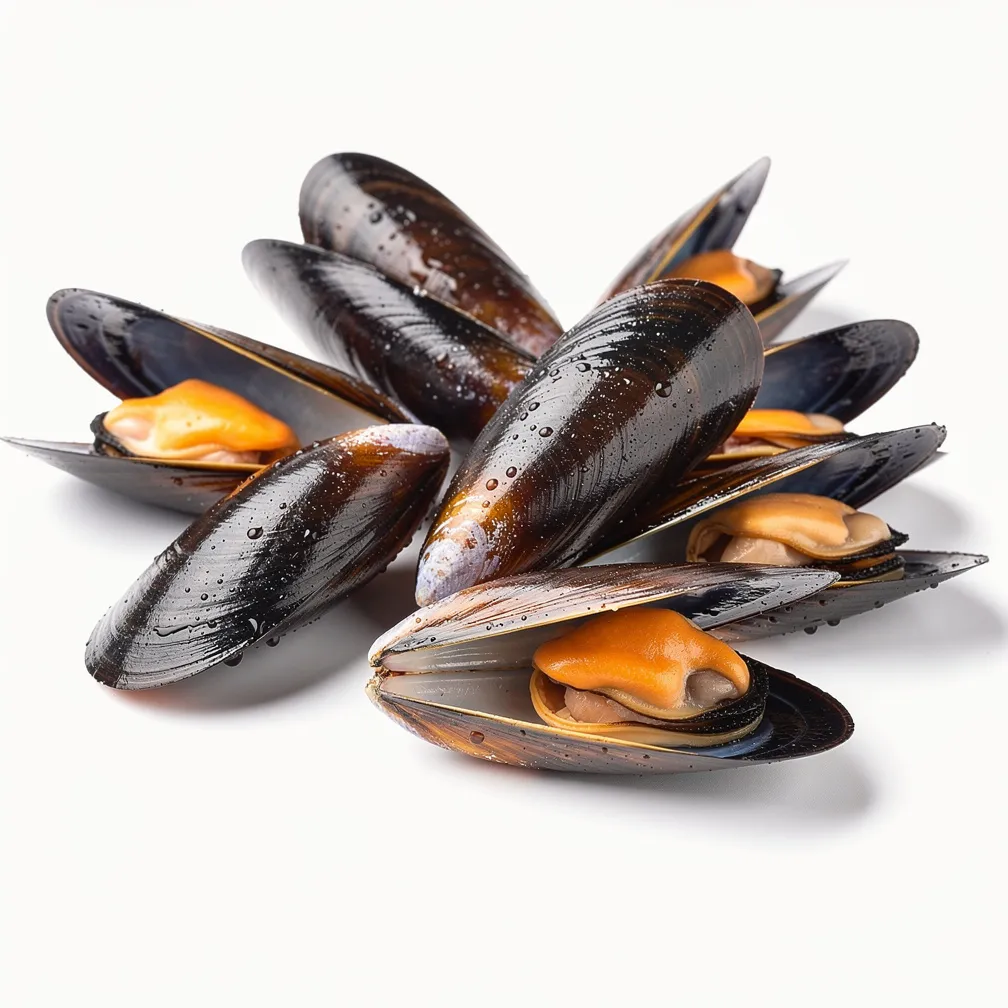
Mussel
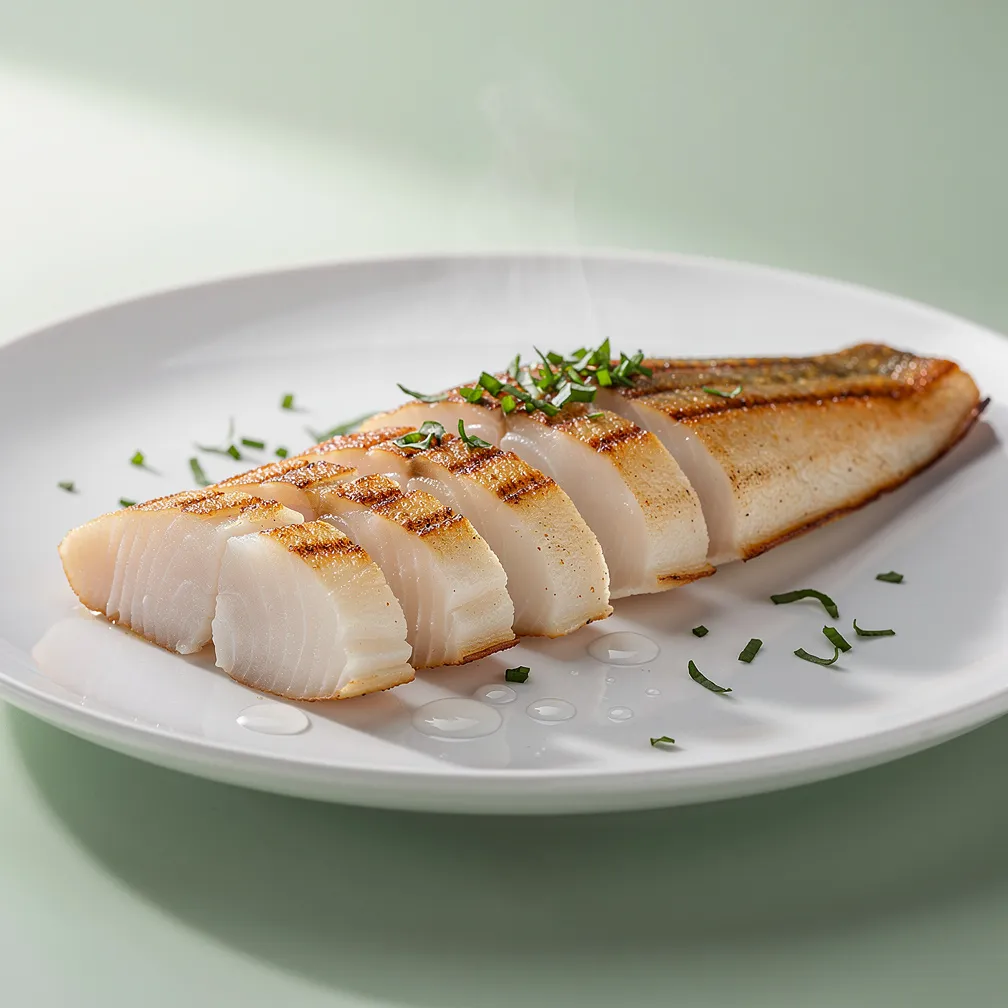
Northern pike
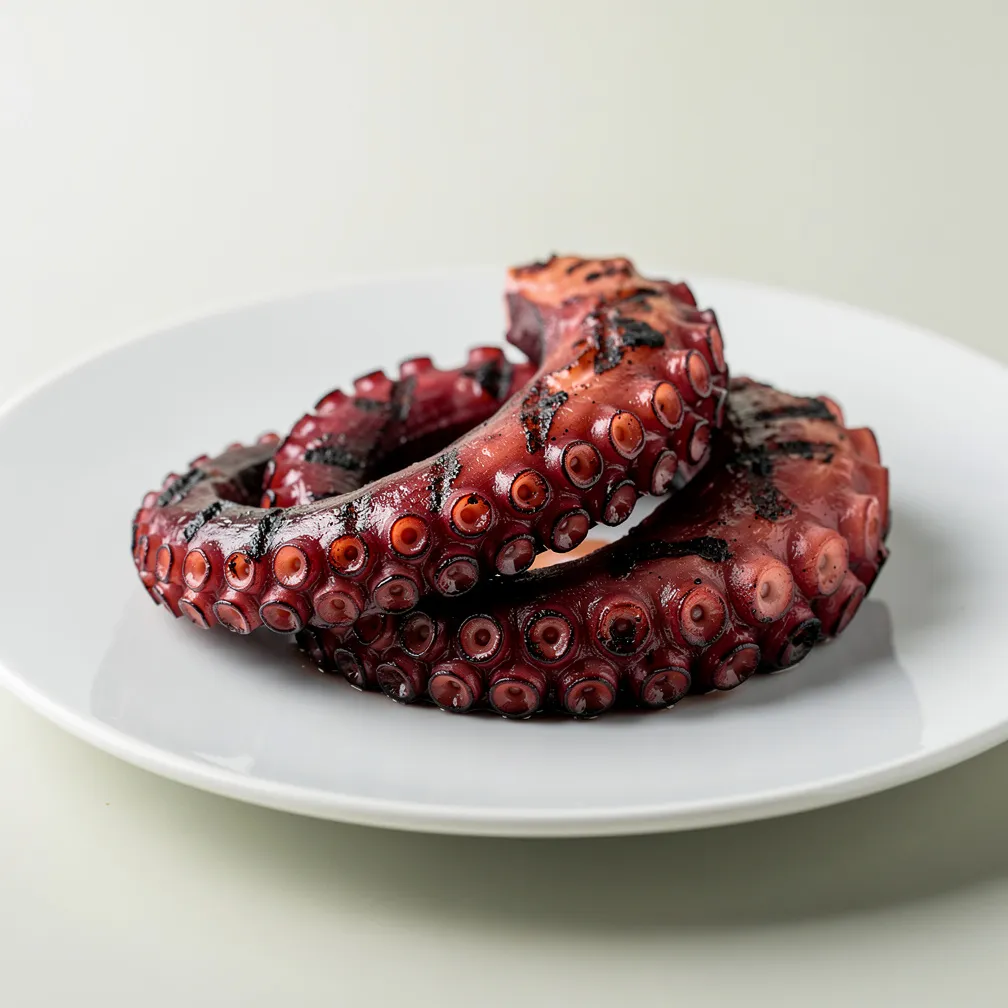
Octopus
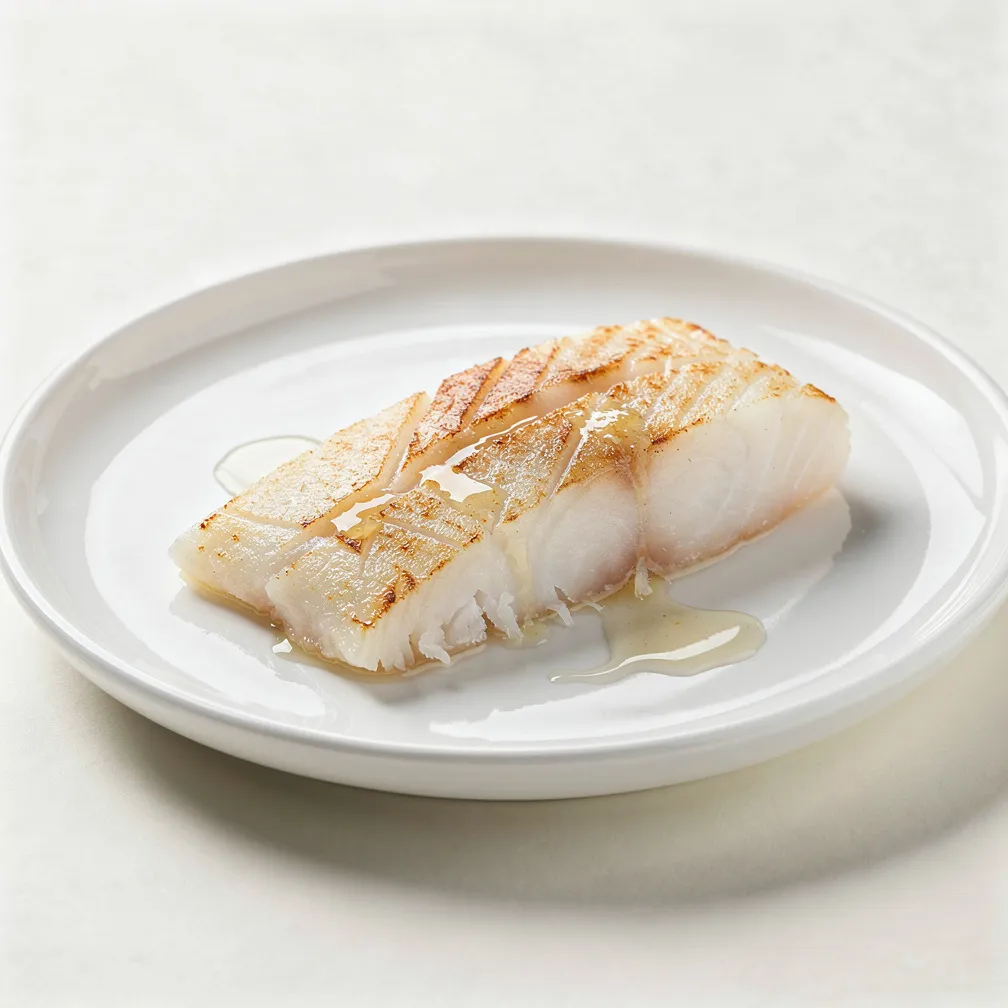
Orange roughy
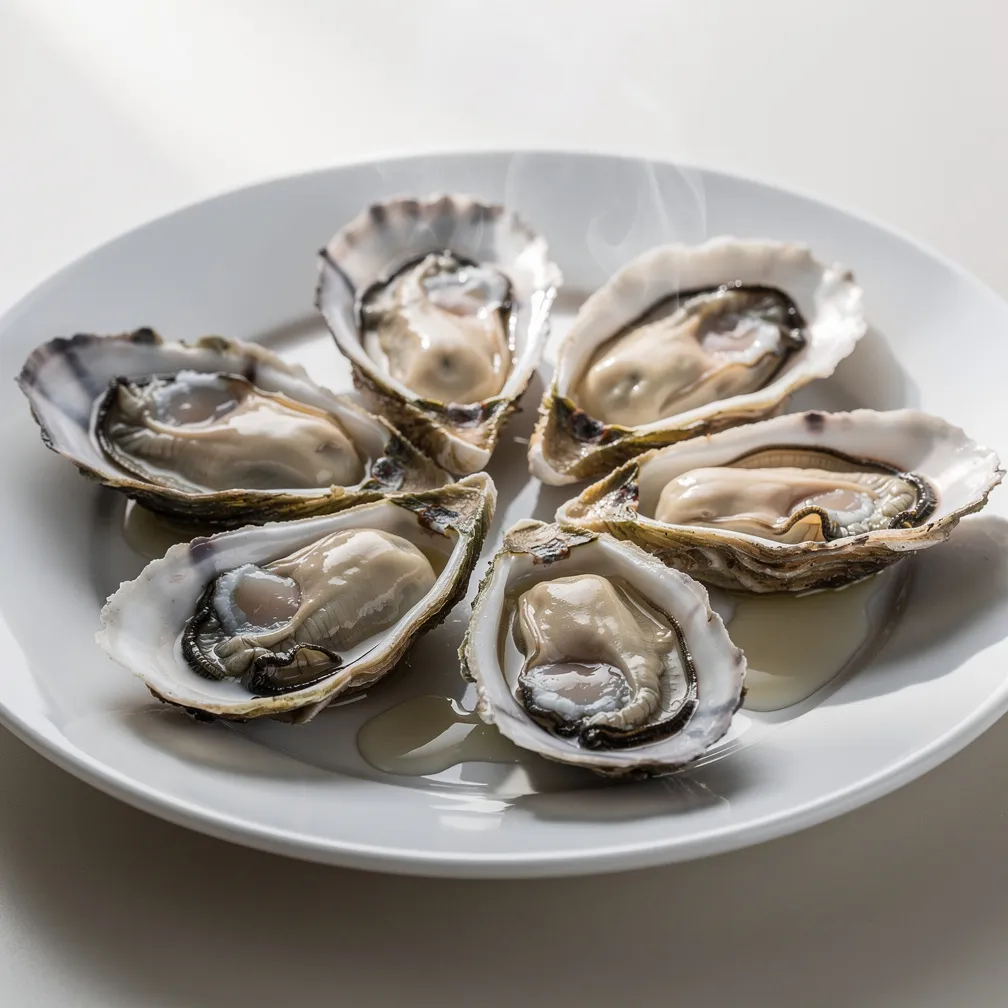
Oyster
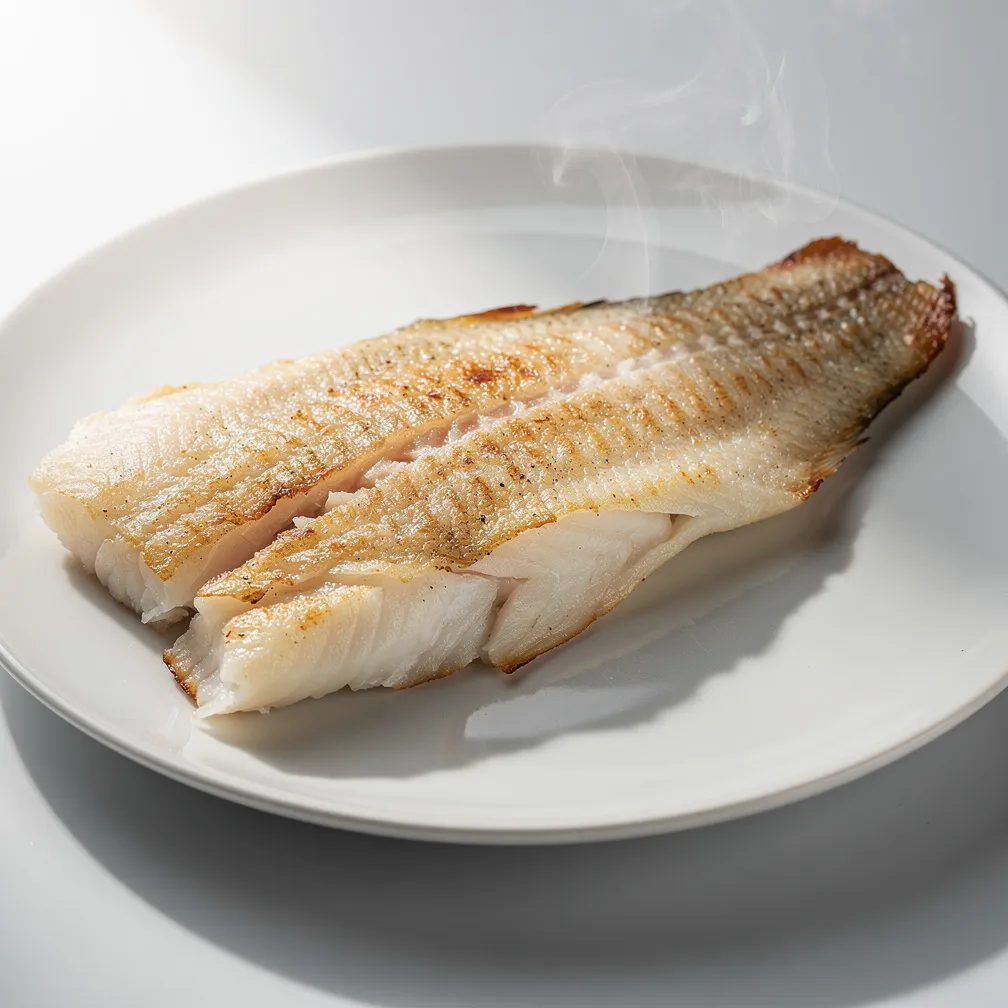
Pangasius
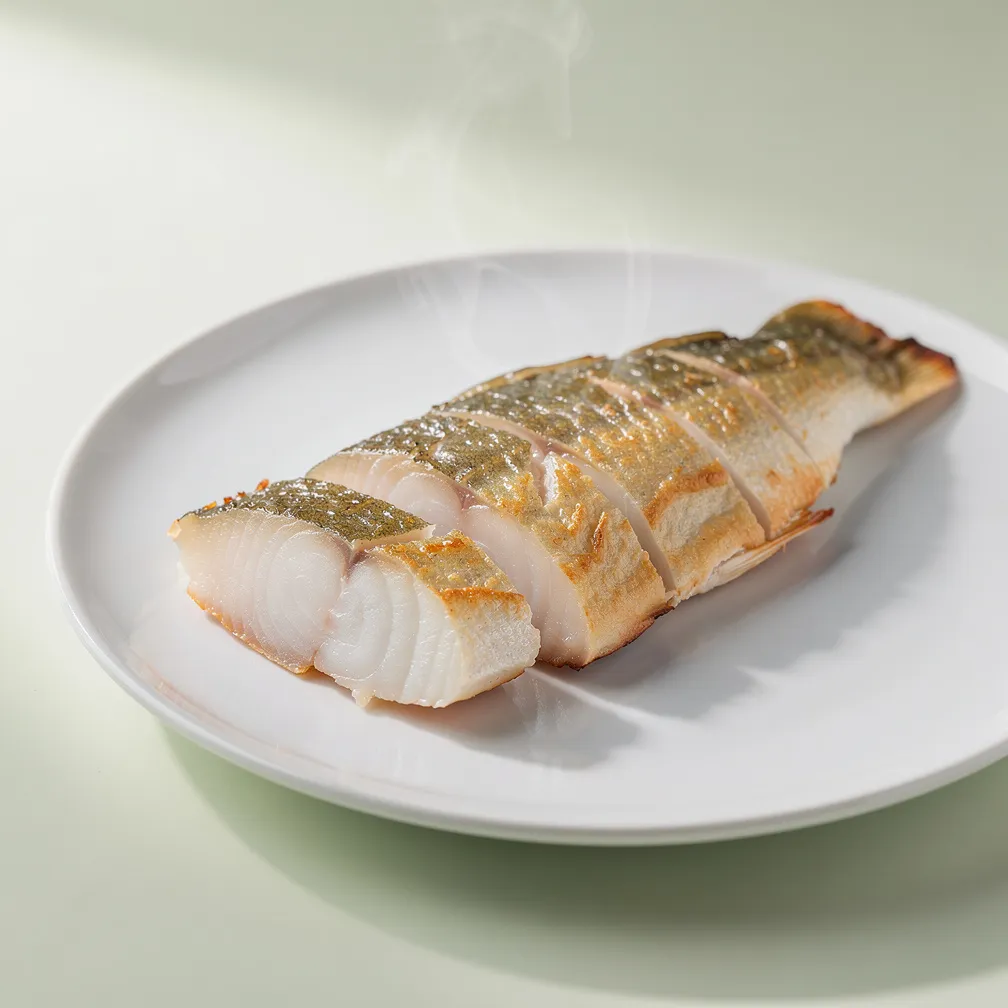
Perch
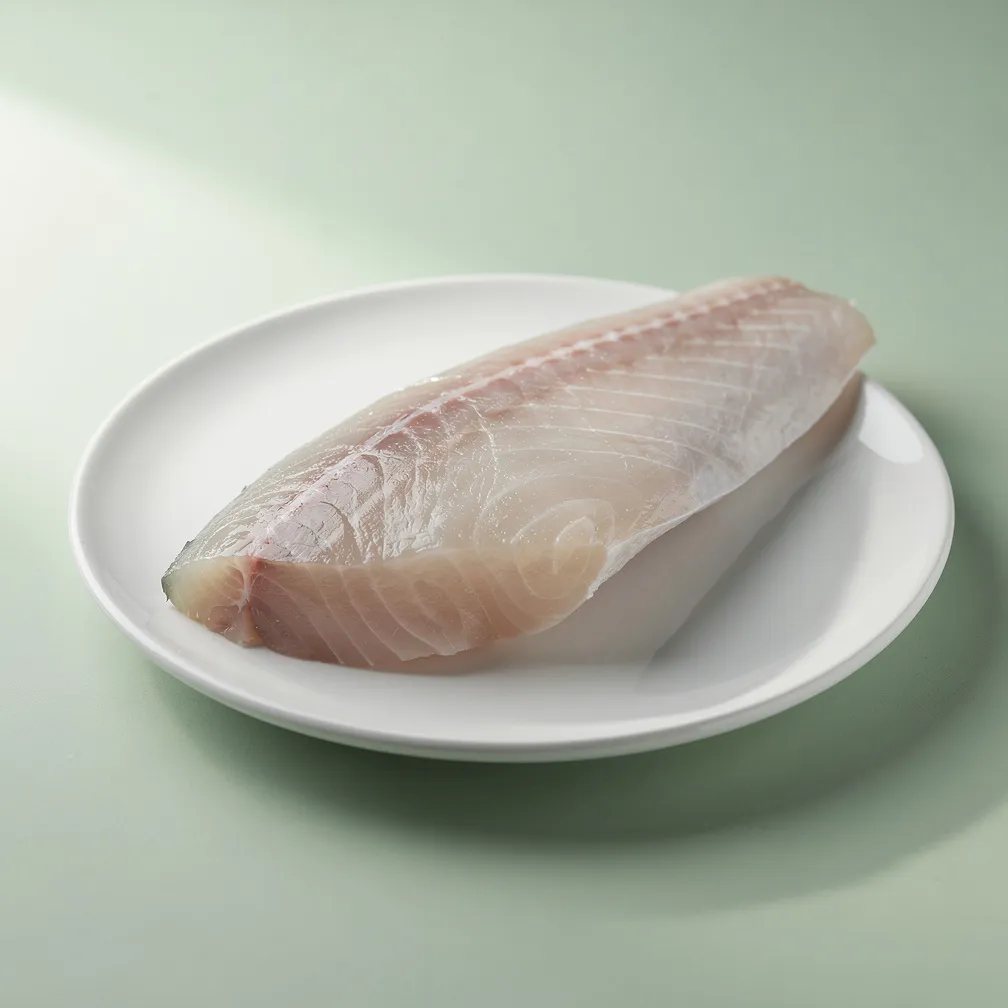
Pike
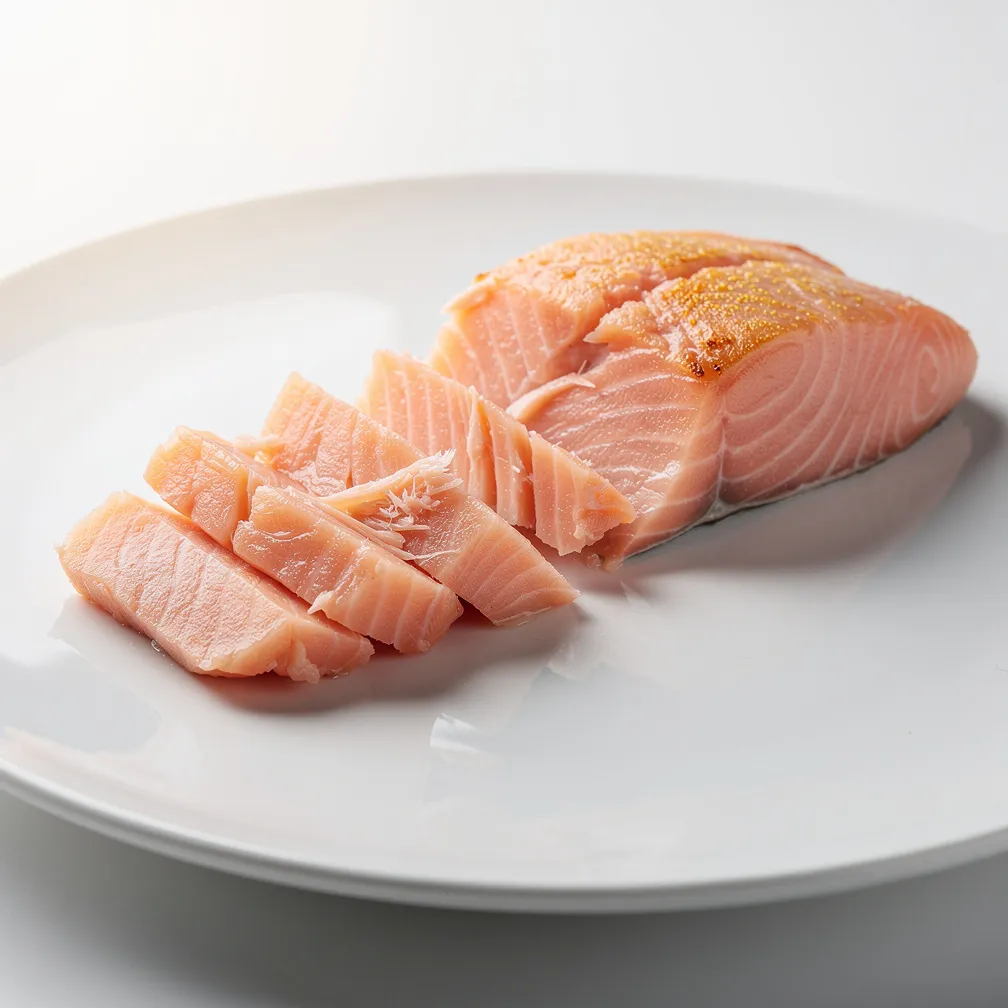
Pink salmon
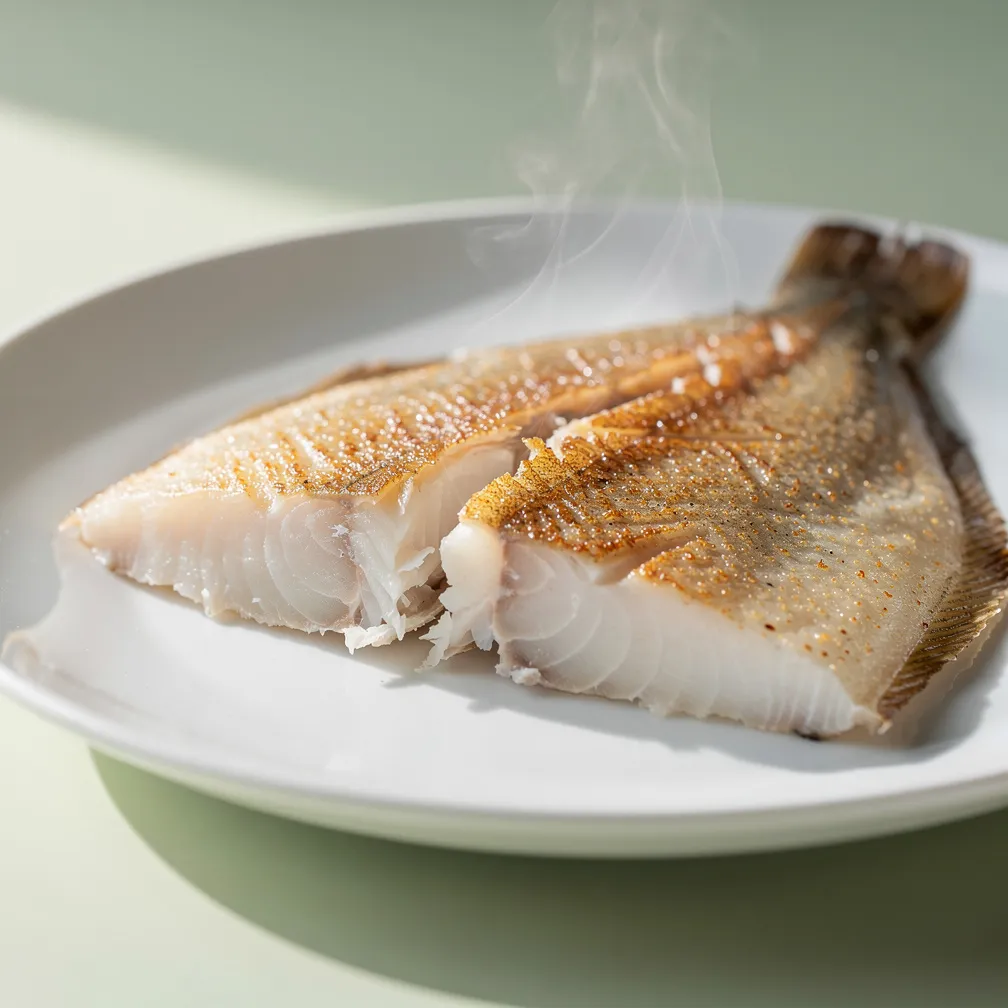
Plaice
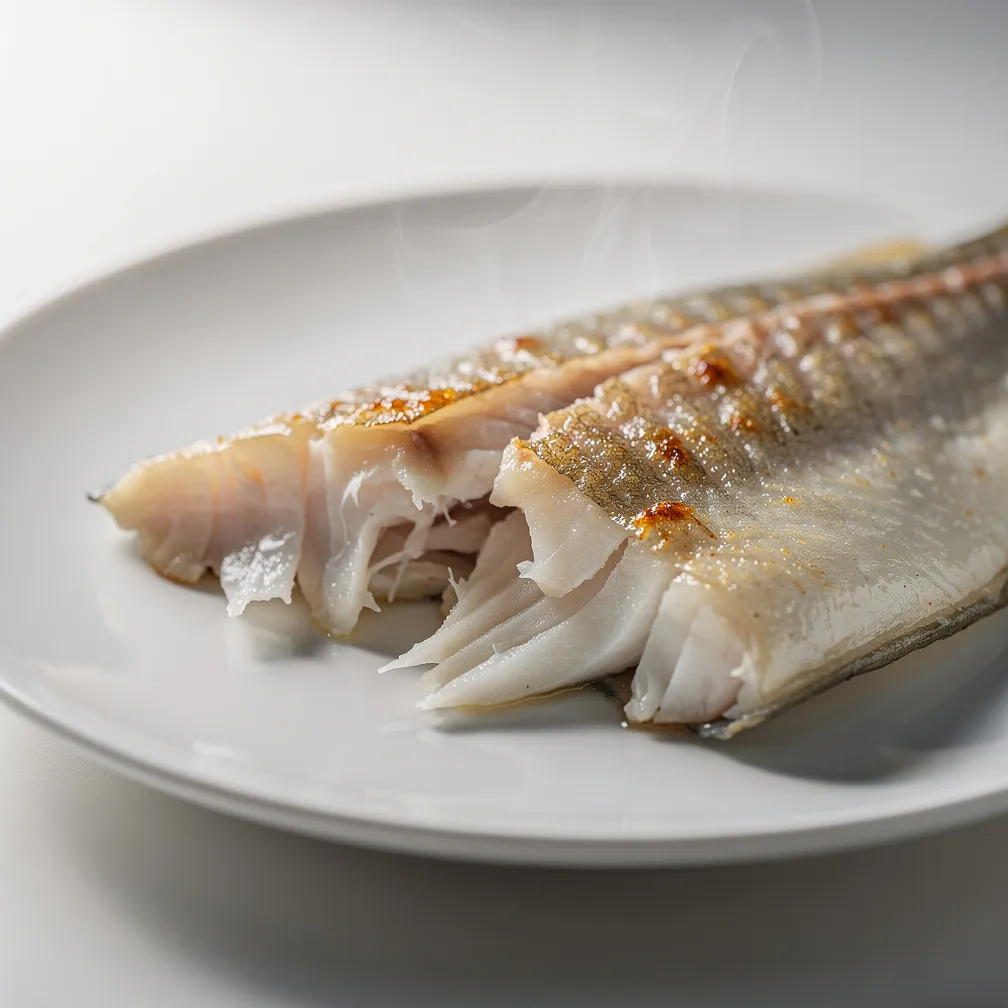
Pollock
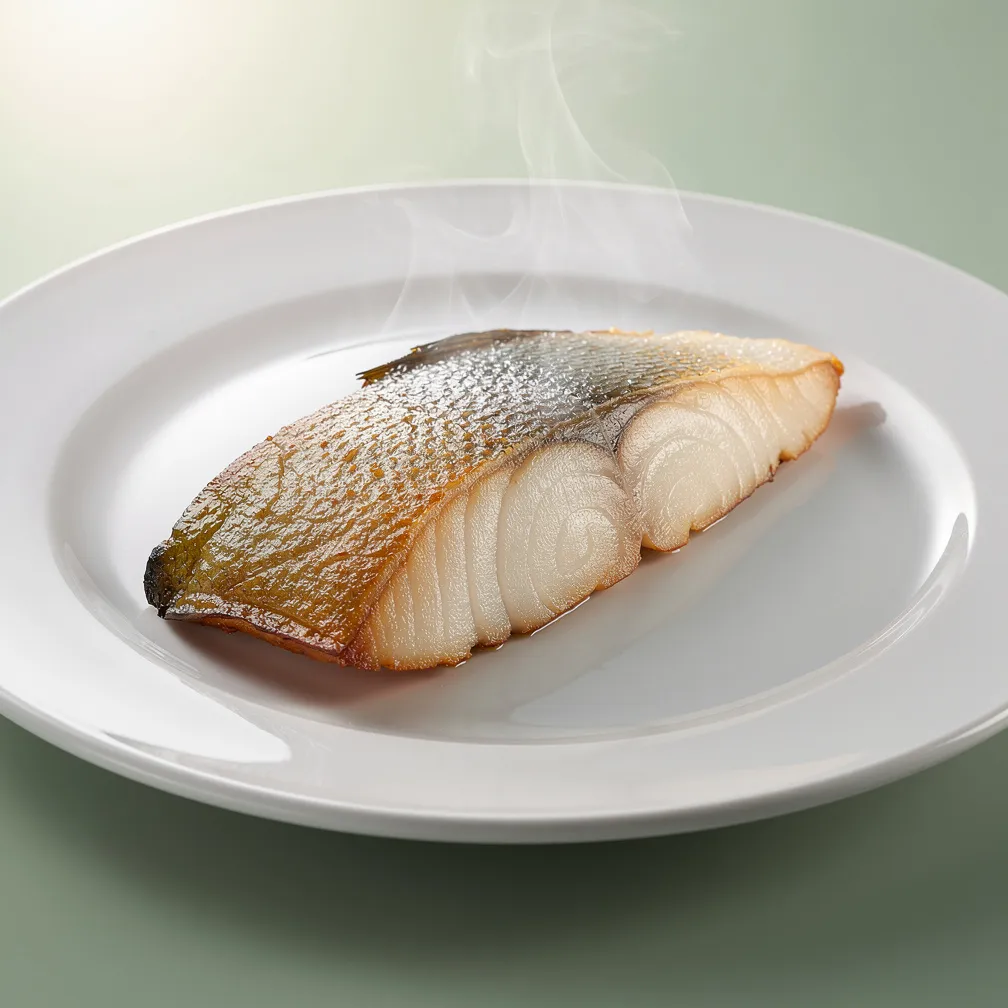
Pompano
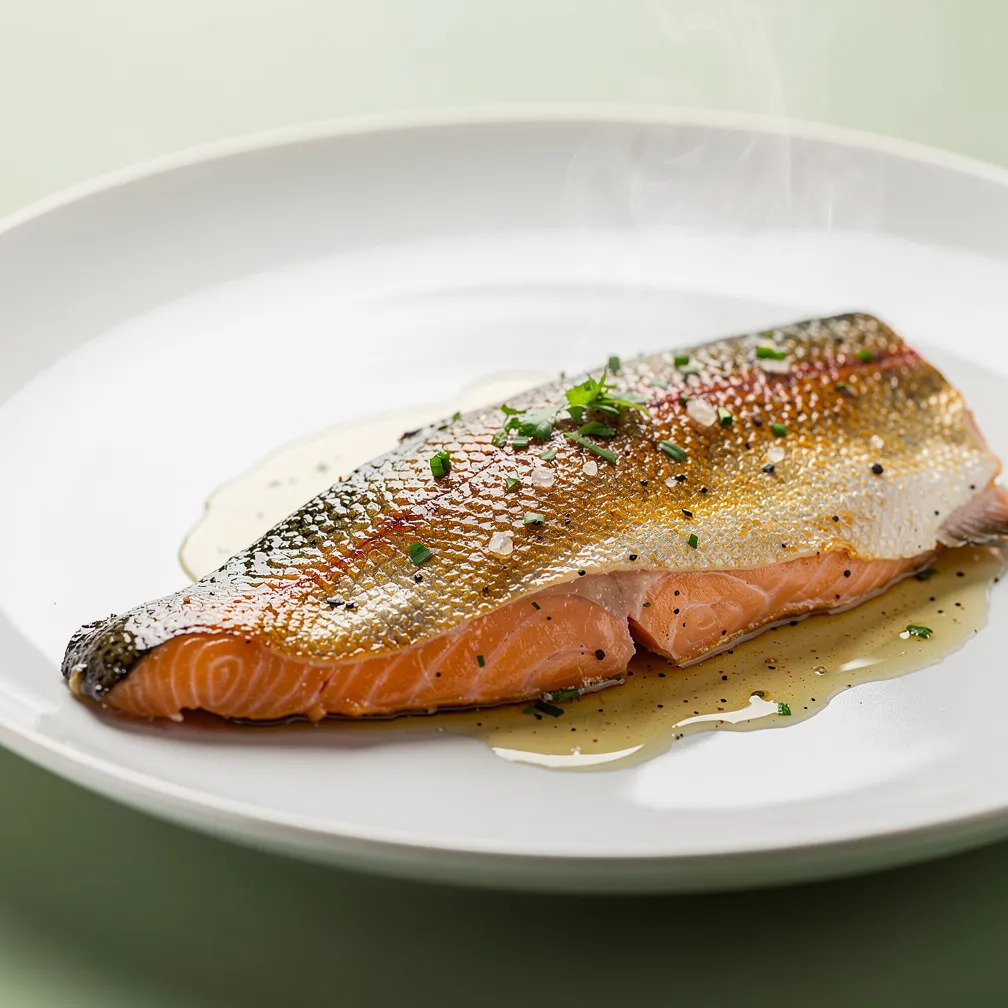
Rainbow trout
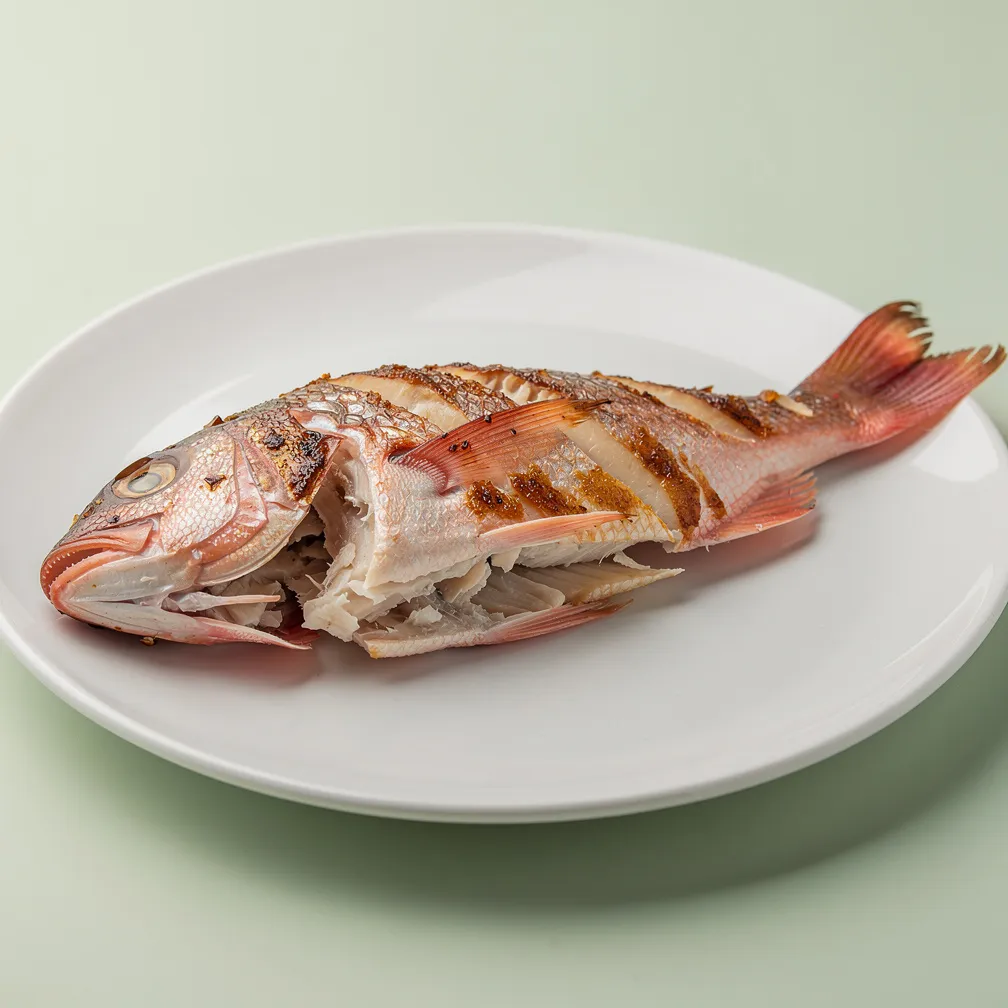
Red mullet
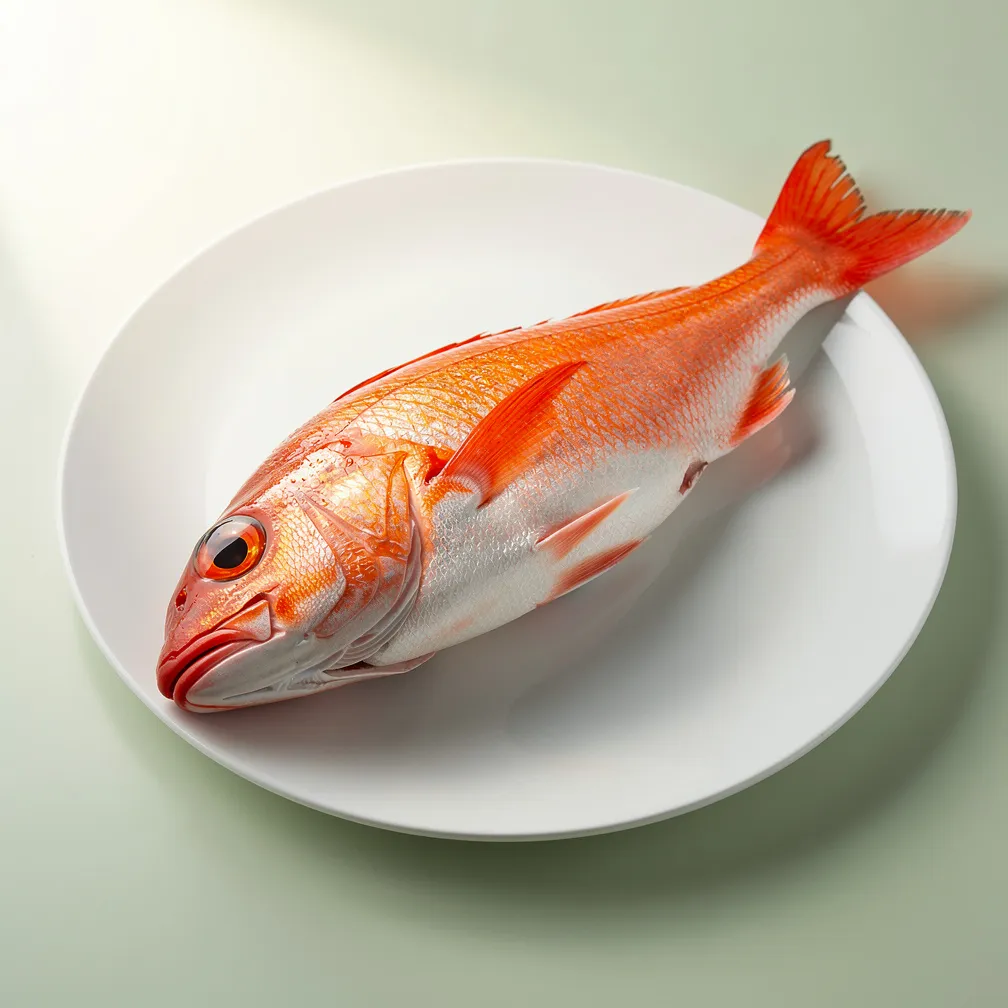
Redfish
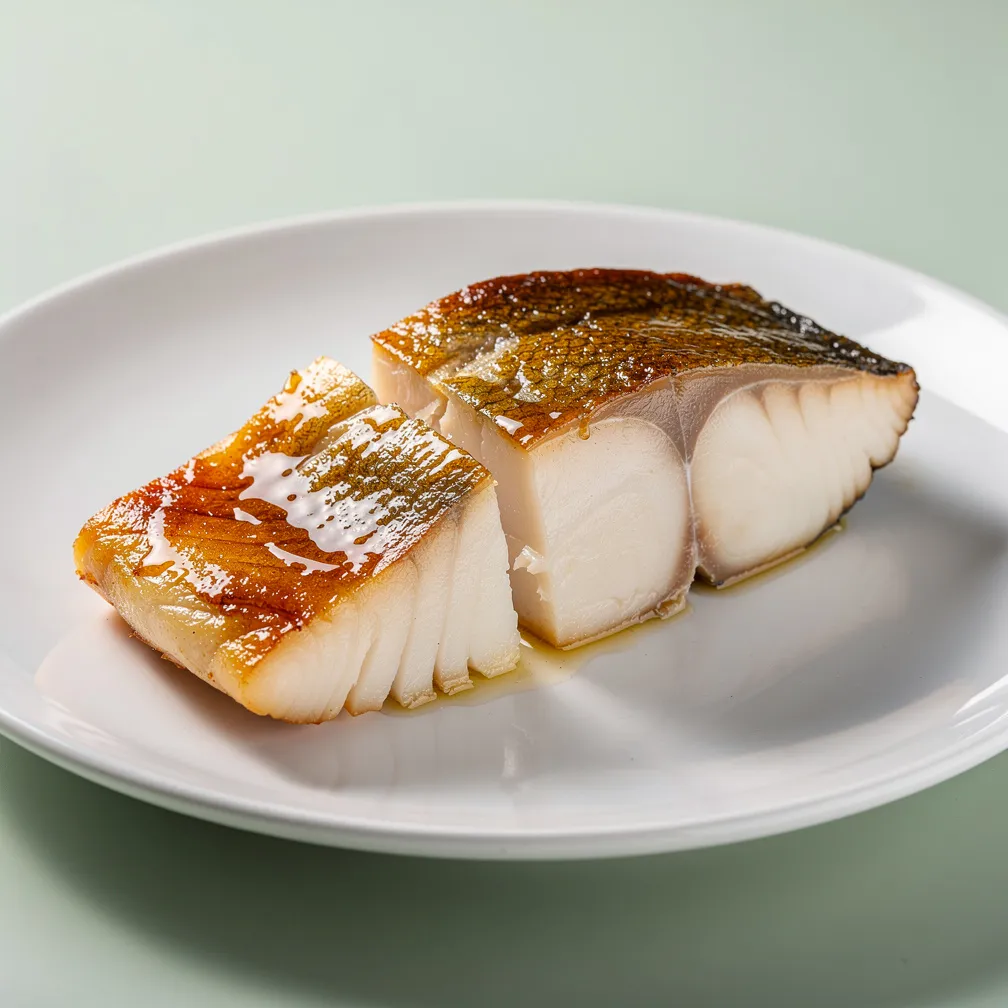
Sablefish
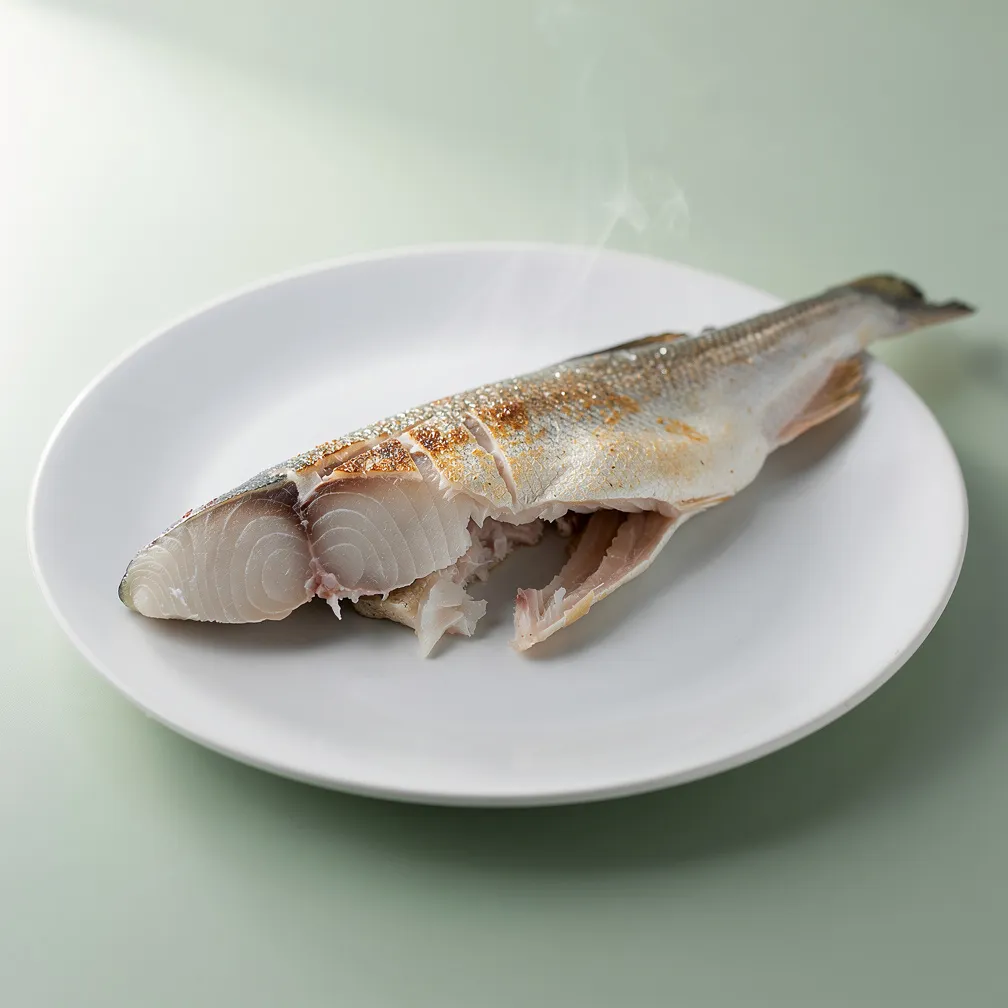
Saithe
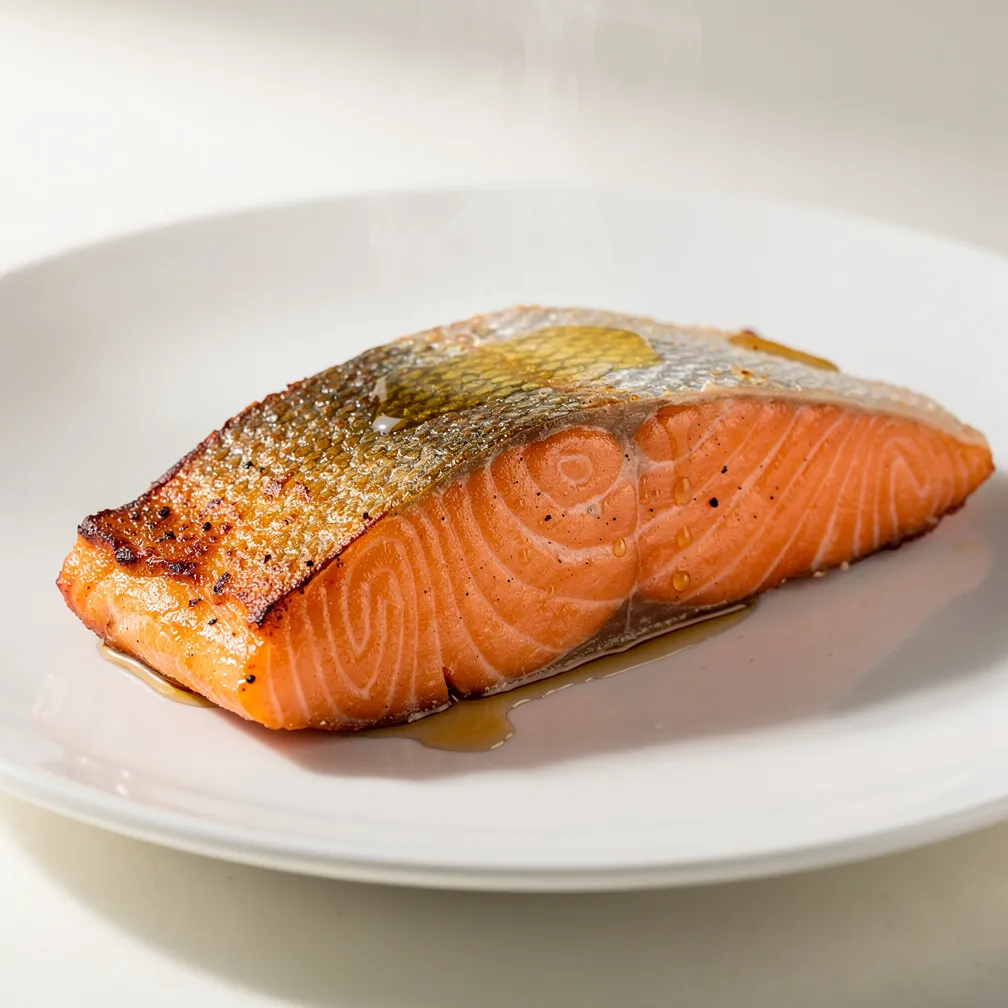
Salmon
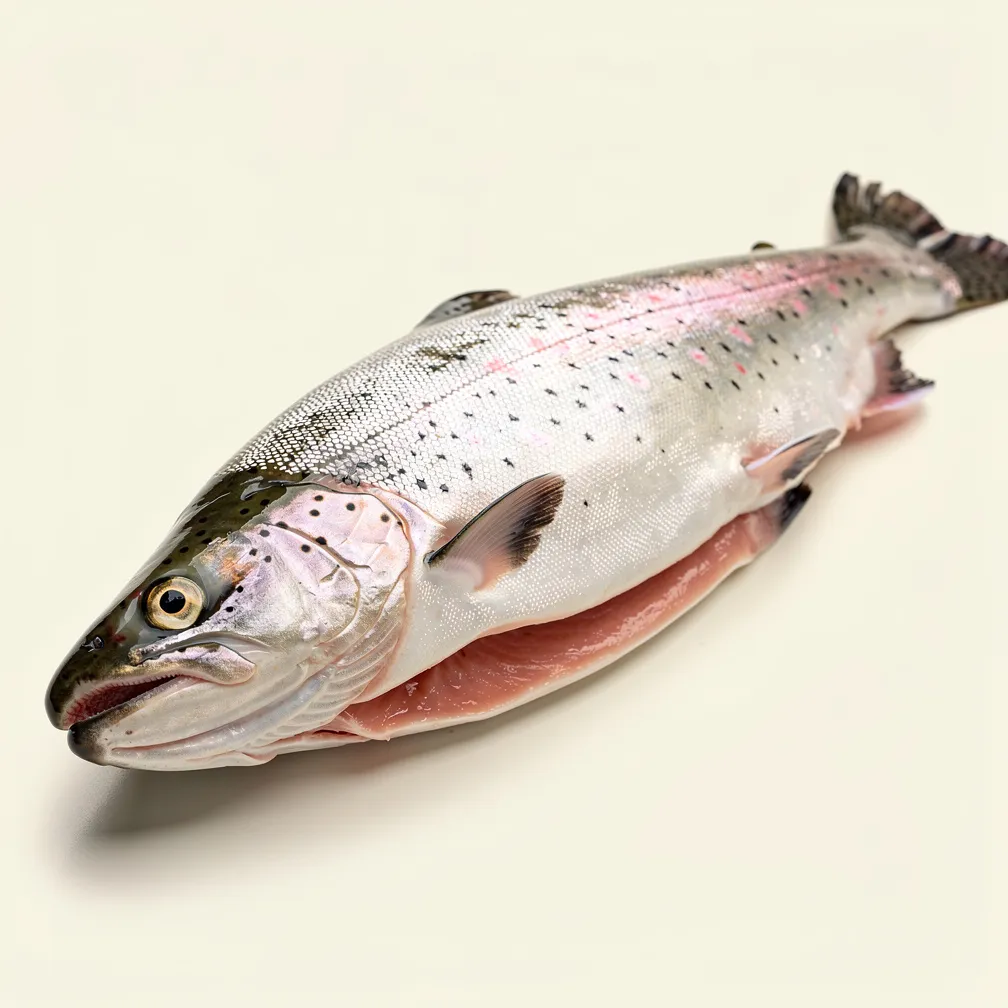
Salmon trout
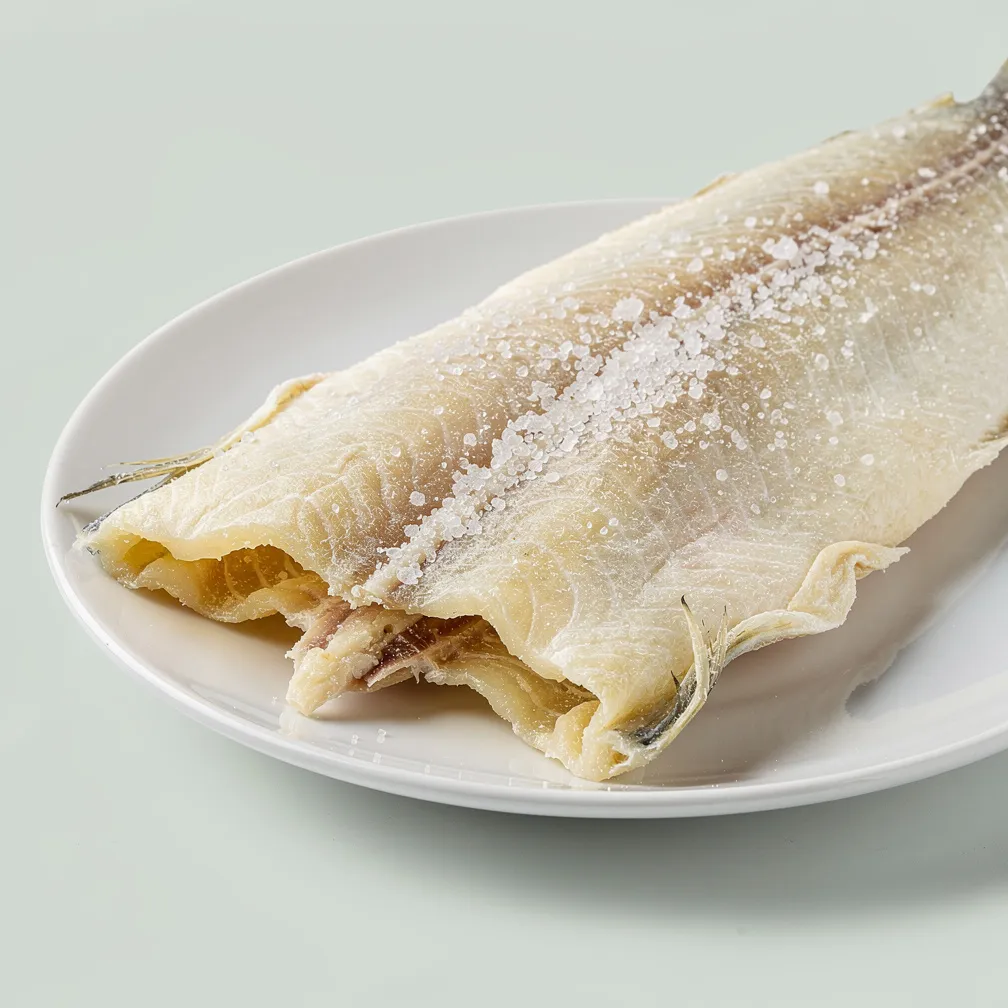
Salted cod, dried
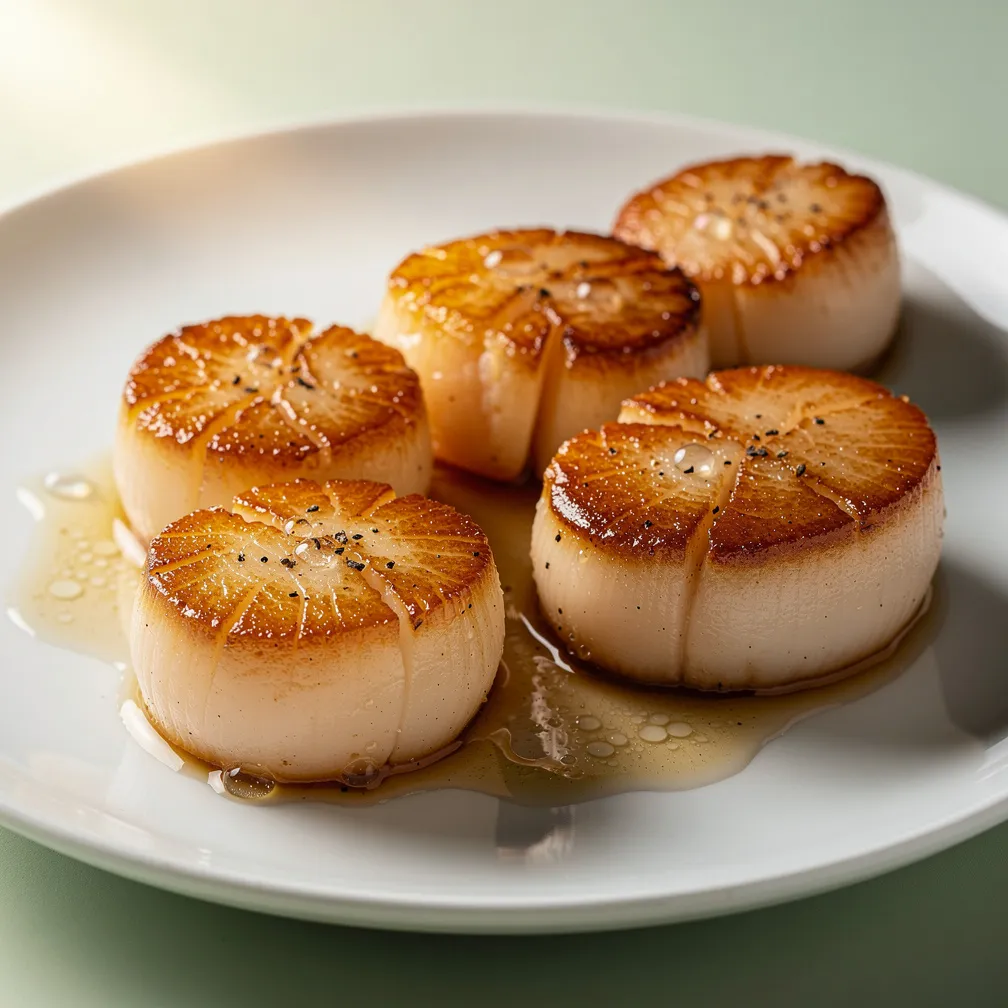
Scallop
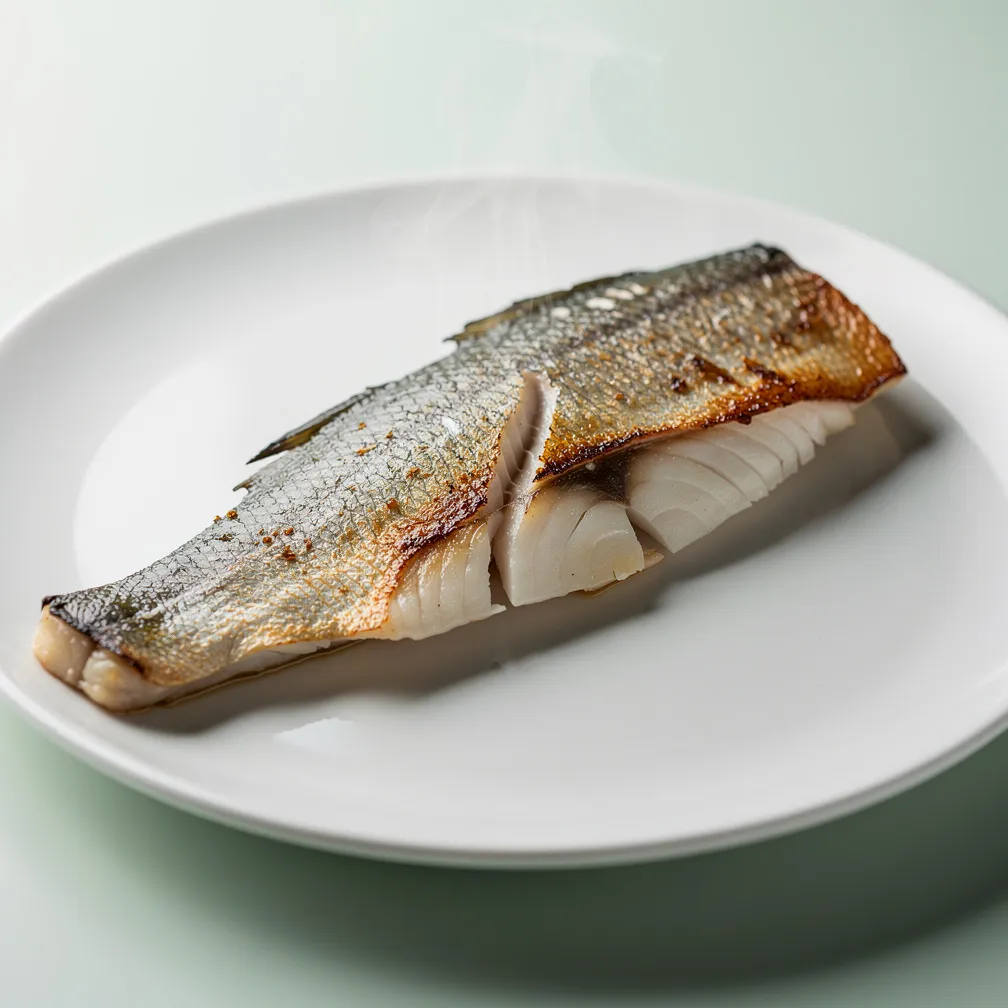
Sea bass
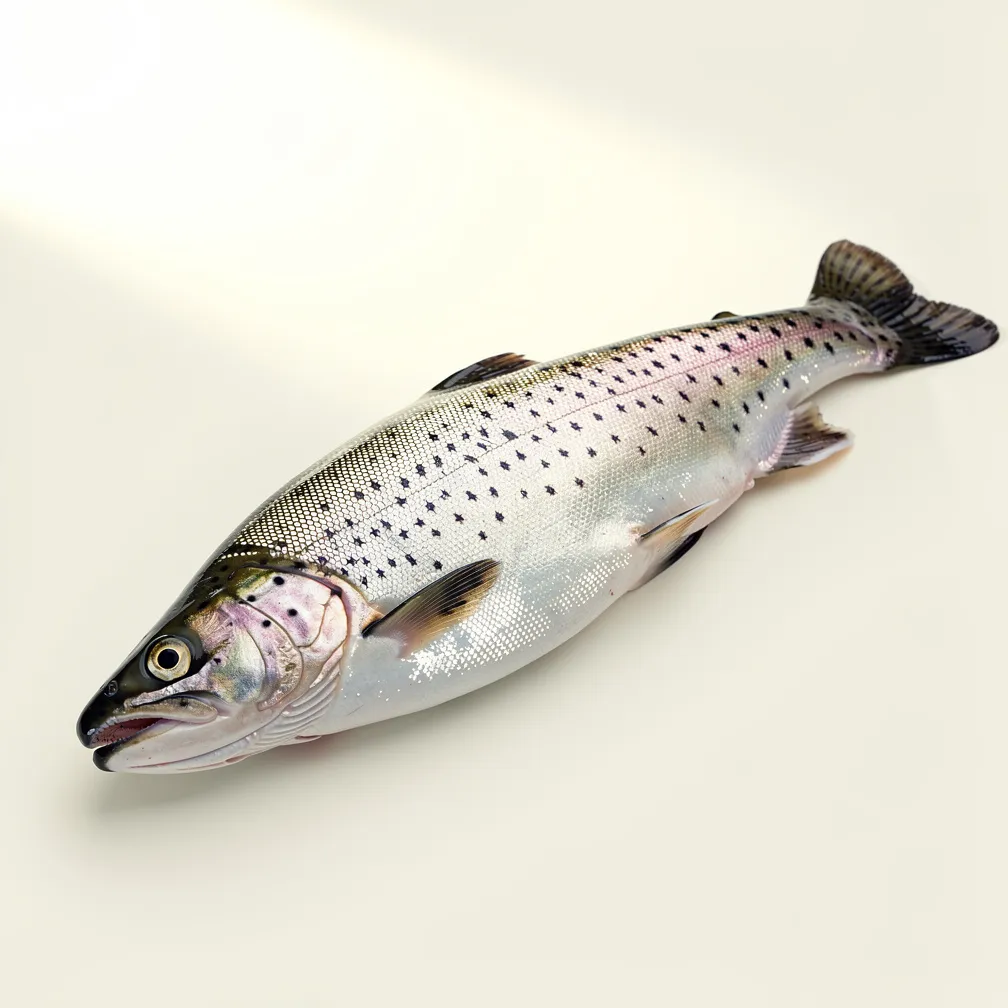
Seatrout
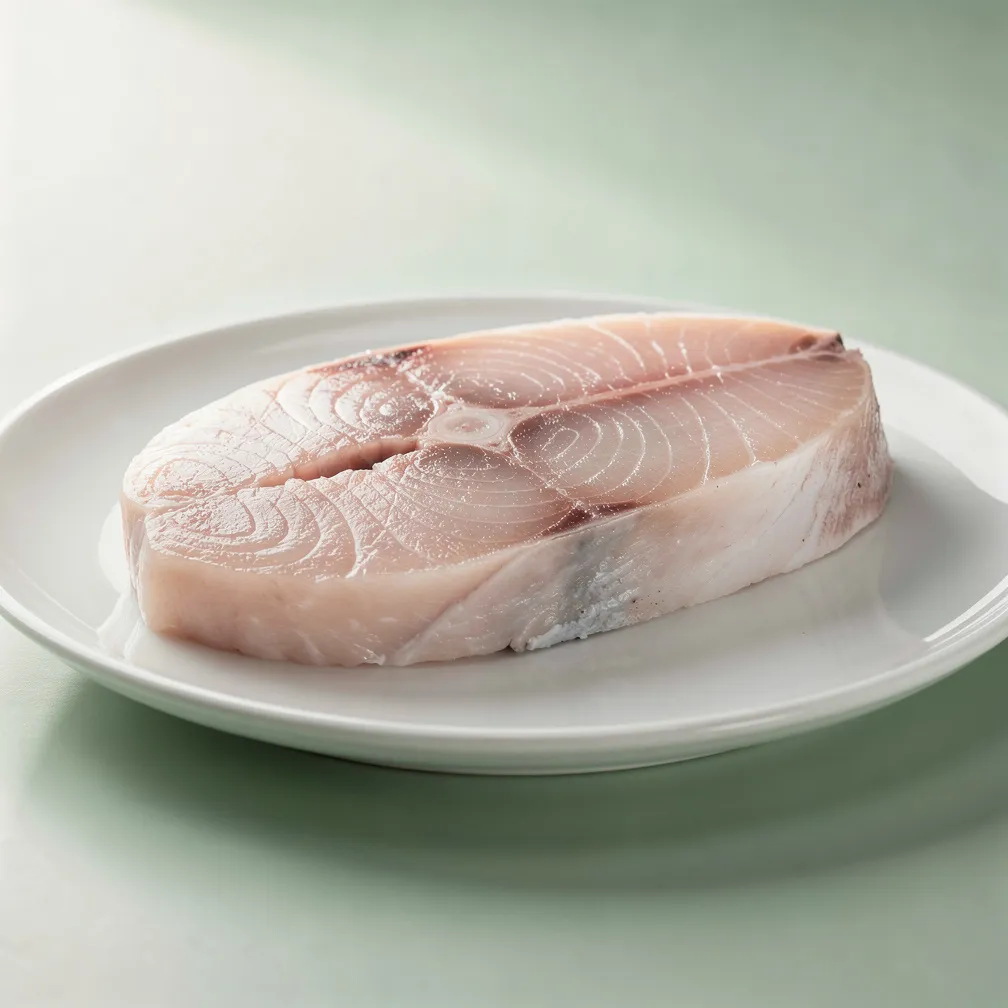
Shark
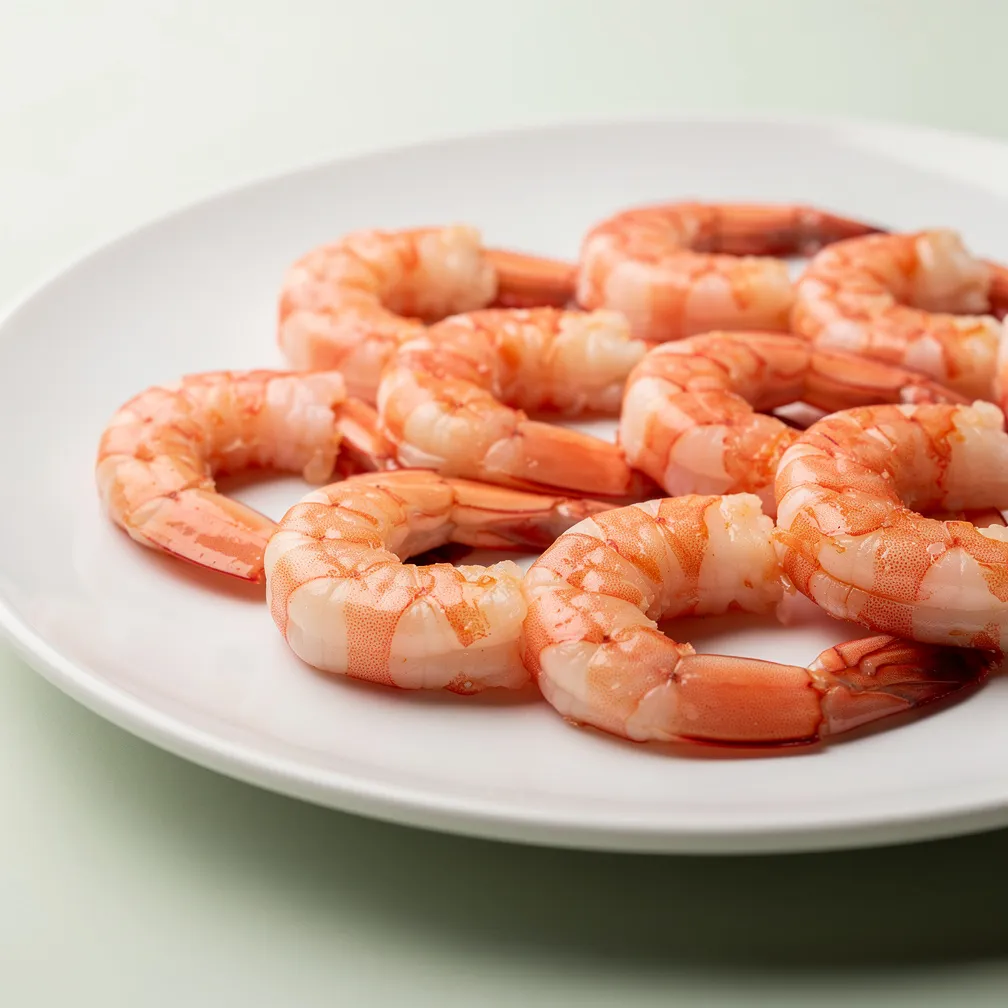
Shrimp
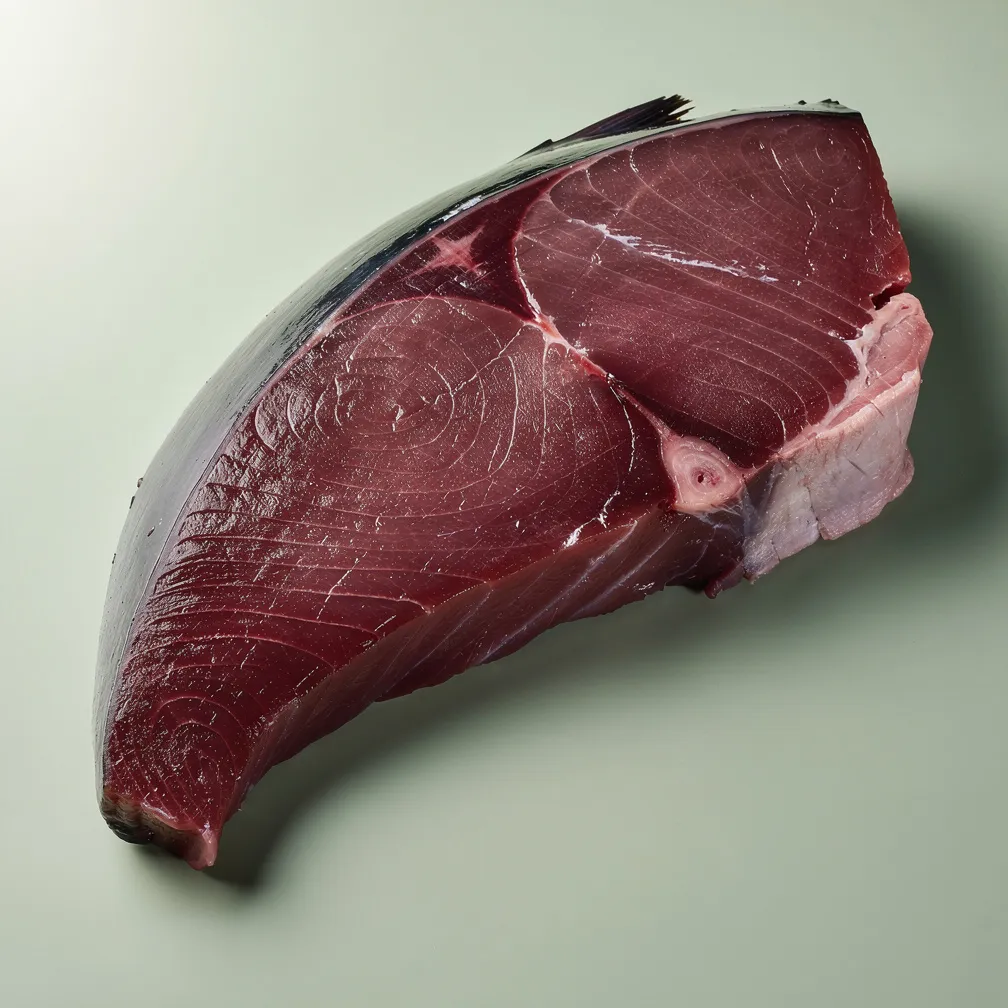
Skipjack tuna
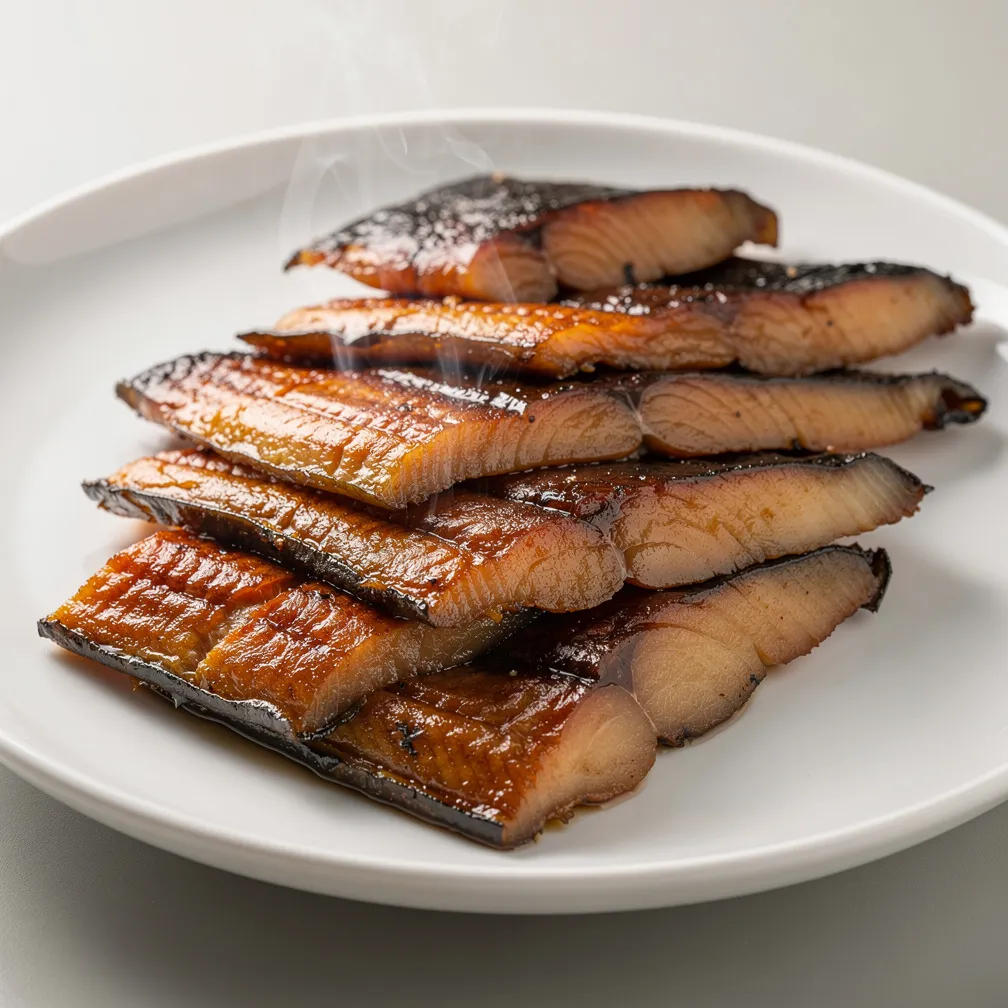
Smoked eel
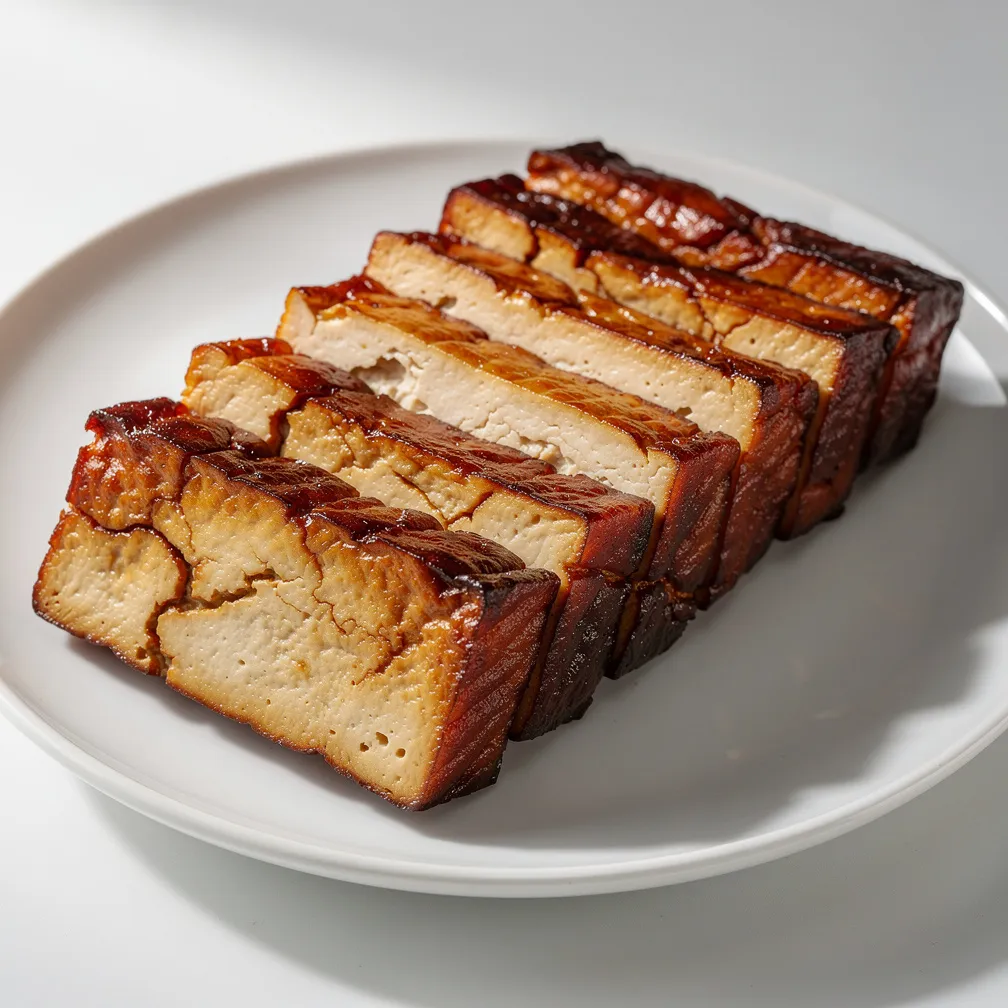
Smoked tofu
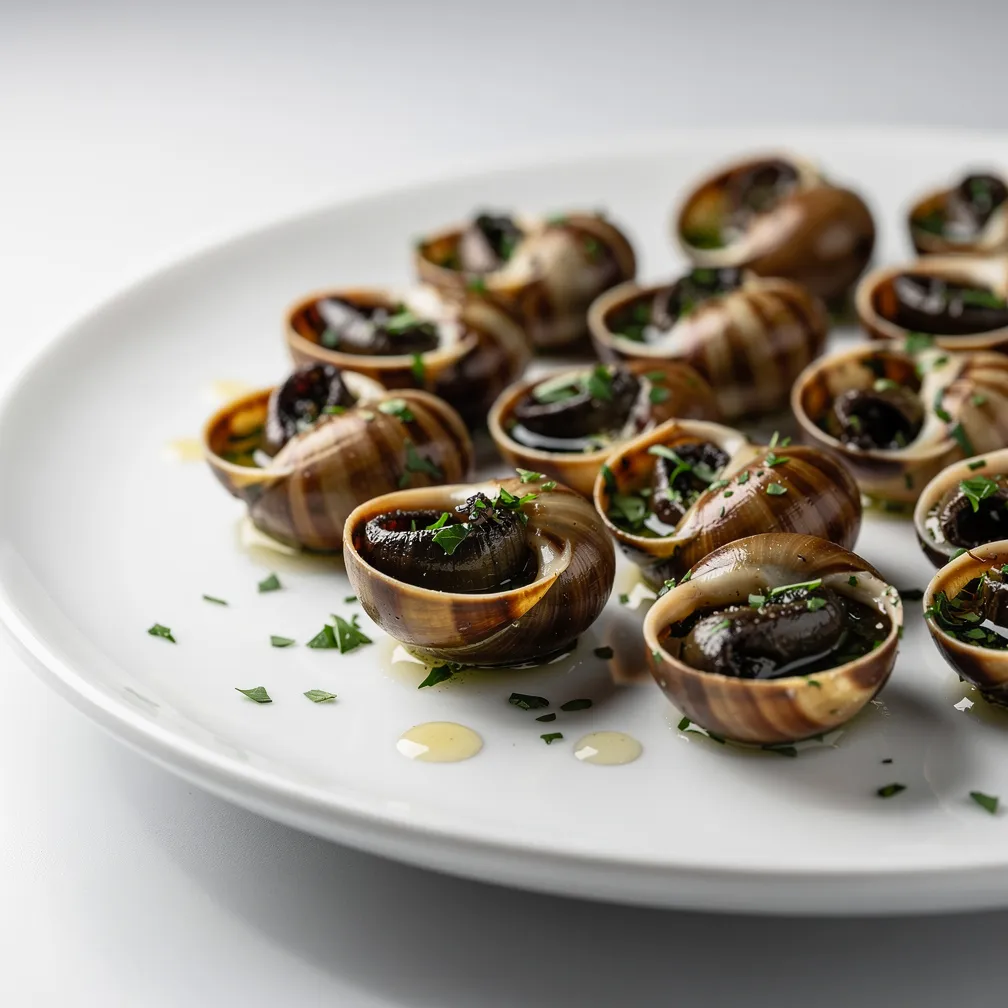
Snail
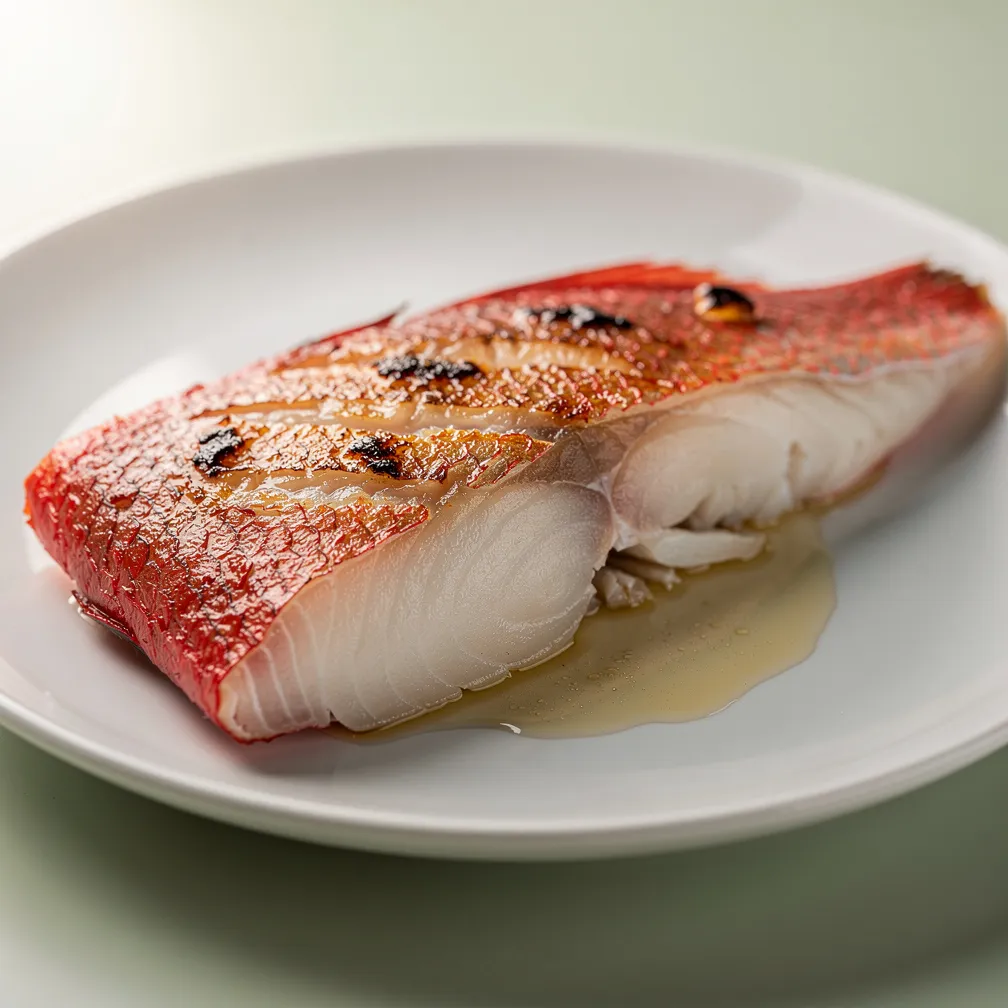
Snapper
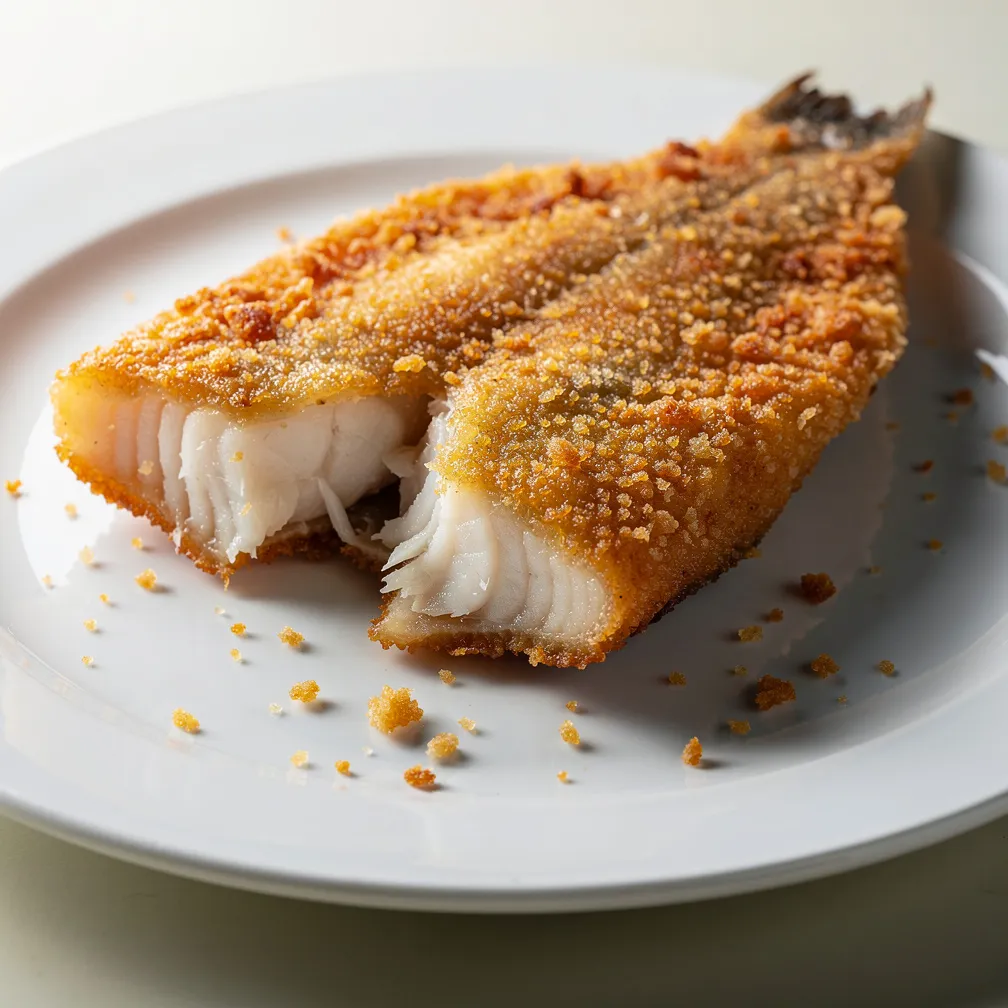
Sole
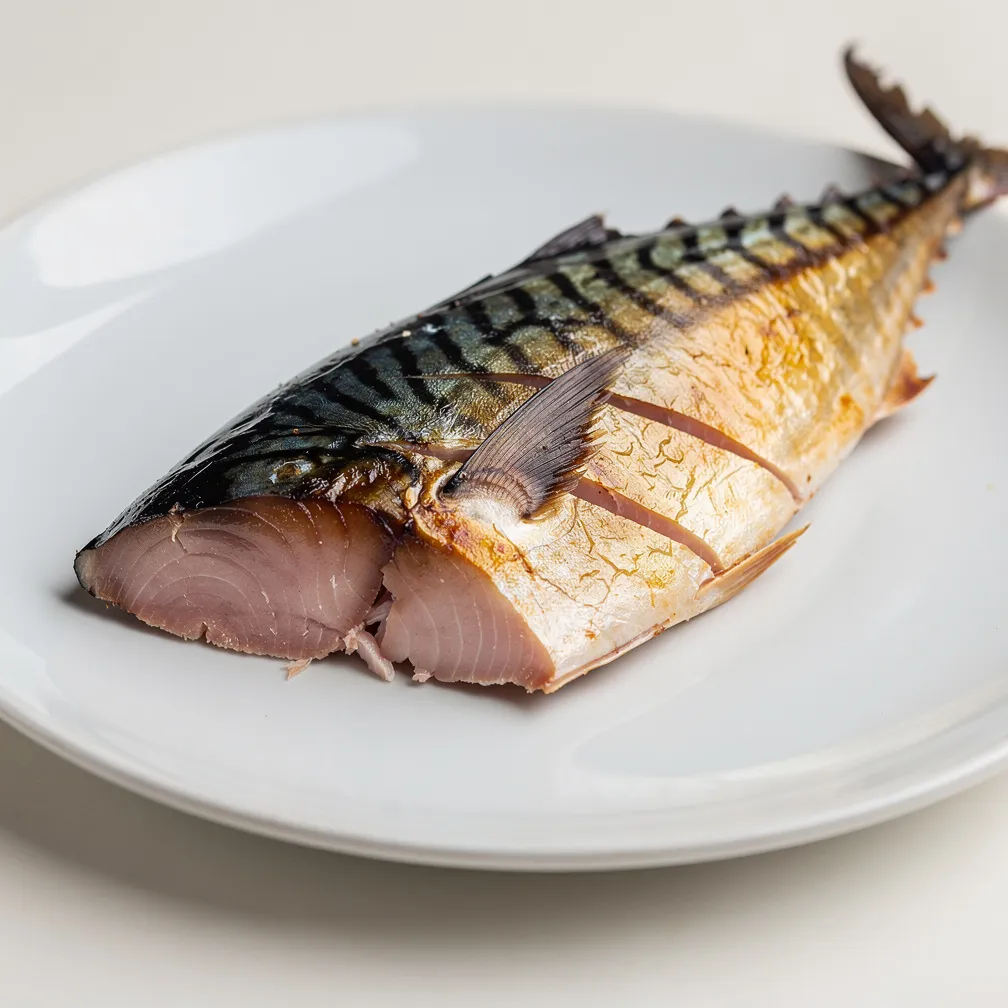
Spanish mackerel
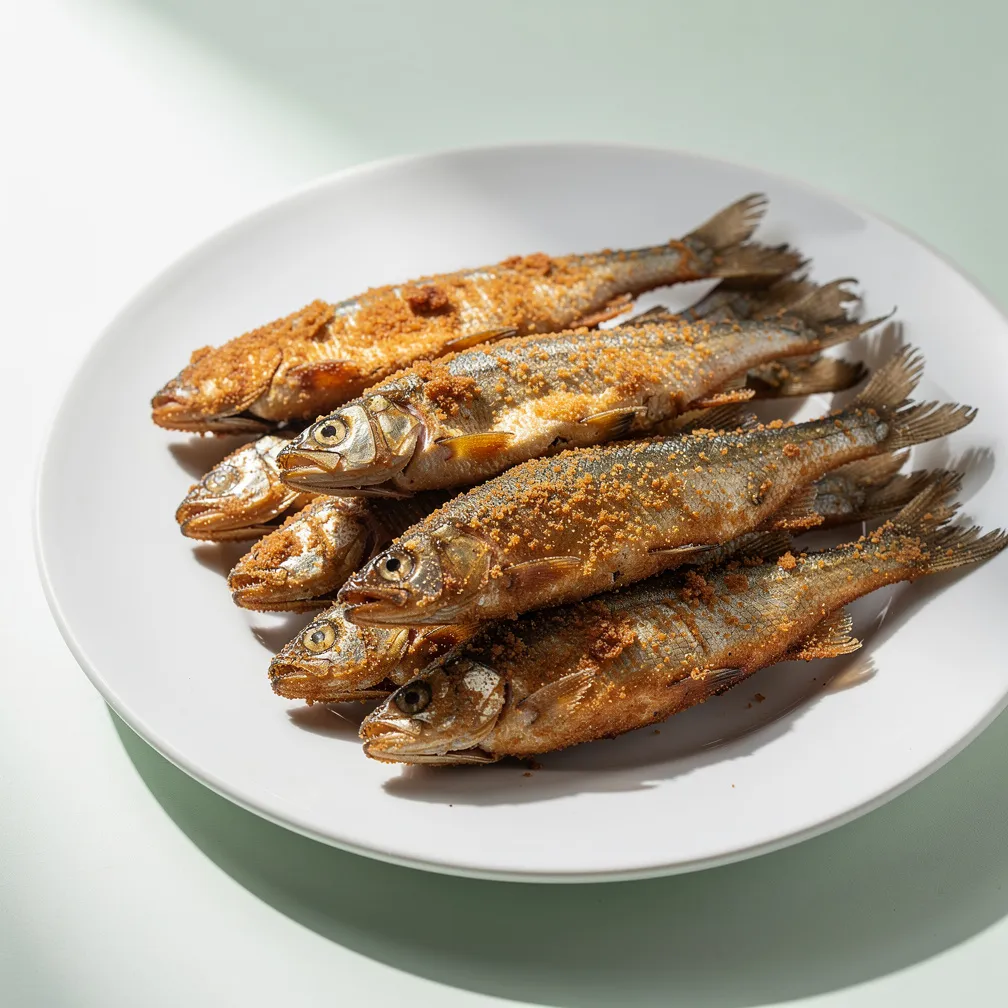
Sprats
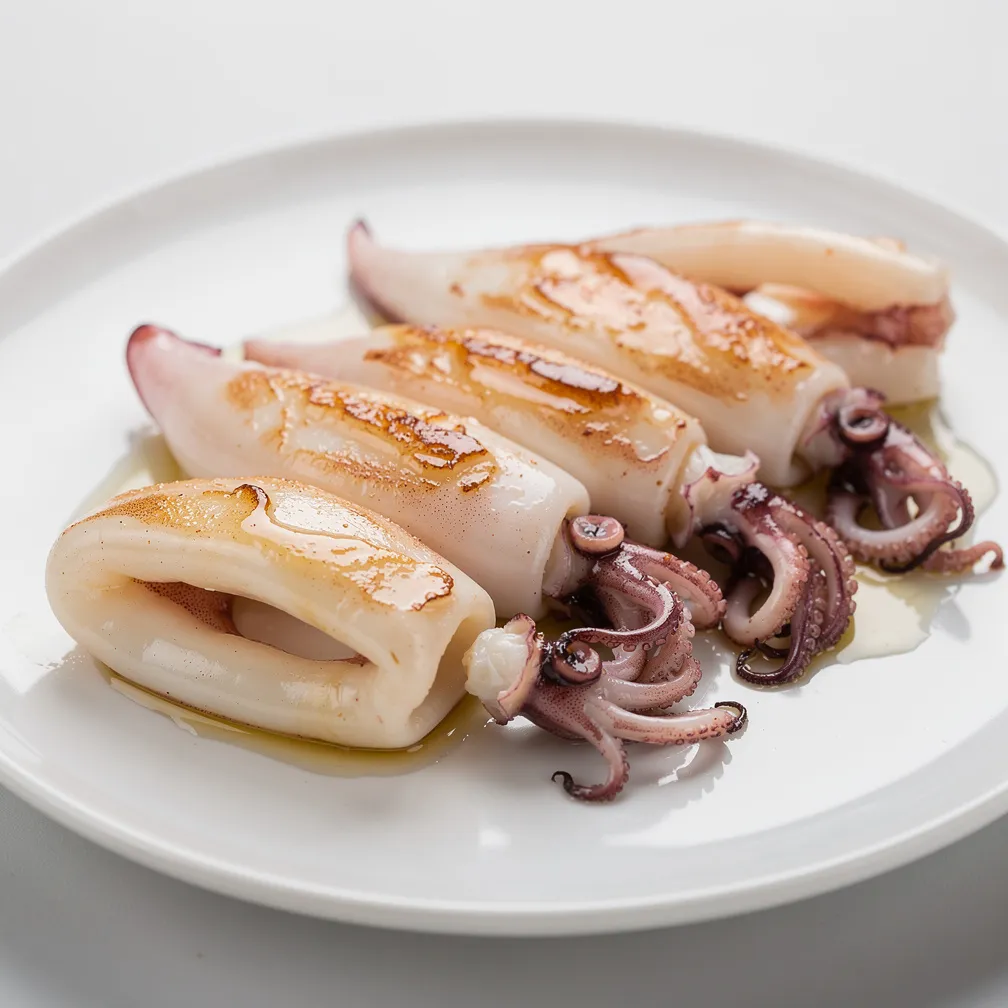
Squid
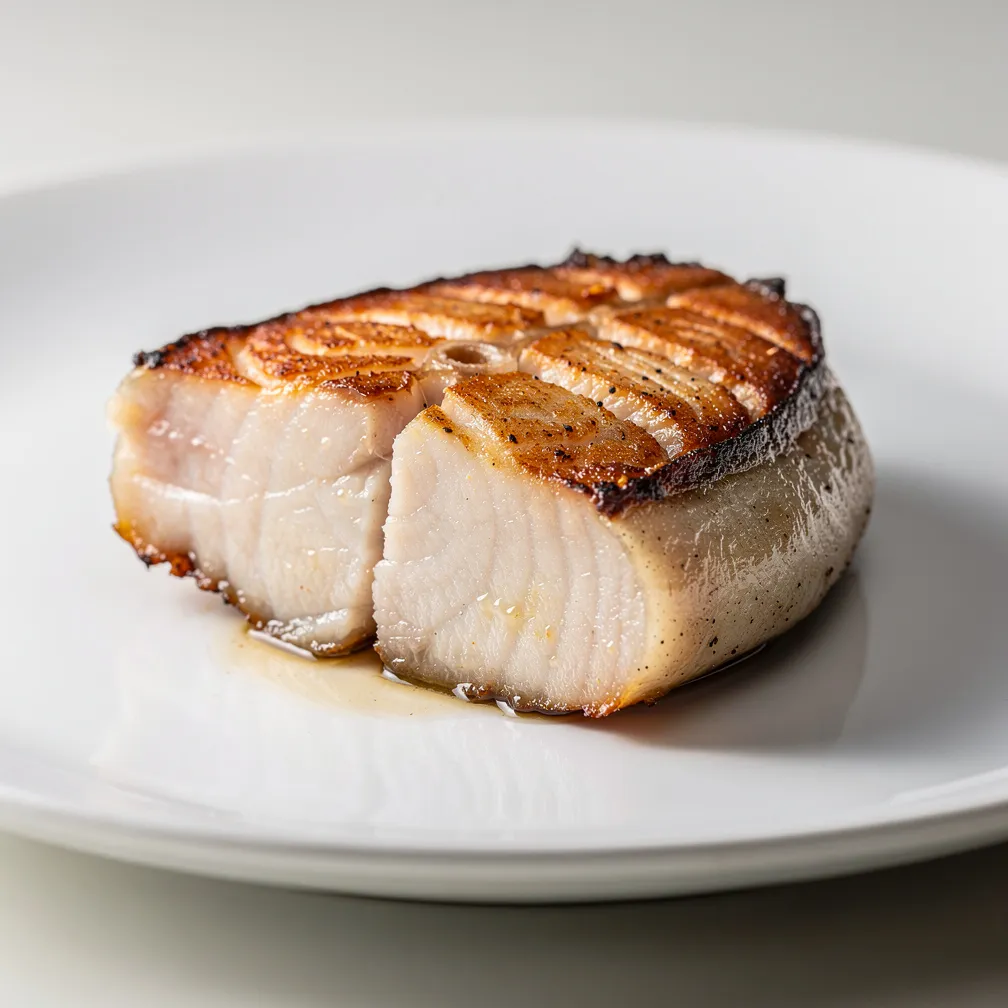
Sturgeon
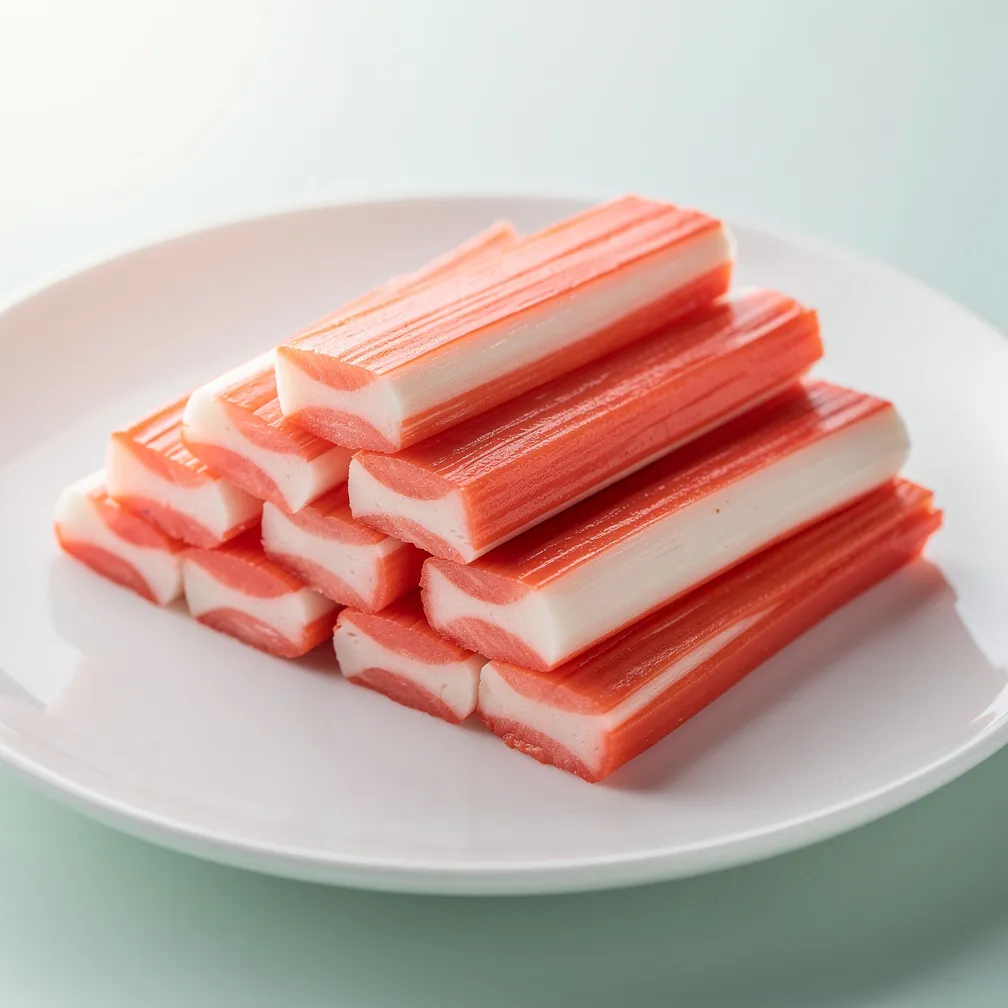
Surimi
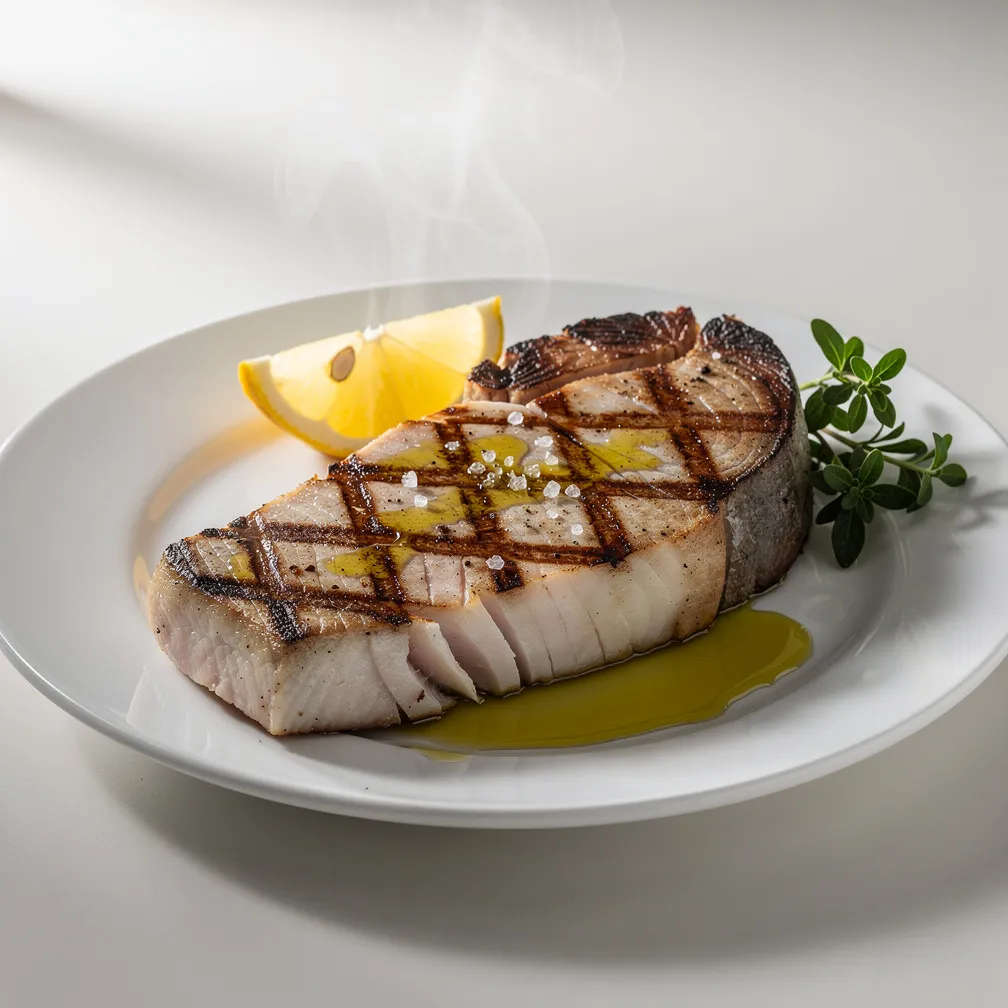
Swordfish
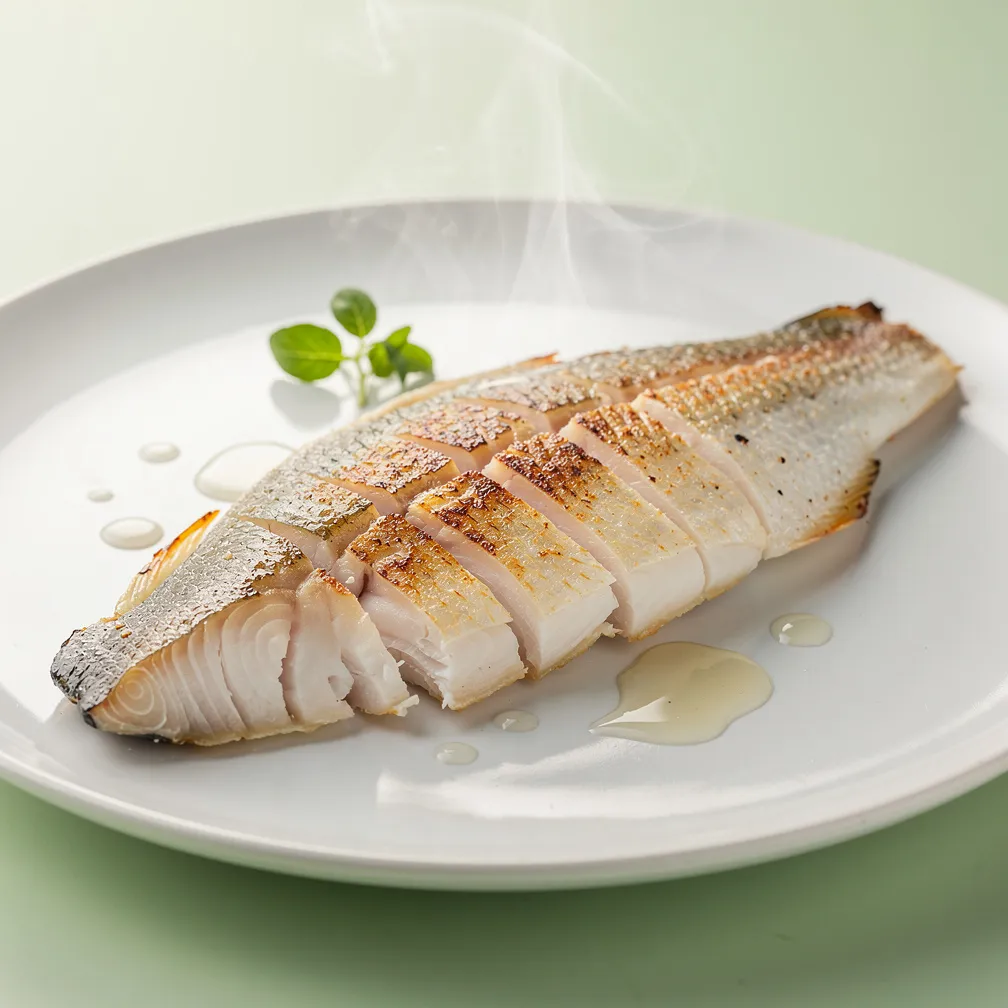
Tilapia
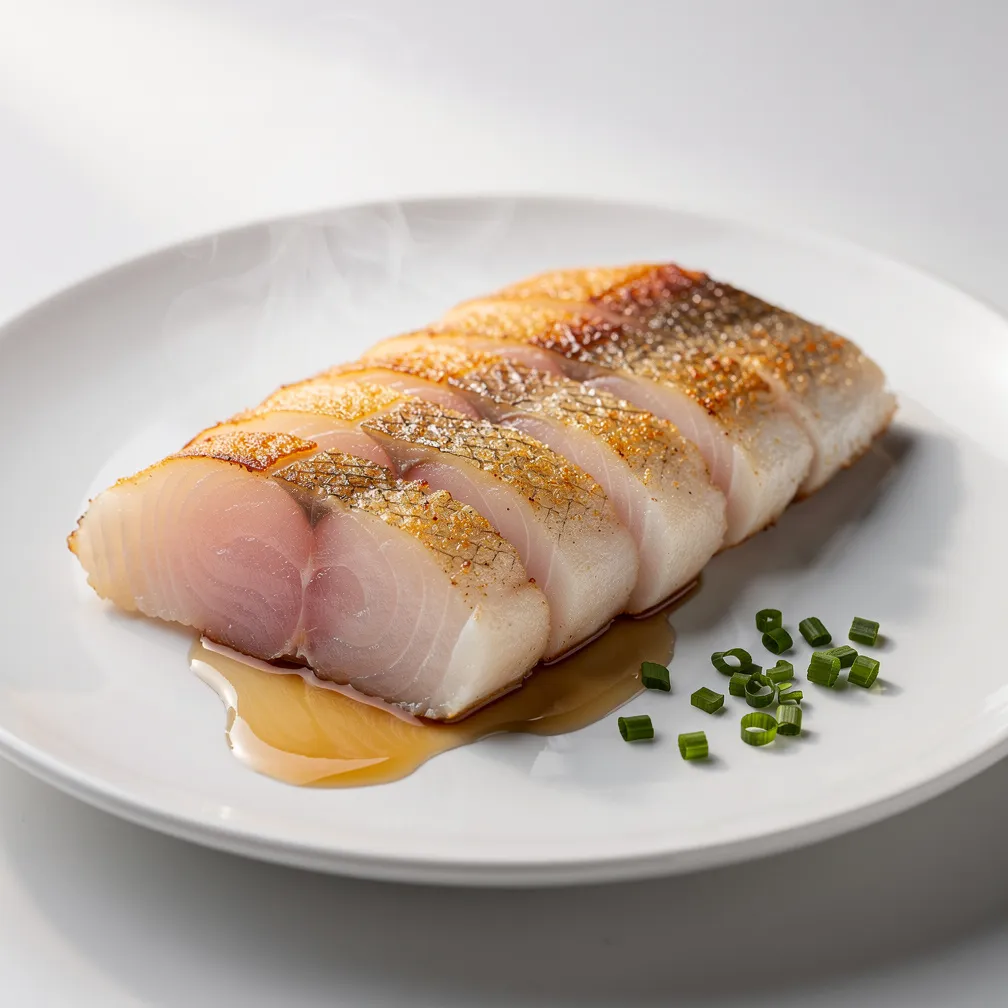
Tilefish
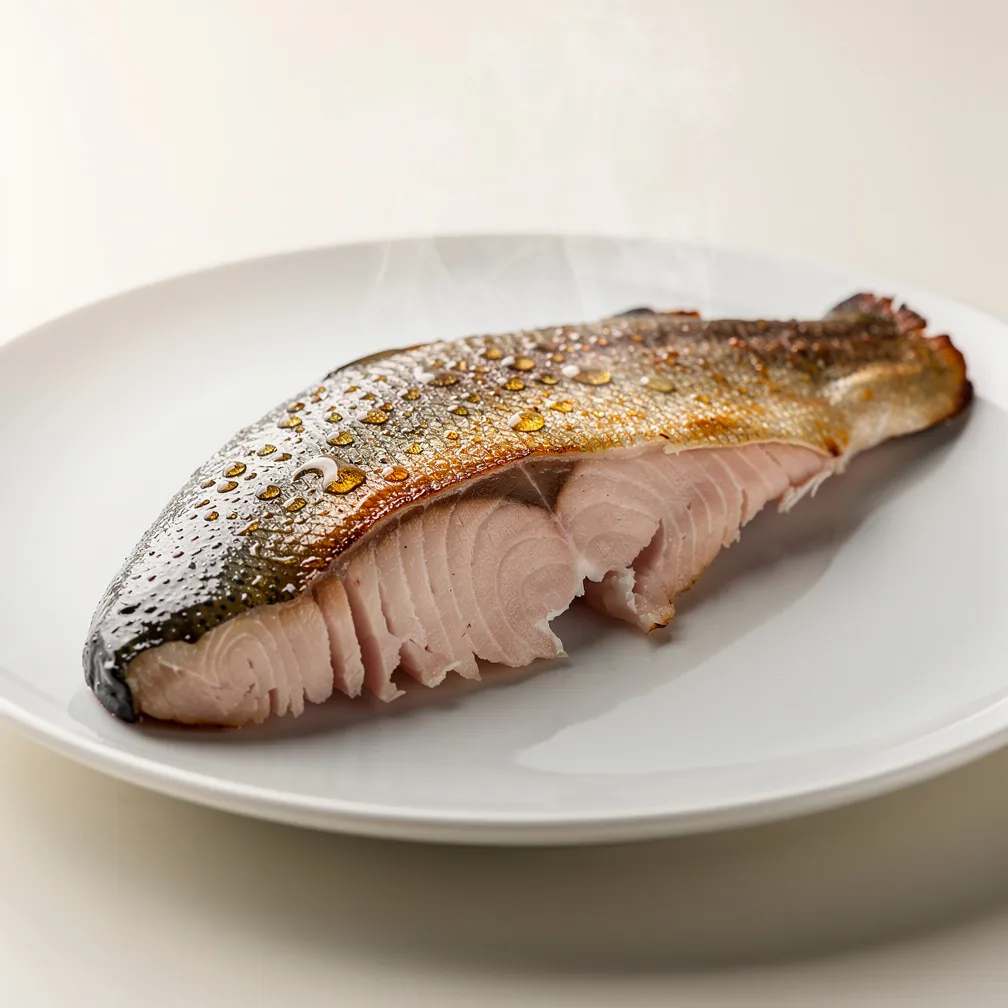
Trout
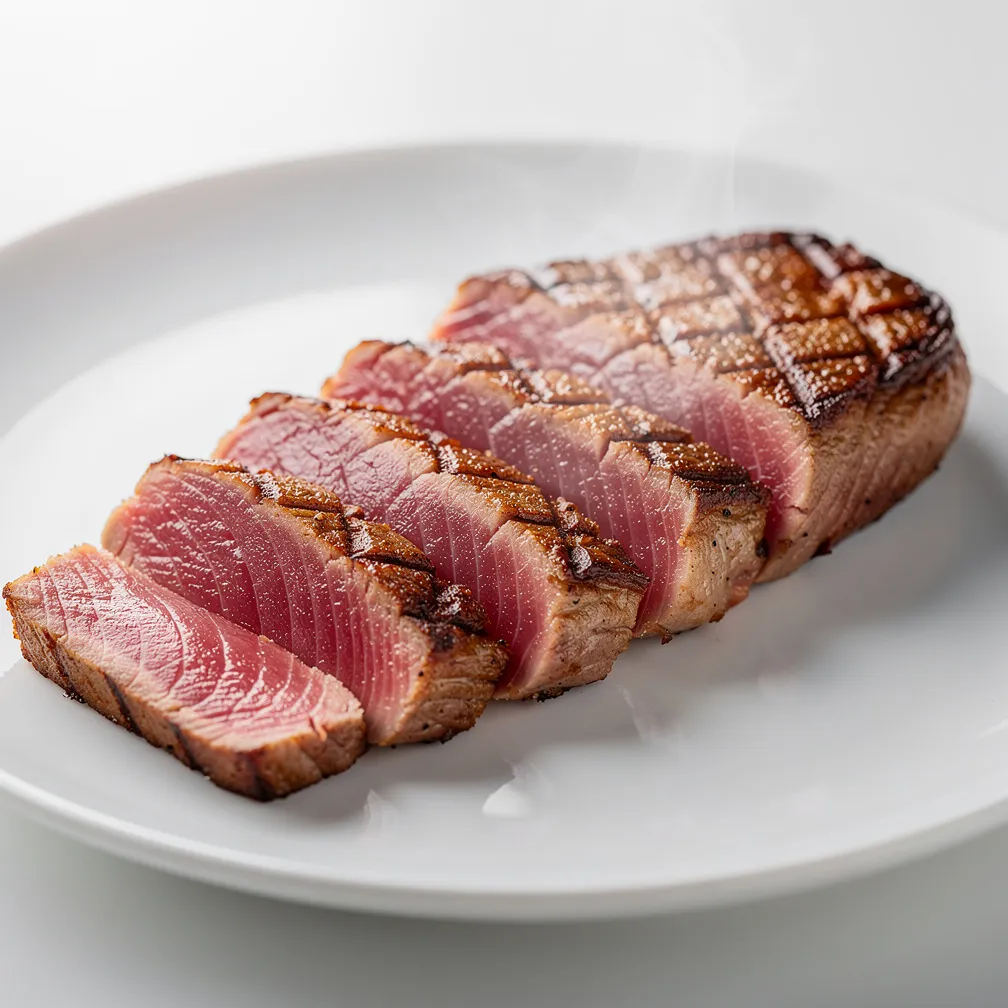
Tuna
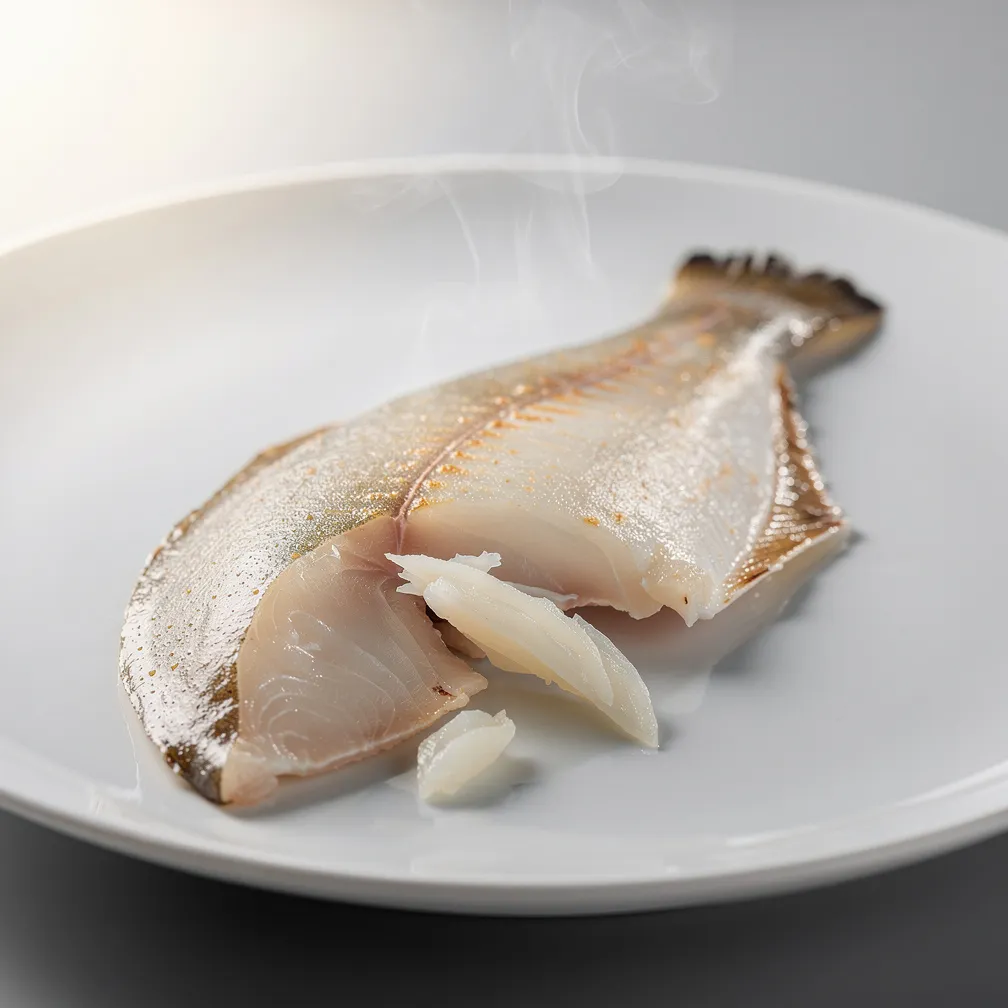
Turbot
Whelk
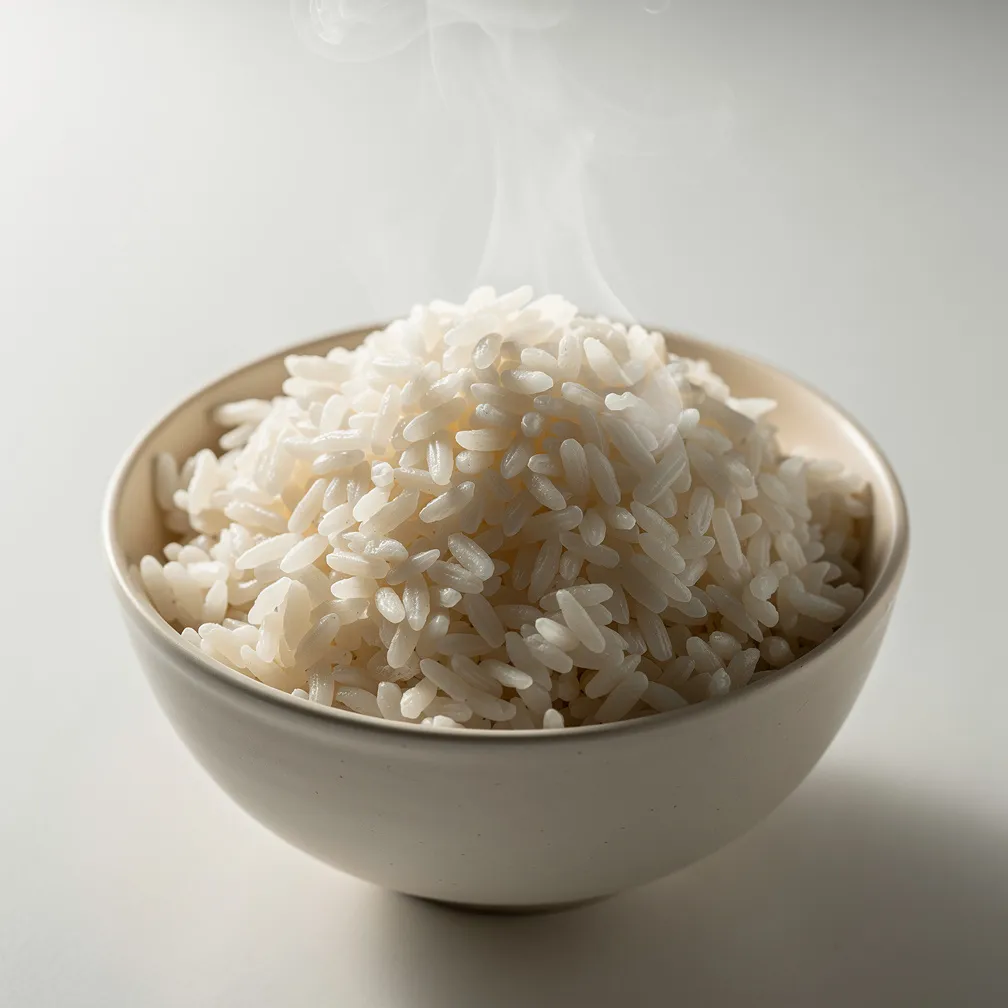
Whitefish
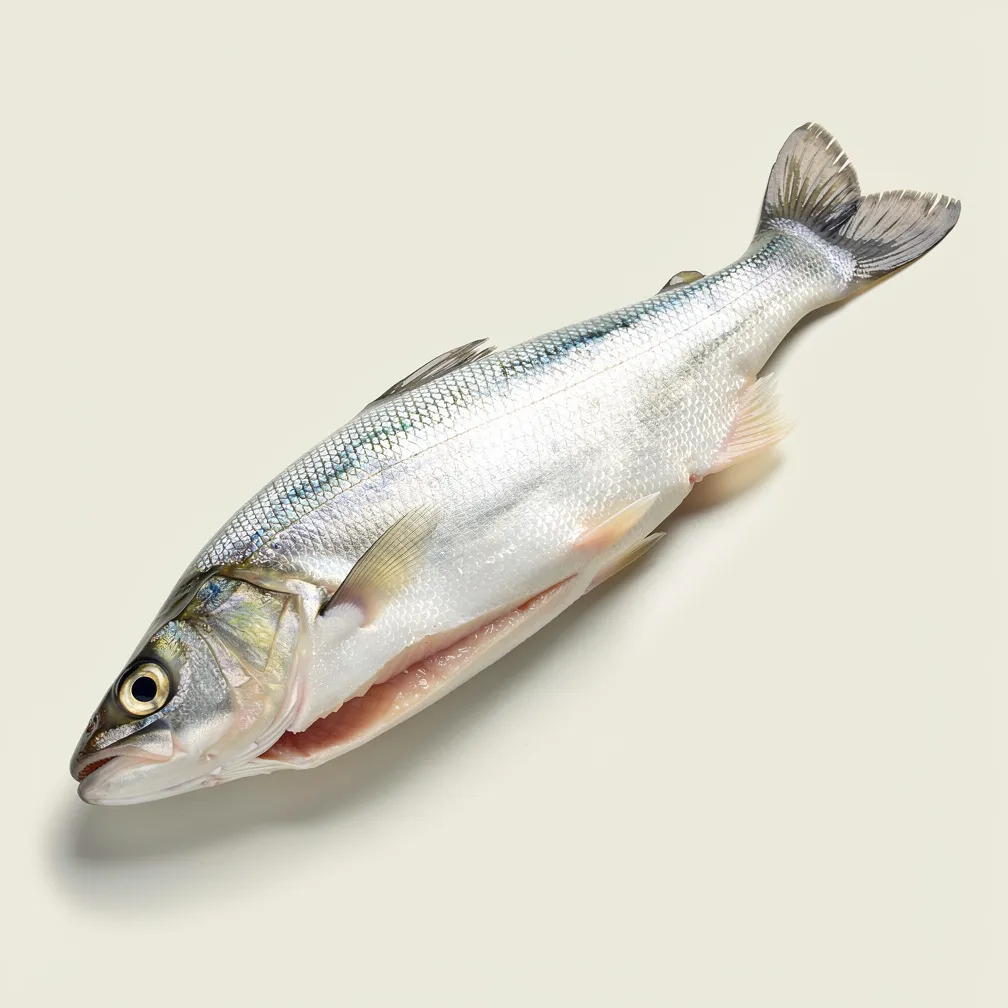
Whiting
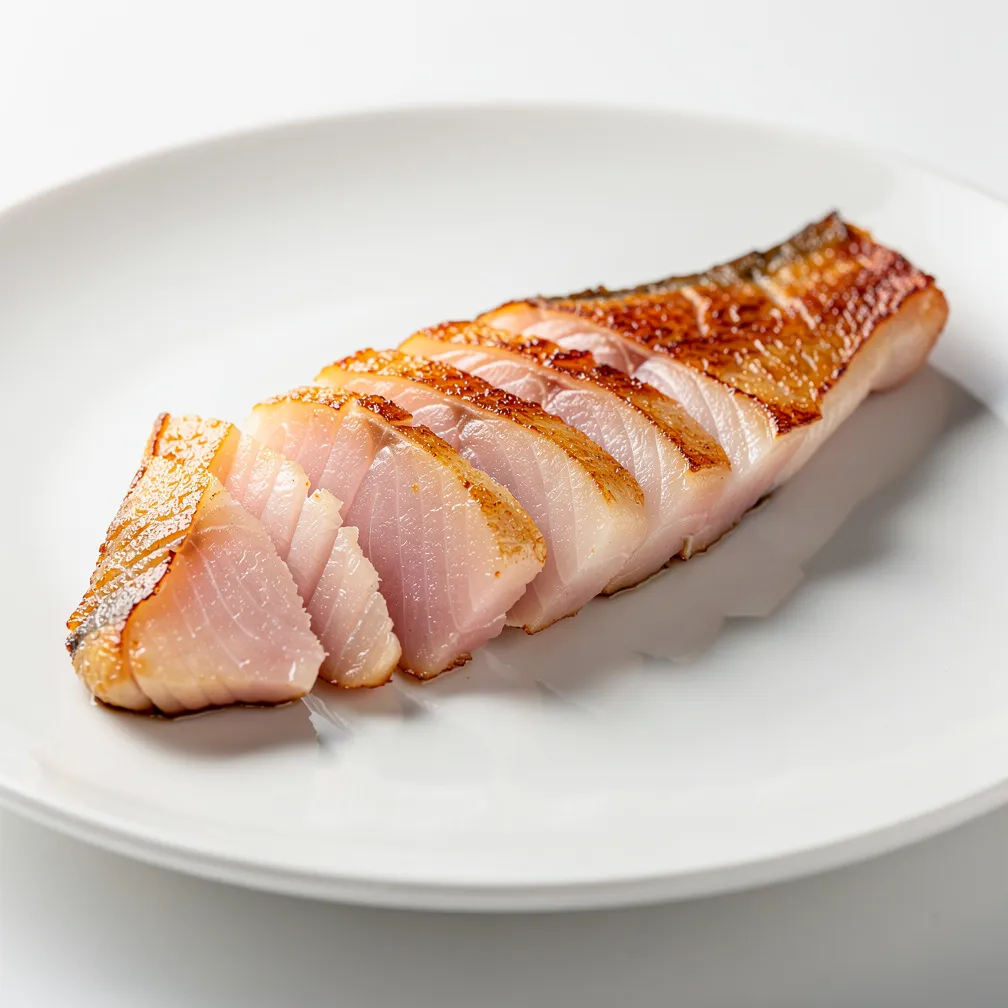
Yellowtail
Get Vnutri
Log meals, track daily totals, save favorites. Free on iOS and Android.