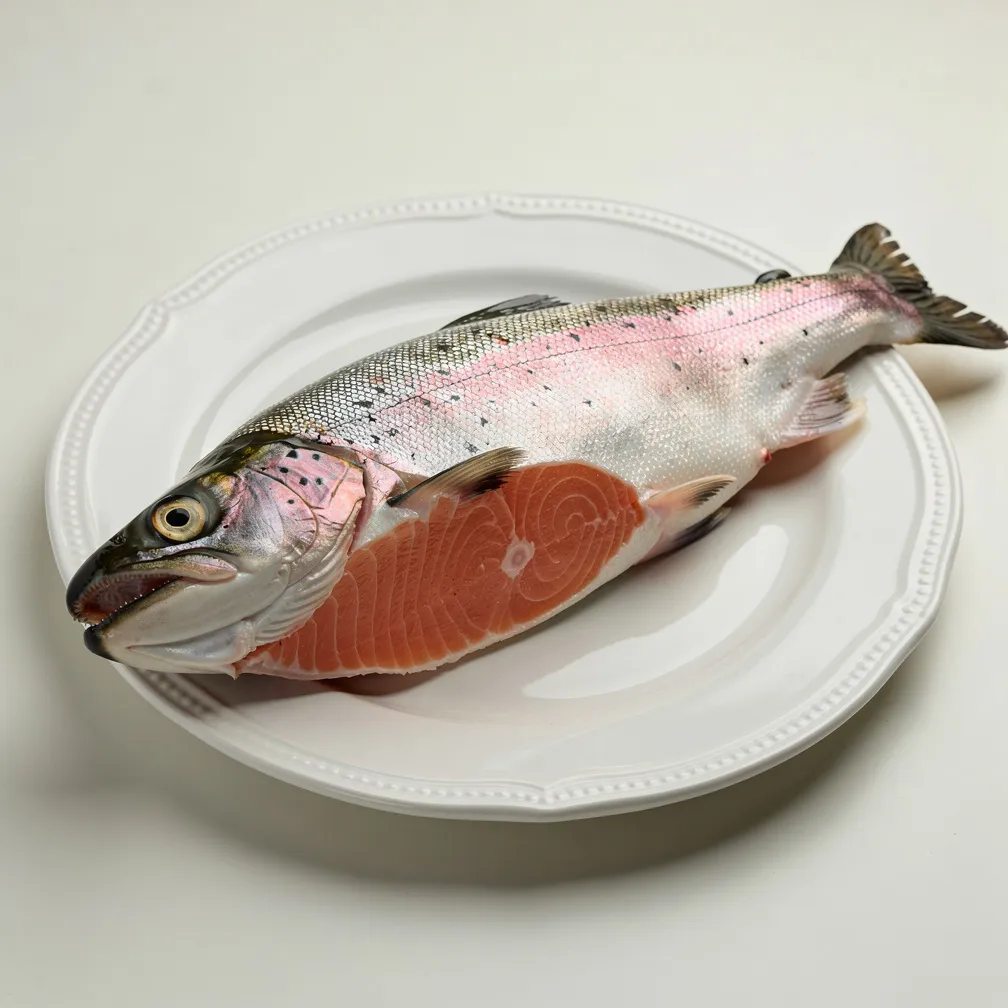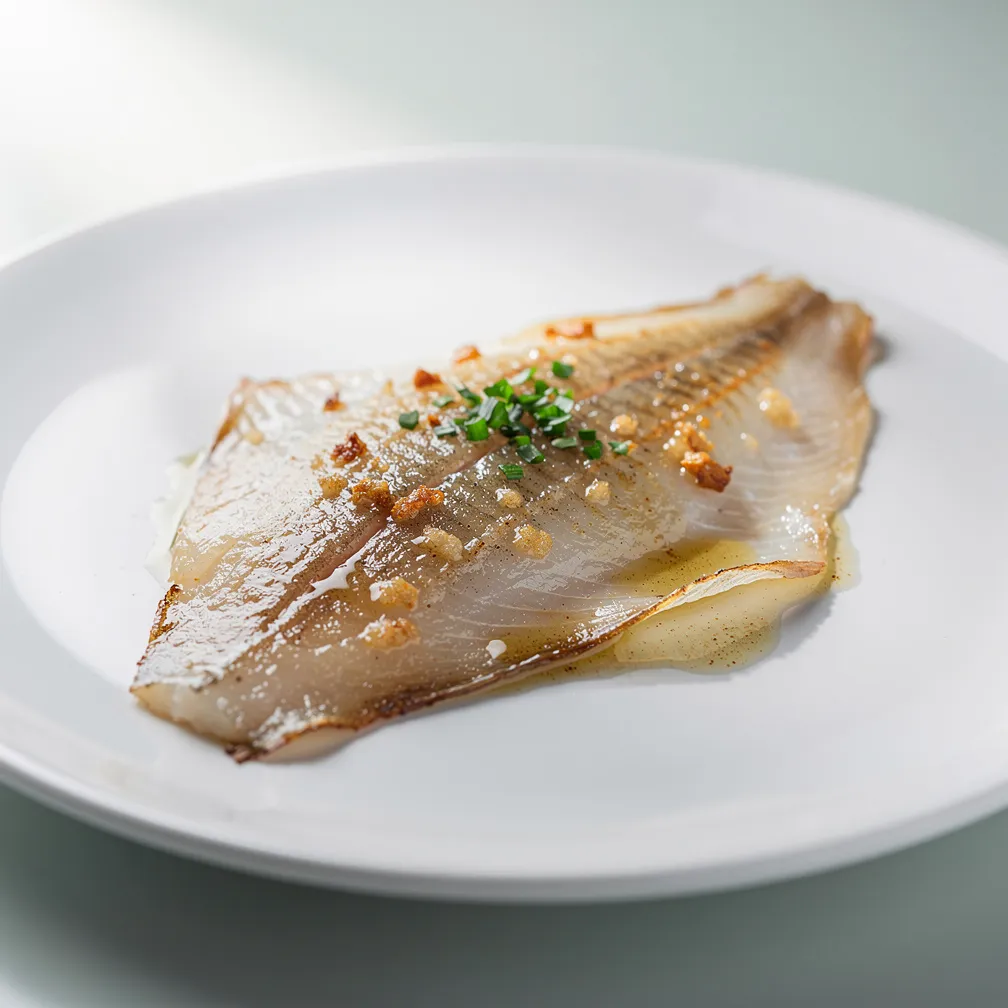
Flounder
Flounder, cooked
Categories
| Macros | per 100 g |
|---|---|
| Calories | 101 kcal |
| Protein | 20.3 g |
| Fat | 2.2 g |
| Carbs | 0.0 g |
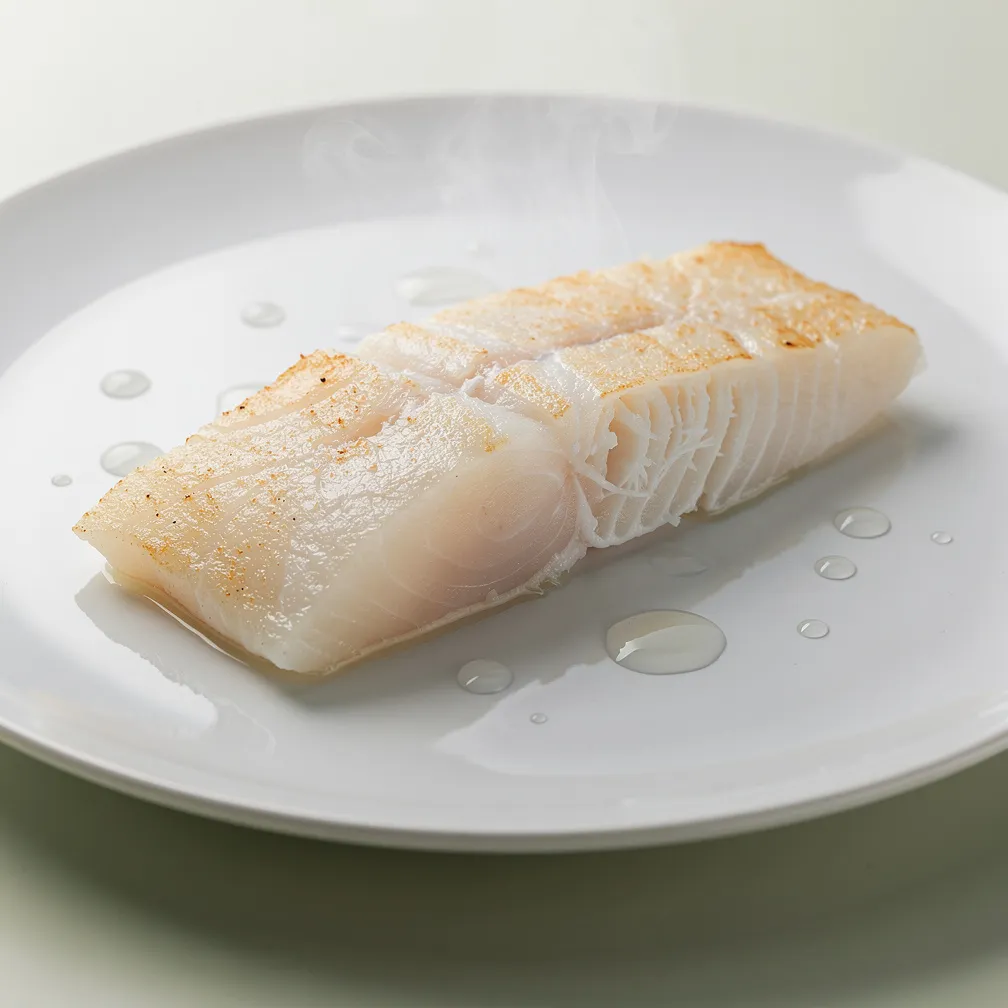
Flounder is a mild, lean flatfish commonly baked, broiled, pan-fried or steamed, and is a staple in both home cooking and restaurant seafood menus across North America and Europe. Per 100 g, cooked flounder provides 101 kcal, 20.3 g of protein, 2.2 g of fat, and 0 g of carbohydrates, making it a notably high-protein, low-fat option among white fish. It contributes 320 mg of potassium and 240 mg of phosphorus per 100 g, alongside 1 mcg of vitamin B12 and 3.8 mg of niacin. No glycemic index is applicable given the absence of carbohydrates. Flounder fits pescatarian, gluten-free, dairy-free, keto, paleo, Mediterranean and low-FODMAP dietary patterns.
How many calories in cooked flounder?
Cooked flounder contains 101 kcal per 100 g. A typical fillet of around 150 g would provide approximately 150 kcal, almost entirely from protein and a small amount of fat.
How much protein is in flounder?
Cooked flounder delivers 20.3 g of protein per 100 g, with virtually no carbohydrates and only 2.2 g of fat. That makes it one of the leaner high-protein fish available.
Is flounder keto-friendly?
Yes, cooked flounder is well suited to a keto diet — it contains 0 g of carbohydrates per 100 g, with its calories coming entirely from protein and fat. It is explicitly listed as keto-compatible.
Diets
Get Vnutri
Log meals, track daily totals, save favorites. Free on iOS and Android.
Macros · per 100 g
| Macros | Amount |
|---|---|
| Calories | 101 kcal |
| Protein | 20.3 g |
| Fat | 2.2 g |
| Carbs | 0 g |
| Sugars | 0 g |
| Starch | 0 g |
| Minerals | Amount |
|---|---|
| Calcium | 34.0 mg |
| Iron | 0.50 mg |
| Magnesium | 25.0 mg |
| Phosphorus | 240 mg |
| Potassium | 320 mg |
| Sodium | 120 mg |
| Zinc | 0.60 mg |
| Copper | 0.040 mg |
| Manganese | 0.050 mg |
| Selenium | 32.0 mcg |
| Iodine | 31.0 mcg |
| Vitamins | Amount |
|---|---|
| Vitamin E | 0.45 mg |
| Thiamin (B1) | 0.16 mg |
| Riboflavin (B2) | 0.26 mg |
| Niacin (B3) | 3.8 mg |
| Vitamin B6 | 0.31 mg |
| Folate (B9) | 14.0 mcg |
| Vitamin B12 | 1.0 mcg |