Fats & Oils
26
The fats category in this catalog covers culinary oils, butter and ghee, animal fats like lard and tallow, and concentrated plant fats such as coconut oil and cocoa butter. These foods are macronutrient-dense by definition: typically 80 to 100 percent fat by weight, with negligible carbohydrates and minimal protein, which puts their glycemic index at or near zero. Nutritionally, they contribute fat-soluble vitamins A, D, E and K, along with essential fatty acids — omega-3 from flaxseed and fish oils, omega-6 from sunflower and corn oils, and monounsaturated oleic acid from olive and avocado oils. They fit naturally into keto, low-carb, paleo and Mediterranean eating patterns.
What are the healthiest fats to cook with?
Extra virgin olive oil, avocado oil and ghee are widely used for cooking because they remain relatively stable at moderate to high temperatures. Avocado oil has one of the highest smoke points at around 270°C, while extra virgin olive oil sits near 190 to 210°C and is rich in monounsaturated oleic acid and polyphenols. For high-heat searing, refined oils and animal fats like tallow or duck fat hold up better than delicate seed oils.
What is the difference between saturated and unsaturated fats?
Saturated fats have no double bonds in their carbon chain and are typically solid at room temperature, like butter, coconut oil and lard. Unsaturated fats contain one or more double bonds and stay liquid, including olive oil (monounsaturated) and sunflower or flaxseed oil (polyunsaturated). Polyunsaturated fats include the essential omega-3 and omega-6 fatty acids, which the body cannot synthesize and must obtain from food.
Are fats allowed on a keto diet?
Fats are the cornerstone of a ketogenic diet, typically supplying 70 to 80 percent of daily calories. Butter, ghee, MCT oil, coconut oil, olive oil and animal fats are all keto-friendly because they contain essentially zero carbohydrates and do not raise blood glucose. MCT oil in particular is metabolized directly into ketones, which is why it is popular among people following strict low-carb protocols.
How many calories are in a tablespoon of oil?
One tablespoon of pure oil — whether olive, sunflower, coconut or avocado — contains about 120 kilocalories and 13 to 14 grams of fat. Butter is slightly lower at roughly 100 kcal per tablespoon because it contains around 80 percent fat plus water and milk solids. Ghee, with the water removed, returns to about 120 kcal per tablespoon.
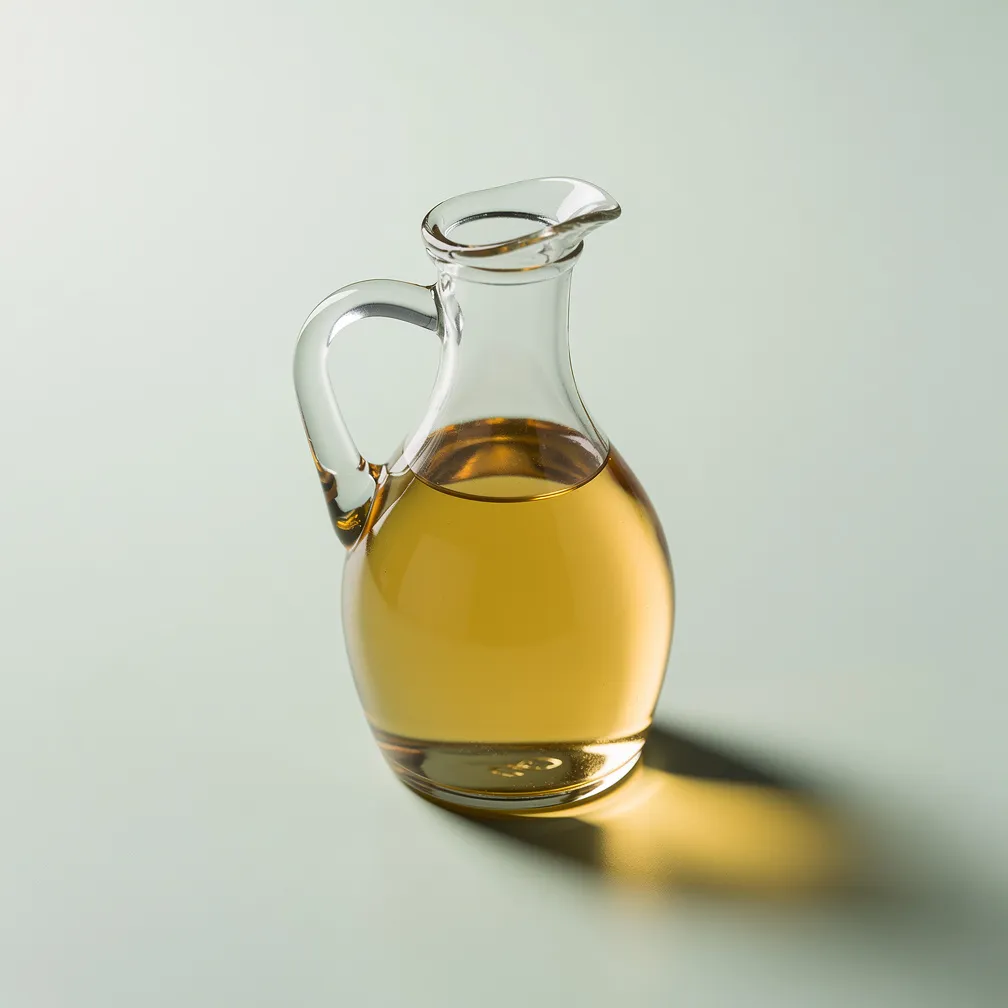
Almond oil
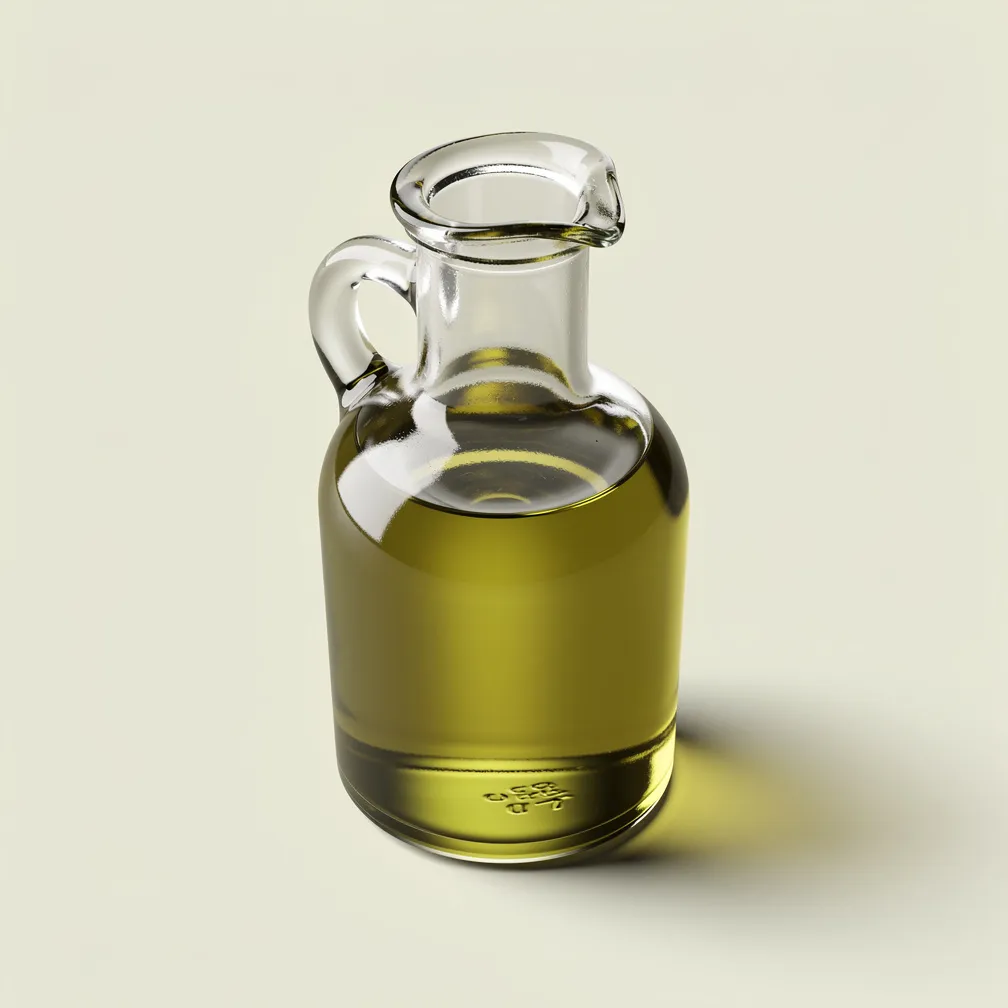
Avocado oil
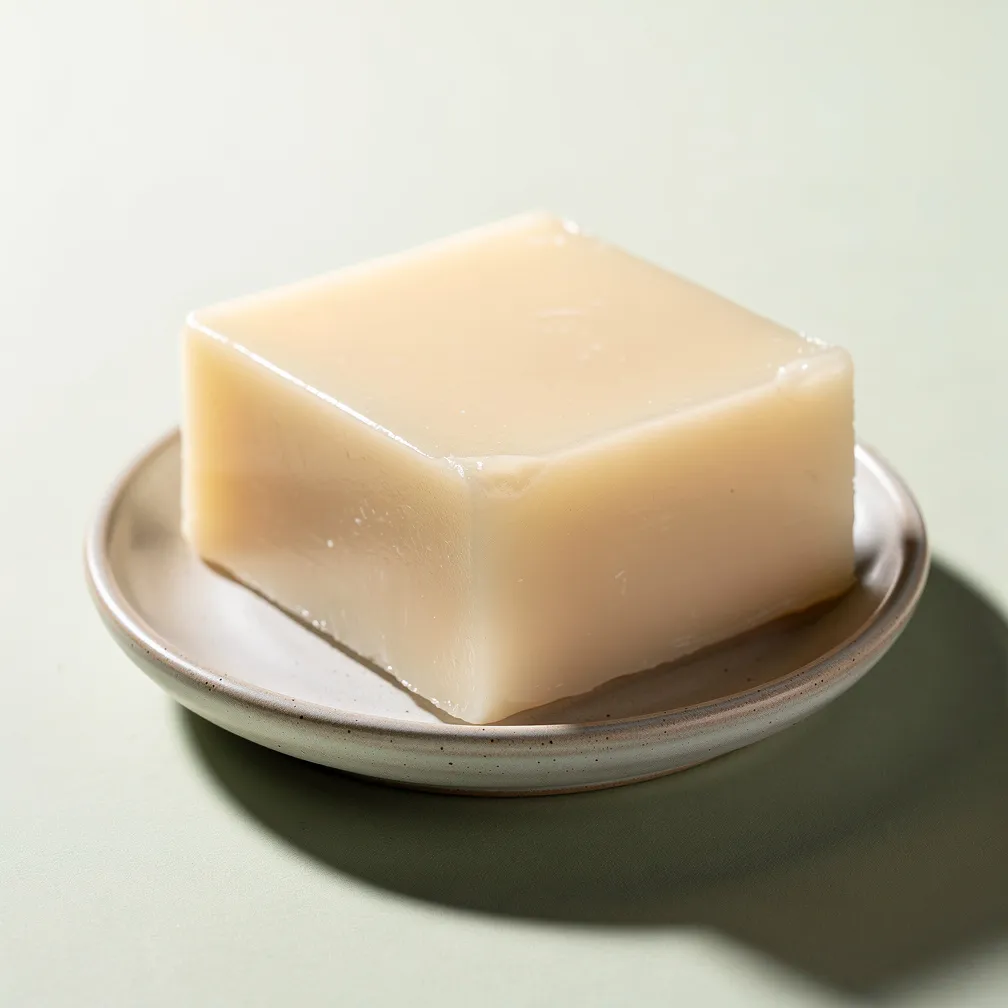
Beef fat
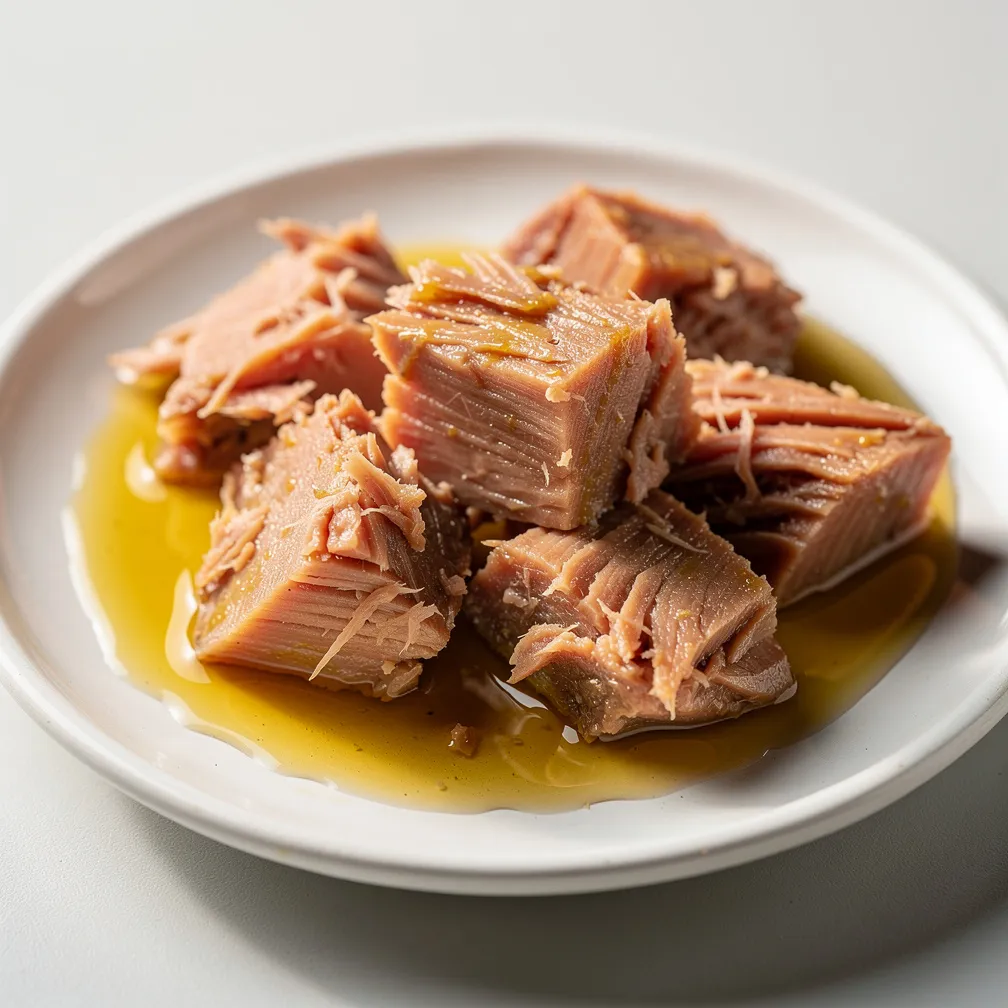
Canned tuna in oil
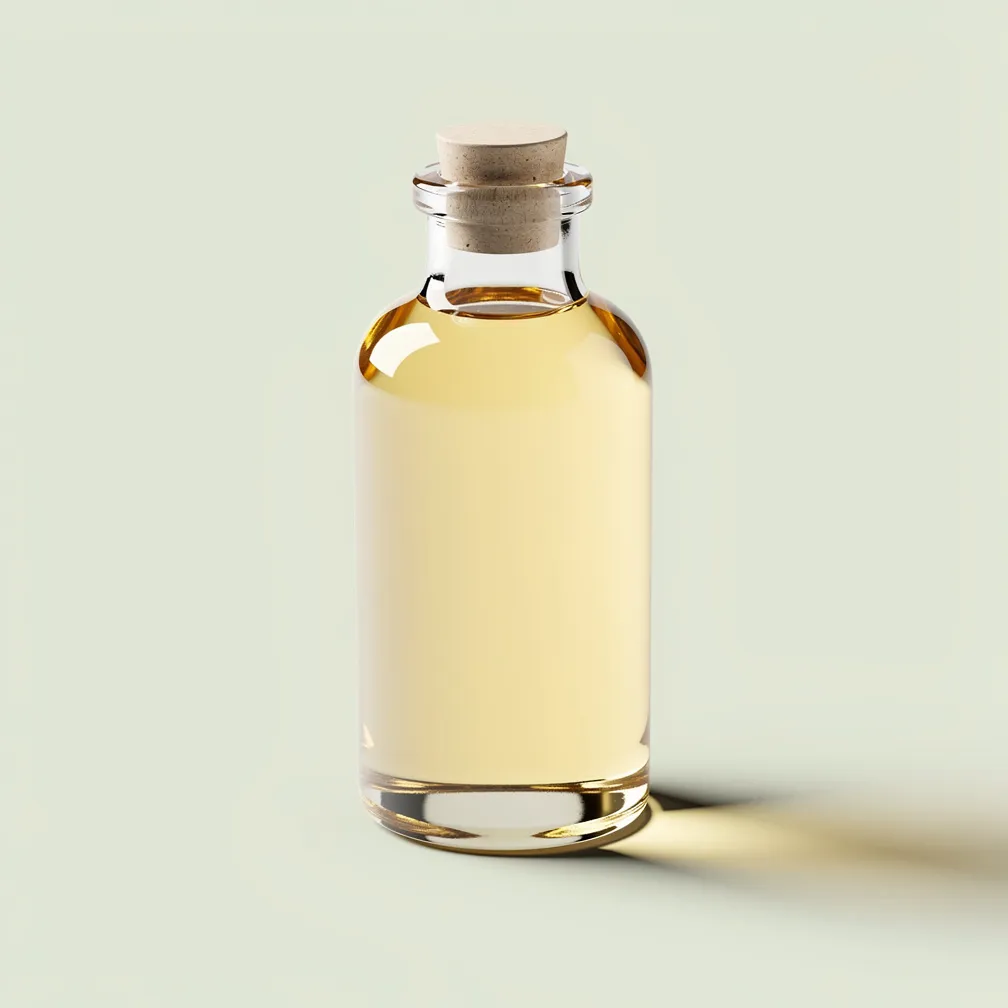
Canola oil
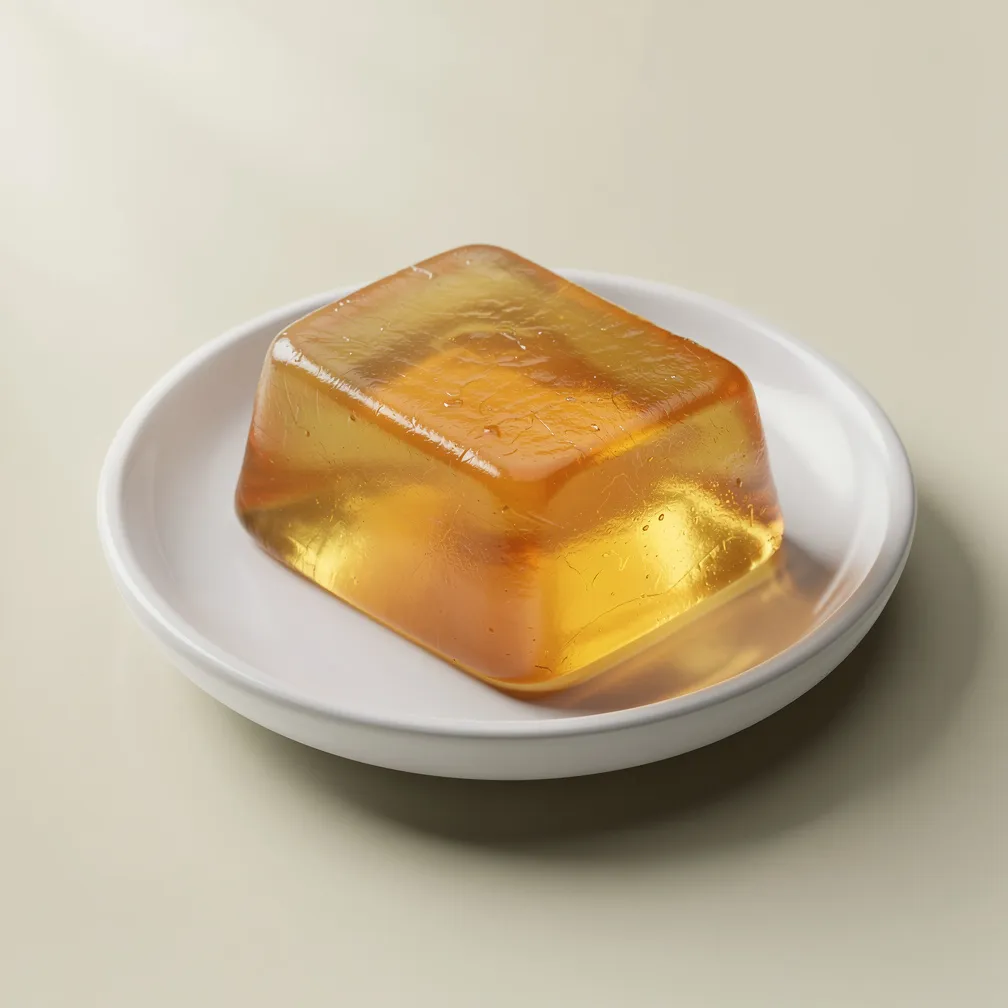
Chicken fat
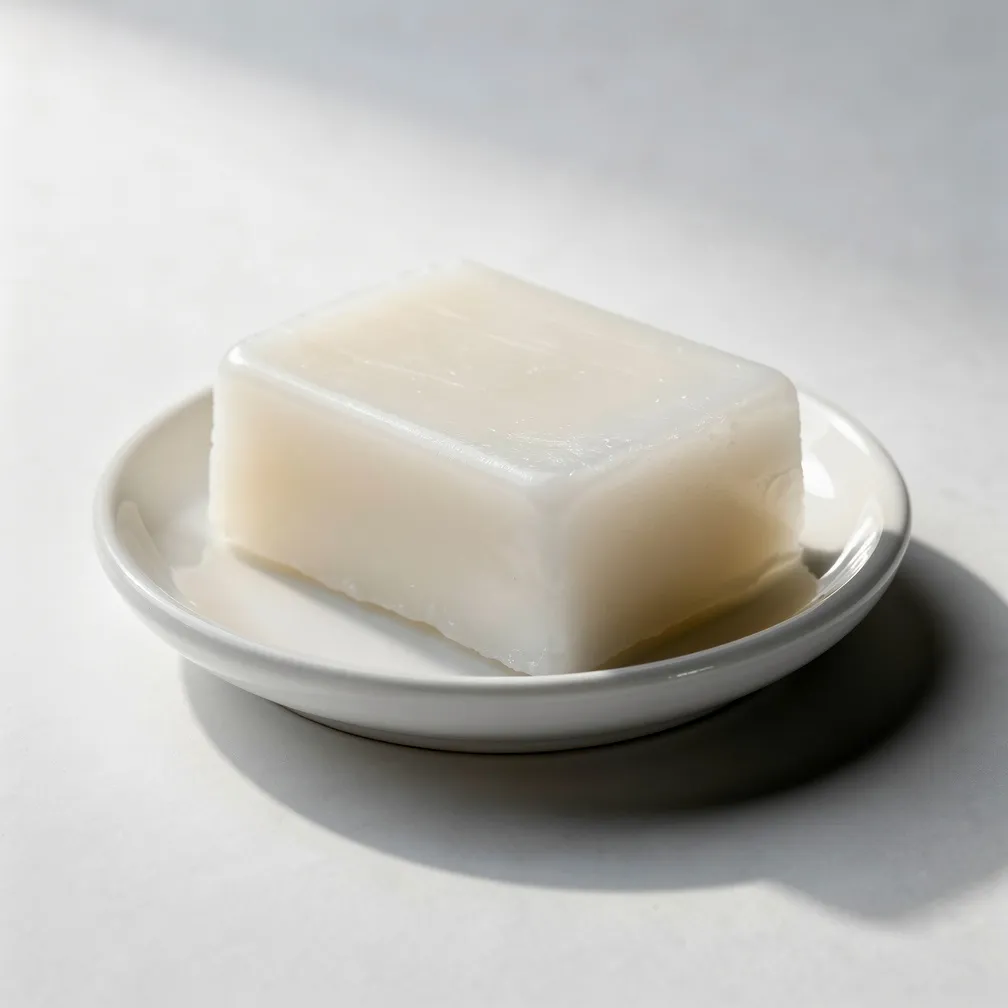
Coconut oil

Cod liver oil
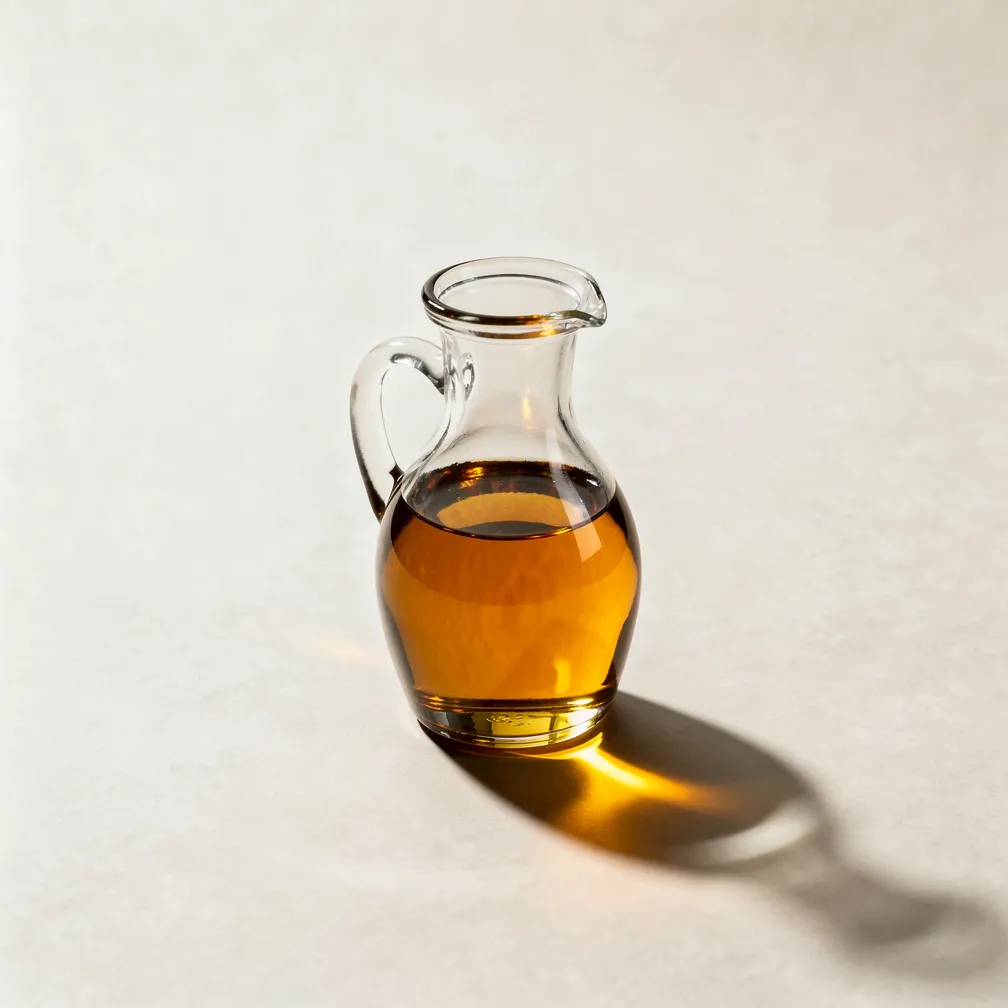
Cold pressed flaxseed oil
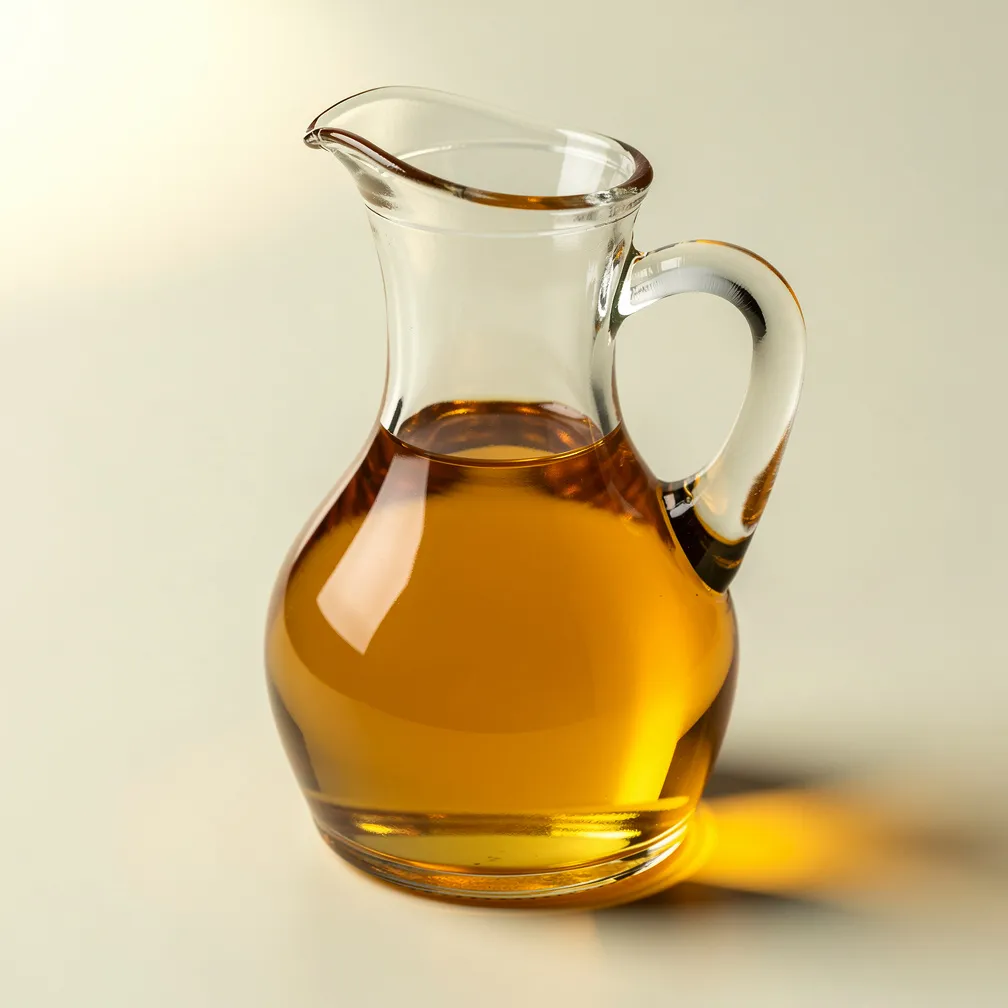
Corn oil
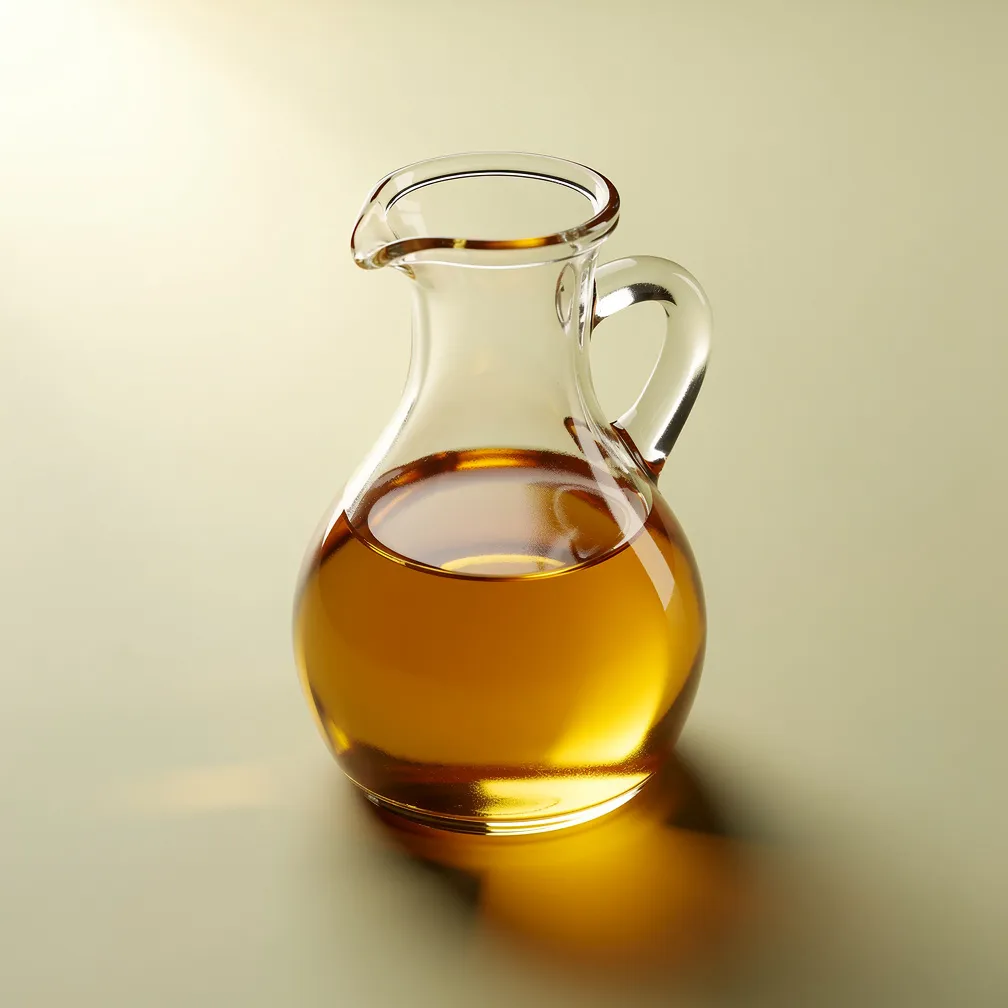
Cottonseed oil
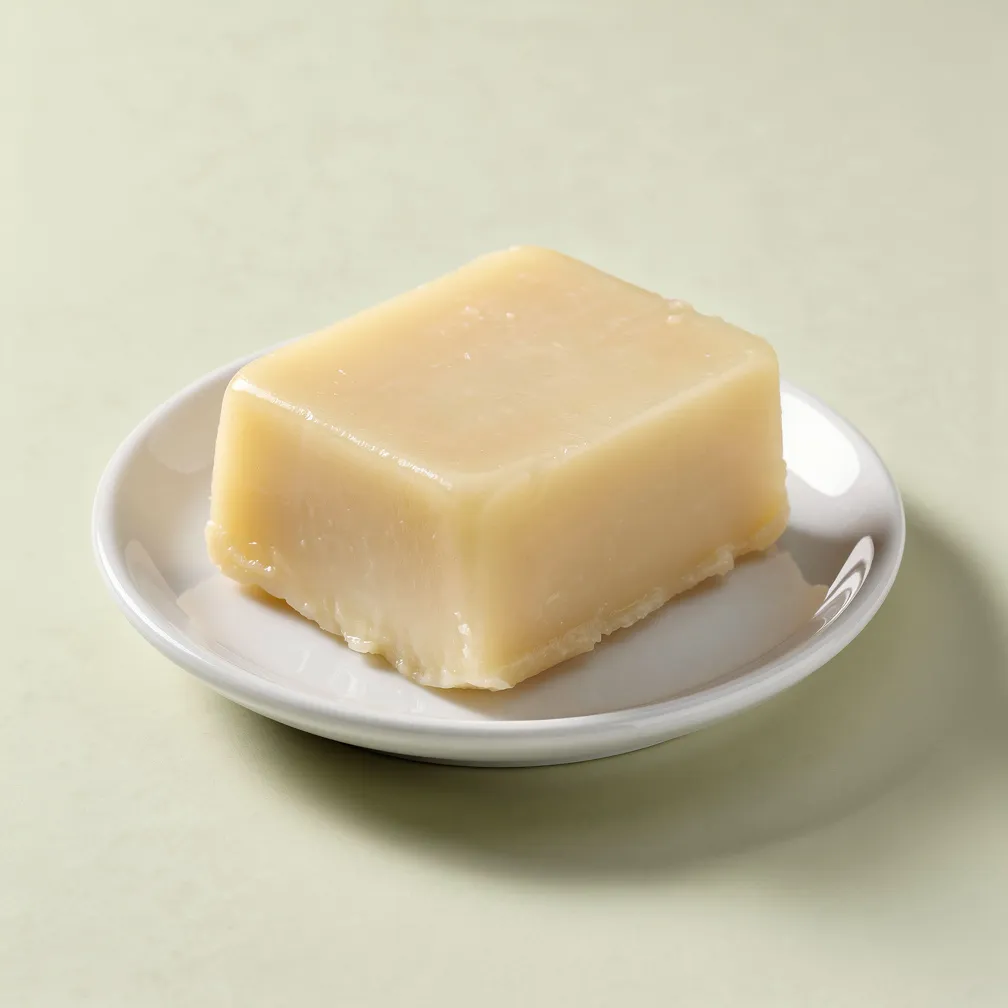
Duck fat

Frying blend oil

Grapeseed oil
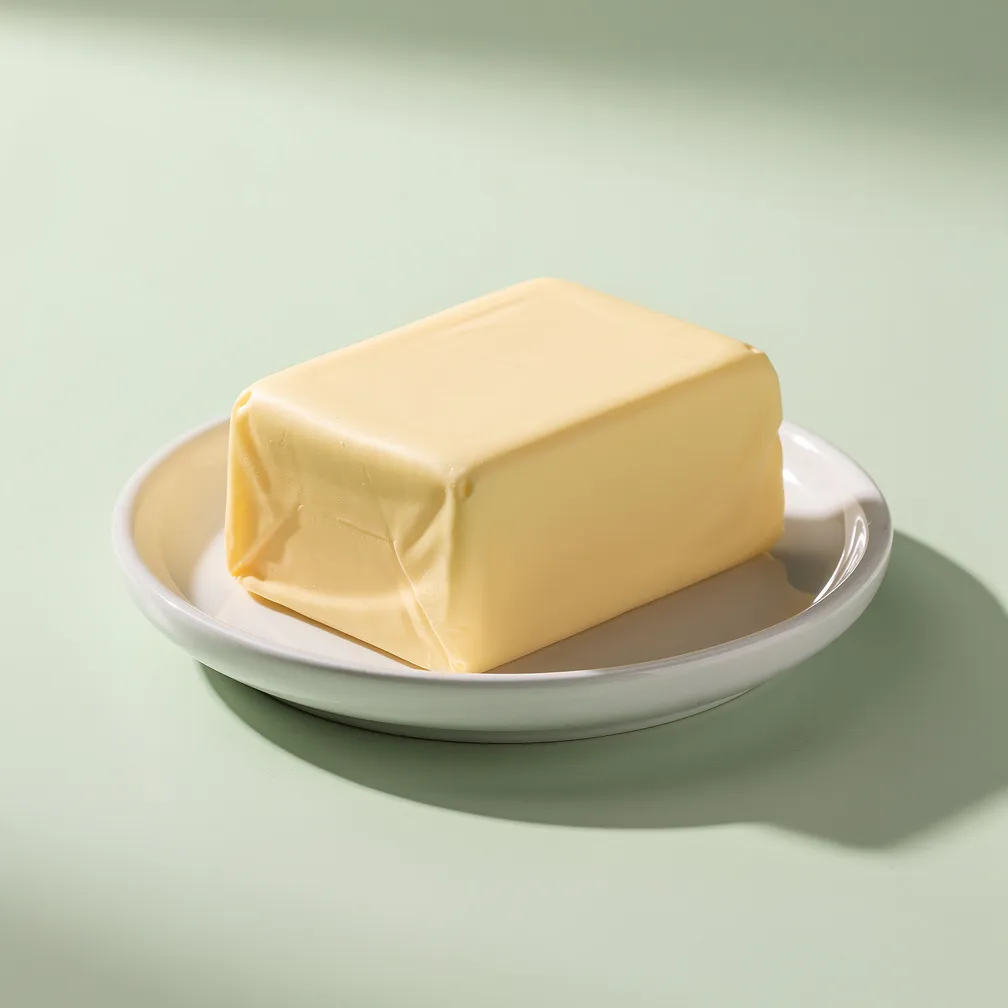
Hard margarine
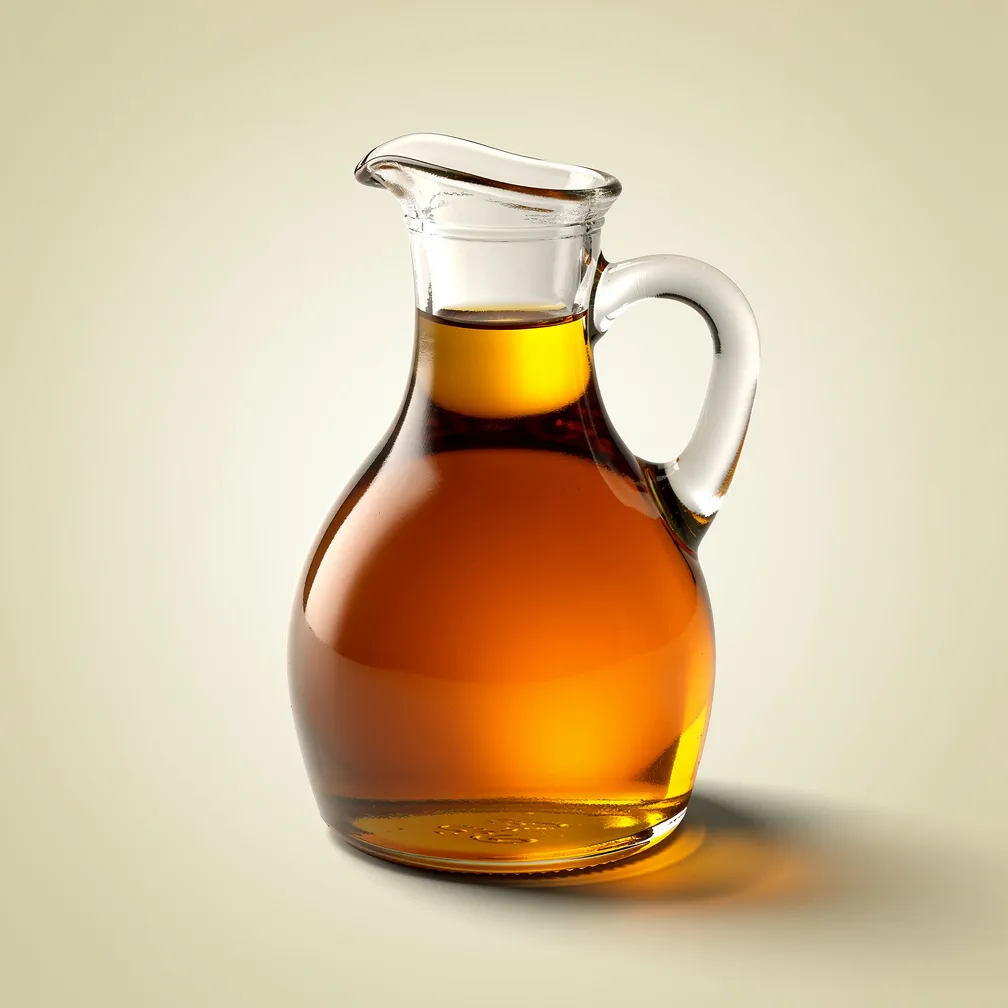
Hazelnut oil
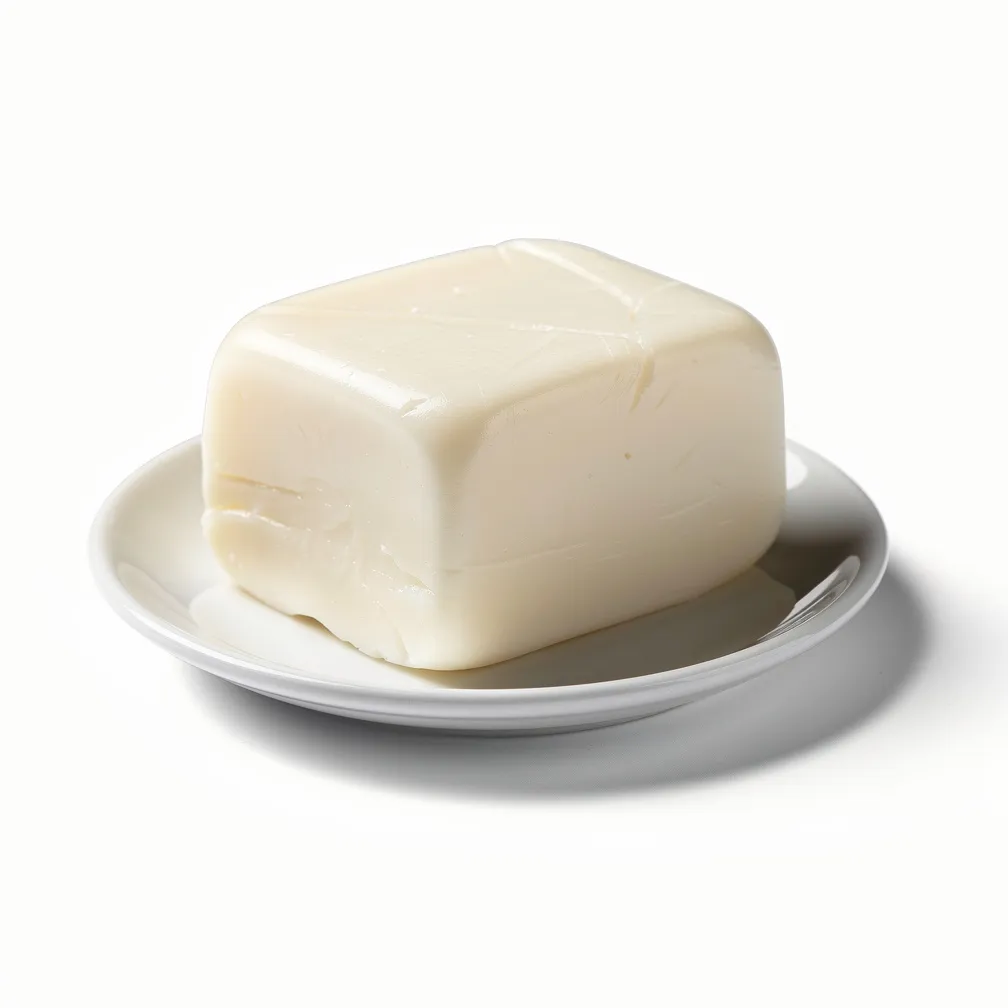
Lard
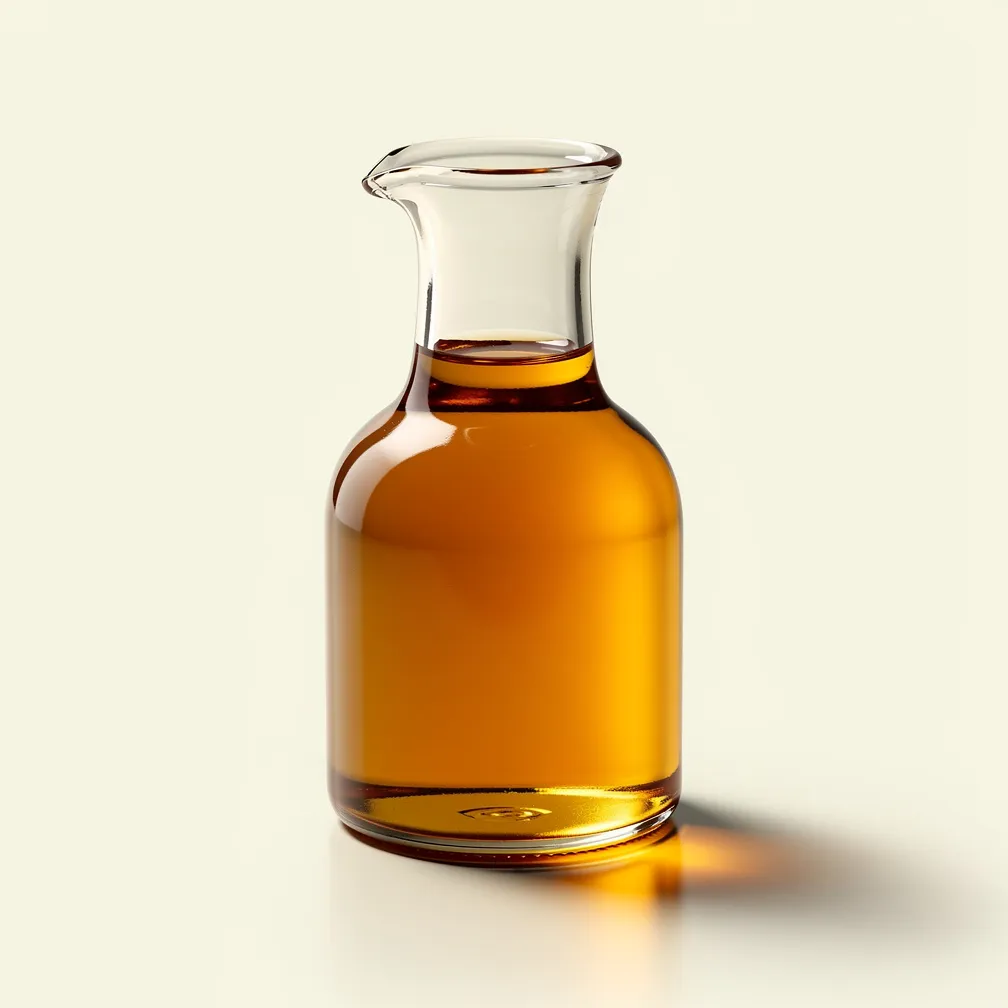
Linseed oil

Mayonnaise
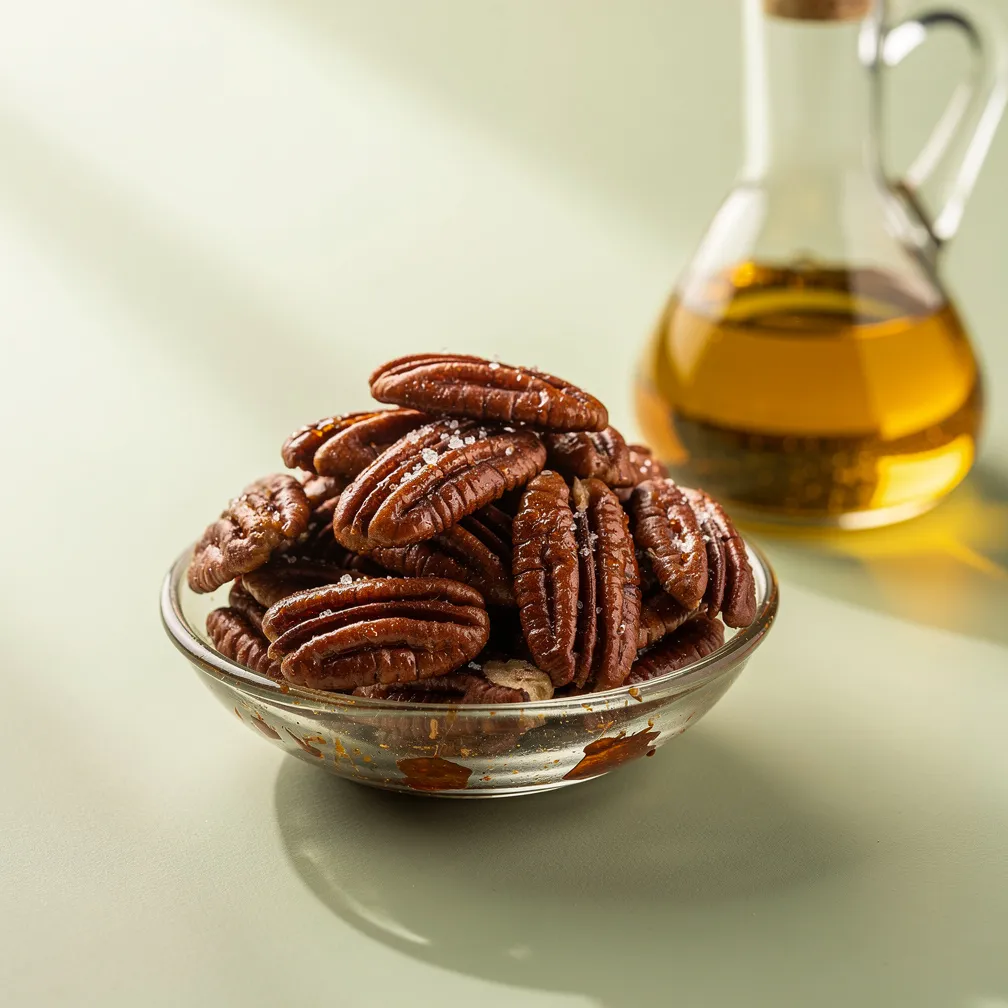
Oil roasted pecans
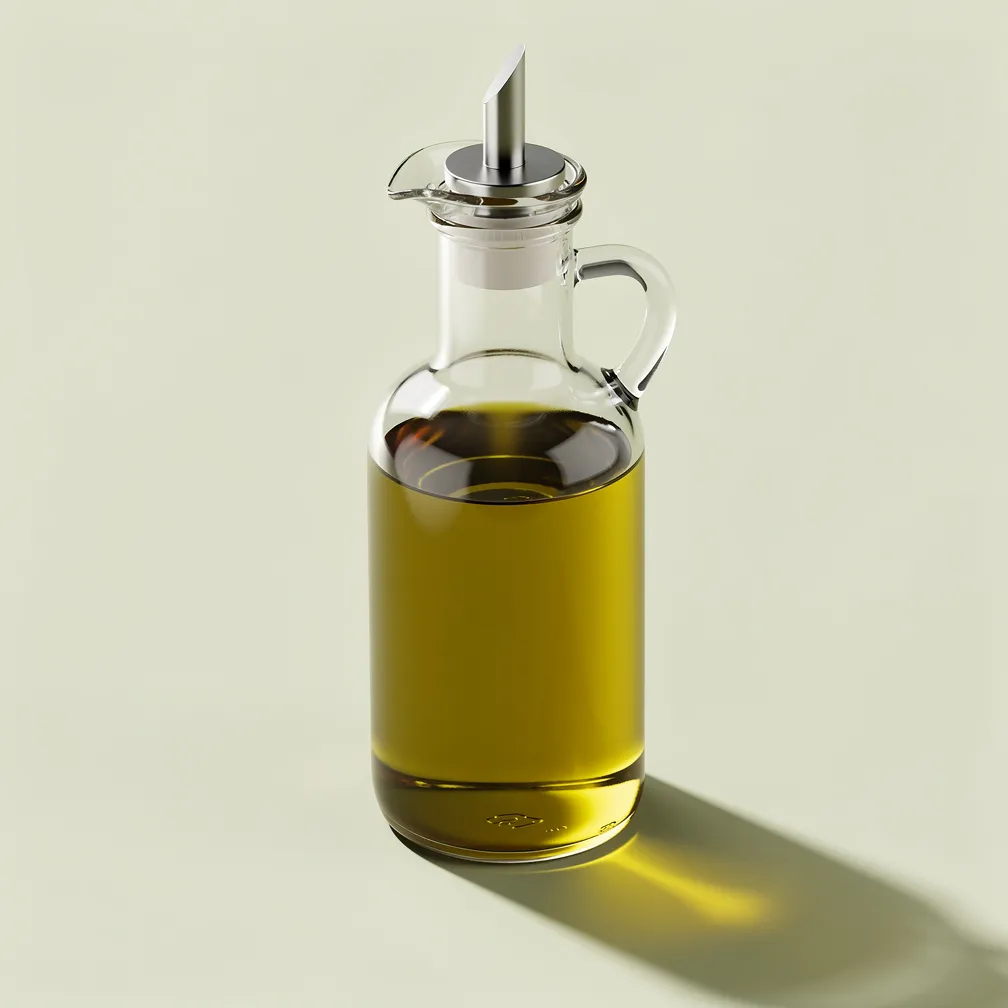
Olive oil
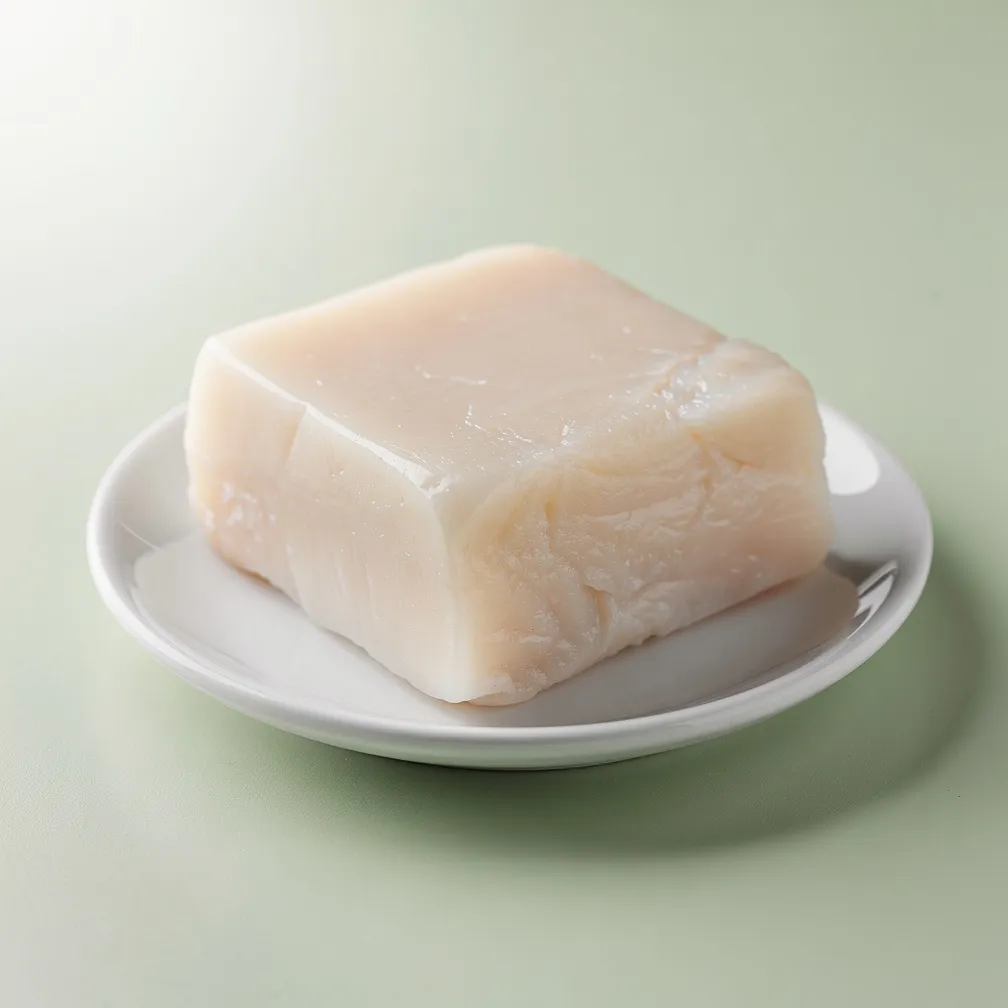
Pig fat
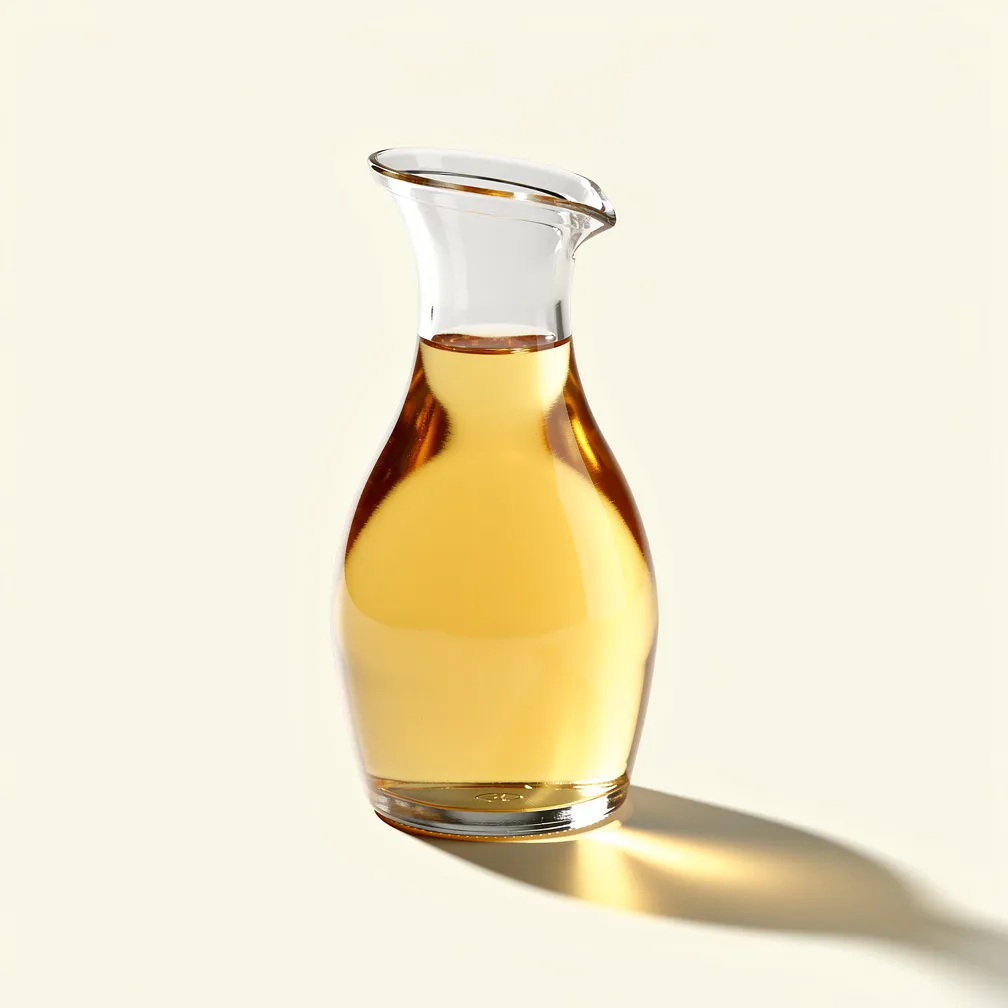
Rice bran oil
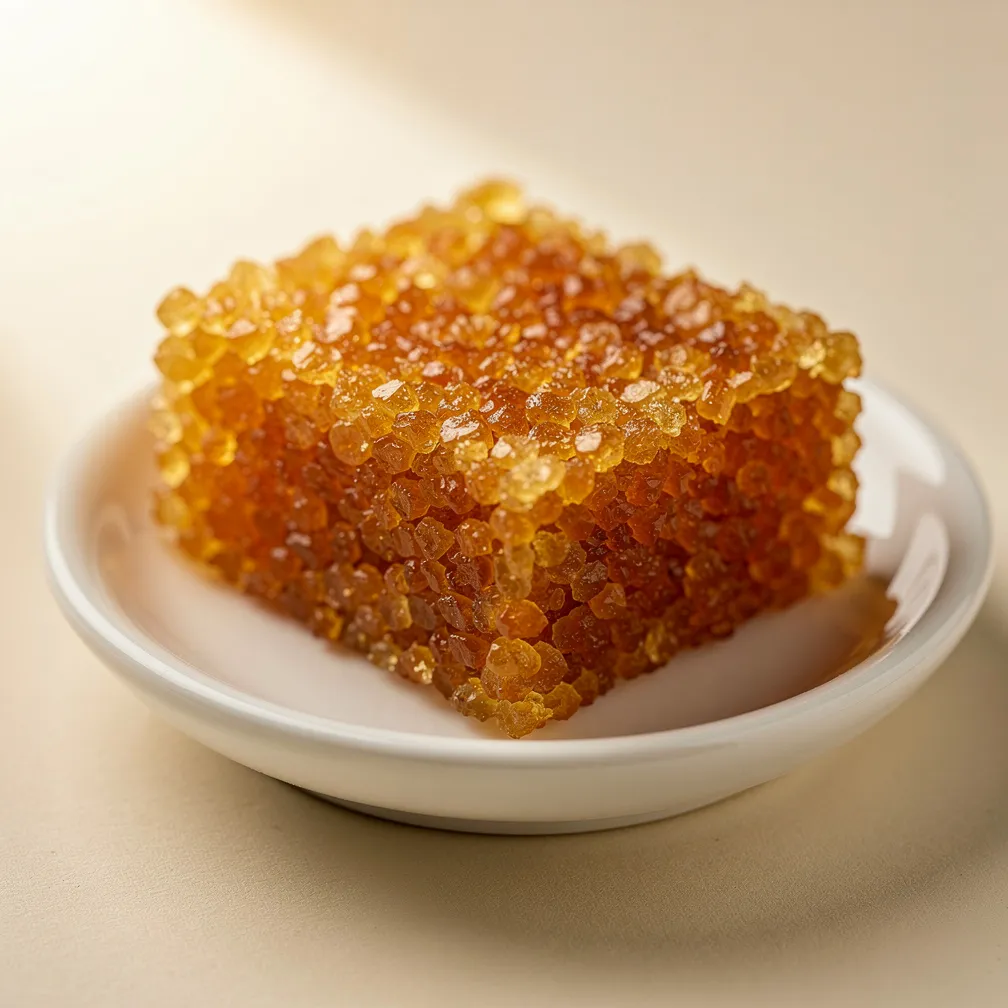
Soy lecithin
Soy oil
Wheat germ oil
Get Vnutri
Log meals, track daily totals, save favorites. Free on iOS and Android.