Olive oil
Categories
| Macros | per 100 g |
|---|---|
| Calories | 884 kcal |
| Protein | 0.0 g |
| Fat | 100.0 g |
| Carbs | 0.0 g |
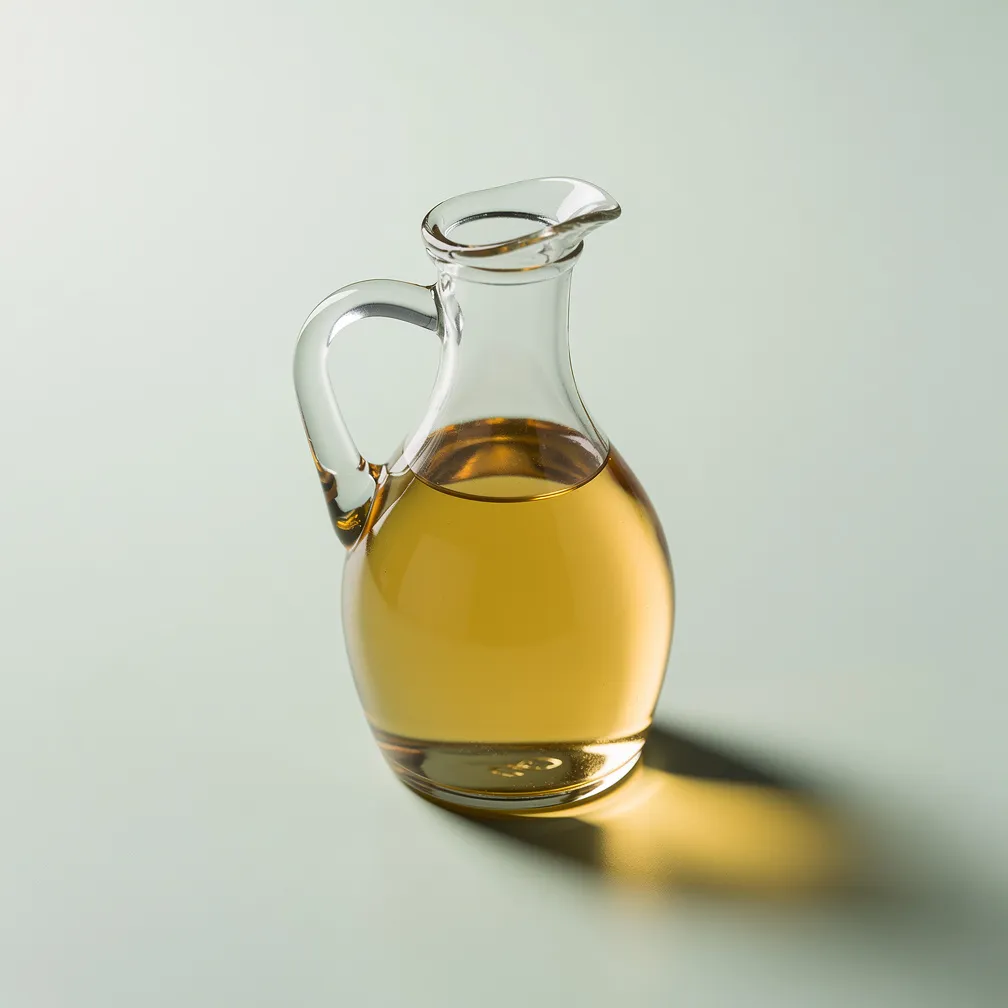
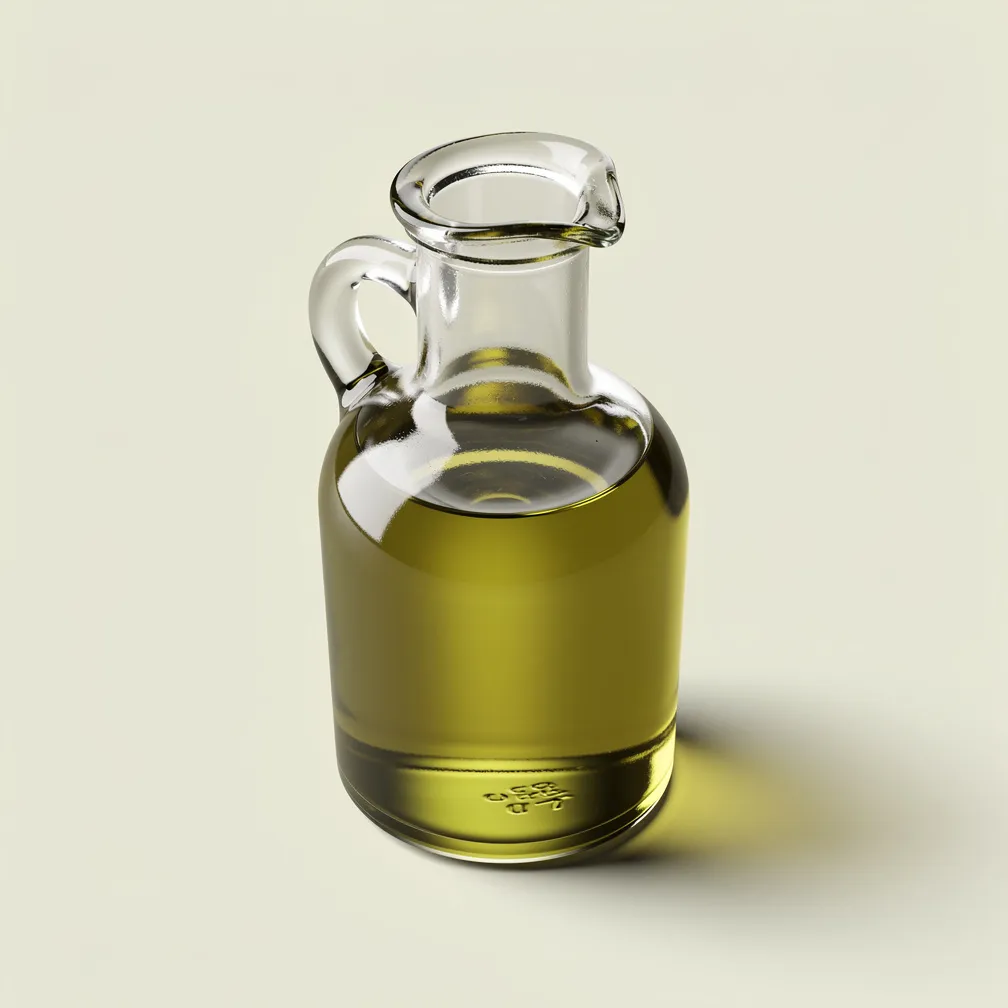
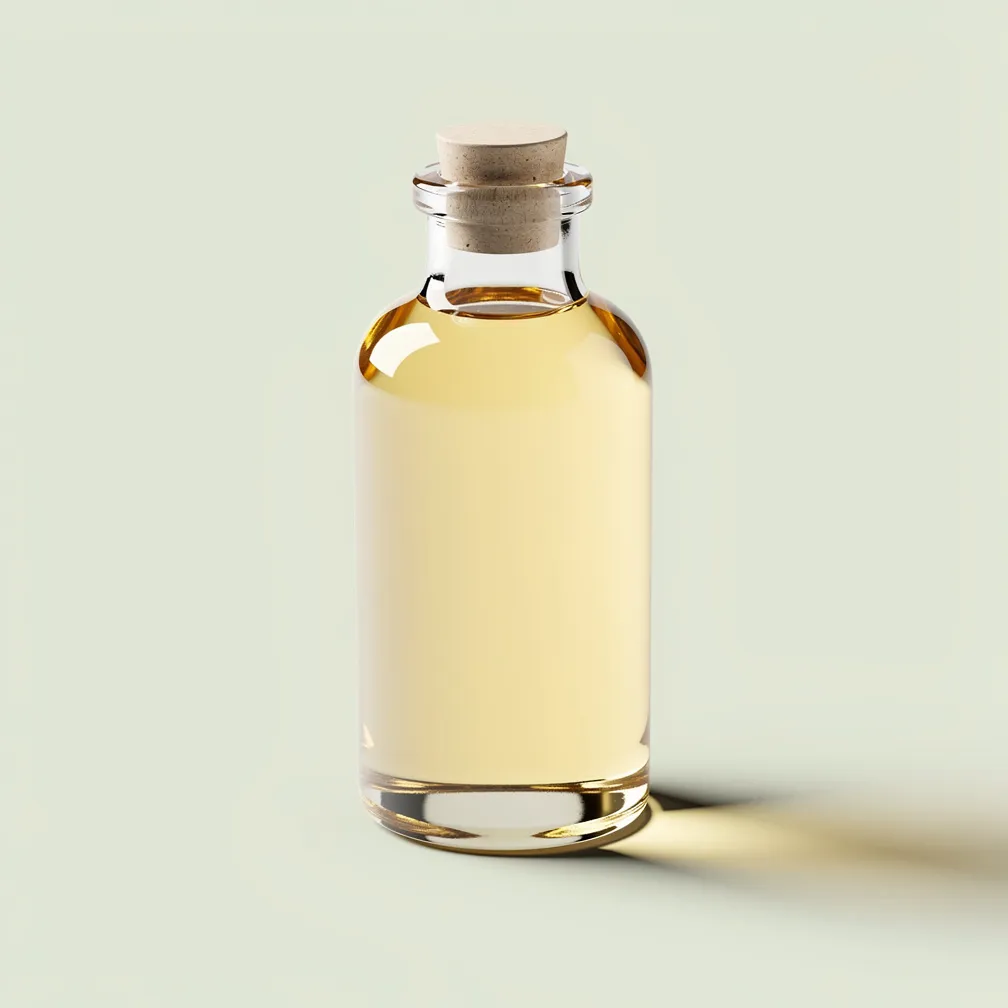
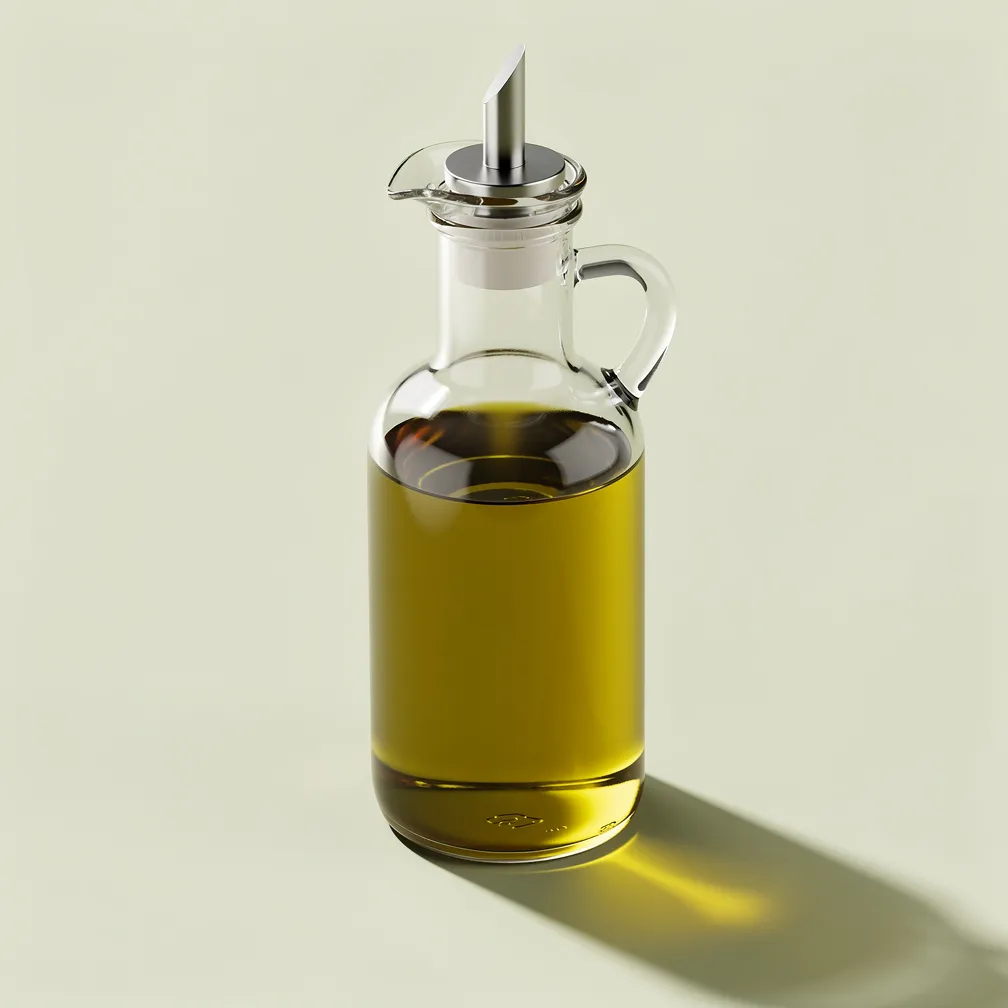
Olive oil is a liquid fat pressed from ripe olives, used raw as a salad dressing or dip and as a cooking medium for sautéing, roasting and frying across Mediterranean and Middle Eastern cuisines. Per 100 g, it is essentially pure fat at 100 g, delivering 884 kcal with no protein, carbohydrate, fibre or sugars. The fat is predominantly monounsaturated. Olive oil provides 60.2 mcg of vitamin K and 14.4 mg of vitamin E per 100 g, making it a notable source of both fat-soluble vitamins. No glycemic index is assigned, as it contains no carbohydrates. It fits vegan, vegetarian, gluten-free, dairy-free, keto, paleo, Mediterranean and low-FODMAP dietary patterns.
How many calories in olive oil?
Olive oil contains 884 kcal per 100 g. A standard tablespoon is about 14 g, which works out to roughly 124 kcal per tablespoon.
How much vitamin E is in olive oil?
Olive oil provides 14.4 mg of vitamin E per 100 g. A single tablespoon (14 g) contributes around 2 mg, making it one of the more concentrated everyday dietary sources of this fat-soluble vitamin.
Is olive oil keto-friendly?
Yes, olive oil is fully compatible with a ketogenic diet. It contains zero carbohydrates and is composed entirely of fat, which is exactly what keto dietary patterns prioritise.
Diets
Get Vnutri
Log meals, track daily totals, save favorites. Free on iOS and Android.
Macros · per 100 g
| Macros | Amount |
|---|---|
| Calories | 884 kcal |
| Protein | 0 g |
| Fat | 100 g |
| Carbs | 0 g |
| Sugars | 0 g |
| Fiber | 0 g |
| Fats breakdown | Amount |
|---|---|
| Saturated | 13.8 g |
| Monounsaturated | 73.0 g |
| Polyunsaturated | 10.5 g |
| Cholesterol | 0 mg |
| Vitamins | Amount |
|---|---|
| Vitamin E | 14.4 mg |
| Vitamin K | 60.2 mcg |