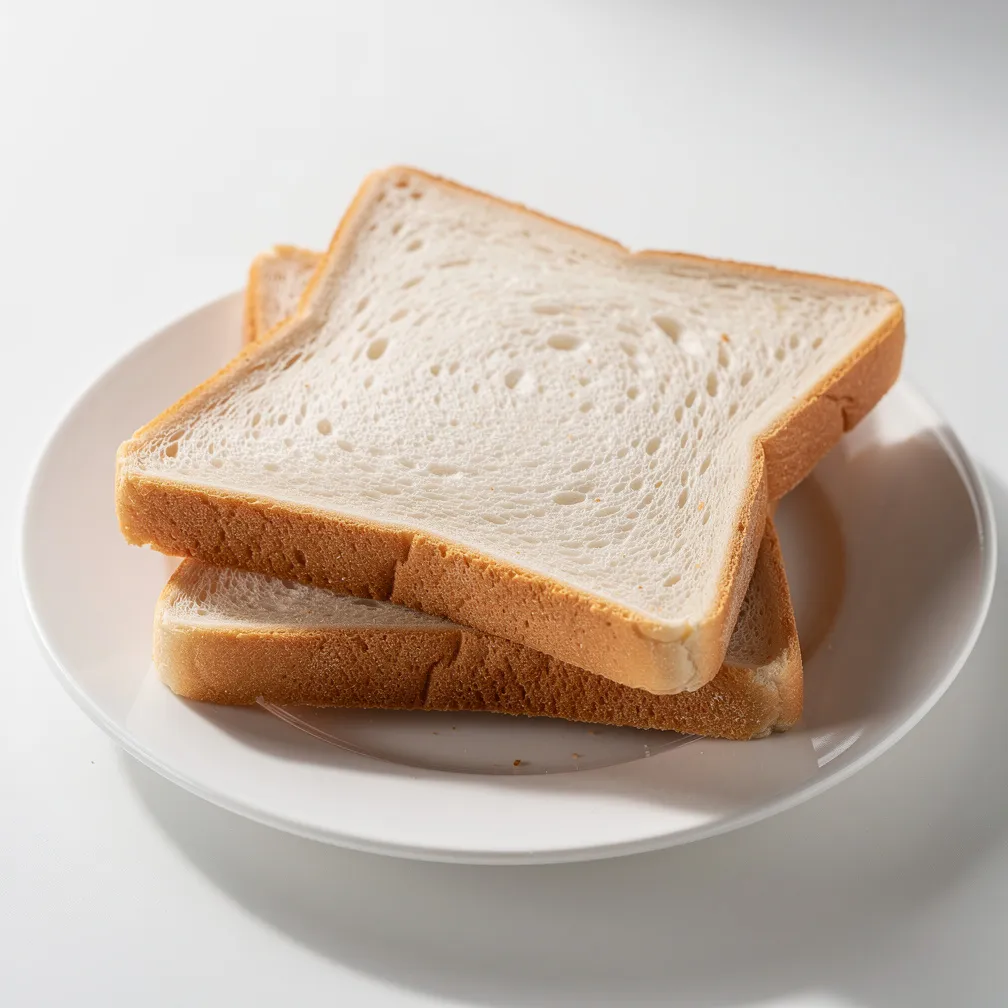
White bread
Categories
| Macros | per 100 g |
|---|---|
| Calories | 265 kcal |
| Protein | 9.0 g |
| Fat | 3.2 g |
| Carbs | 49.0 g |
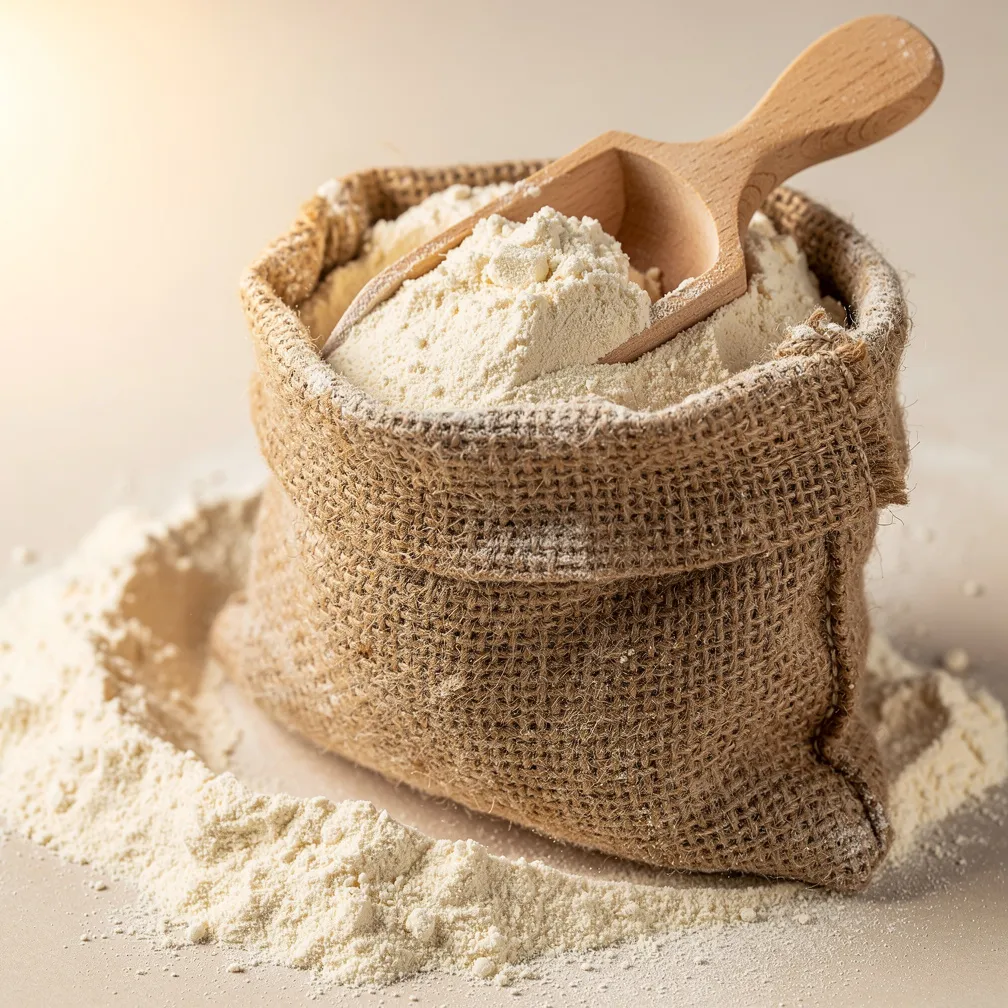
White bread is a baked staple made from refined wheat flour, widely consumed as sliced sandwich bread, rolls, or toast across most of the world. Per 100 g, it provides 265 kcal, 9 g of protein, 3.2 g of fat, 49 g of carbohydrates, 2.7 g of dietary fibre, and 5 g of sugars — a profile typical of a refined grain product where most of the bran and germ have been removed. Notable micronutrients include 491 mg of sodium, 144 mg of calcium, 3.6 mg of iron, 162 mcg of folate, 4.8 mg of niacin, and 0.5 mg of thiamin per 100 g, many of which are added back through fortification. No glycemic index value is provided in this dataset. White bread fits vegan, vegetarian, pescatarian, dairy-free, and Mediterranean dietary patterns.
How many calories in white bread?
White bread contains 265 kcal per 100 g. A typical slice weighs around 30–35 g, putting a single slice at roughly 80–93 kcal.
How much iron is in white bread?
White bread provides 3.6 mg of iron per 100 g, largely due to fortification of refined flour. Two average slices (about 65 g) would contribute around 2.3 mg of iron.
Is white bread vegan?
Yes, standard white bread is vegan — its core ingredients are flour, water, yeast, and salt, with no animal-derived components. Always check the label, as some recipes include milk or butter.
Diets
Get Vnutri
Log meals, track daily totals, save favorites. Free on iOS and Android.
Glycemic Index
approximateMacros · per 100 g
| Macros | Amount |
|---|---|
| Calories | 265 kcal |
| Protein | 9.0 g |
| Fat | 3.2 g |
| Carbs | 49.0 g |
| Sugars | 5.0 g |
| Fiber | 2.7 g |
| Fats breakdown | Amount |
|---|---|
| Saturated | 0.70 g |
| Minerals | Amount |
|---|---|
| Calcium | 144 mg |
| Iron | 3.6 mg |
| Sodium | 491 mg |
| Vitamins | Amount |
|---|---|
| Thiamin (B1) | 0.50 mg |
| Riboflavin (B2) | 0.32 mg |
| Niacin (B3) | 4.8 mg |
| Folate (B9) | 162 mcg |