Spices & Herbs
39
The spices category in this catalog covers dried aromatic plant parts used in small amounts to flavor food: ground and whole seeds like cumin, coriander, and mustard; barks and roots like cinnamon, ginger, and turmeric; dried fruits like black pepper and paprika; and floral parts like cloves and saffron. Per typical serving (under a teaspoon), spices contribute negligible calories, but per 100 grams they are surprisingly carb-dense from fiber, with moderate protein and variable fat. They are concentrated sources of manganese, iron, calcium, potassium, vitamin K, and polyphenols. Most spices are compatible with keto, paleo, Whole30, vegan, and Mediterranean patterns; some, like onion and garlic powder, are restricted on low-FODMAP. Glycemic impact at culinary doses is essentially zero.
Do spices count toward daily carbs or calories?
At normal culinary amounts of a quarter to one teaspoon, spices add roughly 2 to 8 calories and under 2 grams of carbs per dish, which most tracking apps round down. The exception is recipes using tablespoons of paprika, chili, or curry powder, where 10 to 20 grams can contribute 30 to 60 calories and a few grams of fiber. For keto or strict macro tracking, only weigh spices when used in bulk.
Which spices are highest in antioxidants and minerals?
By ORAC and polyphenol content, cloves, cinnamon, oregano, and turmeric rank at the top. Cumin and thyme are notable for iron, providing over 60 mg per 100 grams. Black pepper supplies manganese and contains piperine, which improves curcumin absorption from turmeric. Saffron is rich in crocin and safranal carotenoids, while paprika delivers vitamin A precursors.
Are any spices restricted on a low-FODMAP diet?
Garlic powder and onion powder are high in fructans and are typically excluded during the elimination phase of low-FODMAP. Most other dried spices, including pepper, cumin, turmeric, ginger, cinnamon, paprika, and most herbs, are considered low-FODMAP at standard serving sizes. Asafoetida is often used as a garlic-flavored substitute because its FODMAP content is low when used sparingly.
Do spices have a glycemic index?
Spices are not formally assigned a glycemic index because servings are too small to meaningfully raise blood glucose. Cinnamon and fenugreek have been studied for modest effects on postprandial glucose when consumed in 1 to 6 gram doses with carbohydrate meals. For practical meal planning, treat spices as GI-neutral and focus on the carbohydrate sources they accompany.
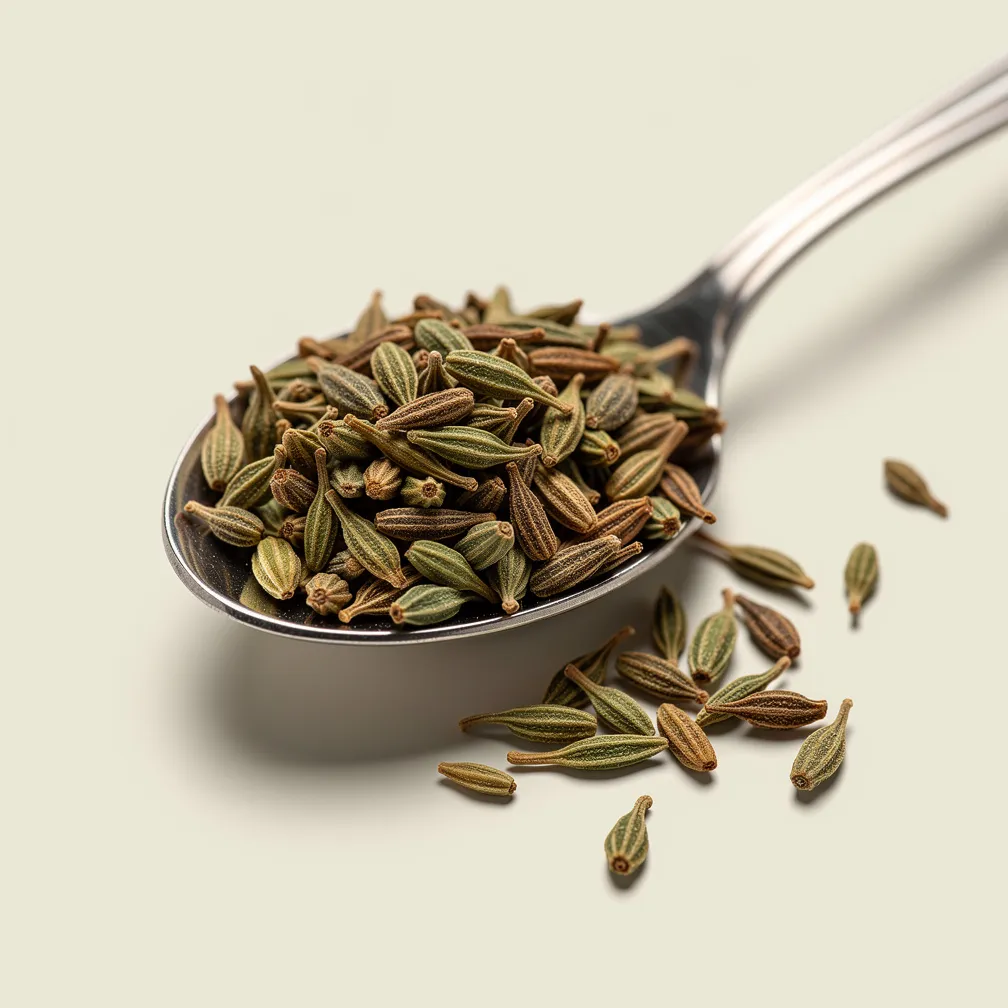
Anise seeds
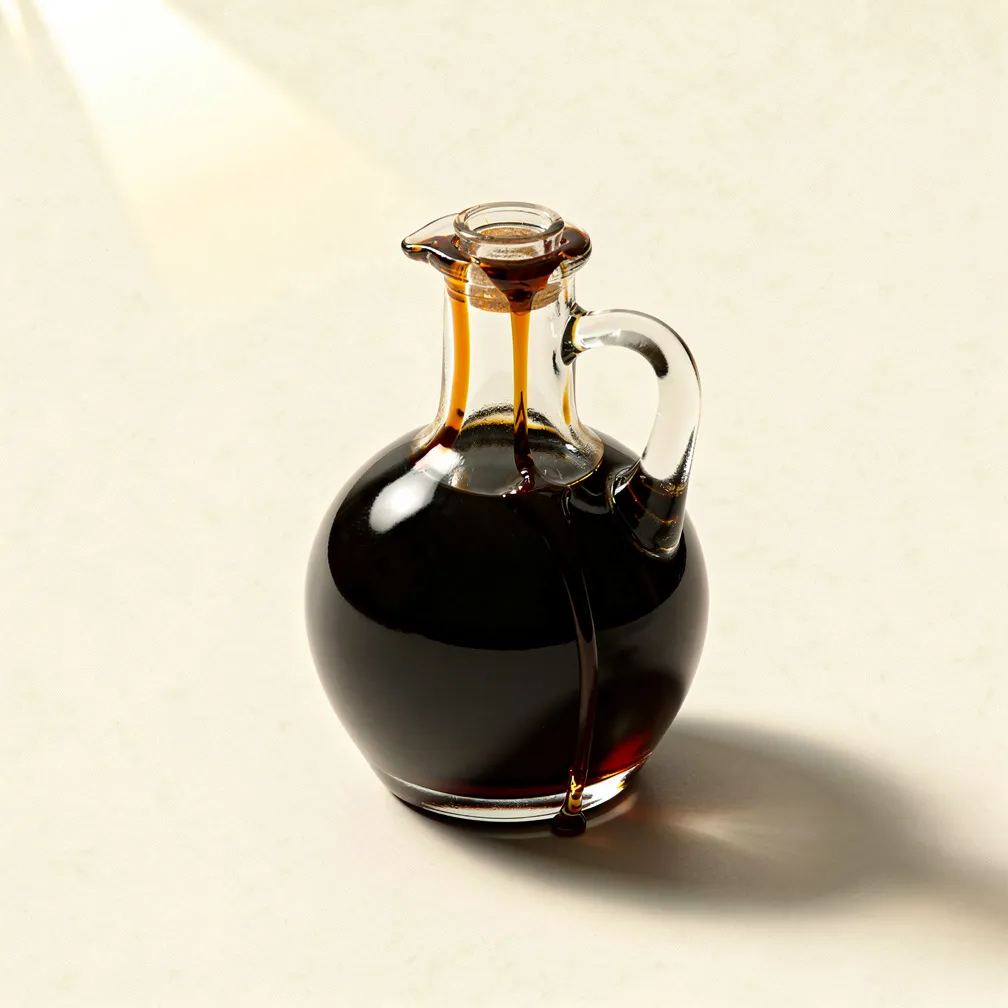
Balsamic vinegar
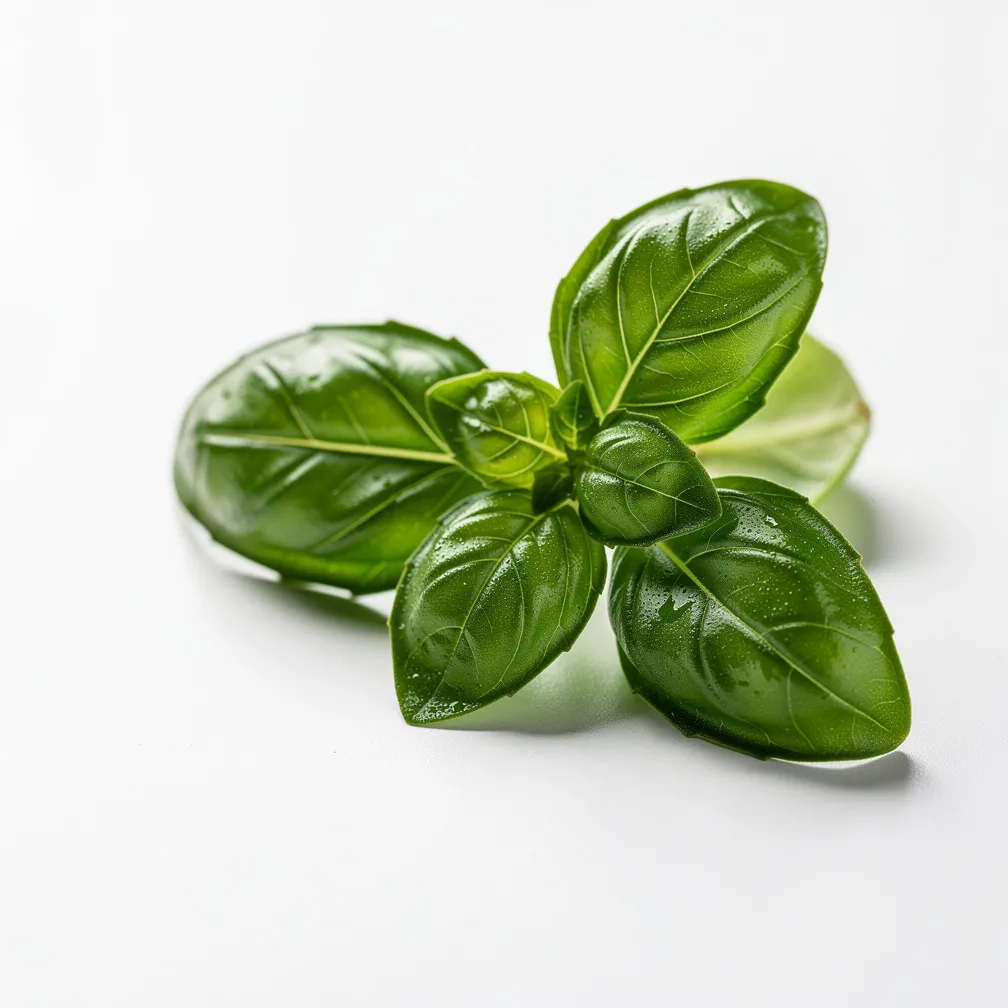
Basil
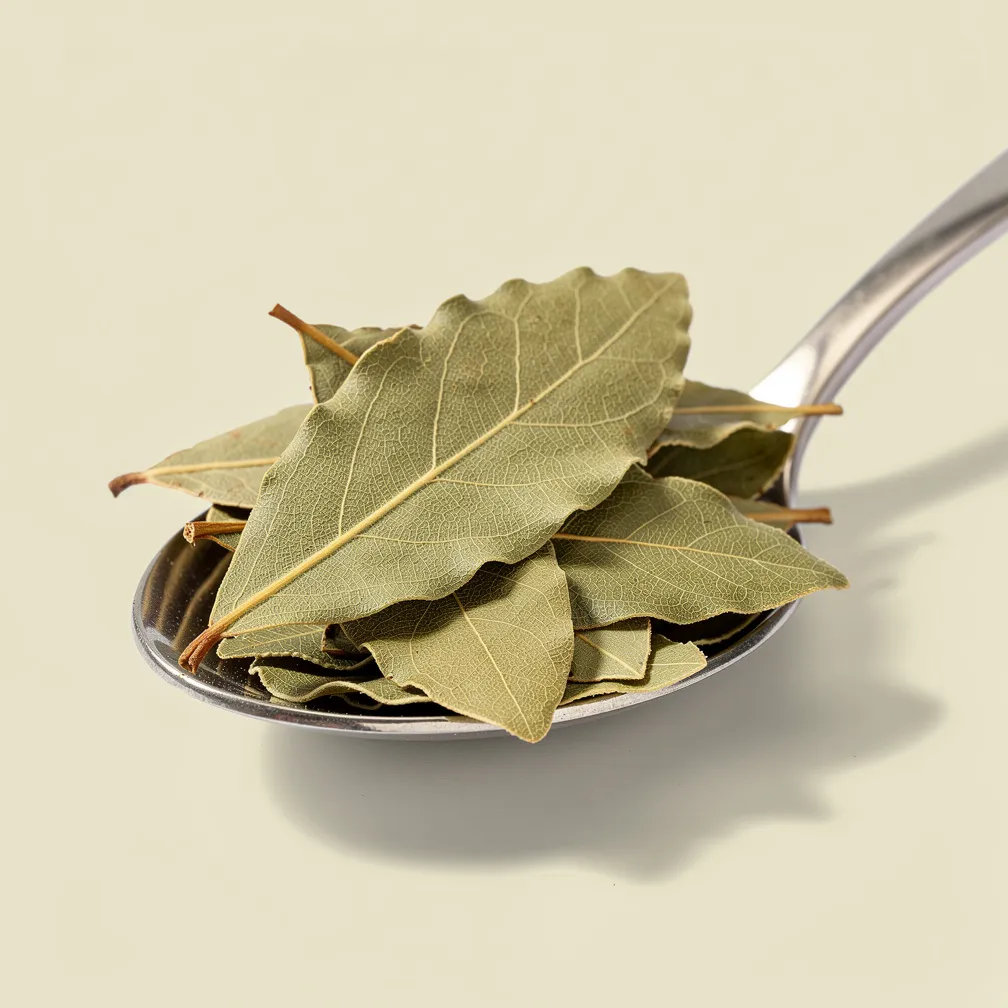
Bay leaf
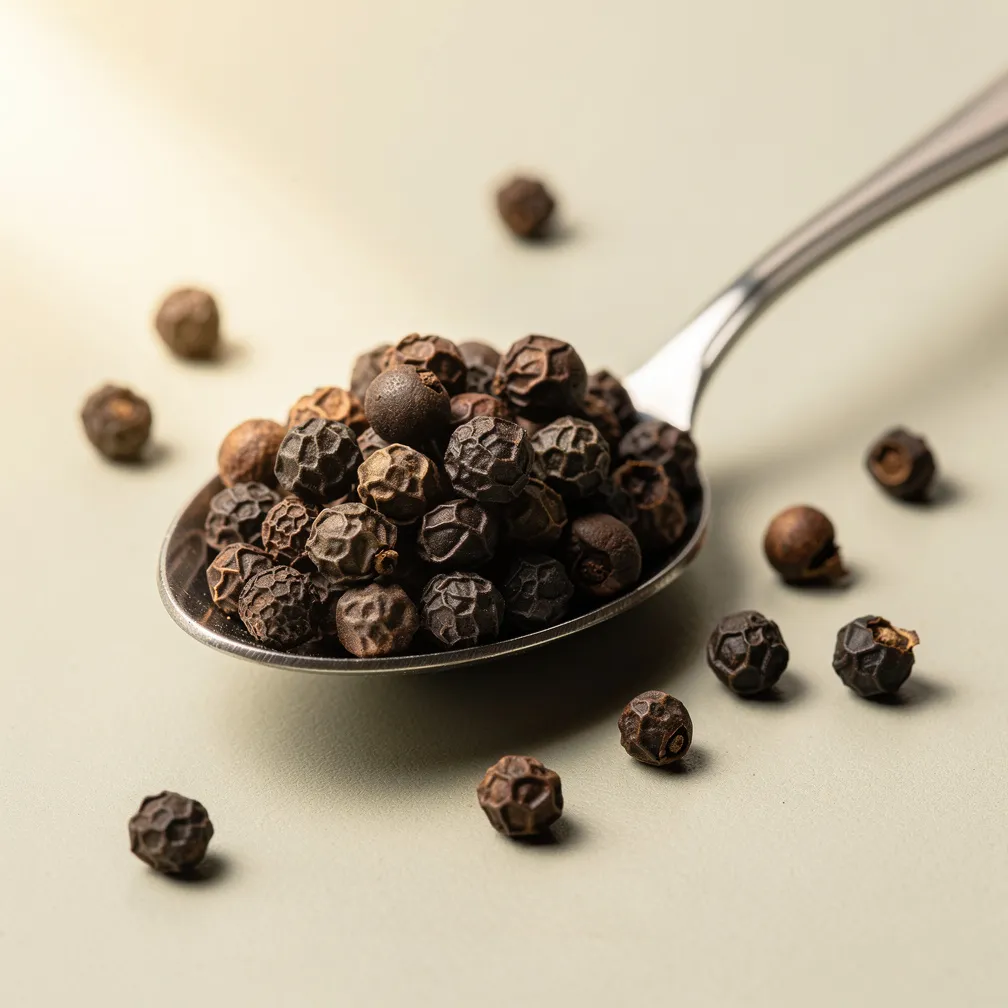
Black pepper
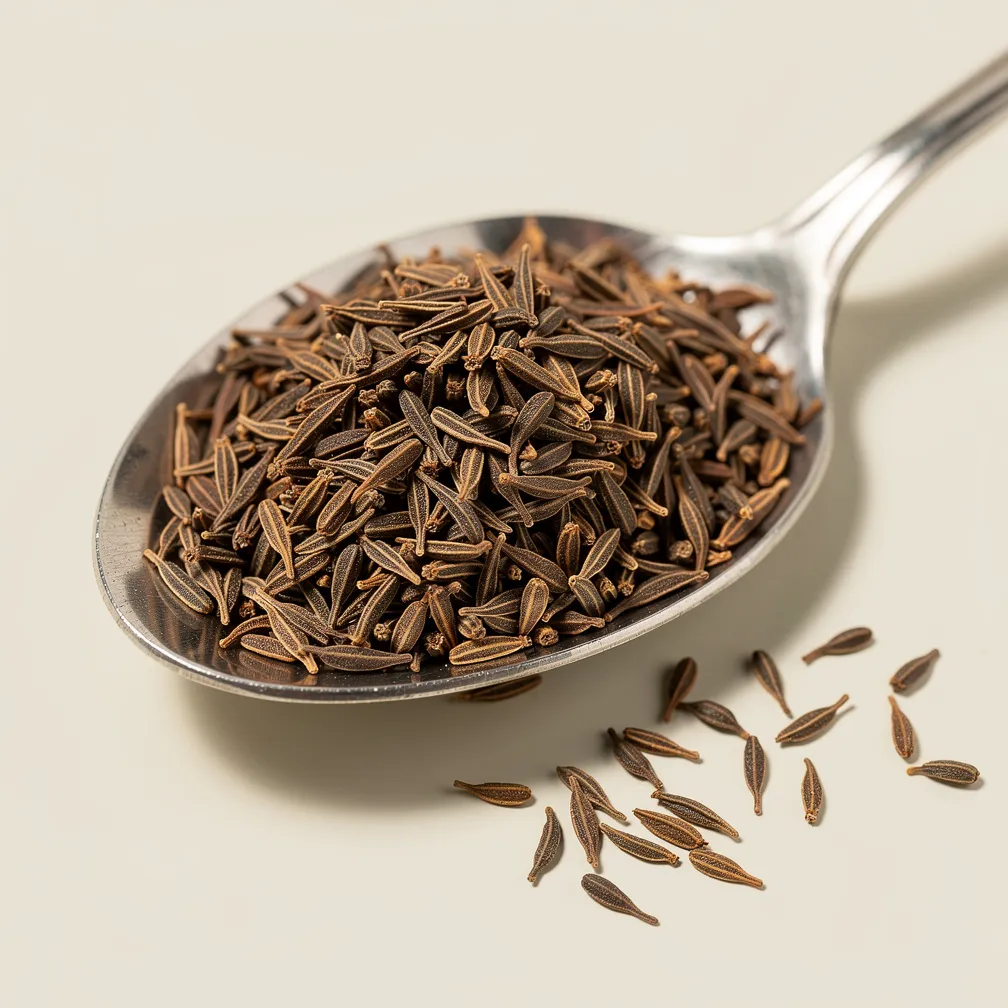
Caraway seed
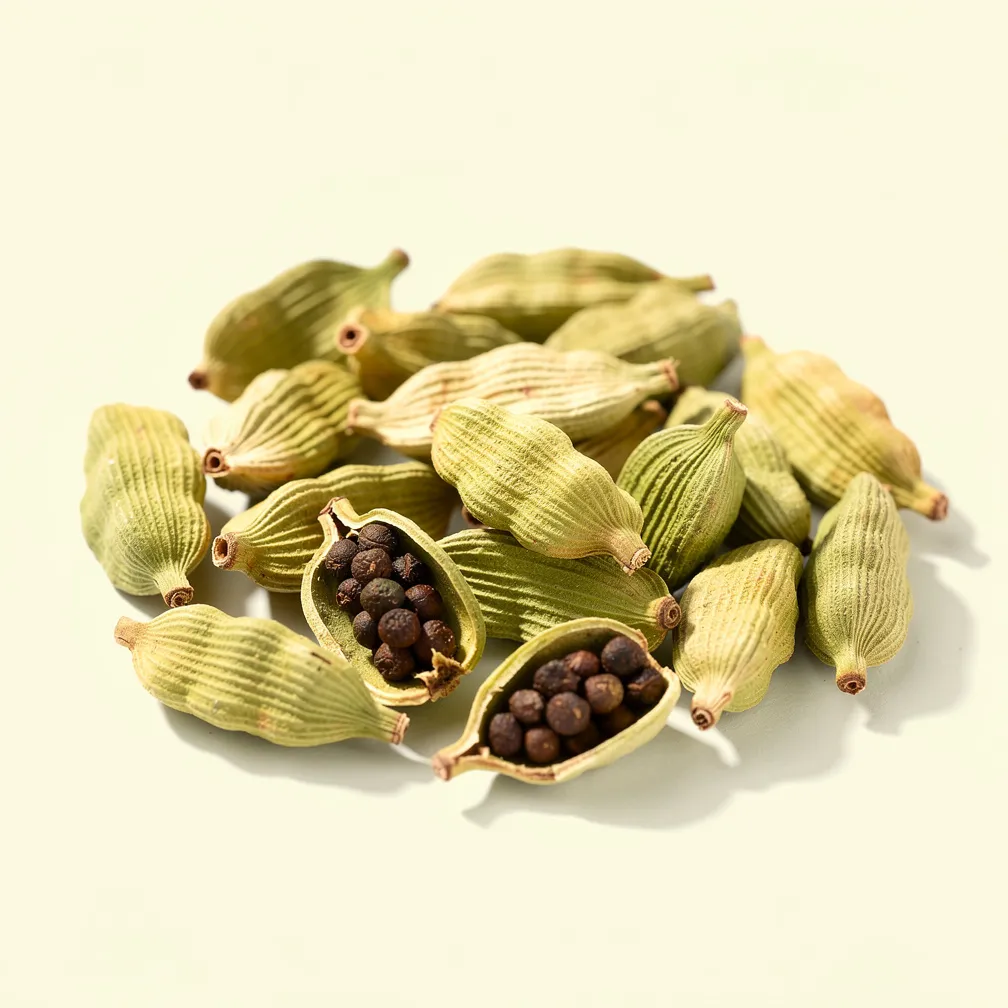
Cardamom
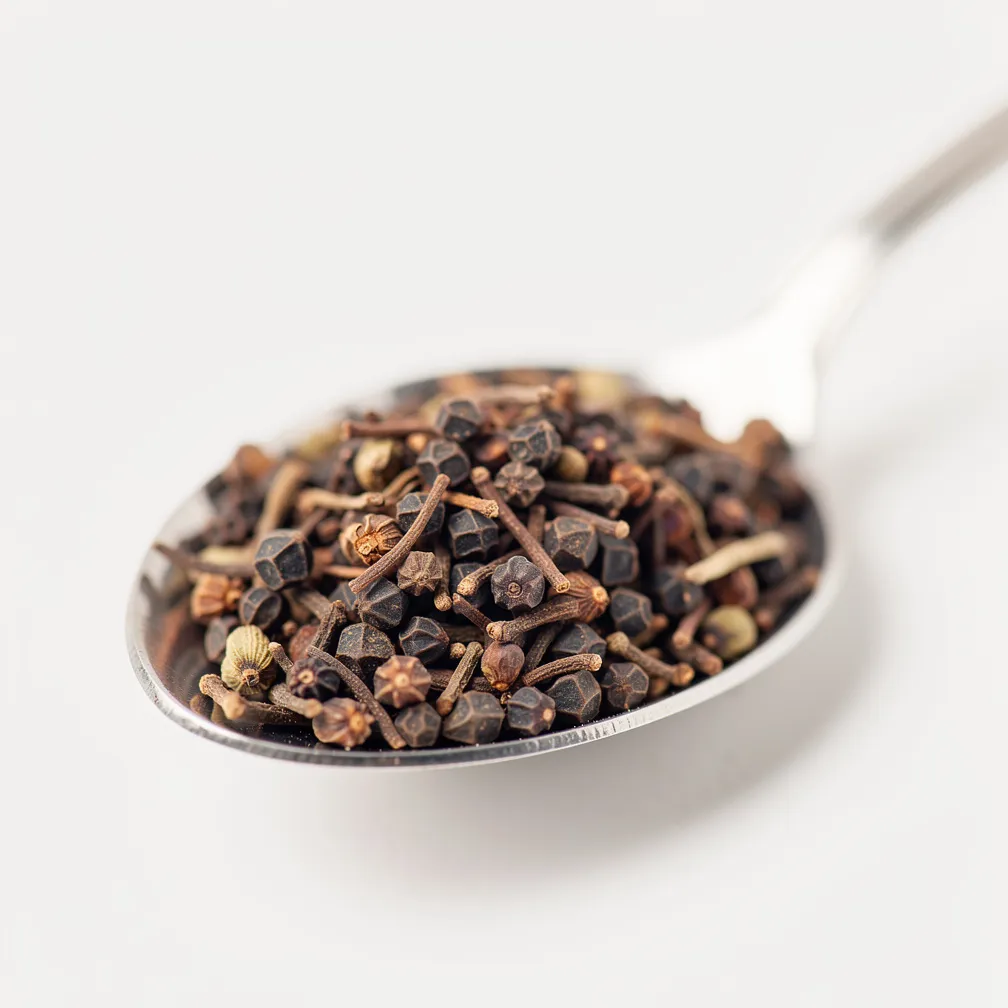
Cardamom seed
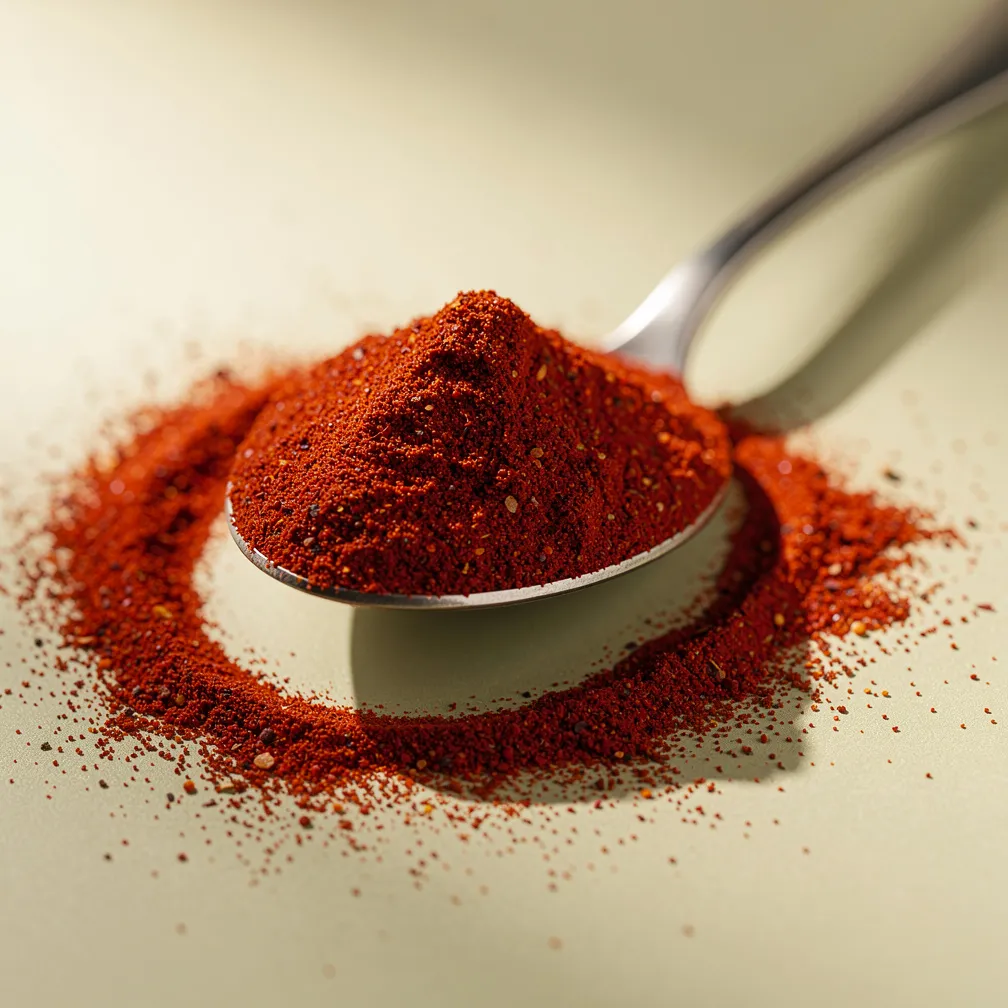
Cayenne pepper
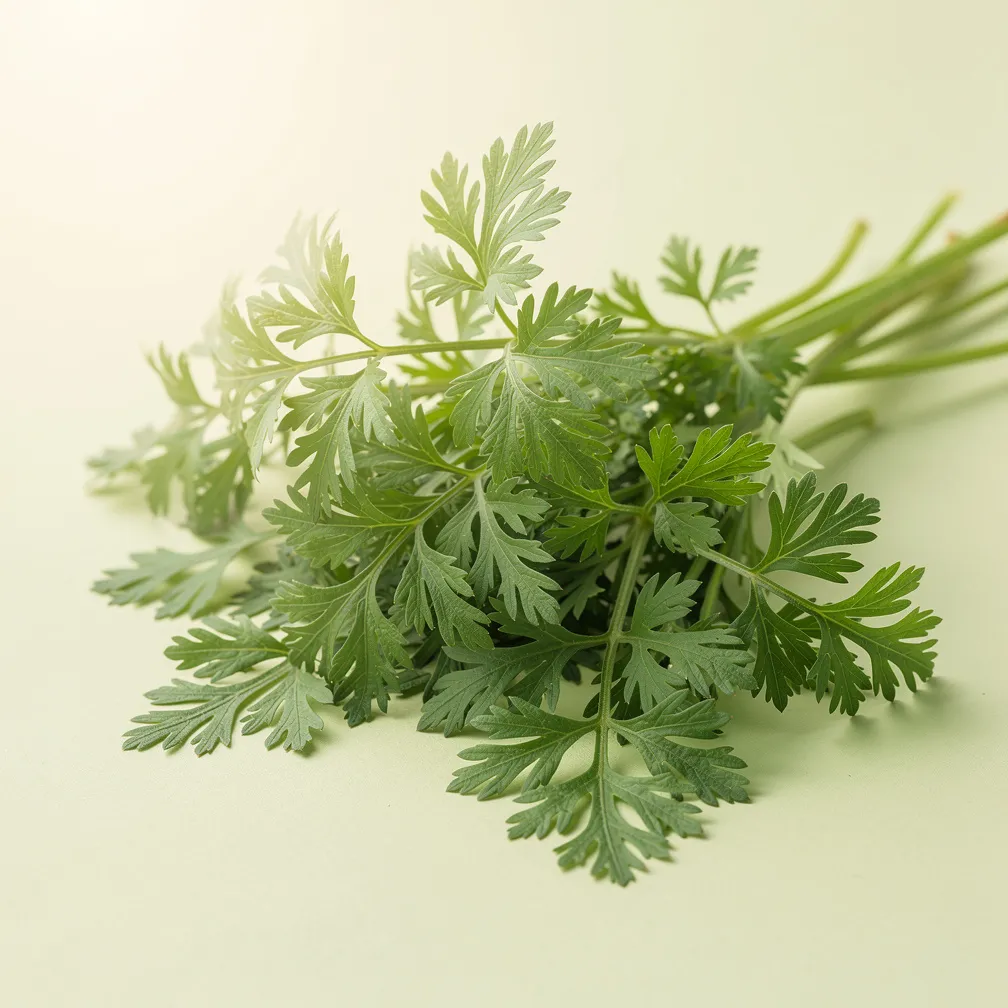
Chervil
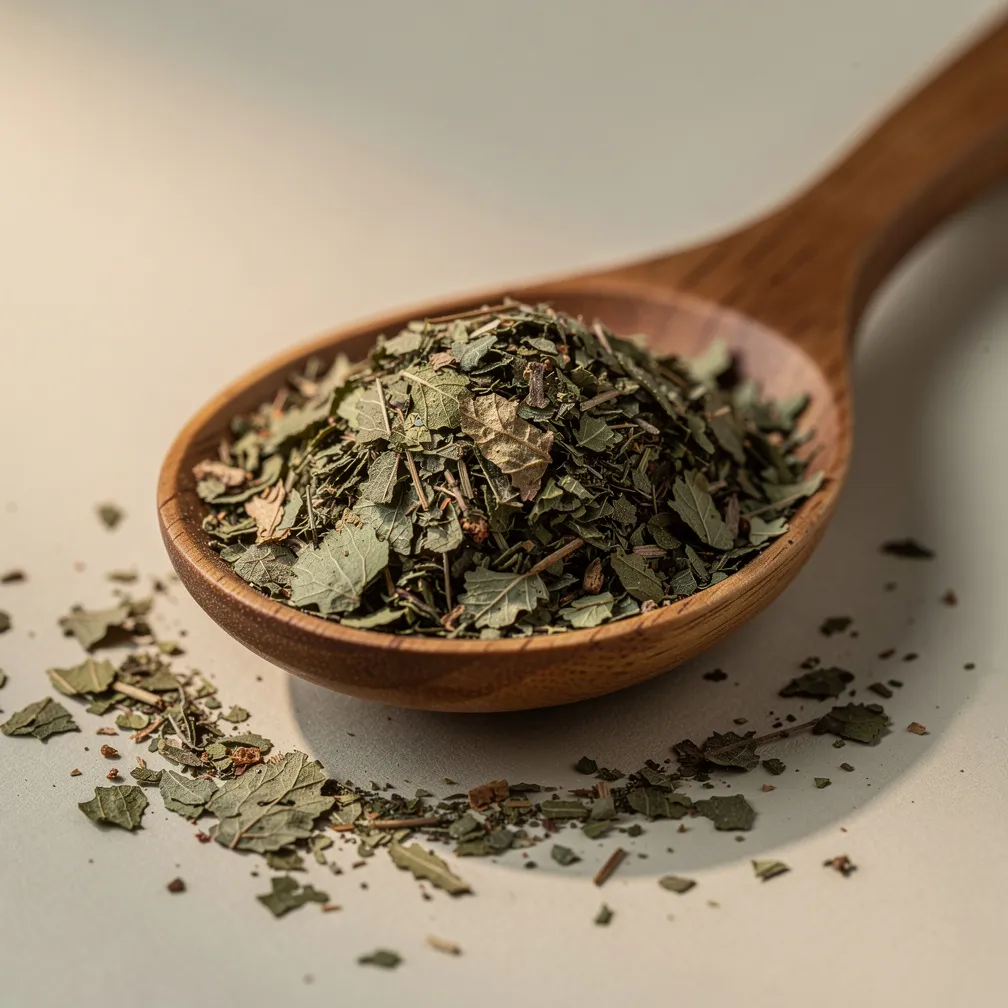
Cilantro
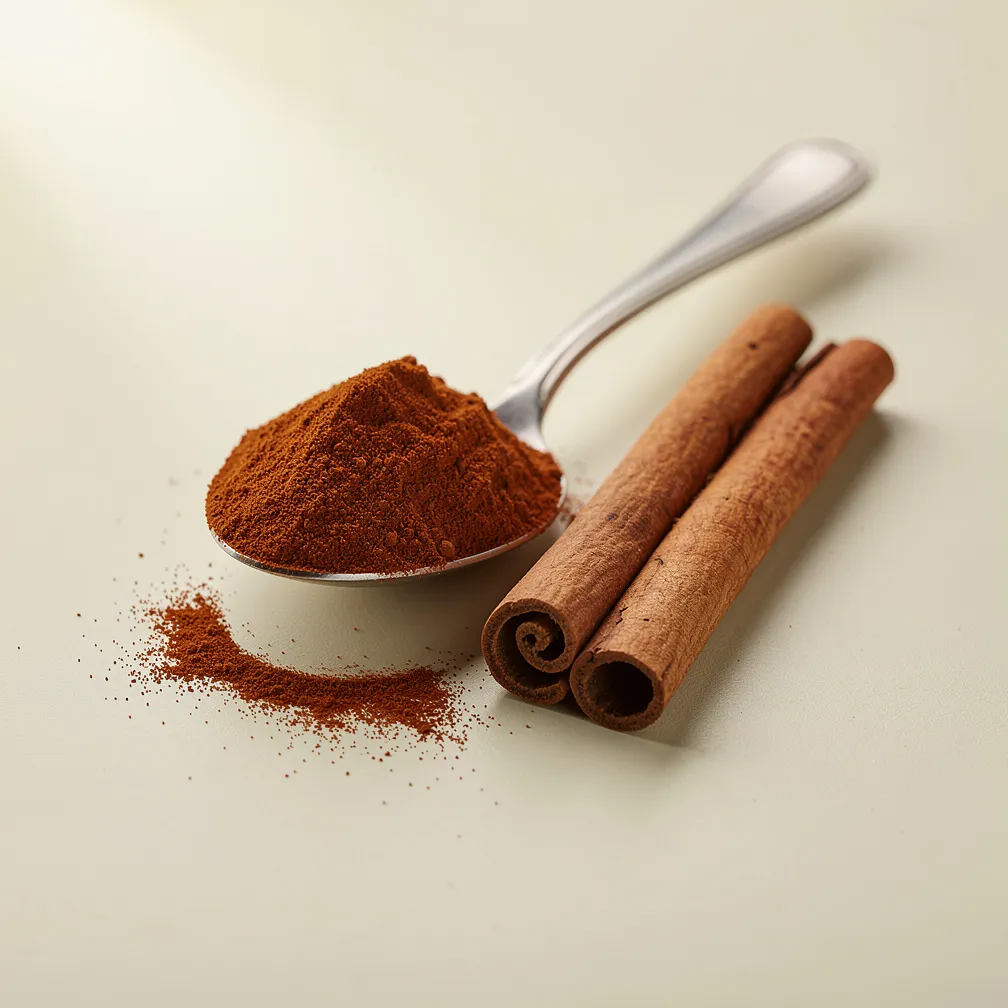
Cinnamon
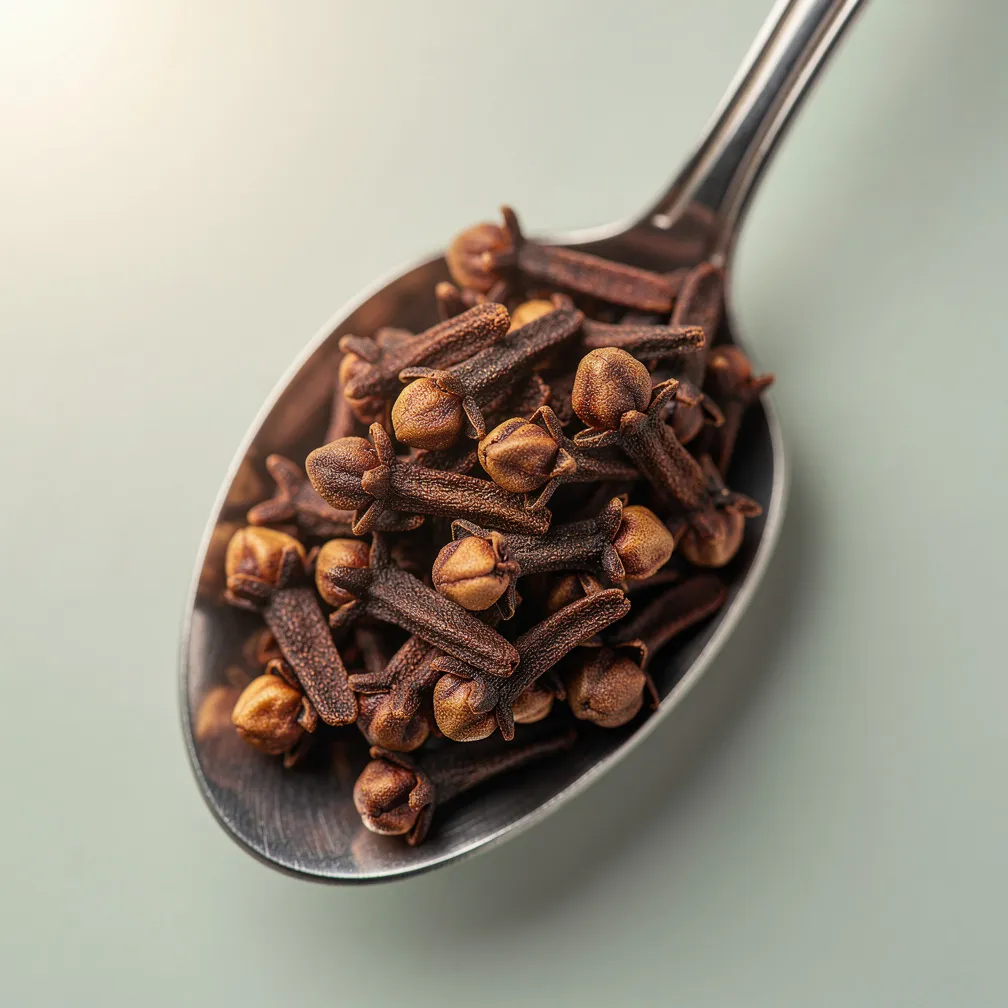
Cloves
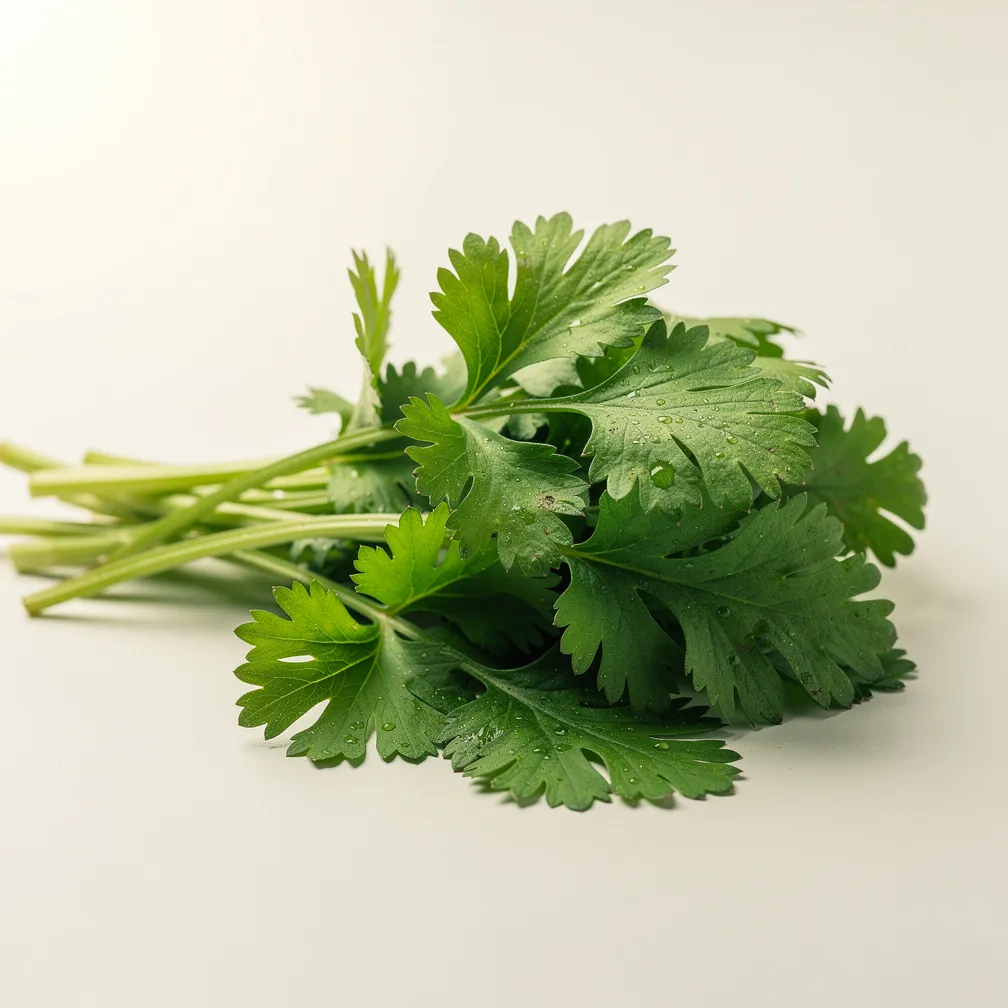
Coriander (cilantro)
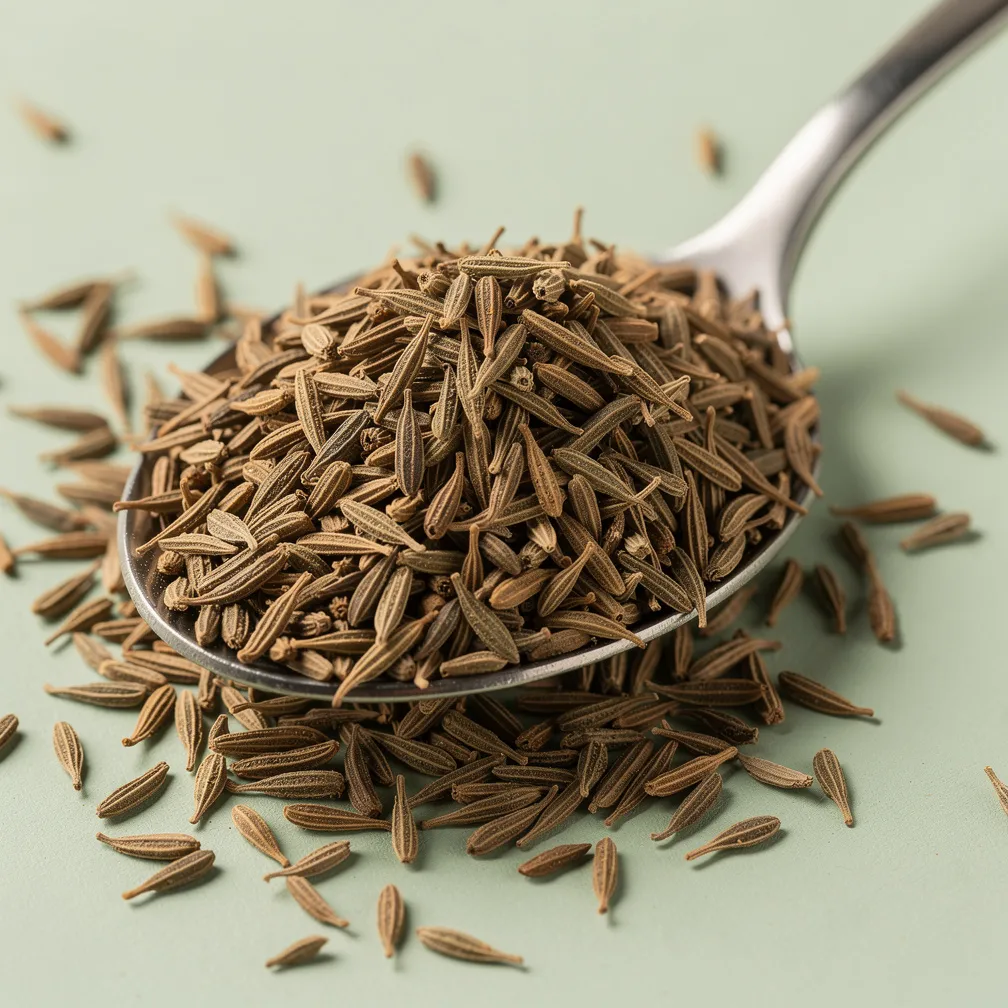
Cumin seed
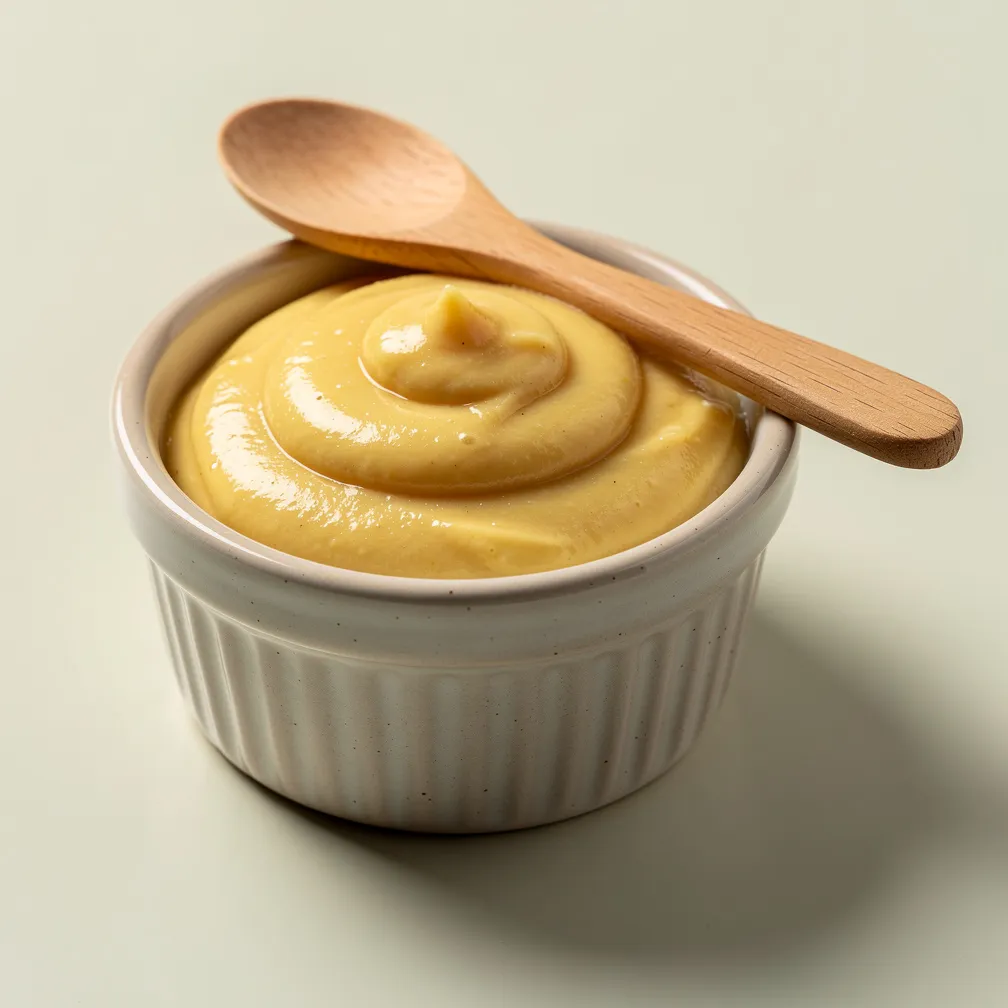
Dijon mustard
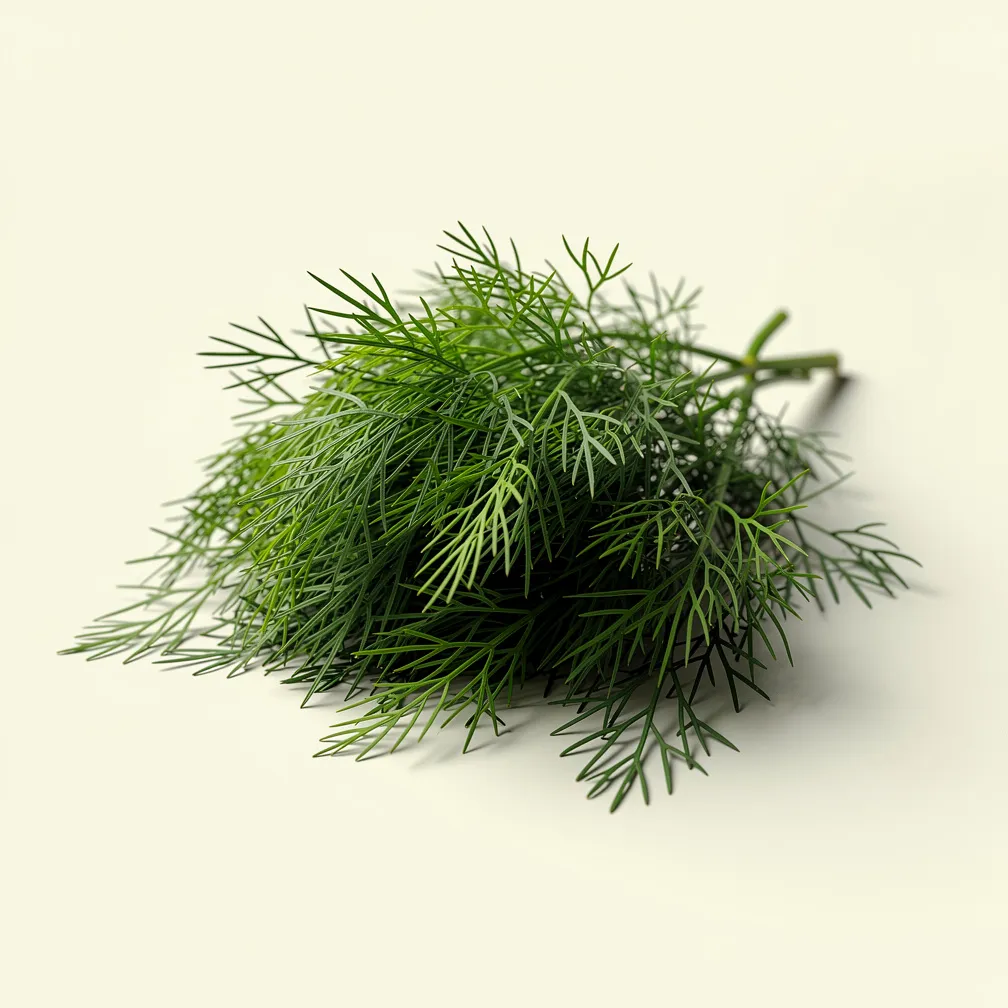
Dill
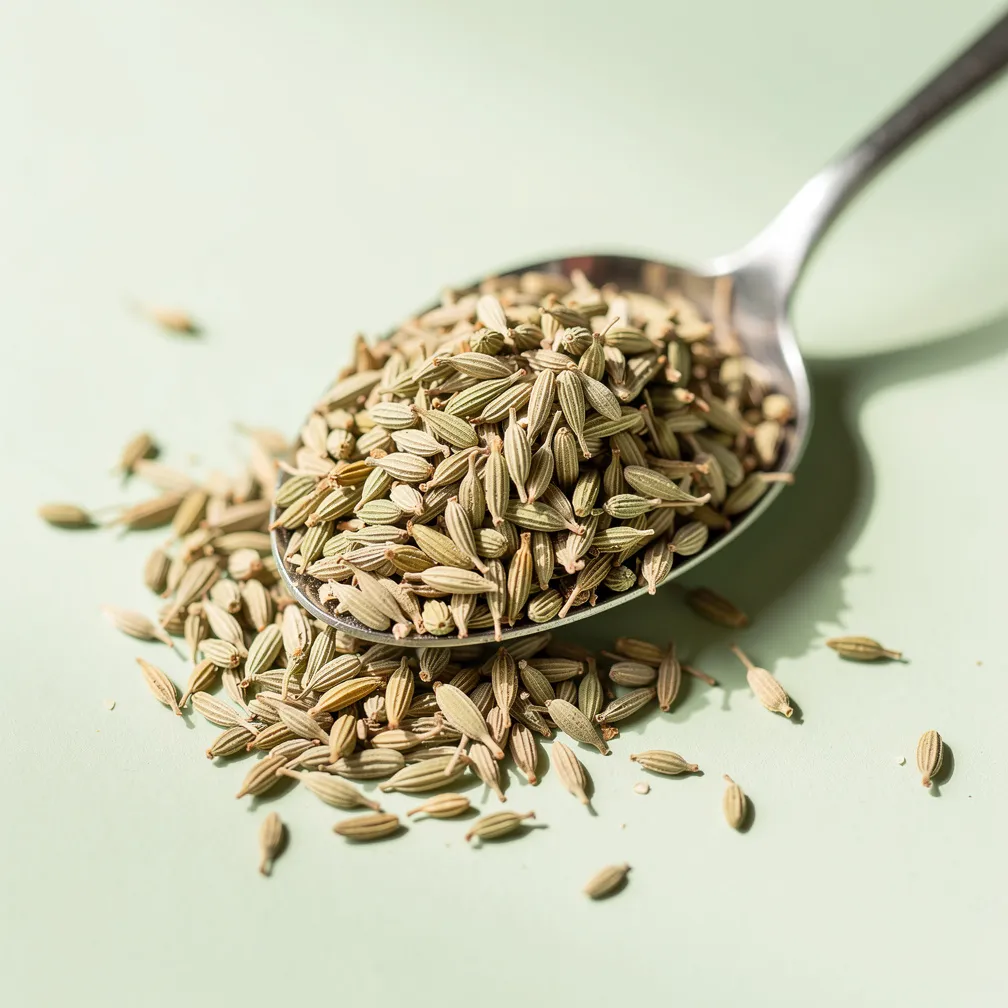
Fennel
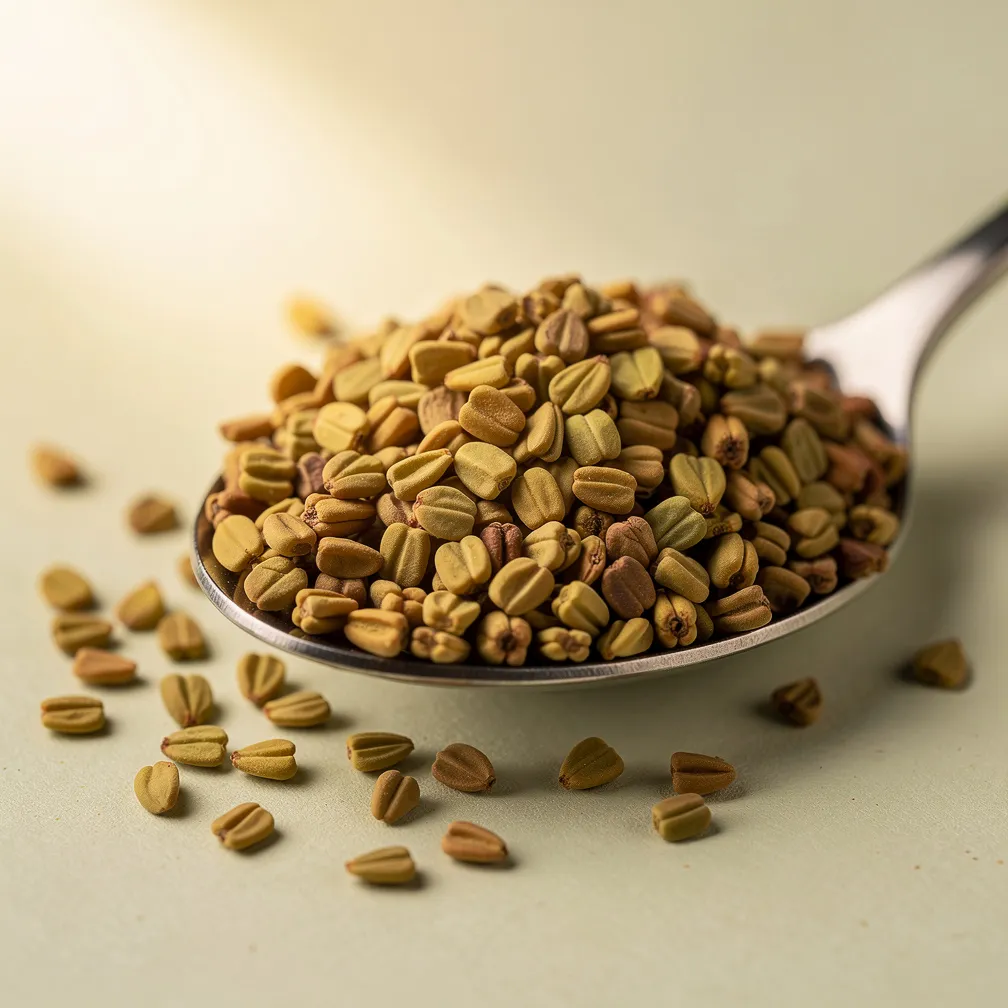
Fenugreek seed
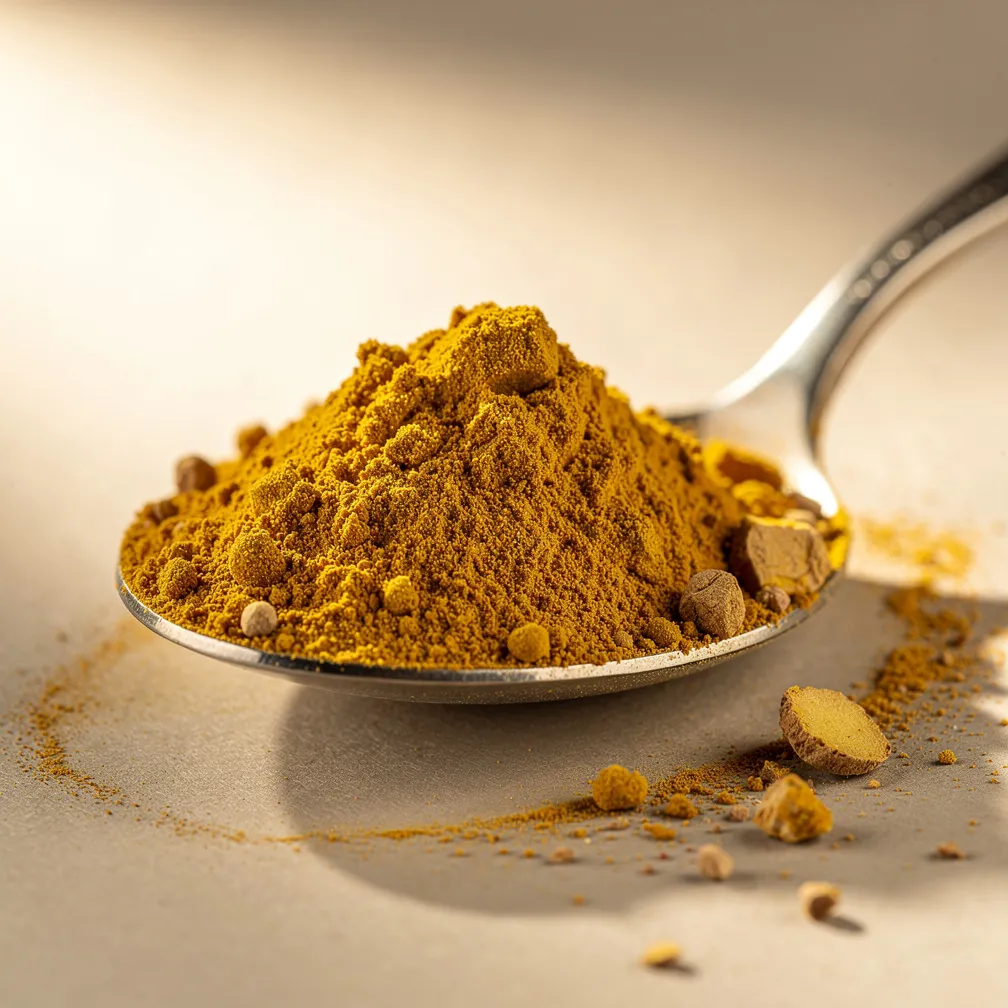
Ginger
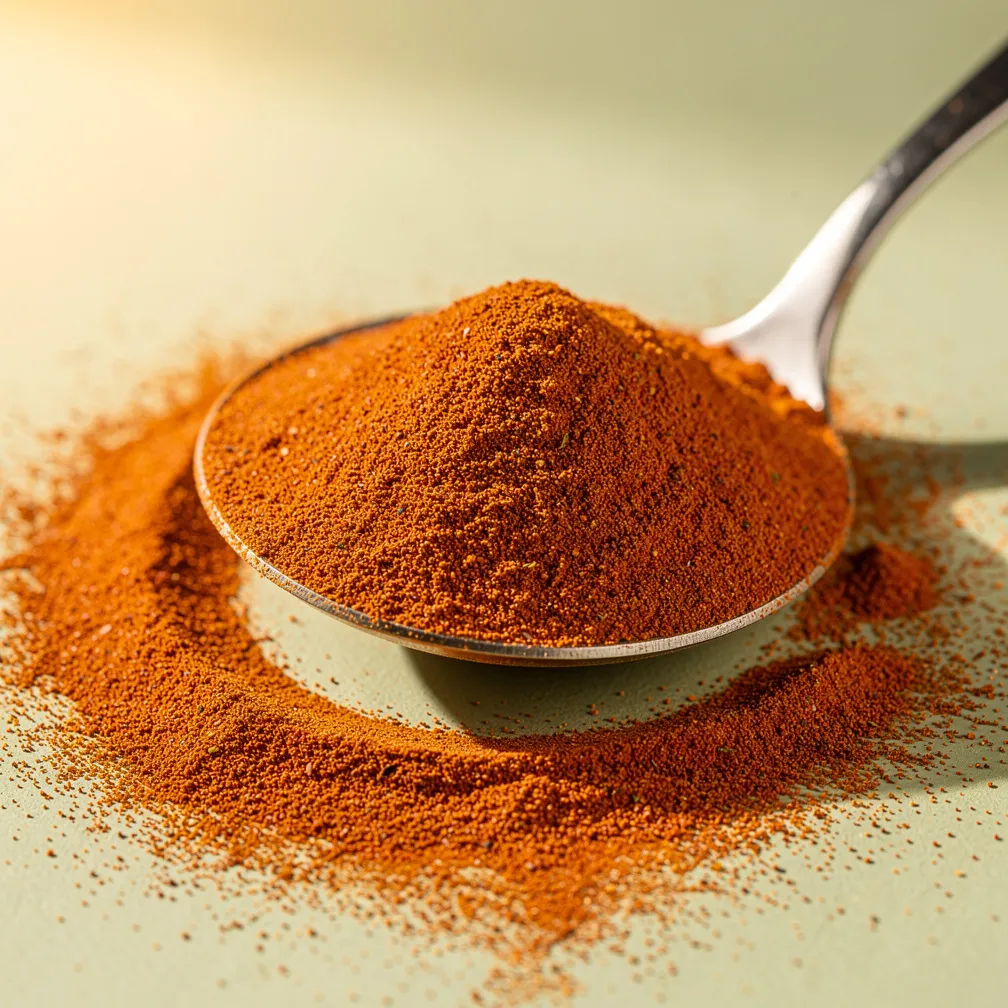
Ground mace
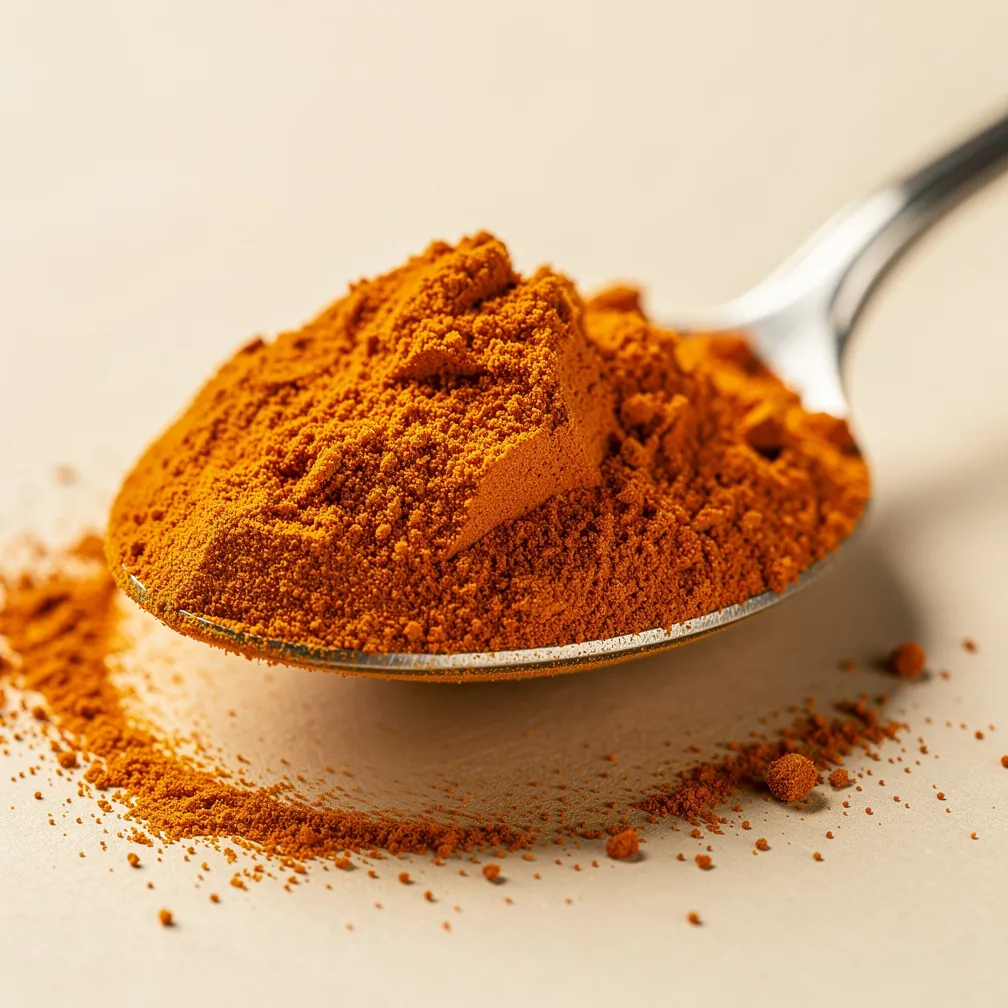
Ground turmeric
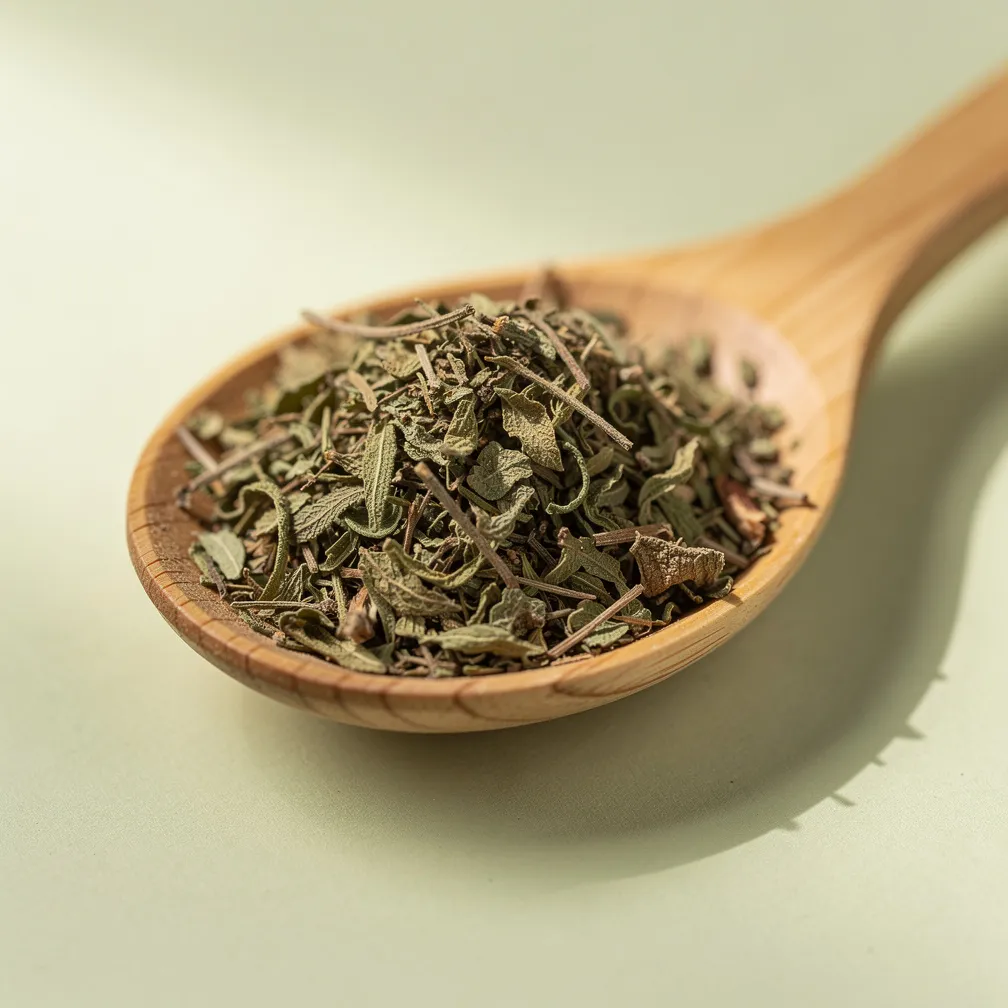
Marjoram
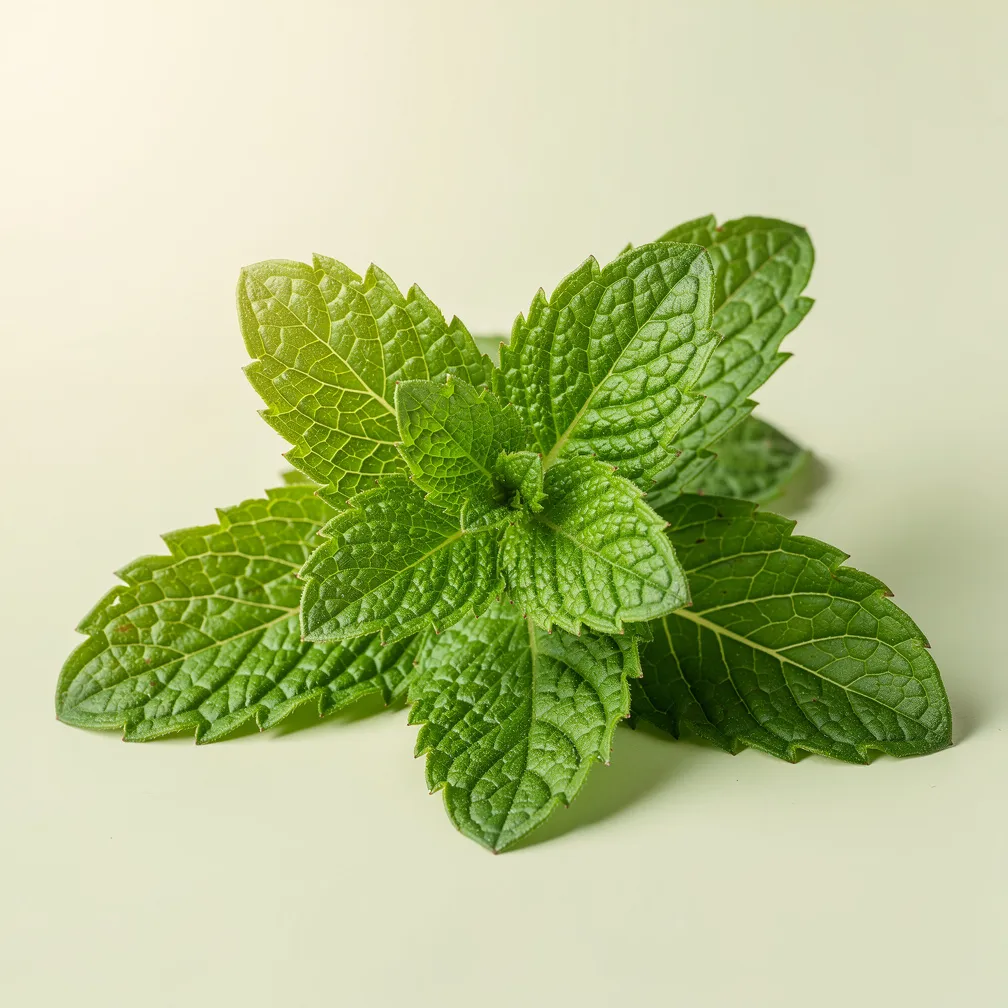
Mint
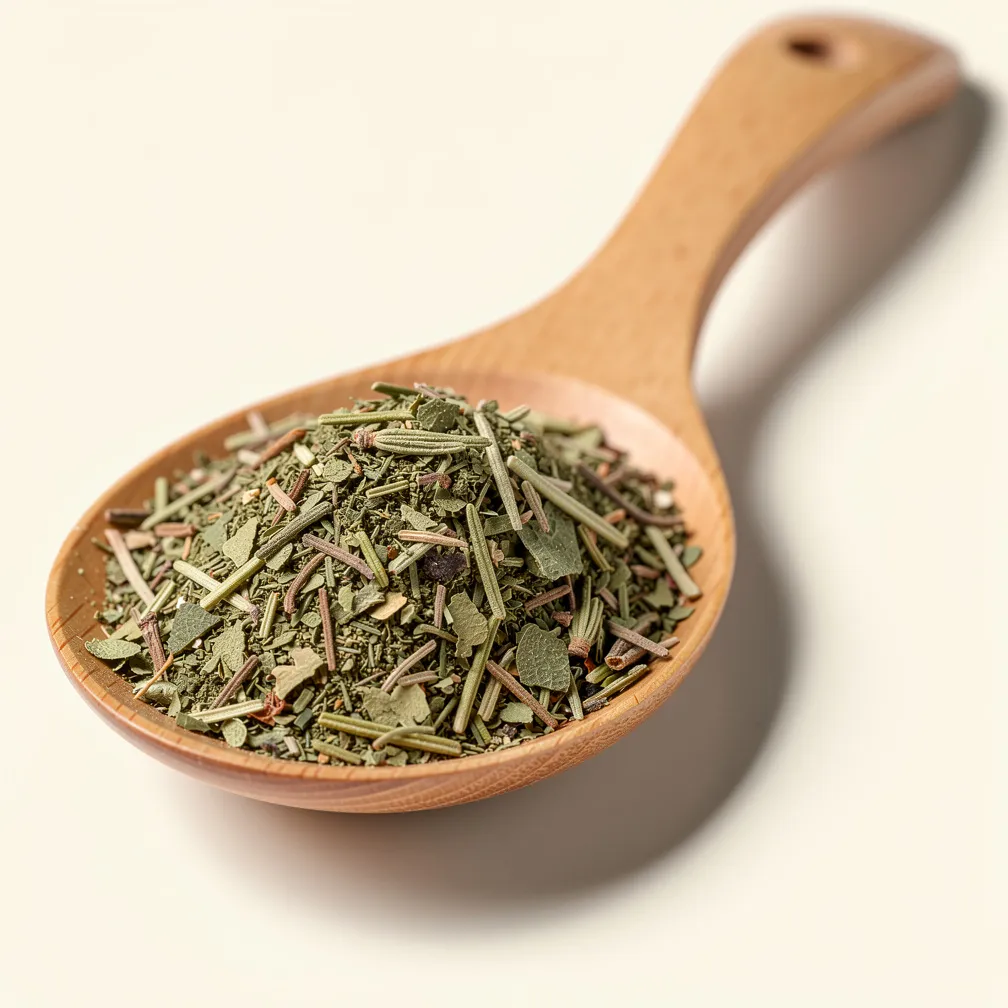
Mixed herbs
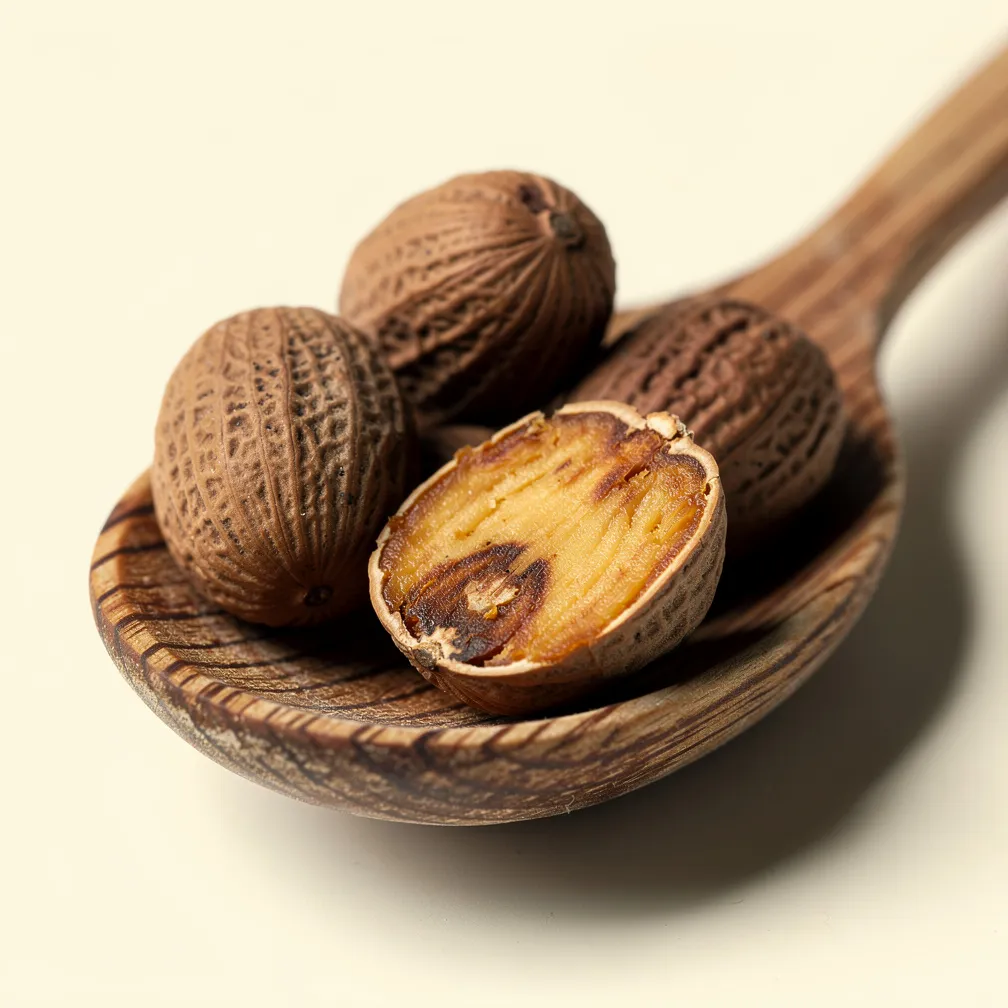
Nutmeg
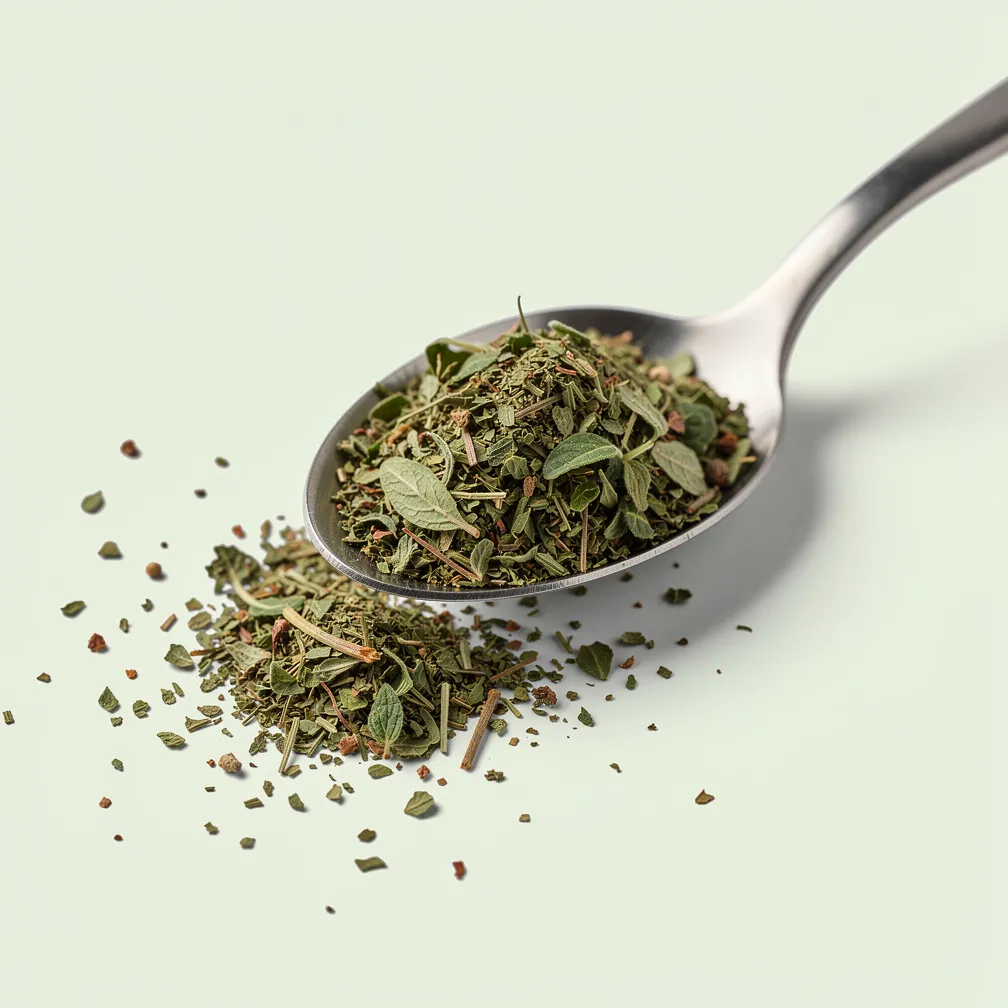
Oregano
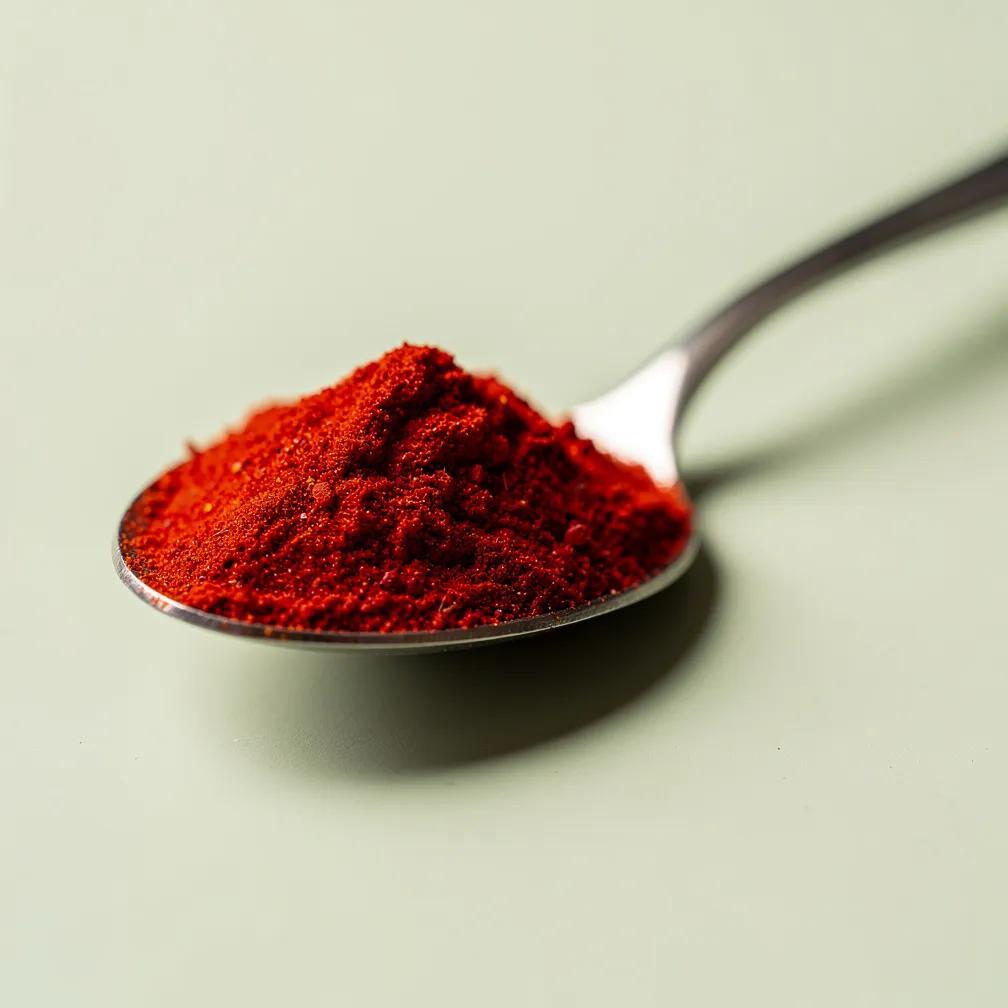
Paprika
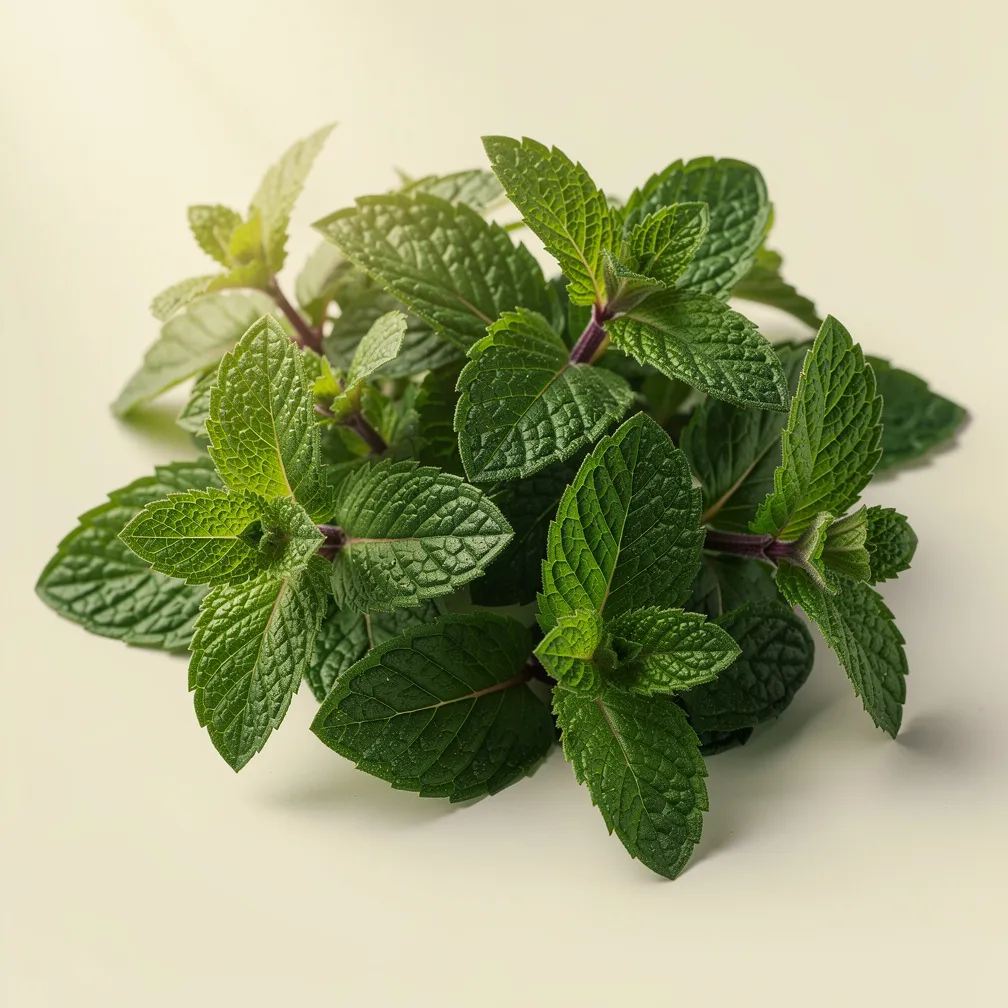
Peppermint
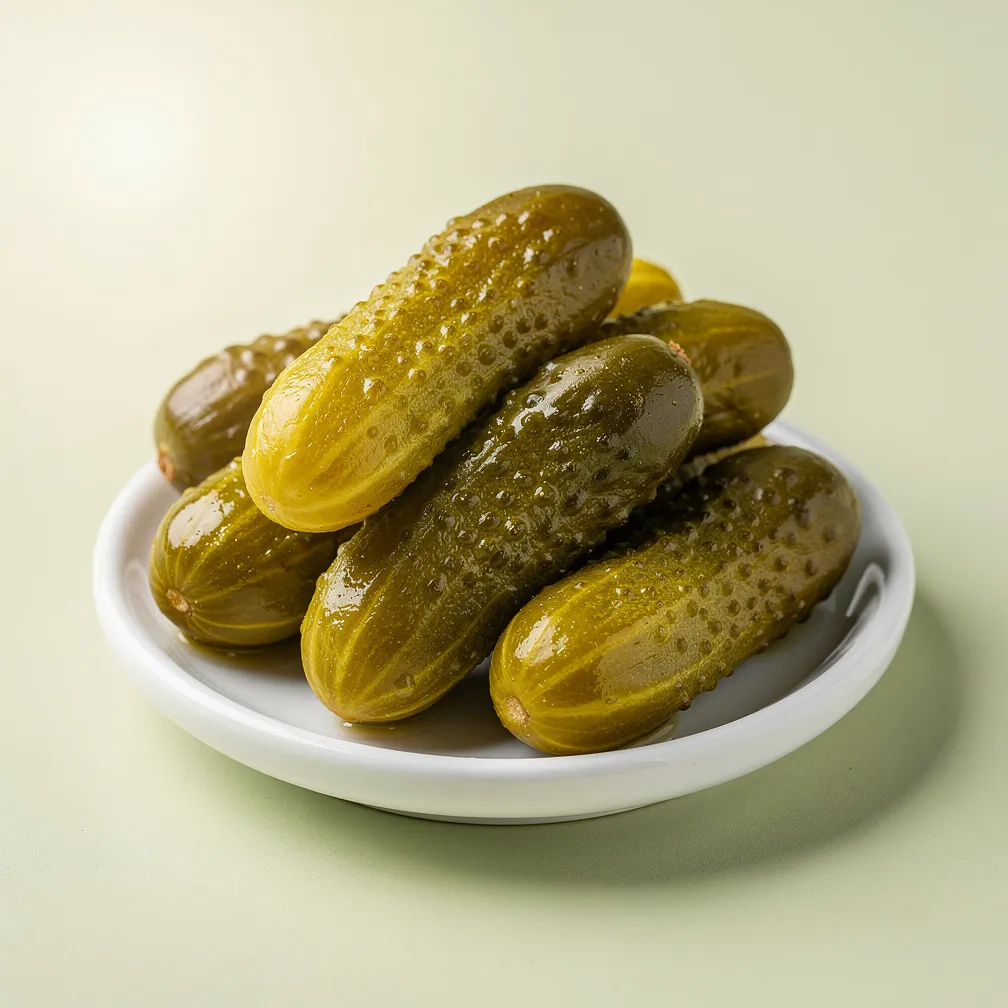
Pickled gherkin
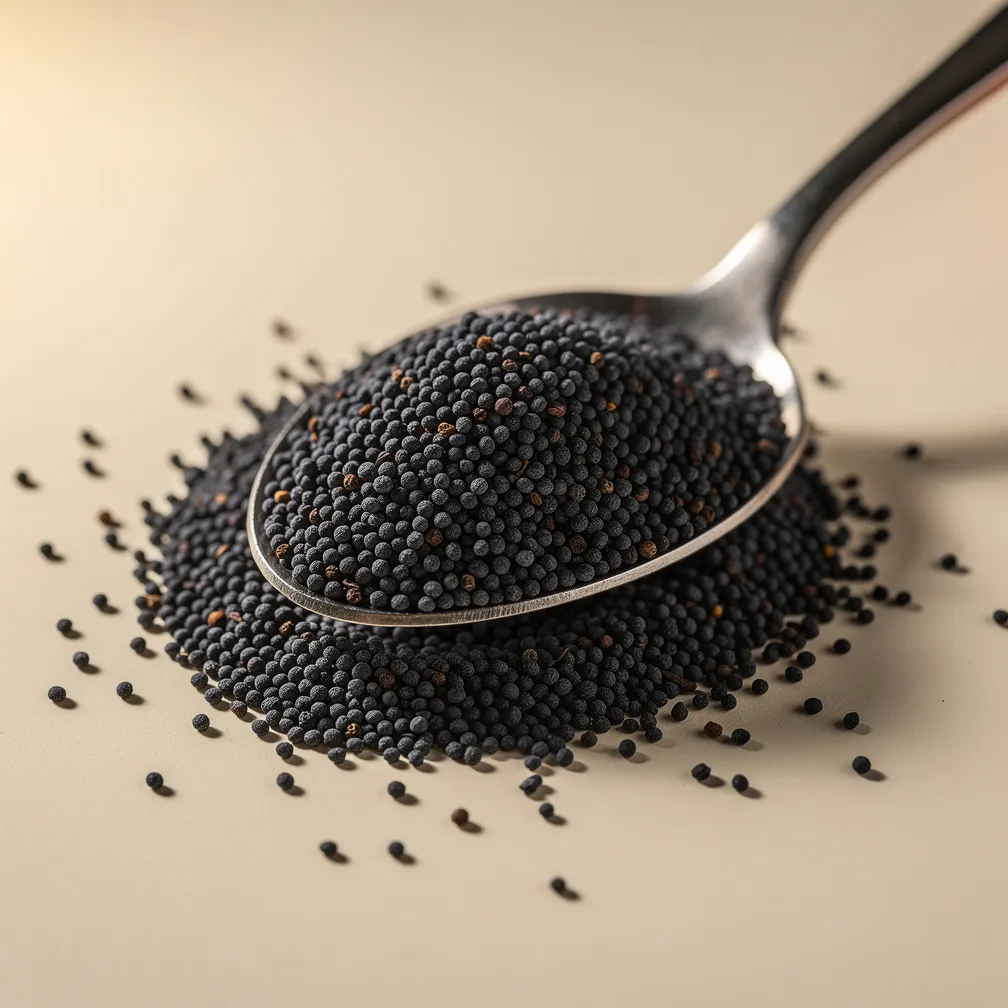
Poppy seed
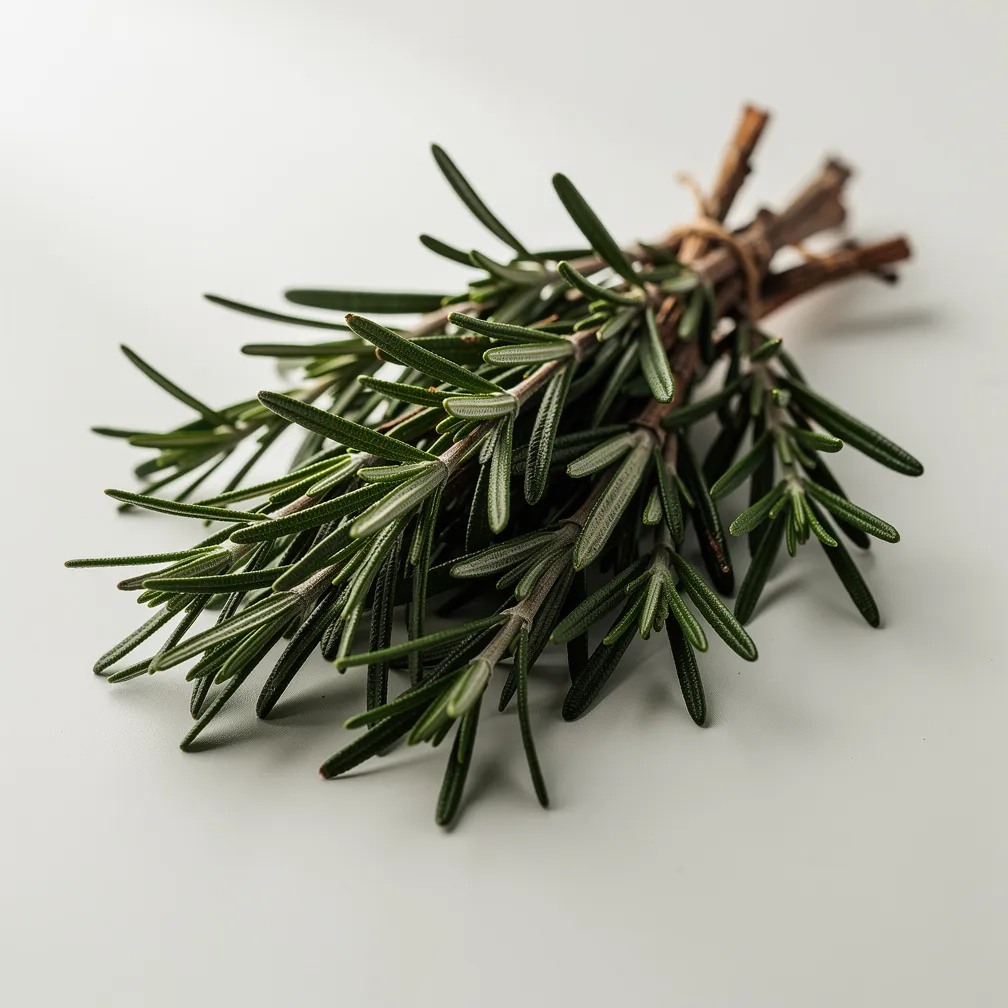
Rosemary
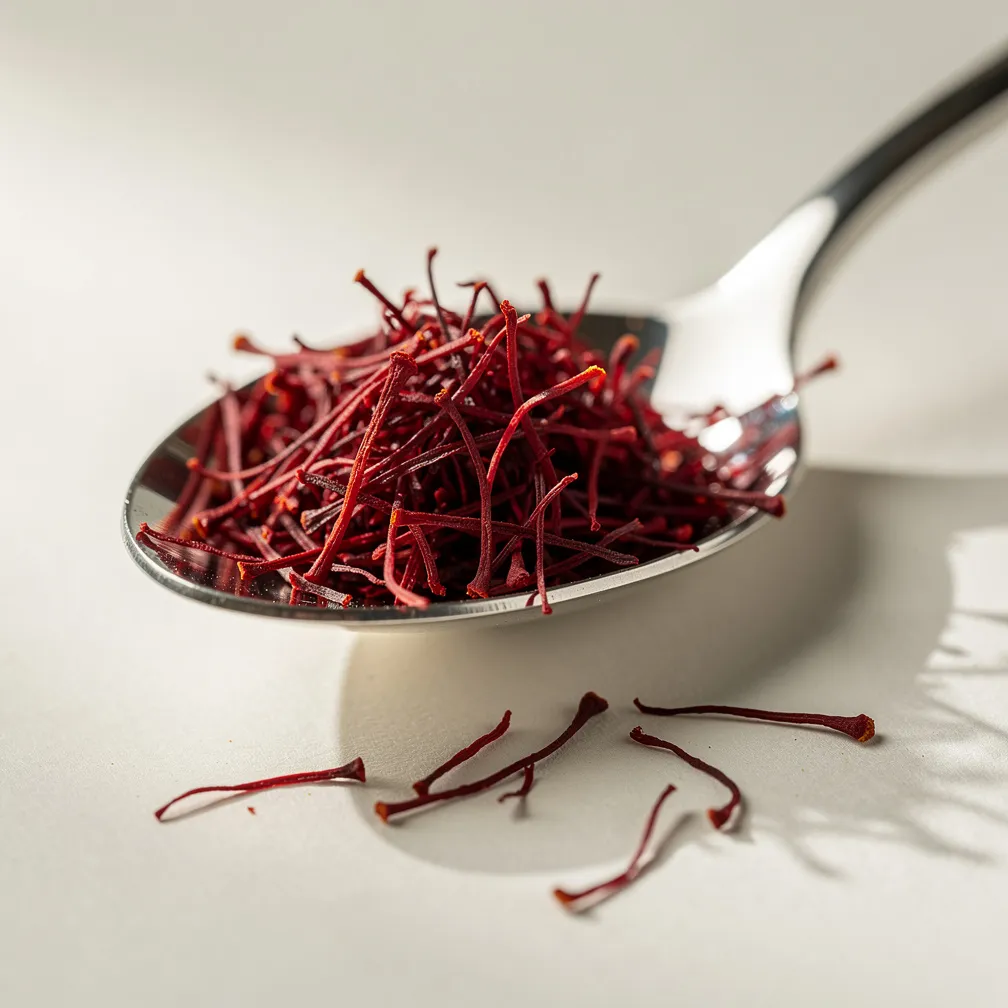
Saffron
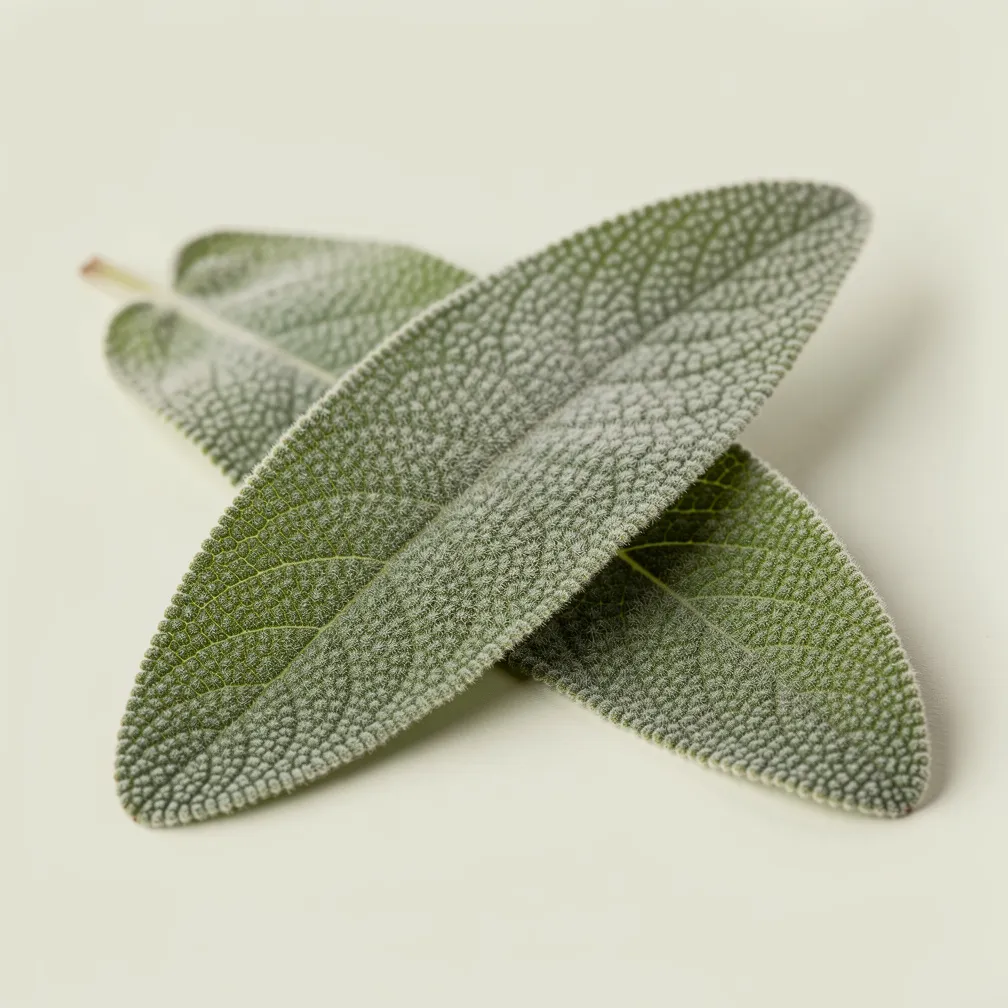
Sage
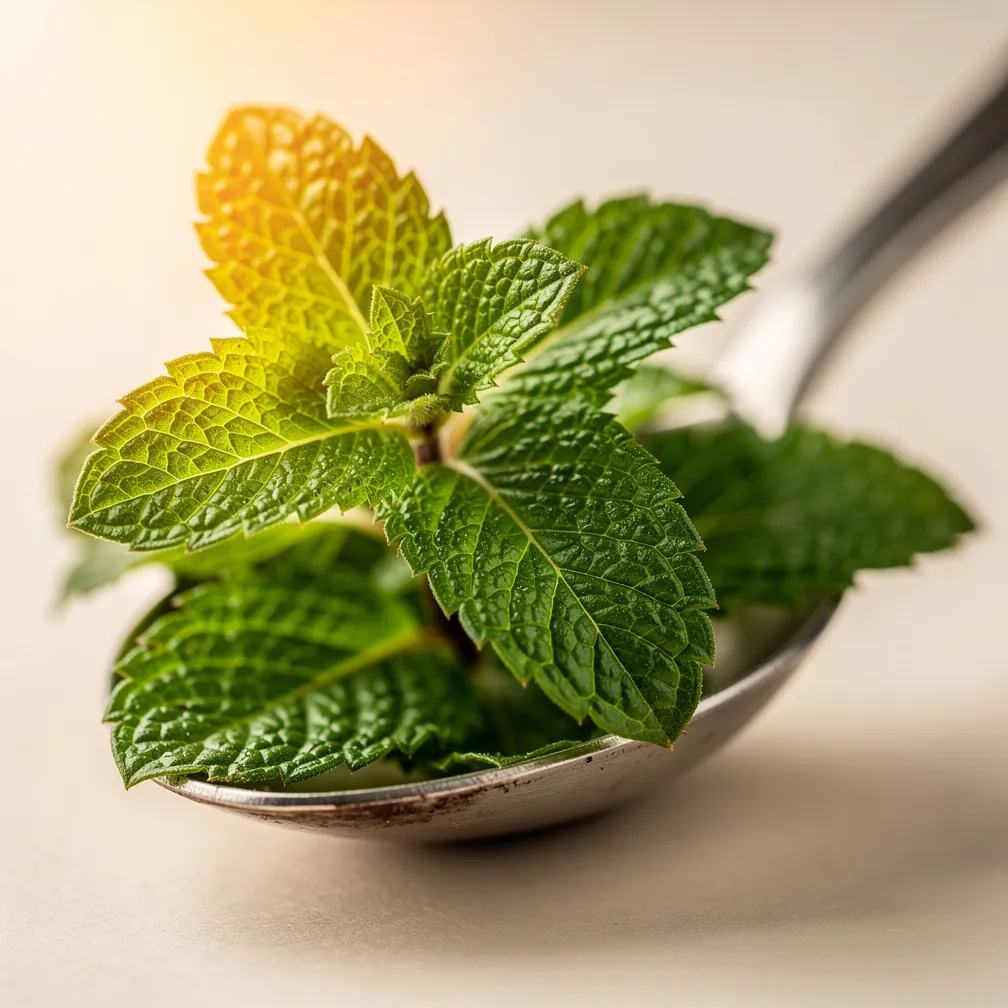
Spearmint
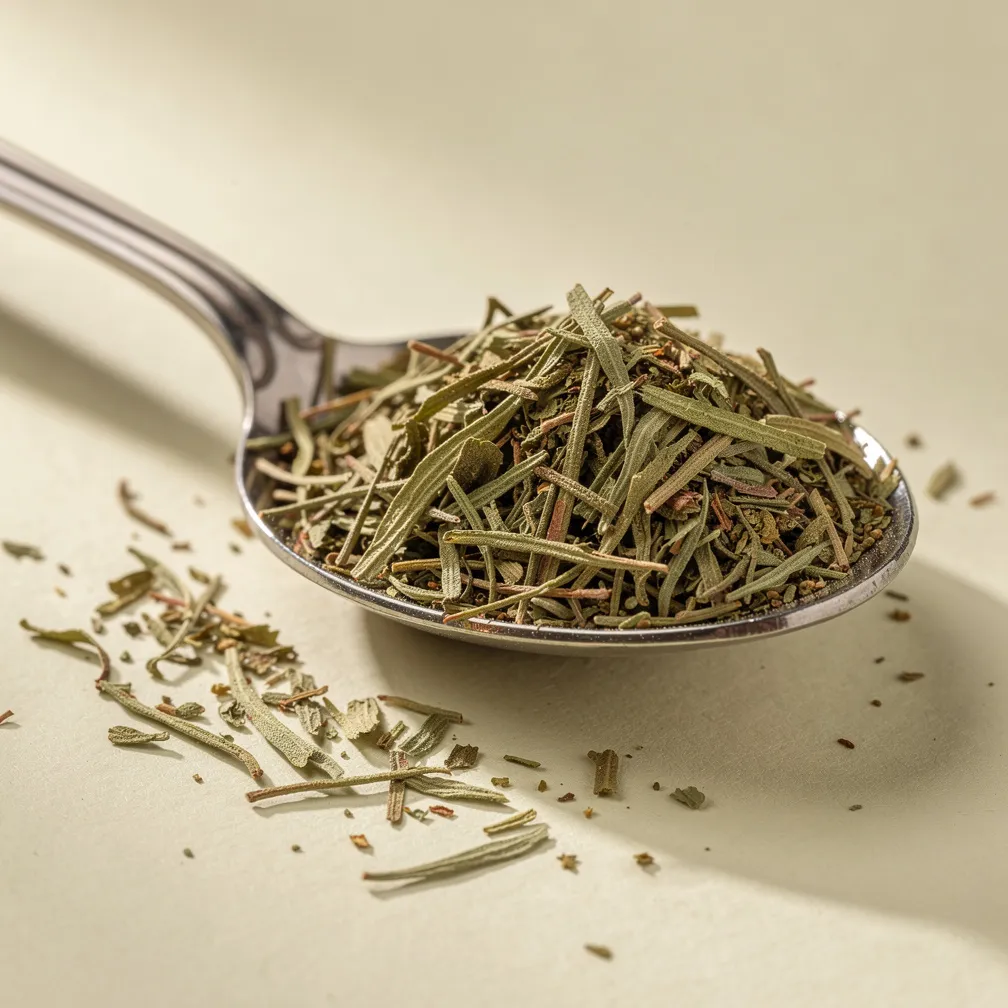
Tarragon
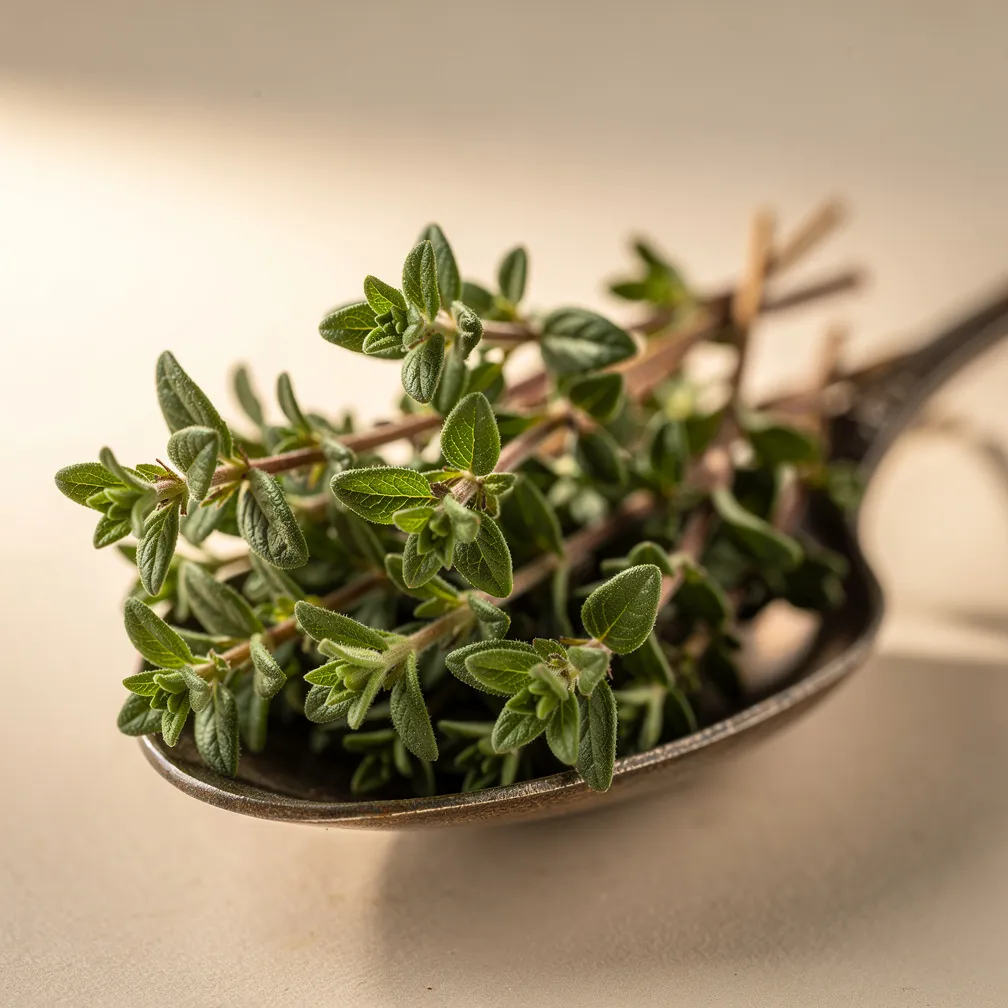
Thyme
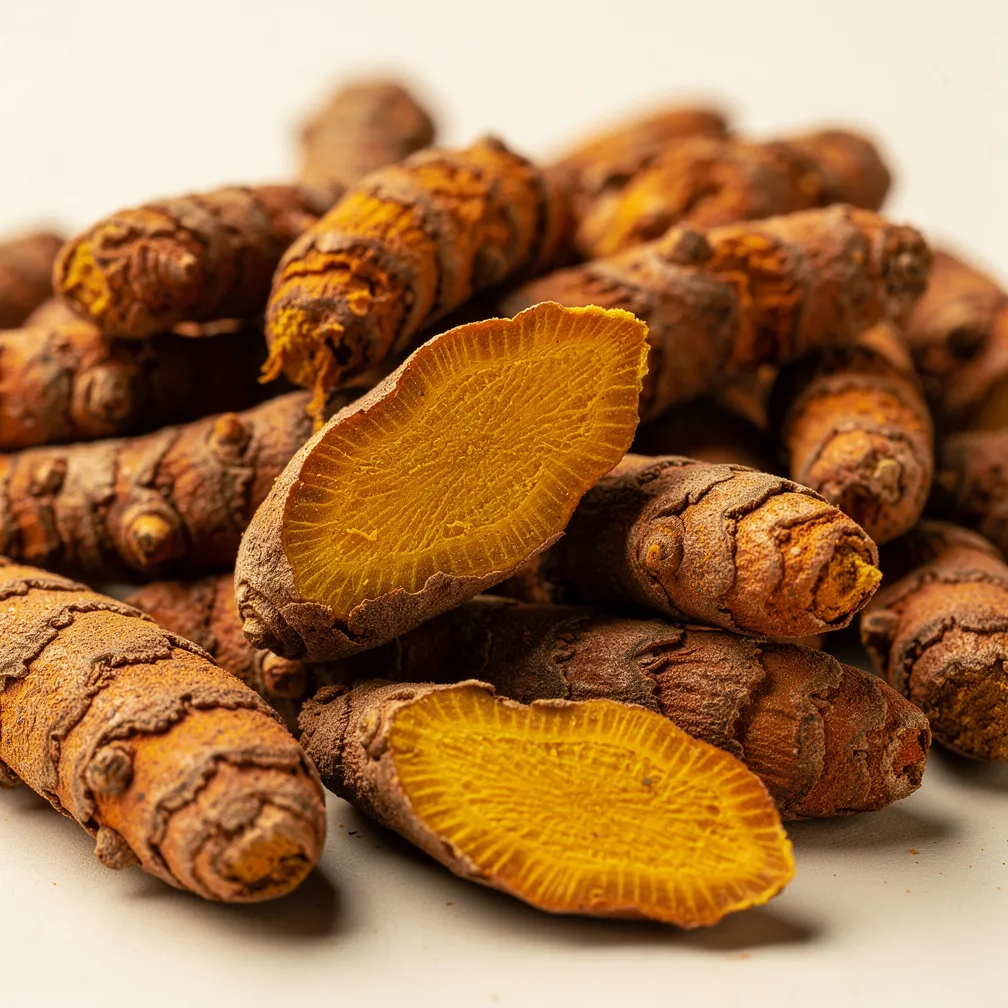
Turmeric
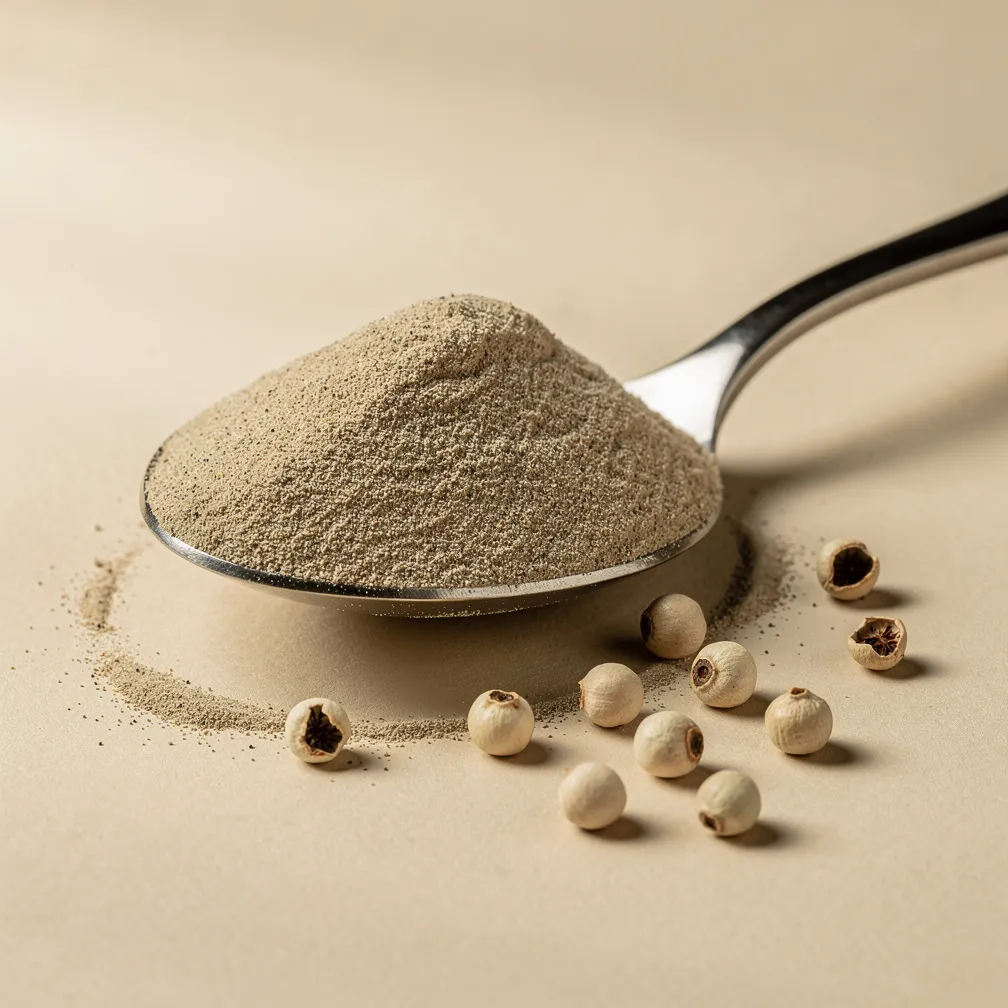
White pepper
Get Vnutri
Log meals, track daily totals, save favorites. Free on iOS and Android.