Other
17
The Other category is a catch-all for foods that don't fit neatly into mainstream groups like fruits, vegetables, grains, dairy, meat, or seafood. You'll find items here such as condiments, sauces, gelatin desserts, syrups, mixed prepared dishes, novelty snacks, food additives, and specialty ingredients. Because the category is so varied, the macronutrient profile ranges widely: some entries are mostly sugar or starch with a high glycemic index, others are largely fat or sodium-based, and a few are protein-forward. Vitamin and mineral contributions depend entirely on the specific item, with sodium, added sugars, and trace minerals being the most common nutrients of note. Diet compatibility should be checked product by product.
What kinds of foods fall under the "other" category?
This category collects items that don't belong to standard food groups, such as condiments, gravies, gelatin, syrups, baking ingredients, leavening agents, sauces, dips, and mixed convenience dishes. It also includes some specialty foods, meal replacements, and miscellaneous prepared items. Because the grouping is broad, nutrition facts vary dramatically from one entry to the next.
Are foods in the "other" category high in calories?
It depends on the specific product. Syrups, dessert sauces, and creamy dressings can deliver 250–500 kcal per 100 g, mostly from sugar or fat, while items like vinegar, mustard, or sugar-free gelatin contribute almost none. Checking the per-serving label is more reliable than category-level assumptions.
Do these foods fit into keto, low-FODMAP, or Mediterranean diets?
Compatibility varies by item. Many condiments contain added sugars, garlic, or onion that make them unsuitable for keto or low-FODMAP plans, while plain vinegar, mustard, and olive-oil-based sauces often work for Mediterranean and keto eating. Always review the ingredient list for hidden sugars, starches, or high-FODMAP additives like honey and inulin.
Why is the glycemic index of "other" foods so inconsistent?
The glycemic response depends on the carbohydrate source and processing. Syrups, jellies, and sweetened sauces typically score high (GI 60–80) because they contain rapidly absorbed sugars, while fat- or protein-based items like mayonnaise or bouillon have little to no measurable GI. Mixed dishes fall somewhere in between based on their fiber, fat, and starch content.
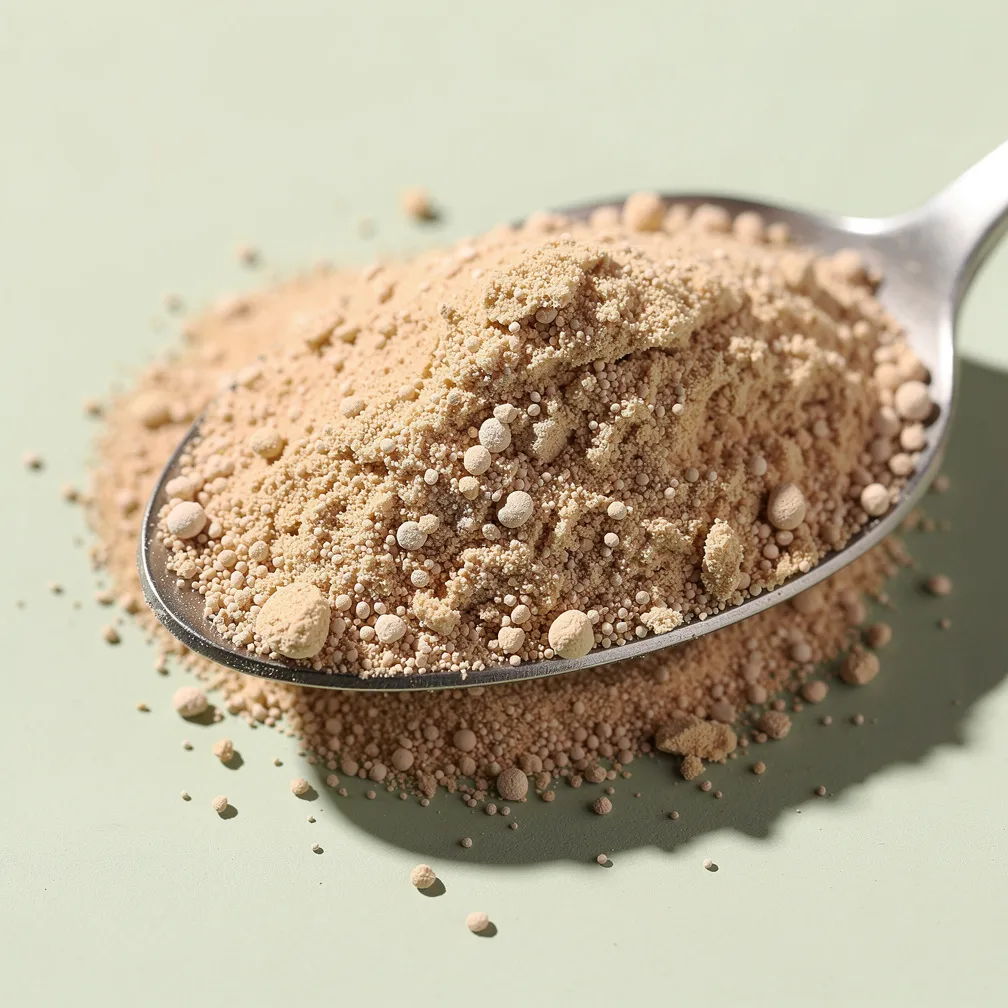
Active bakers yeast
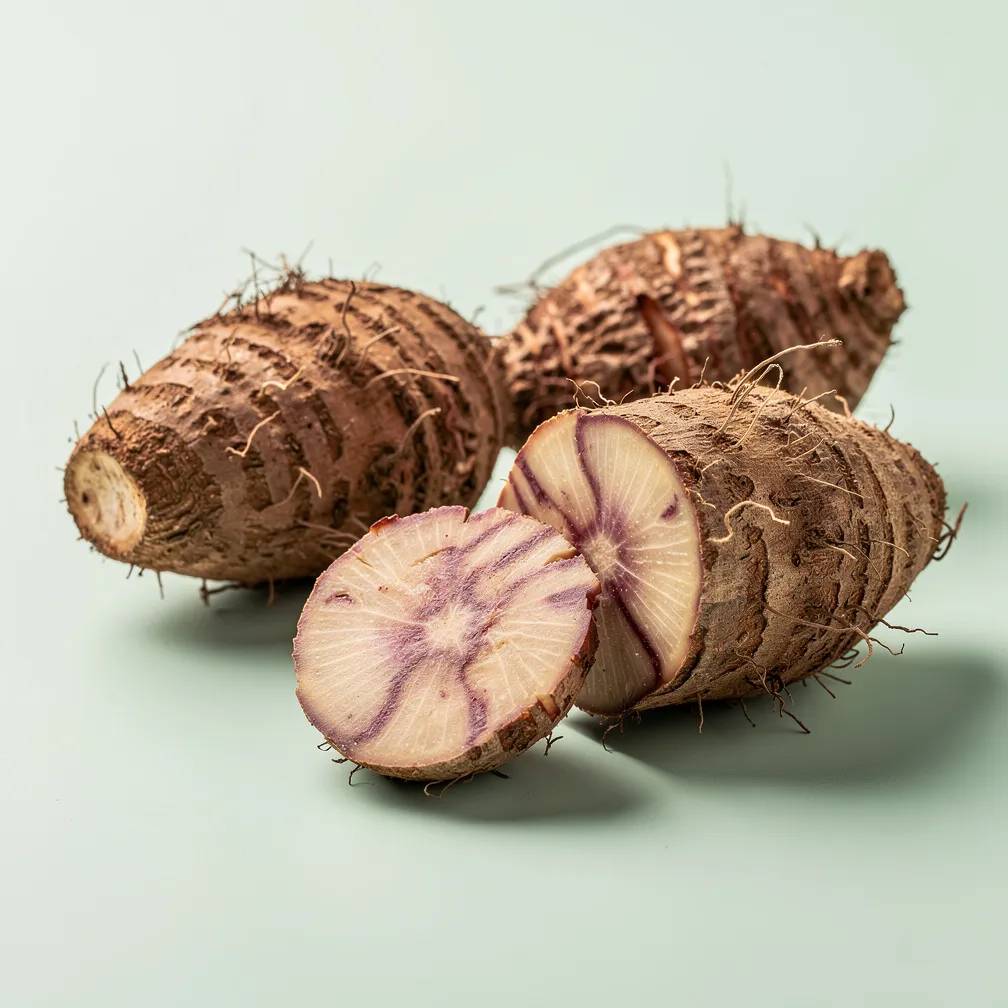
Compressed bakers yeast
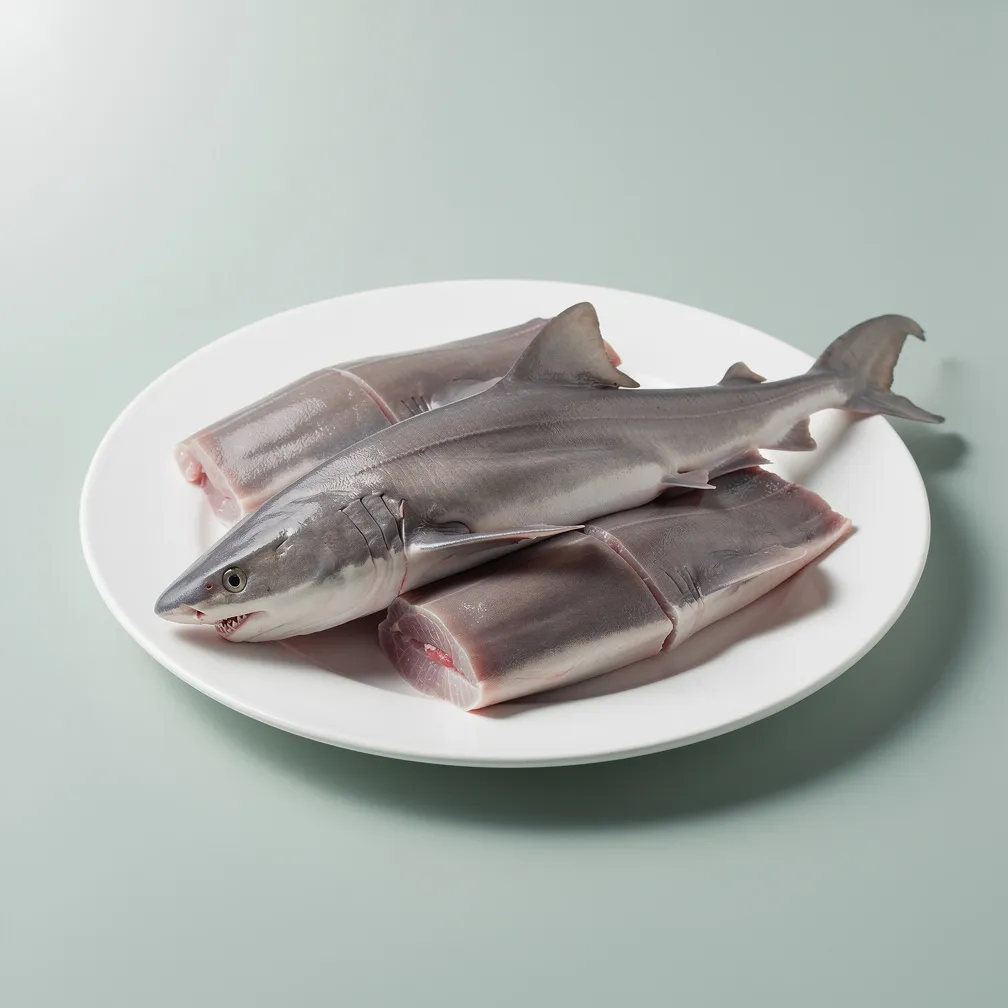
Dogfish
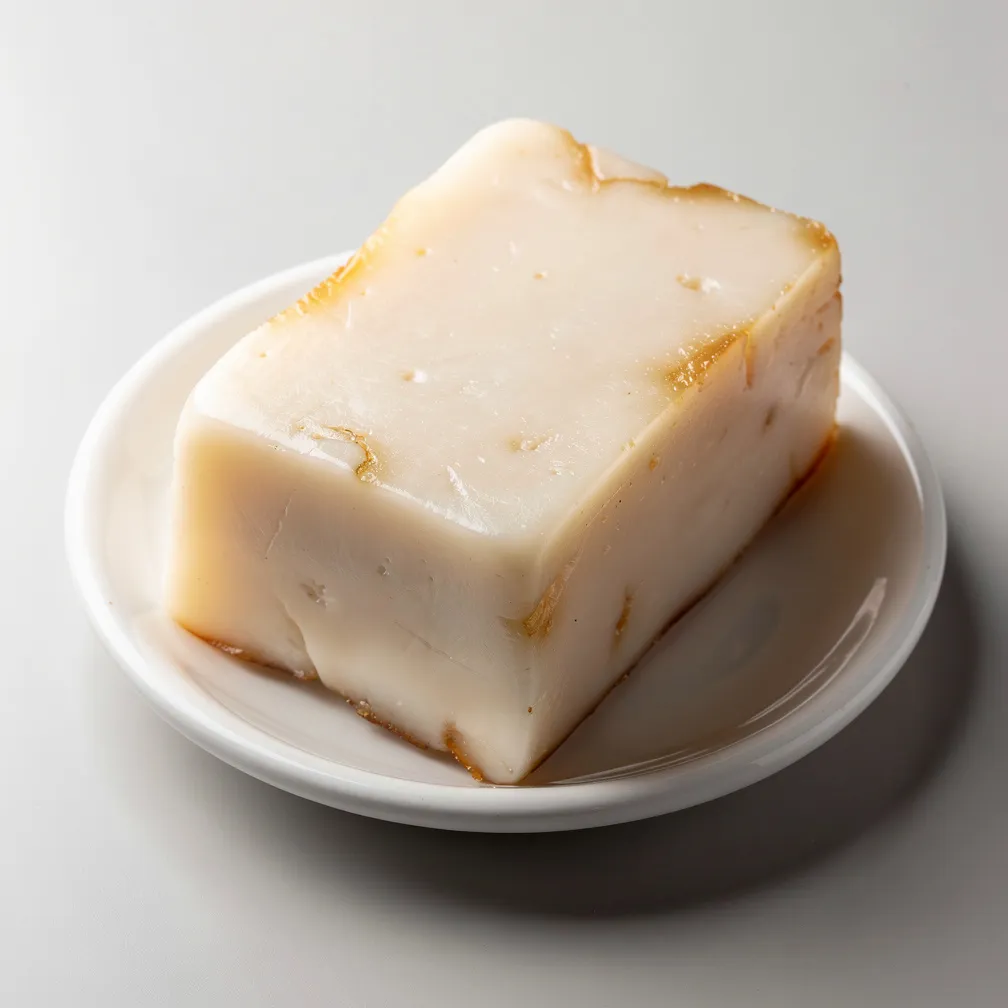
Dripping fat
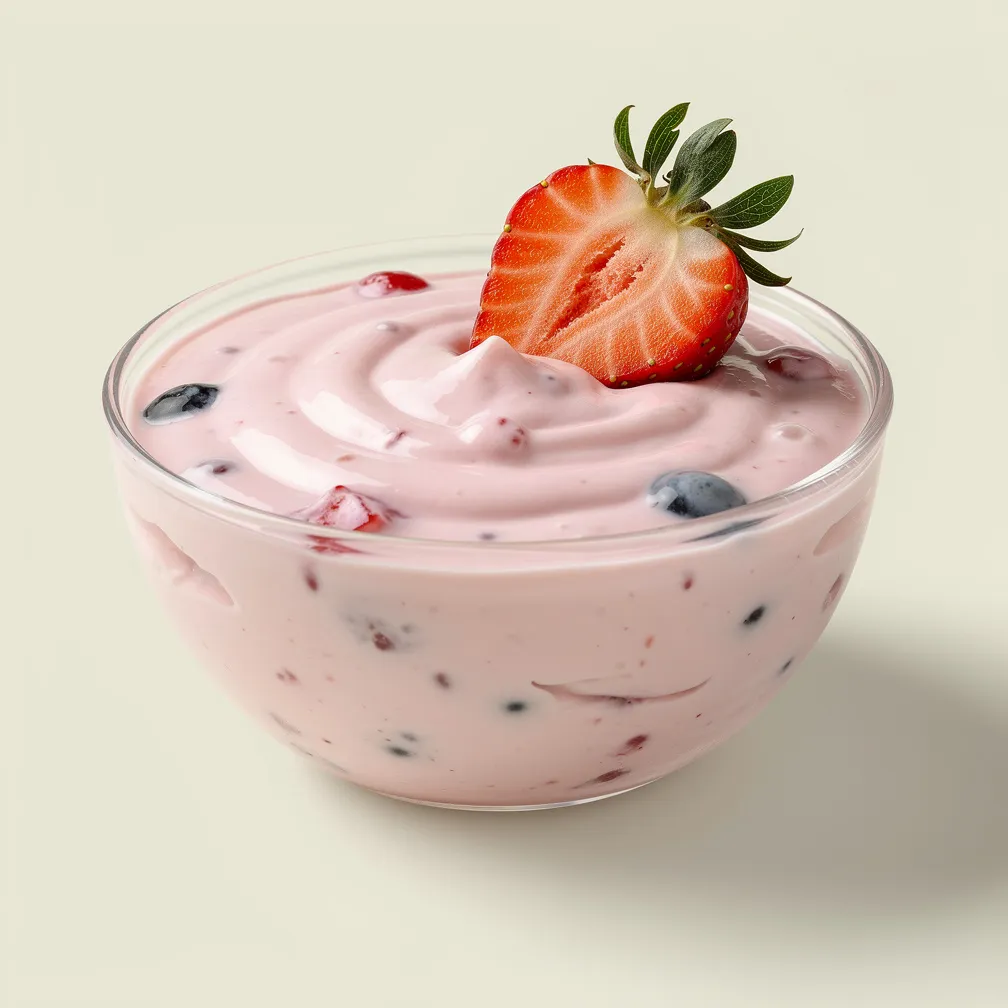
Fat-free yogurt
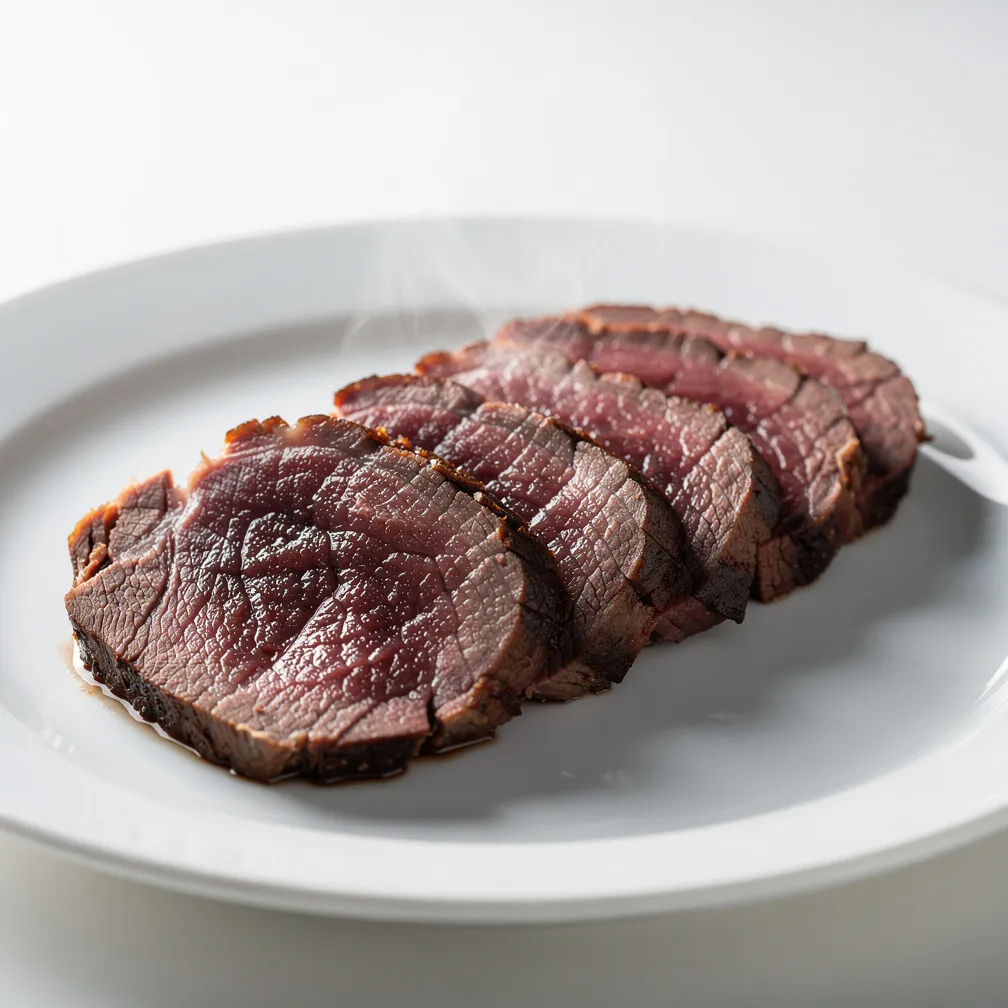
Hare
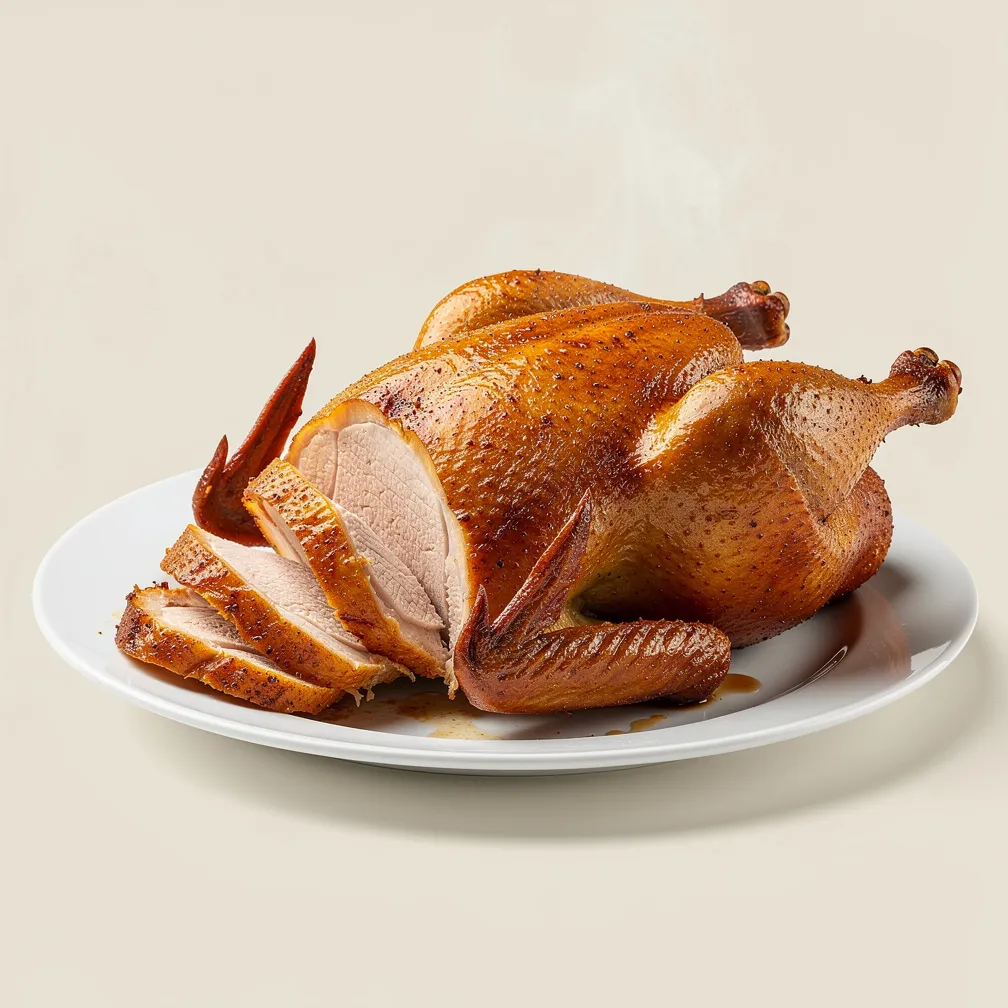
Hen
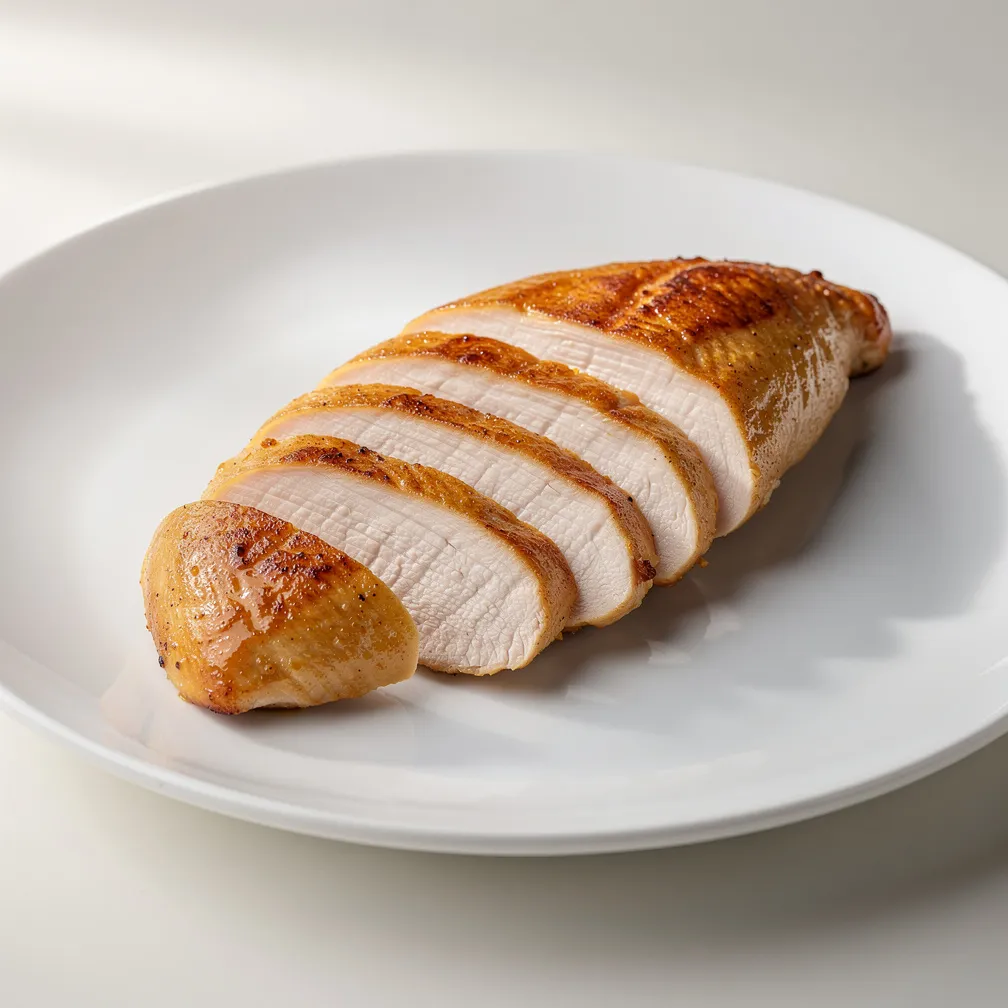
Hen fillet
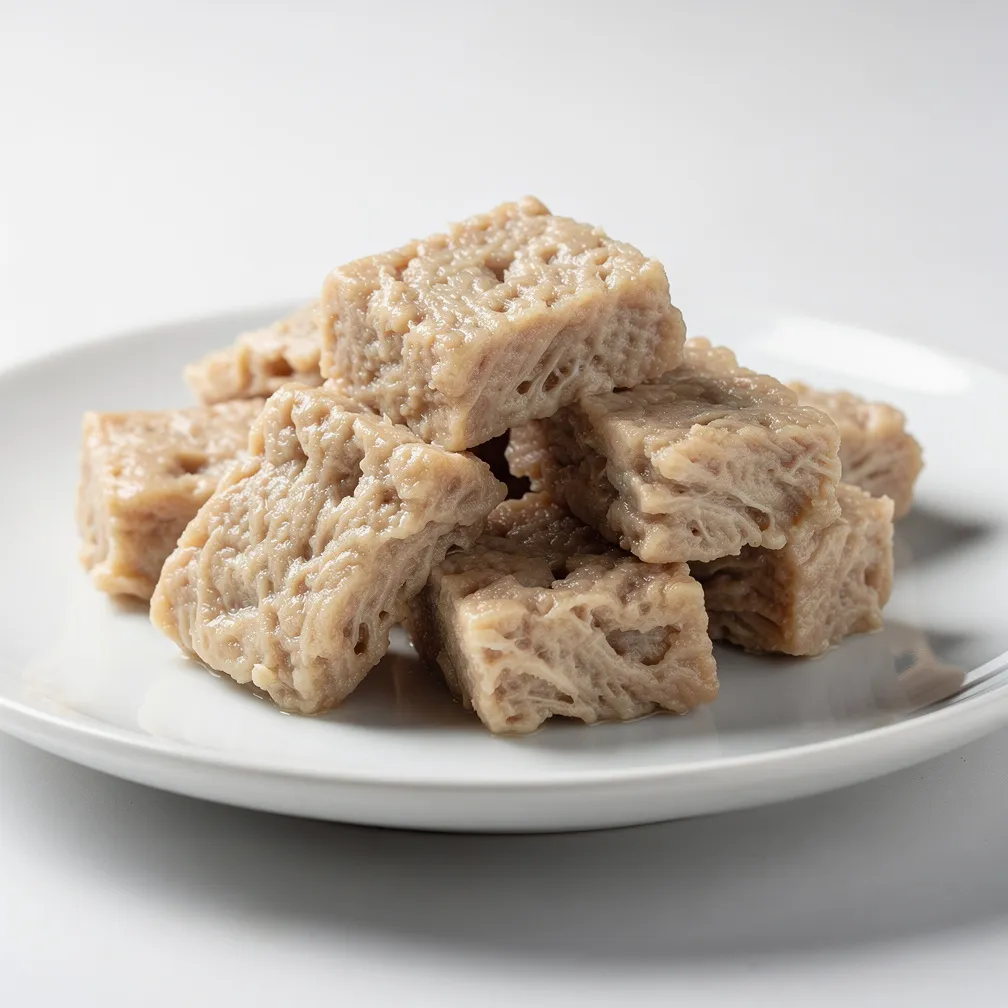
Mycoprotein
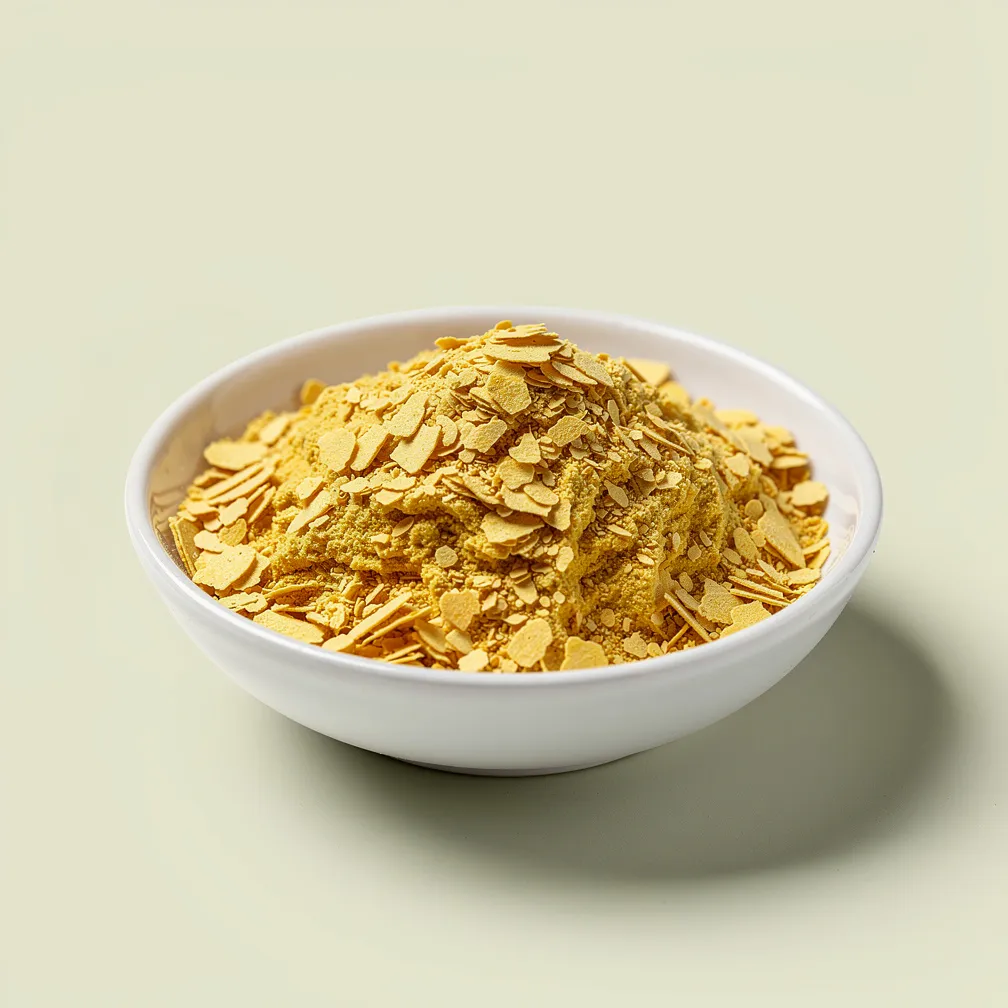
Nutritional yeast
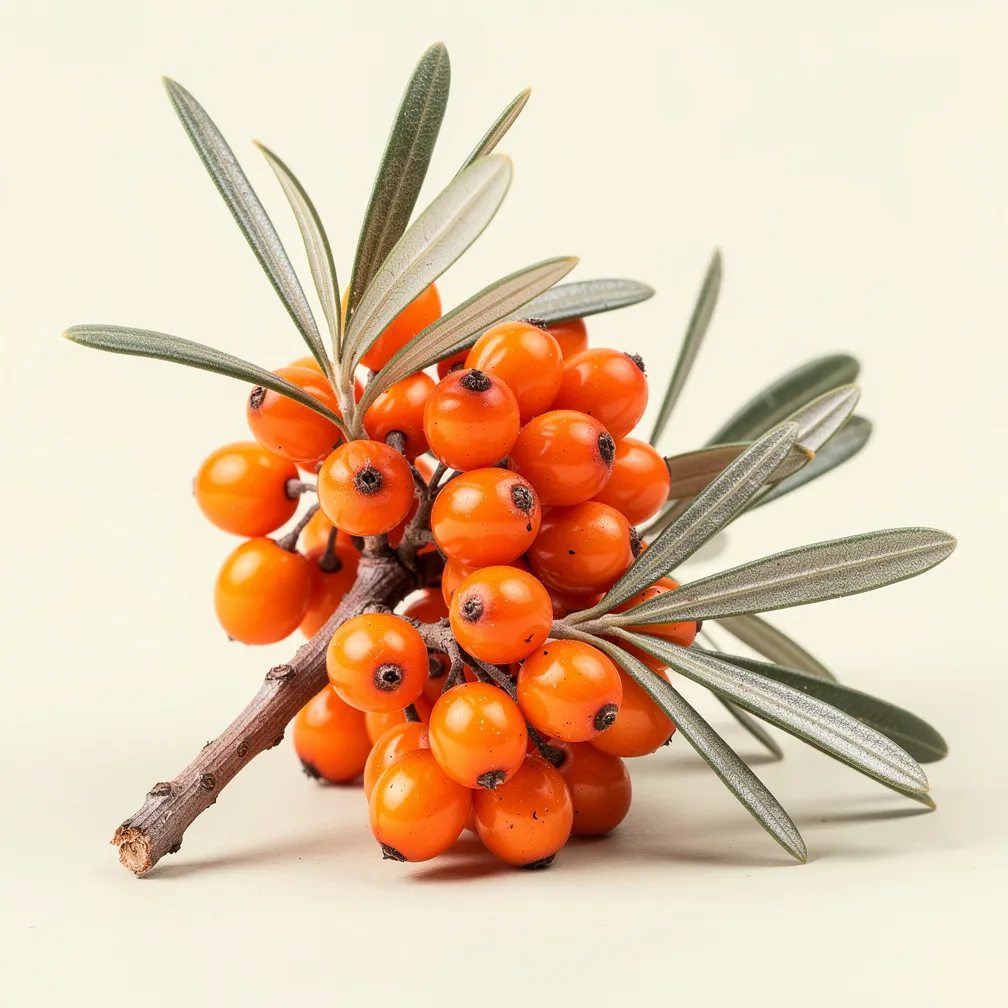
Sea buckthorn

Soy sauce
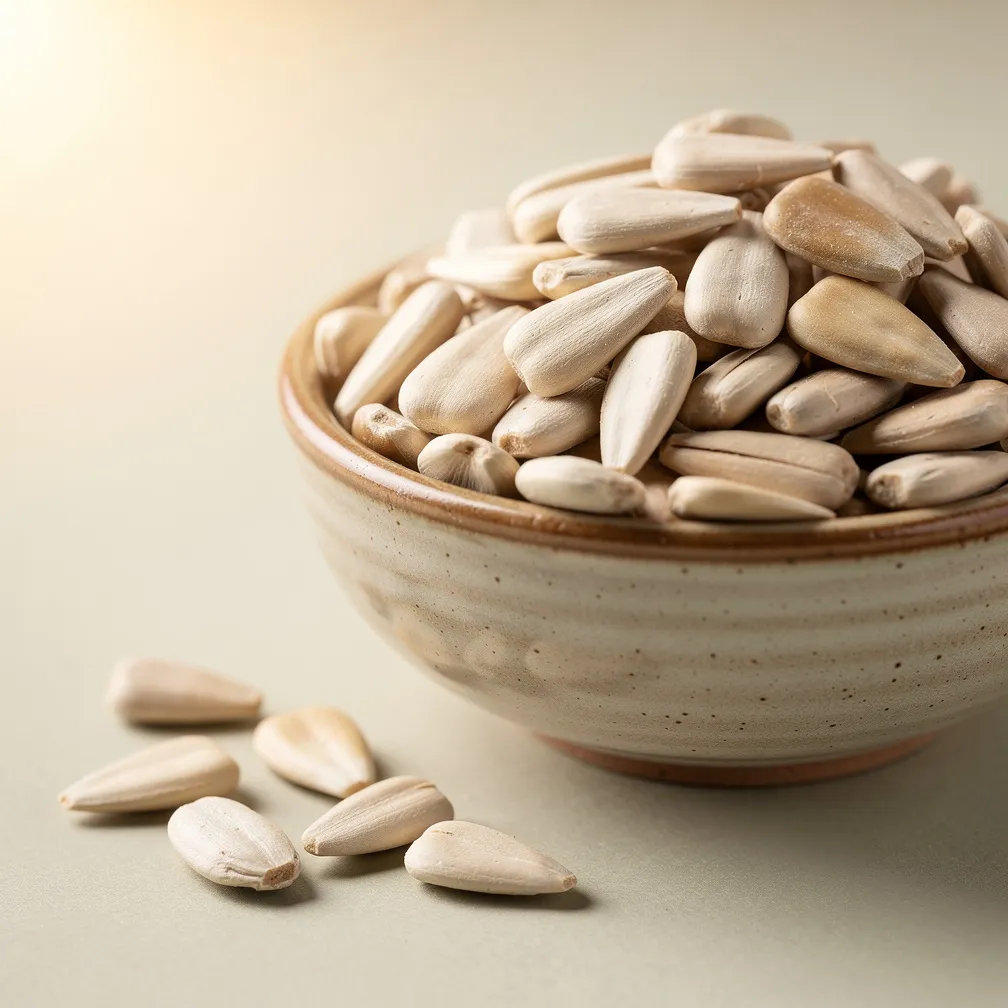
Sunflower seed
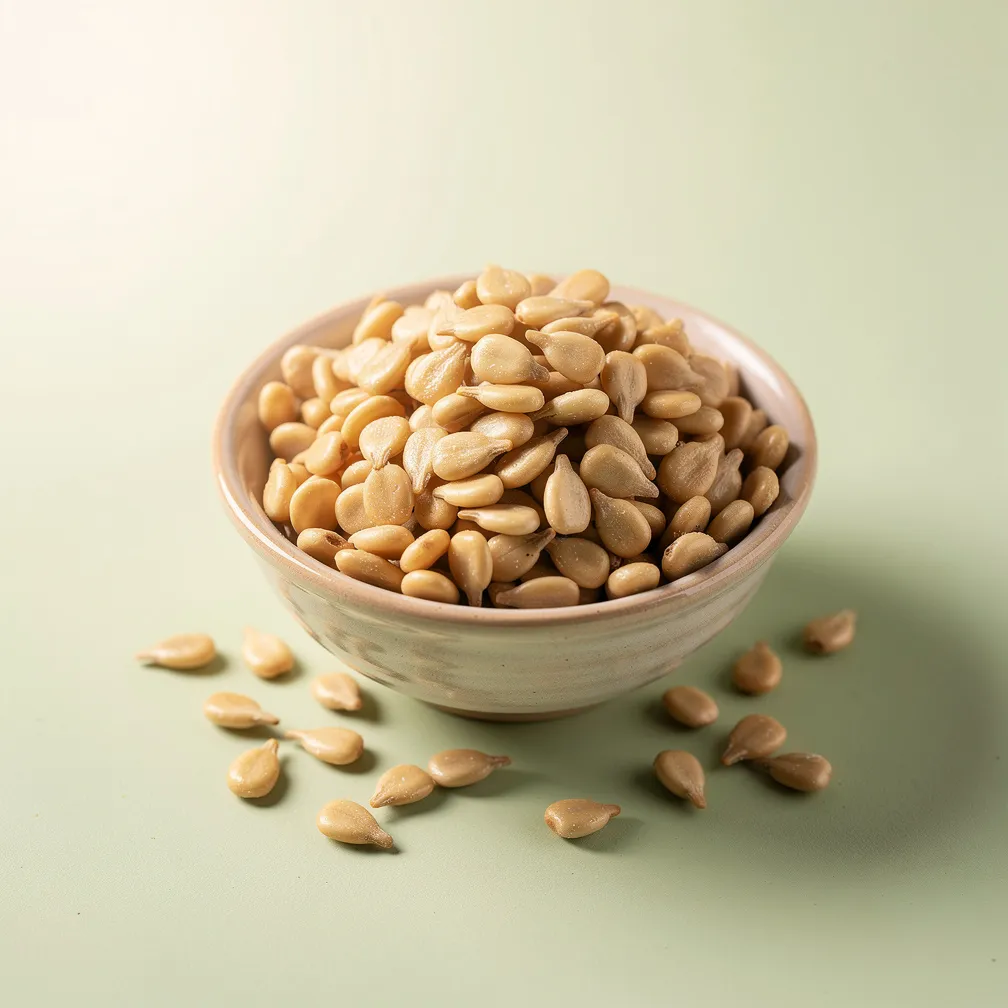
Sunflower seed kernels

Tapioca
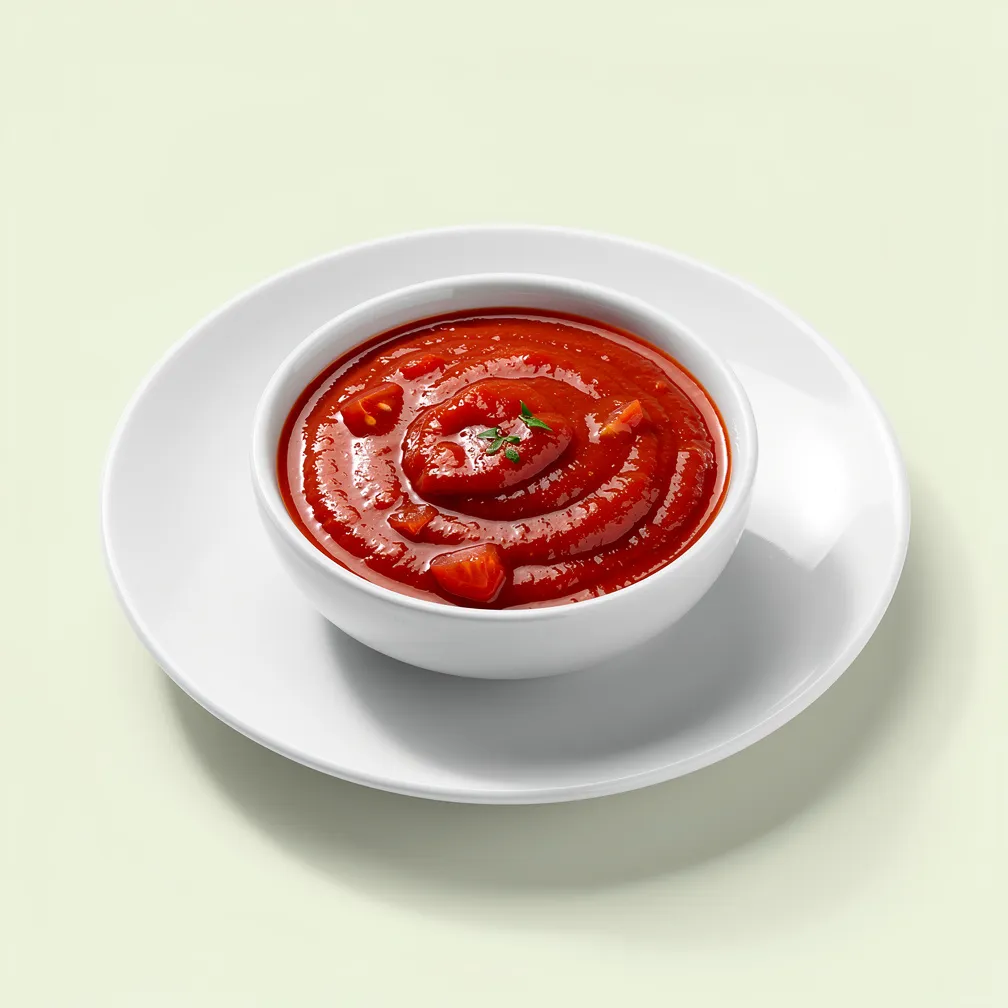
Tomato sauce
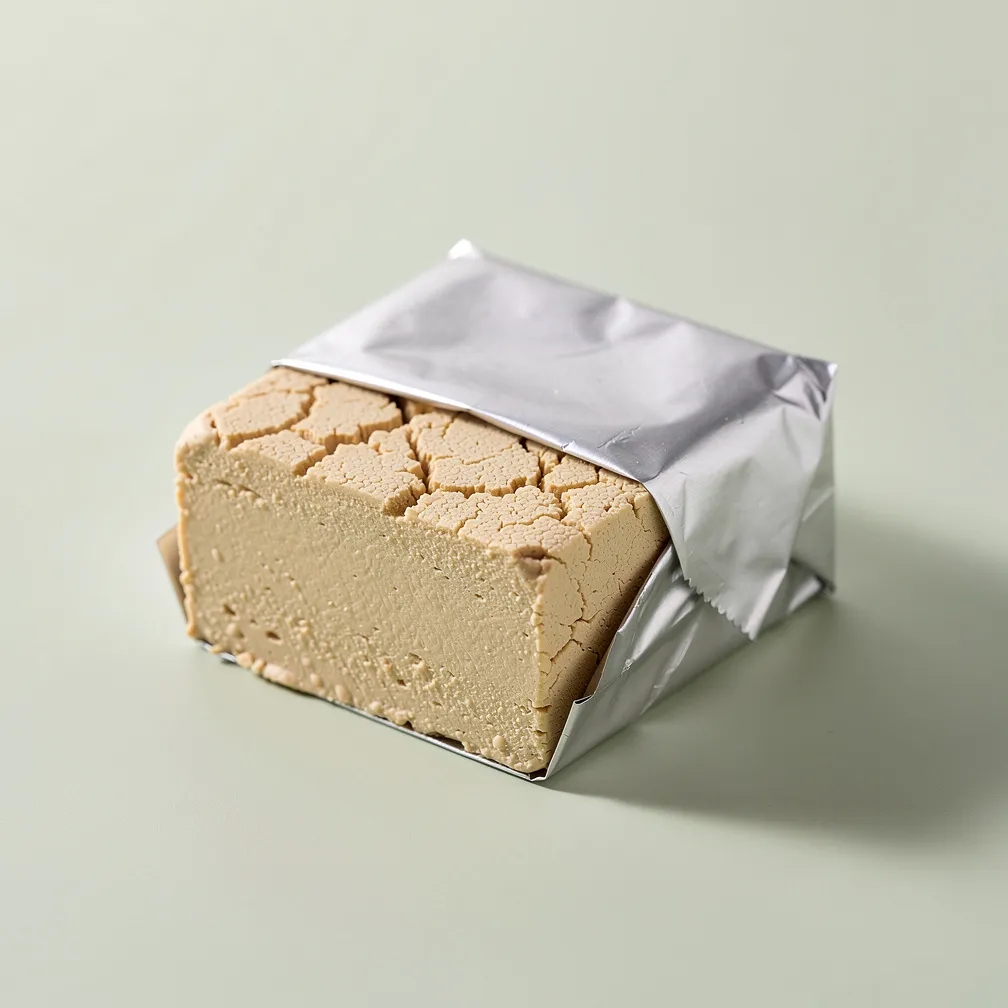
Yeast
Get Vnutri
Log meals, track daily totals, save favorites. Free on iOS and Android.