Legumes
25
The legumes category in our catalog covers beans, lentils, chickpeas, peas, soybeans, peanuts, and their derivatives like tofu, tempeh, and edamame. Macronutrient-wise, most legumes are carb-forward (roughly 45-60% of calories from complex carbohydrates) with a substantial protein share (20-30%) and low fat content, with peanuts and soybeans being notable exceptions for their higher fat profile. They are rich in plant protein, dietary fiber, folate, iron, magnesium, potassium, zinc, and B vitamins. Their high fiber content and resistant starch typically place them in the low-to-moderate glycemic index range. Legumes fit well into Mediterranean, vegetarian, vegan, DASH, and plant-based diets, though they are generally excluded from strict keto and certain low-FODMAP phases.
Are legumes a complete protein?
Most legumes are lower in the amino acid methionine, so they are not considered complete proteins on their own. Soybeans and products like tofu and tempeh are exceptions and contain all nine essential amino acids in adequate amounts. Pairing legumes with grains such as rice, wheat, or corn over the course of the day provides a complementary amino acid profile.
Why do beans and lentils cause gas?
Legumes contain oligosaccharides like raffinose and stachyose that human digestive enzymes cannot break down, so gut bacteria ferment them in the colon, producing gas. Soaking dried beans, discarding the soaking water, and cooking thoroughly reduces these compounds. Rinsing canned legumes and gradually increasing intake also helps the gut microbiome adapt over time.
What is the glycemic index of lentils and chickpeas?
Lentils typically have a glycemic index between 25 and 35, and chickpeas fall in the 28 to 36 range, both classified as low GI. This is due to their high content of soluble fiber, resistant starch, and protein, which slow carbohydrate absorption. They tend to produce a more gradual blood glucose response compared with refined grains or potatoes.
Are legumes allowed on a keto diet?
Most legumes are too high in carbohydrates for a strict ketogenic diet, with cooked beans and lentils providing 20-40 grams of net carbs per cup. Black soybeans and peanuts are lower-carb exceptions sometimes included in keto plans. On more flexible low-carb approaches, small portions of lentils or chickpeas may fit within a daily carb allowance.
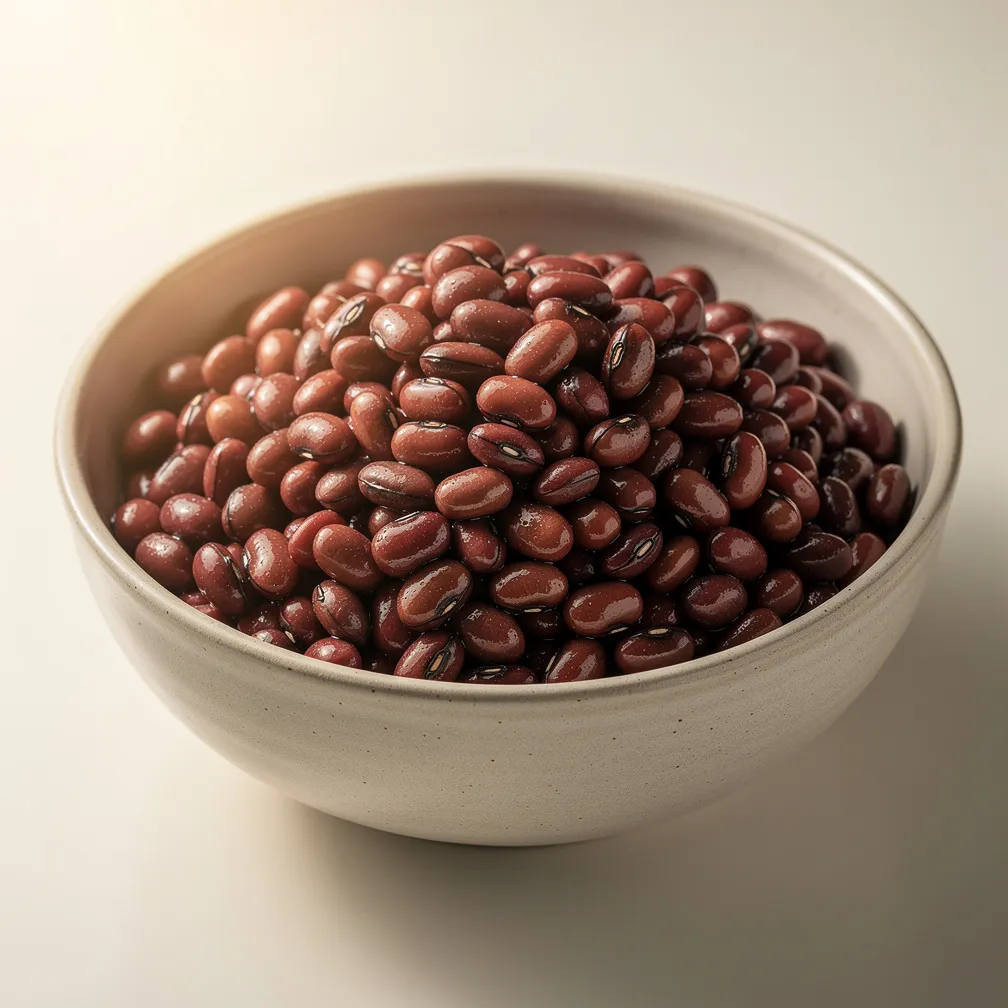
Adzuki beans
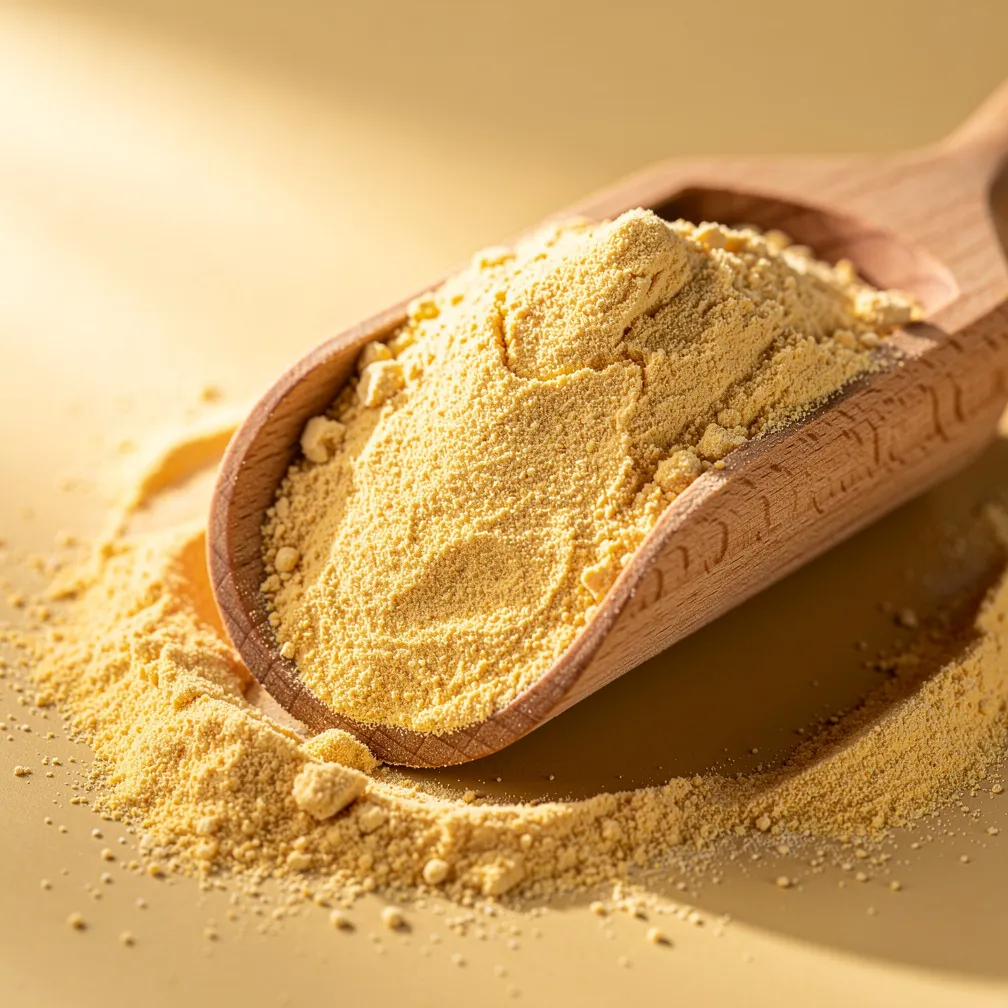
Chickpea flour (besan)
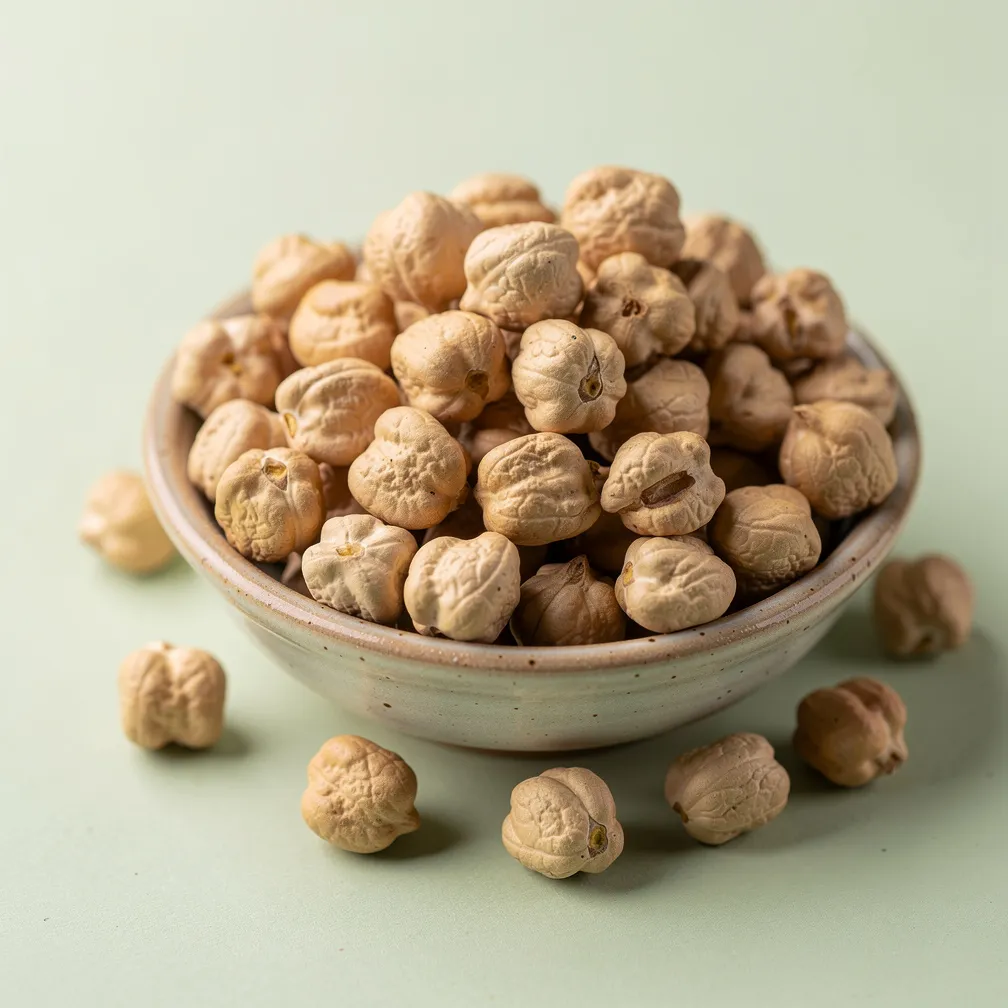
Chickpeas
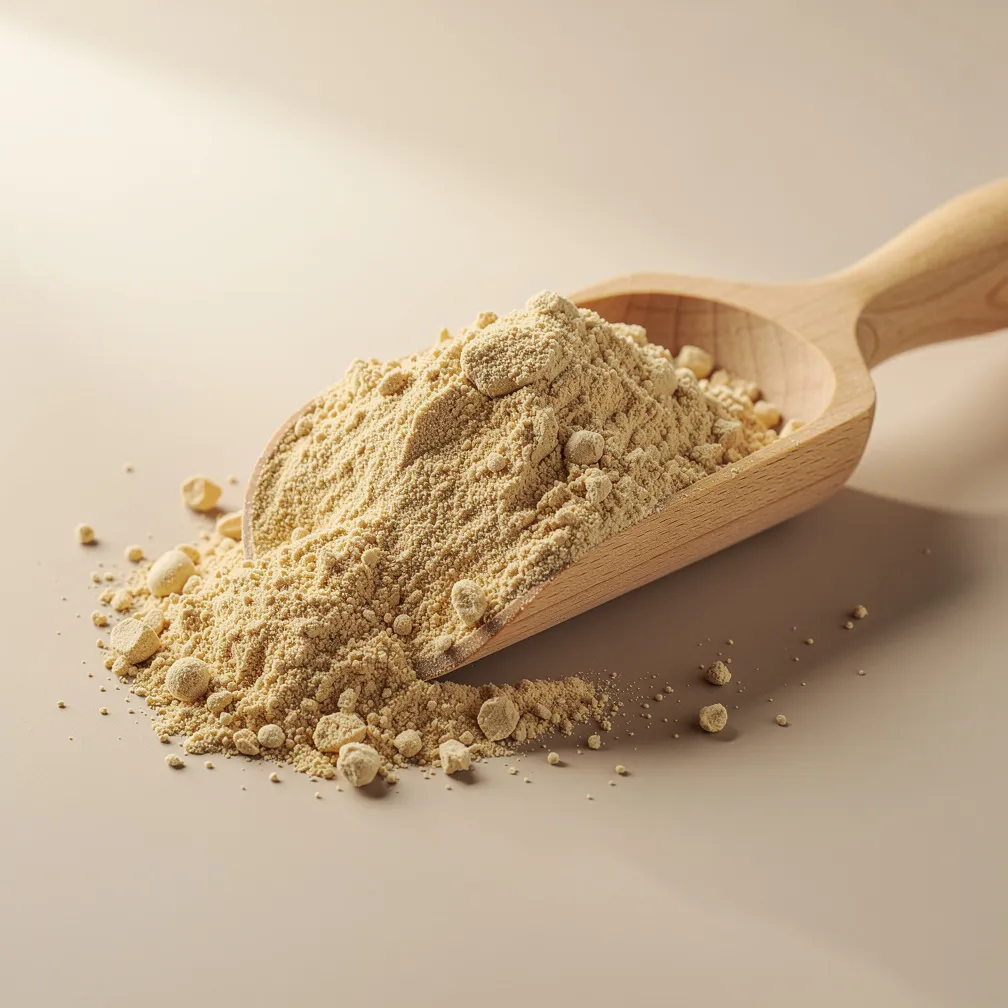
Defatted soy meal
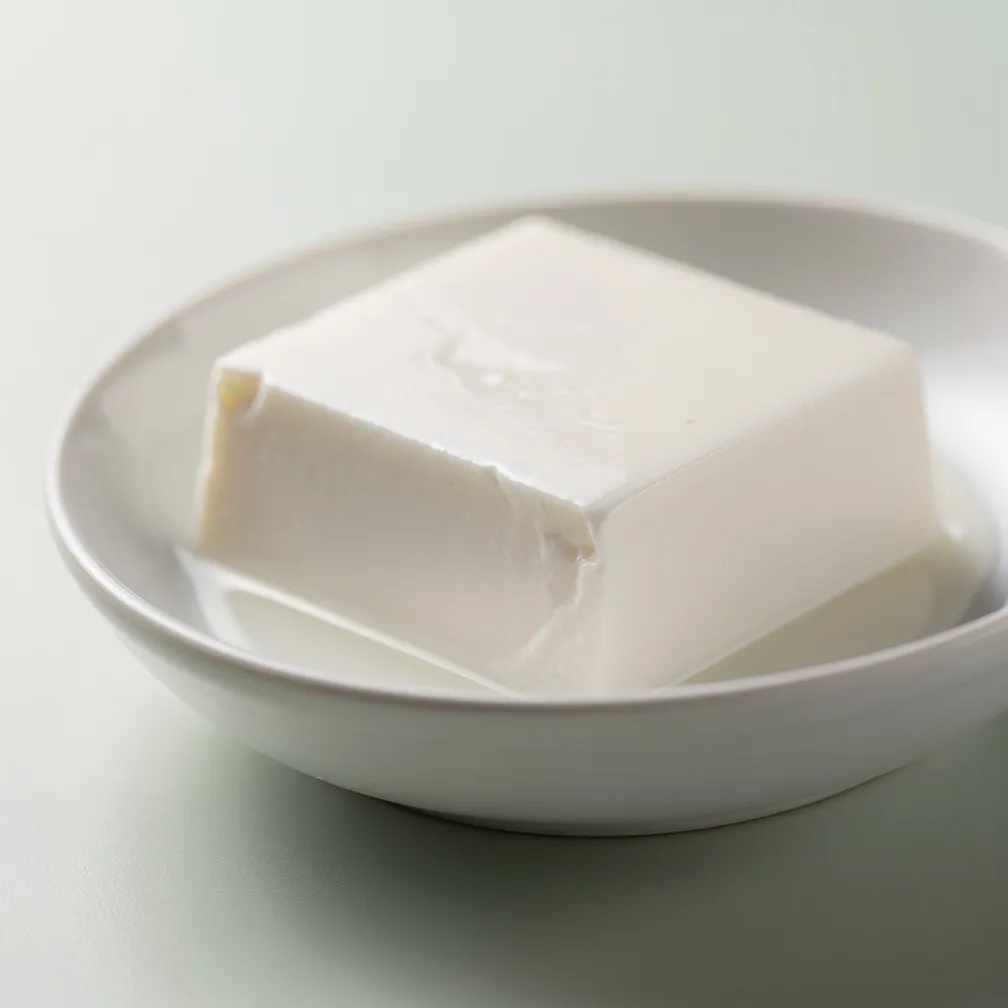
Firm silken tofu
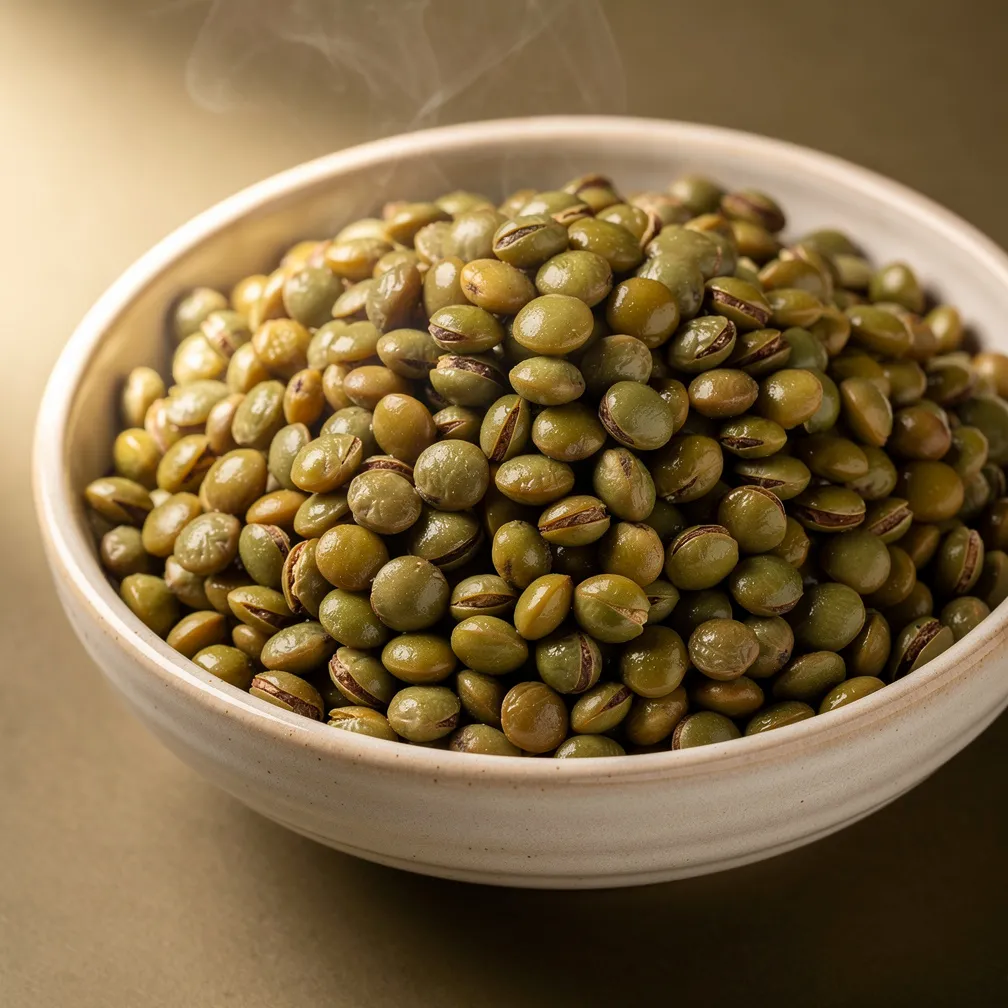
Green lentil
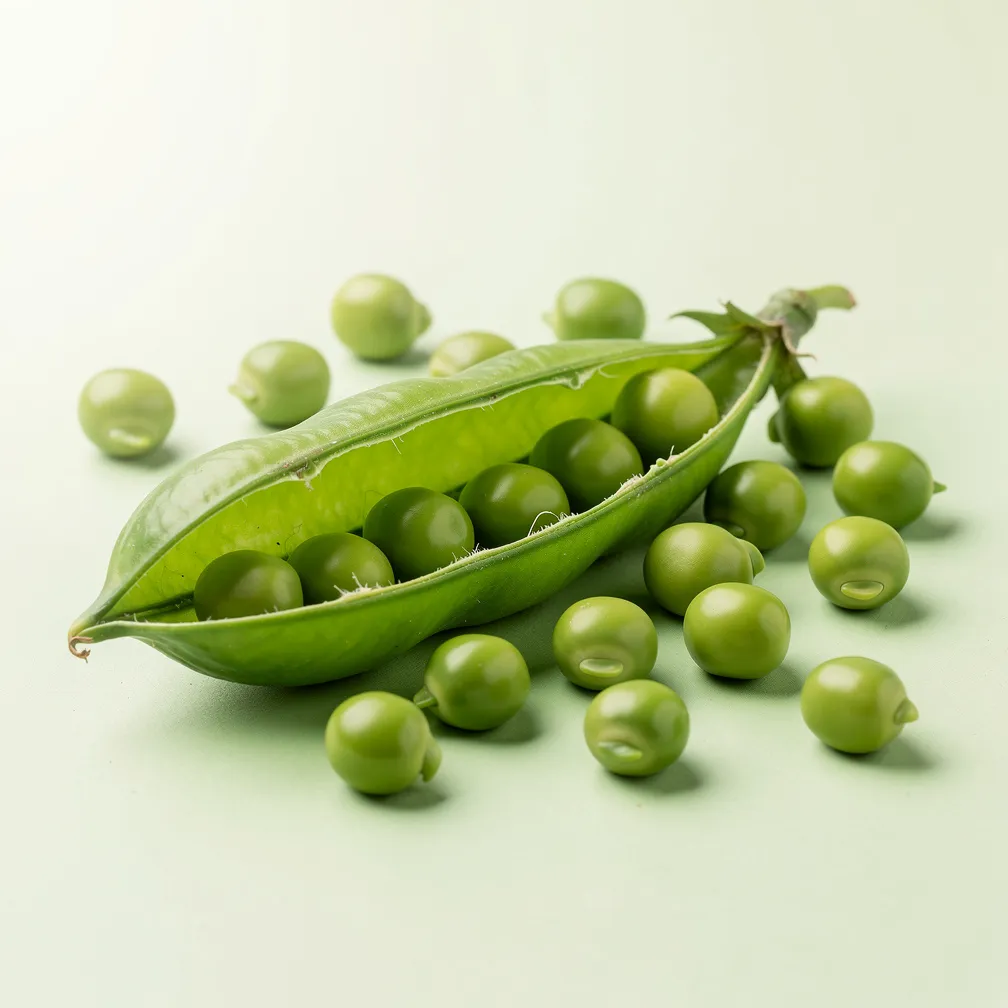
Green pea
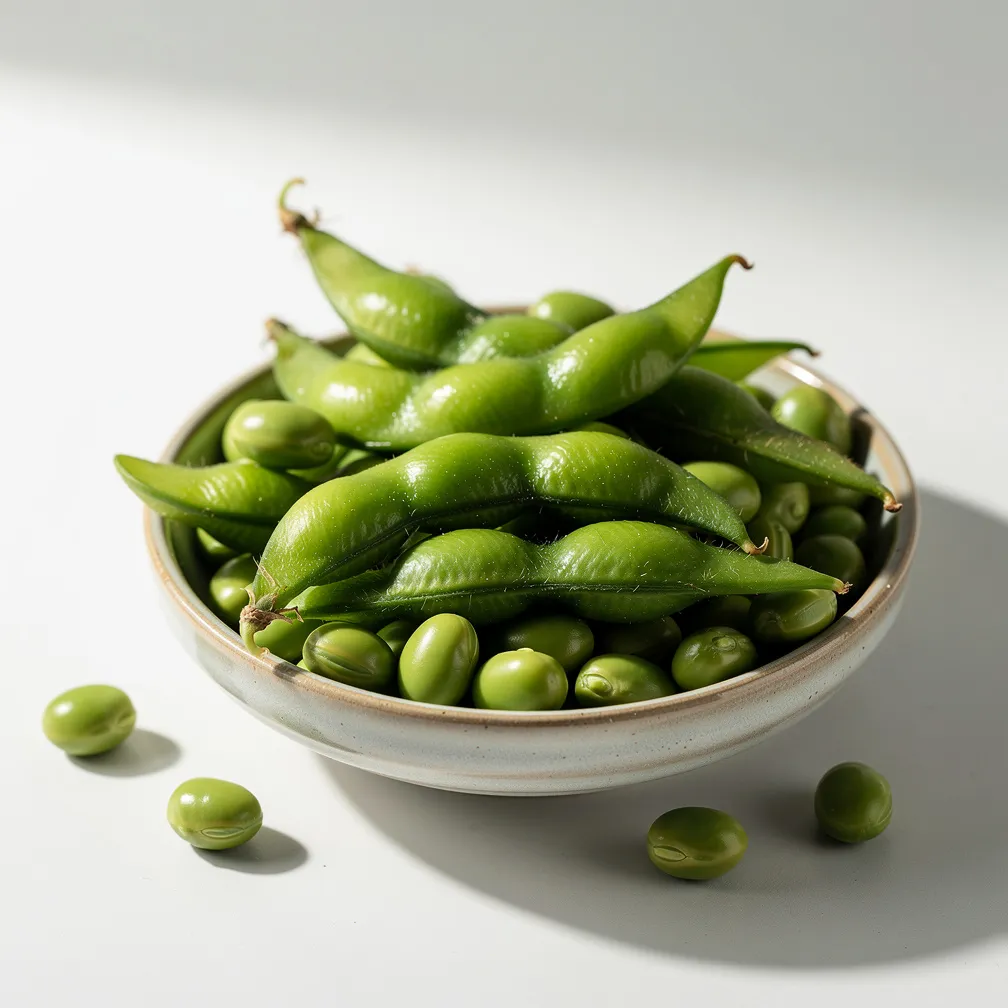
Green soybeans
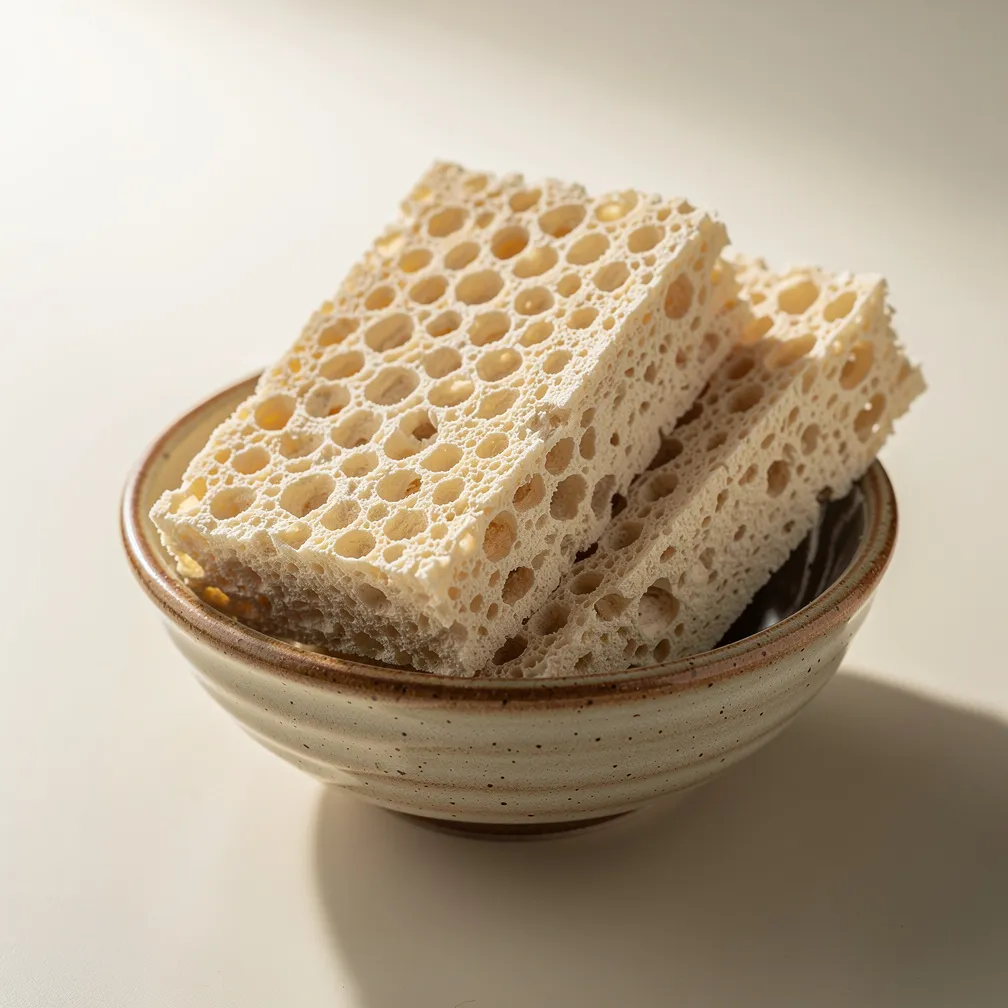
Koyadofu tofu
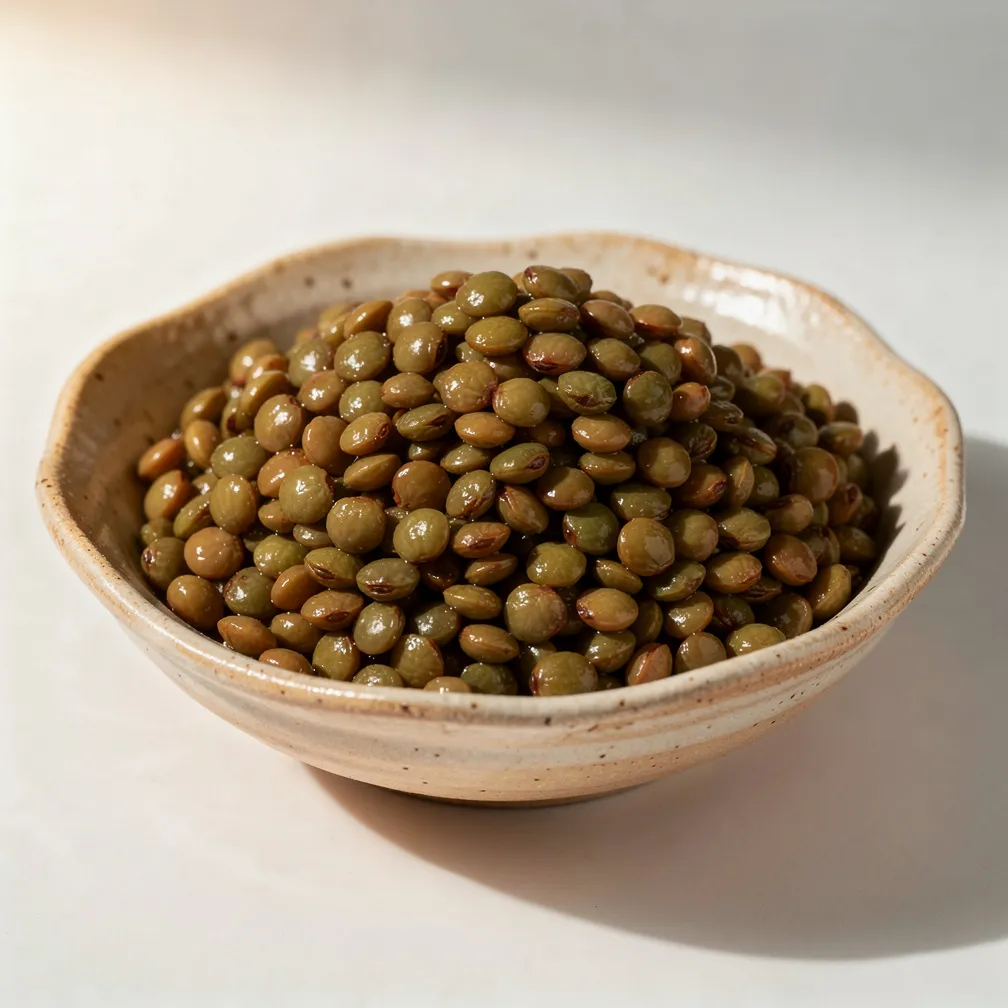
Lentils
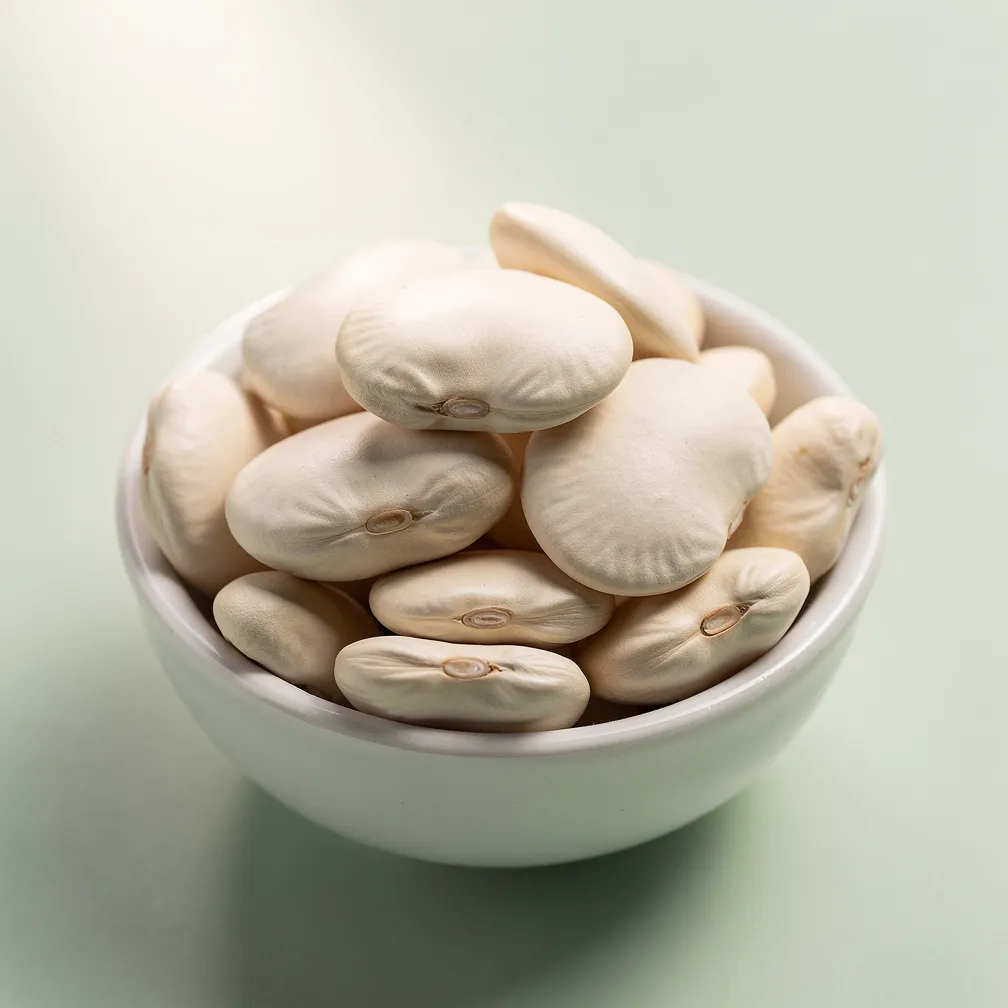
Lima bean
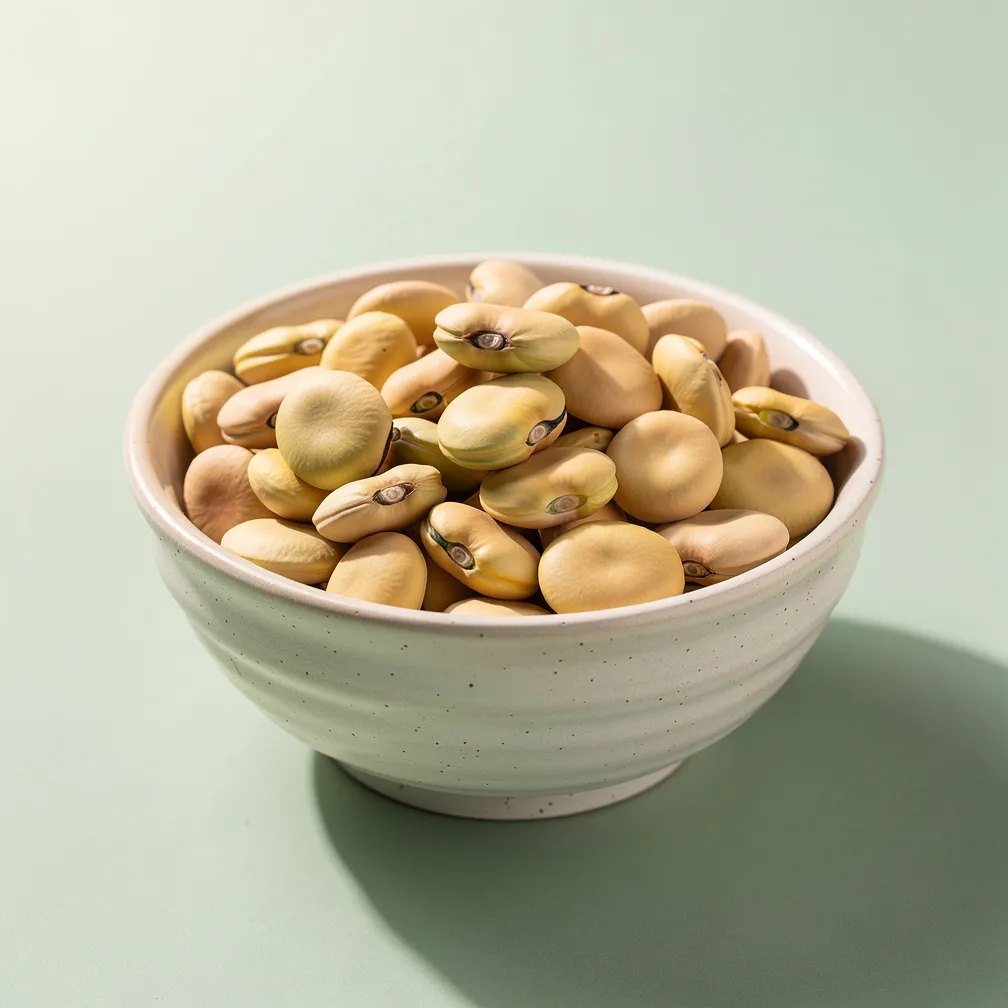
Lupins
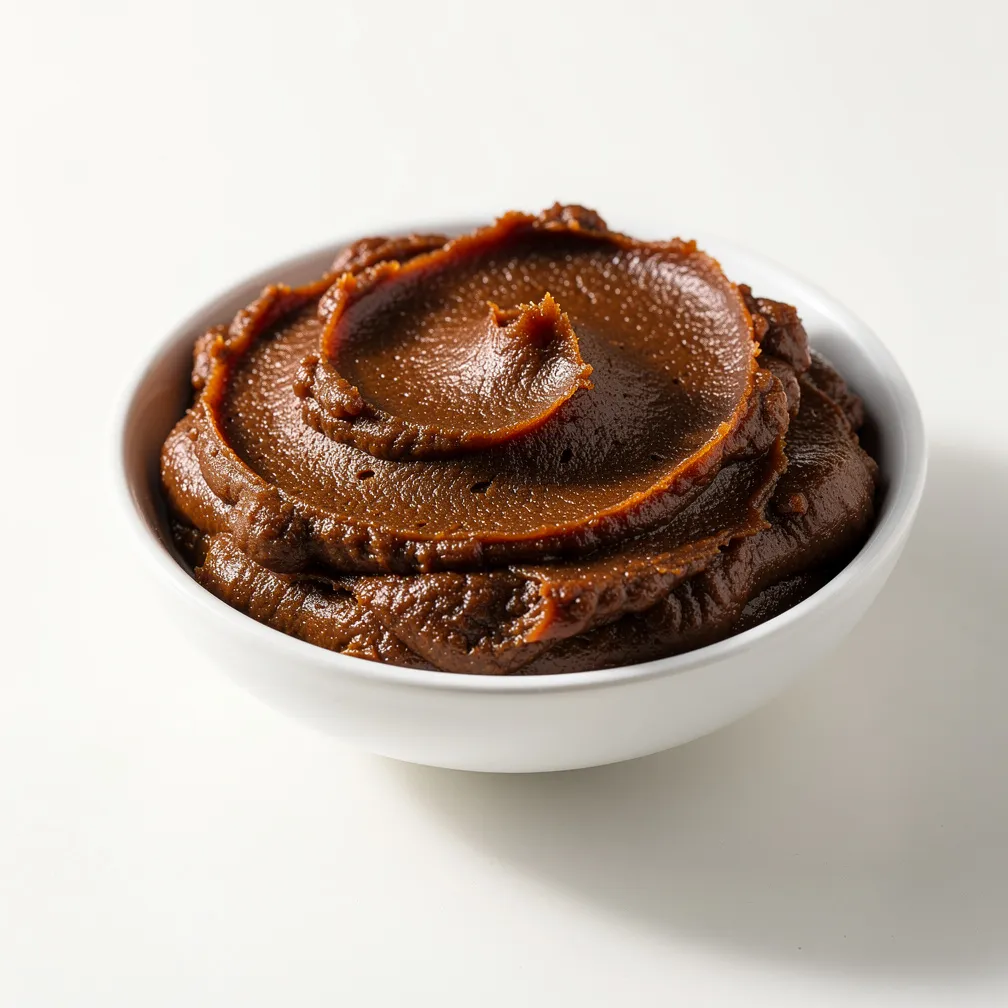
Miso
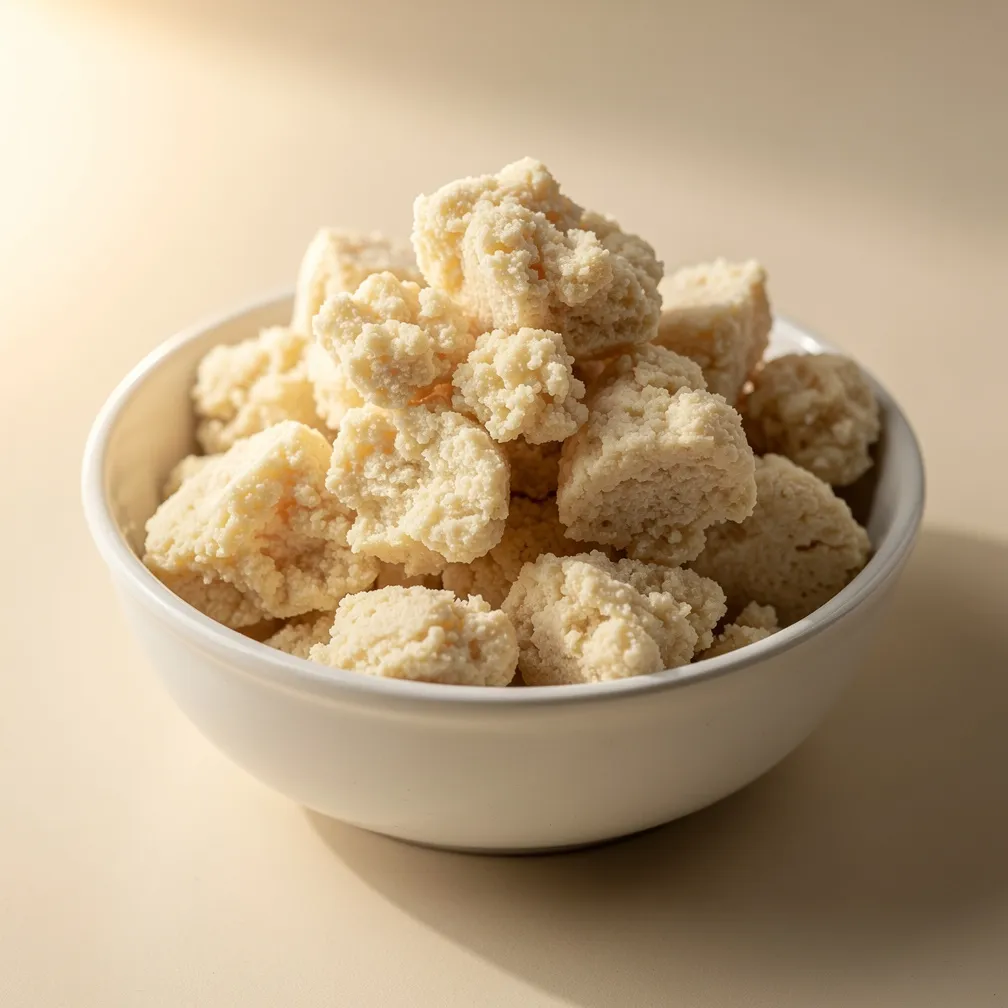
Okara
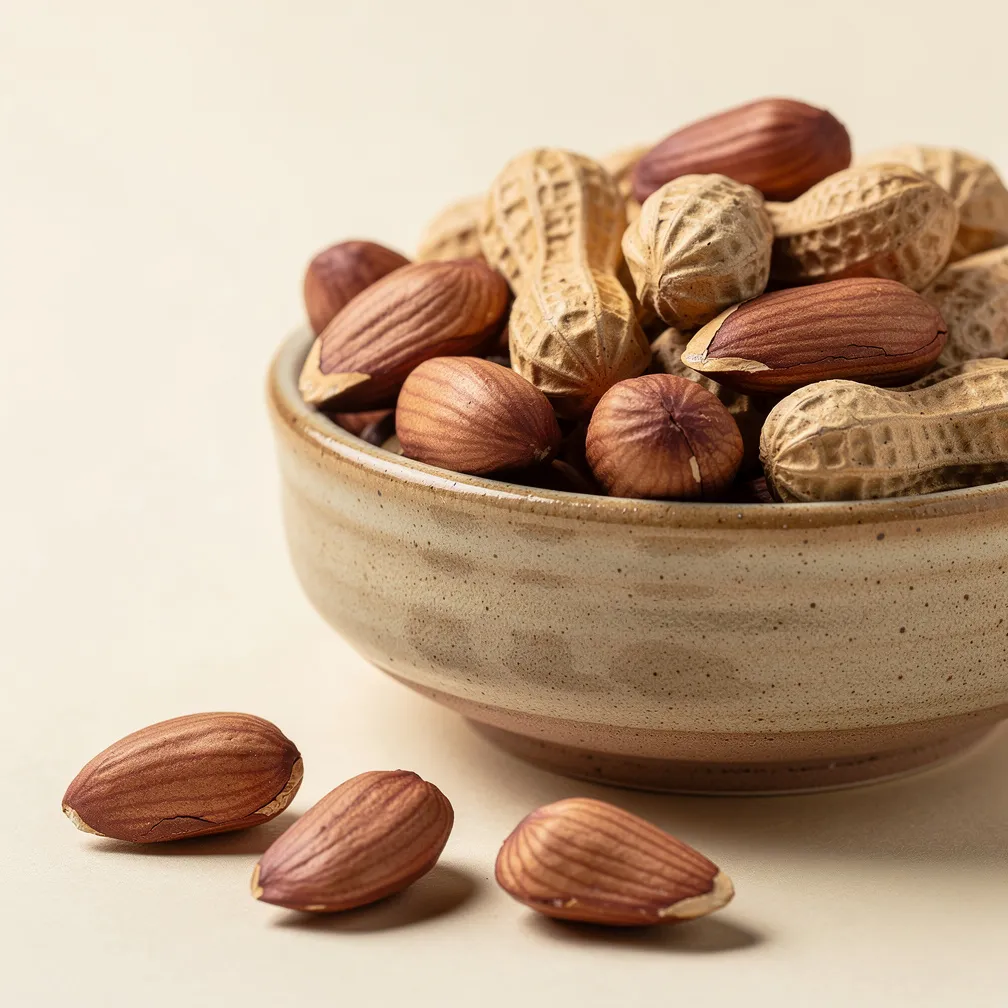
Peanuts
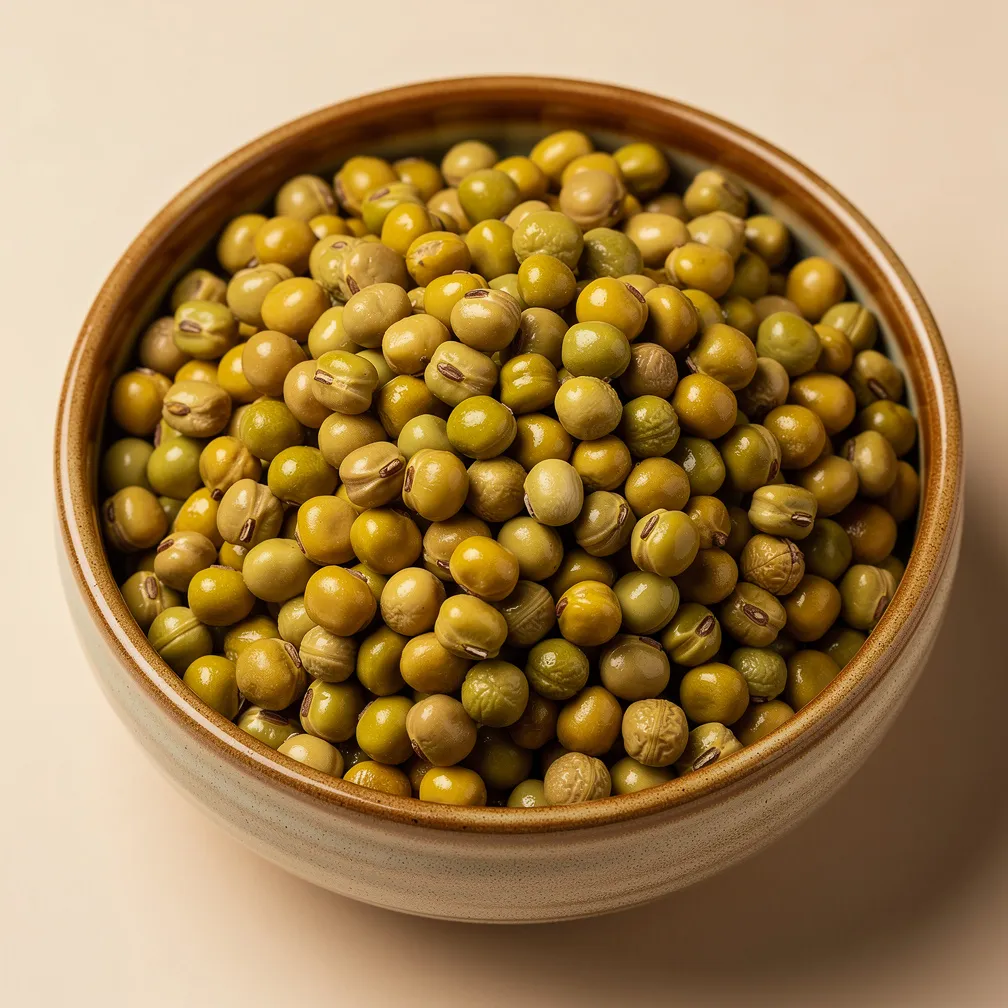
Pigeon peas

Silky tofu
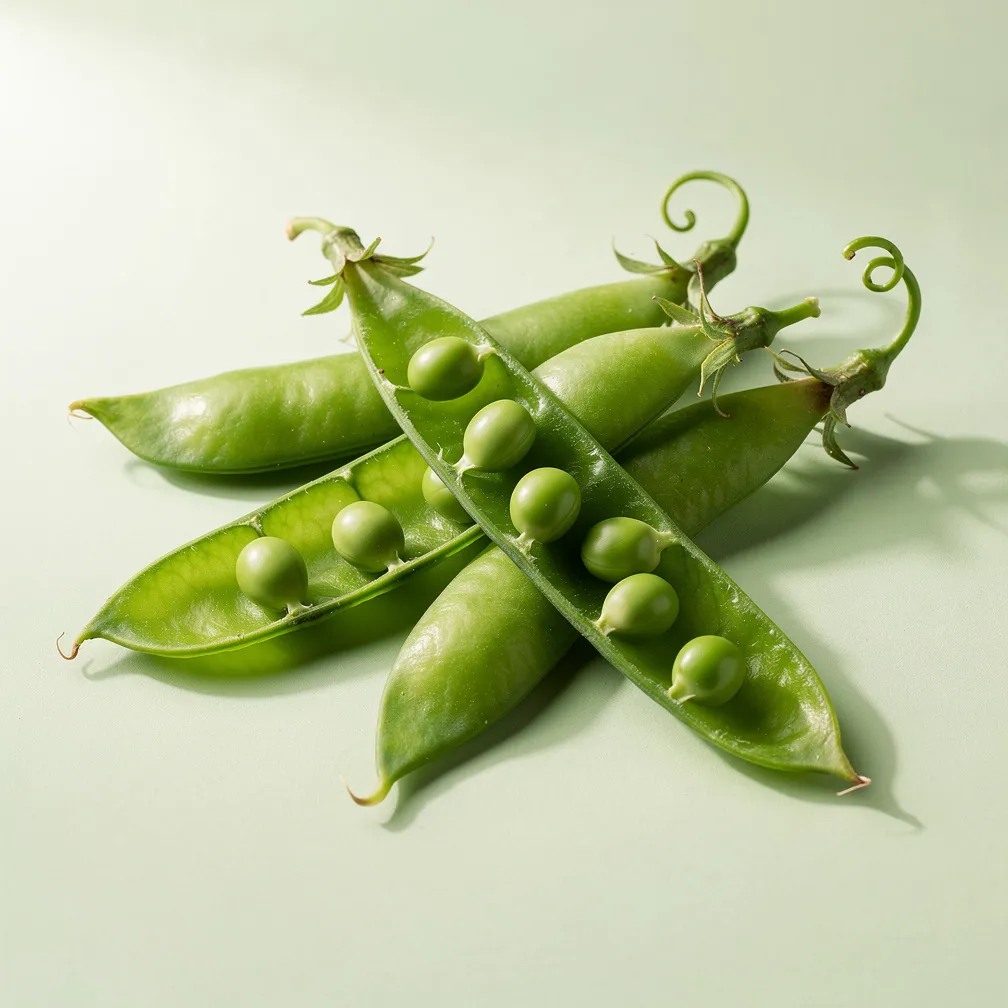
Snow pea
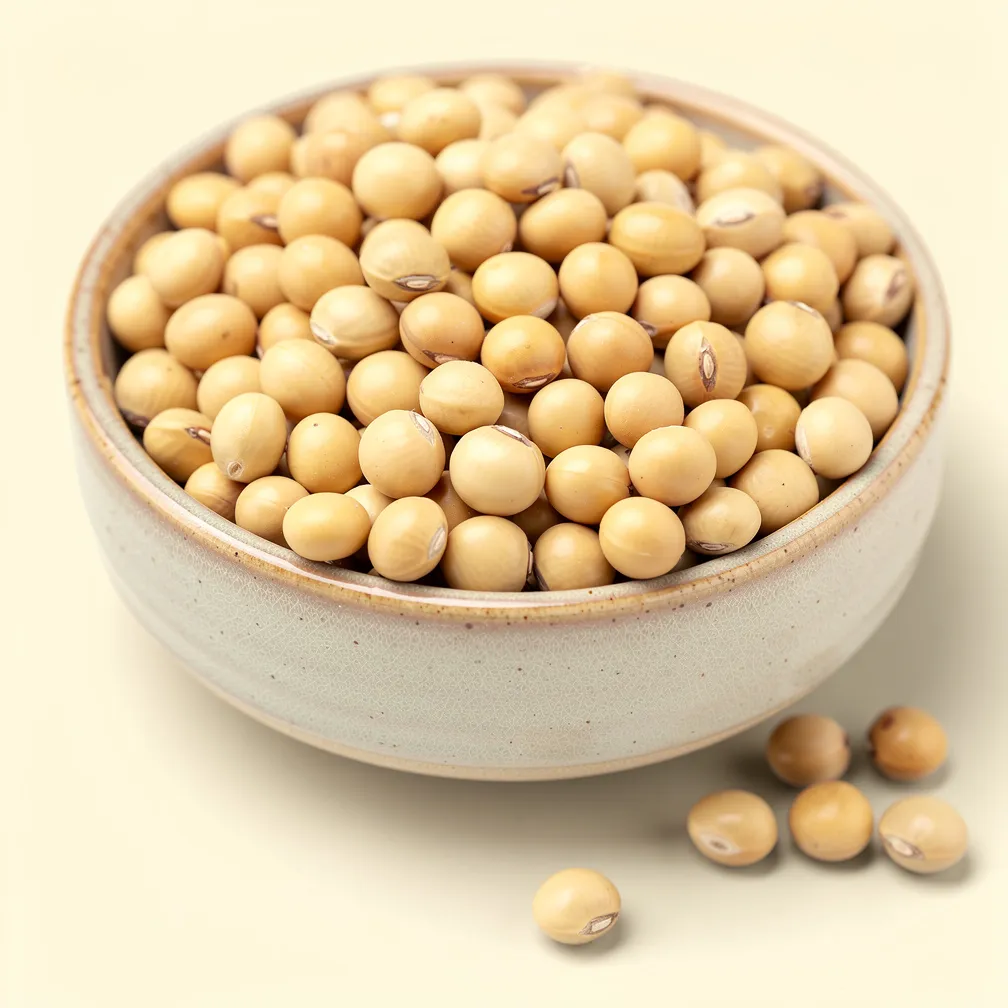
Soybeans
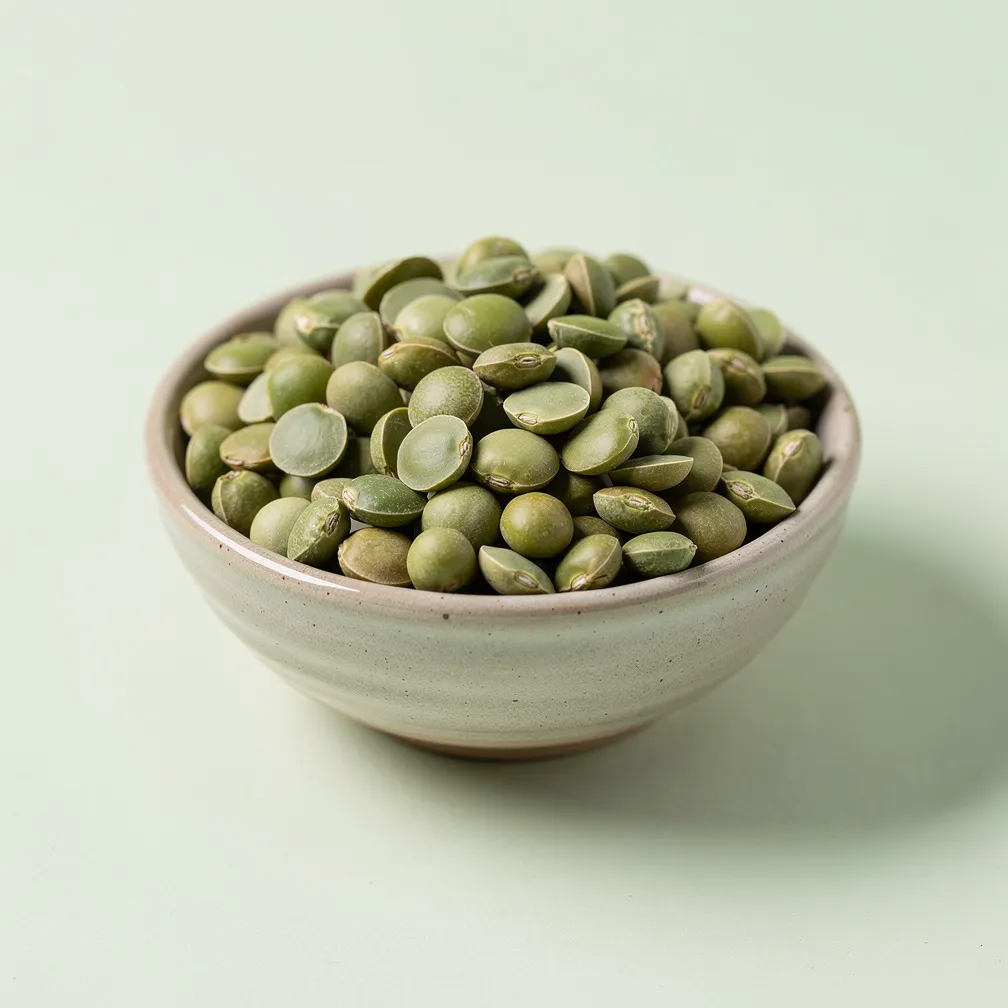
Split peas
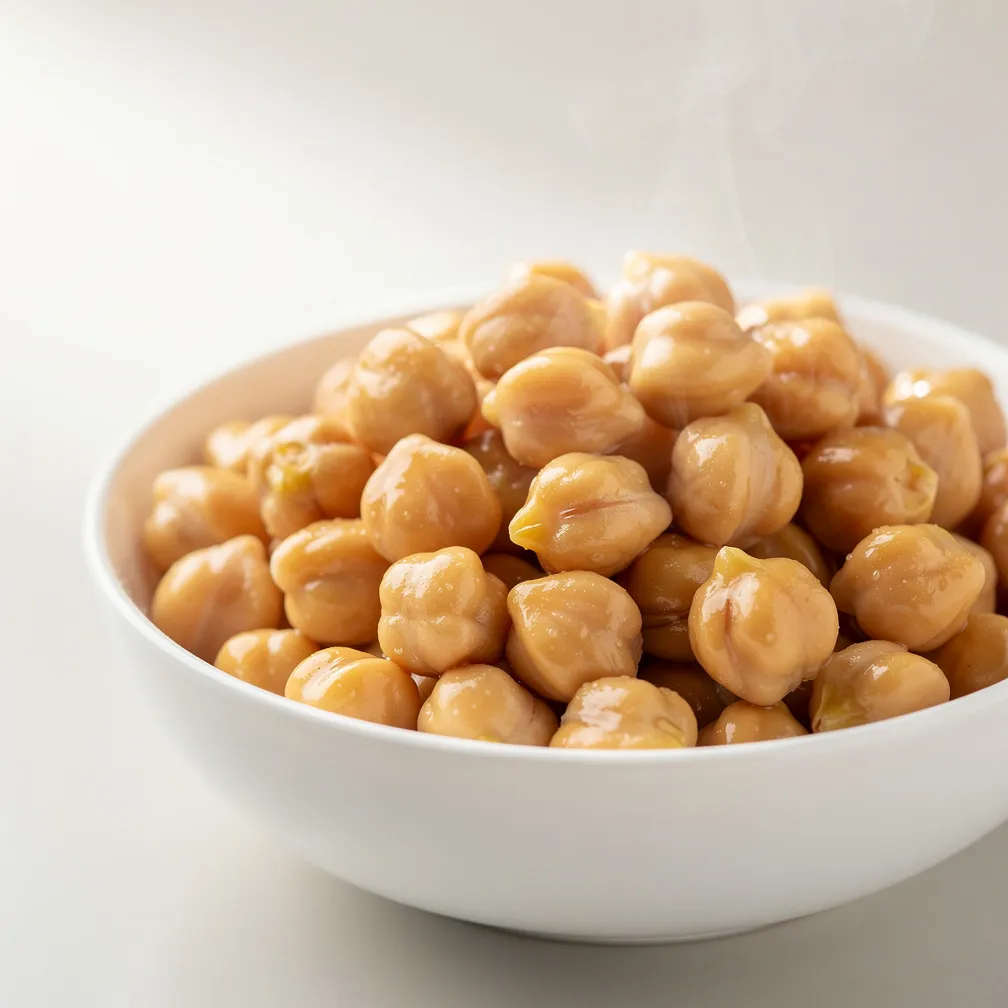
Steamed chickpeas
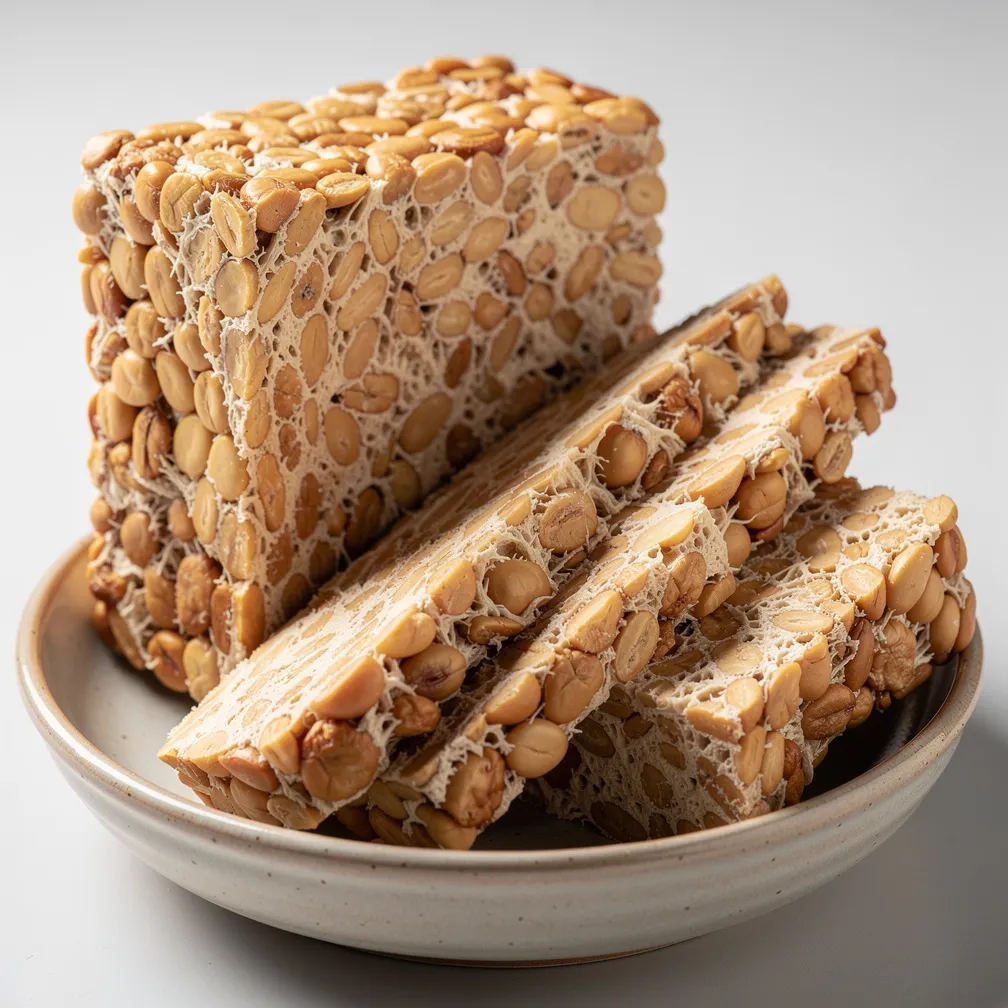
Tempeh
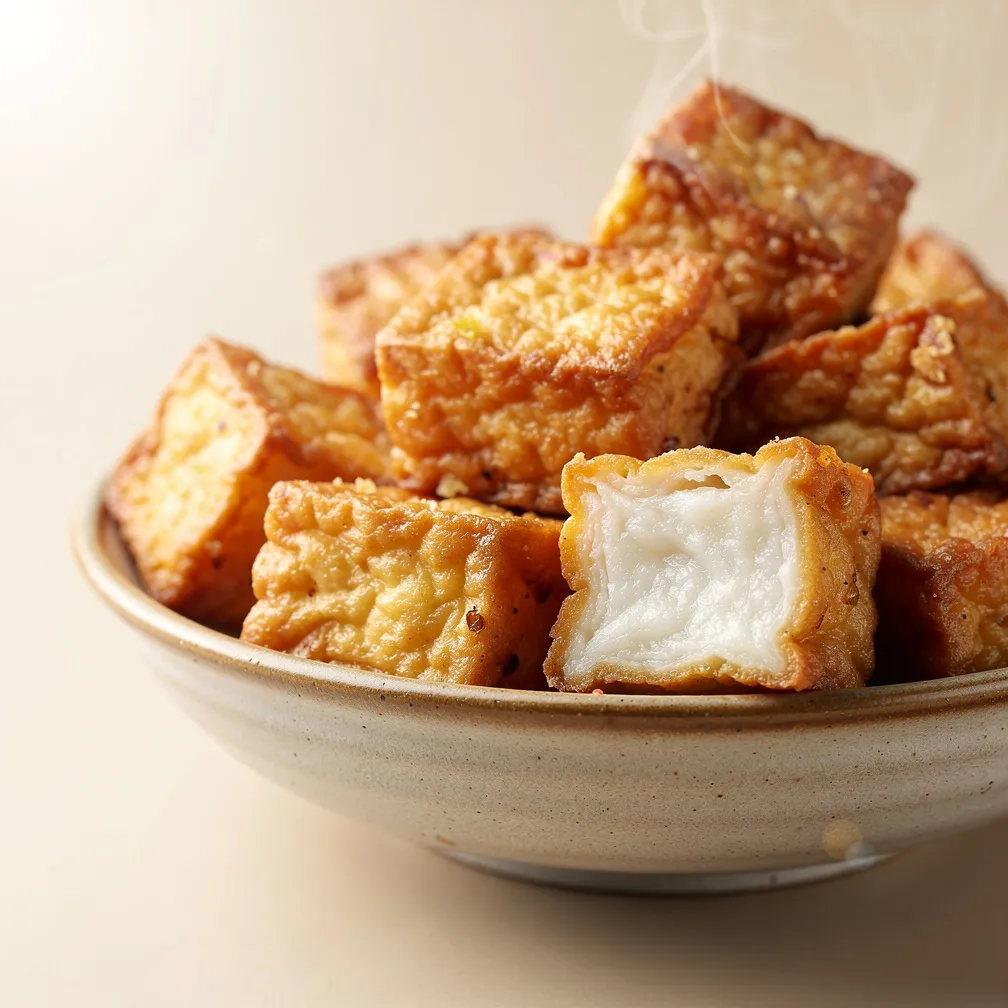
Tofu

Tofu yogurt
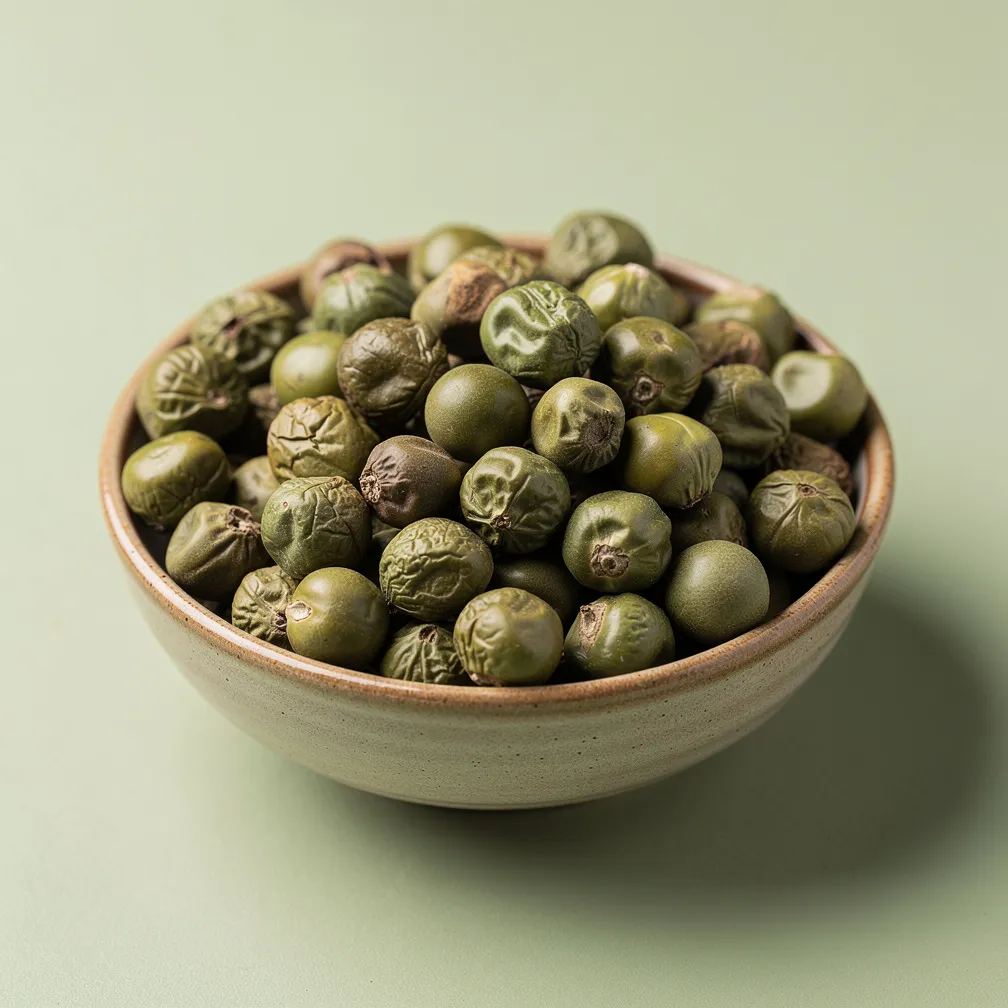
Whole green pea
Get Vnutri
Log meals, track daily totals, save favorites. Free on iOS and Android.