Berries
14
The berries category in our catalog covers fresh, frozen, and dried small fruits including strawberries, blueberries, raspberries, blackberries, cranberries, currants, gooseberries, and lingonberries. Most fresh berries are low in calories and built around water and carbohydrates, with very little protein or fat and a meaningful dose of dietary fiber from edible skins and seeds. They are a strong source of vitamin C, vitamin K, manganese, and plant polyphenols such as anthocyanins and ellagitannins, with smaller amounts of folate and potassium. The glycemic index of most fresh berries is low (typically 25–40), which makes them a flexible fit for low-carb, keto-friendly, Mediterranean, diabetic, and plant-based eating patterns, though dried and sweetened versions concentrate sugars considerably.
Which berries have the lowest sugar?
Raspberries and blackberries are among the lowest, with about 4–5 grams of sugar per 100 grams and roughly the same amount of fiber. Strawberries follow at around 5 grams of sugar, while blueberries sit higher at about 10 grams. Cranberries are very low in sugar in their raw form but are usually sweetened heavily when sold dried or as juice.
Are berries keto-friendly?
Most fresh berries fit into a keto plan in modest portions because their fiber lowers net carbs. A half-cup of raspberries or blackberries contains roughly 3 grams of net carbs, and the same amount of strawberries about 4 grams. Blueberries are denser in carbohydrates, so they are usually limited to a few tablespoons on stricter keto macros.
What nutrients are berries highest in?
Berries are best known for vitamin C, with strawberries and blackcurrants particularly rich (blackcurrants can exceed 180 mg per 100 grams). They also supply vitamin K, manganese, and fiber, plus anthocyanin pigments that give blue, red, and purple berries their color. Compared with most other fruits, berries tend to be lower in total sugar per gram and higher in polyphenol content.
Are frozen berries as nutritious as fresh ones?
Yes, frozen berries are nutritionally very close to fresh because they are typically picked ripe and frozen quickly, which preserves vitamin C and anthocyanins. Some water-soluble vitamins decline slightly over months of storage, but fiber, minerals, and most polyphenols remain stable. They are often a more practical year-round source than out-of-season fresh berries.
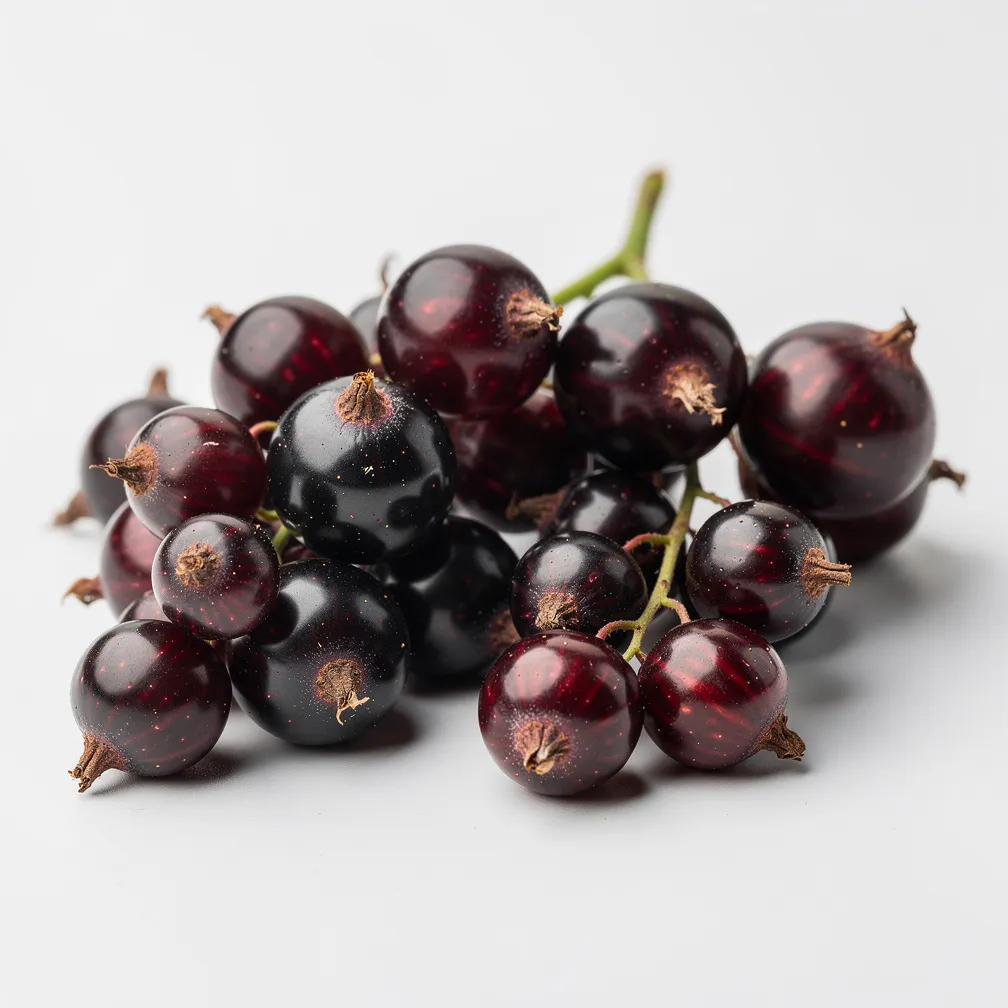
Black currant
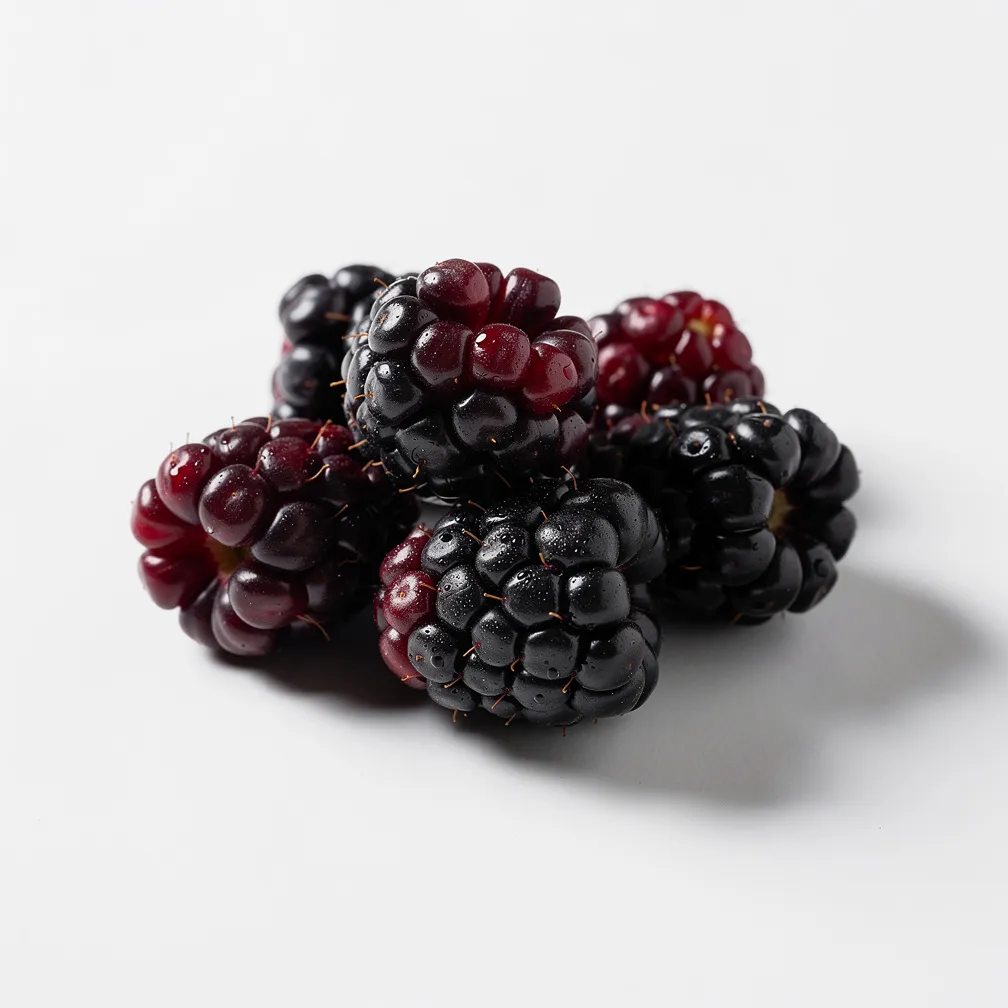
Blackberry
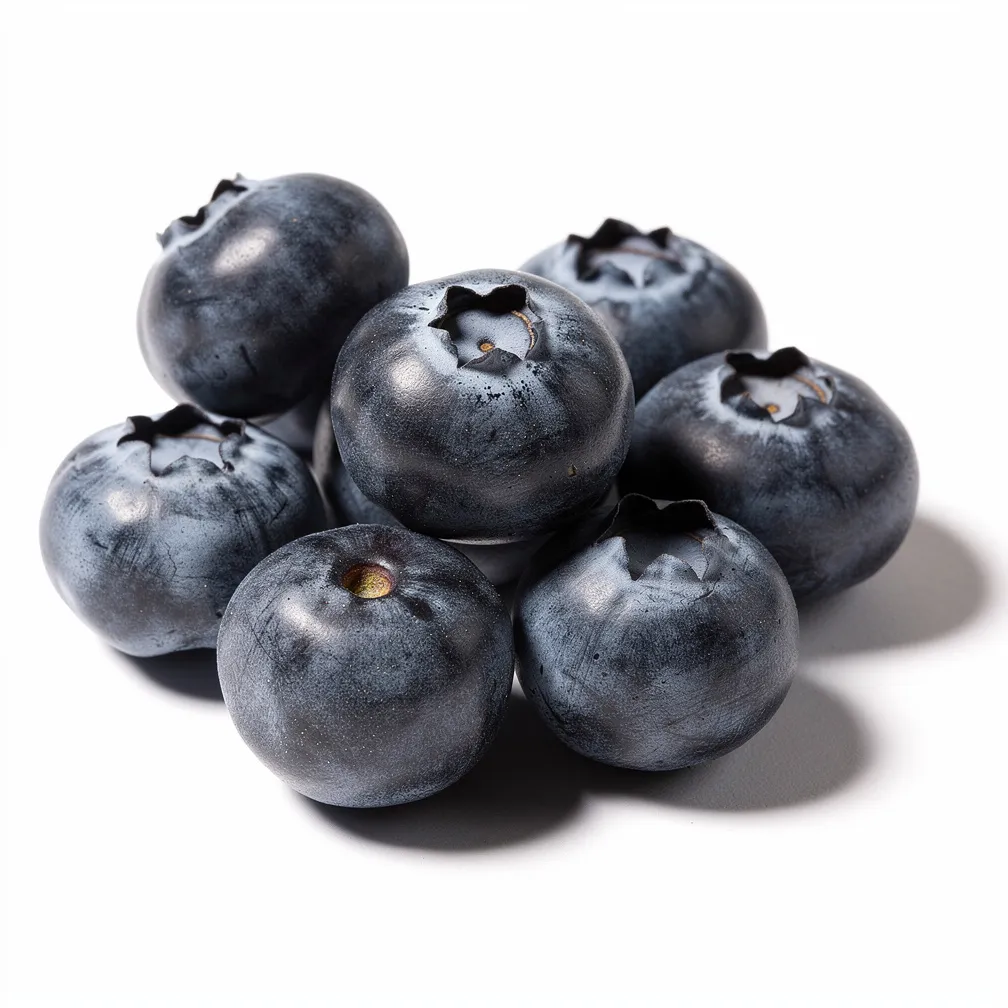
Blueberry
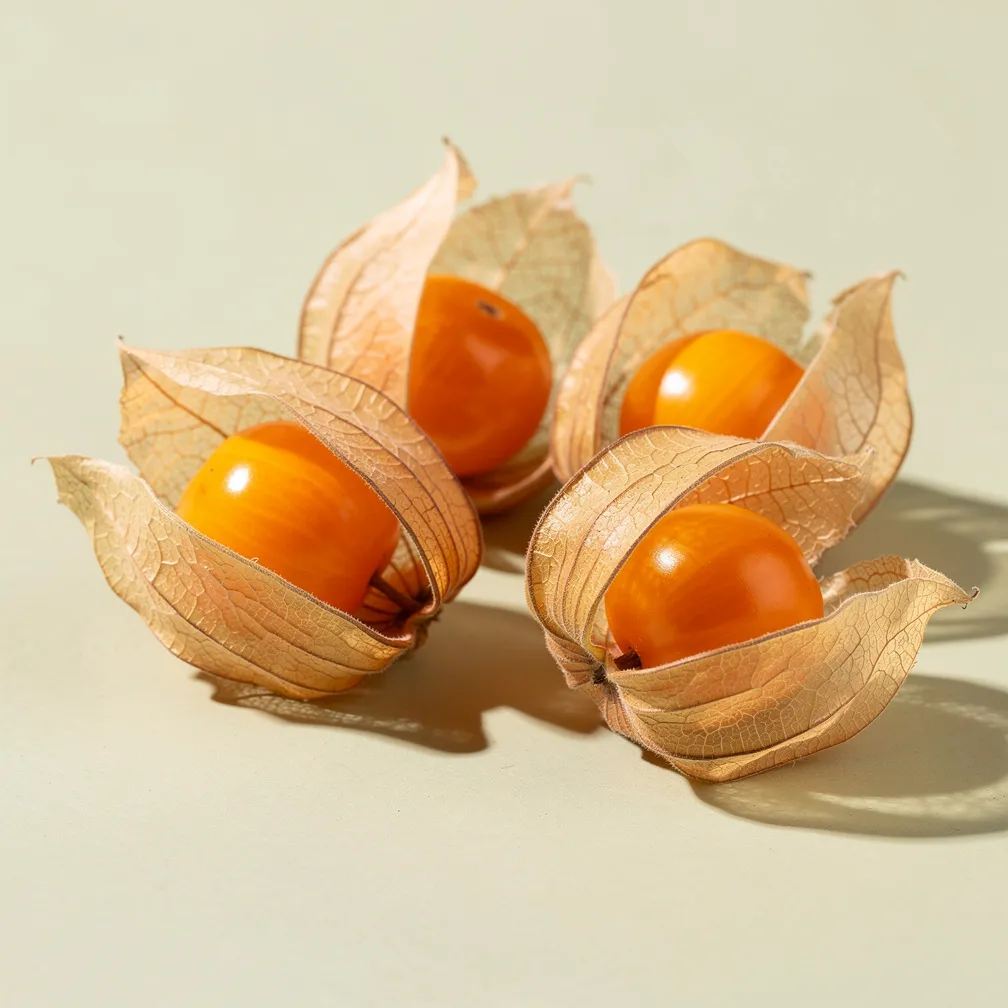
Cape gooseberries
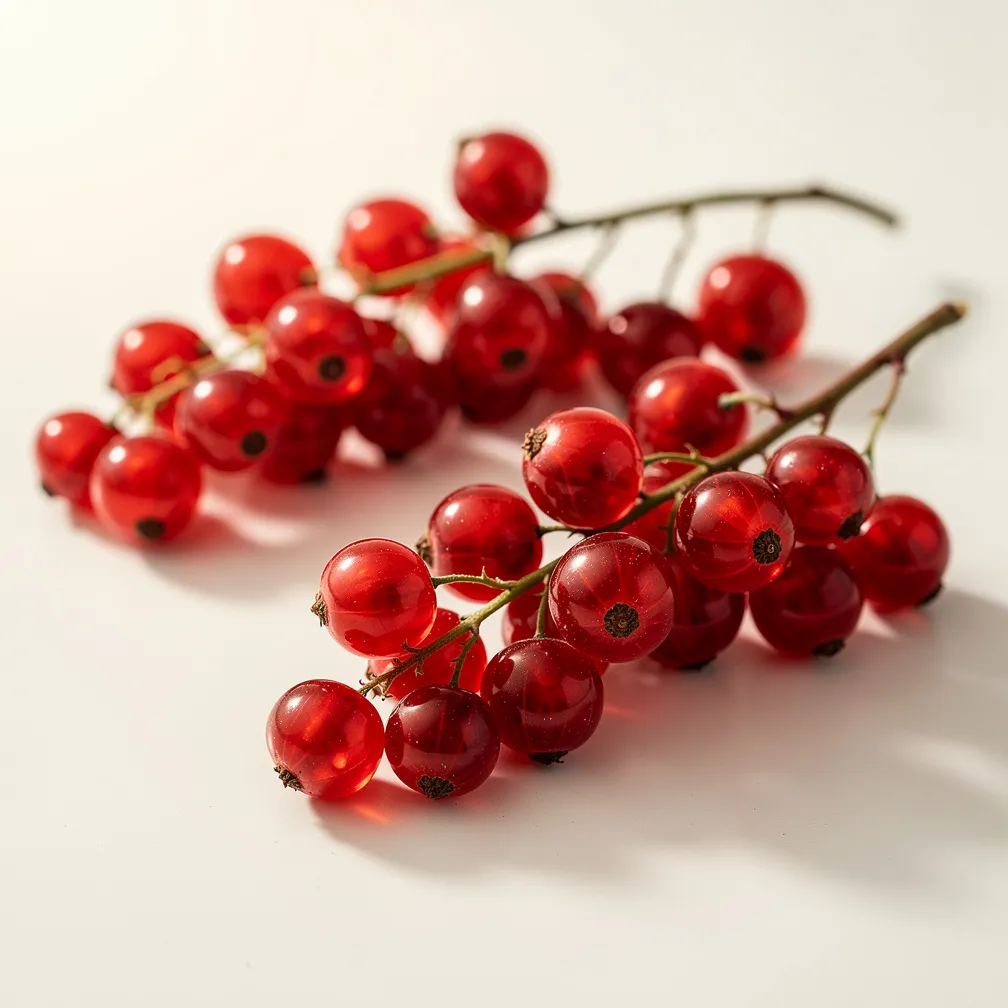
Currant
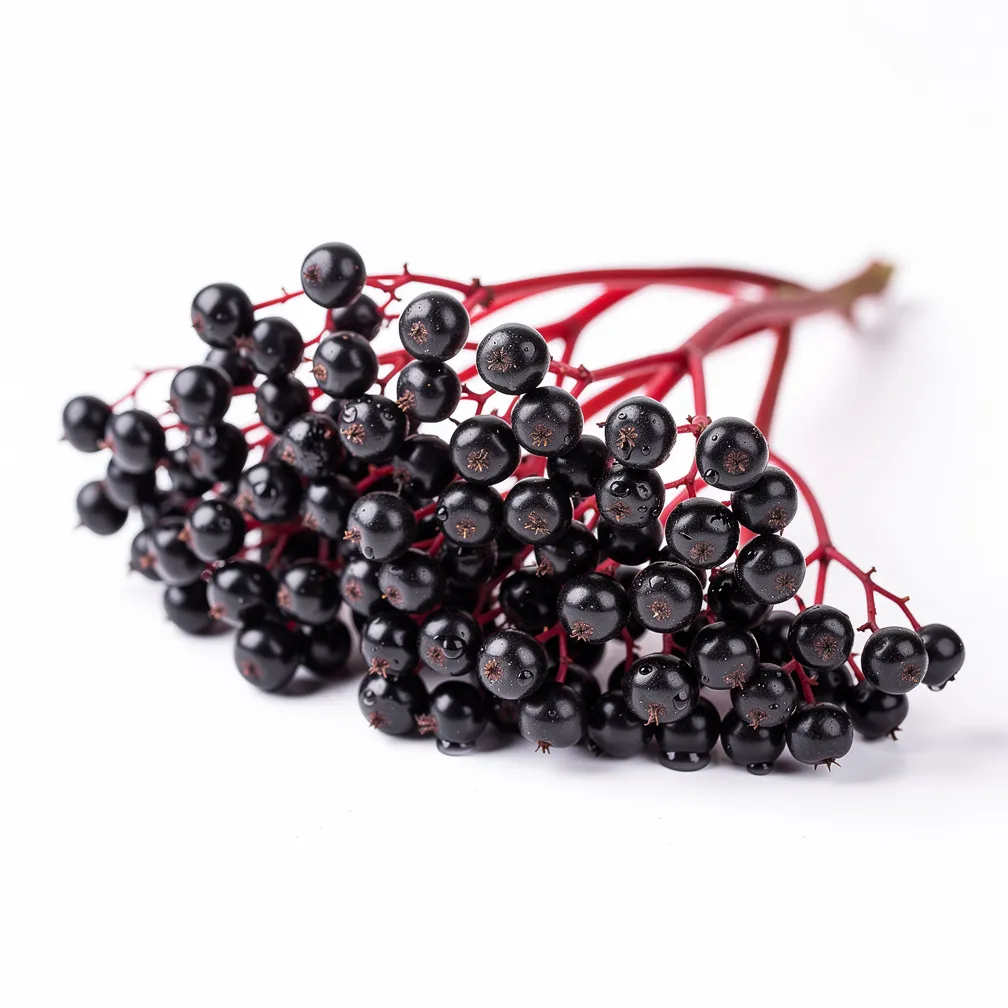
Elderberry
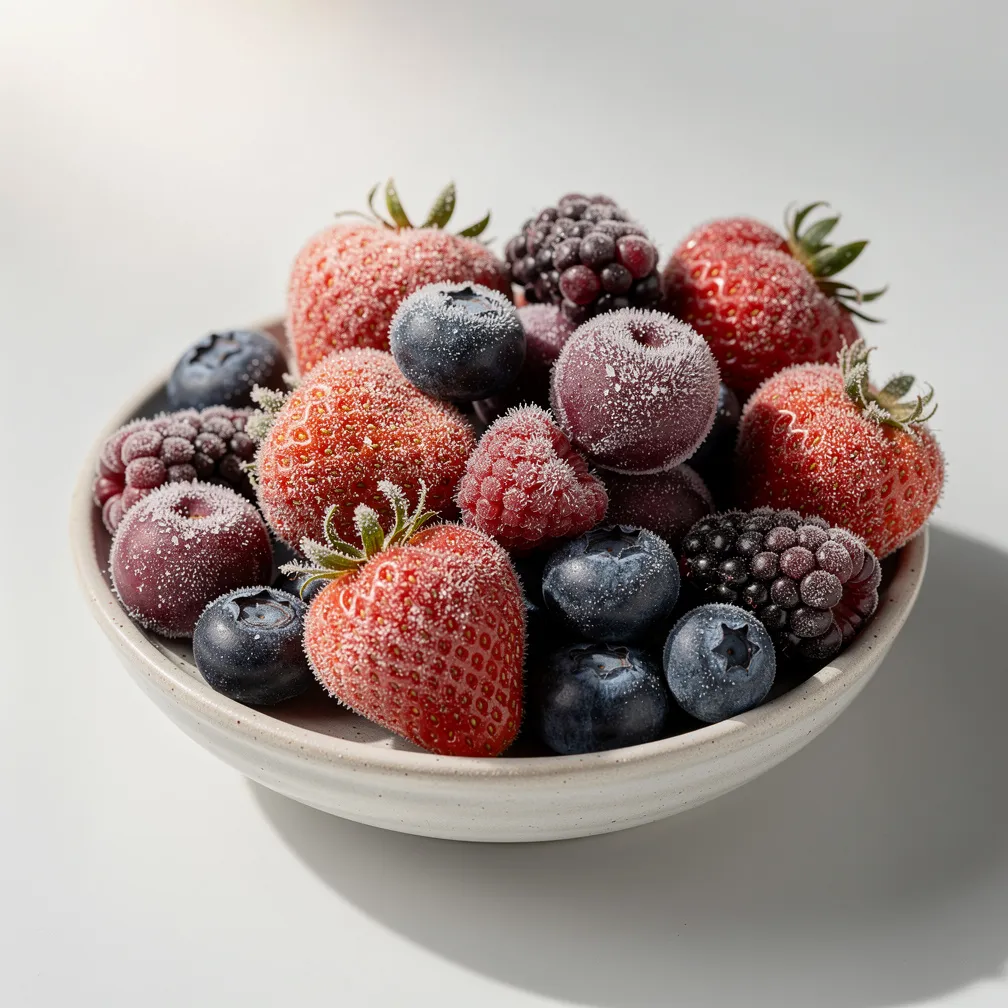
Frozen mixed berry
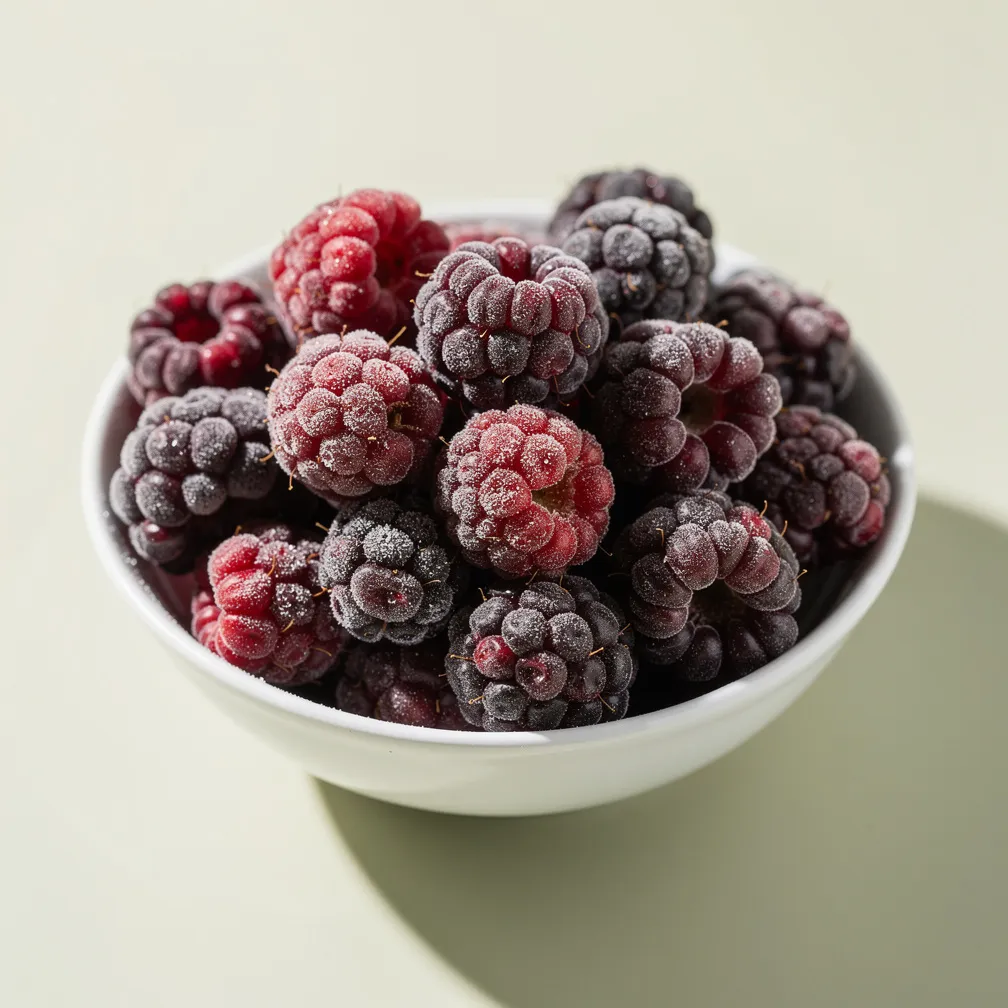
Frozen unsweetened boysenberry
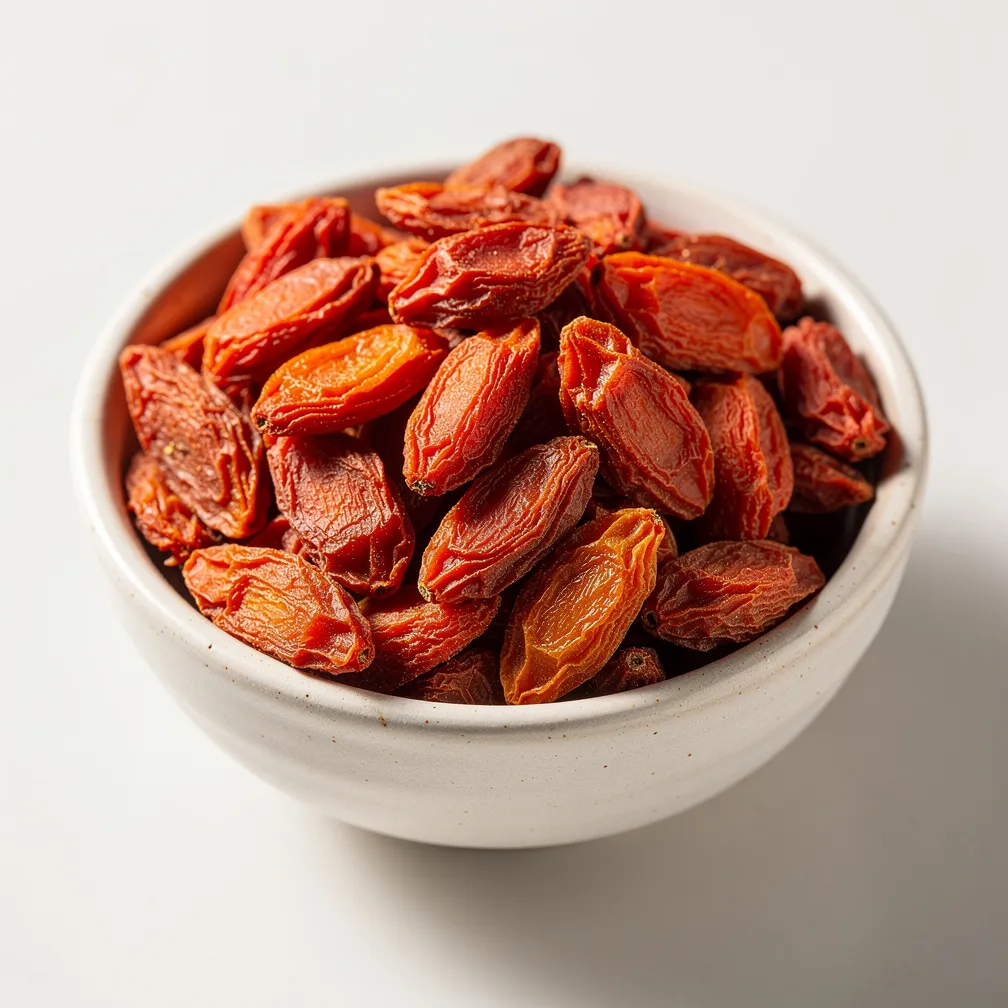
Goji berry
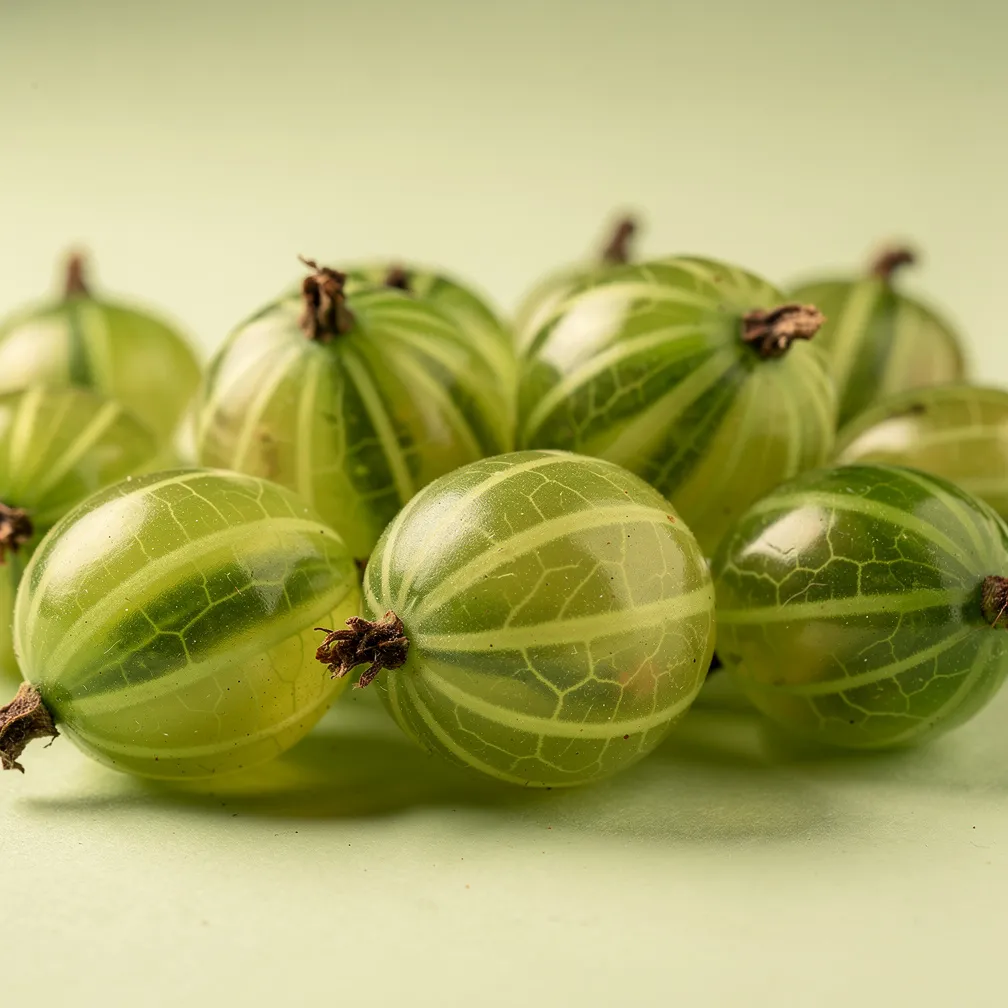
Gooseberry
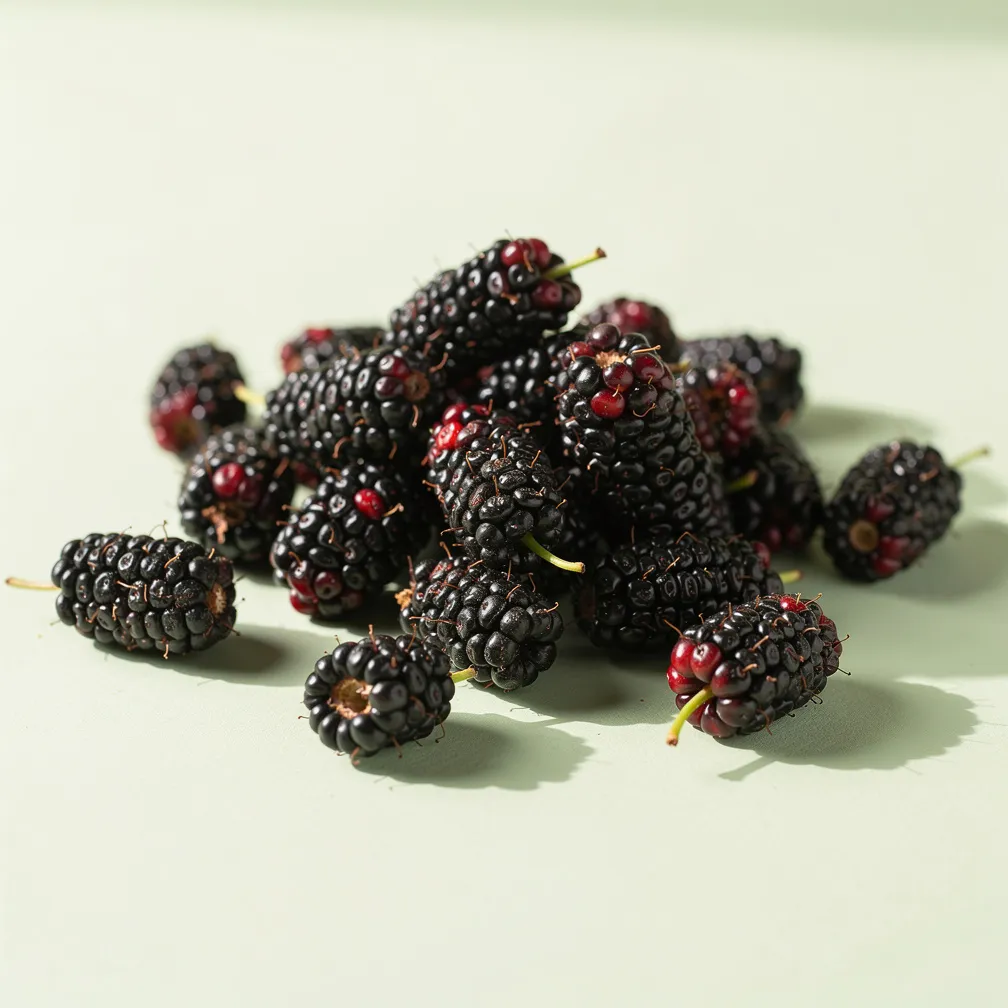
Mulberry
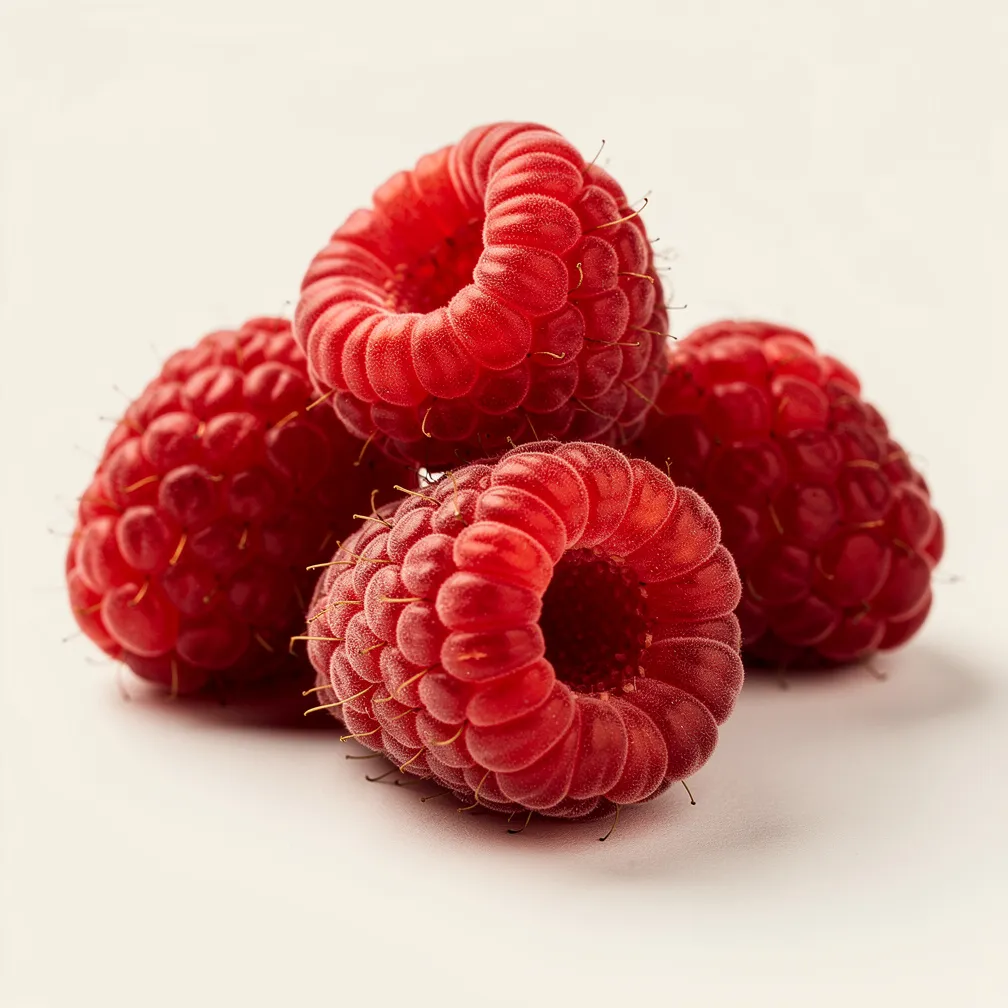
Raspberry
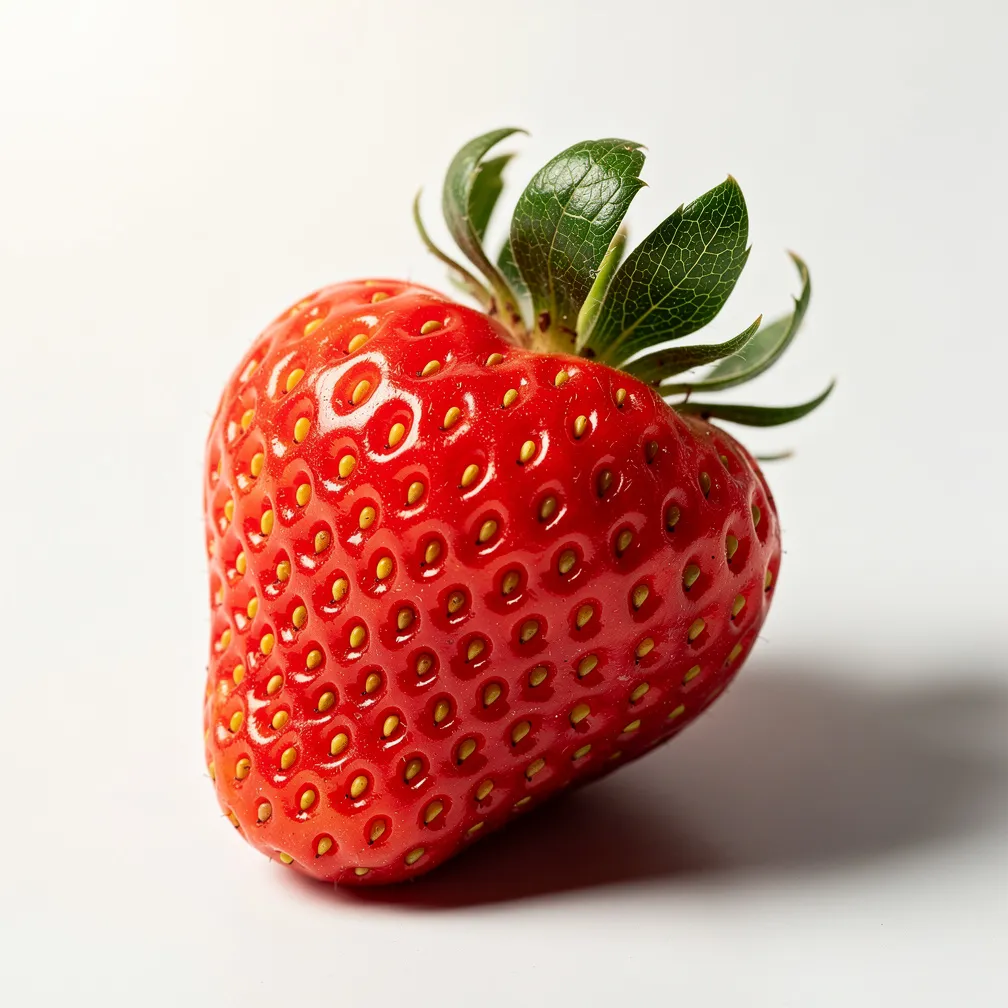
Strawberry
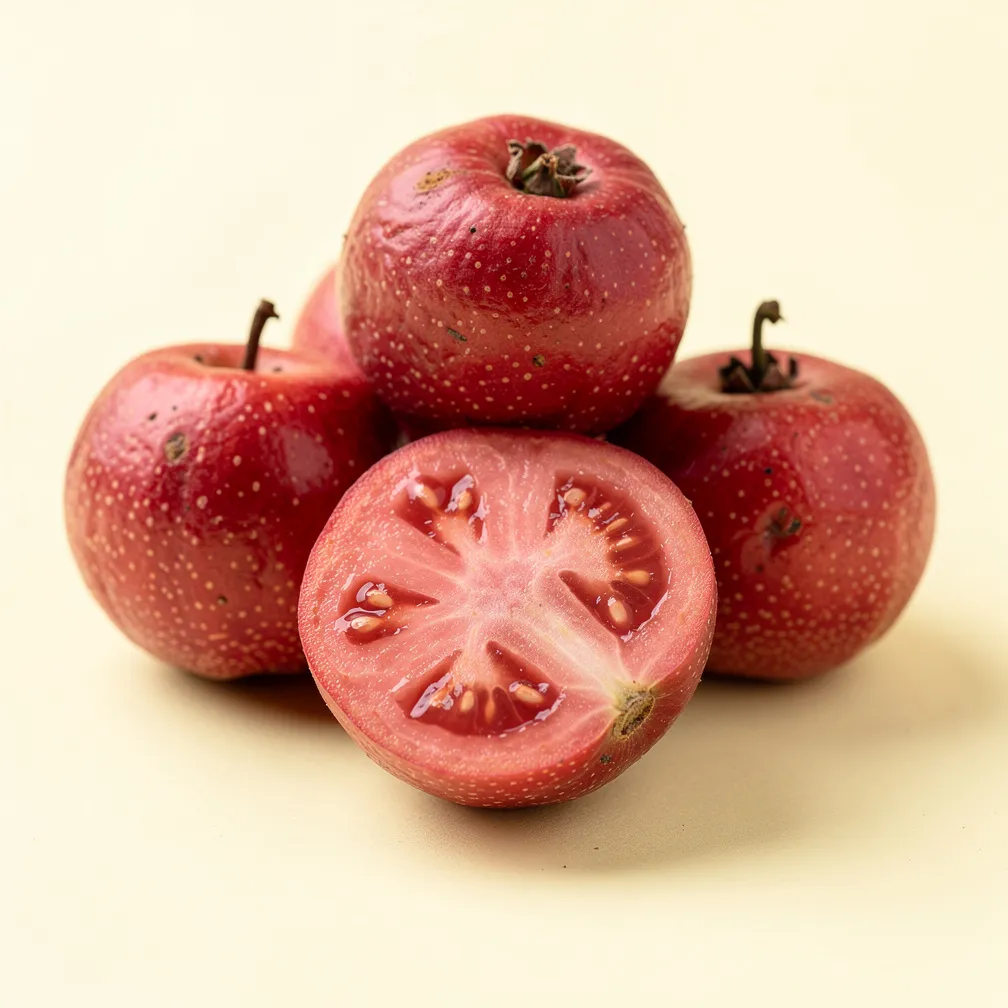
Strawberry guava
Get Vnutri
Log meals, track daily totals, save favorites. Free on iOS and Android.