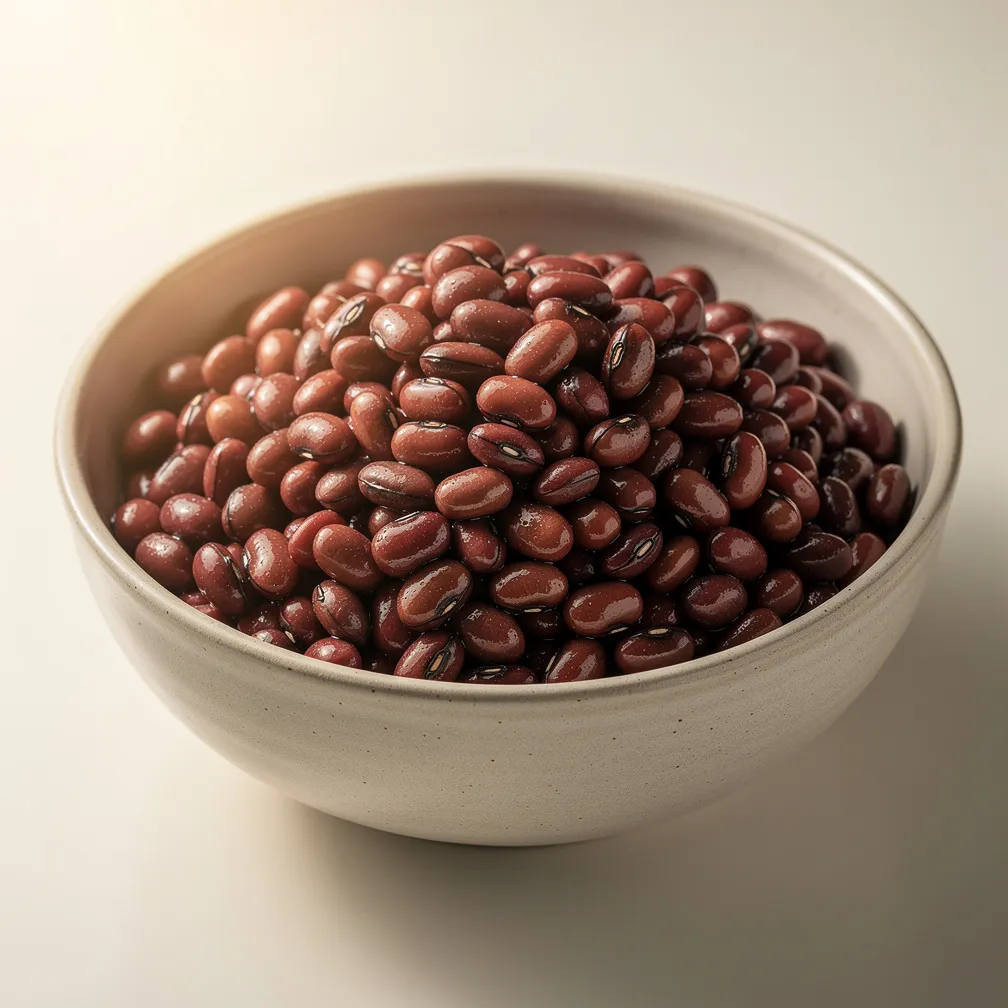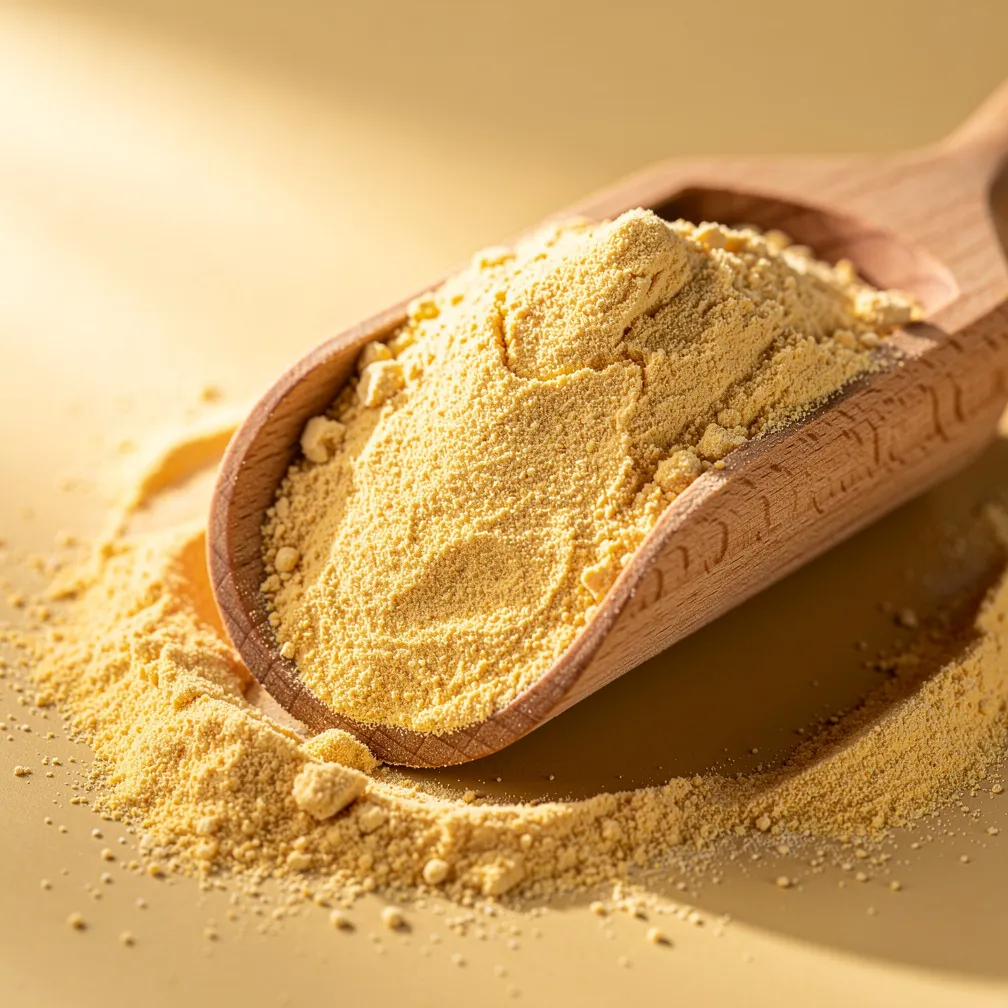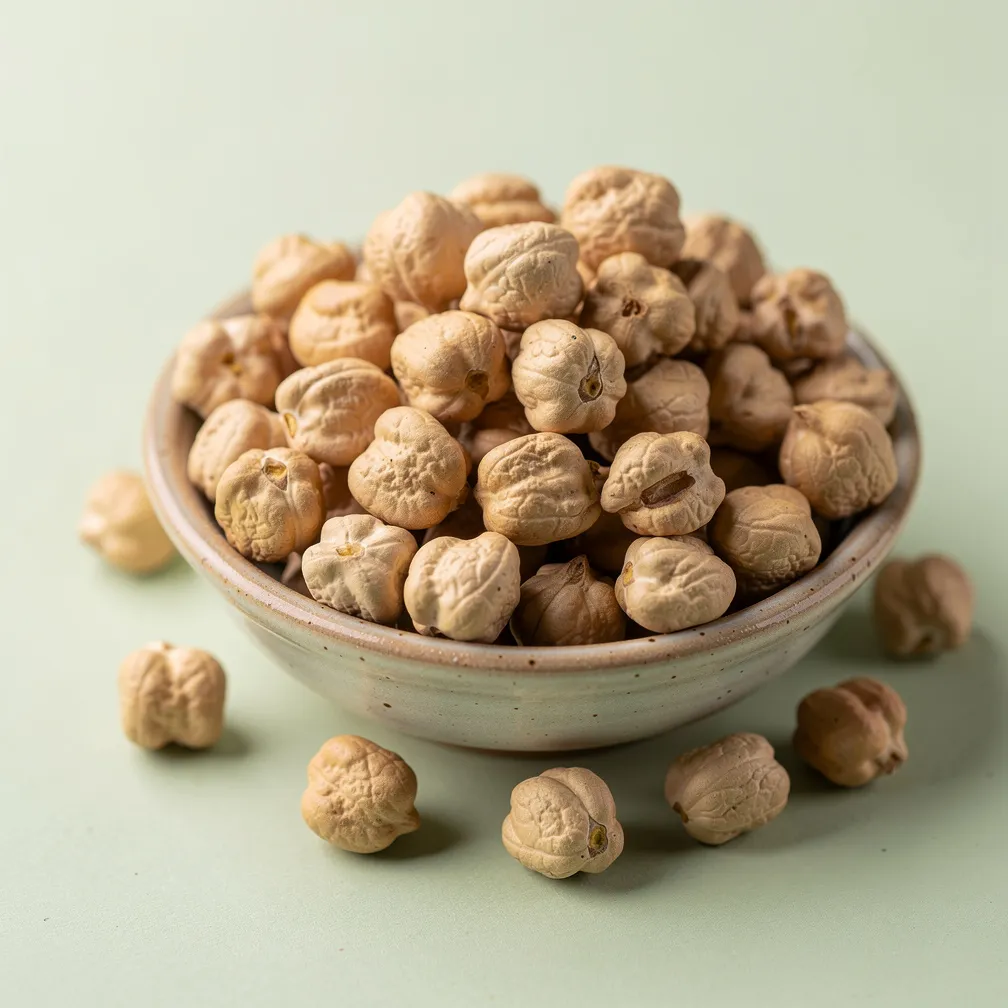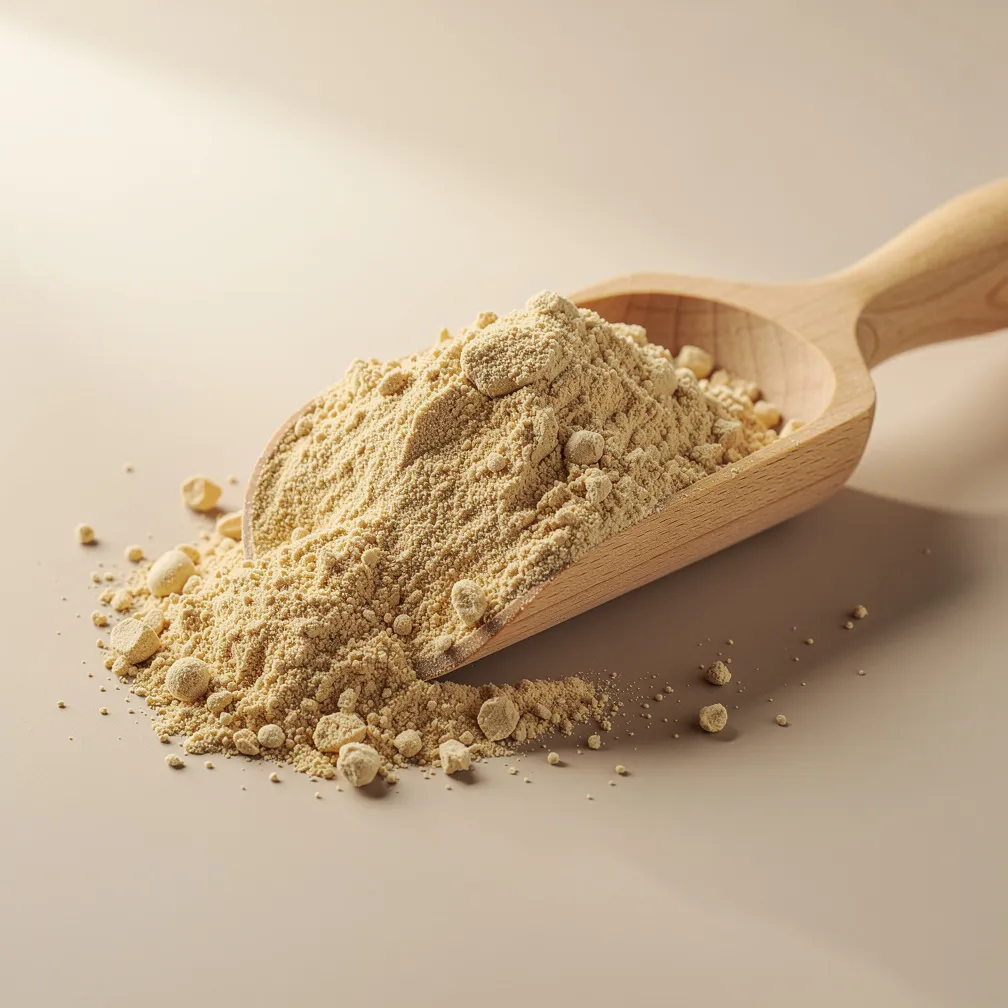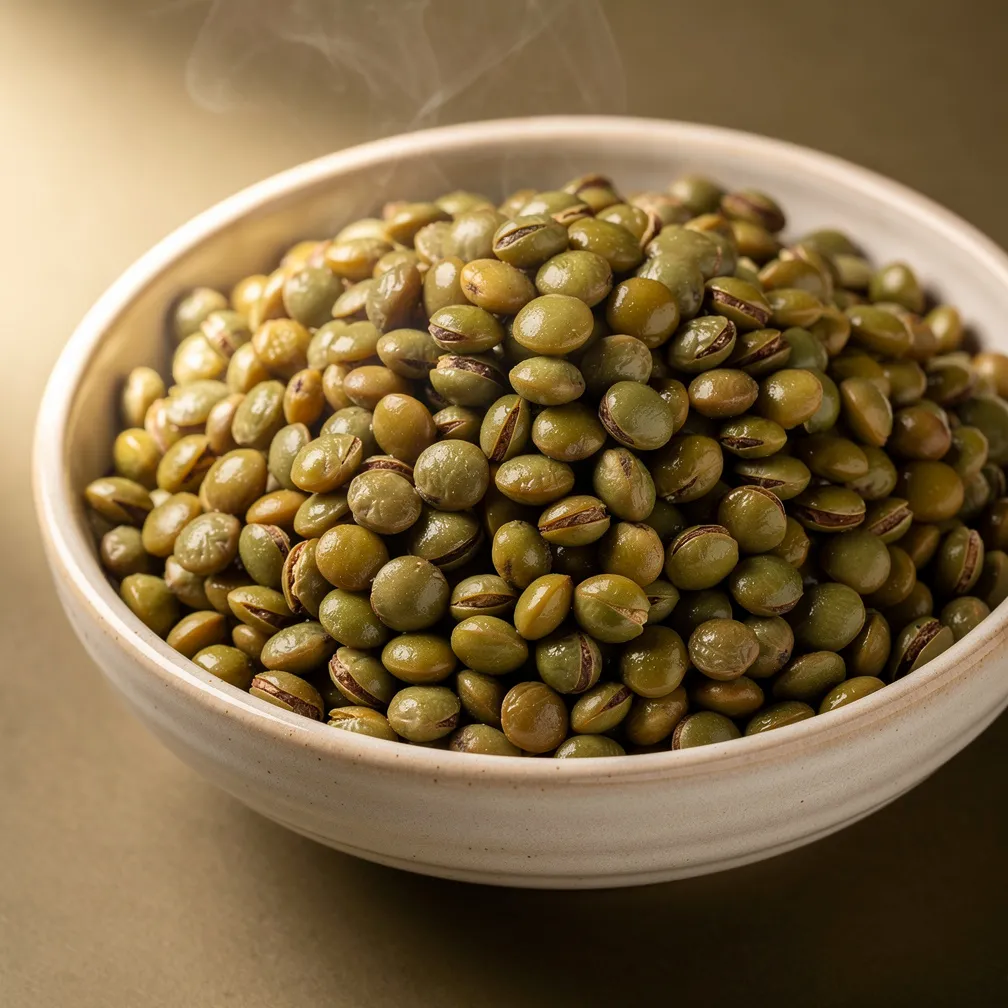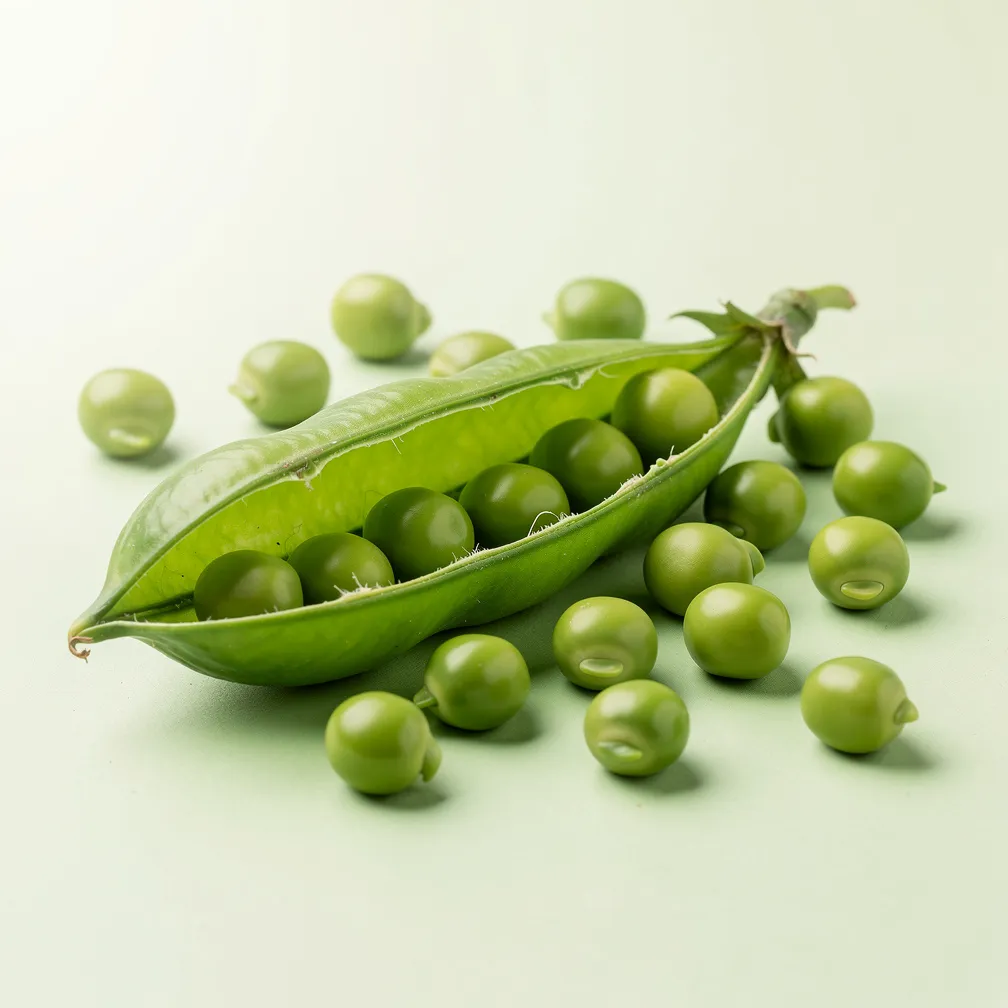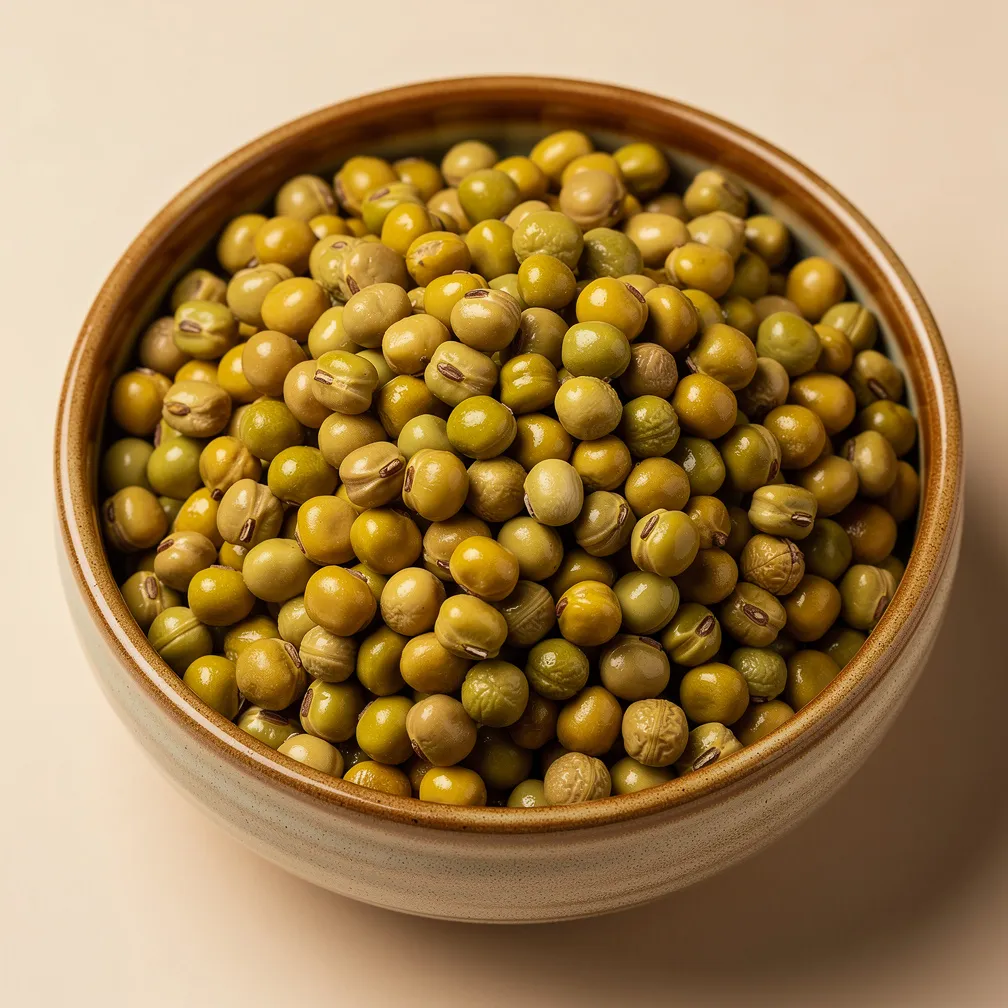
Pigeon peas are a drought-tolerant legume widely cultivated across South Asia, the Caribbean, and sub-Saharan Africa, where they are a dietary staple typically sold dried and cooked into stews, curries, and rice dishes such as the Caribbean classic rice and peas. The raw, dried figures per 100 g show a notably high-protein, high-carbohydrate profile: 343 kcal, 21.7 g of protein, 1.5 g of fat, 62.8 g of carbohydrates, and 15 g of dietary fibre. On the mineral side, pigeon peas are a rich source of potassium (1,392 mg per 100 g), phosphorus (367 mg), and magnesium (183 mg). They also provide an exceptional 456 mcg of folate per 100 g, alongside niacin (2.965 mg) and pantothenic acid (1.266 mg). Suitable for vegan, vegetarian, pescatarian, gluten-free, dairy-free, and Mediterranean dietary patterns.
How many calories in pigeon peas?
Raw dried pigeon peas contain 343 kcal per 100 g. A typical cooked serving of around 85 g (half a cup) would be considerably lower in calories once the peas have absorbed water during cooking.
How much folate is in pigeon peas?
Pigeon peas contain 456 mcg of folate per 100 g of the raw dried legume, making them one of the more folate-dense plant foods available. Note that cooking reduces folate content to some degree, so actual intake from a cooked serving will be lower.
Are pigeon peas a good source of protein?
Yes — raw pigeon peas provide 21.7 g of protein per 100 g, which is comparable to other dried legumes such as lentils and chickpeas. They also deliver 15 g of dietary fibre per 100 g, making them a nutritionally substantial plant-based option.
Diets
Get Vnutri
Log meals, track daily totals, save favorites. Free on iOS and Android.
Glycemic Index
approximateMacros · per 100 g
| Macros | Amount |
|---|---|
| Calories | 121 kcal |
| Protein | 6.8 g |
| Fat | 0.38 g |
| Carbs | 23.3 g |
| Fiber | 6.7 g |
| Fats breakdown | Amount |
|---|---|
| Saturated | 0.083 g |
| Monounsaturated | 0.003 g |
| Polyunsaturated | 0.20 g |
| Trans | 0 g |
| Cholesterol | 0 mg |
| Minerals | Amount |
|---|---|
| Calcium | 43.0 mg |
| Iron | 1.1 mg |
| Magnesium | 46.0 mg |
| Phosphorus | 119 mg |
| Potassium | 384 mg |
| Sodium | 5.0 mg |
| Zinc | 0.90 mg |
| Copper | 0.27 mg |
| Manganese | 0.50 mg |
| Selenium | 2.9 mcg |
| Vitamins | Amount |
|---|---|
| Vitamin A | 0 mcg |
| Retinol | 0 mcg |
| Vitamin C | 0 mg |
| Vitamin D | 0 mcg |
| Thiamin (B1) | 0.15 mg |
| Riboflavin (B2) | 0.059 mg |
| Niacin (B3) | 0.78 mg |
| Pantothenic acid (B5) | 0.32 mg |
| Vitamin B6 | 0.050 mg |
| Folate (B9) | 111 mcg |
| Vitamin B12 | 0 mcg |
Other cooking states of Pigeon peas
Raw pigeon peas (343 kcal).