Philly Cheesesteak vs Reuben Sandwich: Calories, Sodium, Protein
Philly cheesesteak vs Reuben sandwich per 100 g: 255 vs 282 kcal, 580 vs 688 mg sodium, 15 vs 10 g protein. East-coast classics nutrition compared.
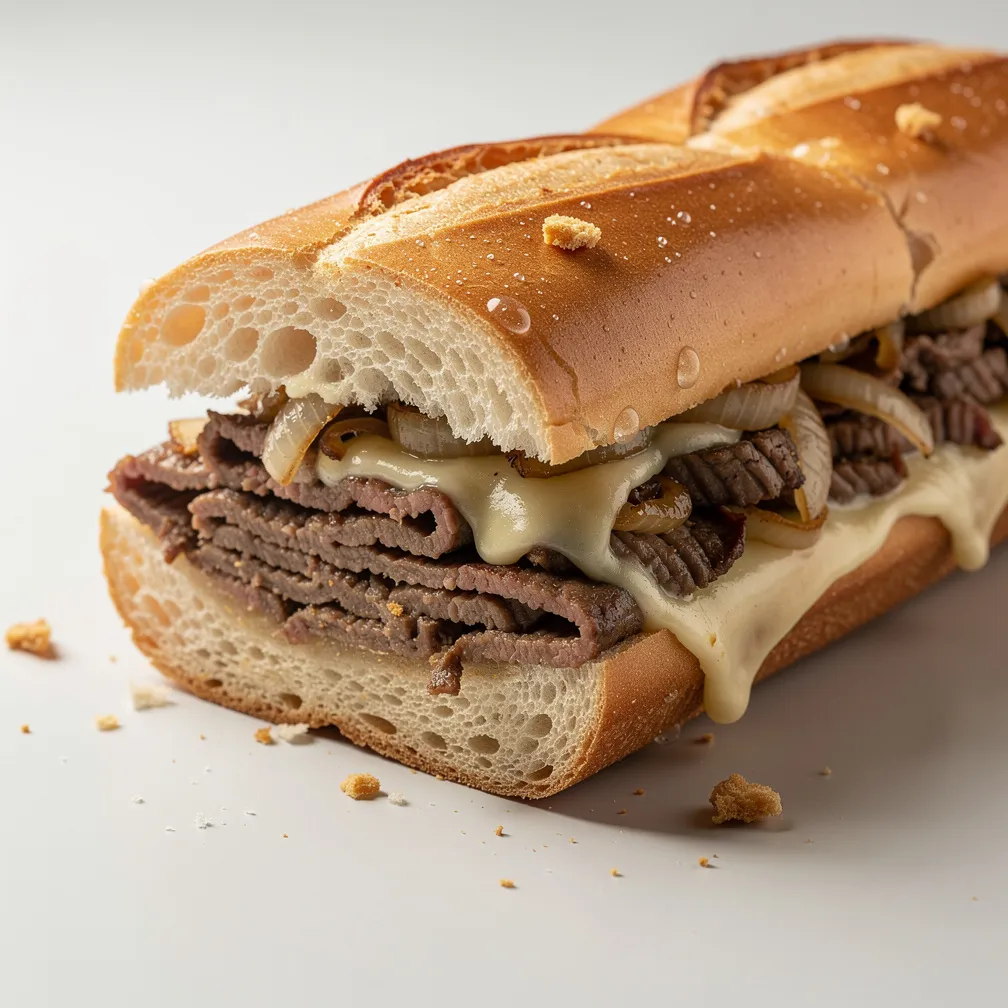
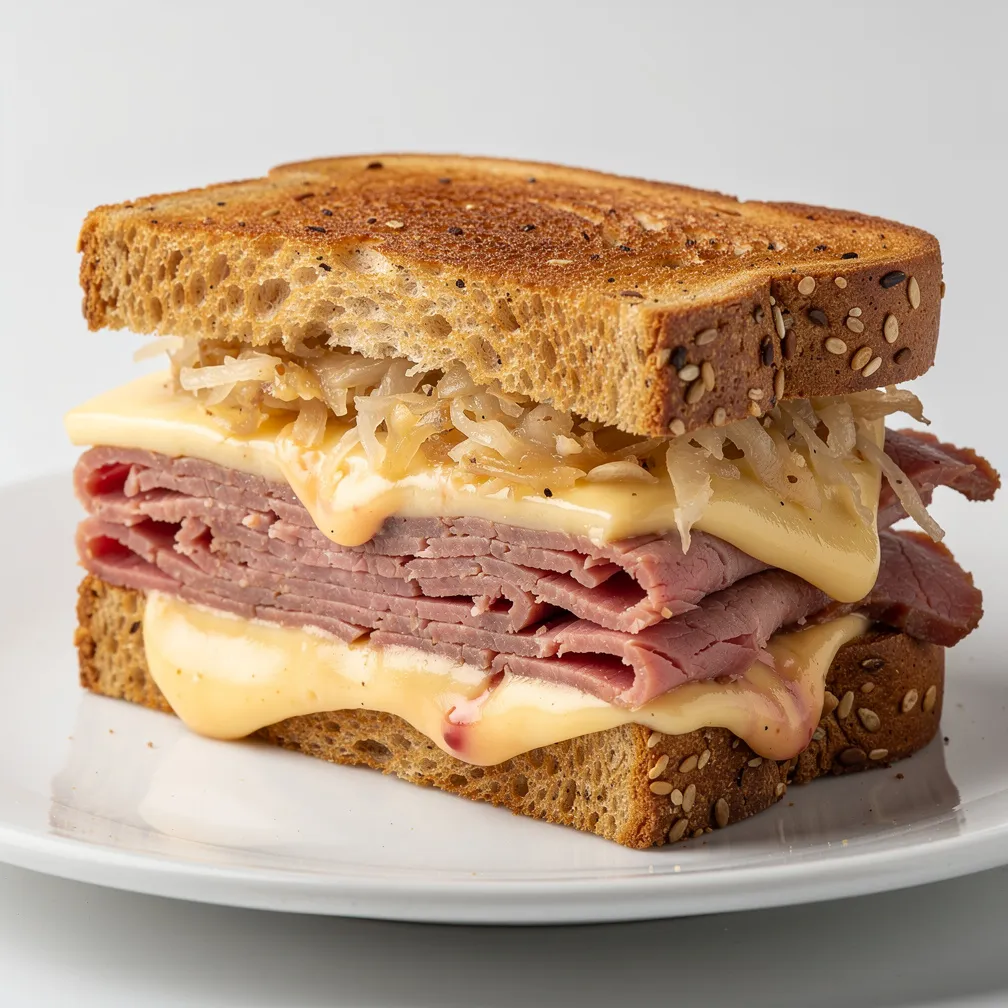
The Philly cheesesteak and the Reuben are the two iconic American deli sandwiches, both born within a 100-mile stretch of the East Coast in the mid-20th century. They look similar — meat, cheese, bread — but every macro tells a different story. Per 100 g, the cheesesteak runs leaner (255 vs 282 kcal), higher-protein (15 vs 10 g), and lower in saturated fat (5 vs 5.8 g). The Reuben is the fattier, saltier sandwich (688 mg sodium per 100 g vs 580 mg), built around rendered corned beef and Russian dressing.
The structural difference is meat preparation. A cheesesteak uses thinly sliced ribeye flash-seared on a flattop; meat-to-bread ratio is high. The Reuben uses fully cured, salt-brined corned beef plus sauerkraut, Swiss cheese, and Russian dressing — five flavor sources, all of them salty.
Quick comparison
| Per 100 g | Philly cheesesteak | Reuben sandwich |
|---|---|---|
| Calories | 255 kcal | 282 kcal |
| Protein | 15.0 g | 10.0 g |
| Fat | 12.5 g | 19.4 g |
| Saturated fat | 5.0 g | 5.8 g |
| Carbohydrate | 21.0 g | 16.4 g |
| Sugars | 2.5 g | 3.5 g |
| Fiber | 1.0 g | 2.2 g |
| Sodium | 580 mg | 688 mg |
| Potassium | 220 mg | 134 mg |
| Calcium | 120 mg | 117 mg |
| Iron | 2.0 mg | 1.7 mg |
| Glycemic index | — | 50 |
Macros and calories
Per typical sandwich (a 300 g cheesesteak vs a 250 g Reuben), the cheesesteak hits 765 kcal and the Reuben 705 kcal. The Reuben looks lighter on the plate but carries more fat per gram. Protein splits cheesesteak's way at 45 g vs 25 g per sandwich — a 20 g protein gap that matters for anyone treating lunch as a recovery meal.
The fat composition deserves a closer look. Cheesesteak fat (12.5 g per 100 g) comes from ribeye marbling and the provolone or Cheez Whiz on top. Reuben fat (19.4 g) comes from corned beef brisket — a fattier cut by design — plus Swiss cheese and the mayo-based Russian dressing on the rye. The Reuben's higher fat is structural; even a well-trimmed brisket can't match the protein-per-gram efficiency of a flank ribeye slice.
Carbs run cheesesteak-higher (21 vs 16.4 g per 100 g) because the Italian roll is larger than the rye slices of a Reuben. Net of the dressing, both sandwiches are bread-anchored.
Vitamins and minerals
Iron and potassium tilt the cheesesteak's way. Iron at 2.0 mg per 100 g is one of the highest values in any common deli sandwich, supplied by fresh beef ribeye. Potassium at 220 mg vs 134 mg favors the cheesesteak because corned beef loses potassium during the salt brine.
Calcium runs nearly equal (120 vs 117 mg per 100 g), both supplied by cheese. The Reuben's sauerkraut adds a small dose of vitamin K and live cultures (if unpasteurized — most restaurant sauerkraut is pasteurized).
Sodium load
The Reuben is the high-sodium sandwich on a deli menu. Per 100 g, 688 mg of sodium comes from three salt sources that compound: corned beef brine, sauerkraut, and Russian dressing. A standard 250 g Reuben delivers 1,720 mg sodium — 86 % of the WHO daily limit in one sandwich.
The cheesesteak isn't a low-sodium sandwich either (580 mg per 100 g, ~1,740 mg per sandwich), but the salt sources are simpler: salted cheese and seasoned meat. The Reuben's complexity pushes it further.
For anyone managing hypertension, both sandwiches are weekly-not-daily food. Order without dressing or with a half-portion of cheese and the load drops meaningfully (~300 mg savings).
Diet compatibility
| Diet | Philly cheesesteak | Reuben sandwich |
|---|---|---|
| Vegan | No | No |
| Vegetarian | No | No |
| Gluten-free | No (bread) | No (rye) |
| Dairy-free | No (cheese) | No (cheese) |
| Paleo | No | No |
| Mediterranean | No | No |
| Keto | No (21 g carbs) | Borderline (16 g) |
| Low-FODMAP | No (bread, onion) | Borderline |
Neither sandwich is a strict-diet candidate. The Reuben in lettuce-wrap form approaches keto territory (16 g carbs without bread drops to ~3 g); the cheesesteak version on a low-carb wrap holds similar potential. Both rely on cheese, so dairy-free is out.
When to choose Philly cheesesteak
- 50 % more protein per 100 g — closer to a complete meal-protein dose.
- Higher iron (2 vs 1.7 mg) and 65 % more potassium per 100 g.
- Simpler flavor stack — easier to portion and modify.
- Half the sandwich is enough for a lunch (~380 kcal vs 350 kcal of Reuben half).
- Lower sodium baseline (580 vs 688 mg per 100 g) before any add-ons.
When to choose Reuben sandwich
- Twice the fiber per 100 g (2.2 vs 1.0 g), from rye and sauerkraut.
- Sauerkraut adds vitamin K and trace fermented-food cultures.
- Glycemic index of 50 (rye + protein/fat) keeps blood sugar steadier than wheat-roll cheesesteak.
- Bigger flavor density per bite — tang, salt, fat, savory — satisfies appetite faster.
- Sauerkraut-onion-mustard layer means it carries vegetable matter, however lightly.
Practical pairings
The cheesesteak is monolithic — meat, cheese, roll, optional onion-and-pepper. Pair with a vinegar-dressed slaw or a tomato salad to add fiber and reset the palate. Skip the cheese fries.
The Reuben benefits from a contrasting pickle or a sharp coleslaw — its sweet-tangy dressing reaches saturation fast. A clear consommé as a starter eases the sodium-heavy entrance.
Half sandwich + side salad is the more sensible business-lunch order for both. A full Reuben or cheesesteak as the main protein meal of the day, paired with a low-sodium dinner, fits most healthy-eating patterns without breaking them.