Pecan Pie vs Sweet Potato Pie: Calories, Fat, Sugar
Pecan pie vs sweet potato pie per 100 g: 430 vs 270 kcal, 22 vs 11.5 g fat. Two Thanksgiving pies, one is 60% lighter — and which to pick.
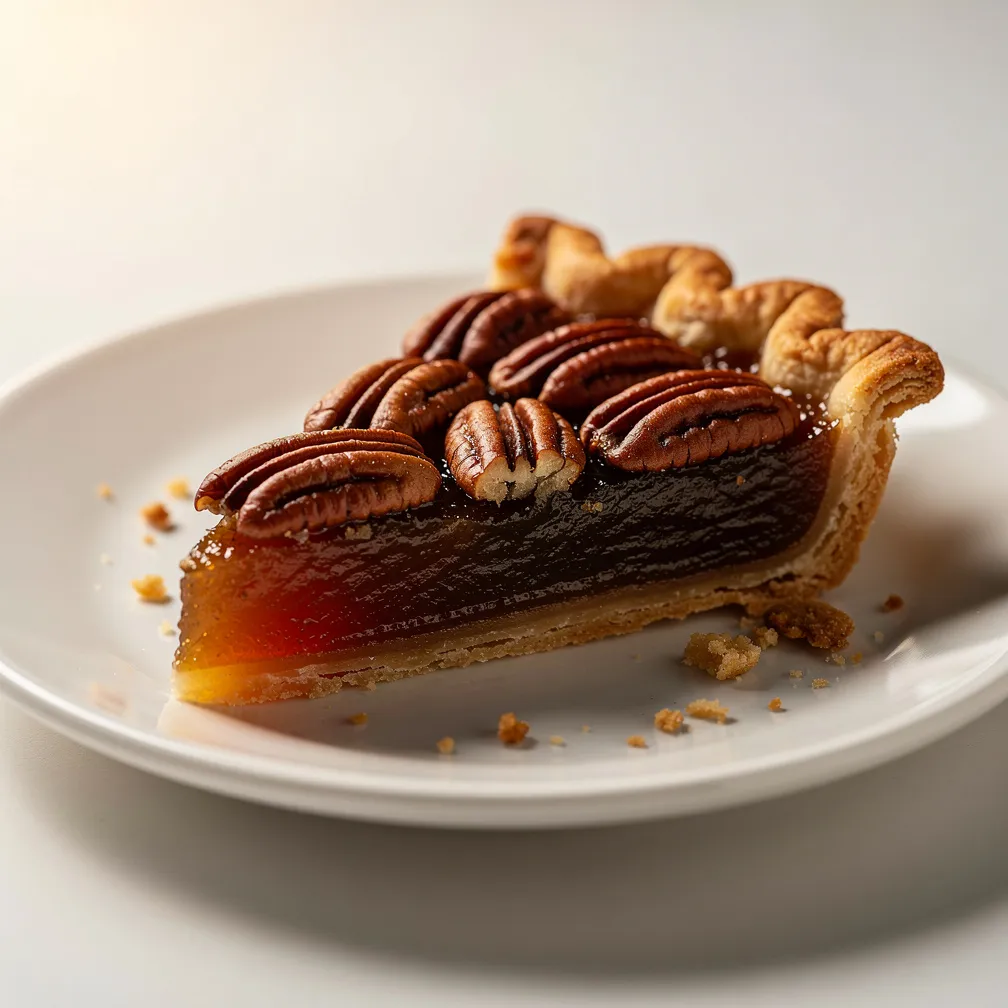
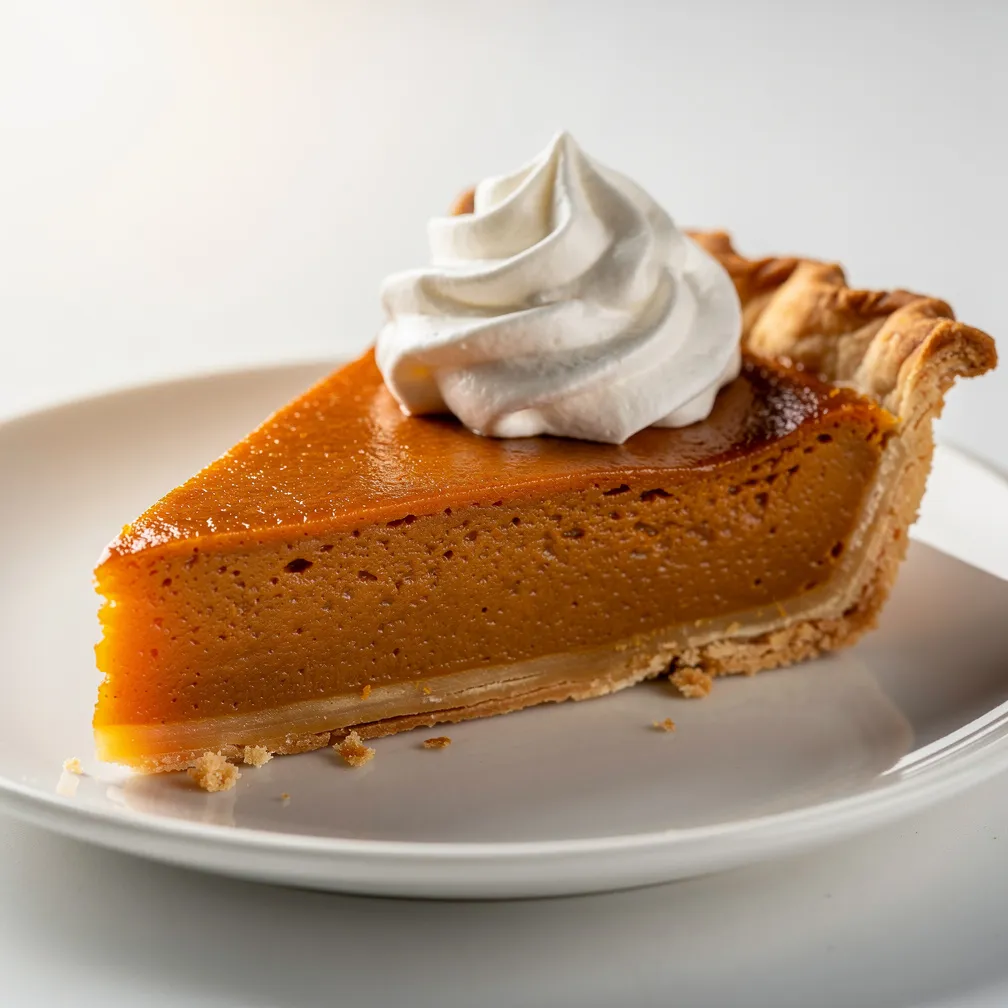
Pecan pie and sweet potato pie are the two Southern Thanksgiving pies that compete for the same dessert slot. Sweet potato pie is the lighter, fiber-richer, vitamin-A-loaded option that doesn't get nearly enough recognition outside the South. Per 100 g, sweet potato pie delivers 270 kcal vs pecan pie's 430 — a 37 % calorie savings — with 11.5 g of fat vs 22 g, and a more useful micronutrient payload.
The structural reason is filling density. Pecan pie filling is essentially sugar, corn syrup, butter, eggs, and pecans — a concentrated calorie bomb. Sweet potato pie filling is mashed sweet potato (which is mostly water and starch), eggs, milk, and sugar — diluted by the vegetable mass to roughly half the density per 100 g.
Quick comparison
| Per 100 g | Pecan pie | Sweet potato pie |
|---|---|---|
| Calories | 430 kcal | 270 kcal |
| Protein | 5.0 g | 4.5 g |
| Fat | 22.0 g | 11.5 g |
| Saturated fat | 5.5 g | 4.8 g |
| Carbohydrate | 55.0 g | 38.0 g |
| Sugars | 40.0 g | 22.0 g |
| Fiber | 2.0 g | 1.5 g |
| Sodium | 210 mg | 195 mg |
| Potassium | 160 mg | 240 mg |
| Calcium | 40 mg | 65 mg |
| Iron | 1.2 mg | 0.9 mg |
| Vitamin C | 0.2 mg | 5.5 mg |
Macros and calories
A 110 g slice of pecan pie = 473 kcal. The same weight of sweet potato pie = 297 kcal — a 176 kcal savings, equivalent to a small extra meal in the daily budget. Across a holiday spread where dessert often runs 2–3 slices, the cumulative difference is significant: a sweet potato dessert plan stays under 600 kcal of dessert; a pecan-heavy plan can clear 1,200 kcal.
The sugar gap is even more lopsided. Pecan pie's 40 g per 100 g vs sweet potato pie's 22 g — almost half. Sweet potato pie sweetens from the vegetable itself (natural sugars in cooked sweet potato are ~5 g per 100 g) plus brown sugar in the filling; pecan pie depends on a thick corn-syrup-and-sugar base for its texture.
Fat is the second major split. Pecan pie's 22 g per 100 g vs sweet potato pie's 11.5 g. The pecans contribute heart-healthy mono- and polyunsaturated fat, but the volume is high. Sweet potato pie's fat is mostly from milk solids and butter in the crust.
Vitamins and minerals
This is where sweet potato pie completely outclasses its rival. Vitamin A (from beta-carotene in sweet potato) is the marquee number — a 100 g slice delivers 200–250 % of the daily target, the highest beta-carotene density of any pie in American cuisine. Vitamin C lands at 5.5 mg per 100 g vs pecan pie's essentially zero.
Potassium is also stronger in sweet potato pie (240 vs 160 mg). Calcium runs slightly higher too (65 vs 40 mg) from the milk in the filling.
Pecan pie's mineral story is iron (1.2 mg vs 0.9 mg) — from the nuts. Pecans deliver small but real iron, copper, and manganese. The fiber is also a touch higher (2 g vs 1.5 g per 100 g).
Glycemic load and blood sugar
Both pies are high-sugar desserts. Pecan pie's corn syrup base is mostly free glucose — pushes blood sugar fast. Sweet potato pie's carbohydrate is a mix of starch, sucrose, and the slow-absorbing fibers of the cooked vegetable; the post-meal glucose curve is softer and longer.
For a diabetic or insulin-resistant eater, sweet potato pie is the meaningfully better choice — same dessert format, half the sugar, gentler glycemic response. Neither is "safe" in daily-eating terms; both are sometimes-foods.
Diet compatibility
| Diet | Pecan pie | Sweet potato pie |
|---|---|---|
| Vegan | No | No (egg, milk) |
| Vegetarian | Yes | Yes |
| Gluten-free | No (crust) | No (crust) |
| Dairy-free | Borderline | No (milk) |
| Paleo | No | No (refined sug.) |
| Mediterranean | No | No |
| Keto | No (55 g carbs) | No (38 g carbs) |
| Low-FODMAP | Borderline | Yes |
Sweet potato pie fits low-FODMAP plans better — sweet potato is a low-FODMAP starch. Pecans cross into moderate-FODMAP territory. Neither is paleo or keto-compatible at restaurant strength.
When to choose pecan pie
- More fiber per 100 g (2 vs 1.5 g) from whole pecans.
- More iron and a better-shaped fat profile (more unsaturated).
- Festive presentation — pecan halves on a glossy filling.
- Pairs cleanly with strong coffee, bourbon, or a sharp cheddar.
- Holds at room temperature for hours — better for buffet-style dessert tables.
When to choose sweet potato pie
- 37 % fewer calories per slice — clear winner on calorie budget.
- Half the sugar (22 g vs 40 g per 100 g).
- Half the fat (11.5 g vs 22 g per 100 g).
- 200 %+ daily vitamin A per slice — actual micronutrient delivery in a dessert.
- 27× more vitamin C than pecan pie — the dessert with traceable C.
- Softer glycemic response — friendlier for blood-sugar-aware eaters.
Practical pairings
Pecan pie wants a bitter contrast: black coffee, espresso, or a smoky bourbon. Whipped cream or vanilla ice cream is traditional but adds 50–100 kcal per spoonful. Keep portions to 80 g — restaurant slices are usually 130 g+.
Sweet potato pie pairs with chai or spiced black tea — the cinnamon-nutmeg profile of the filling mirrors the spice profile of the drink. A small dollop of whipped cream is structural rather than excessive at this filling density.
For a Thanksgiving plan: a 100 g slice of sweet potato pie (~270 kcal) as the headline dessert, with optional 30 g sliver of pecan pie (~130 kcal) for variety. Total dessert load stays around 400 kcal — sustainable for a daily-eating reset on Friday.