Lobster Roll vs New England Clam Chowder: Calories, Protein, GI
Lobster roll vs New England clam chowder per 100 g: 270 vs 142 kcal, 14 vs 7.2 g protein, GI 70 vs cream-base soup. The Maine coast duo compared.
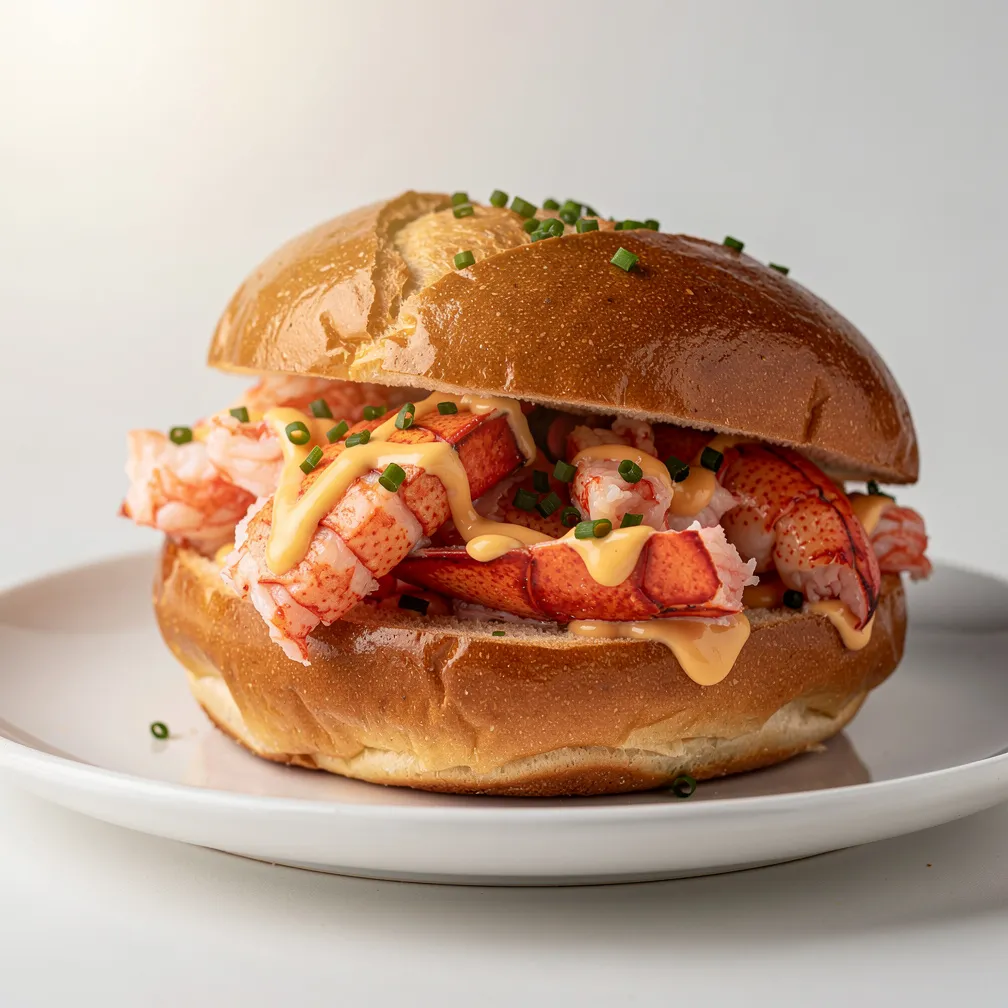
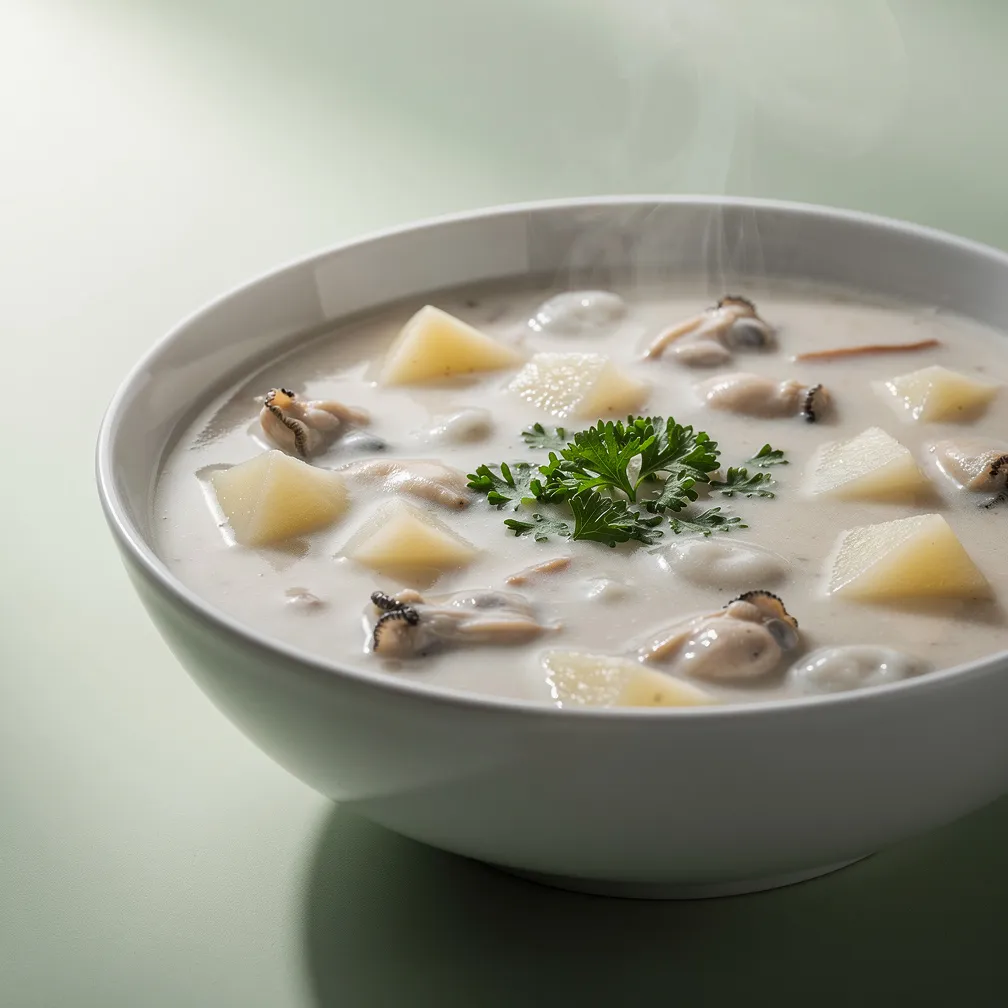
The lobster roll and New England clam chowder are the two flagship dishes of the Maine-to-Massachusetts coastline. Both rest on shellfish, both lean heavily on butter and cream, both arrive at the table during summer lobster shack season. But they sit at different ends of the calorie scale and serve different roles on the plate. Per 100 g, the lobster roll lands at 270 kcal with 14 g of protein. The clam chowder hits 142 kcal — almost half — with 7.2 g of protein and a much higher water mass.
Per typical serving (a 200 g lobster roll vs a 350 g cup of chowder), calories converge: 540 vs 500 kcal. The lobster roll is a denser meal in a smaller package; the chowder is a wider-volume soup that fills the bowl with mostly liquid.
Quick comparison
| Per 100 g | Lobster roll | New England clam chowder |
|---|---|---|
| Calories | 270 kcal | 142 kcal |
| Protein | 14.0 g | 7.2 g |
| Fat | 13.0 g | 7.8 g |
| Saturated fat | 2.5 g | 4.2 g |
| Carbohydrate | 24.0 g | 11.5 g |
| Sugars | 3.0 g | 2.8 g |
| Fiber | 1.0 g | 0.9 g |
| Sodium | 520 mg | 480 mg |
| Potassium | 220 mg | 310 mg |
| Calcium | 60 mg | 72 mg |
| Iron | 0.9 mg | 1.8 mg |
| Glycemic index | 70 | — |
Macros and calories
The lobster roll's 270 kcal per 100 g splits roughly: 40 % from carbohydrate (the buttery split-top roll), 43 % from fat (lobster meat + mayo + butter), 17 % from protein. The chowder's 142 kcal per 100 g splits more evenly: 32 % carb, 49 % fat, 19 % protein — but with the water dilution, those percentages are over a much smaller absolute calorie base.
Protein per serving: a 200 g lobster roll = 28 g protein; a 350 g chowder cup = 25 g protein. Practically equal. The chowder gets there with a leaner per-gram density because its bulk is broth.
The saturated fat split is unexpected. The chowder carries 4.2 g per 100 g vs the roll's 2.5 g, because clam chowder is built on heavy cream and butter, while the lobster roll uses a smaller volume of mayo or melted butter mixed with mostly-lean lobster claw and tail meat.
Vitamins and minerals
The chowder is the mineral-denser dish per calorie. Iron at 1.8 mg vs 0.9 mg per 100 g — twice as much — because clams are one of the highest-iron foods in the seafood category. Potassium runs 310 vs 220 mg, calcium 72 vs 60 mg.
For someone tracking iron — vegetarians who eat seafood, women of reproductive age, anyone post-blood-donation — a cup of New England clam chowder is one of the most efficient iron deliveries on an American menu. A 350 g cup hits ~6.3 mg of highly bioavailable heme iron, roughly a third of daily needs.
Sodium is moderate-high in both (520 vs 480 mg per 100 g) — clams brine themselves, lobster meat is salted at the boil, and butter or mayo adds more.
Glycemic index and texture
The lobster roll sits at GI 70 — the high end — because the brioche-style split-top roll is white refined flour with sugar. Eaten alone, it produces a fast glucose rise. The fat and protein in the lobster meat moderate the curve somewhat, but the bread is the driver.
The chowder's GI isn't standardized because it depends entirely on potato content. Most New England-style chowders include diced potato that adds ~10–15 g of carb per serving but spreads the absorption over the slow-eating timeline of a hot soup. Net glycemic load is meaningfully lower than the roll's.
Diet compatibility
| Diet | Lobster roll | NE clam chowder |
|---|---|---|
| Vegan | No | No |
| Vegetarian | No (shellfish) | No (shellfish) |
| Gluten-free | No (bread) | Borderline (roux) |
| Dairy-free | No (butter, mayo) | No (cream) |
| Pescatarian | Yes | Yes |
| Paleo | No (bread) | Borderline (potato) |
| Mediterranean | Borderline | No (cream-based) |
| Keto | No (24 g carbs) | Borderline (11.5 g) |
| Low-FODMAP | No (bread) | Borderline |
Pescatarians can eat both freely. Strict gluten-free diners can order a chowder if it's thickened with cornstarch instead of flour roux (Boston-style is usually flour-thickened). A lettuce-wrap "naked lobster roll" approaches keto-compatible territory.
When to choose lobster roll
- Higher protein per serving when measured as a meal (~28 g per roll).
- Cleaner saturated-fat profile (2.5 g vs 4.2 g per 100 g) despite higher total fat.
- Single hand-held format — portable, beach-friendly, no spoon required.
- Lobster meat carries higher protein quality (PDCAAS score) than blended chowder.
- Premium ingredient — a lobster roll at a coastal shack is a once-a-trip experience.
When to choose New England clam chowder
- Half the calories per 100 g — easier to fit into a normal-eating day.
- Twice the iron, more potassium, more calcium per 100 g.
- Warming, broth-format meal works year-round, not just summer.
- Less wheat exposure — easier to make gluten-free at home.
- Better as a starter or shared course; the roll commits the eater to a full sandwich.
Practical pairings
The lobster roll's classic accompaniments are kettle chips and a pickle — both salty, both calorically minor. A summer slaw adds vinegar and fiber for under 50 kcal. Skip the side of fries; the combined sodium pushes past 1,200 mg fast.
The chowder pairs with oyster crackers (~30 kcal per handful), a small green salad, or a slice of sourdough. Many New England restaurants serve chowder as a starter before a fish-and-chips or lobster entrée — order one or the other, not both, unless the meal needs 1,200 calories.
For a balanced shore-town day: chowder for lunch, light salad for dinner. For an indulgent vacation lunch: lobster roll with kettle chips and a small slaw, treated as the calorie event of the day.