Lamington vs ANZAC Biscuit: Calories, Sugar, Fat
Lamington vs ANZAC biscuit per 100 g: 360 vs 450 kcal, 38 vs 36 g sugar, 13 vs 20 g fat. Two iconic Australian baked goods — and what really separates them.
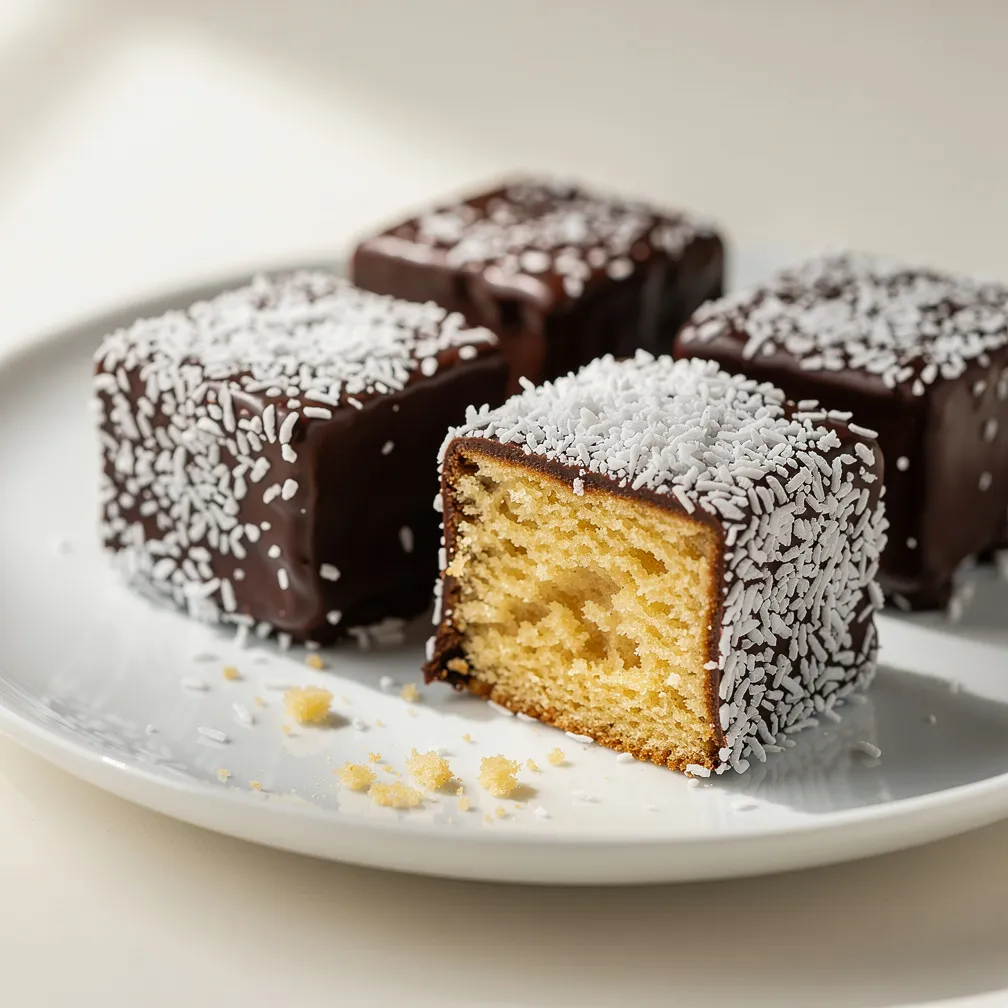
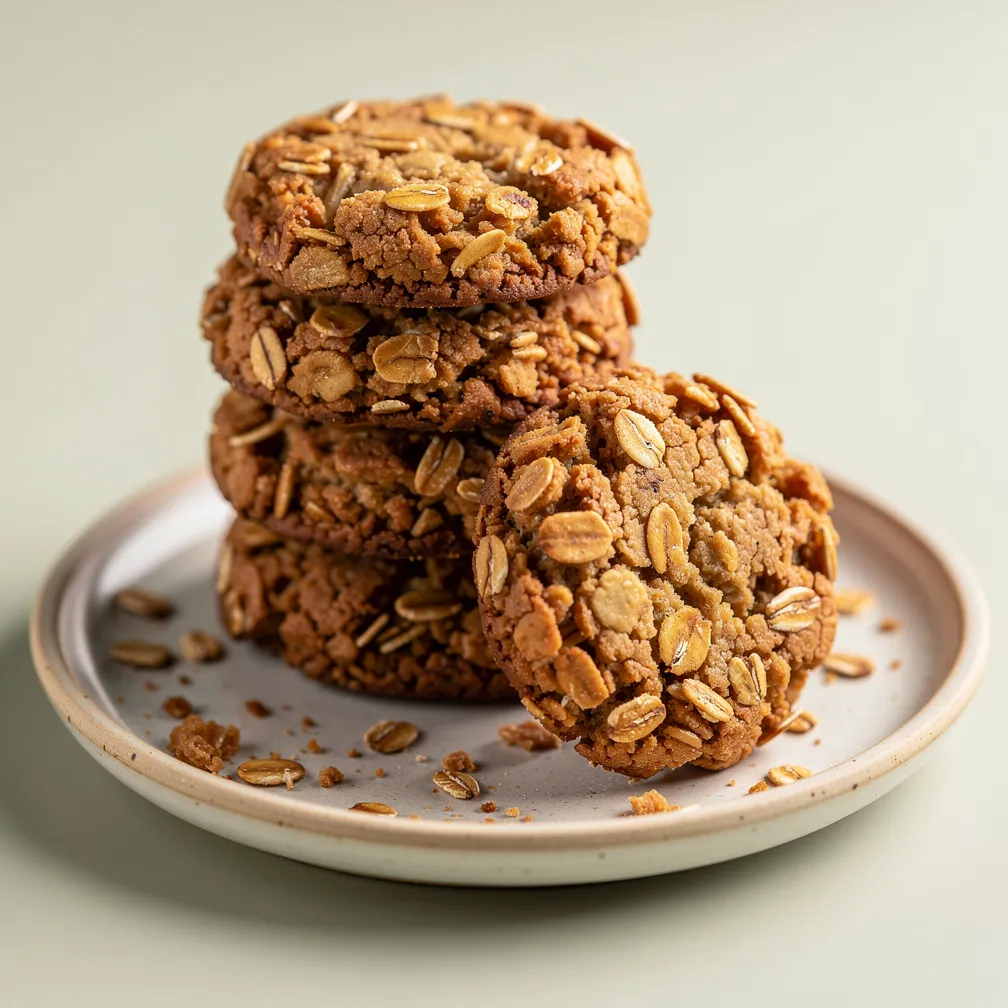
The lamington and the ANZAC biscuit are the two most internationally recognized Australian sweet baked goods, and both pull double duty as New Zealand classics. They share a national bake-off energy but live at different ends of the dessert-density chart. Per 100 g, lamington lands at 360 kcal with 13 g of fat. ANZAC biscuit hits 450 kcal — 25 % heavier — with 20 g of fat, much of it from coconut and golden syrup.
Sugar is essentially tied per 100 g (38 vs 36 g), but the per-piece reality is different. A typical 80 g lamington = 288 kcal, while a 25 g ANZAC biscuit = 113 kcal. Per single biscuit or single cake square, the ANZAC is a smaller calorie commitment; per 100 g of consumption, the lamington is the lighter choice.
Quick comparison
| Per 100 g | Lamington | ANZAC biscuit |
|---|---|---|
| Calories | 360 kcal | 450 kcal |
| Protein | 4.5 g | 5.5 g |
| Fat | 13.0 g | 20.0 g |
| Saturated fat | 9.0 g | 12.5 g |
| Carbohydrate | 56.0 g | 63.0 g |
| Sugars | 38.0 g | 36.0 g |
| Fiber | 3.5 g | 3.0 g |
| Sodium | 160 mg | 280 mg |
| Potassium | 180 mg | 160 mg |
| Calcium | 45 mg | 30 mg |
| Iron | 1.2 mg | 1.8 mg |
Macros and calories
The 90 kcal-per-100 g gap is fat-driven. ANZAC biscuits use 20 g of fat per 100 g — coconut, butter, and golden syrup are all dense fat-and-sugar carriers. Lamingtons use less fat per gram because the sponge cake base is mostly flour and air, with chocolate icing and coconut on the outside.
Saturated fat is 9 g vs 12.5 g per 100 g — both high, both dominated by butter and coconut. A 25 g ANZAC biscuit delivers ~3 g saturated fat; a 80 g lamington delivers ~7 g. Per piece, the ANZAC is lower; per 100 g consumed, the lamington is lower.
Protein is essentially equivalent (4.5 vs 5.5 g per 100 g). Neither is a protein source by any meaningful standard.
The carbohydrate profile favors lamington slightly (56 vs 63 g per 100 g). Sugar is functionally tied. Both are sugar-dense baked goods that exceed daily added-sugar limits in a single substantial portion.
Vitamins and minerals
ANZAC biscuit wins iron (1.8 vs 1.2 mg per 100 g) because rolled oats are a meaningful iron source and oats make up a significant portion of the biscuit dough. A 25 g biscuit delivers ~0.5 mg iron — small but not negligible.
Lamington wins calcium (45 vs 30 mg per 100 g) and potassium (180 vs 160 mg). Calcium comes from milk in the sponge cake and milk solids in the chocolate icing.
Fiber is close (3.5 vs 3 g per 100 g). Both deliver more fiber than the average sweet baked good — lamington from desiccated coconut, ANZAC from rolled oats and coconut. That said, both should be treated as desserts, not "high-fiber snacks."
Sodium and structure
ANZAC biscuit carries 75 % more sodium per 100 g (280 vs 160 mg). The reason is structural — biscuits use baking soda for leavening, which contributes sodium directly. Lamington sponge uses baking powder (lower sodium per gram) and the chocolate-and-coconut outer layer is essentially sodium-free.
For sodium-aware eating, lamington is the better choice. For everyone else, neither dessert is a meaningful sodium concern at typical portions.
The history layer
The lamington is named after Lord Lamington, Governor of Queensland 1896–1901. The biscuit form is a sponge cake square dipped in thin chocolate icing and rolled in desiccated coconut. The ANZAC biscuit was developed during WWI to ship to Australian and New Zealand soldiers serving overseas — durable enough to survive 6-week sea voyages without spoiling.
Both have protected cultural status in their countries. The ANZAC name is specifically protected by Australian law — you cannot legally call a commercial biscuit "ANZAC biscuit" without meeting traditional recipe specifications. The lamington has no such formal protection but is widely standardized.
Diet compatibility
| Diet | Lamington | ANZAC biscuit |
|---|---|---|
| Vegan | No (egg, milk) | Borderline |
| Vegetarian | Yes | Yes |
| Gluten-free | No (wheat) | No (oats, wheat) |
| Dairy-free | No | Borderline |
| Paleo | No | No |
| Mediterranean | No | No |
| Keto | No (56 g carbs) | No (63 g carbs) |
| Low-FODMAP | Borderline | Borderline |
Traditional ANZAC biscuit recipes are accidentally vegan-adjacent — flour, oats, coconut, golden syrup, butter, baking soda. Substituting plant butter creates a fully vegan version with no flavor loss. Lamingtons require egg and milk substitution that's harder to make work in a sponge cake.
When to choose lamington
- 25 % fewer calories per 100 g — lighter dessert option.
- 35 % less fat per 100 g.
- 43 % less sodium per 100 g — meaningful for blood-pressure care.
- 50 % more calcium from the dairy.
- Single-portion format (1 square) is naturally restrained.
- Pairs with tea, coffee, or sparkling water.
When to choose ANZAC biscuit
- 50 % more iron per 100 g — meaningful daily mineral support.
- More protein per 100 g (5.5 vs 4.5 g) from oats.
- 25 g biscuit is naturally a smaller portion — easier to limit to one.
- Easily made vegan with plant butter.
- Shelf-stable for 2 weeks — true pantry food.
- Cultural and historical significance — ANZAC Day tradition.
Practical pairings
Lamington pairs with strong black tea or coffee — the bitter beverage cuts the chocolate-coconut richness. A 80 g lamington with a cup of breakfast tea = 290 kcal afternoon-tea event. Skip whipped cream toppings; the lamington is already complete.
ANZAC biscuits pair with the same beverages plus milk — children's school-lunch tradition includes ANZAC biscuits with a glass of milk. As an adult snack with coffee, 2 biscuits = 225 kcal, a reasonable mid-afternoon slot.
For weekly antipodean eating: ANZAC biscuits as a pantry snack for the week, lamington as a weekend baking project or special-occasion afternoon-tea piece. Both freeze for 30 days; both reheat poorly so eat fresh or at room temperature.