Key Lime Pie vs Pecan Pie: Calories, Sugar, Fat
Key lime pie vs pecan pie per 100 g: 322 vs 430 kcal, 14.9 vs 22 g fat, 35.9 vs 40 g sugar. Two American pie traditions, very different calorie footprints.
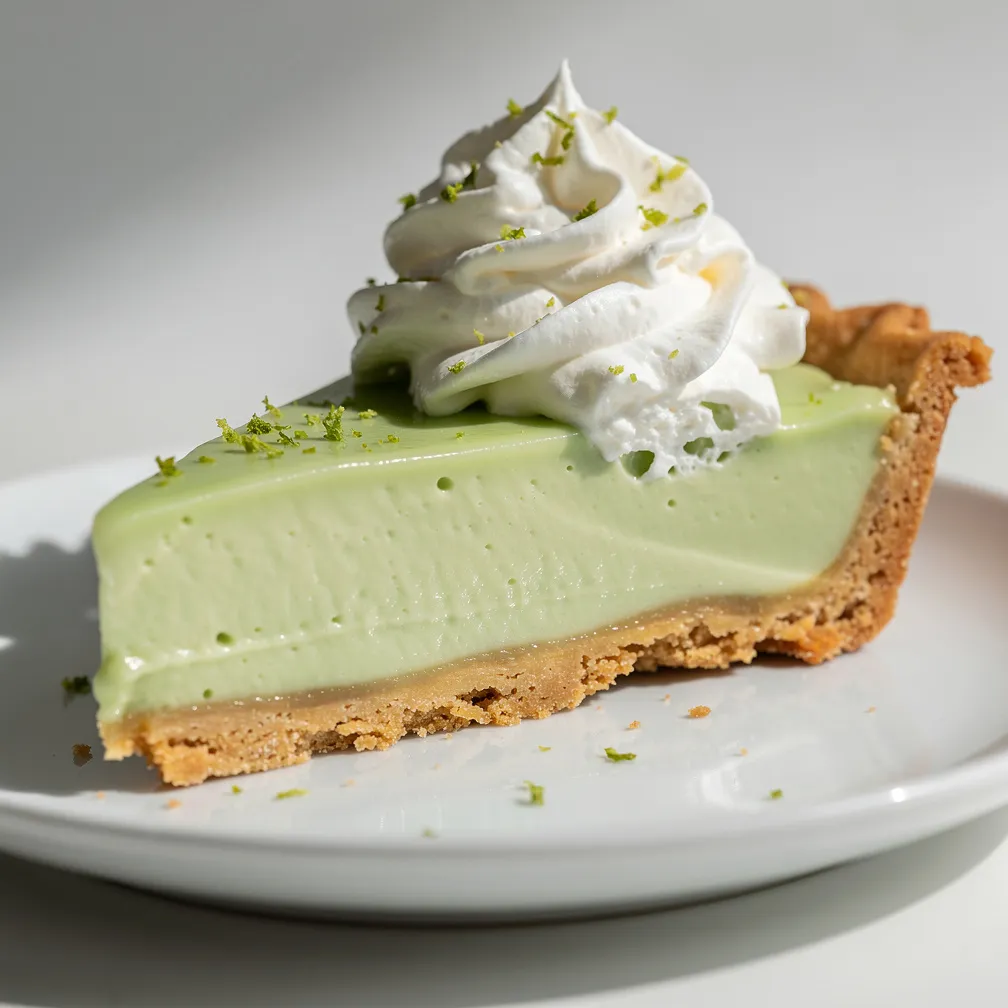
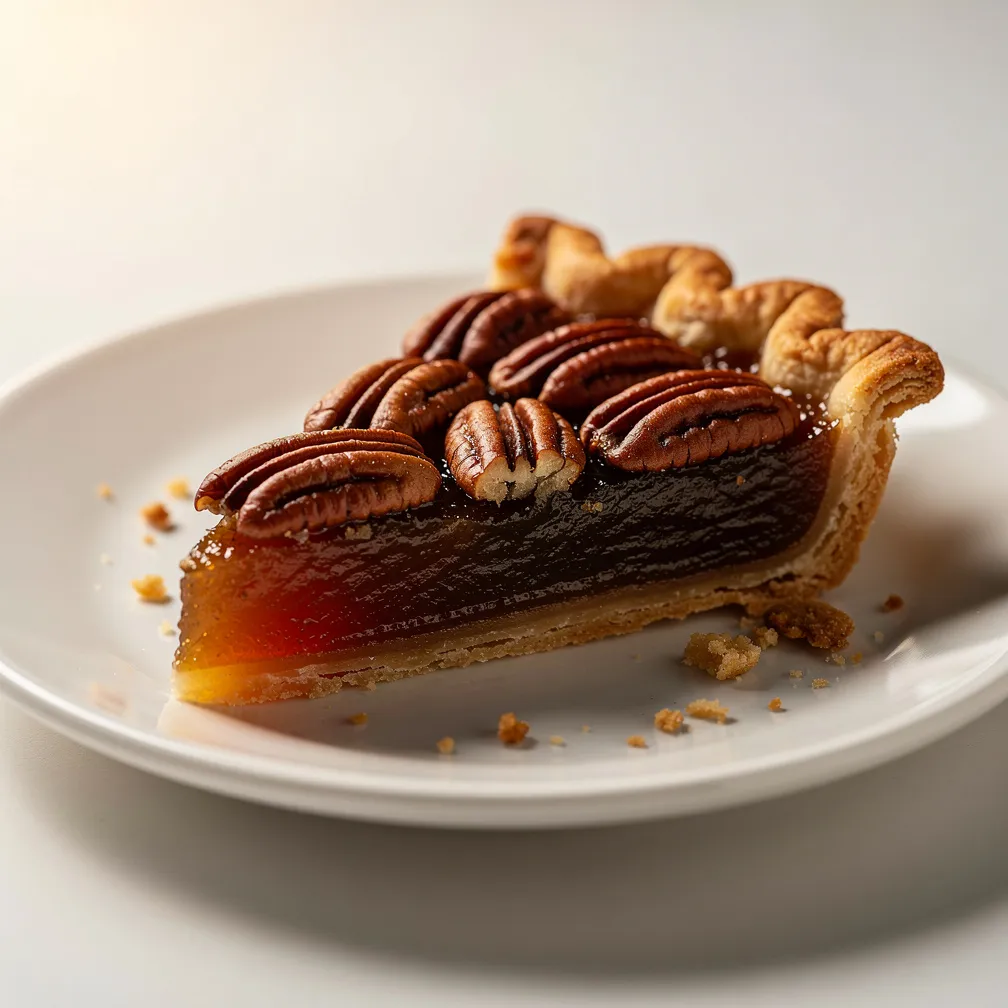
Key lime pie and pecan pie are the two great American regional pies — Florida and the Deep South, respectively — and they sit on opposite sides of the dessert-density chart. Per 100 g, pecan pie hits 430 kcal vs key lime's 322. The pecan version carries 22 g of fat and 40 g of sugar; key lime delivers 14.9 g fat and 35.9 g sugar.
The structural difference: pecan pie is a sugar-egg-corn-syrup custard with pecan halves on top, baked into a butter crust. Key lime pie is sweetened condensed milk + lime juice + egg yolk in a graham cracker crust, often with whipped cream. The pecan custard has zero water dilution; the key lime filling is partly milk solids and acid.
Quick comparison
| Per 100 g | Key lime pie | Pecan pie |
|---|---|---|
| Calories | 322 kcal | 430 kcal |
| Protein | 5.8 g | 5.0 g |
| Fat | 14.9 g | 22.0 g |
| Saturated fat | 7.6 g | 5.5 g |
| Carbohydrate | 42.2 g | 55.0 g |
| Sugars | 35.9 g | 40.0 g |
| Fiber | 0.3 g | 2.0 g |
| Sodium | 182 mg | 210 mg |
| Potassium | 256 mg | 160 mg |
| Calcium | 187 mg | 40 mg |
| Iron | 0.5 mg | 1.2 mg |
| Vitamin C | 1.8 mg | 0.2 mg |
| Glycemic index | 55 | — |
Macros and calories
A standard 110 g slice of pecan pie = 473 kcal. The same weight of key lime pie = 354 kcal — a 25 % savings per slice. Across a holiday dessert plate, that's the difference between a 700-calorie dessert and a 500-calorie one. For people sensitive to dessert calories, key lime is the meaningfully lighter pick.
Fat splits unevenly. Pecan pie at 22 g per 100 g is one of the highest-fat dessert categories in the catalog — nuts, butter crust, and butter-corn-syrup-egg custard combine to push the lipid load up. Key lime at 14.9 g is still high but ~30 % lower; most of its fat is dairy from the condensed milk.
The saturated fat picture flips. Key lime's 7.6 g per 100 g exceeds pecan pie's 5.5 g — because condensed milk is dairy fat (highly saturated), while pecan oil is mostly mono- and polyunsaturated. So pecan pie has more total fat but a healthier-shaped fat profile.
Vitamins and minerals
Calcium is the surprise winner for key lime pie: 187 mg per 100 g vs pecan's 40 mg. Sweetened condensed milk is dense calcium delivery. A 100 g slice of key lime delivers ~20 % of an adult's daily calcium target — unusual for a dessert.
Vitamin C is also key-lime-only (1.8 mg vs essentially zero). The lime juice retains some C through the baking, though much of it degrades.
Pecan pie's mineral story is iron (1.2 vs 0.5 mg) and fiber (2 vs 0.3 g) — both from the pecans themselves. Nuts contribute small but meaningful micronutrient density that the smooth dairy-acid filling of key lime can't replicate.
Sugar load
Both pies are sugar-dense. Pecan pie's 40 g per 100 g is 10 tablespoons of sugar equivalent — essentially a candy bar by glycemic load. Key lime pie's 35.9 g is barely lower.
A 110 g slice of either delivers 40–44 g of free sugar, exceeding WHO's daily added-sugar limit (25 g for adults) in a single slice. This isn't a fixable issue — it's the structural reality of American pie. Choose pie or sugar elsewhere in the day, not both.
The GI value for key lime (55, medium) reflects the fat-and-acid moderation of the filling. Pecan pie's GI isn't standardized but is plausibly higher because of the corn syrup base — corn syrup is largely glucose, which spikes blood sugar more directly than the lactose-and-sucrose mix of condensed milk.
Diet compatibility
| Diet | Key lime pie | Pecan pie |
|---|---|---|
| Vegan | No (egg, milk) | No (egg, butter) |
| Vegetarian | Yes | Yes |
| Pescatarian | Yes | Yes |
| Gluten-free | No (graham crust) | No (pie crust) |
| Dairy-free | No (condensed milk) | Borderline |
| Paleo | No | No |
| Mediterranean | No | No |
| Keto | No (42 g carbs) | No (55 g carbs) |
| Low-FODMAP | Borderline | Borderline |
Neither pie fits a strict diet pattern. Both can be home-baked with substitutions — almond-flour crusts for gluten-free, monk-fruit-sweetened versions for low-sugar. None of these substitutions appear at a restaurant or holiday spread.
When to choose key lime pie
- 25 % fewer calories per slice — easier dessert decision in a calorie budget.
- 5× more calcium (187 vs 40 mg) — bonus daily-target contribution.
- Vitamin C from lime juice, however small (1.8 mg).
- Brighter flavor profile — citrus reset balances a rich meal.
- Lower sodium and higher potassium per 100 g.
When to choose pecan pie
- 2 g of fiber per 100 g from whole pecans — actual fiber in a dessert.
- More iron (1.2 vs 0.5 mg) — nuts are an iron source.
- Better-shaped fat profile — more unsaturated, less saturated.
- Festive presentation: pecan halves on top of glossy filling.
- Holds at room temperature without weeping or softening (key lime needs refrigeration).
Practical pairings
Key lime pie is at its best after a heavy seafood meal — the acid cuts through butter and fish oils. Skip the whipped cream topping to save 30–50 kcal per slice. A small slice (80 g) post-dinner is the sustainable serving.
Pecan pie pairs with strong coffee or bourbon — its sweetness needs a bitter counterweight. A 60 g slice is generous; restaurants typically serve 110–130 g, which is twice what most diners need. Ask for a half-slice or share.
For a calorie-conscious holiday: key lime pie + black coffee, 100 g serving, total 320 kcal — a reasonable end-of-meal dessert. For a once-a-year indulgence: pecan pie with vanilla ice cream and bourbon, 130 g slice + 60 g ice cream, total 700 kcal — treat as the entire dessert event, not the warmup.