Fish and Chips vs Lobster Roll: Calories, Protein, GI
Fish and chips vs lobster roll per 100 g: 265 vs 270 kcal, 12.8 vs 14 g protein, GI 63 vs 70. UK seaside classic vs New England icon.
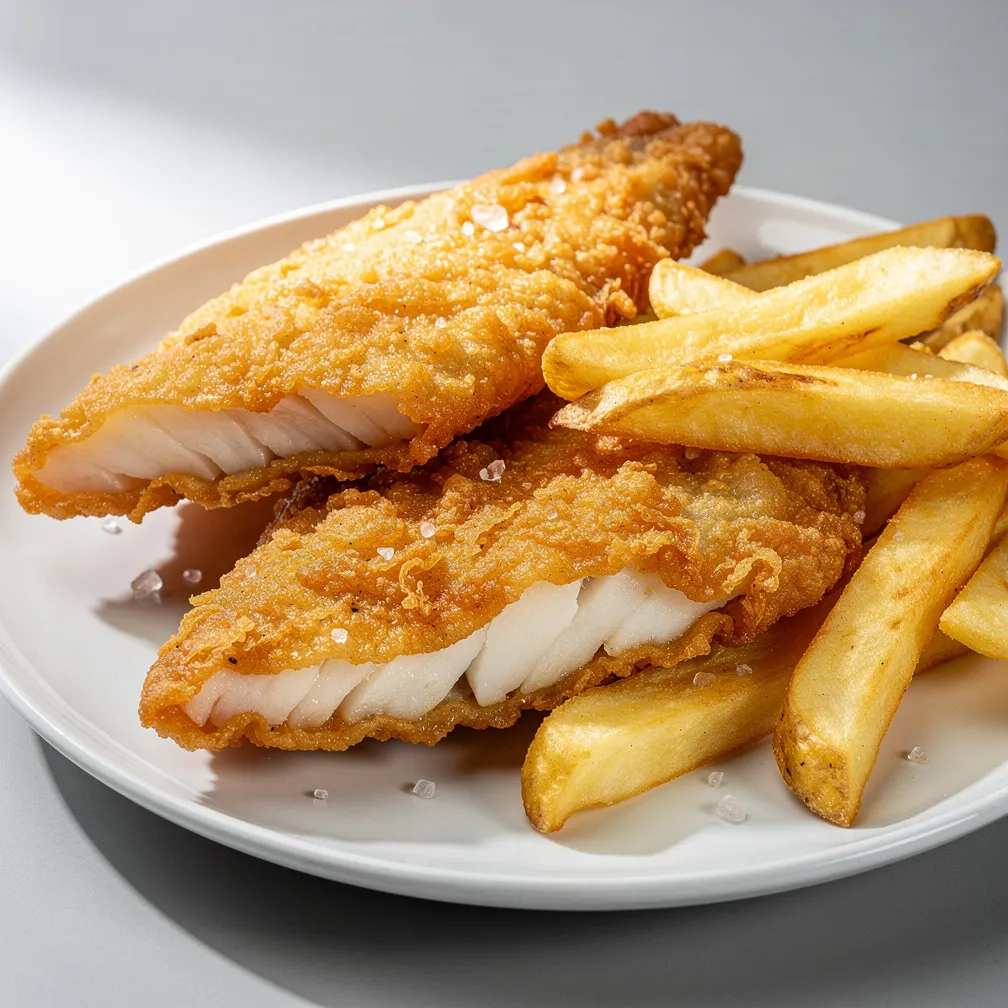
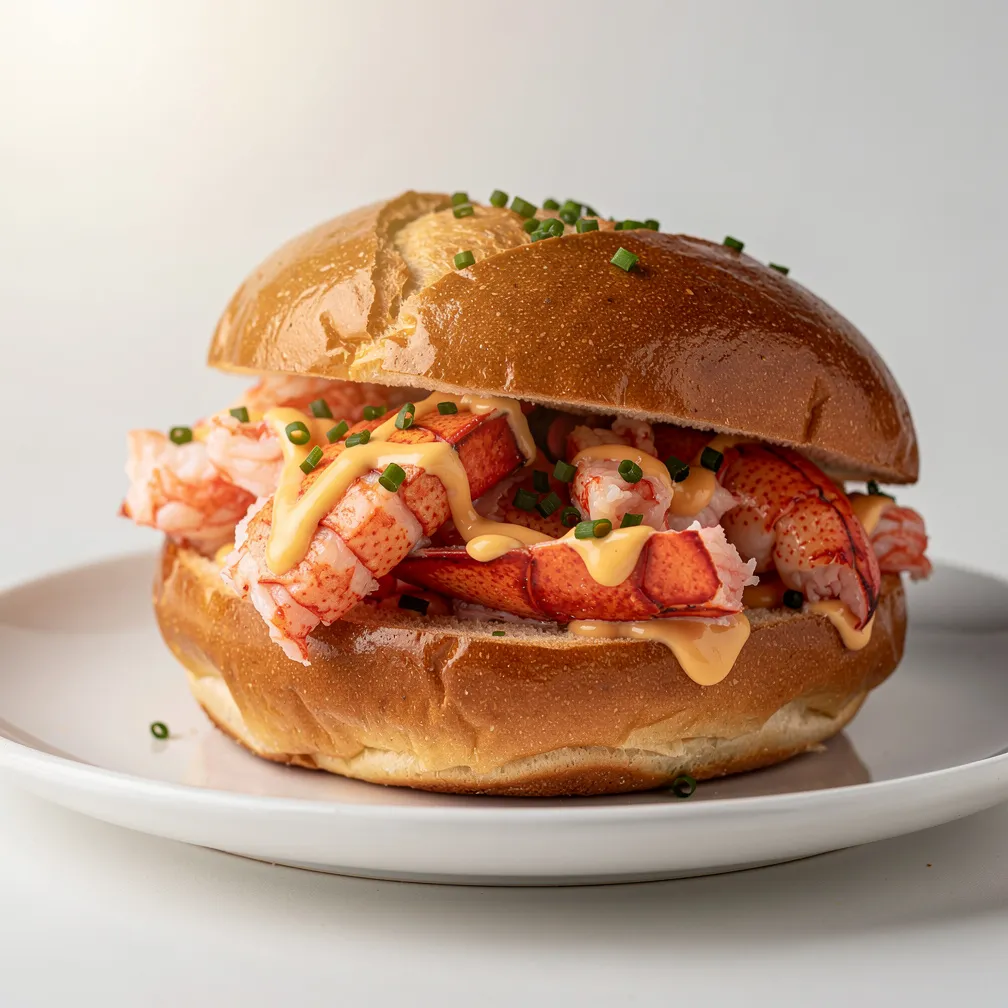
Fish and chips and the lobster roll are the two great Anglo-American seafood casual meals. Both are coastal, both pair fish protein with a starch base, both arrive at the table with a side of something fried. The catalog numbers are unexpectedly close: 265 kcal per 100 g for fish and chips, 270 kcal for the lobster roll. The lobster roll edges 1.2 g higher on protein per 100 g.
But the underlying dishes are completely different in fish species, preparation method, and texture. Fish and chips is battered, deep-fried white fish (cod or haddock) with chunky chips. The lobster roll is poached or steamed lobster meat dressed with mayo or butter and tucked into a split-top brioche. Different fish, different fat profile, different cultural occasion.
Quick comparison
| Per 100 g | Fish and chips | Lobster roll |
|---|---|---|
| Calories | 265 kcal | 270 kcal |
| Protein | 12.8 g | 14.0 g |
| Fat | 13.4 g | 13.0 g |
| Saturated fat | 2.2 g | 2.5 g |
| Carbohydrate | 24.6 g | 24.0 g |
| Sugars | 0.6 g | 3.0 g |
| Fiber | 1.8 g | 1.0 g |
| Sodium | 480 mg | 520 mg |
| Potassium | 380 mg | 220 mg |
| Calcium | 32 mg | 60 mg |
| Iron | 1.2 mg | 0.9 mg |
| Glycemic index | 63 | 70 |
Macros and calories
A 400 g restaurant portion of fish and chips = 1,060 kcal. A 200 g lobster roll + 50 g side = 600 kcal. The fish and chips is the larger, denser plate — the chips are the calorie multiplier. A single 200 g cod fillet on its own is around 200 kcal; the chips and batter triple that.
Per 100 g, the dishes are nearly identical on calories and fat. But "per portion" is the right metric, and there fish and chips wins (in the calorie-load sense). For weight-management eaters, the lobster roll's smaller-footprint format is the more controlled meal.
Protein favors lobster (14 vs 12.8 g per 100 g). Lobster meat is dense protein — among the leanest of the shellfish — while cod and haddock are similarly lean but diluted by the batter mass. Across portions, a lobster roll delivers ~28 g protein; fish and chips delivers ~50 g if you finish the whole plate.
Vitamins and minerals
Fish and chips wins on potassium (380 vs 220 mg per 100 g) — the chips themselves are potato, a strong potassium source. Fiber is also higher in fish and chips (1.8 vs 1.0 g), again from the chips.
The lobster roll wins on calcium (60 vs 32 mg per 100 g) — milk solids in the brioche and the mayo contribute. Neither dish carries meaningful vitamin C.
Iron lands close (1.2 vs 0.9 mg per 100 g), modest in both. The vitamin profile reflects the fact that both dishes are essentially fish + starch + fat — useful protein delivery without dense micronutrient density.
Glycemic index and sugar
Lobster roll's GI of 70 — the high band — is driven by the brioche-style bun. Sweet refined flour pushes glucose response upward, even when paired with protein and fat.
Fish and chips at GI 63 is the medium-high band. The chips raise the load (potato is moderate-to-high GI depending on preparation), but the deep-frying creates resistant starch that slows absorption slightly. The white-fish protein and the batter coating add some fat-mediated slowing.
Sugar tells a similar story: 0.6 g in fish and chips vs 3 g in the lobster roll. The roll's brioche carries added sugar; the chips are unsweetened.
Diet compatibility
| Diet | Fish and chips | Lobster roll |
|---|---|---|
| Vegan | No | No |
| Vegetarian | No (fish) | No (shellfish) |
| Pescatarian | Yes | Yes |
| Gluten-free | No (batter) | No (bun) |
| Dairy-free | Yes (no dairy) | No (butter, mayo) |
| Paleo | No | No (bun) |
| Mediterranean | Borderline | Borderline |
| Keto | No (24.6 g carbs) | No (24 g carbs) |
| Low-FODMAP | Borderline | No (bun) |
Both are pescatarian classics. Fish and chips is generally dairy-free; the lobster roll is locked into butter or mayo dairy. Gluten-free versions exist for both at specialty restaurants; widely available adaptations are rare.
When to choose fish and chips
- More fiber and potassium per 100 g — actual vegetable matter (potato) on the plate.
- Lower-GI option (63 vs 70) — better blood-sugar response despite the chips.
- Dairy-free without modification — broader dietary fit.
- 33 % more iron per 100 g — modest but real.
- Cheaper at most coastal restaurants — cod or haddock vs lobster on the price-per-kilo scale.
When to choose lobster roll
- Higher protein per 100 g (14 vs 12.8 g).
- 50 % more calcium per 100 g from the brioche and mayo dairy.
- Smaller, more controlled portion size — a 200 g sandwich is naturally lower-calorie than a fish and chips plate.
- Premium ingredient (lobster) — a once-a-trip experience on the Maine coast.
- Less greasy mouthfeel — easier to enjoy in summer heat.
Practical pairings
Fish and chips traditionally comes with mushy peas (adds 80 kcal, 5 g protein, 4 g fiber per 100 g — actually a net-positive addition), tartar sauce (60 kcal per tablespoon), and malt vinegar (essentially free). Skip the tartar for a leaner plate; the lemon wedge does the same flavor job for zero calories.
The lobster roll pairs with kettle chips, a pickle, or a small slaw. Avoid pairing with another fried side; the meal is already calorie-dense enough. A glass of dry white wine adds 120 kcal but anchors the coastal experience.
For weekly seafood meals: fish and chips at a pub once a quarter, lobster roll on a beach trip once a year. Both are special-occasion calorie loads, not weeknight dinners.