Cornish Yarg vs Wensleydale: Calories, Fat, Calcium
Cornish Yarg vs Wensleydale per 100 g: 360 vs 375 kcal, 22.5 vs 23 g protein, 650 vs 680 mg calcium. Two British regional semi-hard cheeses compared.
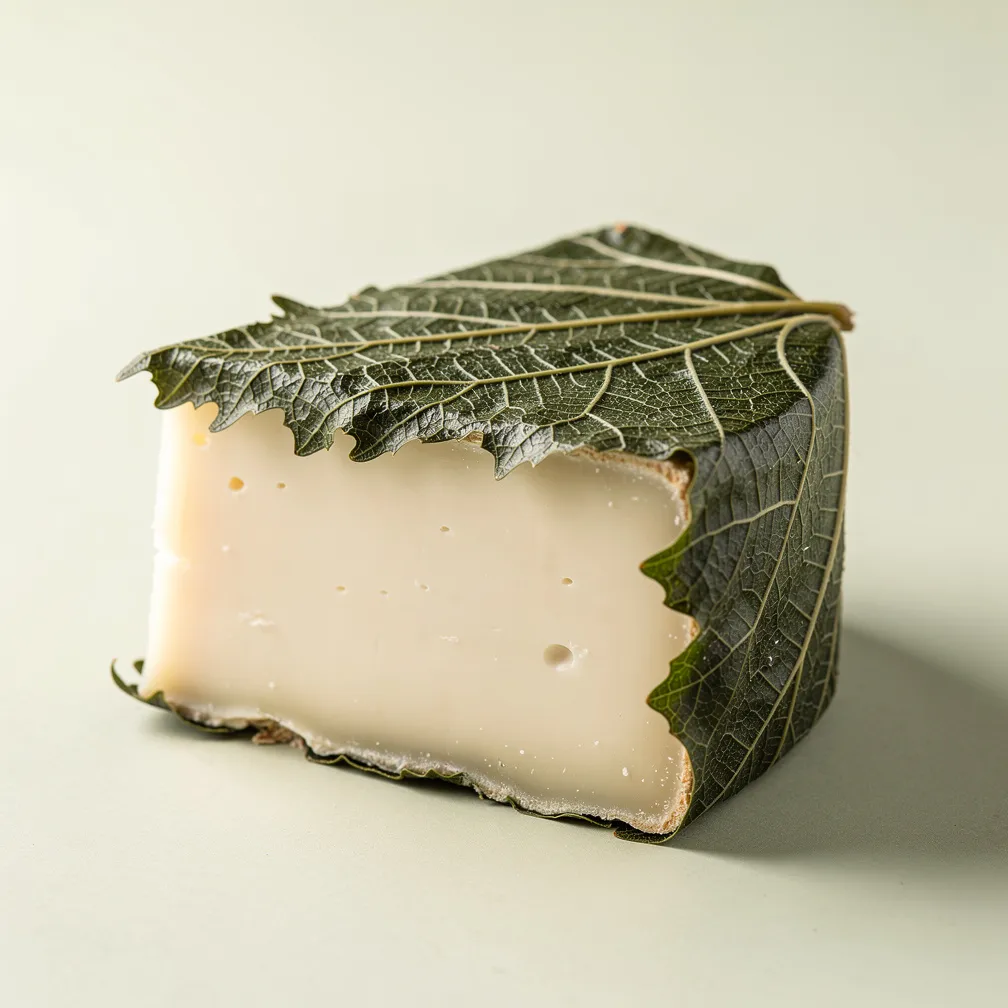
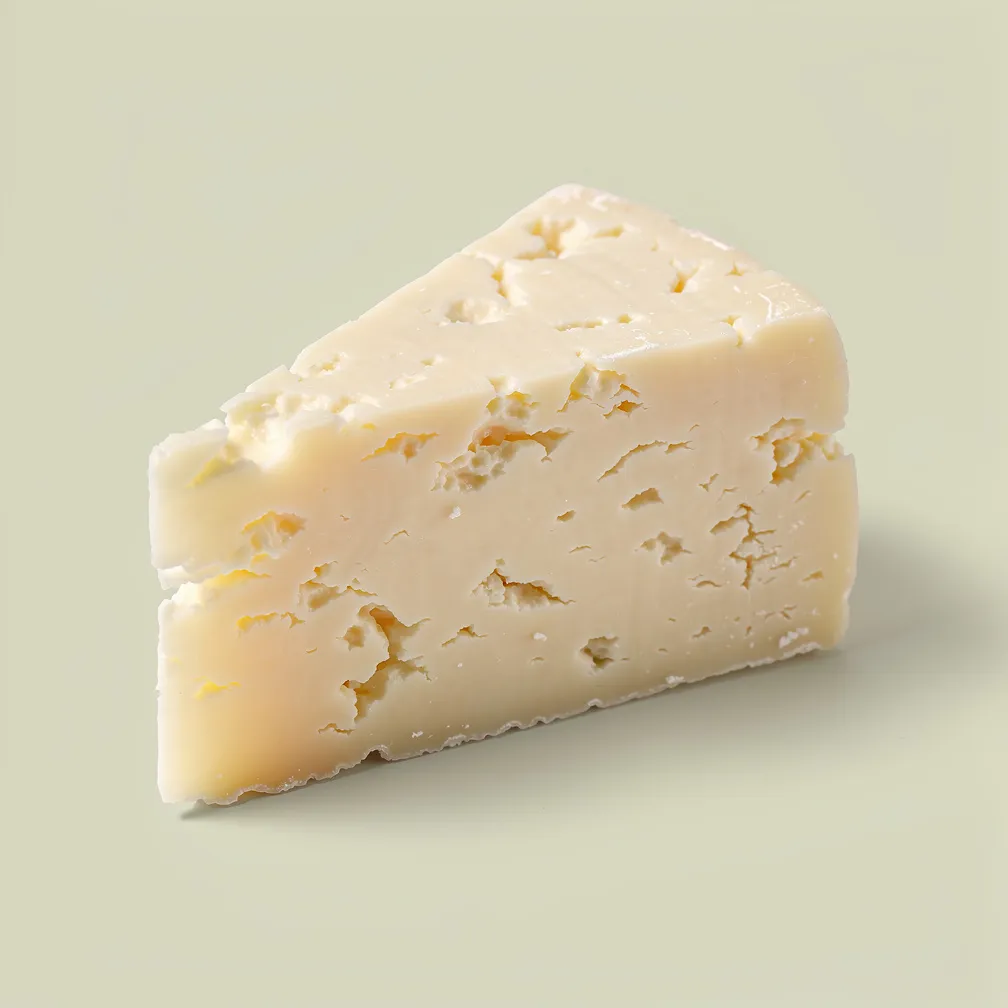
Cornish Yarg and Wensleydale are two distinctively British regional cheeses that sit in the semi-hard middle ground between fresh mozzarella and aged cheddar. Per 100 g, they're nutritionally near-twins: 360 vs 375 kcal, 22.5 vs 23 g protein, 29.5 vs 31 g fat, 650 vs 680 mg calcium. The differences are too small to matter for everyday eating; the choice comes down to texture, flavor, and which regional tradition you're drawn to.
What distinguishes them visually and texturally is the rind. Cornish Yarg is wrapped in nettle leaves (or wild garlic for the green-rind version), which develops a thin mold-and-leaf rind during aging. Wensleydale is rindless and crumblier, with a slightly sweeter, milkier flavor profile. Both are 8–12 weeks old at sale and serve as everyday or cheese-board options.
Quick comparison
| Per 100 g | Cornish Yarg | Wensleydale |
|---|---|---|
| Calories | 360 kcal | 375 kcal |
| Protein | 22.5 g | 23.0 g |
| Fat | 29.5 g | 31.0 g |
| Saturated fat | 18.8 g | 19.5 g |
| Carbohydrate | 1.0 g | 1.0 g |
| Sugars | 0.3 g | 0.2 g |
| Fiber | 0.0 g | 0.0 g |
| Sodium | 580 mg | 620 mg |
| Potassium | 108 mg | 105 mg |
| Calcium | 650 mg | 680 mg |
| Iron | 0.3 mg | 0.2 mg |
Macros and calories
A 30 g cheese-board portion of either cheese sits at 108–113 kcal. Across normal cheese consumption, these dishes are interchangeable on calorie cost. Both deliver 6.7–6.9 g protein per 30 g — roughly an egg's worth of protein in a sliver of cheese.
The fat profile is essentially identical (29.5 vs 31 g per 100 g, 19 g saturated fat both). Both are full-fat cow's milk cheeses with the saturated-fat density typical of British semi-hards.
Carbohydrate is functionally zero in both (1 g per 100 g, almost all from residual lactose). Both fit keto and low-carb plans without modification.
Vitamins and minerals
Calcium is the headline mineral, and both deliver well — 650–680 mg per 100 g. A 30 g serving = 195–204 mg calcium, or 20 % of an adult's daily target. Two pieces a day from either cheese cover ~40 % of the calcium target before milk, yogurt, or leafy greens are counted.
Sodium runs slightly higher in Wensleydale (620 vs 580 mg per 100 g), within normal British semi-hard range. A 30 g serving of either = 174–186 mg sodium, modest in the context of a daily 2,000 mg target.
Protein is essentially tied (22.5 vs 23 g per 100 g). Both score high on PDCAAS — complete cow's milk protein. Iron is trace in both, as in most aged cheeses.
Texture and flavor character
Cornish Yarg's signature is the nettle (or wild garlic) leaf wrap. As the cheese ages, the leaves develop a thin mold and impart a delicate herbal note to the rind and outer layer. The interior is firm but creamy, with a clean lactic finish. Yarg is younger and softer than most British hard cheeses.
Wensleydale is crumbly and chalk-textured, originally made by Cistercian monks in Yorkshire. Its flavor is mild, slightly honeyed, and sweeter than cheddar. The texture allows it to crumble onto fruit cakes (the Yorkshire tradition of "Wensleydale with fruit cake" is iconic) and into salads.
For melting, neither cheese performs as well as cheddar — both break and become oily at moderate heat. For cheese-board use, both are excellent companions to fruit, crackers, and chutney.
Diet compatibility
| Diet | Cornish Yarg | Wensleydale |
|---|---|---|
| Vegan | No | No |
| Vegetarian | Yes* | Yes* |
| Gluten-free | Yes | Yes |
| Dairy-free | No | No |
| Paleo | Borderline | Borderline |
| Mediterranean | Borderline | Borderline |
| Keto | Yes (1 g carbs) | Yes (1 g carbs) |
| Low-FODMAP | Yes | Yes |
*Vegetarian status depends on rennet source. Modern artisan versions of both cheeses are typically made with vegetable rennet and clearly labeled.
Both fit keto and low-FODMAP frameworks. Neither fits vegan or dairy-free plans. Mediterranean compatibility is borderline because aged cow's milk cheeses are eaten in the Mediterranean style but in smaller portions than typical British cheese-board servings.
When to choose Cornish Yarg
- Visually distinctive nettle-leaf rind — interesting on a cheese board.
- Slightly less sodium (580 vs 620 mg per 100 g) — minor but real.
- More iron per 100 g (0.3 vs 0.2 mg).
- Younger, softer texture pairs with delicate accompaniments — fresh figs, apple slices.
- Niche regional specialty — supports small Cornish producers.
When to choose Wensleydale
- 5 % more calcium per 100 g — modest but real.
- Slightly more protein (23 vs 22.5 g per 100 g).
- Traditional pairing with Yorkshire fruit cake — a culinary signature combination.
- Crumblier texture works in salads, sprinkled on pasta, or as a soup garnish.
- Milder, sweeter flavor profile suits cheese skeptics or younger eaters.
- More widely available than Yarg in UK supermarkets.
Practical pairings
Cornish Yarg pairs with figs, apple, walnut, and a dry white wine like Sancerre or English-style Bacchus. The nettle rind's herbal note bridges to fresh herbs in a salad or a thyme-roasted vegetable side.
Wensleydale pairs with fruit cake (the canonical Yorkshire combination), apple chutney, walnut, and a sweet white wine or sherry. As a salad crumble, it pairs with beets, pears, and a balsamic reduction. The Wallace and Gromit association ("Cheese, Gromit!") has lifted Wensleydale's profile internationally.
For weekly cheese eating, alternating between these two delivers similar nutritional outcomes with different sensory experiences. A 30 g portion of either cheese, two to three times a week, contributes meaningfully to daily calcium and protein targets without overdoing saturated fat.