Biscuits and Gravy vs Mac and Cheese: Calories, Sodium, Calcium
Biscuits and gravy vs mac and cheese per 100 g: 265 vs 180 kcal, 620 vs 380 mg sodium, 90 vs 180 mg calcium. Two American comfort dishes side by side.
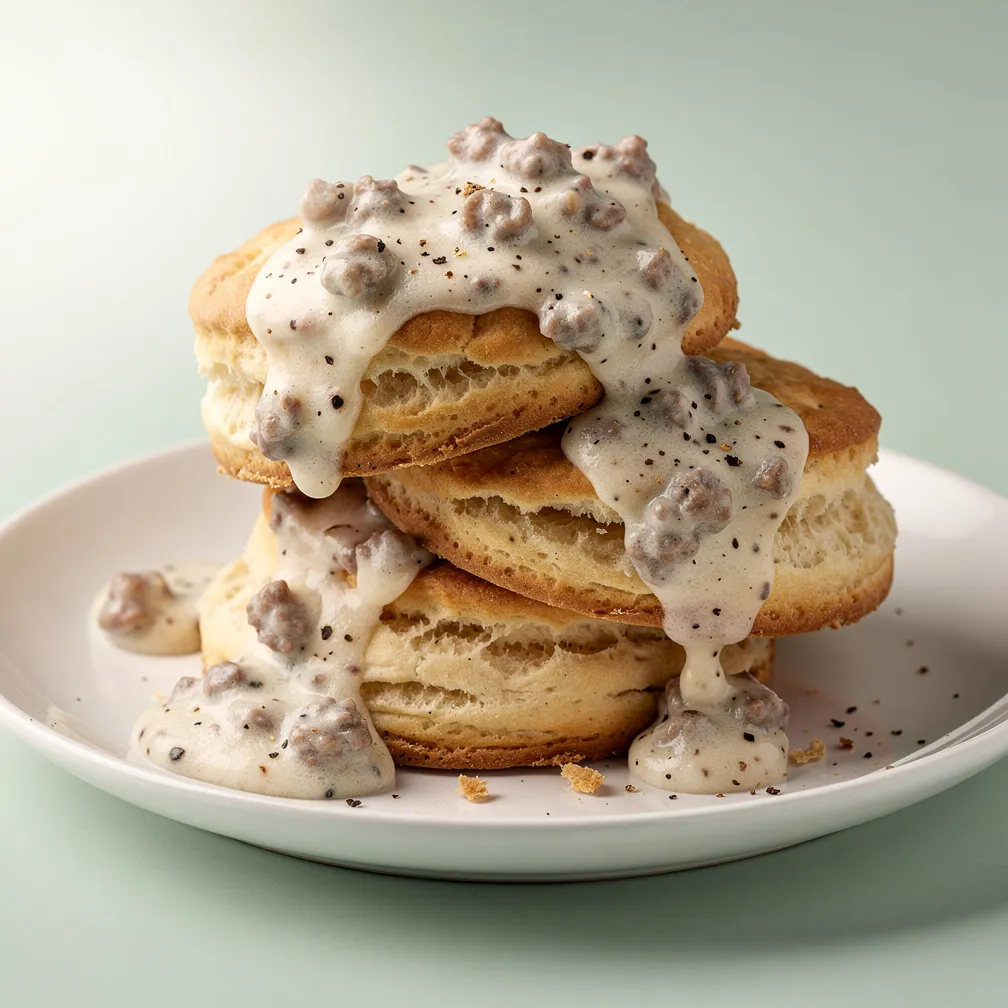
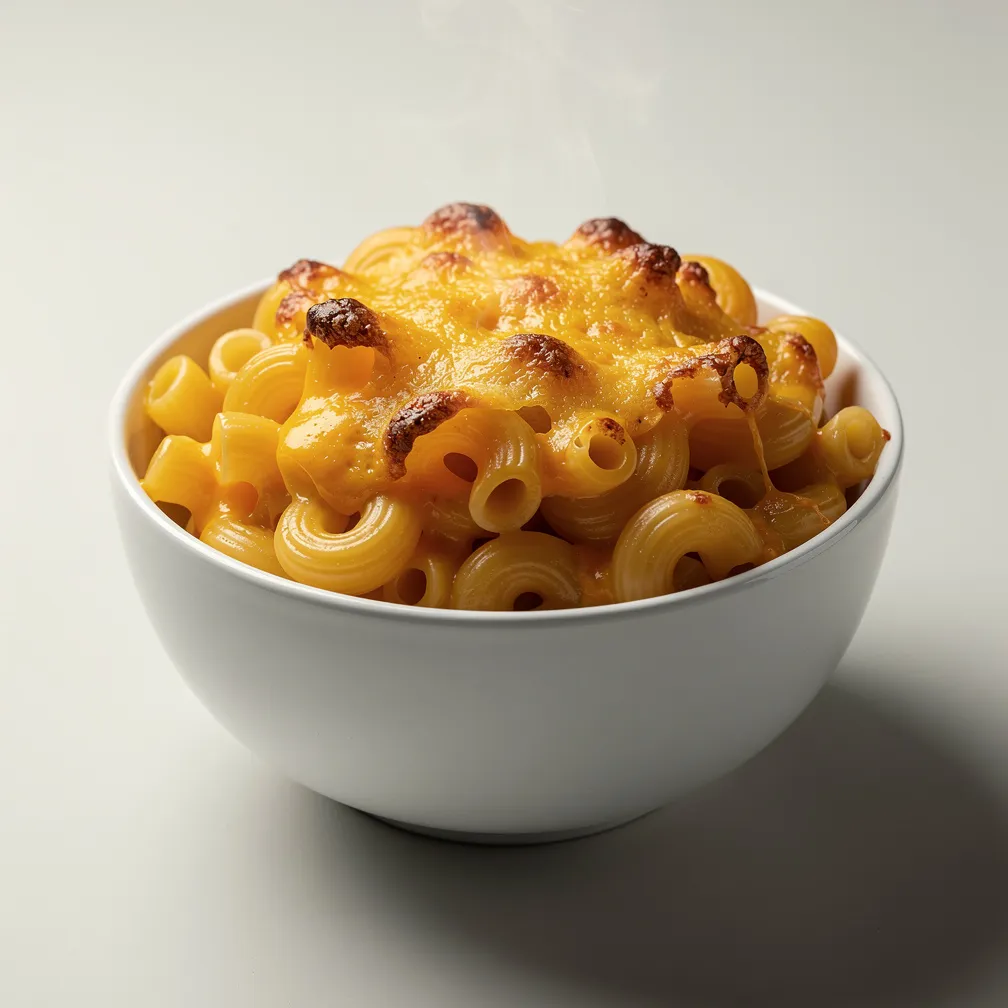
Biscuits and gravy is a Southern breakfast event; mac and cheese is a casserole that wears many hats — kids' dinner, BBQ side, Thanksgiving sleeper hit. They share a comfort-food category and almost nothing else nutritionally. Per 100 g, biscuits and gravy lands at 265 kcal with 620 mg of sodium and just 90 mg of calcium. Mac and cheese clocks 180 kcal — 32 % lighter — with half the sodium and twice the calcium (180 mg).
This pair is the cleanest example of why "American comfort food" isn't one thing. Pork sausage gravy on a buttermilk biscuit and cheddar-cream-on-elbow-pasta come from different culinary impulses with different macronutrient consequences.
Quick comparison
| Per 100 g | Biscuits and gravy | Mac and cheese |
|---|---|---|
| Calories | 265 kcal | 180 kcal |
| Protein | 7.5 g | 8.0 g |
| Fat | 14.0 g | 7.5 g |
| Saturated fat | 5.5 g | 4.2 g |
| Carbohydrate | 27.0 g | 21.0 g |
| Sugars | 2.5 g | 2.5 g |
| Fiber | 1.0 g | 1.0 g |
| Sodium | 620 mg | 380 mg |
| Potassium | 190 mg | 130 mg |
| Calcium | 90 mg | 180 mg |
| Iron | 1.5 mg | 0.9 mg |
| Glycemic index | 51 | — |
Macros and calories
The 85 kcal-per-100 g gap is fat-driven. Biscuits and gravy carries 14 g fat per 100 g — 6.5 g more than mac and cheese — almost entirely from the pork sausage and butter-laden biscuit. Mac and cheese, despite carrying cheese and cream, runs lighter because the pasta is the bulk and pasta is low-fat.
Protein is essentially tied (7.5 vs 8.0 g per 100 g). Neither is a strong protein vehicle on its own; a 250 g portion of either delivers around 20 g protein, which is one egg short of a complete meal serving.
Carb counts differ more than the calorie line suggests. Biscuits and gravy hits 27 g per 100 g vs mac and cheese's 21 g — the biscuit is denser refined-flour territory than pasta. The added sugar is identical (2.5 g per 100 g) and incidental in both.
Vitamins and minerals
Calcium is the most lopsided number on the table. Mac and cheese delivers 180 mg per 100 g — roughly 18 % of an adult's daily target in a typical portion. That's the cheese doing the work. Biscuits and gravy at 90 mg holds half that; the gravy is milk-based but heavily diluted by flour and stock.
Iron favors biscuits and gravy (1.5 vs 0.9 mg) because the pork sausage carries heme iron. Potassium also leans biscuits-and-gravy at 190 mg vs 130 mg.
Sodium is the disaster line. Biscuits and gravy at 620 mg per 100 g is the highest sodium concentration of any dish in this whole comparison set. A 250 g restaurant plate delivers 1,550 mg — 78 % of the WHO daily limit — before bacon or coffee. Mac and cheese at 380 mg is restrained by comparison.
Salt and sodium load
This is the section that should change a habit. Six hundred and twenty milligrams of sodium per 100 g comes from three compounding sources: salt-cured sausage, salted butter in the biscuit, and salted gravy. Restaurant versions push higher still. Anyone with hypertension or borderline blood pressure should treat this dish as a once-a-month occasion.
Mac and cheese can climb similarly — boxed mixes deliver 600+ mg per 100 g — but a homemade version with unsalted butter and a moderate cheese blend stays in the 380 mg territory shown here. The home cook has more control over mac and cheese sodium than over restaurant biscuits and gravy.
Diet compatibility
| Diet | Biscuits and gravy | Mac and cheese |
|---|---|---|
| Vegan | No | No |
| Vegetarian | No (sausage) | Yes |
| Gluten-free | No (wheat flour) | No (wheat pasta) |
| Dairy-free | No (milk gravy) | No (cheese) |
| Paleo | No | No |
| Mediterranean | No | No |
| Keto | No (27 g carbs) | No (21 g carbs) |
| Low-FODMAP | No (wheat, milk) | No (wheat, dairy) |
Vegetarians can eat mac and cheese but not biscuits and gravy (the sausage rules it out). Gluten-free pasta versions of mac and cheese exist; gluten-free biscuits are technically possible but rarely served at restaurants doing biscuits and gravy.
When to choose biscuits and gravy
- More iron per 100 g (1.5 vs 0.9 mg) — useful for blood iron after donation or for menstruating women.
- Higher potassium (190 vs 130 mg) supports recovery and electrolyte balance.
- Hot-meal breakfast that holds satiety past three hours.
- Pork sausage and milk-gravy umami profile is hard to replicate elsewhere.
- Southern cultural ritual — a Sunday meal where the sodium event is anticipated.
When to choose mac and cheese
- 32 % fewer calories per 100 g — easier to fit into a lunch or side context.
- Half the saturated fat per 100 g (4.2 vs 5.5 g).
- Twice the calcium (180 vs 90 mg) — meaningful daily contribution.
- 40 % less sodium — better fit for blood-pressure-aware eaters.
- Vegetarian-friendly without modification.
Practical pairings
Biscuits and gravy is monolithic — fat, salt, refined flour. Pair with black coffee and a piece of fruit and stop there. Eggs are traditional but pile on the sodium when the bacon comes along. A side of stewed tomatoes (Southern breakfast classic) cuts the richness and adds vitamin C.
Mac and cheese needs a vegetable side or a sharp salad — the dish itself carries nothing green. Roasted broccoli or a vinegary slaw resets the palate and adds fiber. For protein density, fold in 200 g of cooked chicken or pulled pork to turn the side into a main; the dish absorbs the addition without losing identity.
For a once-a-week comfort meal, mac and cheese is the lower-impact choice. Biscuits and gravy is more occasion food: weekend breakfast on a hike day, road-trip diner stop, or the morning of a manual-labor shift.