Banana Pudding vs Key Lime Pie: Calories, Sugar, Calcium
Banana pudding vs key lime pie per 100 g: 245 vs 322 kcal, 24 vs 35.9 g sugar, 220 vs 256 mg potassium. Southern soft dessert vs Florida citrus pie.
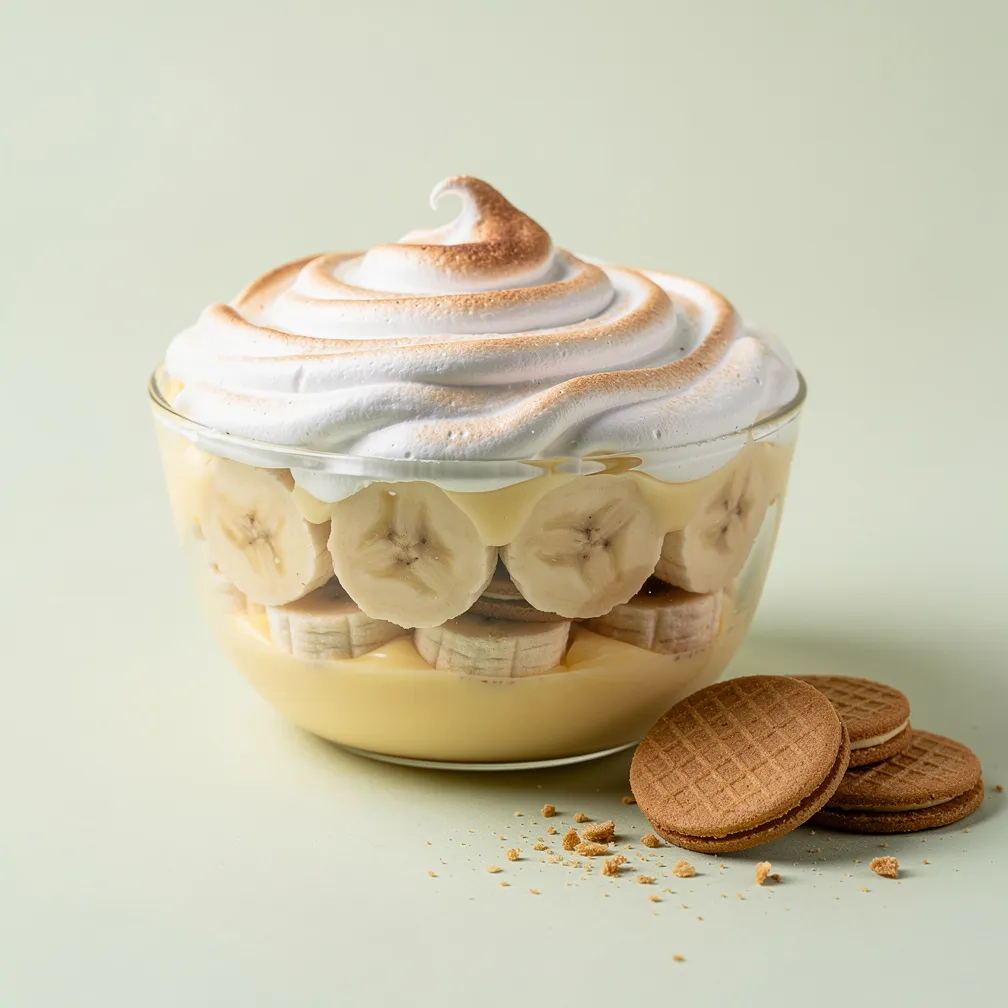
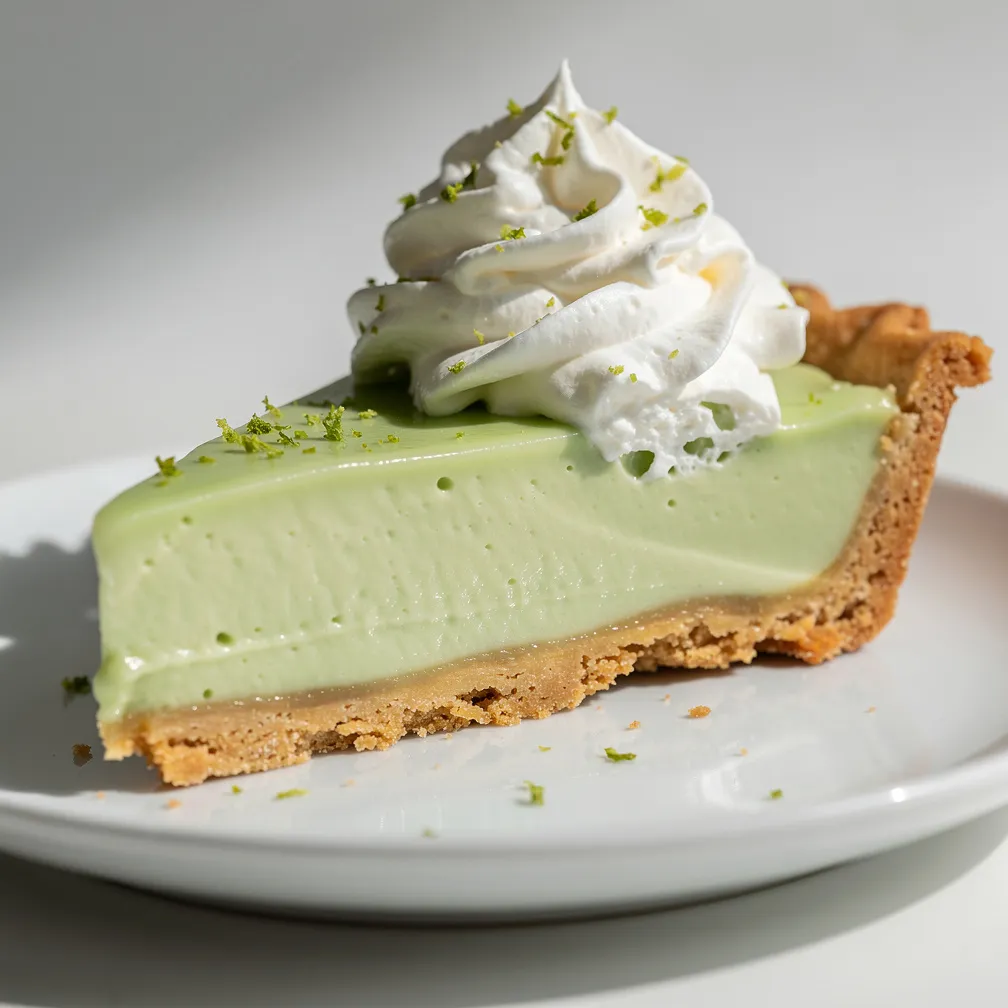
Banana pudding and key lime pie are two soft, dairy-heavy American desserts that often live on the same Southern dessert menu. Banana pudding is the Tennessee/Carolina church-supper classic — layered vanilla custard, sliced banana, Nilla wafers, whipped cream. Key lime pie is Florida's coastal answer — sweetened condensed milk, lime juice, egg yolks, graham crust. Per 100 g, banana pudding lands at 245 kcal vs key lime's 322 — a 24 % calorie savings — with 24 g of sugar vs 35.9 g.
The structural reason banana pudding is lighter: it's a layered, partly aerated dessert with whipped cream and banana slices contributing volume without high caloric density. Key lime pie is a denser pure-filling preparation. The diet decision is between two indulgences at similar protein levels but very different sugar loads.
Quick comparison
| Per 100 g | Banana pudding | Key lime pie |
|---|---|---|
| Calories | 245 kcal | 322 kcal |
| Protein | 4.0 g | 5.8 g |
| Fat | 9.5 g | 14.9 g |
| Saturated fat | 4.8 g | 7.6 g |
| Carbohydrate | 36.5 g | 42.2 g |
| Sugars | 24.0 g | 35.9 g |
| Fiber | 0.8 g | 0.3 g |
| Sodium | 160 mg | 182 mg |
| Potassium | 220 mg | 256 mg |
| Calcium | 85 mg | 187 mg |
| Iron | 0.4 mg | 0.5 mg |
| Vitamin C | 3.5 mg | 1.8 mg |
| Glycemic index | — | 55 |
Macros and calories
A 150 g serving of banana pudding = 368 kcal. The same weight of key lime pie = 483 kcal — a 115 kcal gap. For someone managing a daily calorie target, banana pudding is the meaningfully lighter dessert per equivalent portion.
The fat split heavily favors banana pudding (9.5 vs 14.9 g per 100 g). The pudding is custard + cream, but with substantial banana and wafer volume that dilutes the dairy density. Key lime is sweetened condensed milk — dairy in its most concentrated, sugar-loaded form.
Saturated fat tracks the same way: 4.8 g vs 7.6 g per 100 g. For cardiovascular metrics, the pudding is the easier slot in the diet.
Vitamins and minerals
Key lime pie's standout micronutrient is calcium — 187 mg per 100 g, more than twice the pudding's 85 mg. That's the sweetened condensed milk doing the work. A 150 g slice delivers ~30 % of an adult's daily calcium target. For dairy-tolerant eaters chasing calcium, key lime is a surprising vehicle.
Banana pudding has its own micronutrient angle: vitamin C is roughly twice key lime's (3.5 vs 1.8 mg), thanks to fresh banana slices. Potassium runs similar (220 vs 256 mg per 100 g) — both modest but real.
Neither dessert is mineral-rich; both are sugar delivery vehicles with dairy benefits attached. The decision is more about flavor profile and texture than micronutrient density.
Sugar load: where they really differ
The 24 g vs 35.9 g sugar gap per 100 g is the most important number on this page. Banana pudding's sugar is split between added sugar (in the custard and wafers) and naturally-occurring fruit sugar from banana (~12 g per 100 g of banana). Key lime pie's 35.9 g is almost entirely added — sweetened condensed milk is 55 % sugar by weight.
For an adult on a 25 g daily added-sugar limit (WHO recommendation), a 100 g serving of key lime pie blows the daily budget by 40 %. The same serving of banana pudding stays around 18 g of added sugar, plus 6 g from the banana — closer to budget if not exactly under.
Diet compatibility
| Diet | Banana pudding | Key lime pie |
|---|---|---|
| Vegan | No (egg, milk) | No (egg, milk) |
| Vegetarian | Yes | Yes |
| Gluten-free | No (wafers) | No (graham crust) |
| Dairy-free | No (custard, milk) | No (condensed milk) |
| Paleo | No | No |
| Mediterranean | No | No |
| Keto | No (36.5 g carbs) | No (42.2 g carbs) |
| Low-FODMAP | Borderline (banana) | Borderline (lime) |
Banana is high-FODMAP when fully ripe, low-FODMAP when underripe — banana pudding's bananas are usually well-ripened, putting the dish over the threshold for sensitive eaters. Both desserts require modification for any strict eating plan.
When to choose banana pudding
- 24 % fewer calories per 100 g — easier for daily-eating calibration.
- One-third less sugar per 100 g — friendlier on a sugar-controlled day.
- Real vitamin C from banana (3.5 mg per 100 g).
- Lighter mouthfeel — easier to enjoy after a heavy meal.
- Portable in single-serving cups; key lime pie demands plate-and-fork format.
When to choose key lime pie
- 2× the calcium per 100 g — substantial daily contribution.
- Bright acid profile resets the palate after rich seafood or fried meals.
- Less perishable on a buffet — key lime sets firm; banana pudding softens.
- Stronger flavor concentration — a smaller portion satisfies the same craving.
- Higher protein per 100 g (5.8 vs 4.0 g) from egg yolks.
Practical pairings
Banana pudding stands alone — adding ice cream, sauce, or other toppings overcomplicates the texture and pushes calorie load up sharply. A 120 g cup is the right size, served with coffee or unsweetened iced tea.
Key lime pie wants a bitter or acidic counterpoint: black coffee, espresso, or sparkling water with lime. Skip the whipped cream topping if calorie-aware — that's another 50 kcal per dollop. A 90 g slice is the right portion.
For a Southern dessert plan: banana pudding at home as a casual everyday treat, key lime pie at a coastal restaurant as the calorie-event closer to a seafood meal.