Sweeteners
5
The sweeteners category in this catalog covers products used to add sweetness to foods and drinks, ranging from refined and unrefined sugars (white sugar, brown sugar, coconut sugar) to syrups (maple, agave, golden, corn), honey, molasses, and concentrated fruit sugars, as well as sugar alcohols like erythritol and xylitol and high-intensity options like stevia and monk fruit. Caloric sweeteners are almost entirely carbohydrate, with negligible protein and fat. Most provide few vitamins, though molasses contributes iron, calcium, magnesium, and potassium, and raw honey carries trace B vitamins. Glycemic index varies widely: glucose and maltose are very high, while fructose, agave, and most polyols are low. Compatibility with keto, low-FODMAP, and diabetic patterns depends heavily on the specific sweetener.
Which sweeteners have the lowest glycemic index?
Stevia, monk fruit, erythritol, and allulose have a glycemic index of essentially zero because they are either non-caloric or not metabolized as glucose. Among caloric options, agave syrup (GI around 15) and coconut sugar (GI around 35) are lower than table sugar (GI 65) or honey (GI 50–60). Fructose itself has a GI near 25, which is why high-fructose sweeteners produce a smaller immediate blood glucose response.
Are natural sweeteners like honey and maple syrup healthier than white sugar?
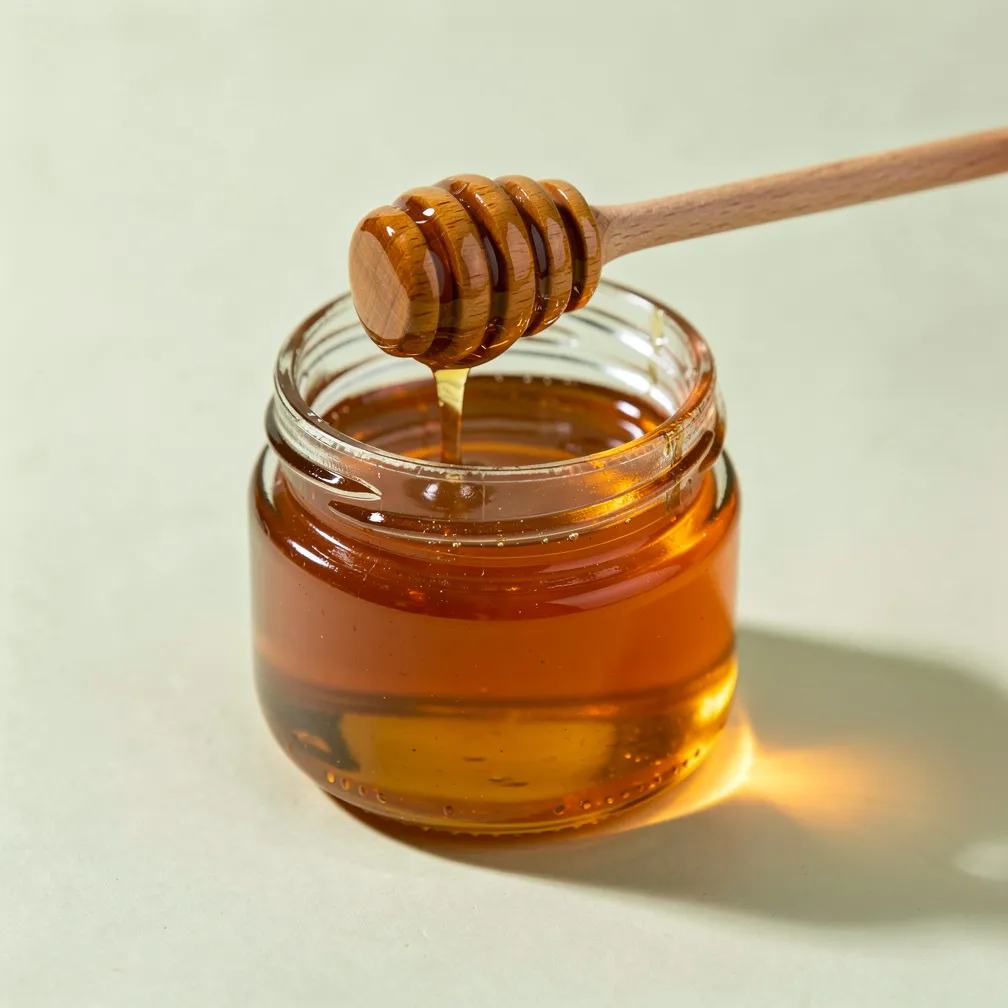
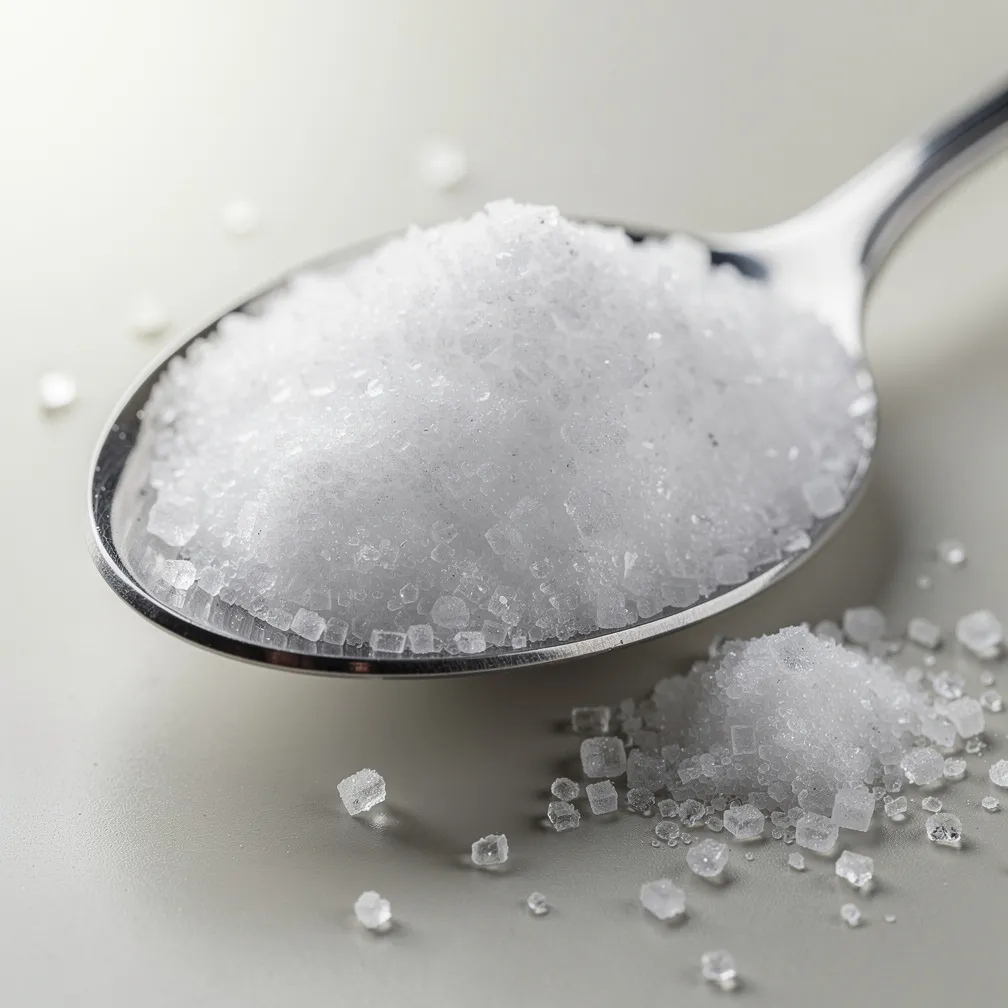
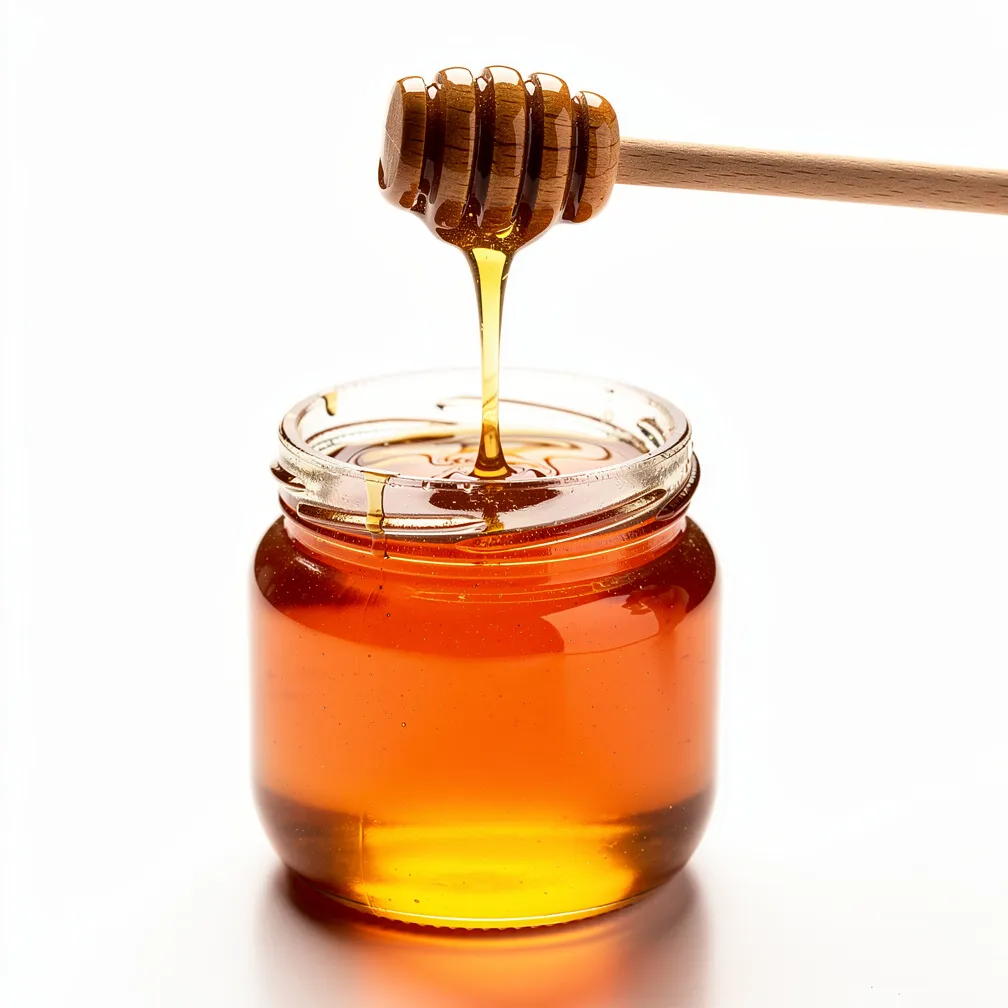
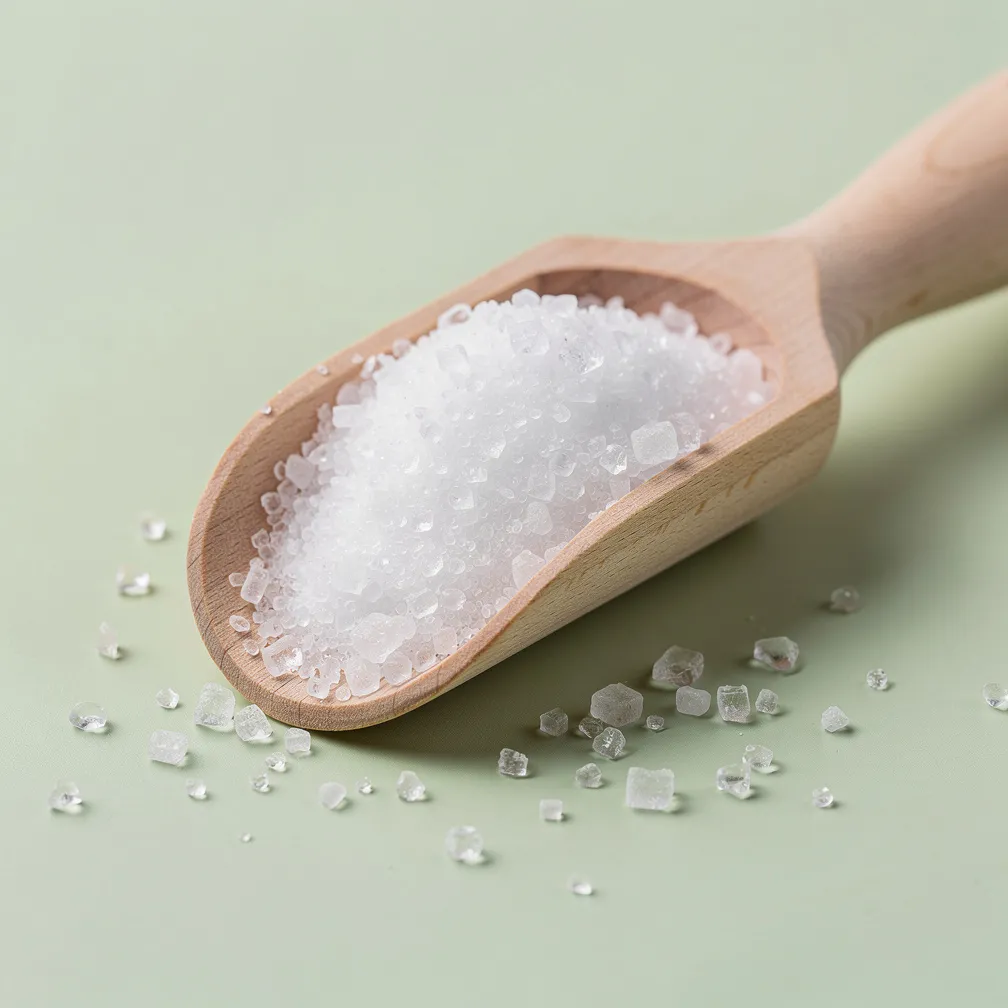
Calorie-wise they are similar, with roughly 60–65 kcal per tablespoon versus 50 kcal for white sugar. Honey and maple syrup do contain trace minerals such as manganese, zinc, and potassium, plus small amounts of antioxidants, while refined white sugar contains none. However, the body still processes them primarily as glucose and fructose, so the nutritional edge is modest unless you consume them in significant quantities.
Which sweeteners are keto-friendly?
Erythritol, allulose, monk fruit extract, and stevia are the most keto-compatible because they contribute zero or near-zero net carbs and do not raise insulin meaningfully. Xylitol is acceptable in small amounts but counts toward carbs. Sugar, honey, maple syrup, agave, and coconut sugar are not keto-friendly since one tablespoon delivers 12–17 grams of carbohydrate, which can exceed an entire daily keto allowance.
Do sugar alcohols cause digestive issues?
Sugar alcohols like sorbitol, mannitol, maltitol, and xylitol are fermented by gut bacteria and can cause bloating, gas, or laxative effects when consumed in amounts above 10–20 grams. Erythritol is generally the best tolerated because about 90 percent is absorbed in the small intestine and excreted unchanged in urine. Polyols are classified as high-FODMAP, so they are typically excluded on a low-FODMAP diet.

Get Vnutri
Log meals, track daily totals, save favorites. Free on iOS and Android.