Shepherd's Pie vs Lancashire Hotpot: Calories, Protein, Sodium
Shepherd's pie vs Lancashire hotpot per 100 g: 123 vs 145 kcal, 7.6 vs 10.5 g protein. Two lamb-and-potato pub classics — and how they really differ.
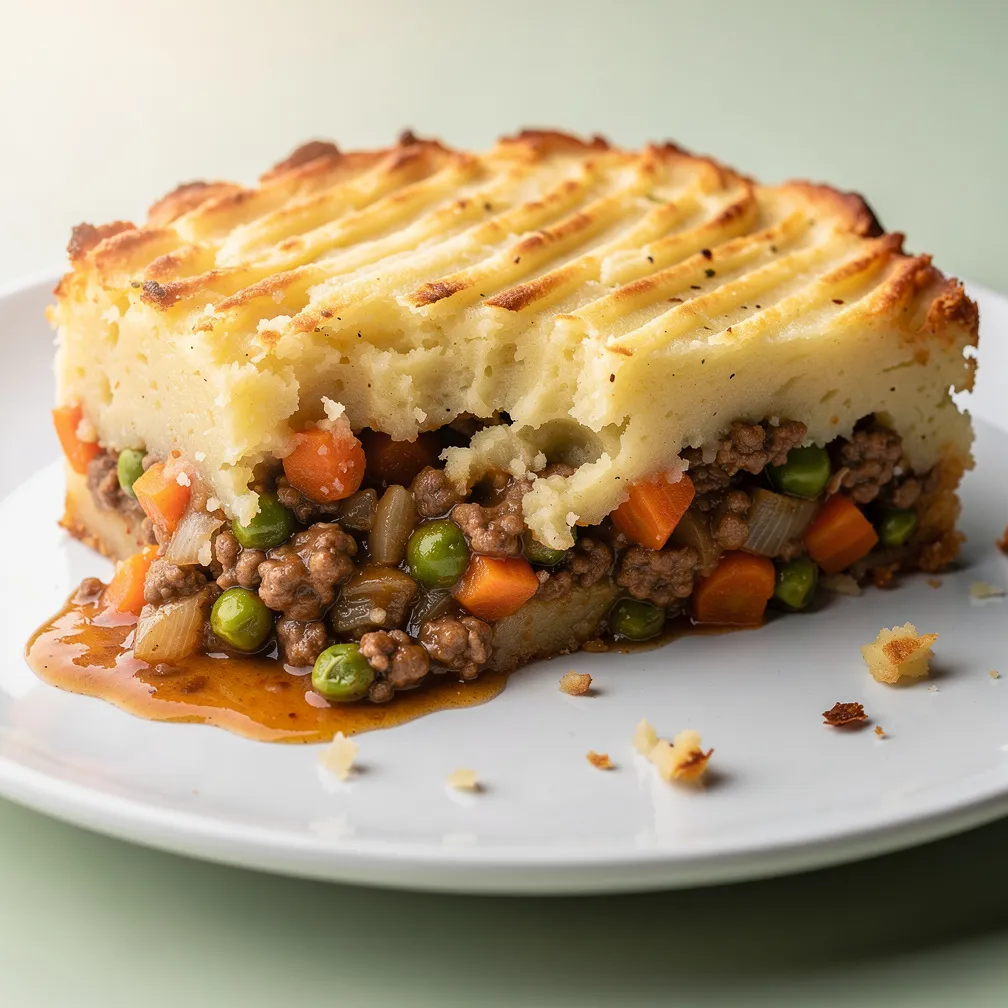
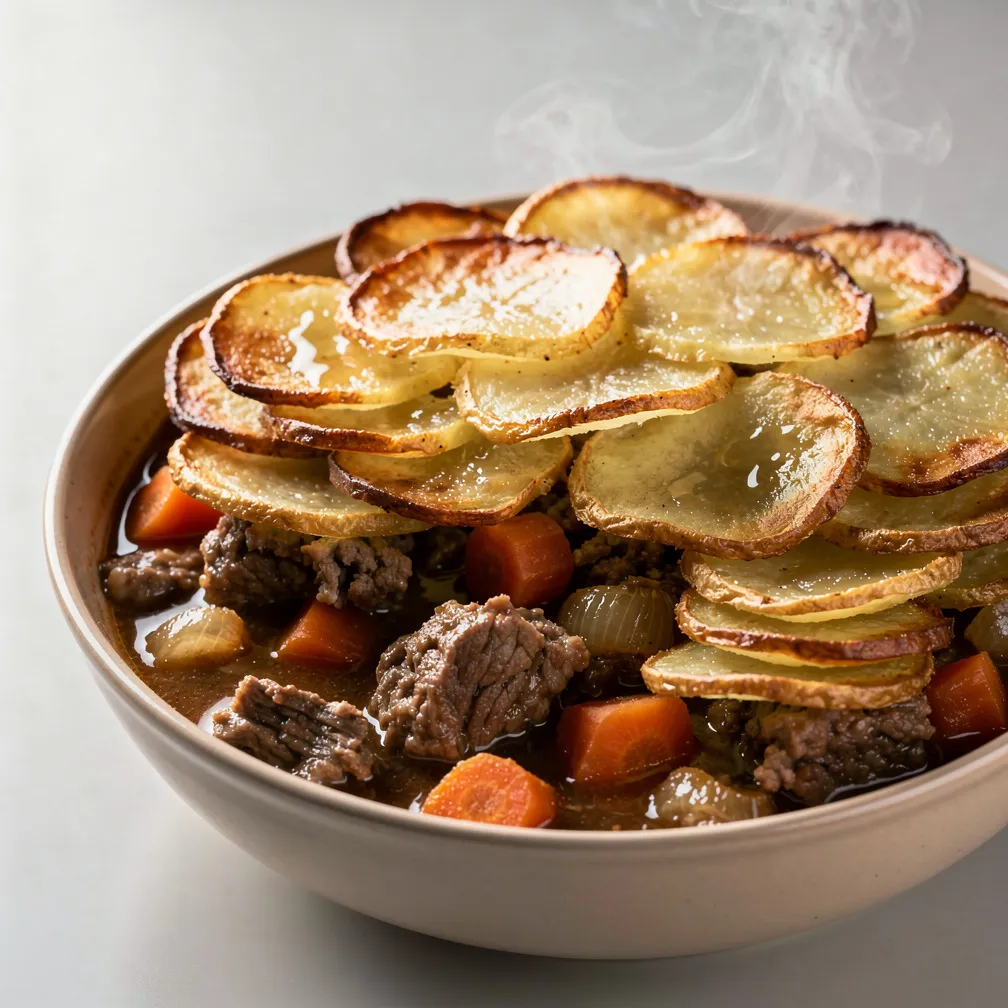
Shepherd's pie and Lancashire hotpot are both lamb-and-potato traditional British dishes, but the construction is opposite. Shepherd's pie is minced lamb under a smooth potato mash, baked until the top crisps. Lancashire hotpot is slow-cooked lamb chunks (often neck or shoulder) layered under sliced potato that crisps on top of a deep braise. Same animal, completely different texture and density.
Per 100 g, hotpot lands at 145 kcal with 10.5 g of protein vs shepherd's pie at 123 kcal and 7.6 g protein. The hotpot is the more protein-dense, more substantial dish; the pie is lighter and faster to plate. Both are pub-night menu staples but earn different occasions.
Quick comparison
| Per 100 g | Shepherd's pie | Lancashire hotpot |
|---|---|---|
| Calories | 123 kcal | 145 kcal |
| Protein | 7.6 g | 10.5 g |
| Fat | 6.3 g | 6.0 g |
| Saturated fat | 2.7 g | 2.5 g |
| Carbohydrate | 8.7 g | 13.5 g |
| Sugars | 1.9 g | 2.0 g |
| Fiber | 1.5 g | 1.8 g |
| Sodium | 264 mg | 380 mg |
| Potassium | 250 mg | 380 mg |
| Calcium | 26 mg | 22 mg |
| Iron | 0.9 mg | 1.4 mg |
| Vitamin C | 2.0 mg | 8.0 mg |
| Glycemic index | 65 | — |
Macros and calories
A 300 g portion of hotpot = 435 kcal, 31.5 g protein. The same weight of shepherd's pie = 369 kcal, 22.8 g protein. The hotpot delivers an extra 9 g protein per portion — meaningful for muscle recovery or weight-management satiety.
Fat lands close (6.3 vs 6.0 g per 100 g). The hotpot uses lamb shoulder or neck — fattier cuts than shepherd's pie's lean ground lamb — but the slow-braise renders most of the fat into the braising liquid, much of which separates and is discarded.
Carbohydrate is hotpot-higher (13.5 vs 8.7 g per 100 g) because the hotpot layers more potato. Shepherd's pie has a mash cap; hotpot has full potato slices throughout the bake. A 300 g hotpot portion carries ~40 g carbs vs the pie's ~26 g — almost a slice of bread worth of difference.
Vitamins and minerals
Iron favors the hotpot (1.4 vs 0.9 mg per 100 g) because the long slow-cook concentrates the iron content of the lamb. Cooking in cast iron (the traditional vessel) can further bump iron levels — though this is variable.
Potassium runs notably higher in the hotpot (380 vs 250 mg per 100 g) — the slow-cook extracts potassium from both the meat and the carrots that often go into the braise. Vitamin C is also hotpot-favored (8 mg vs 2 mg) — the longer cook with vegetables retains more C in the liquid.
Calcium and saturated fat are essentially tied; the dairy mash in shepherd's pie and the cheese-free hotpot land at similar numbers.
Sodium load
The hotpot carries more sodium per 100 g (380 vs 264 mg) — a 44 % increase. This reflects the salt added during the long braise and the salted stock typically used as the cooking liquid. A 300 g hotpot portion delivers 1,140 mg sodium vs the pie's 790 mg.
For blood-pressure-aware eaters, shepherd's pie is the lower-sodium choice by a meaningful margin. Home-cooked hotpot with unsalted stock can close that gap; restaurant versions cannot be controlled.
Diet compatibility
| Diet | Shepherd's pie | Lancashire hotpot |
|---|---|---|
| Vegan | No | No |
| Vegetarian | No | No |
| Gluten-free | Yes | Yes |
| Dairy-free | Borderline (mash) | Yes |
| Paleo | No (potato) | No (potato) |
| Mediterranean | Borderline | Borderline |
| Keto | No | No |
| Low-FODMAP | Yes (no onion) | Borderline (onion) |
The hotpot is more reliably dairy-free than shepherd's pie because it doesn't use butter or milk in a mash topping. Both contain potato, so neither fits keto, Paleo, or low-carb plans.
When to choose shepherd's pie
- 15 % fewer calories per 100 g — lighter weekday dinner.
- 30 % less sodium per 100 g — friendlier for blood-pressure management.
- Smoother, more uniform texture — easier for children or anyone preferring soft food.
- Baked in 30 minutes from prepared mince — quicker than a 3-hour hotpot braise.
- Familiar global dish — versions exist in many countries' pub cuisines.
When to choose Lancashire hotpot
- 38 % more protein per 100 g — closer to a complete recovery meal.
- 55 % more iron and 52 % more potassium per 100 g.
- 4× the vitamin C — the slow-braise retains more nutrients in the liquid.
- Tougher cuts of lamb become tender — economical lamb cookery.
- Classic English regional dish from Lancashire mining country — authentic culinary heritage.
Practical pairings
Shepherd's pie wants a sharp pickle or a green salad to cut through the mash density. Pickled red cabbage is a traditional pairing that adds acidity and ~30 kcal per 50 g serving.
Lancashire hotpot is traditionally served with pickled red cabbage and a piece of crusty bread to mop up the braising liquid. The bread adds 100–150 kcal per piece — skip it if calorie-aware; the hotpot's potato layer is already significant carb load.
A green vegetable side (steamed savoy cabbage, mushy peas, buttered carrots) closes the fiber and vitamin gap on either dish. Both freeze well for 90 days; both reheat better than most casseroles. Hotpot specifically benefits from the rest — flavors deepen overnight.