Shepherd's Pie vs Cottage Pie: Lamb vs Beef Nutrition
Shepherd's pie vs cottage pie per 100 g: 123 vs 152 kcal, 7.6 vs 10.2 g protein, 6.3 vs 6.8 g fat. Lamb vs beef under the same potato mash — and what changes.
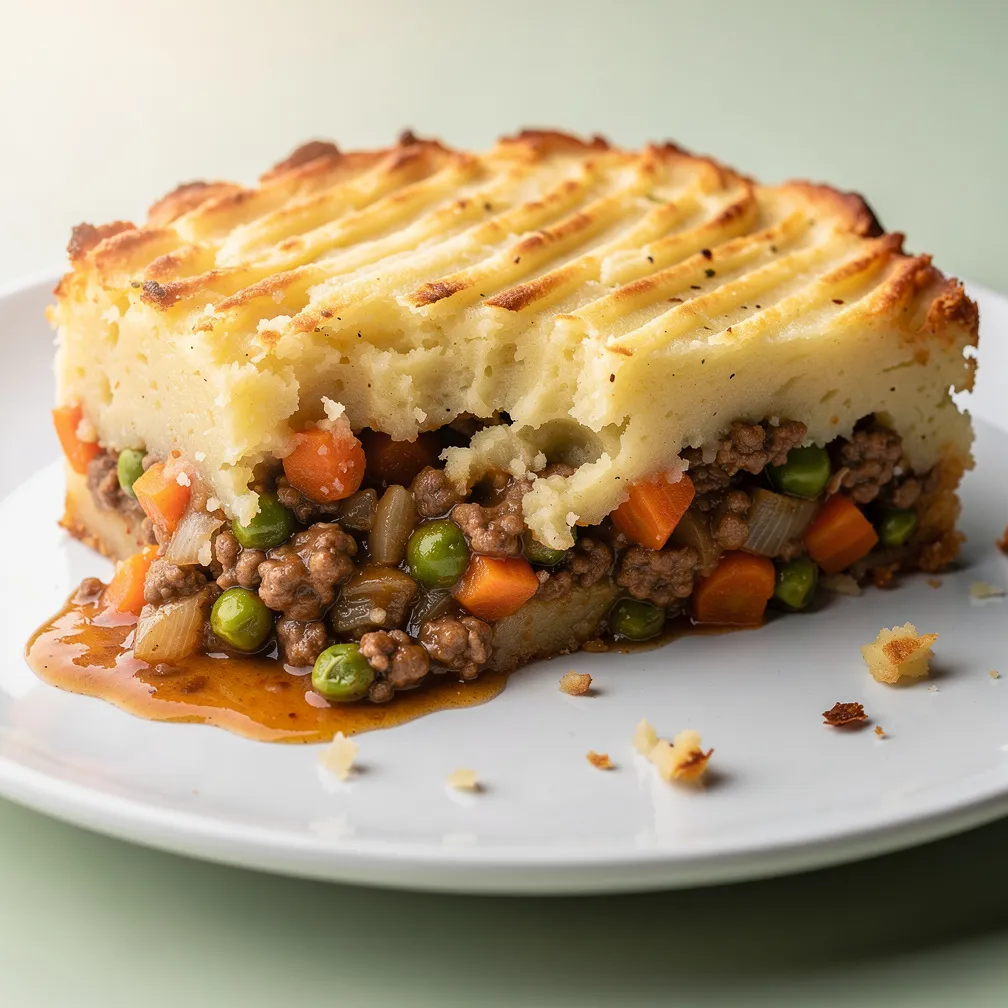
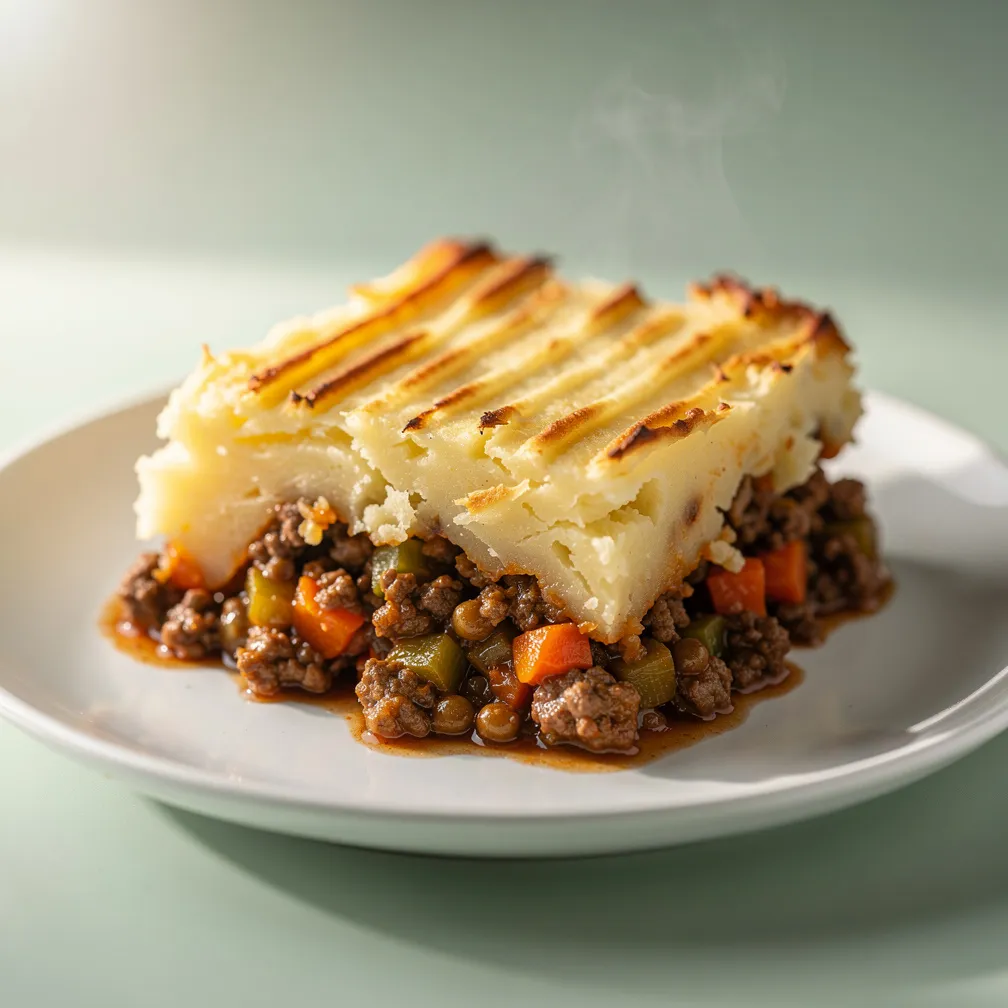
Shepherd's pie and cottage pie are the same dish with one ingredient swapped: lamb for the shepherd's version, beef for the cottage. The British pedantic distinction matters culturally — and it shows up cleanly in the numbers. Per 100 g, shepherd's pie sits at 123 kcal vs cottage pie's 152, with cottage pie carrying noticeably more protein (10.2 g vs 7.6 g) but a similar fat profile.
The reason cottage pie ranks slightly higher on protein is the beef itself — lean ground beef carries more protein per gram than the typical lamb mince used in shepherd's pie. The reason calories are higher is also beef — slightly denser muscle fiber and less fat-and-water loss during the bake.
Quick comparison
| Per 100 g | Shepherd's pie | Cottage pie |
|---|---|---|
| Calories | 123 kcal | 152 kcal |
| Protein | 7.6 g | 10.2 g |
| Fat | 6.3 g | 6.8 g |
| Saturated fat | 2.7 g | 2.9 g |
| Carbohydrate | 8.7 g | 13.2 g |
| Sugars | 1.9 g | 2.3 g |
| Fiber | 1.5 g | 1.7 g |
| Sodium | 264 mg | 330 mg |
| Potassium | 250 mg | 320 mg |
| Calcium | 26 mg | 20 mg |
| Iron | 0.9 mg | 1.6 mg |
| Vitamin C | 2.0 mg | 7.0 mg |
| Glycemic index | 65 | — |
Macros and calories
A 250 g portion of shepherd's pie = 308 kcal, 19 g protein. The same portion of cottage pie = 380 kcal, 25.5 g protein. Cottage pie is a meaningfully more protein-dense meal — 6.5 g more protein per portion, useful for anyone treating dinner as a recovery slot.
The 30 kcal-per-100 g gap is fat-and-carb based, not just protein. Cottage pie tends to be cooked with slightly more carrot, peas, or other root vegetables; the higher carb count (13.2 vs 8.7 g per 100 g) reflects that. The mash topping is identical in both.
Fat sits close (6.3 vs 6.8 g per 100 g). Lamb mince is naturally fattier, but the leaner cuts available in supermarket-grade lamb mince close the gap with the leaner beef mince typically used in cottage pie.
Vitamins and minerals
Iron is the clearest gap: 1.6 mg vs 0.9 mg per 100 g, favoring cottage pie. Beef carries more heme iron than lamb in equivalent cuts. For someone using these pies for iron support (anemia recovery, menstruating women), cottage pie wins.
Potassium runs 320 vs 250 mg — also cottage pie's favor — and vitamin C lands 7 mg vs 2 mg, again leaning cottage. The vitamin C in both dishes is residual — the mash and the vegetables in the filling retain some heat-stable C through baking.
Calcium runs slightly higher in shepherd's pie (26 vs 20 mg per 100 g), a minor difference reflecting the proportion of dairy used in the mash.
Glycemic index and the potato question
Shepherd's pie has a measured GI of 65, the medium-high band. The potato mash carries most of the glycemic load — boiled-then-mashed potato has a higher GI than baked or roasted, because the cell walls break down. Cottage pie's GI isn't standardized in the catalog but is functionally similar; the mash topping is identical.
For a lower-GI version of either dish, swap the mash topping for cauliflower mash or a cauliflower-potato blend. The dish identity weakens, but the glucose curve flattens.
Diabetic eaters should serve either pie in a 200 g portion (~250 kcal, ~17 g carbs) rather than a 350 g "comfort food" portion (~440 kcal, ~30 g carbs).
Diet compatibility
| Diet | Shepherd's pie | Cottage pie |
|---|---|---|
| Vegan | No | No |
| Vegetarian | No (lamb) | No (beef) |
| Gluten-free | Yes | Yes (check gravy) |
| Dairy-free | Borderline (mash) | Borderline (mash) |
| Paleo | No (potato) | No (potato) |
| Mediterranean | Borderline | Borderline |
| Keto | No (potato mash) | No (potato mash) |
| Low-FODMAP | Yes (no onion) | Yes (no onion) |
Both pies are gluten-free when made without flour-thickened gravy, but many family recipes (and pub versions) add flour to bind the meat layer. Confirm at the source. Vegetarian "lentil shepherd's" or "Quorn cottage" exist but are entirely different dishes nutritionally.
When to choose shepherd's pie
- 19 % fewer calories per 100 g — easier portion control.
- Distinct lamb flavor — slightly gamier, sweeter than ground beef.
- More calcium per 100 g (26 vs 20 mg).
- Traditional and culturally specific — actual shepherd's pie uses real lamb.
- Lower sodium baseline (264 vs 330 mg per 100 g).
When to choose cottage pie
- 34 % more protein per 100 g — substantially better recovery meal.
- 78 % more iron per 100 g — direct daily-iron contribution.
- More potassium and vitamin C from the vegetables in the filling.
- Familiar flavor profile that pleases most diners.
- Beef is cheaper and more widely available than ground lamb.
Practical pairings
Both pies are complete meals on their own. The traditional accompaniment is buttered peas or a green vegetable to add fiber and vitamin K. Mushy peas (the British canonical side) adds 80 kcal per 100 g and a meaningful protein dose.
A side salad with cider vinegar dressing cuts through the rich, fat-and-starch density of either pie. Skip the gravy boat — both pies are already moist from the meat juices, and added gravy can push sodium over 1,000 mg per portion.
For weekly meal planning: shepherd's pie when lamb is on sale, cottage pie when beef is. Both freeze well (90 days) and reheat better than most home-baked casseroles. Make a double batch.