Beverages
4
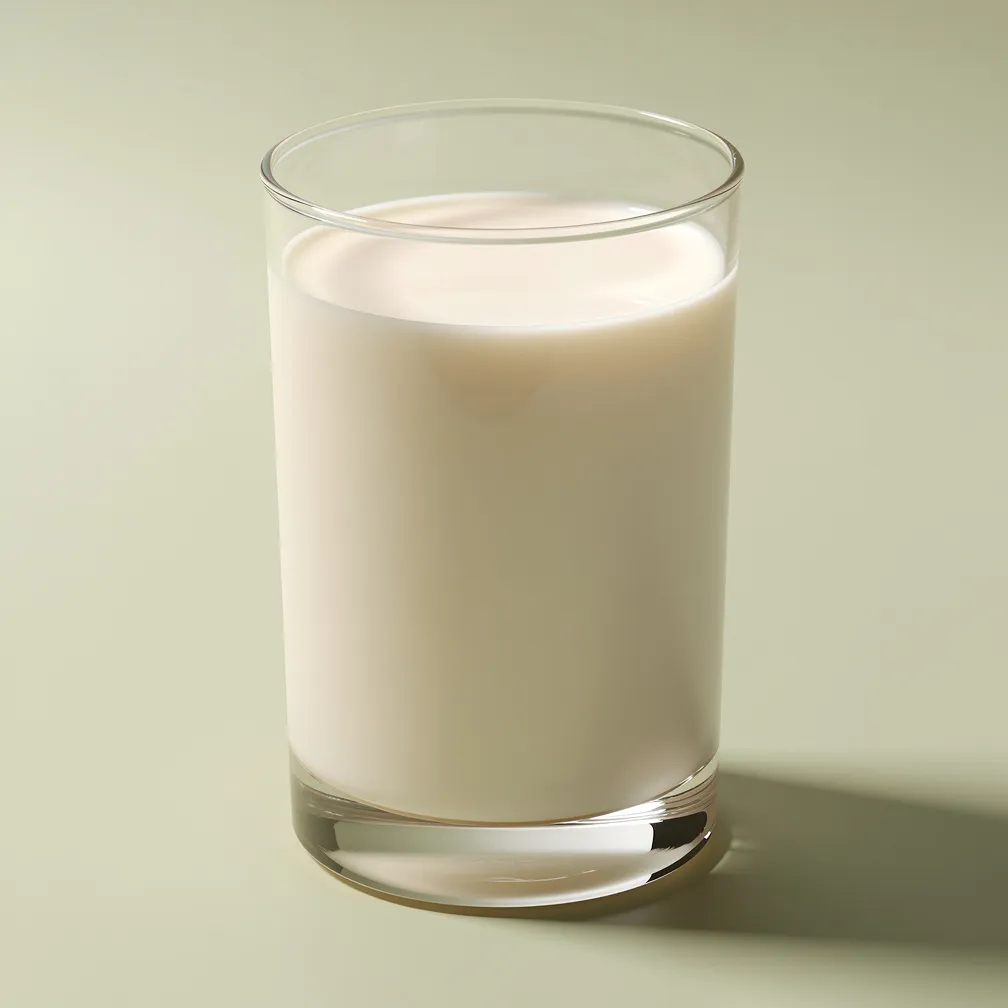
The beverages category in this catalog covers everything you drink: water, coffee, tea, milk and plant-based milks, fruit and vegetable juices, smoothies, sodas, energy drinks, sports drinks, kombucha, and alcoholic options like beer, wine, and spirits. Macronutrient profiles vary widely — water and unsweetened teas contribute essentially nothing, while juices and sodas are almost pure carbohydrates from sugars, and milk-based drinks add protein and fat. Key micronutrients include calcium and vitamin D from dairy and fortified plant milks, vitamin C and potassium from citrus juices, and polyphenols from tea and coffee. Glycemic index matters most for sweetened drinks and juices, which spike blood glucose quickly due to their liquid form and lack of fiber.
Which beverages have the lowest sugar content?
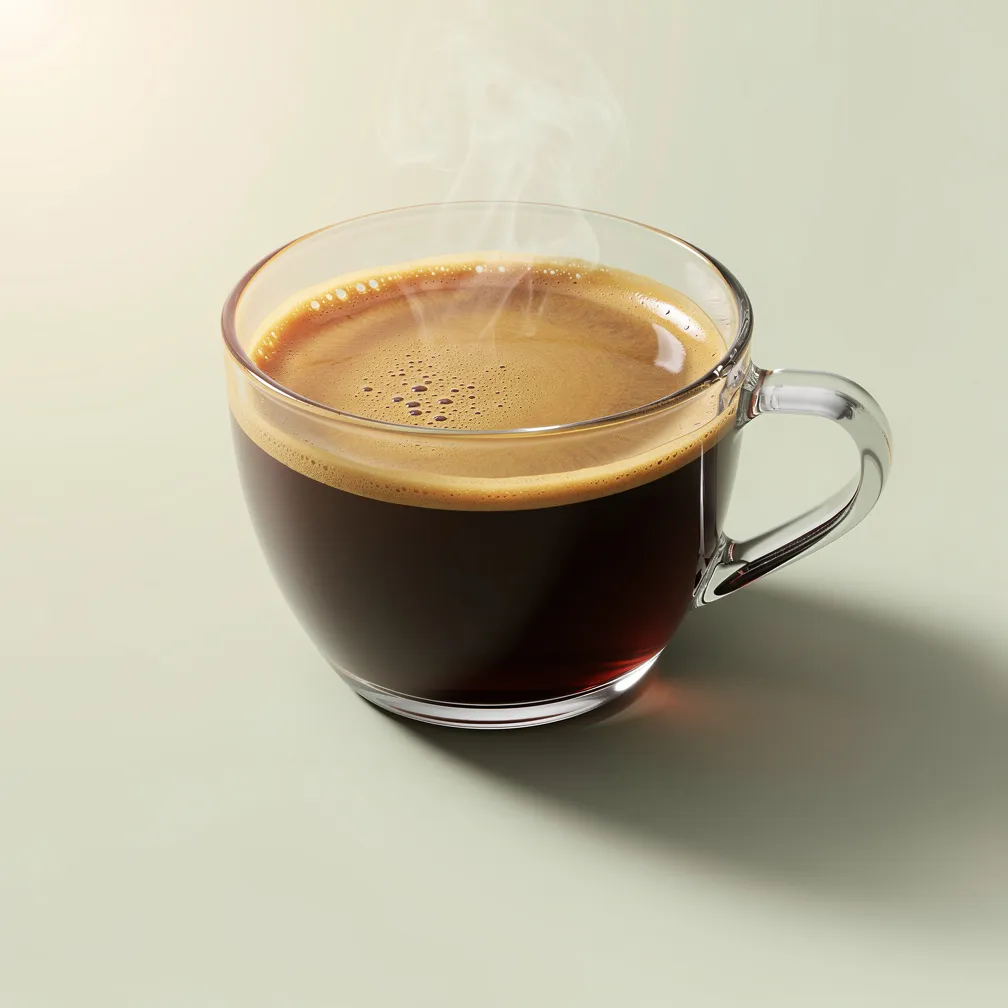
Plain water, sparkling water, black coffee, and unsweetened teas contain zero or negligible sugar. Unsweetened almond milk typically has under 1 gram per cup, while plain kombucha ranges from 2 to 8 grams depending on fermentation length. Diet sodas use non-nutritive sweeteners and contain no sugar, though they still register sweetness on the palate.
Are fruit juices healthier than soda?
100 percent fruit juice contains vitamins like C and folate plus potassium, which sodas lack, but the sugar content is often comparable — around 24 to 30 grams per cup for both orange juice and cola. Juice lacks the fiber of whole fruit, so it raises blood glucose nearly as fast as soda. The main nutritional advantage is micronutrient density, not calorie or sugar reduction.
What can I drink on a keto diet?
Water, sparkling water, black coffee, plain tea, and unsweetened almond or coconut milk fit keto since they contain under 2 grams of carbs per serving. Dry wines and spirits like vodka or whiskey are zero-carb but count toward alcohol limits. Avoid fruit juices, regular sodas, sweetened lattes, beer, and most smoothies, which can contain 20 to 50 grams of carbs per serving.
How much caffeine is in coffee versus tea versus energy drinks?
An 8-ounce cup of brewed coffee typically contains 80 to 100 mg of caffeine, while the same volume of black tea has 40 to 70 mg and green tea 25 to 45 mg. Energy drinks vary widely, from 80 mg in a standard Red Bull to over 300 mg in larger formats. Espresso shots concentrate caffeine into about 63 mg per ounce.


Get Vnutri
Log meals, track daily totals, save favorites. Free on iOS and Android.